

Tested Applications
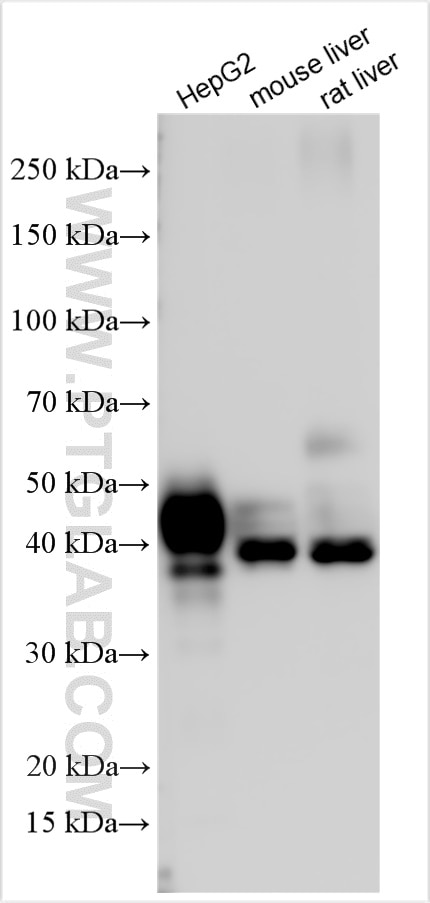
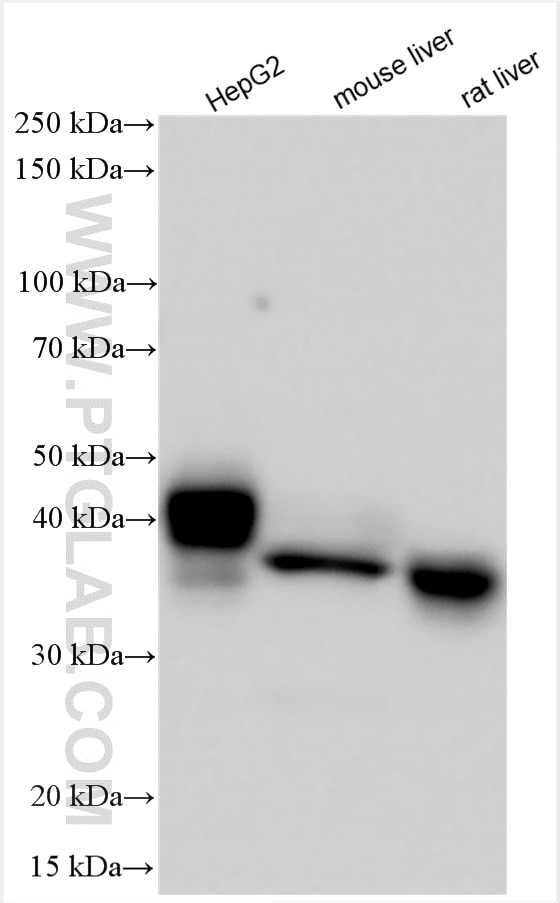
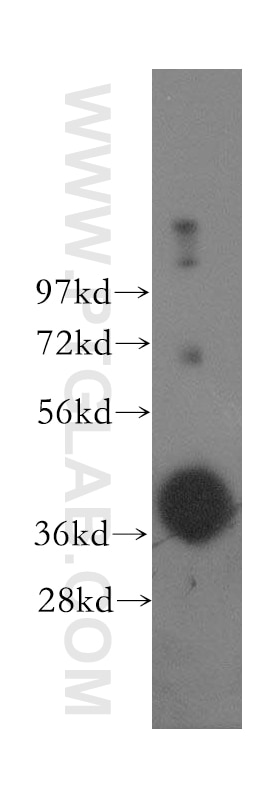
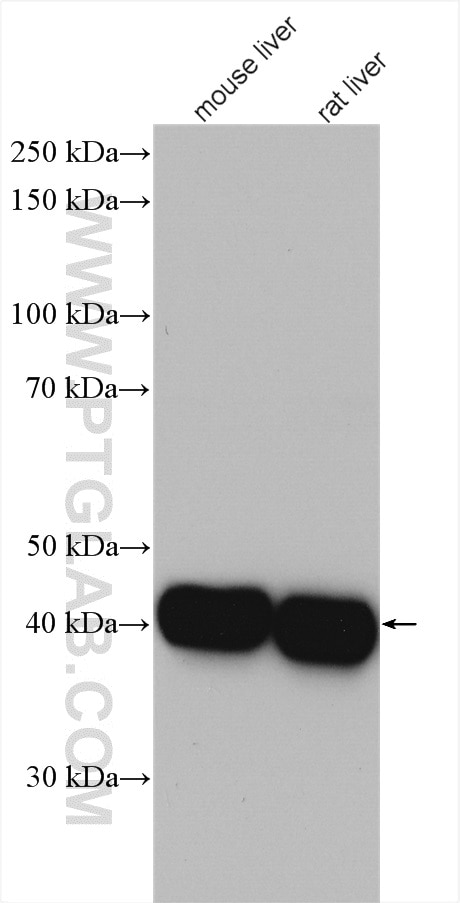
| Positive WB detected in | HepG2 cells, human liver tissue, mouse liver tissue, rat liver tissue |
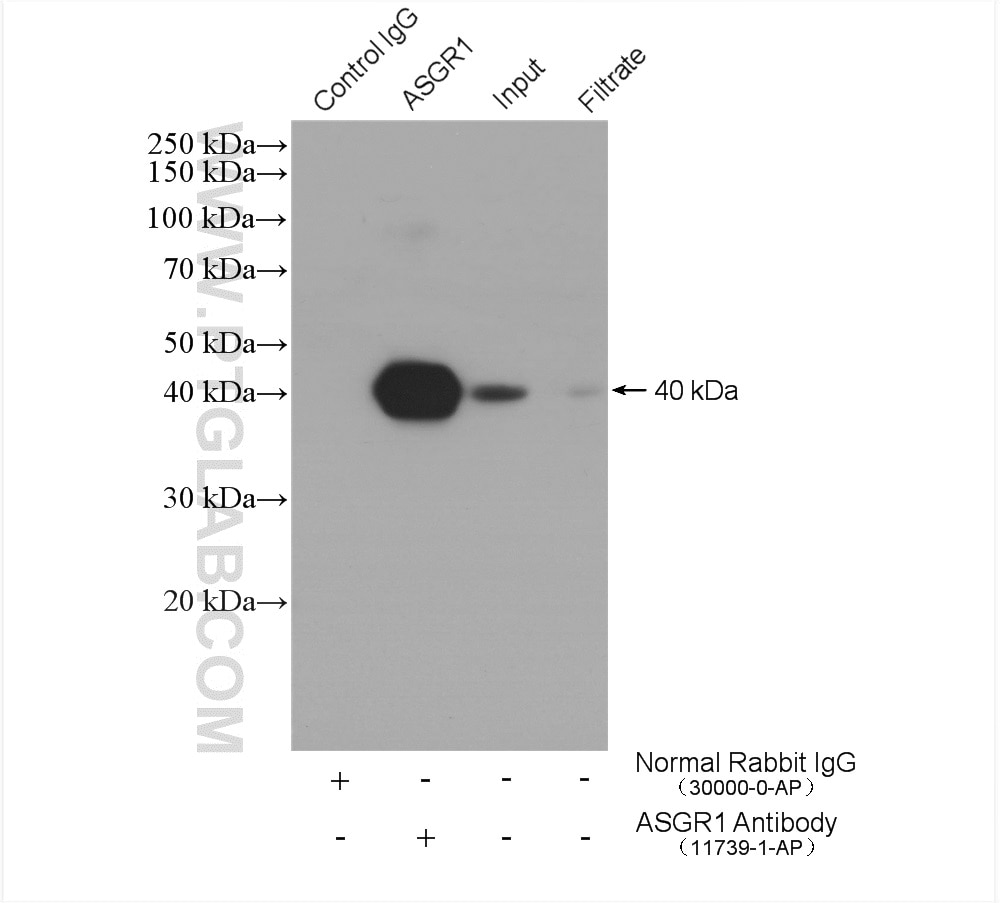
| Positive IP detected in | mouse liver tissue |
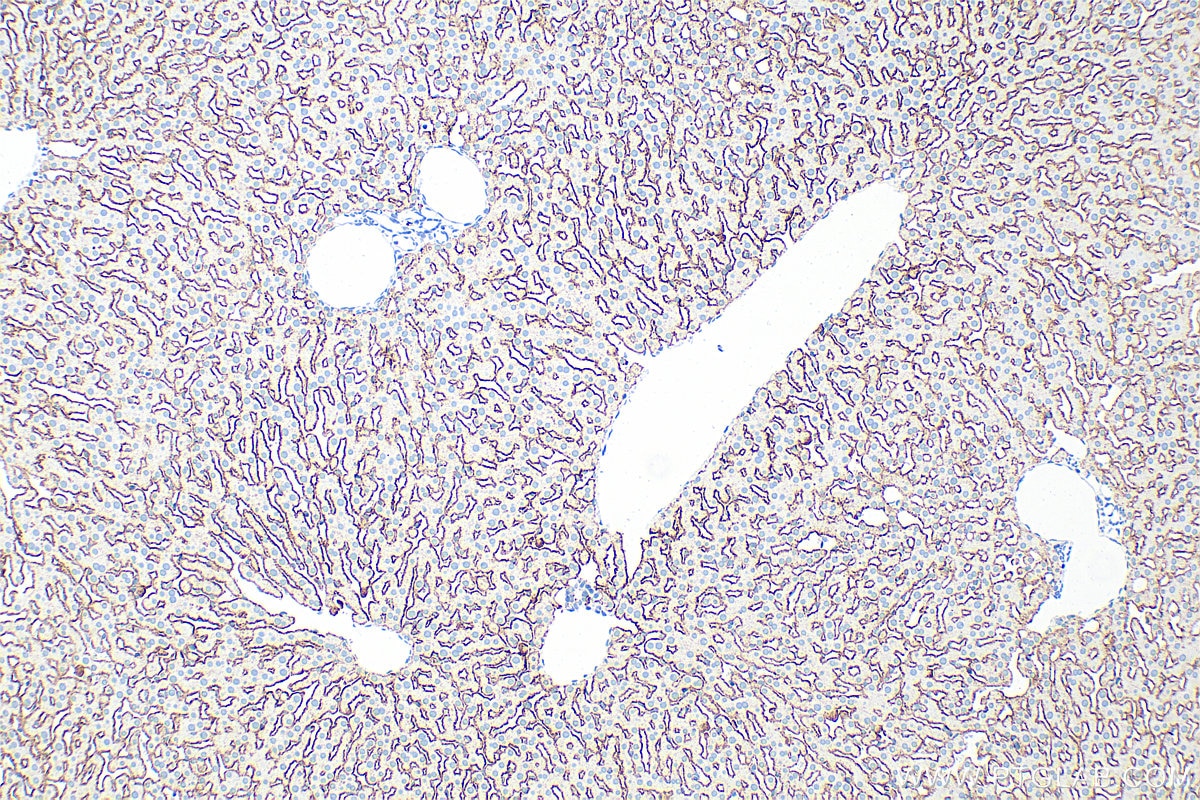
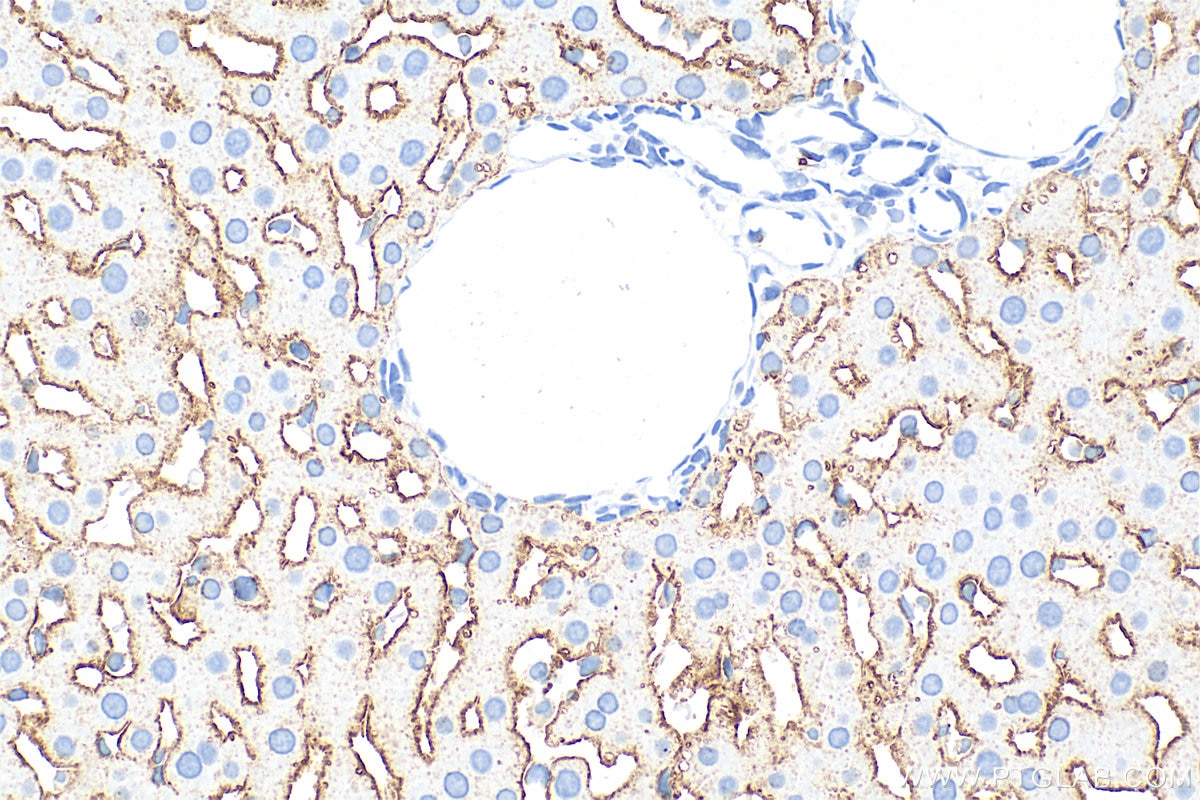
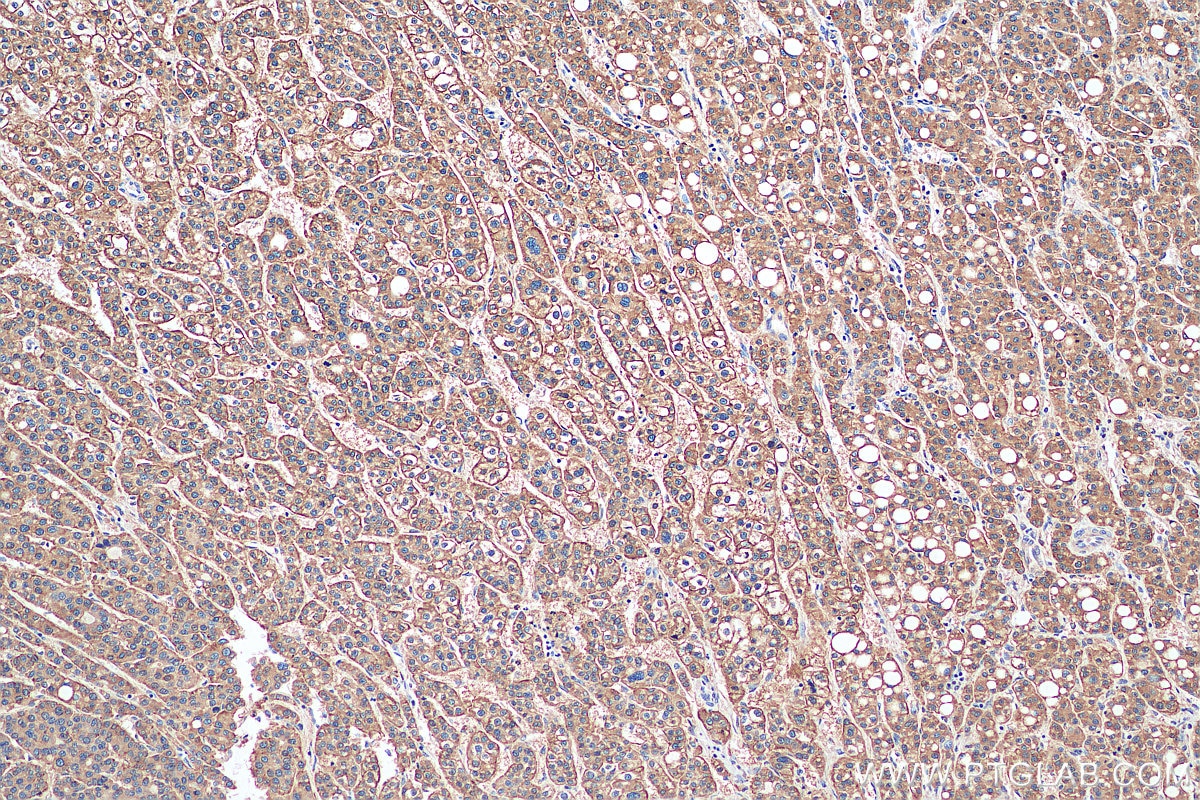
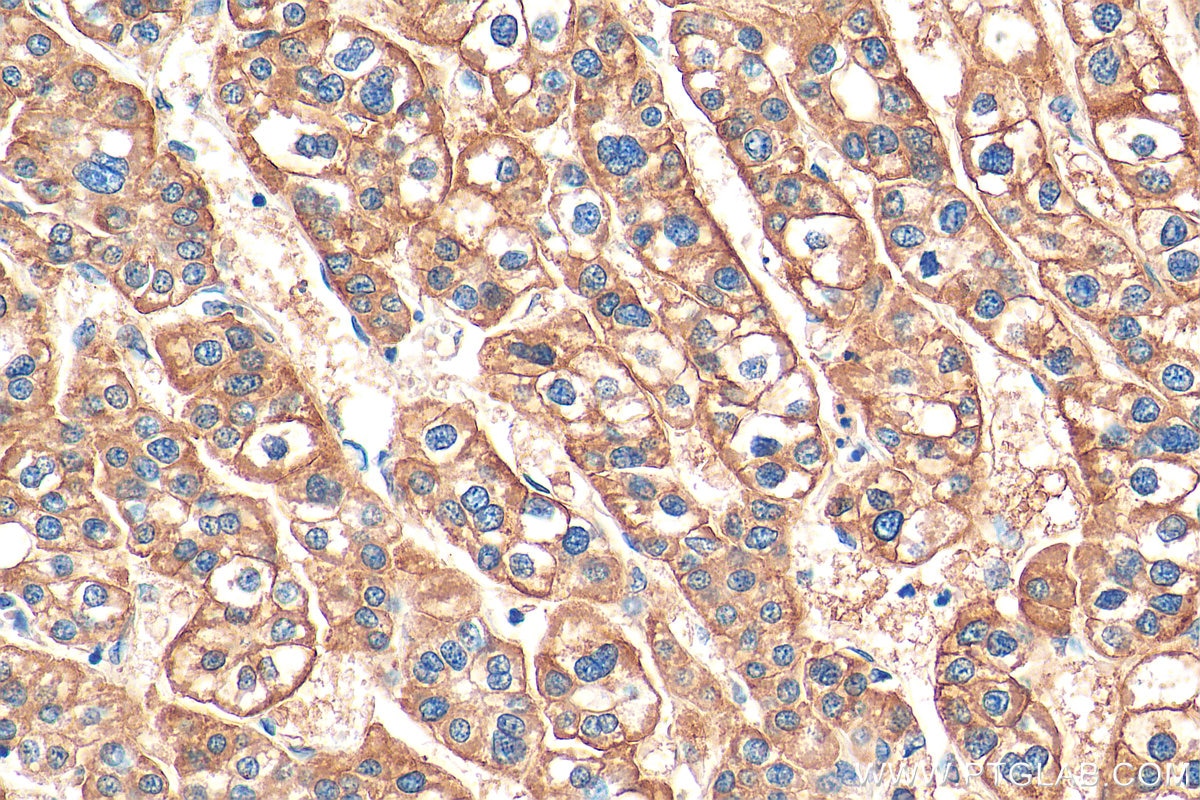
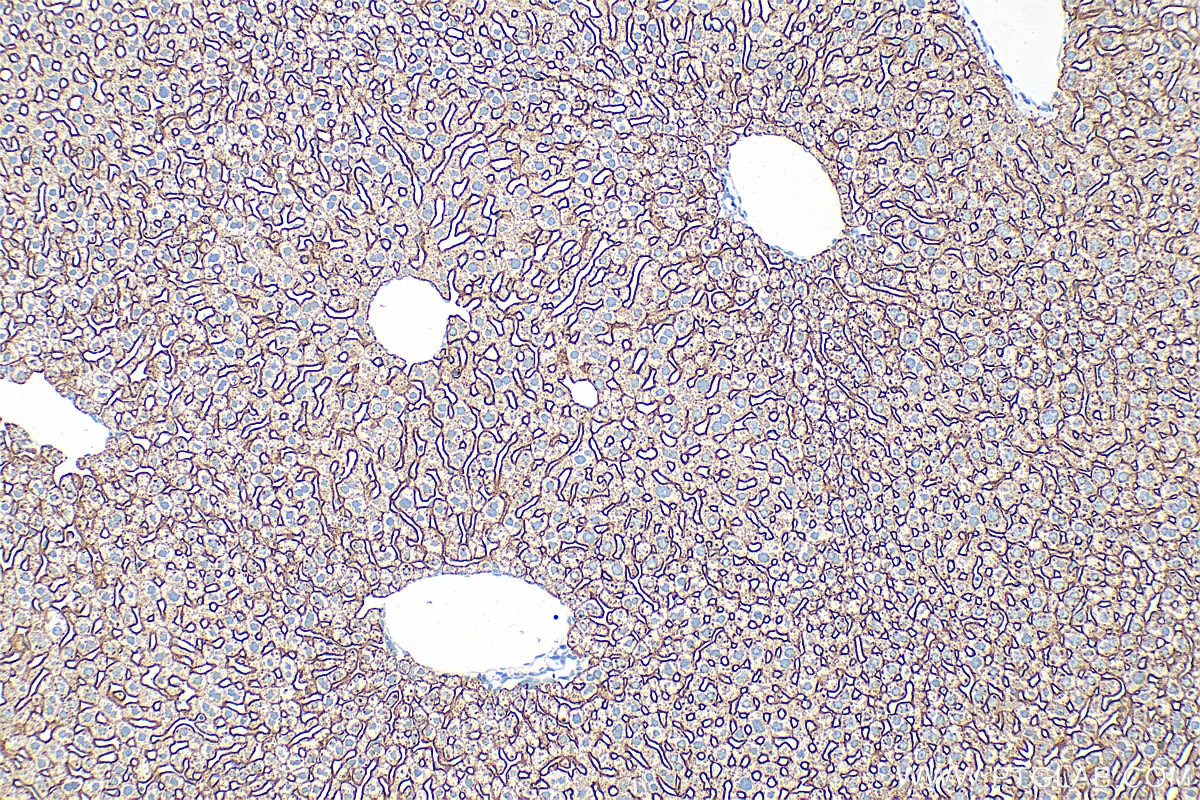
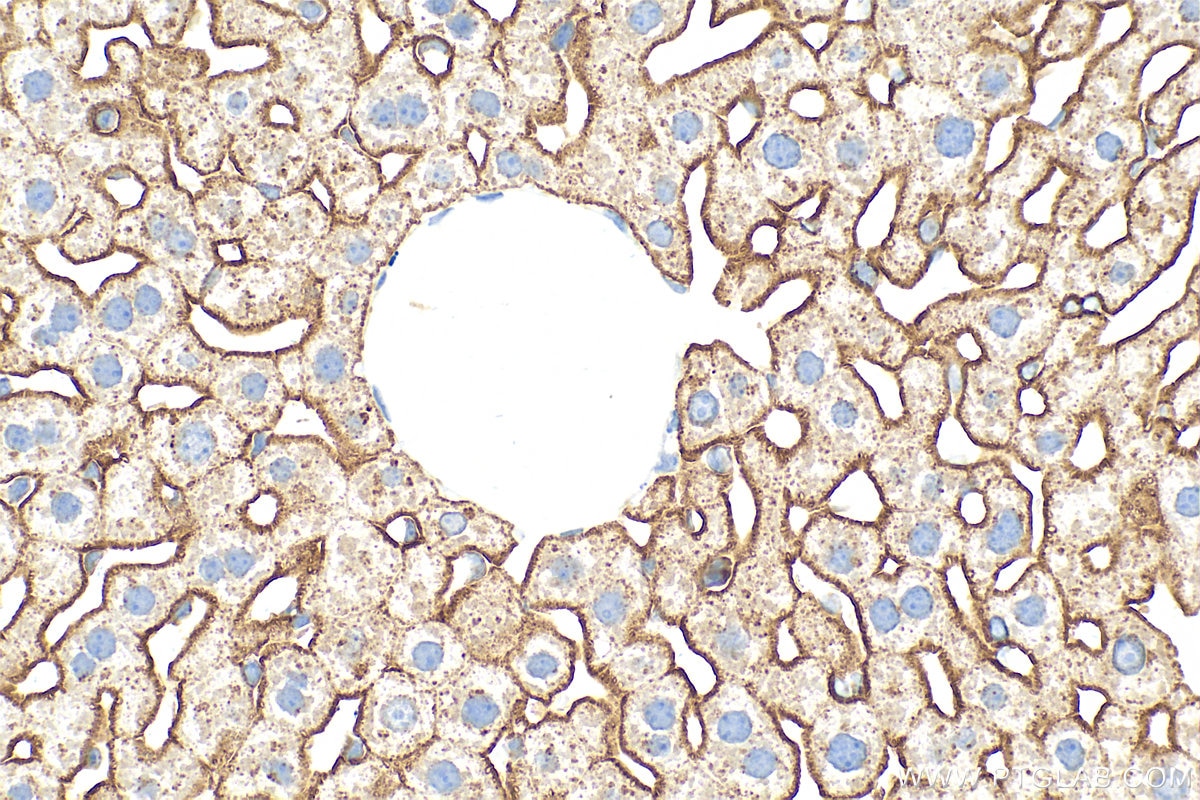
| Positive IHC detected in | rat liver tissue, human liver cancer tissue, mouse liver tissue Note: suggested antigen retrieval with TE buffer pH 9.0; (*) Alternatively, antigen retrieval may be performed with citrate buffer pH 6.0 |
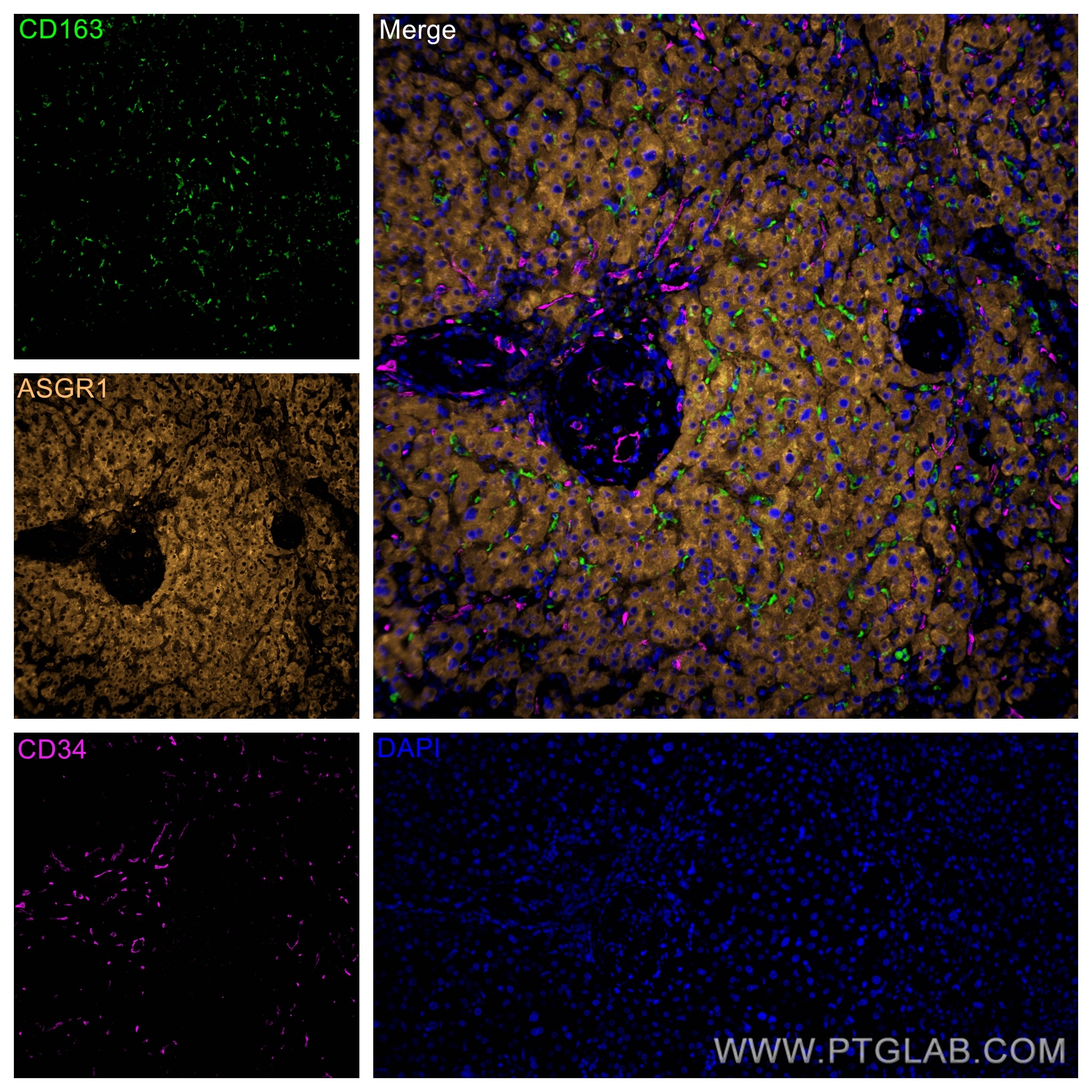
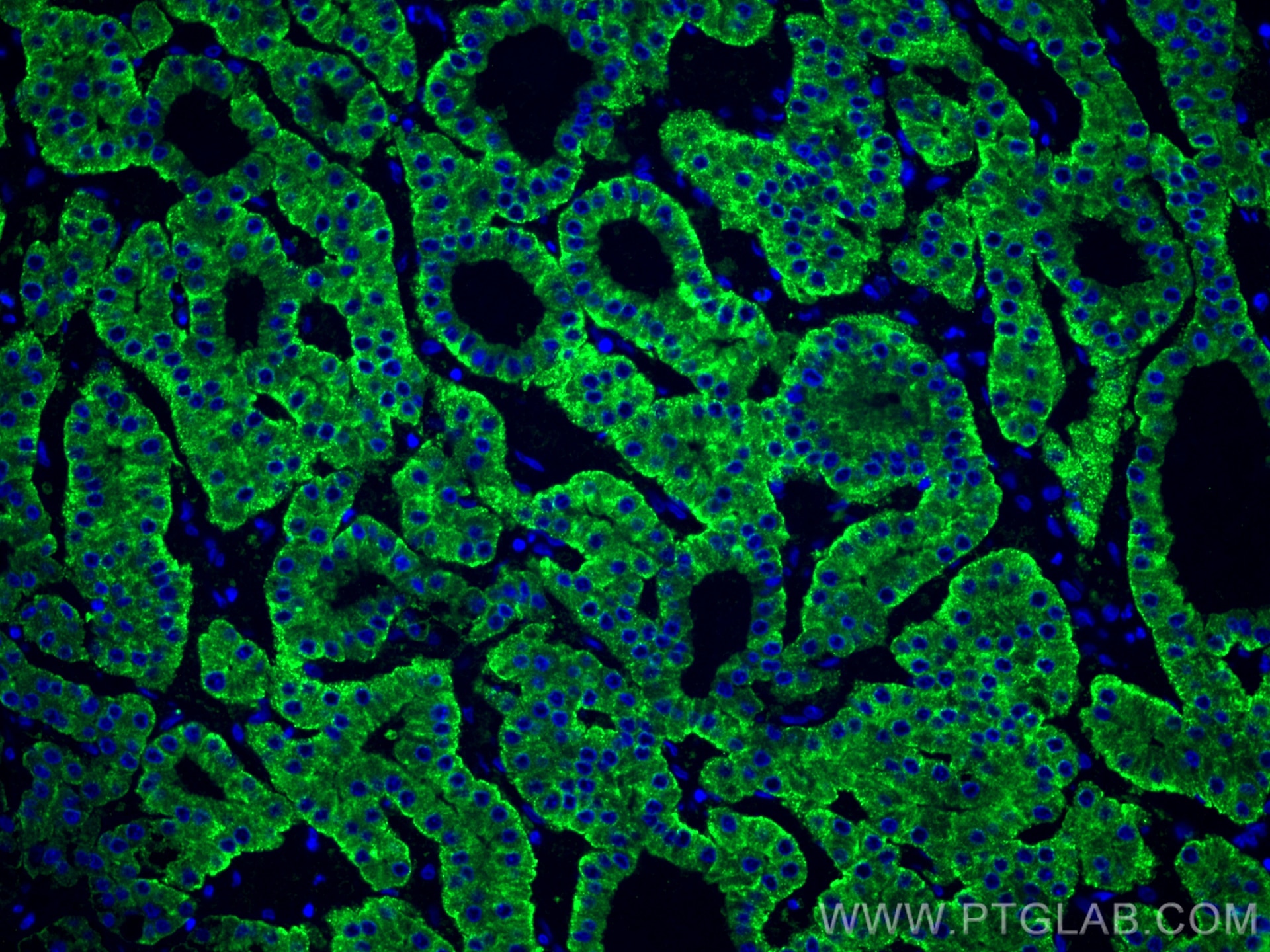
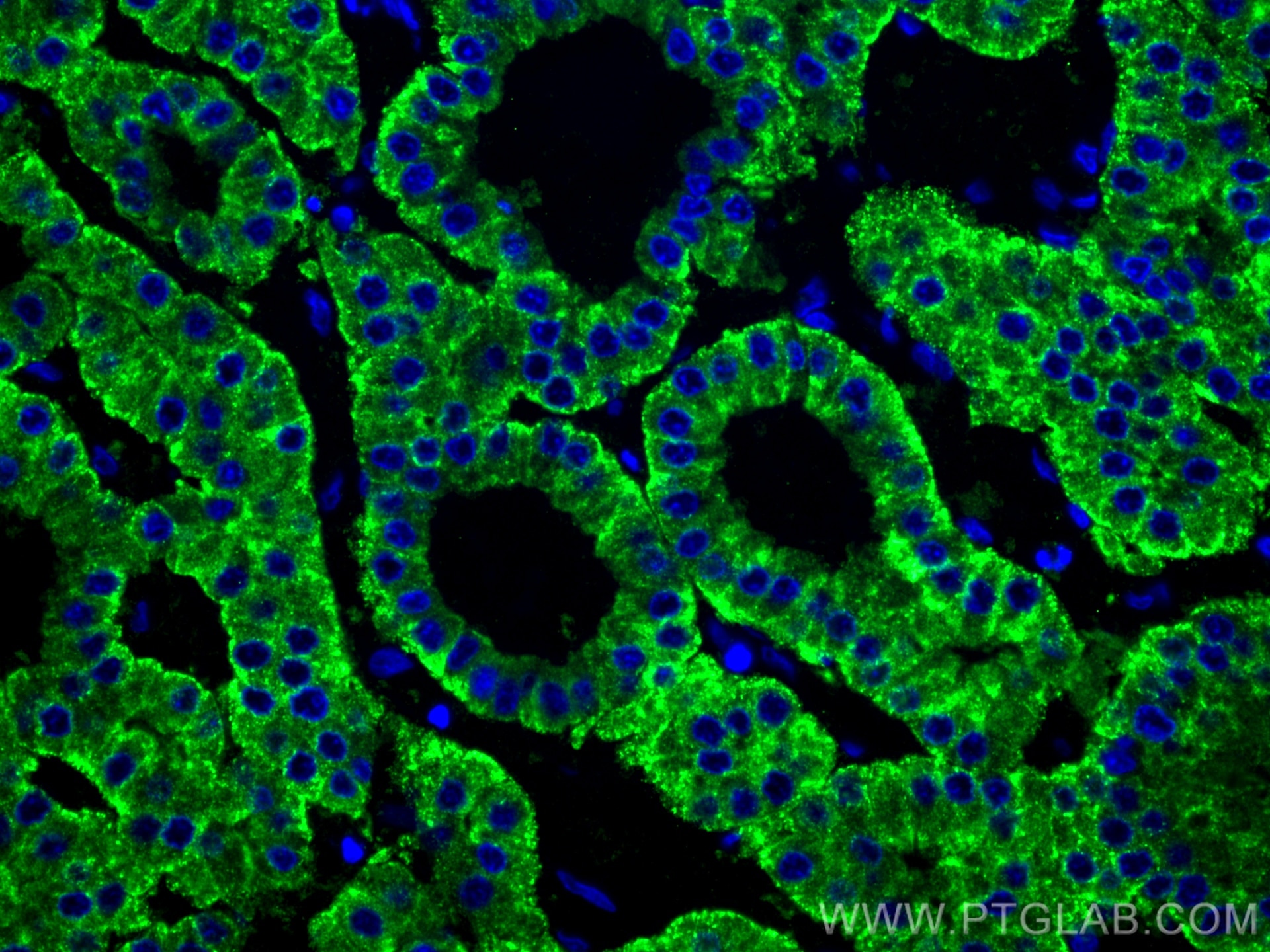
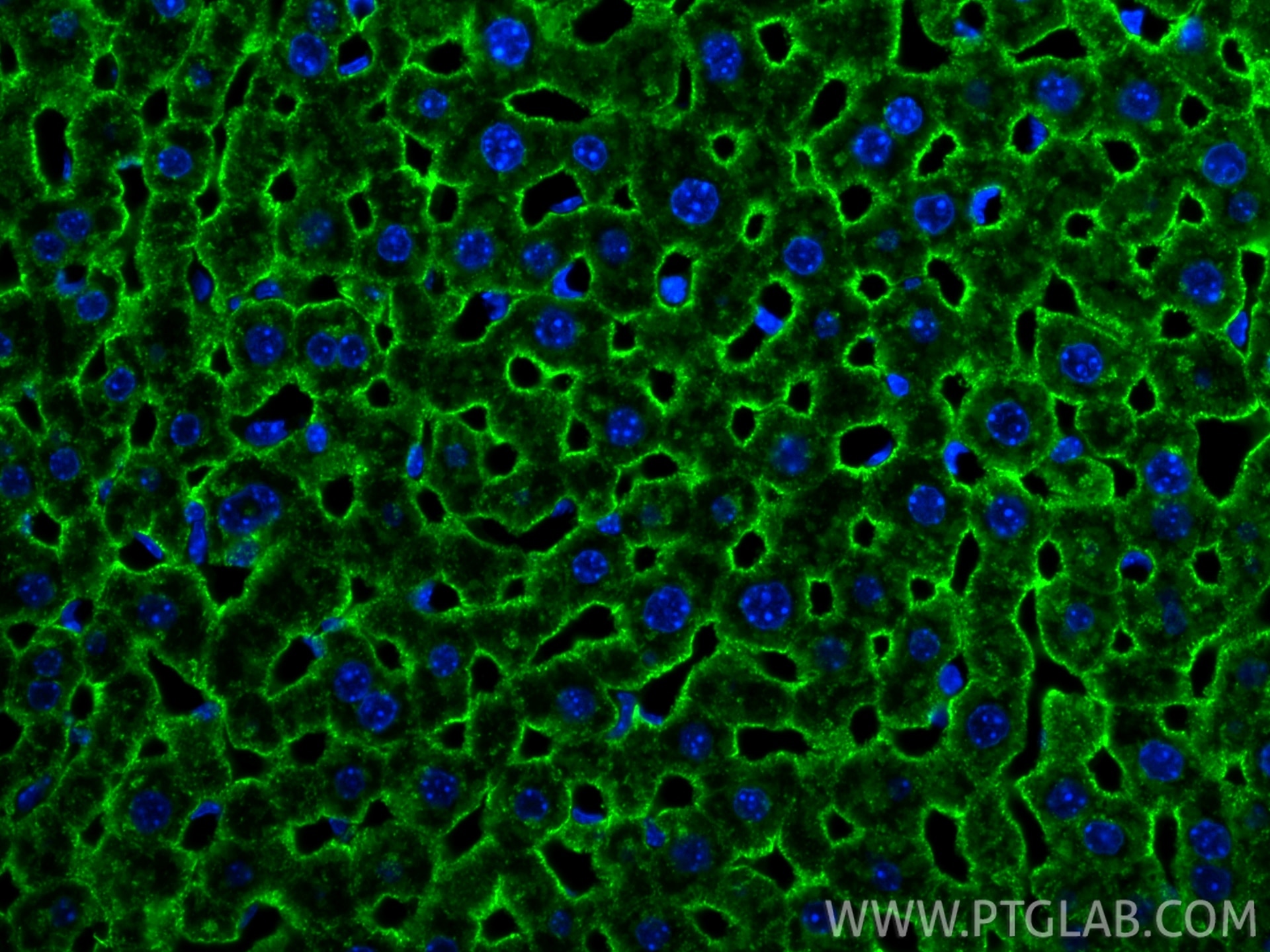
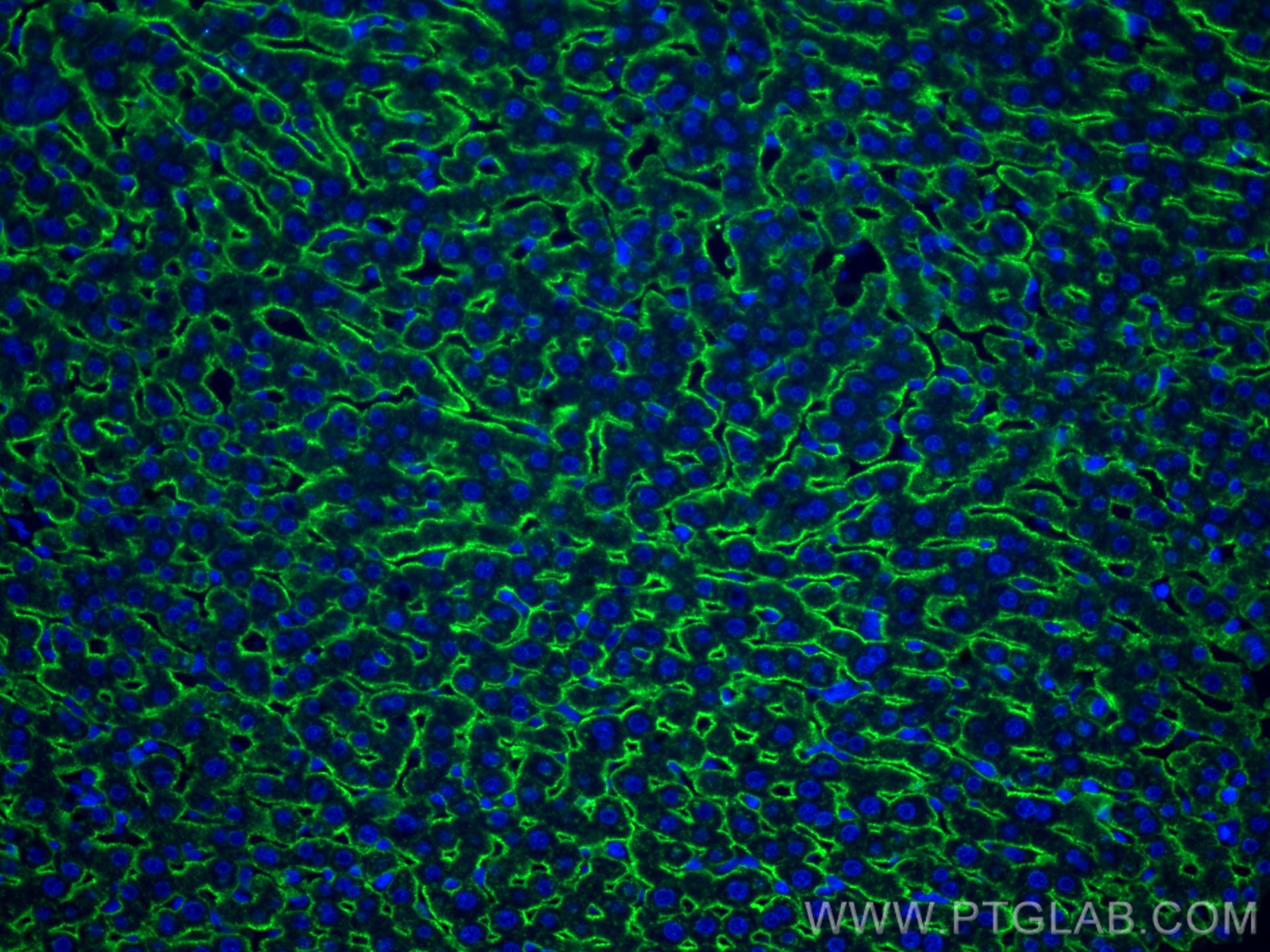
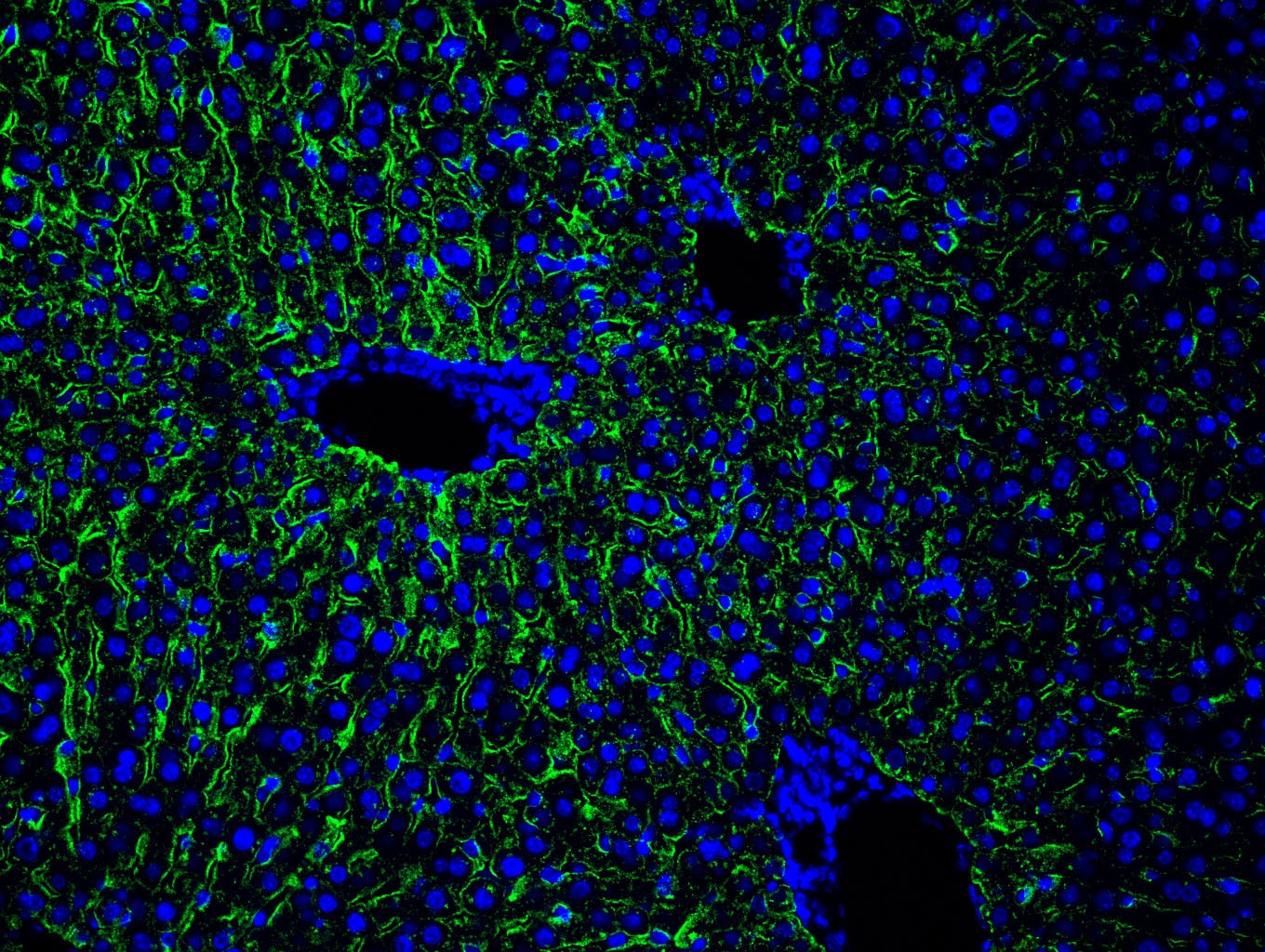
| Positive IF-P detected in | human liver cancer tissue, human liver tissue, rat liver tissue, mouse liver tissue |
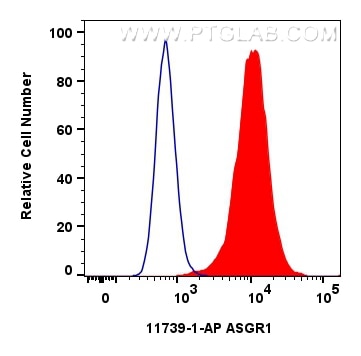
| Positive FC detected in | HepG2 cells |
Recommended dilution
| Application | Dilution |
|---|---|
| Western Blot (WB) | WB : 1:5000-1:50000 |
| Immunoprecipitation (IP) | IP : 0.5-4.0 ug for 1.0-3.0 mg of total protein lysate |
| Immunohistochemistry (IHC) | IHC : 1:1000-1:4000 |
| Immunofluorescence (IF)-P | IF-P : 1:50-1:500 |
| Flow Cytometry (FC) | FC : 0.40 ug per 10^6 cells in a 100 µl suspension |
| It is recommended that this reagent should be titrated in each testing system to obtain optimal results. | |
| Sample-dependent, Check data in validation data gallery. | |
Product Information
11739-1-AP targets ASGR1 in WB, IHC, IF-P, FC, IP, CoIP, ELISA, Blocking assay applications and shows reactivity with human, mouse, rat samples.
| Tested Reactivity | human, mouse, rat |
| Cited Reactivity | human, mouse, pig, monkey |
| Host / Isotype | Rabbit / IgG |
| Class | Polyclonal |
| Type | Antibody |
| Immunogen |
CatNo: Ag2310 Product name: Recombinant human ASGR1 protein Source: e coli.-derived, PGEX-4T Tag: GST Domain: 1-291 aa of BC032130 Sequence: MTKEYQDLQHLDNEESDHHQLRKGPPPPQPLLQRLCSGPRLLLLSLGLSLLLLVVVCVIGSQNSQLQEELRGLRETFSNFTASTEAQVKGLSTQGGNVGRKMKSLESQLEKQQKDLSEDHSSLLLHVKQFVSDLRSLSCQMAALQGNGSERTCCPVNWVEHERSCYWFSRSGKAWADADNYCRLEDAHLVVVTSWEEQKFVQHHIGPVNTWMGLHDQNGPWKWVDGTDYETGFKNWRPEQPDDWYGHGLGGGEDCAHFTDDGRWNDDVCQRPYRWVCETELDKASQEPPLL Predict reactive species |
| Full Name | asialoglycoprotein receptor 1 |
| Calculated Molecular Weight | 291 aa, 33 kDa |
| Observed Molecular Weight | 38-42 kDa |
| GenBank Accession Number | BC032130 |
| Gene Symbol | ASGR1 |
| Gene ID (NCBI) | 432 |
| RRID | AB_2059675 |
| Conjugate | Unconjugated |
| Form | Liquid |
| Purification Method | Antigen affinity purification |
| UNIPROT ID | P07306 |
| Storage Buffer | PBS with 0.02% sodium azide and 50% glycerol, pH 7.3. |
| Storage Conditions | Store at -20°C. Stable for one year after shipment. Aliquoting is unnecessary for -20oC storage. 20ul sizes contain 0.1% BSA. |
Background Information
Asialoglycoprotein receptor (ASGPR), also known as the hepatic galactose/N-acetylglucosamine (GlcNAc) receptor or Ashwell receptor, is a C-type lectin expressed exclusively in hepatic parenchymal cells. ASGPR consists of two subunits, a major subunit (ASGR1, HL-1) and a minor subunit (ASGR2, HL-2), and specifically recognizes terminal β-linked galactose or GlcNAc on circulating glycoproteins or cells. This receptor plays a critical role in serum glycoprotein homeostasis by mediating the endocytosis and lysosomal degradation of glycoproteins that contain terminal galactose or GlcNAc residues. ASGPR may facilitate hepatic infection by multiple viruses including hepatitis B, and is also a target for liver-specific drug delivery.(PMID: 24975671; 10891274; 23979840; 22385296; 22571878)
Protocols
| Product Specific Protocols | |
|---|---|
| FC protocol for ASGR1 antibody 11739-1-AP | Download protocol |
| IF protocol for ASGR1 antibody 11739-1-AP | Download protocol |
| IHC protocol for ASGR1 antibody 11739-1-AP | Download protocol |
| IP protocol for ASGR1 antibody 11739-1-AP | Download protocol |
| WB protocol for ASGR1 antibody 11739-1-AP | Download protocol |
| Standard Protocols | |
|---|---|
| Click here to view our Standard Protocols |
Publications
What published studies show
The ASGR1 antibody (cat# 11739-1-AP) has 43 citations across journals including Nature, Nature Biotechnology, Blood, Cancer Research, PNAS, Molecular Therapy, Biomaterials, and Cell Reports. Research fields span lipid metabolism and cholesterol regulation, hepatocellular carcinoma, atherosclerosis, gene therapy and base editing, nanoparticle drug delivery, nonalcoholic fatty liver disease, insulin resistance, extracellular vesicles, liver fibrosis, and viral infection.
| Species | Application | Title |
|---|---|---|
Nat Biotechnol Lipid nanoparticle-mediated mRNA delivery to CD34+ cells in rhesus monkeys | ||
Cancer Res ASO-Based PKM Splice-Switching Therapy Inhibits Hepatocellular Carcinoma Growth. | ||
Nat Protoc Filter-aided expansion proteomics for the spatial analysis of single cells and organelles in FFPE tissue samples. |
Reviews
What customers say
All four reviews rate this antibody 5 stars. Users report excellent performance in both Western blot and immunofluorescence applications. One reviewer achieved clear ASGR1 bands at ~42 kDa in mouse liver lysates using a 1:25,000 dilution overnight at 4°C. Two others successfully used it for immunofluorescence to label hepatocytes in liver tissue sections, with dilutions ranging from 1:100 to 1:500. Overall, customers describe it as a reliable and high-quality antibody for hepatocyte/liver research, with one also praising quick delivery.
The reviews below have been submitted by verified Proteintech customers who received an incentive for providing their feedback.
Stella Nathania (Verified Customer) (12-08-2025) | It is a perfect antibody for our research, we used it for immunofluorescence assay on hepatocytes. Thanks for the quick delivery too.
|
Kamal (Verified Customer) (02-15-2024) | Mouse liver lysates were subjected to SDS PAGE followed by western blot with 11739-1-AP (ASGR1 antibody) at dilution of 1:25000 incubated at 4 degree C overnight. ASGR1 bands appeared at about 42 kDa.
|
Kamal (Verified Customer) (02-15-2024) | Mouse liver lysates were subjected to SDS PAGE followed by western blot with 11739-1-AP (ASGR1 antibody) at dilution of 1:25000 incubated at 4 degree C overnight. ASGR1 bands appeared at about 42 kDa.
|
James (Verified Customer) (11-18-2022) | Very good antibody! Used it to label hepatocytes in section of paraffin-embedded liver tissue
 |


