
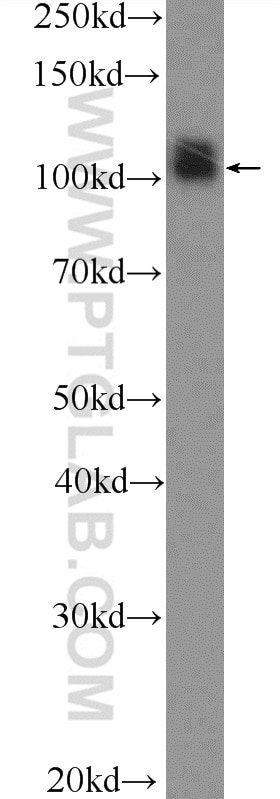
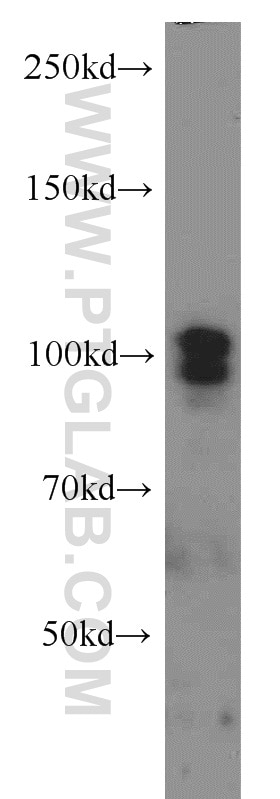
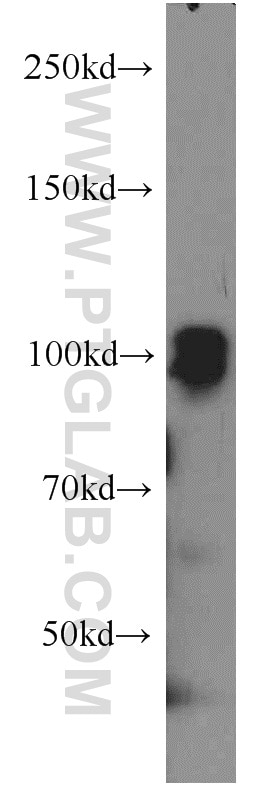
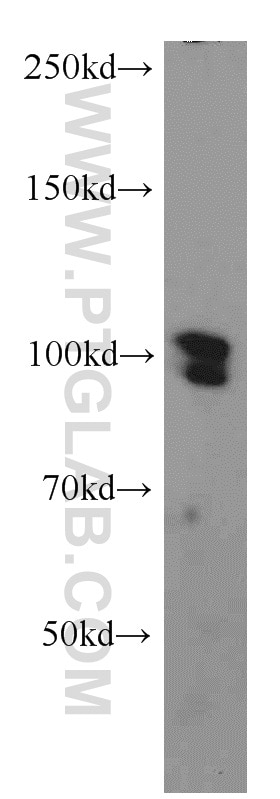

Tested Applications
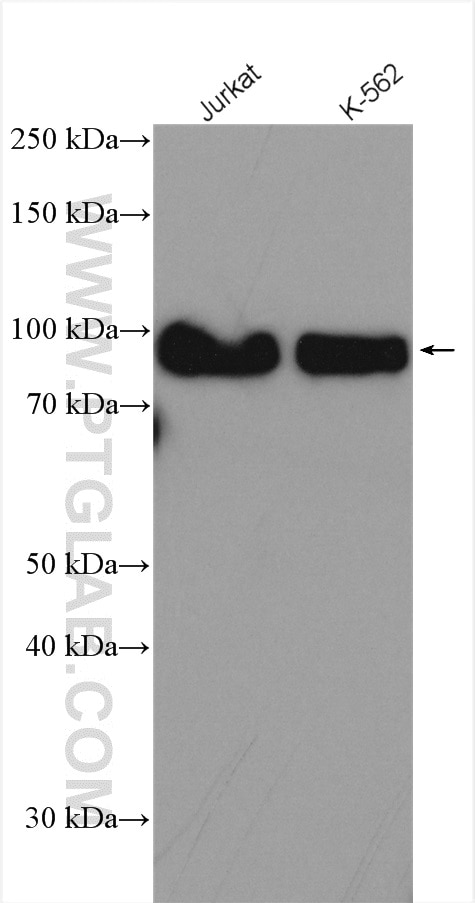
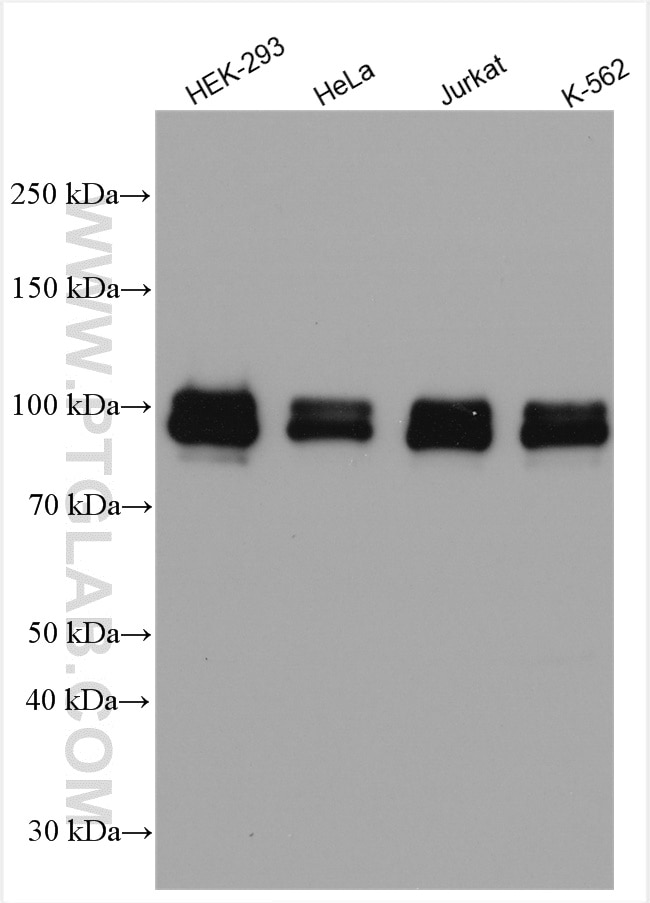
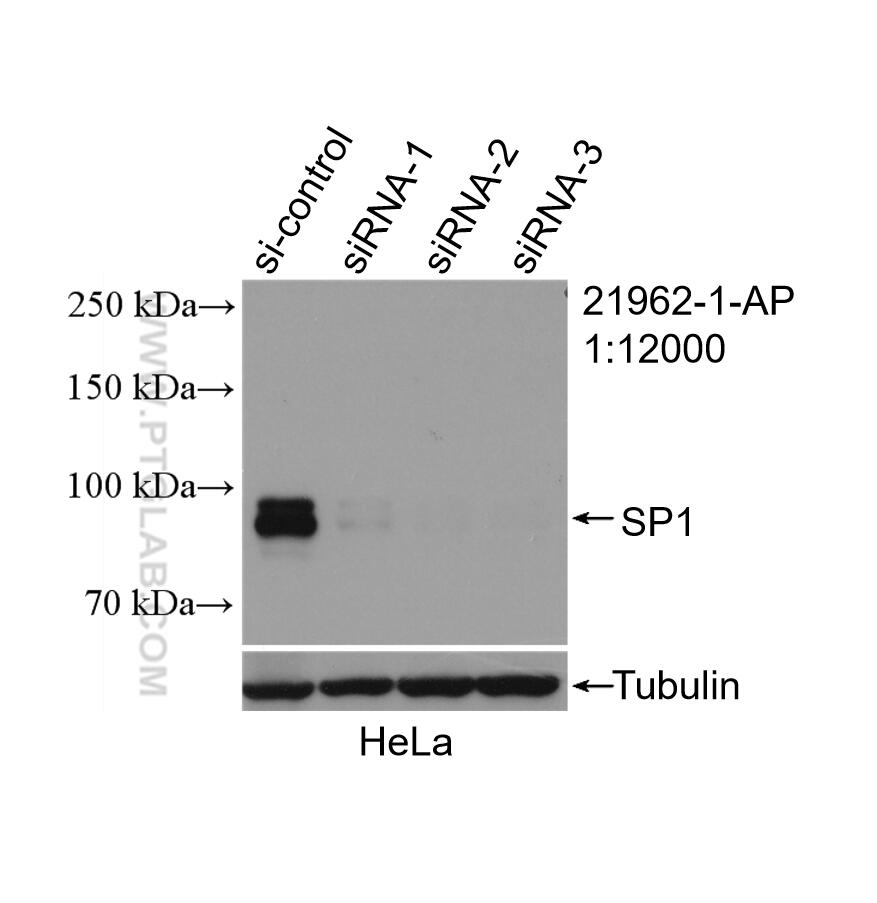
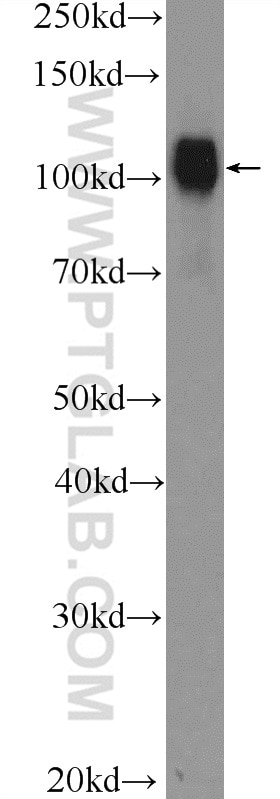
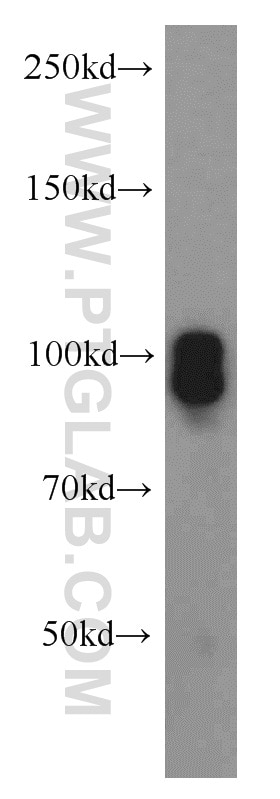
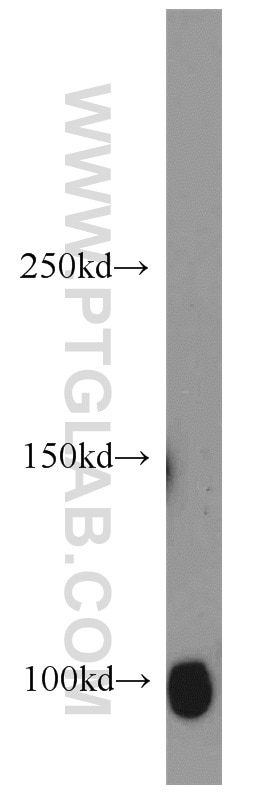
| Positive WB detected in | Jurkat cells, A431 cells, HEK-293 cells, HeLa cells, K-562 cells |
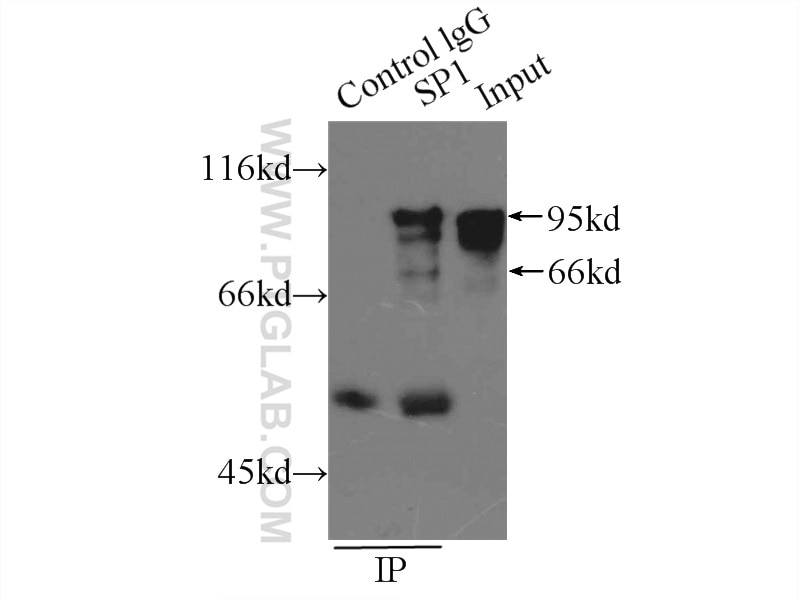
| Positive IP detected in | A431 cells |
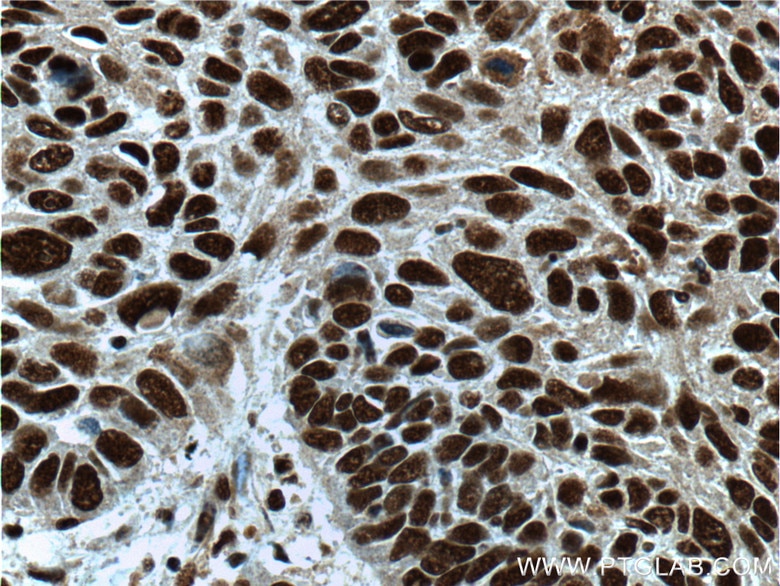
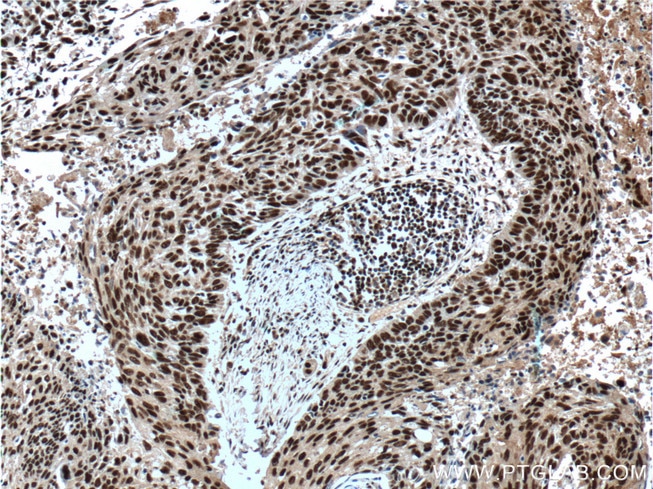
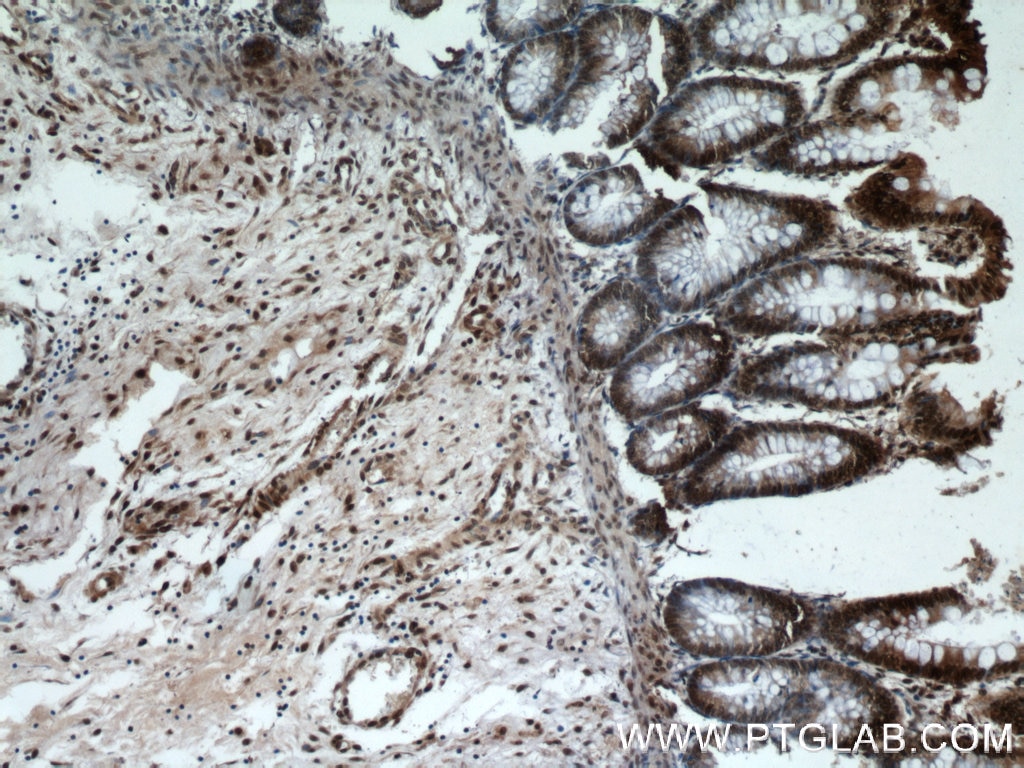
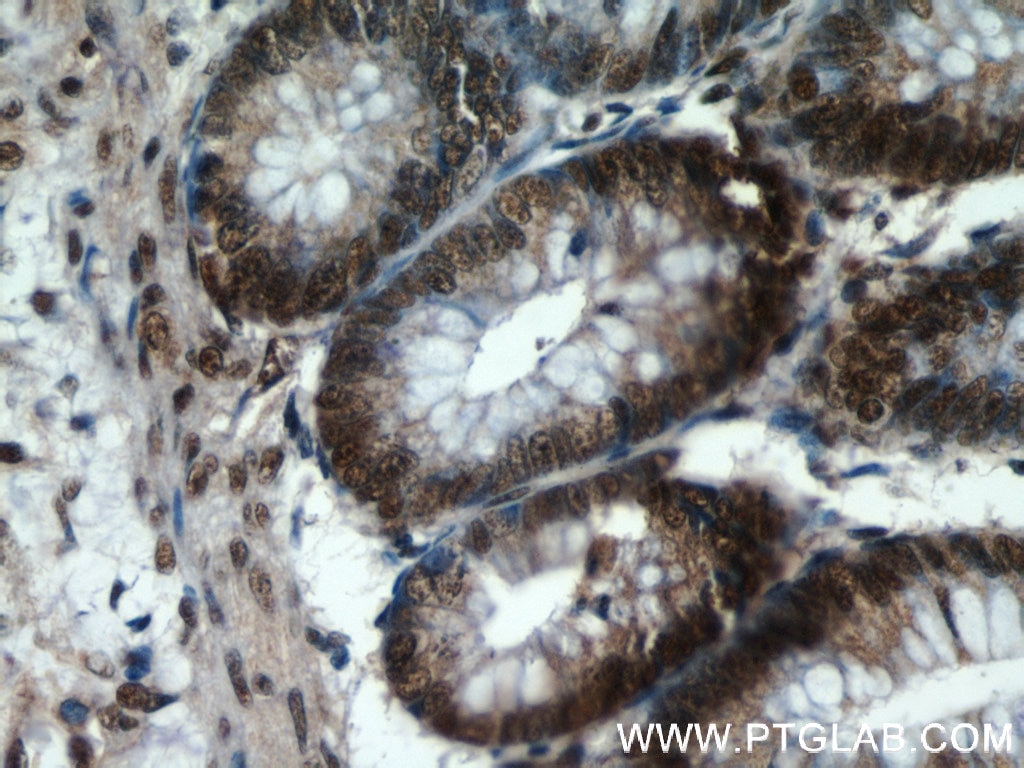
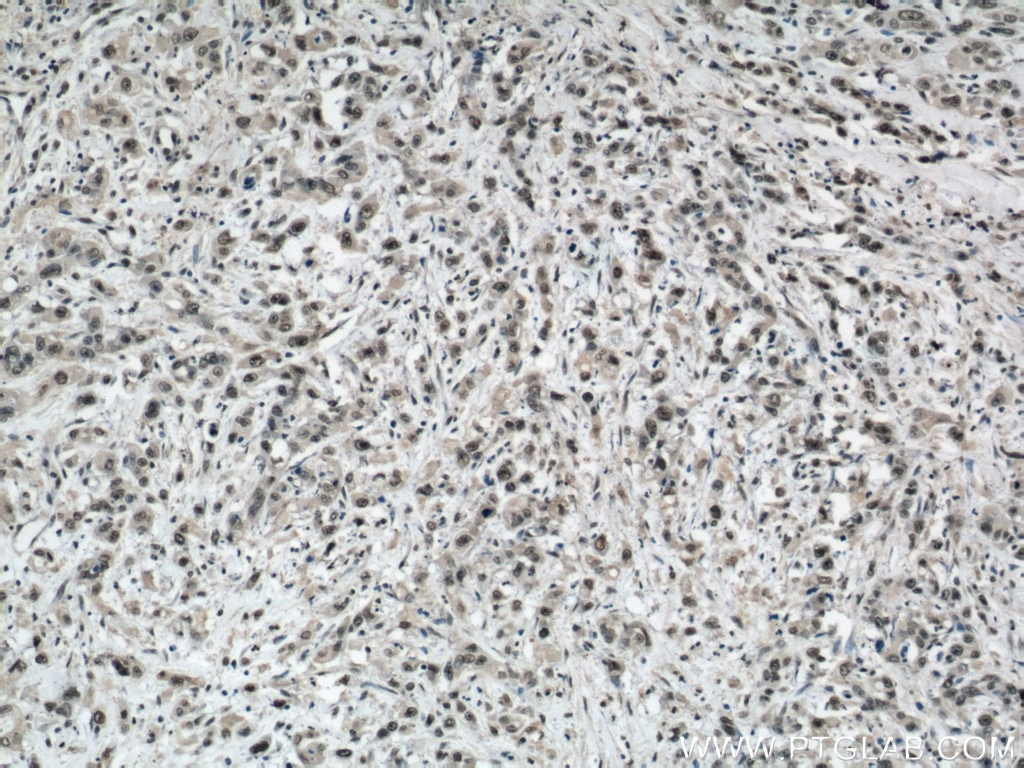
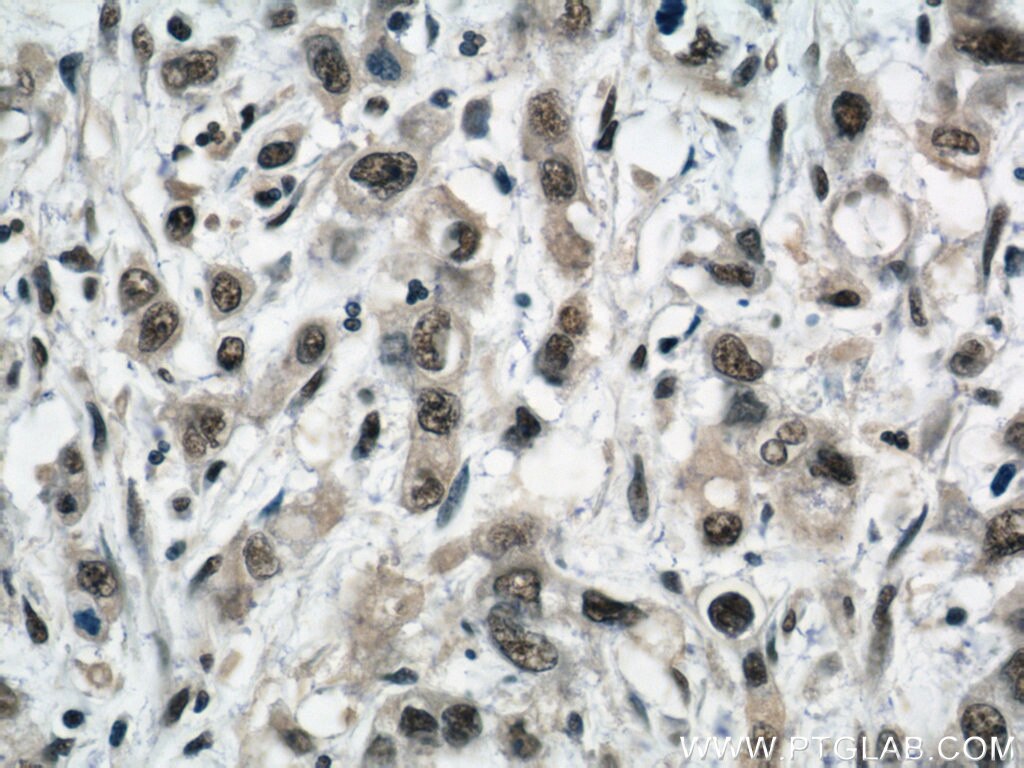
| Positive IHC detected in | human lung cancer tissue, human colon tissue, human stomach cancer tissue Note: suggested antigen retrieval with TE buffer pH 9.0; (*) Alternatively, antigen retrieval may be performed with citrate buffer pH 6.0 |
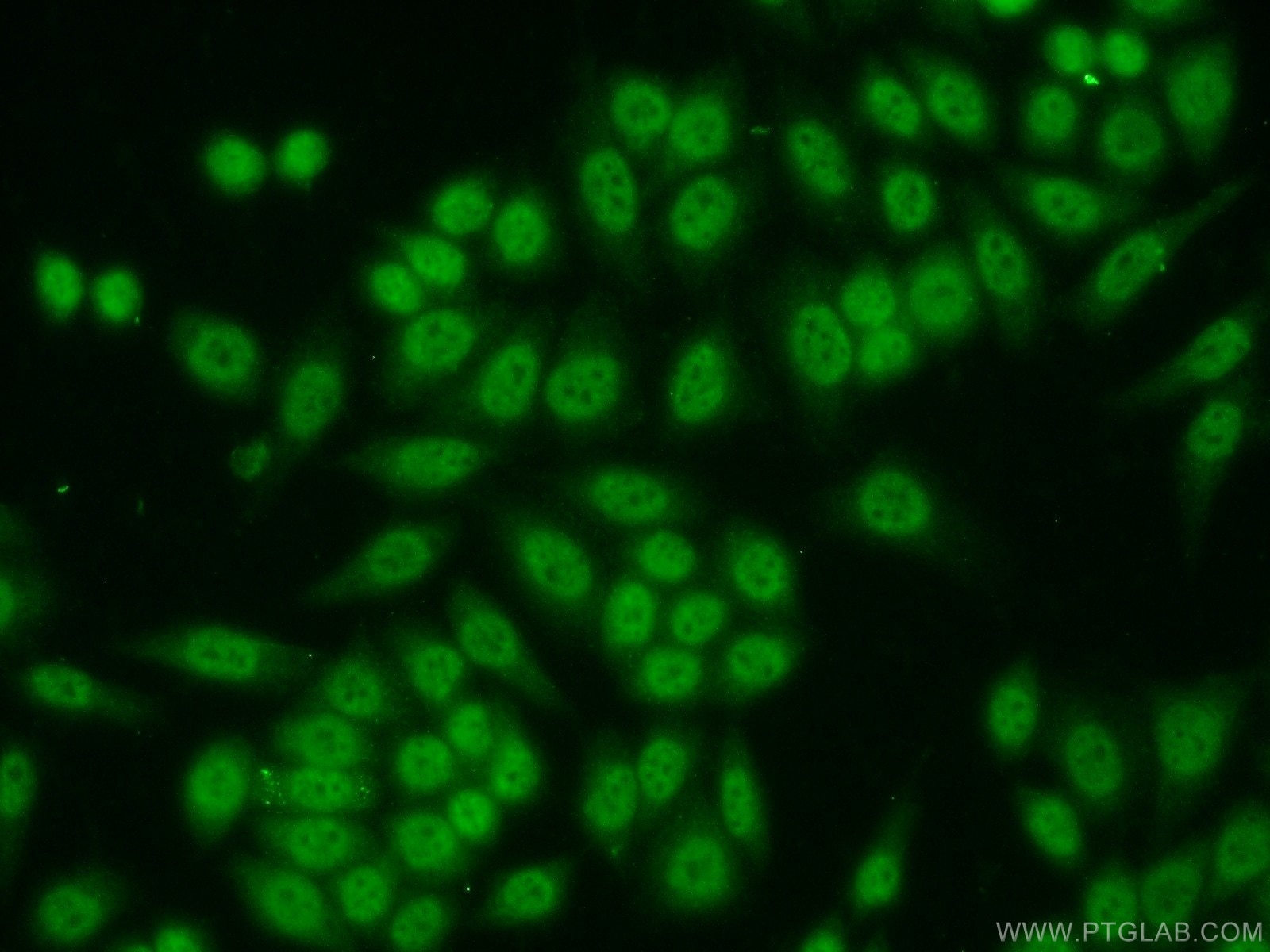
| Positive IF/ICC detected in | HeLa cells |
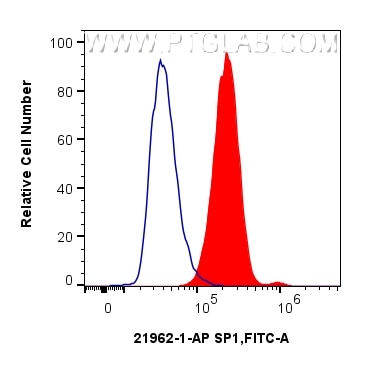
| Positive FC (Intra) detected in | HeLa cells |
Recommended dilution
| Application | Dilution |
|---|---|
| Western Blot (WB) | WB : 1:2000-1:16000 |
| Immunoprecipitation (IP) | IP : 0.5-4.0 ug for 1.0-3.0 mg of total protein lysate |
| Immunohistochemistry (IHC) | IHC : 1:50-1:500 |
| Immunofluorescence (IF)/ICC | IF/ICC : 1:20-1:200 |
| Flow Cytometry (FC) (INTRA) | FC (INTRA) : 0.25 ug per 10^6 cells in a 100 µl suspension |
| It is recommended that this reagent should be titrated in each testing system to obtain optimal results. | |
| Sample-dependent, Check data in validation data gallery. | |
Product Information
21962-1-AP targets SP1 in WB, IHC, IF/ICC, IP, CoIP, ChIP, ELISA, CUT&Tag applications and shows reactivity with human, mouse, rat, monkey samples.
| Tested Reactivity | human, mouse, rat, monkey |
| Cited Reactivity | human, mouse, rat, pig, monkey, sheep |
| Host / Isotype | Rabbit / IgG |
| Class | Polyclonal |
| Type | Antibody |
| Immunogen |
CatNo: Ag16720 Product name: Recombinant human SP1 protein Source: e coli.-derived, PGEX-4T Tag: GST Domain: 437-785 aa of BC062539 Sequence: NLQLQAVPNSGPIIIRTPTVGPNGQVSWQTLQLQNLQVQNPQAQTITLAPMQGVSLGQTSSSNTTLTPIASAASIPAGTVTVNAAQLSSMPGLQTINLSALGTSGIQVHPIQGLPLAIANAPGDHGAQLGLHGAGGDGIHDDTAGGEEGENSPDAQPQAGRRTRREACTCPYCKDSEGRGSGDPGKKKQHICHIQGCGKVYGKTSHLRAHLRWHTGERPFMCTWSYCGKRFTRSDELQRHKRTHTGEKKFACPECPKRFMRSDHLSKHIKTHQNKKGGPGVALSVGTLPLDSGAGSEGSGTATPSALITTNMVAMEAICPEGIARLANSGINVMQVADLQSINISGNGF Predict reactive species |
| Full Name | Sp1 transcription factor |
| Calculated Molecular Weight | 785 aa, 81 kDa |
| Observed Molecular Weight | 95-106 kDa |
| GenBank Accession Number | BC062539 |
| Gene Symbol | SP1 |
| Gene ID (NCBI) | 6667 |
| ENSEMBL Gene ID | ENSG00000185591 |
| RRID | AB_10898171 |
| Conjugate | Unconjugated |
| Form | Liquid |
| Purification Method | Antigen affinity purification |
| UNIPROT ID | P08047 |
| Storage Buffer | PBS with 0.02% sodium azide and 50% glycerol, pH 7.3. |
| Storage Conditions | Store at -20°C. Stable for one year after shipment. Aliquoting is unnecessary for -20oC storage. 20ul sizes contain 0.1% BSA. |
Background Information
The transcription factor Sp1 is a C2H2 zinc-finger protein that is involved in the regulation of a wide variety of genes, including housekeeping genes and tumor-developing genes. It is associated with tumor development, growth, and metastasis [PMID: 16209919]. It regulates the expression of a large number of genes involved in a variety of processes such as cell growth, apoptosis, differentiation and immune responses. Besides, it has a role in modulating the cellular response to DNA damage, recruiting SMARCA4/BRG1 on the c-FOS promoter, regulation of FE65 gene expression [PMID:11371615,16332679]. SP1 is detected with MW 95-105 kDa and 65 kDa in this paper(PMID: 10618488).
Protocols
| Product Specific Protocols | |
|---|---|
| FC protocol for SP1 antibody 21962-1-AP | Download protocol |
| IF protocol for SP1 antibody 21962-1-AP | Download protocol |
| IHC protocol for SP1 antibody 21962-1-AP | Download protocol |
| IP protocol for SP1 antibody 21962-1-AP | Download protocol |
| WB protocol for SP1 antibody 21962-1-AP | Download protocol |
| Standard Protocols | |
|---|---|
| Click here to view our Standard Protocols |
Publications
What published studies show
SP1 antibody (Cat# 21962-1-AP) has accumulated 211 citations across more than 80 journals, including Cancer Cell, Cell, Nature Communications, Cell Reports, Advanced Science, Oncogene, EMBO Journal, FASEB Journal, and Cell Death & Disease. Research fields span oncology (breast, liver, gastric, lung, colorectal, melanoma, glioma), transcriptional regulation, epigenetics, immune/inflammatory responses, metabolism, neurology, cardiovascular disease, diabetes, ferroptosis, virology, and developmental biology. Applications include WB, ChIP, IF, IHC, IP, and CoIP.
| Species | Application | Title |
|---|---|---|
Cancer Cell KMT2C deficiency drives transdifferentiation of double-negative prostate cancer and confer resistance to AR-targeted therapy | ||
Cell Cancer SLC6A6-mediated taurine uptake transactivates immune checkpoint genes and induces exhaustion in CD8+ T cells | ||
Cell Res Hepatocellular carcinoma redirects to ketolysis for progression under nutrition deprivation stress. | ||
Cancer Commun (Lond) KDELR2 promotes breast cancer proliferation via HDAC3-mediated cell cycle progression. | ||
Cell Mol Immunol GITR exacerbates lysophosphatidylcholine-induced macrophage pyroptosis in sepsis via posttranslational regulation of NLRP3 |
Reviews
What customers say
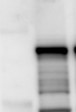
All three reviewers used this antibody for Western blotting. Two reported a single clear band at the expected molecular weight—one achieved this at a 1:2000 dilution with only 2 minutes of exposure on MRC5 cells, and another got a clean result at 1:100 on SH-SY5Y cells with low protein input. One reviewer noted some unspecific bands when working with adult mouse cardiomyocytes at 1:500. Overall, the antibody delivers strong specificity and sensitivity in most tested samples, though minor non-specific binding may occur depending on tissue or cell type.
The reviews below have been submitted by verified Proteintech customers who received an incentive for providing their feedback.
Anh (Verified Customer) (07-15-2021) | have some unspecific bands
 |
Hannah (Verified Customer) (06-08-2020) | Single band at predicted size with with 2 minute exposure
|
David (Verified Customer) (01-15-2020) | Gave a single clear band at the expected molecular weight. Low protein input was used (10µg) for experimental reasons, hence the low antibody dilution required (1:100).
|


