

Tested Applications
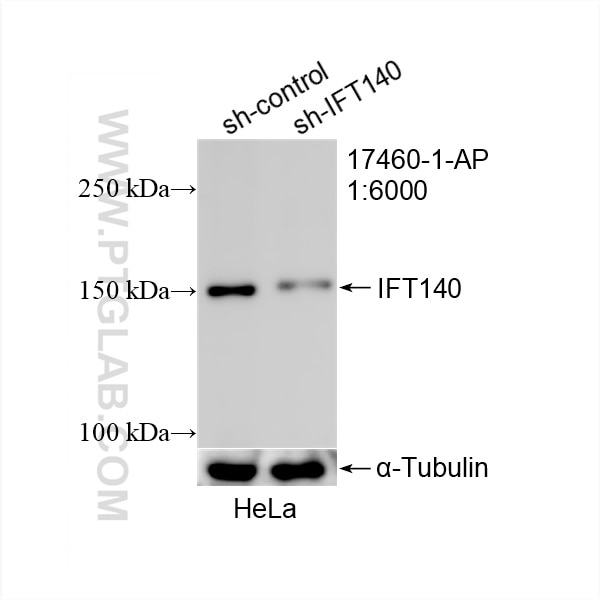
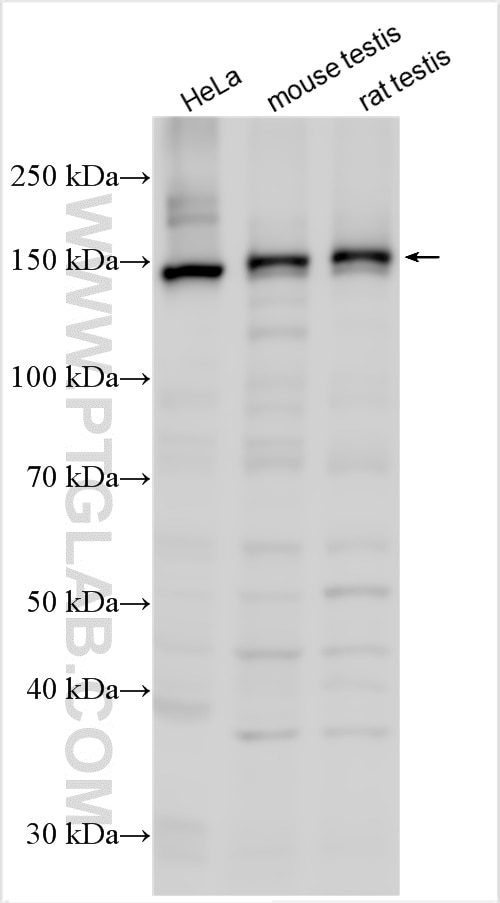
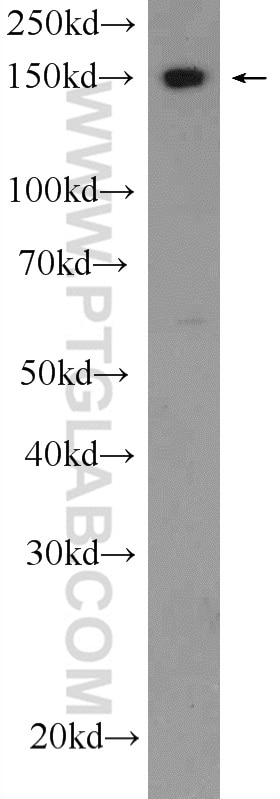
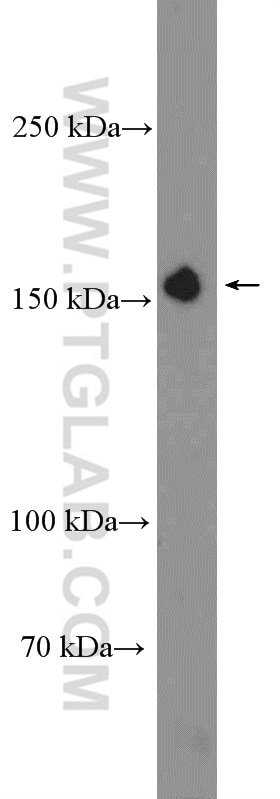
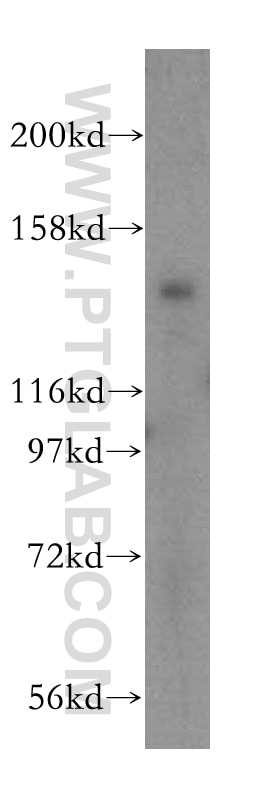
| Positive WB detected in | HeLa cells, HepG2 cells, mouse testis tissue, rat testis tissue |
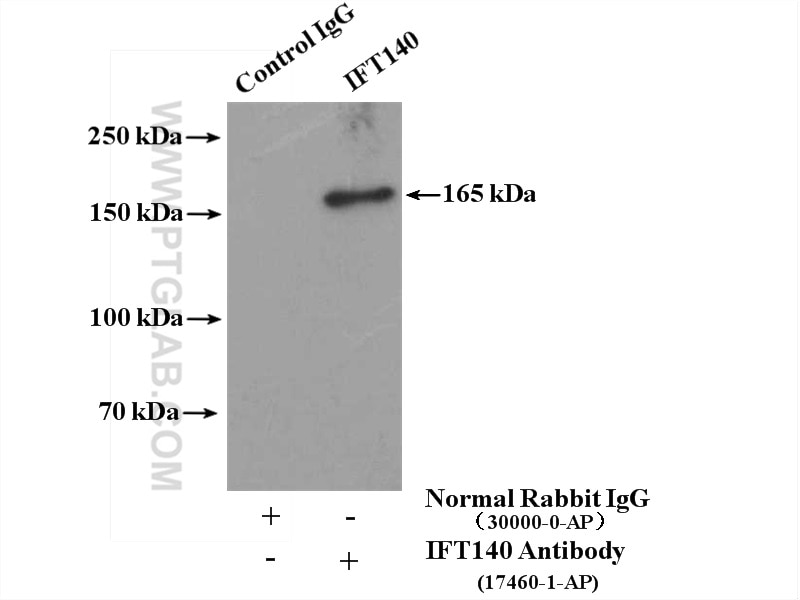
| Positive IP detected in | rat testis tissue |
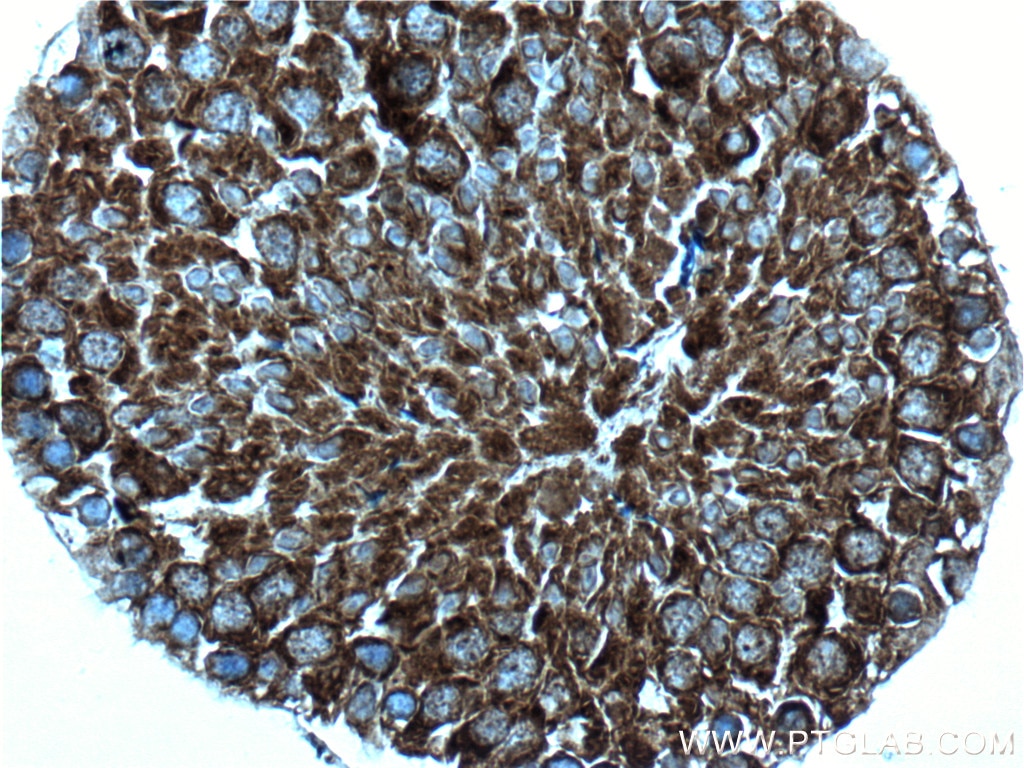
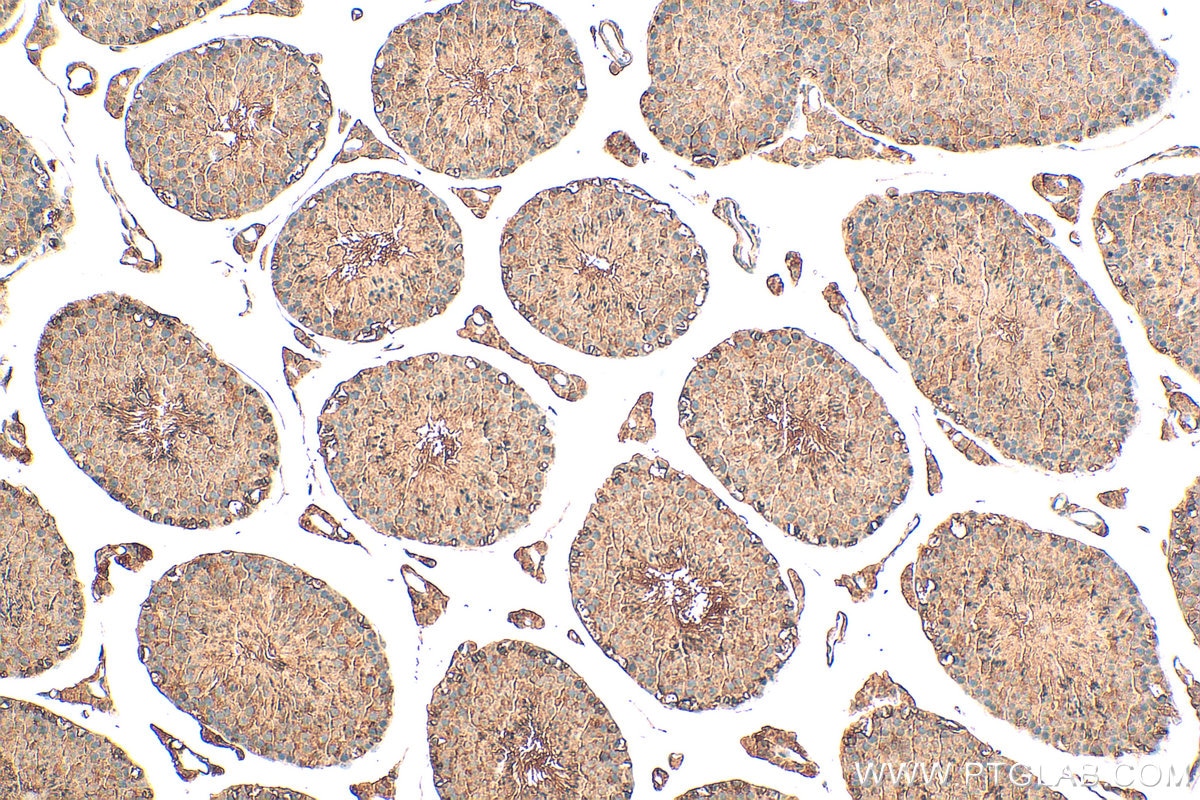
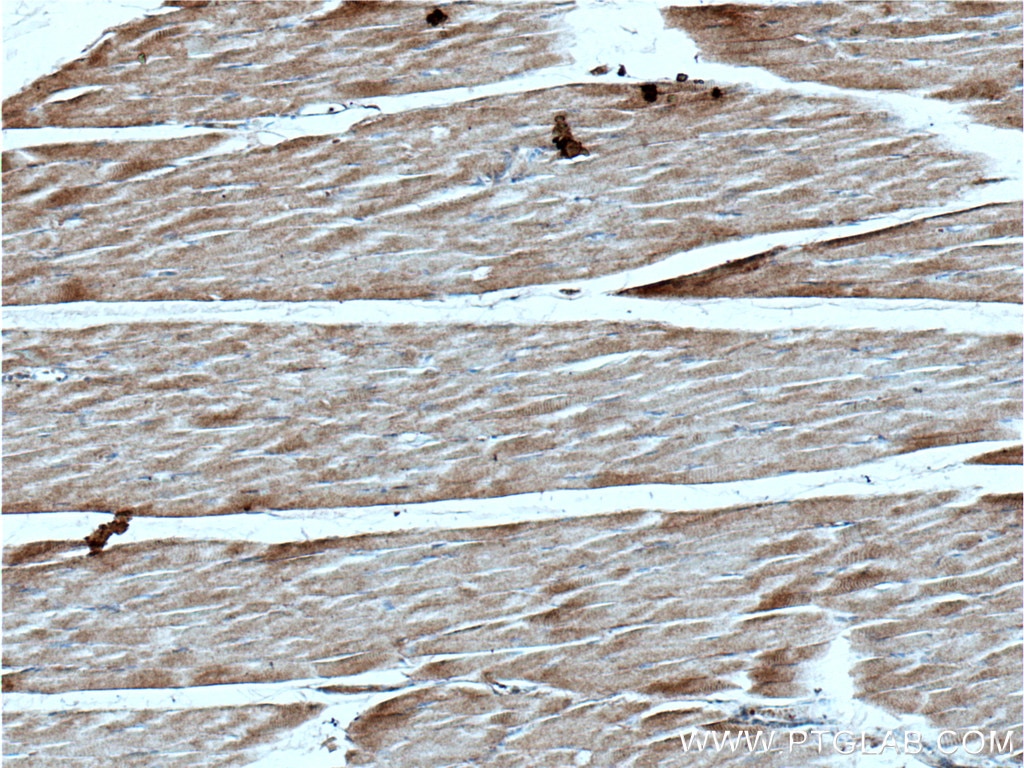
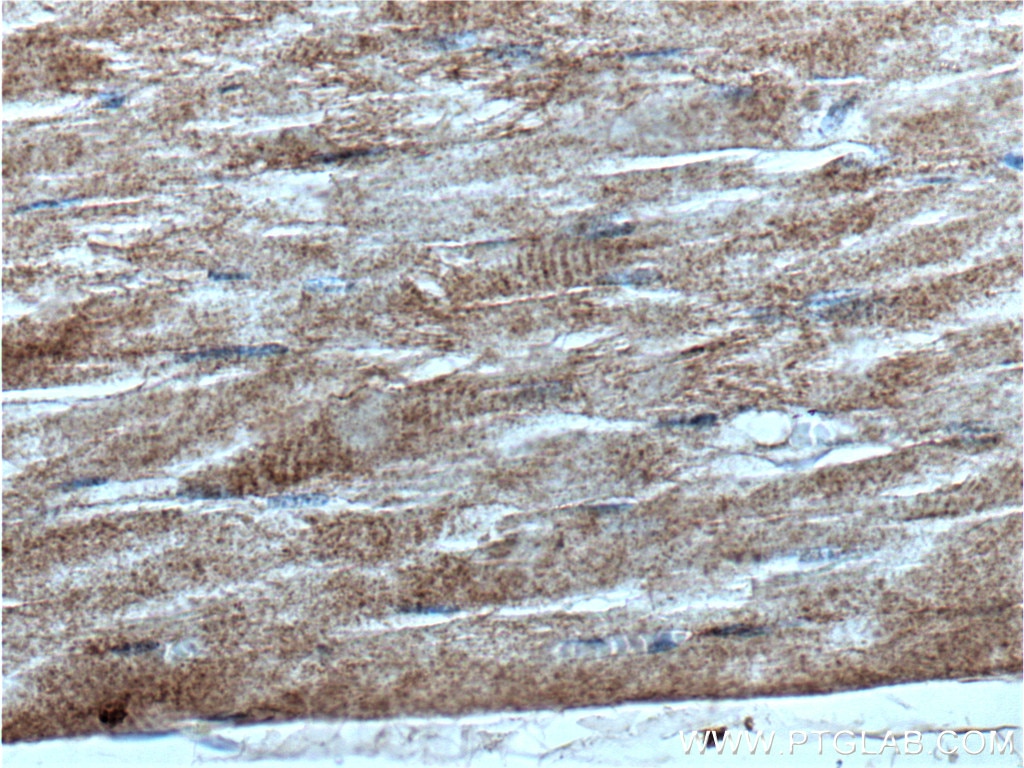
| Positive IHC detected in | mouse testis tissue, human skeletal muscle tissue Note: suggested antigen retrieval with TE buffer pH 9.0; (*) Alternatively, antigen retrieval may be performed with citrate buffer pH 6.0 |
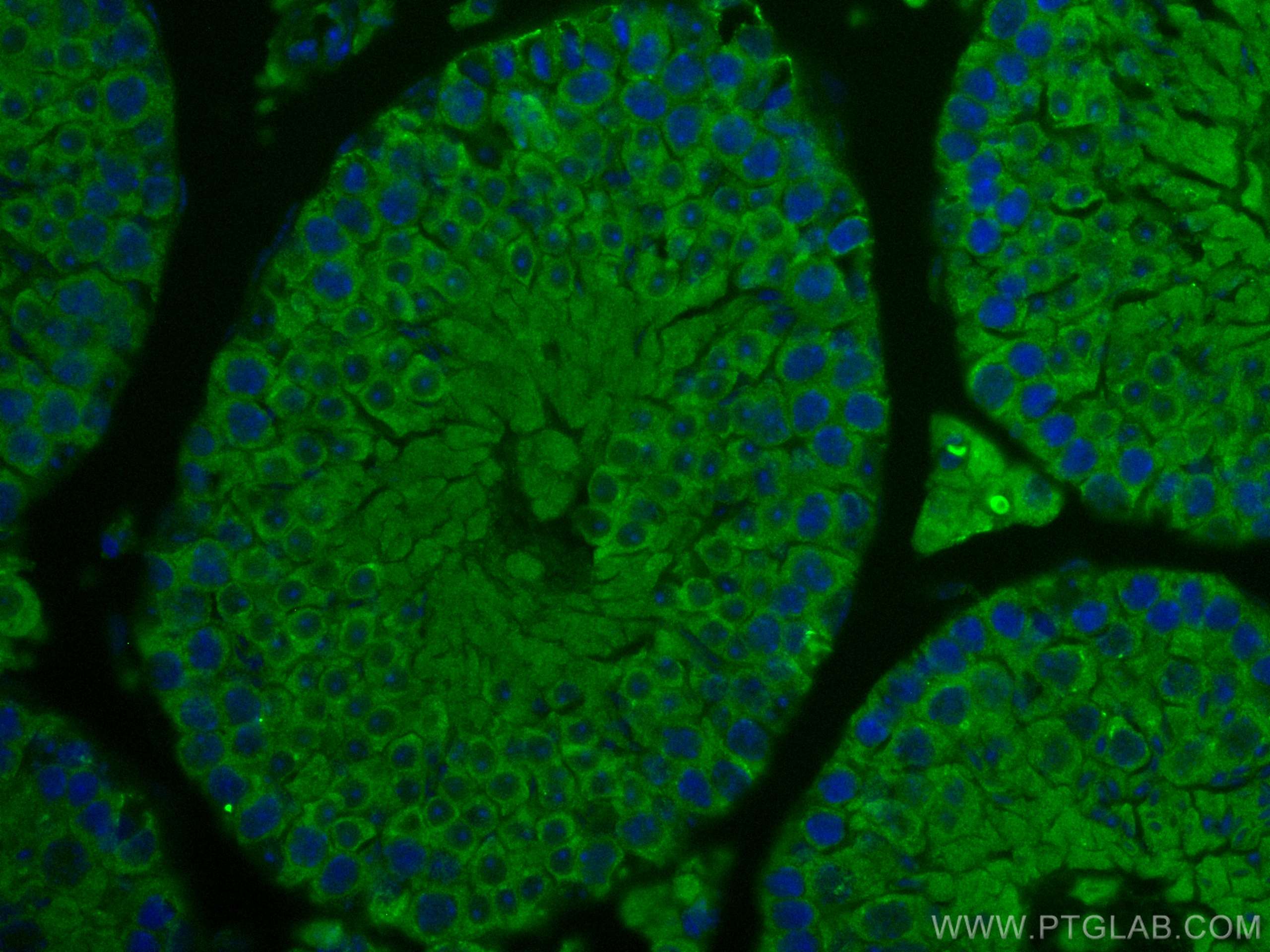
| Positive IF-P detected in | mouse testis tissue |
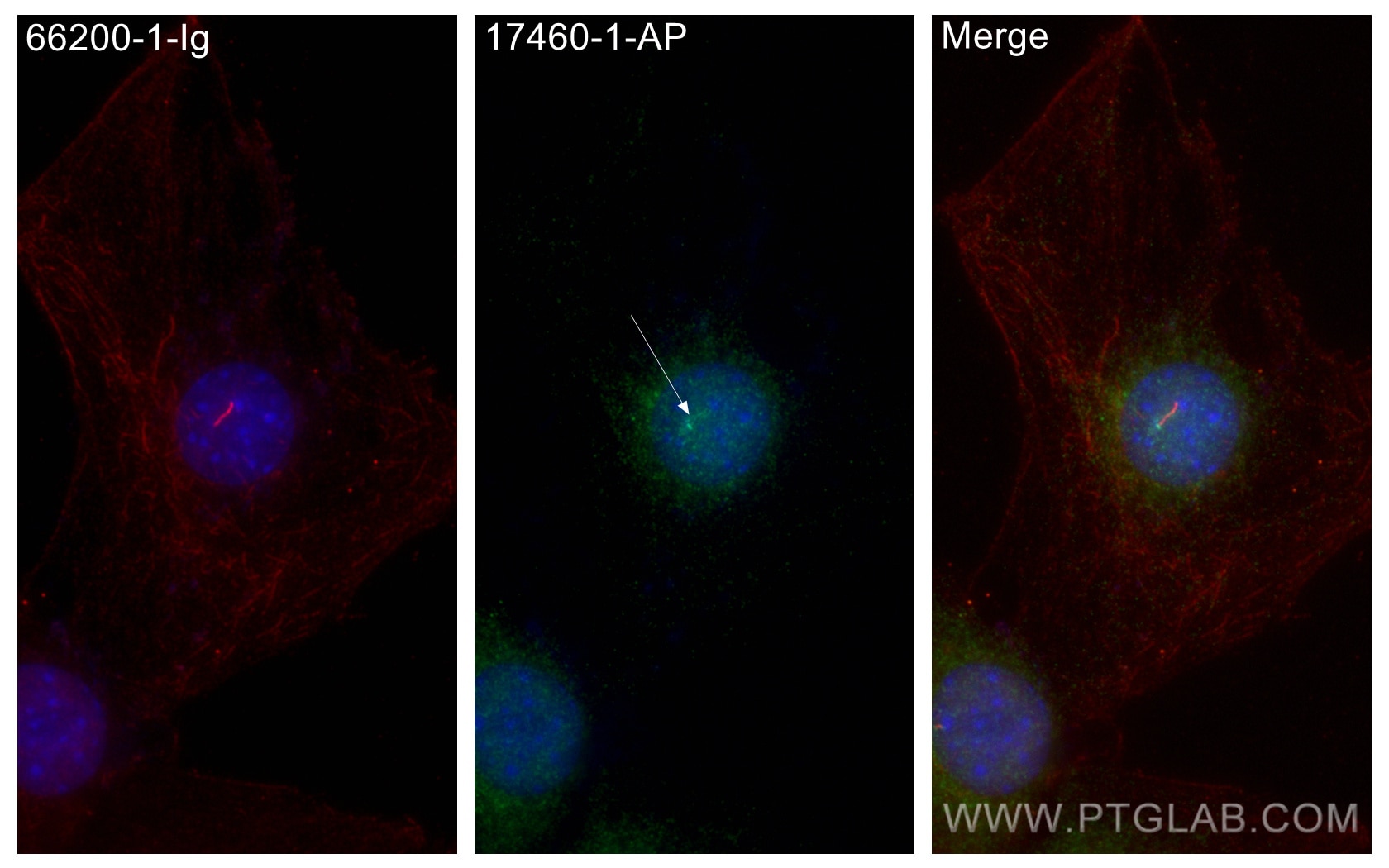
| Positive IF/ICC detected in | C2C12 cells |
Recommended dilution
| Application | Dilution |
|---|---|
| Western Blot (WB) | WB : 1:1000-1:6000 |
| Immunoprecipitation (IP) | IP : 0.5-4.0 ug for 1.0-3.0 mg of total protein lysate |
| Immunohistochemistry (IHC) | IHC : 1:200-1:800 |
| Immunofluorescence (IF)-P | IF-P : 1:200-1:800 |
| Immunofluorescence (IF)/ICC | IF/ICC : 1:400-1:1600 |
| It is recommended that this reagent should be titrated in each testing system to obtain optimal results. | |
| Sample-dependent, Check data in validation data gallery. | |
Product Information
17460-1-AP targets IFT140 in WB, IHC, IF/ICC, IF-P, IP, CoIP, ELISA applications and shows reactivity with human, mouse, rat samples.
| Tested Reactivity | human, mouse, rat |
| Cited Reactivity | human, mouse, canine, zebrafish |
| Host / Isotype | Rabbit / IgG |
| Class | Polyclonal |
| Type | Antibody |
| Immunogen |
CatNo: Ag11119 Product name: Recombinant human IFT140 protein Source: e coli.-derived, PET28a Tag: 6*His Domain: 1114-1462 aa of BC035577 Sequence: AEDLDETSDPALLARCSDFFIEHSQYERAVELLLAARKYQEALQLCLGQNMSITEEMAEKMTVAKDSSDLPEESRRELLEQIADCCMRQGSYHLATKKYTQAGNKLKAMRALLKSGDTEKITFFASVSRQKEIYIMAANYLQSLDWRKEPEIMKNIIGFYTKGRALDLLAGFYDACAQVEIDEYQNYDKAHGALTEAYKCLAKAKAKSPLDQETRLAQLQSRMALVKRFIQARRTYTEDPKESIKQCELLLEEPDLDSTIRIGDVYGFLVEHYVRKEEYQTAYRFLEEMRRRLPLANMSYYVSPQAVDAVHRGLGLPLPRTVPEQVRHNSMEDARELDEEVVEEADDDP Predict reactive species |
| Full Name | intraflagellar transport 140 homolog (Chlamydomonas) |
| Calculated Molecular Weight | 1462 aa, 165 kDa |
| Observed Molecular Weight | 150-165 kDa |
| GenBank Accession Number | BC035577 |
| Gene Symbol | IFT140 |
| Gene ID (NCBI) | 9742 |
| RRID | AB_2295648 |
| Conjugate | Unconjugated |
| Form | Liquid |
| Purification Method | Antigen affinity purification |
| UNIPROT ID | Q96RY7 |
| Storage Buffer | PBS with 0.02% sodium azide and 50% glycerol, pH 7.3. |
| Storage Conditions | Store at -20°C. Stable for one year after shipment. Aliquoting is unnecessary for -20oC storage. 20ul sizes contain 0.1% BSA. |
Background Information
IFT140 is a subunit of intraflagellar transport complex A (IFT-A) which is involved in retrograde ciliary transport. RT-PCR analysis showed it is highly expressed in kidney, moderately in ovary, testis, prostate, and lung. IFT140 is localised to the base and tip of primary cilium. IFT140 has a pivotal role in development and function of ciliated cells, and mutations of IFT140 cause skeletal, renal, and retinal ciliopathies. It had been detected as a single band around 140-165 kDa in different reports. (PMID: 20368623, 22282595)
Protocols
| Product Specific Protocols | |
|---|---|
| IF protocol for IFT140 antibody 17460-1-AP | Download protocol |
| IHC protocol for IFT140 antibody 17460-1-AP | Download protocol |
| IP protocol for IFT140 antibody 17460-1-AP | Download protocol |
| WB protocol for IFT140 antibody 17460-1-AP | Download protocol |
| Standard Protocols | |
|---|---|
| Click here to view our Standard Protocols |
Publications
What published studies show
The Anti-IFT140 antibody (Cat# 17460-1-AP) has 87 citations published in high-impact journals including Cell, Nature Genetics, Nature Communications, Developmental Cell, eLife, EMBO Journal, Current Biology, Cell Reports, American Journal of Human Genetics, Molecular Biology of the Cell, Journal of Cell Biology, and Science Advances. Associated research fields encompass ciliogenesis, intraflagellar transport, Hedgehog signaling, ciliopathies, centriole biogenesis, polycystic kidney disease, bone healing, and male infertility.
| Species | Application | Title |
|---|---|---|
Cell Dynamic Remodeling of Membrane Composition Drives Cell Cycle through Primary Cilia Excision. | ||
Cell Res CYLD mediates ciliogenesis in multiple organs by deubiquitinating Cep70 and inactivating HDAC6. | ||
Nat Genet Mutations in PLK4, encoding a master regulator of centriole biogenesis, cause microcephaly, growth failure and retinopathy. | ||
Protein Cell O-GlcNAc transferase regulates centriole behavior and intraflagellar transport to promote ciliogenesis. | ||
Nat Commun TALPID3 and ANKRD26 selectively orchestrate FBF1 localization and cilia gating. | ||
Nat Commun Identification of a component of the tubulin poly-glutamylase complex required for phosphoinositide homeostasis and cilium assembly and maintenance. |
Reviews
What customers say
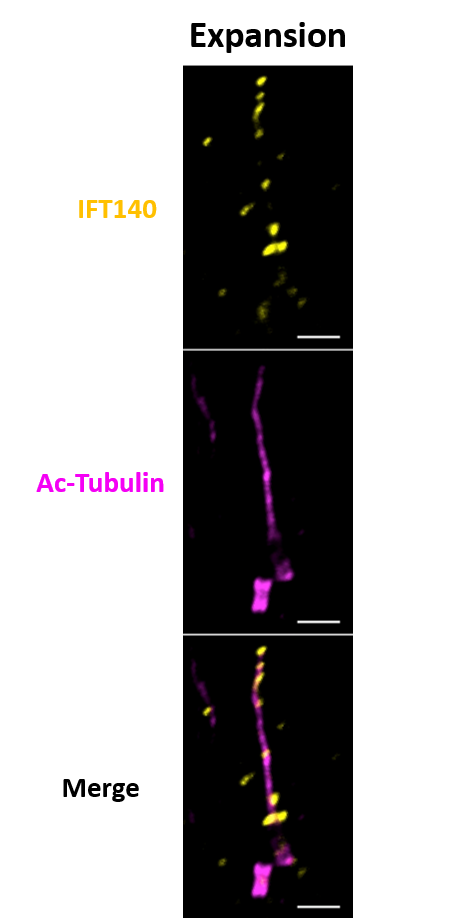
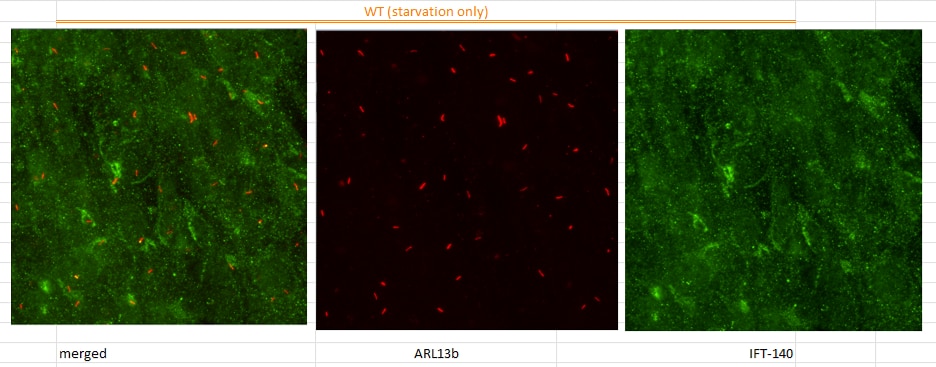
Users report this antibody performs well for immunofluorescence with low background noise, particularly suitable for expansion microscopy applications. One reviewer (5/5) used it at 1:500 on primary myoblasts with cold methanol fixation and was very satisfied. Another reviewer (3/5) tested it at 1:500 in LIGHT2 cells to study Hedgehog signaling but could not detect the expected ciliary signal when co-staining with IFT140, suggesting potential cell-type-specific limitations or the need for further optimization of staining conditions.
The reviews below have been submitted by verified Proteintech customers who received an incentive for providing their feedback.
Lola (Verified Customer) (10-23-2025) | Great antibody with low background noise. Suitable for immunofluorescence and expansion microscopy. We use cold MeOH fixation before staining.
 |
Charlotte (Verified Customer) (07-18-2024) | I tested the antibody in iF in LIGHT2 cells (commonly used to study Hh signalling). Unfortunately, I don't see the ciliary signal when overlapping IFT140 with ARL13B. This could be cell type specific or the conditions must be optimized to reveal it ? I used the standard iF protocol: PFA 4% 10 min cold methanol 5 min 1h 1% BSA in PBST 1/500 in blocking solution, O.N. at 4°C 5*5min PBST 1/500 in blocking solution, 1h at RT° 4*5min PBST + 5min PBS
 |


