
Tested Applications
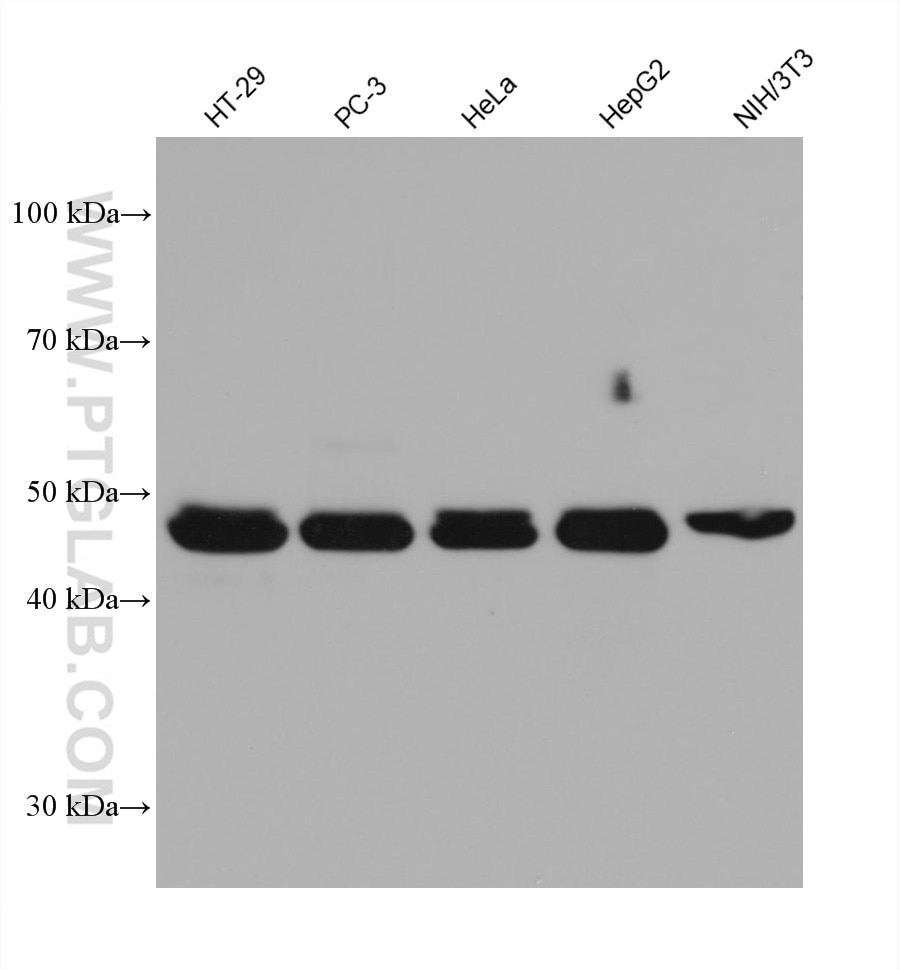
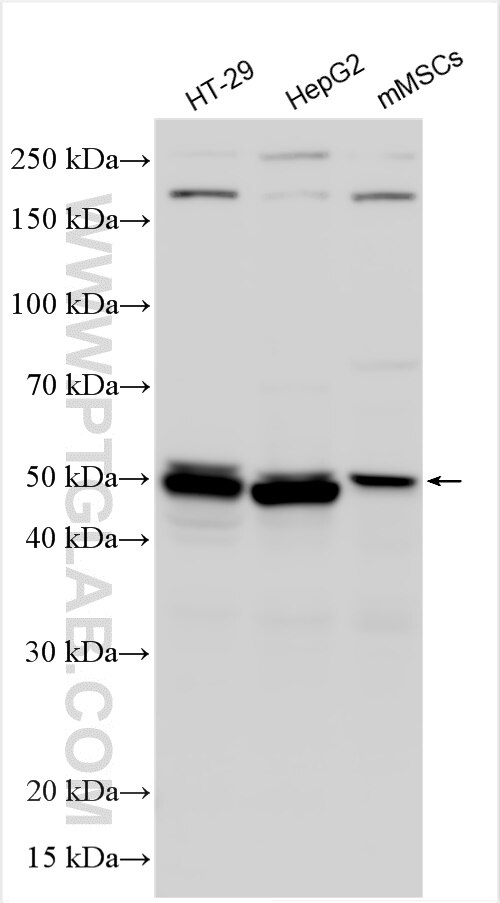
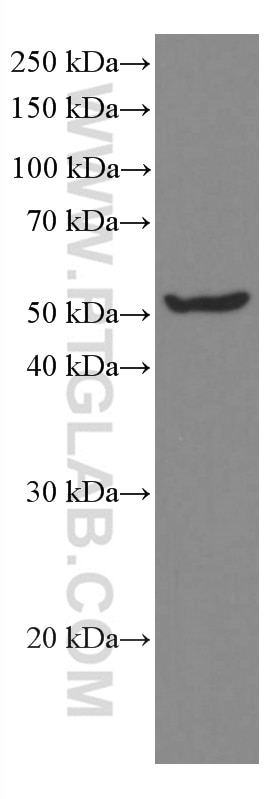
| Positive WB detected in | HT-29 cells, 4T1 cells, PC-3 cells, HeLa cells, HepG2 cells, NIH/3T3 cells, mMSCs cells |
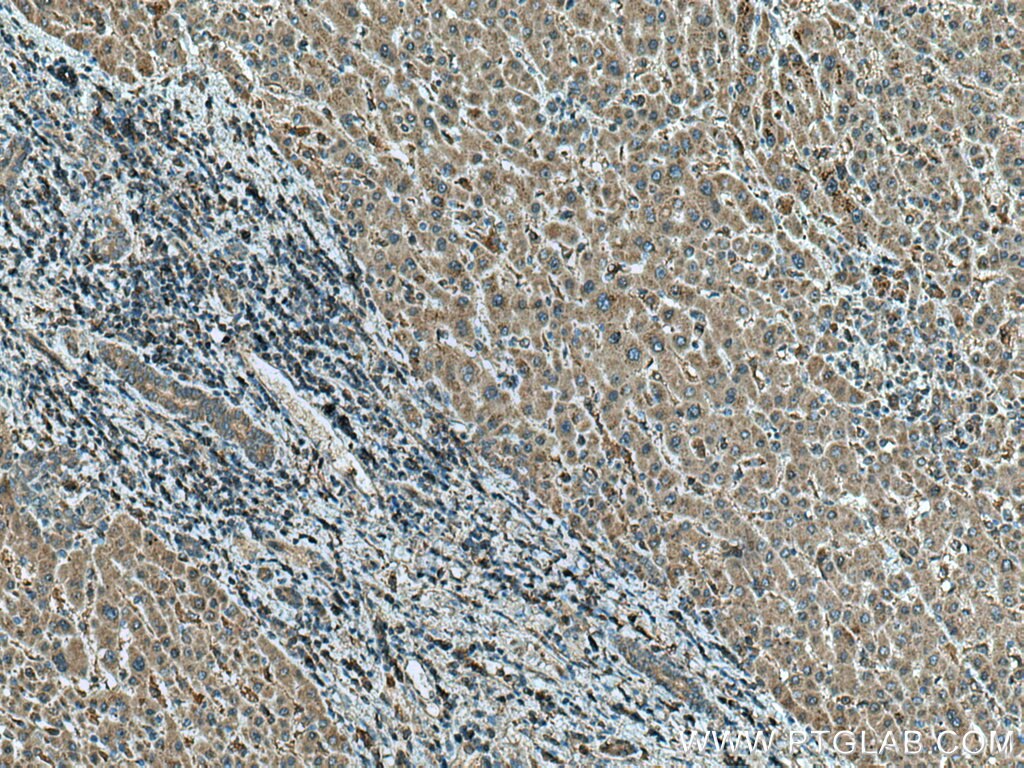
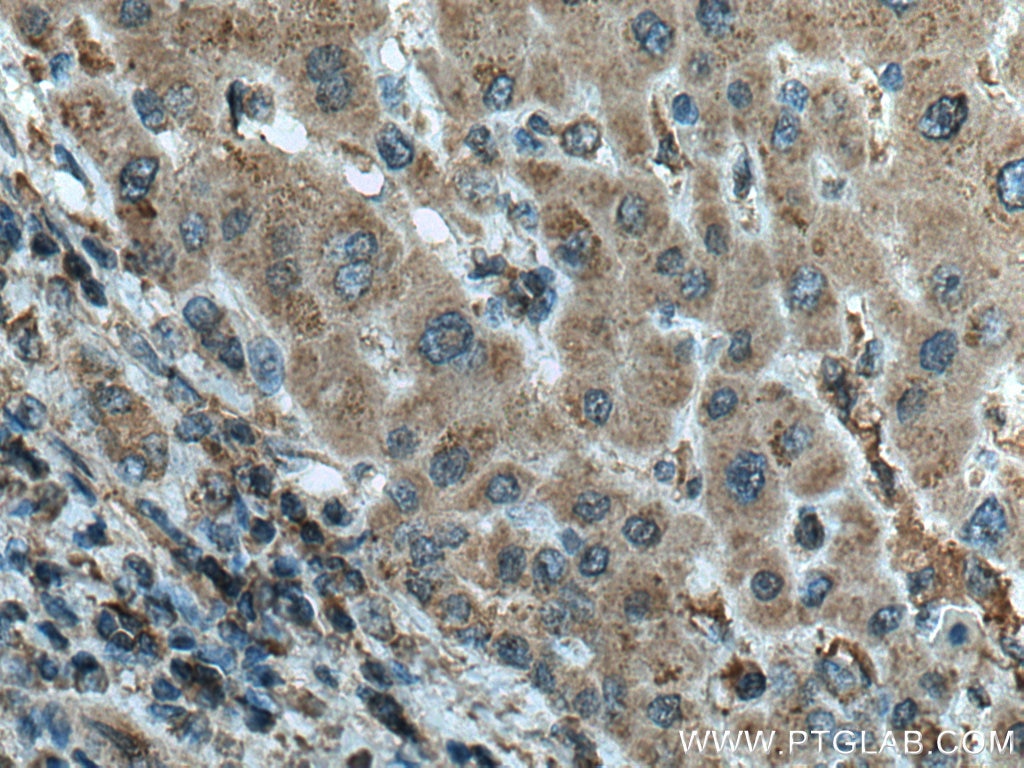
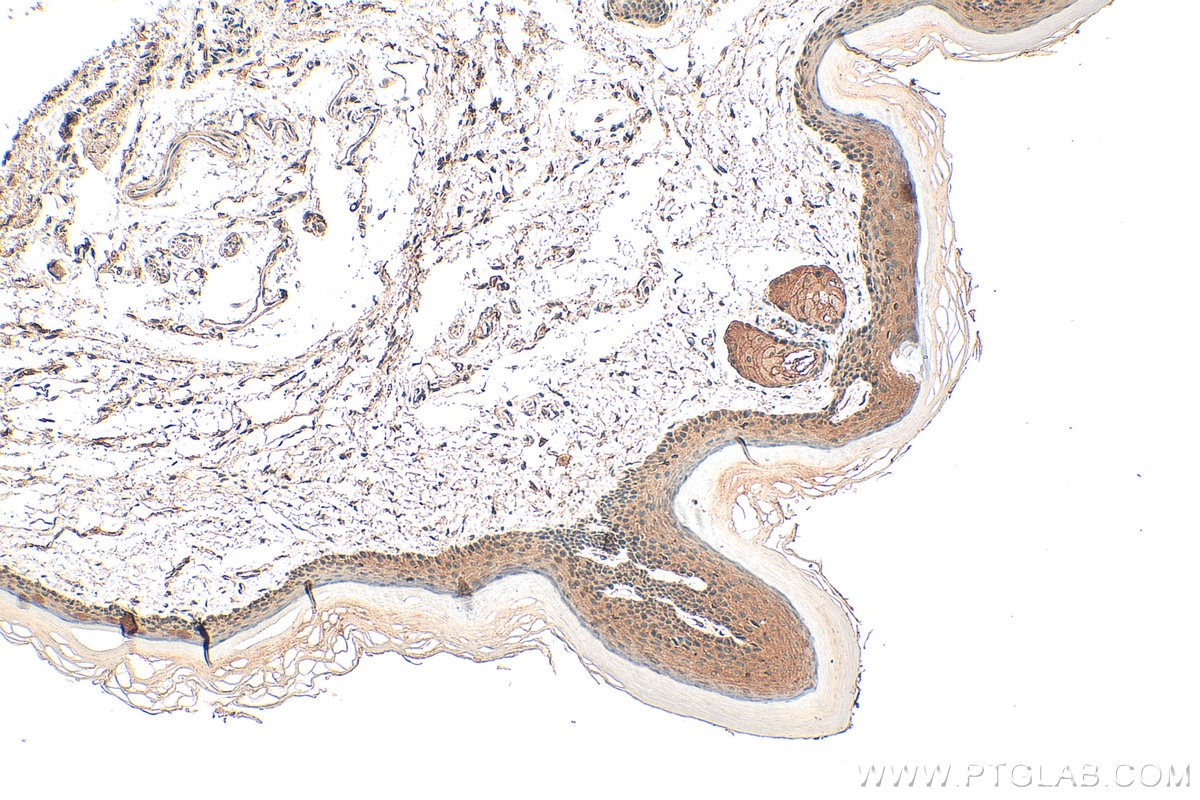
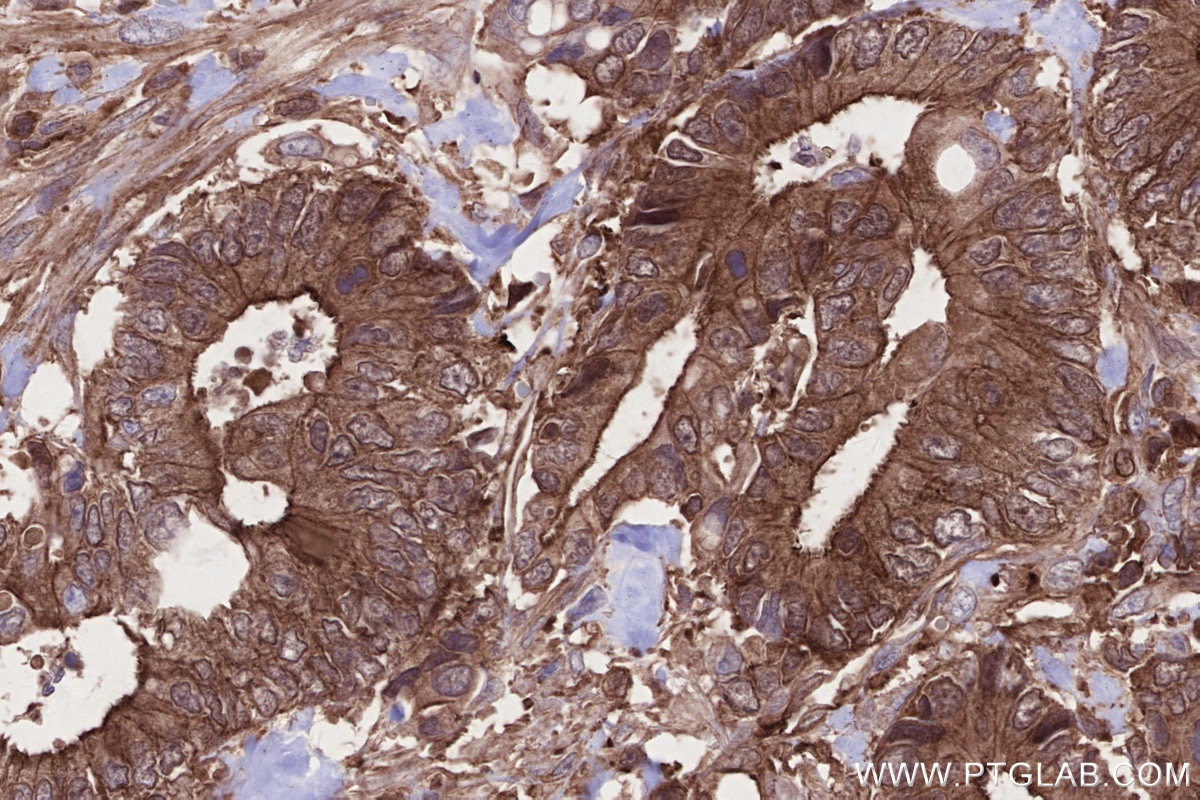
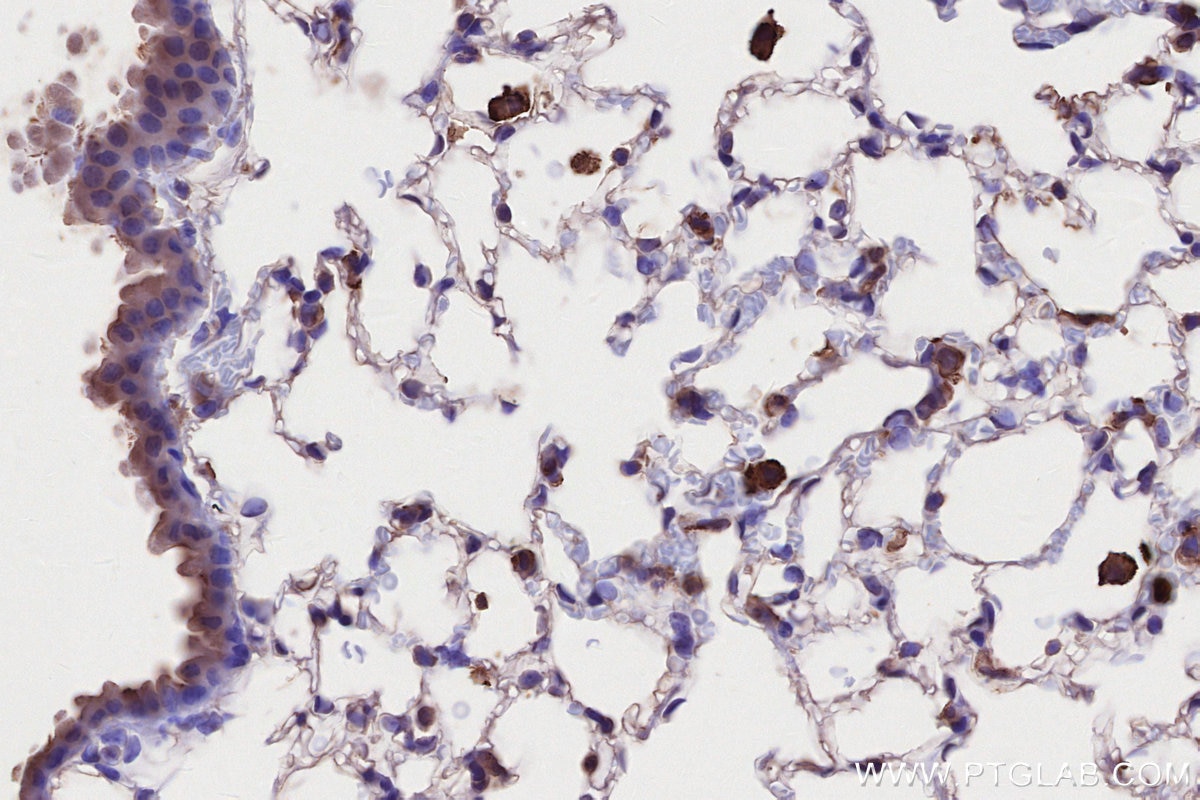
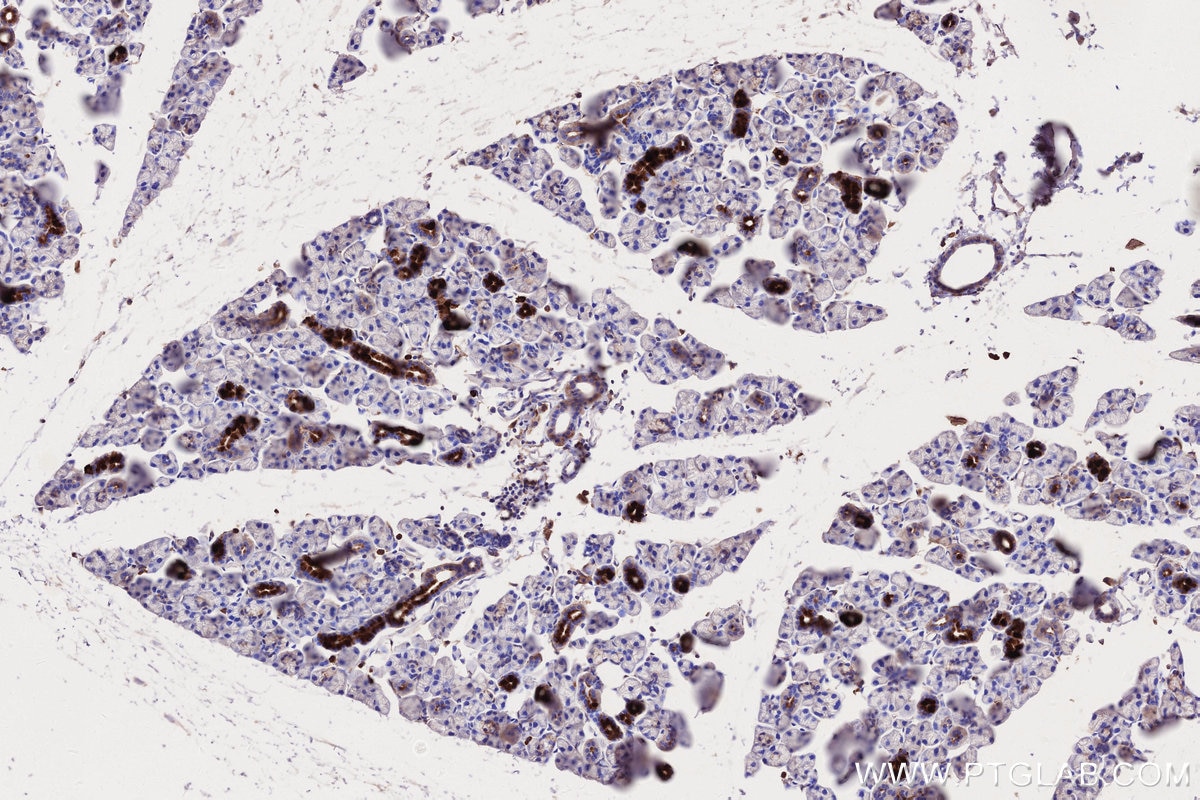
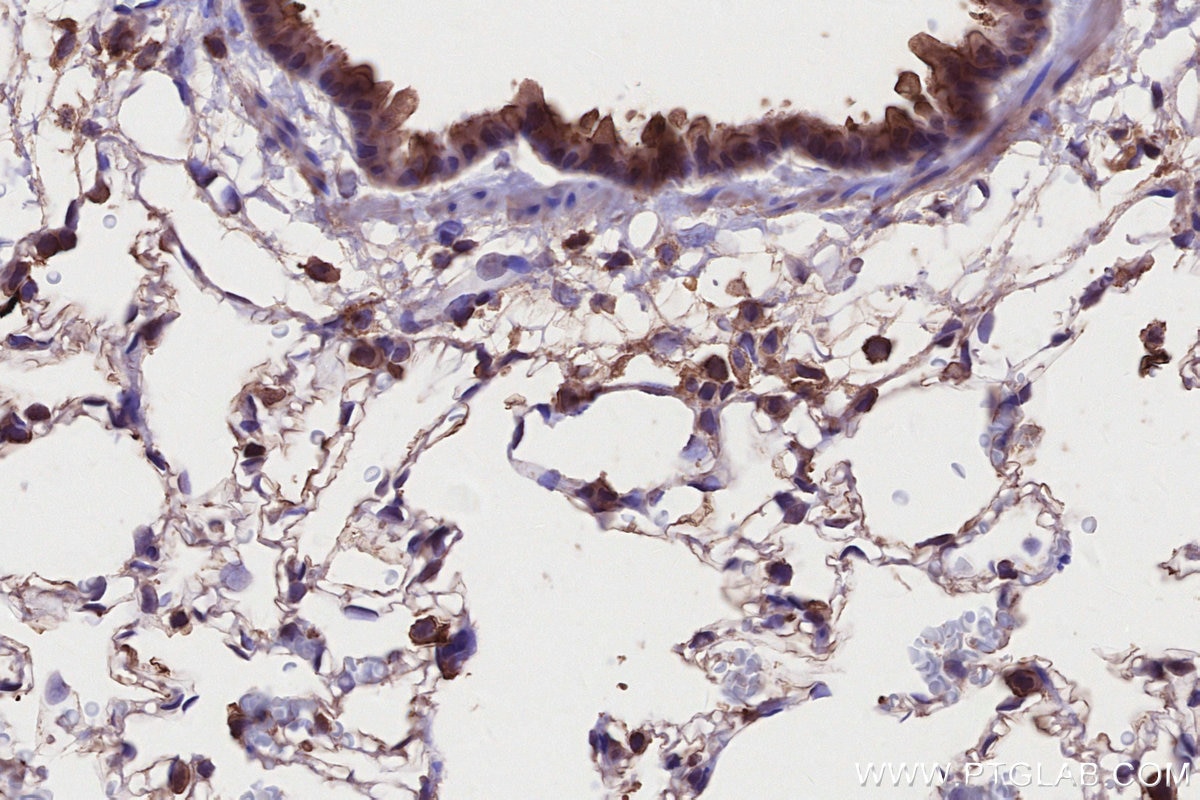
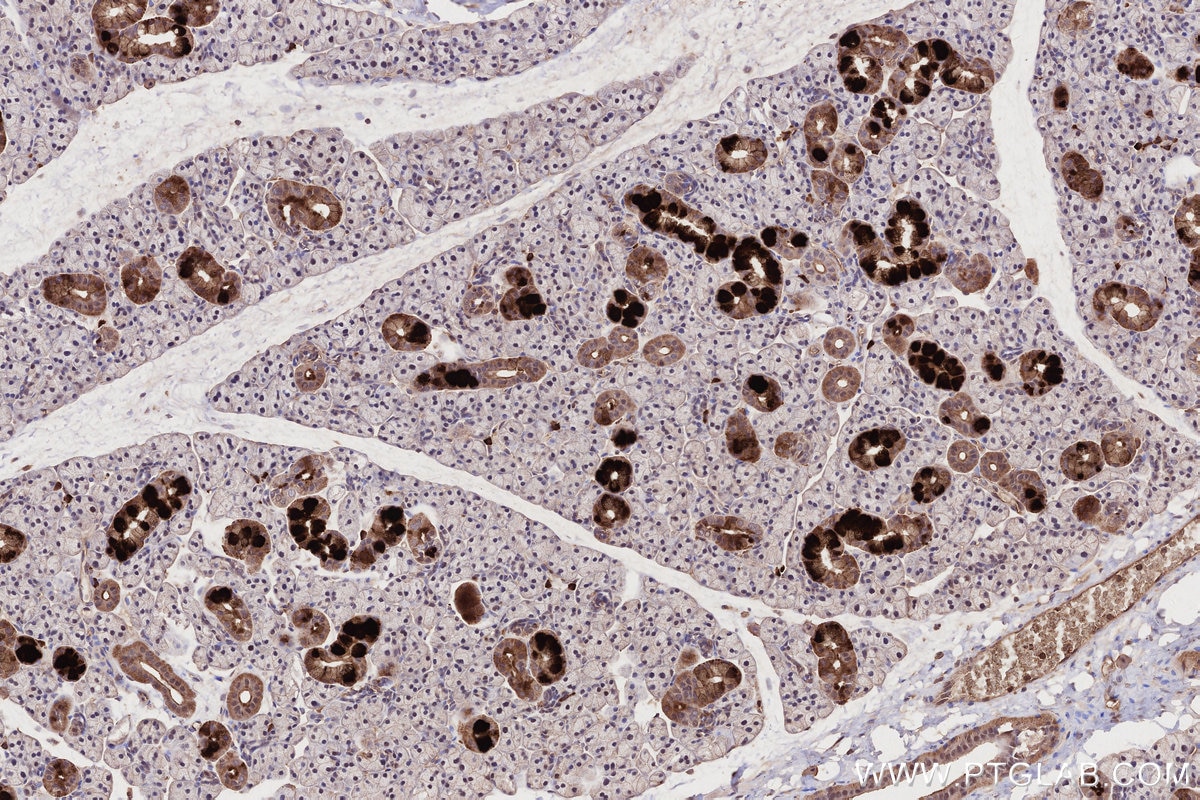
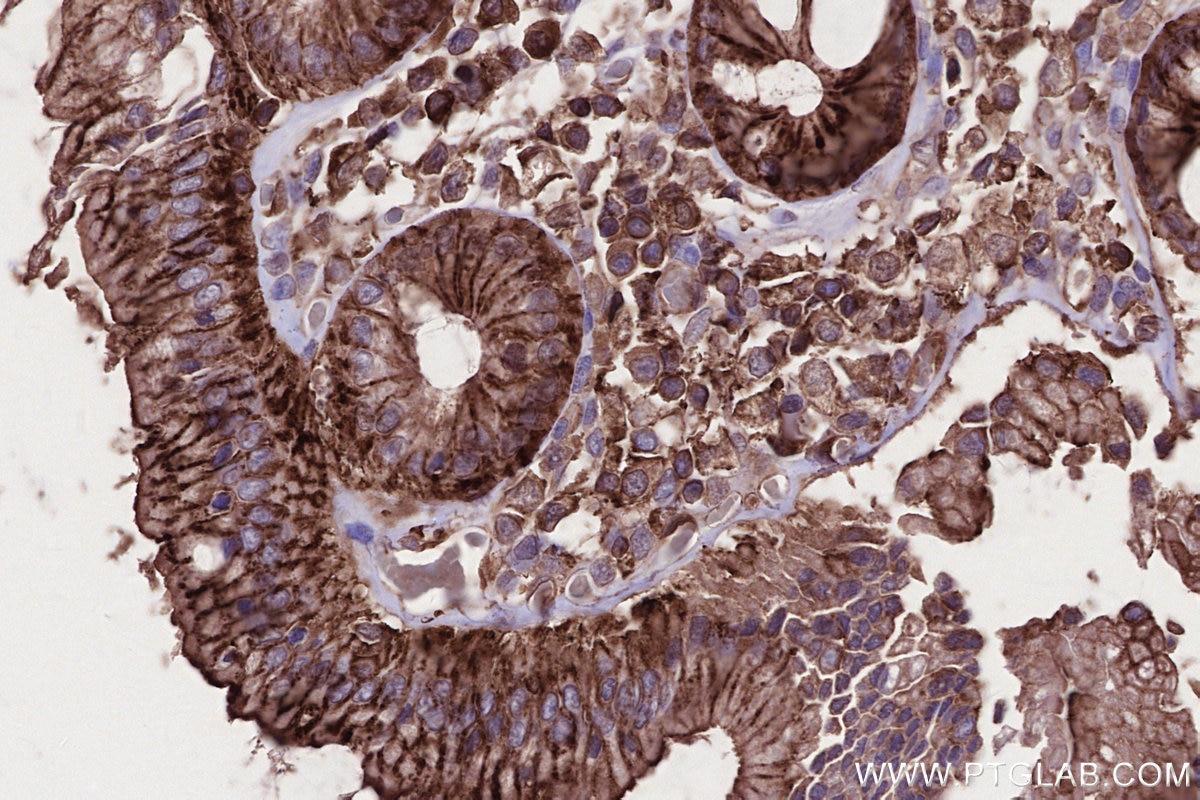
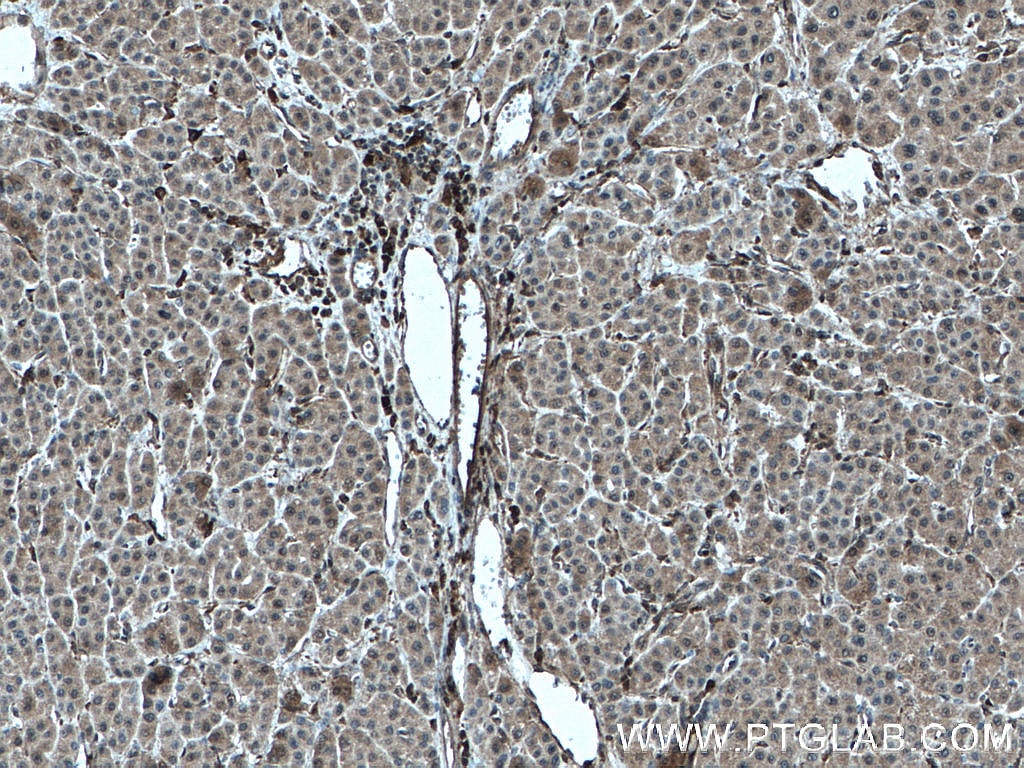
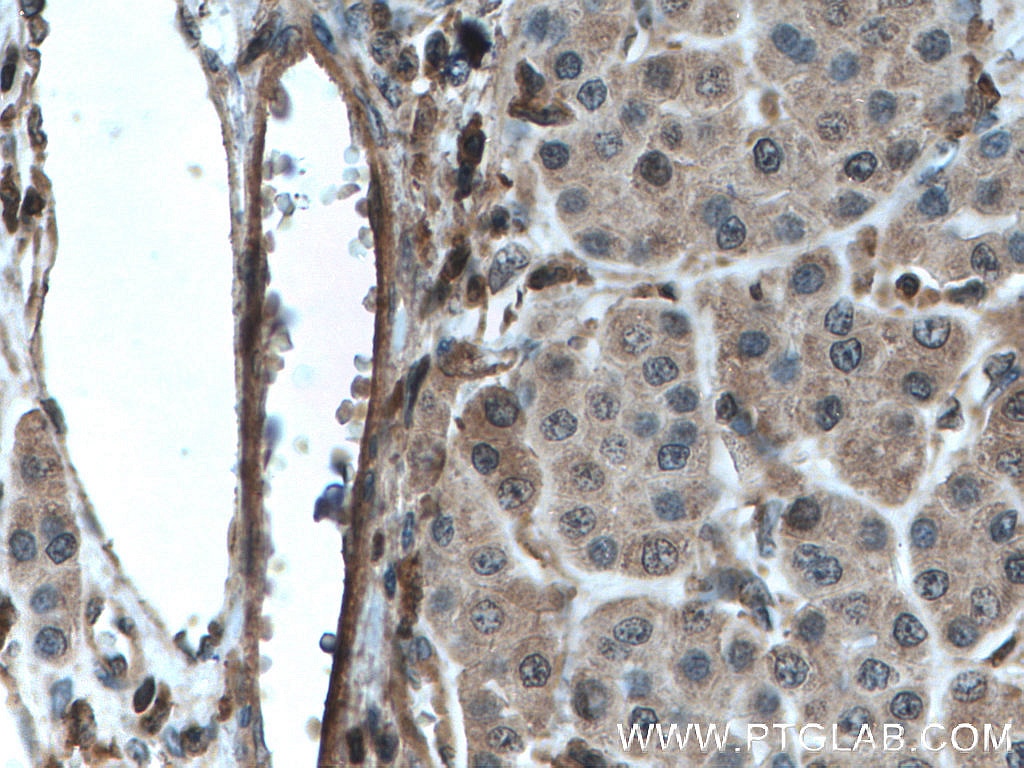
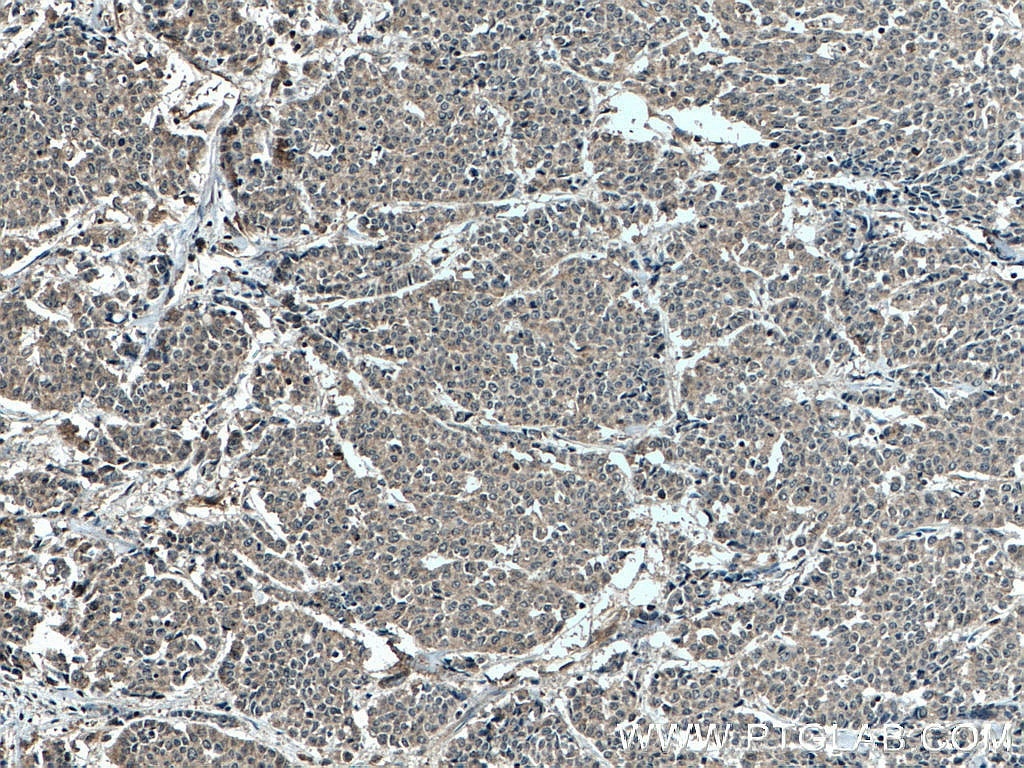
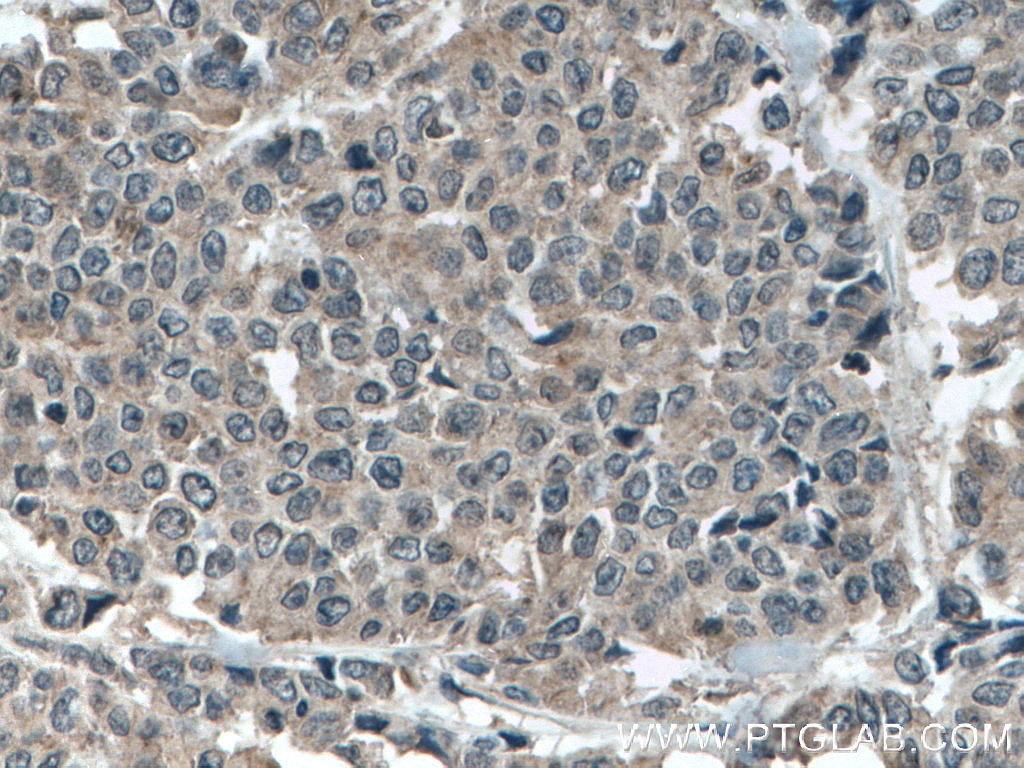
| Positive IHC detected in | human liver cancer tissue, human colon cancer tissue, mouse skin tissue Note: suggested antigen retrieval with TE buffer pH 9.0; (*) Alternatively, antigen retrieval may be performed with citrate buffer pH 6.0 |
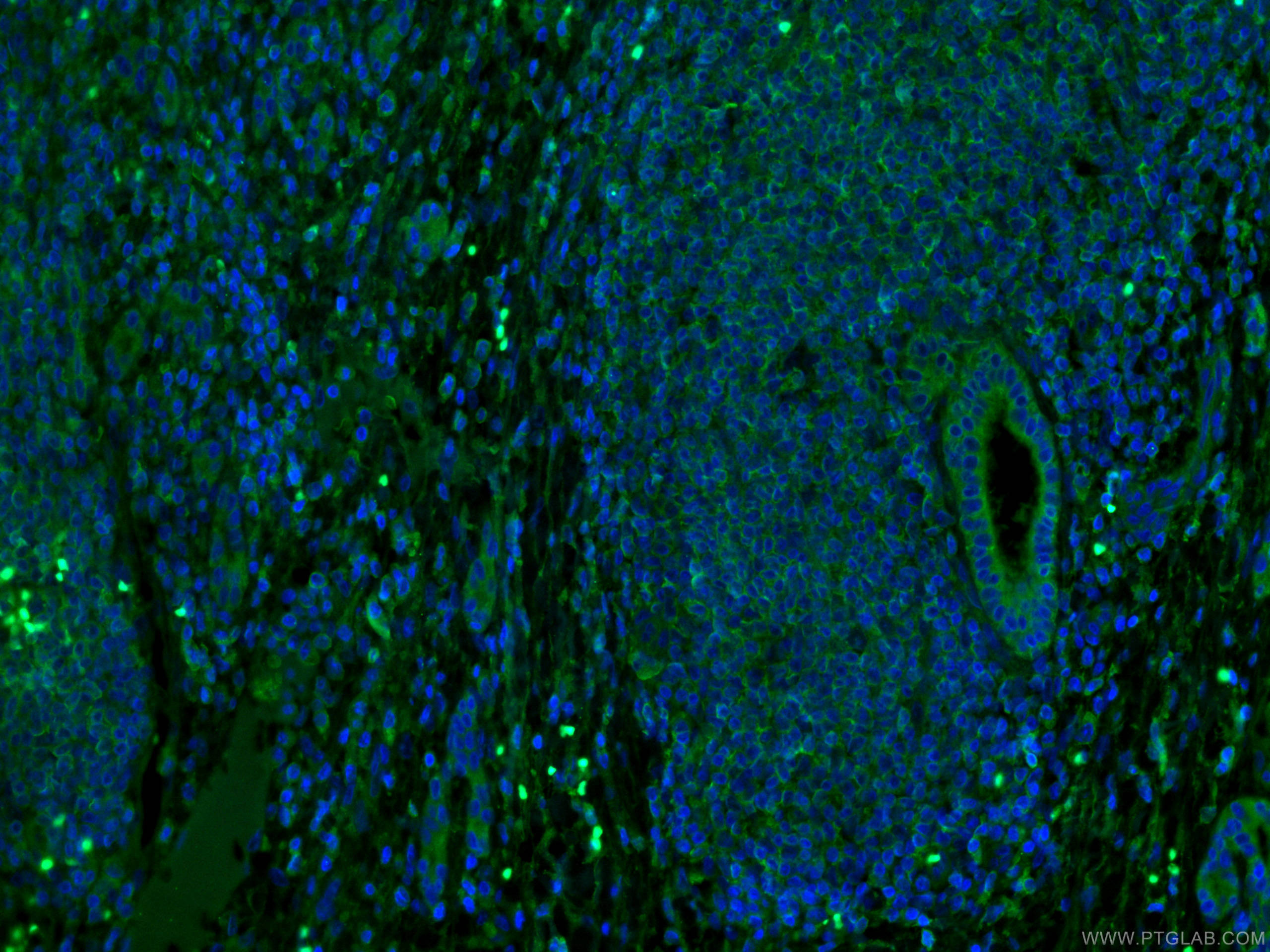
| Positive IF-P detected in | human liver cancer tissue |
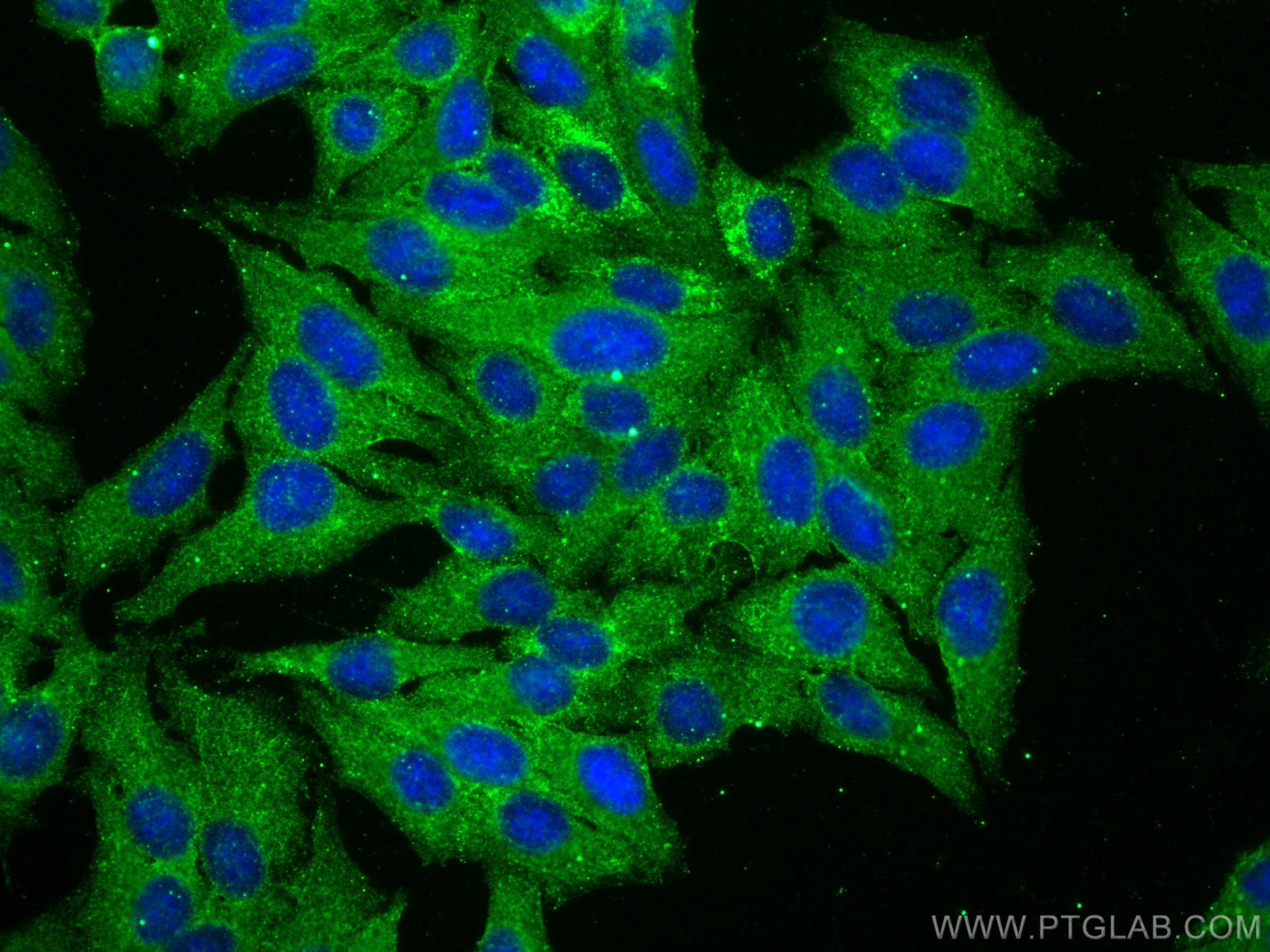
| Positive IF/ICC detected in | HepG2 cells |
Recommended dilution
| Application | Dilution |
|---|---|
| Western Blot (WB) | WB : 1:5000-1:50000 |
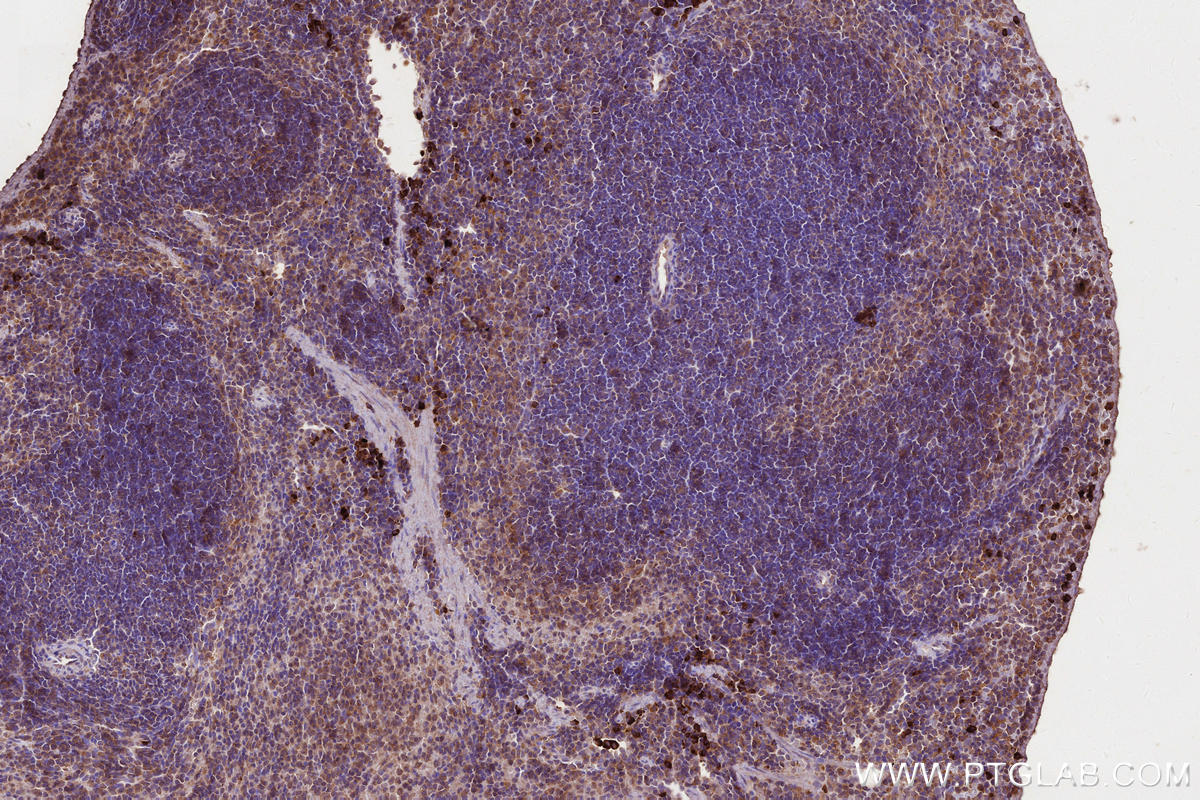
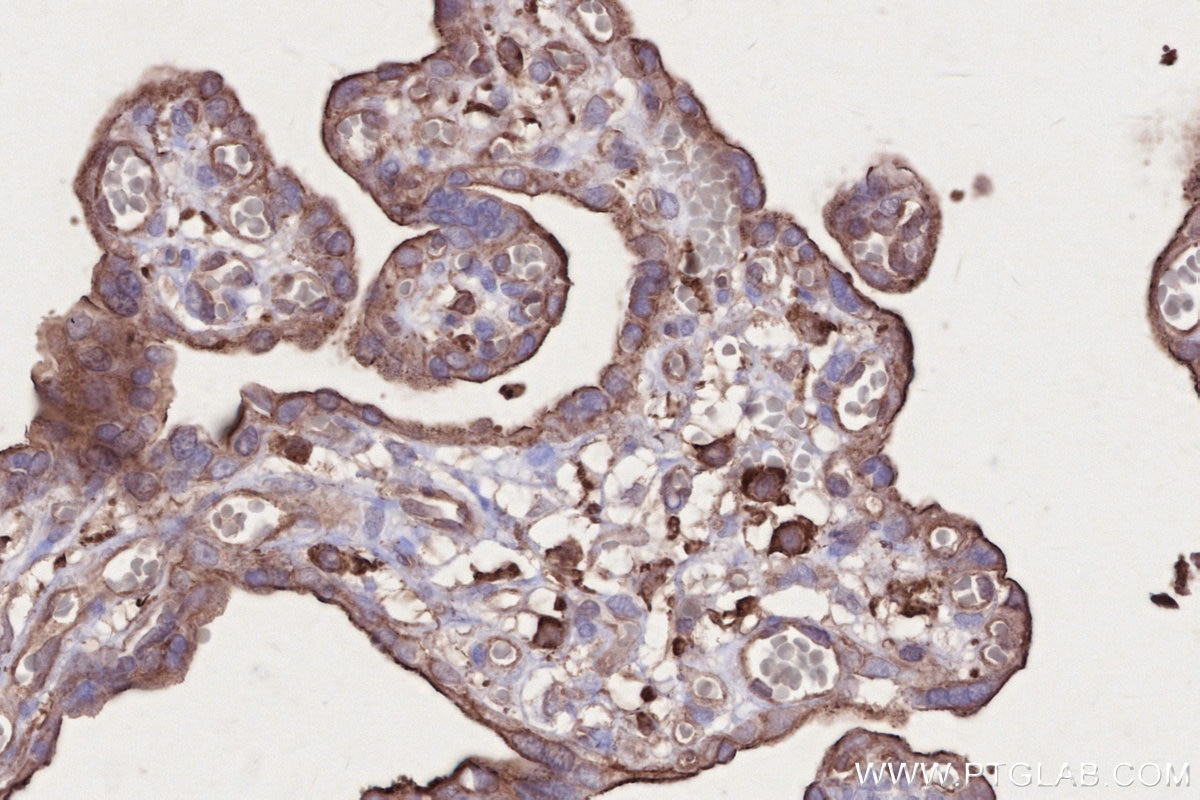
| Immunohistochemistry (IHC) | IHC : 1:500-1:2000 |
| Immunofluorescence (IF)-P | IF-P : 1:50-1:500 |
| Immunofluorescence (IF)/ICC | IF/ICC : 1:400-1:1600 |
| It is recommended that this reagent should be titrated in each testing system to obtain optimal results. | |
| Sample-dependent, Check data in validation data gallery. | |
Product Information
66675-1-Ig targets MLKL in WB, IHC, IF/ICC, IF-P, IP, CoIP, ELISA applications and shows reactivity with human, mouse samples.
| Tested Reactivity | human, mouse |
| Cited Reactivity | human, mouse, rat, pig, zebrafish, bovine |
| Host / Isotype | Mouse / IgG1 |
| Class | Monoclonal |
| Type | Antibody |
| Immunogen |
CatNo: Ag15188 Product name: Recombinant human MLKL protein Source: e coli.-derived, PGEX-4T Tag: GST Domain: 1-263 aa of BC028141 Sequence: MENLKHIITLGQVIHKRCEEMKYCKKQCRRLGHRVLGLIKPLEMLQDQGKRSVPSEKLTTAMNRFKAALEEANGEIEKFSNRSNICRFLTASQDKILFKDVNRKLSDVWKELSLLLQVEQRMPVSPISQGASWAQEDQQDADEDRRAFQMLRRDNEKIEASLRRLEINMKEIKETLRQSLESSSGKSPLEISRFKVKNVKTGSASGCNSEKIRKLVAVKRQQEPLGEDCPSELREIIDECRAHDPSVRPSVDEILKKLSTFSK Predict reactive species |
| Full Name | mixed lineage kinase domain-like |
| Calculated Molecular Weight | 471 aa, 54 kDa |
| Observed Molecular Weight | 35-40 kDa, 50-55 kDa |
| GenBank Accession Number | BC028141 |
| Gene Symbol | MLKL |
| Gene ID (NCBI) | 197259 |
| RRID | AB_2882029 |
| Conjugate | Unconjugated |
| Form | Liquid |
| Purification Method | Protein G purification |
| UNIPROT ID | Q8NB16 |
| Storage Buffer | PBS with 0.02% sodium azide and 50% glycerol, pH 7.3. |
| Storage Conditions | Store at -20°C. Stable for one year after shipment. Aliquoting is unnecessary for -20oC storage. 20ul sizes contain 0.1% BSA. |
Background Information
Mixed lineage kinase domain like pseudokinase (MLKL), belongs to the protein kinase superfamily and has two MW of 54 and 30 kDa. MLKL plays a critical role in tumor necrosis factor (TNF)-induced necroptosis, a programmed cell death process, via interaction with receptor-interacting protein 3 (RIP3), which is a key signaling molecule in the necroptosis pathway. High levels of this protein and RIP3 are associated with inflammatory bowel disease in children. The 66675-1-Ig antibody recognizes 54 kDa MLKL monomer, 216 kDa MLKL tetramer, and a band around 45-50 kDa which are similar to papers published. (PMID: 31848291). MLKL can be detected as a 35kDa truncated isoform (PMID: 35965541).
Protocols
| Product Specific Protocols | |
|---|---|
| IF protocol for MLKL antibody 66675-1-Ig | Download protocol |
| IHC protocol for MLKL antibody 66675-1-Ig | Download protocol |
| WB protocol for MLKL antibody 66675-1-Ig | Download protocol |
| Standard Protocols | |
|---|---|
| Click here to view our Standard Protocols |
Publications
What published studies show
| Species | Application | Title |
|---|---|---|
Signal Transduct Target Ther Inducible CD147 up-regulation boosts extended SARS-CoV-2 infection triggering severe COVID-19 independent of ACE2. | ||
Nat Cancer Apoptosis-induced nuclear expulsion in tumor cells drives S100a4-mediated metastatic outgrowth through the RAGE pathway | ||
Drug Resist Updat DEAF1 confers resistance to adriamycin-induced apoptosis and pyroptosis in multiple myeloma. | ||
Nat Neurosci Tau aggregates cause reactivation of transposable DNA elements, leading to Z-RNA-ZBP1-mediated neuronal death | ||
Nat Microbiol Severe fever with thrombocytopenia syndrome virus infection of the male reproductive tract induces pathology and inflammation. | ||
Autophagy Kitasamycin overcomes ferroptosis and immunotherapy resistance by targeting the HUWE1-NCOA4-FTH1 axis. |
Reviews
What customers say
The reviews below have been submitted by verified Proteintech customers who received an incentive for providing their feedback.
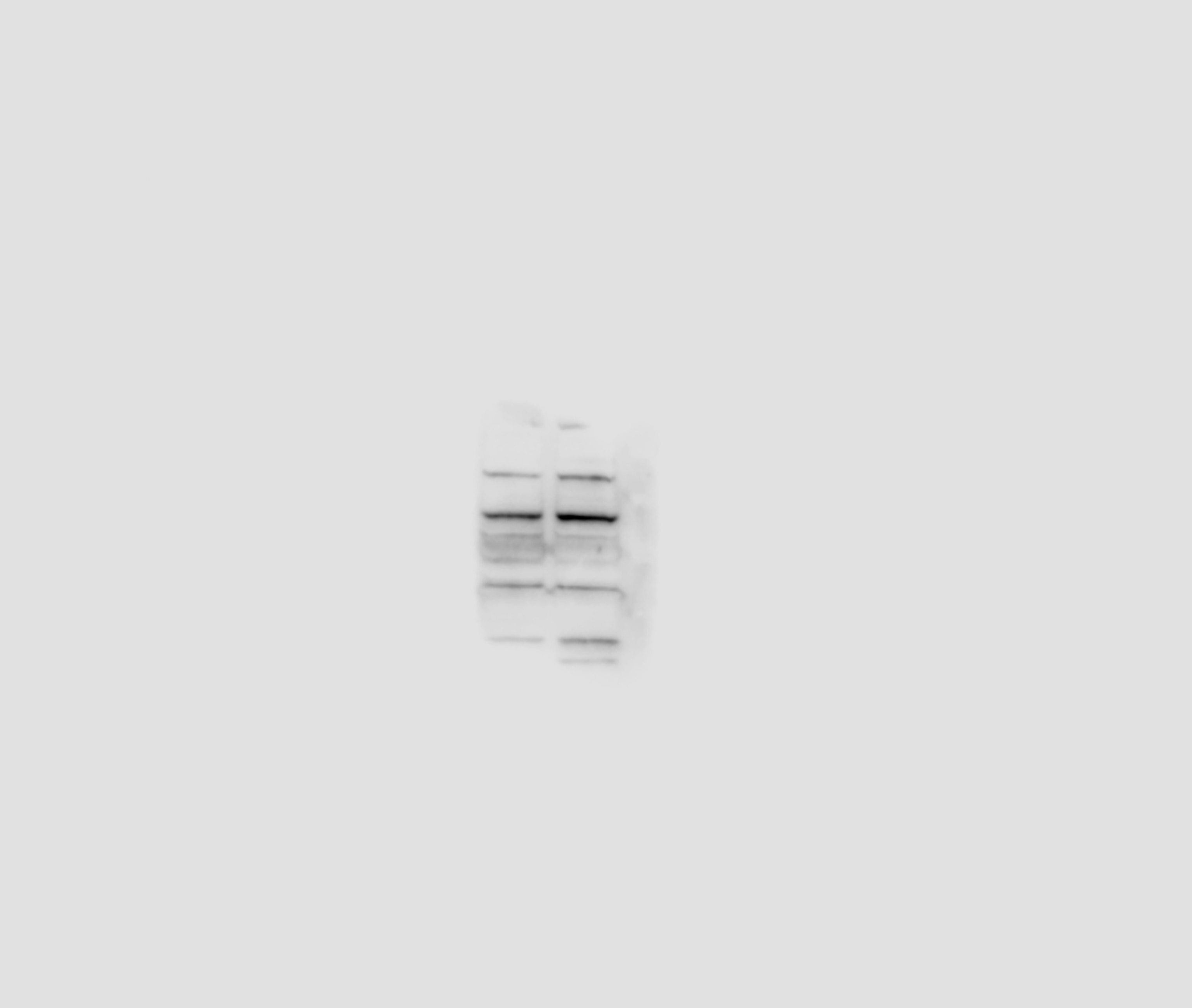
Fan (Verified Customer) (03-22-2021) | Mouse retinal tissue was used. Multiple bands were detected. The target band has the strongest intensity.
 |
Paramananda (Verified Customer) (01-31-2019) | Excellent antibody!
|


