

Tested Applications
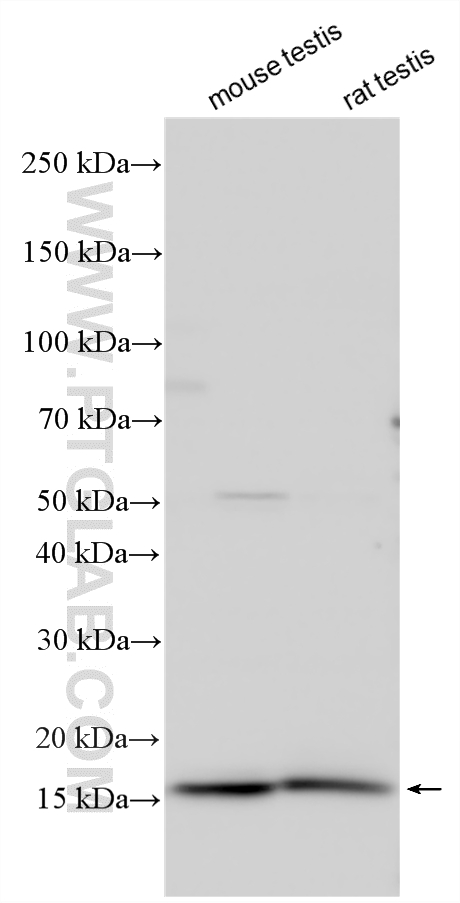
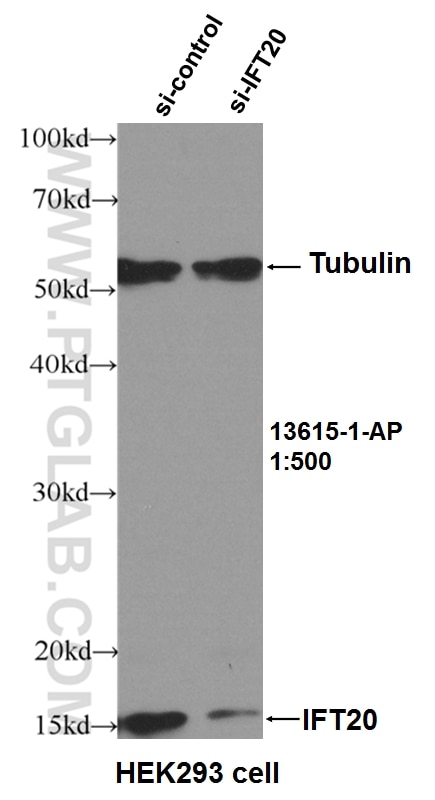
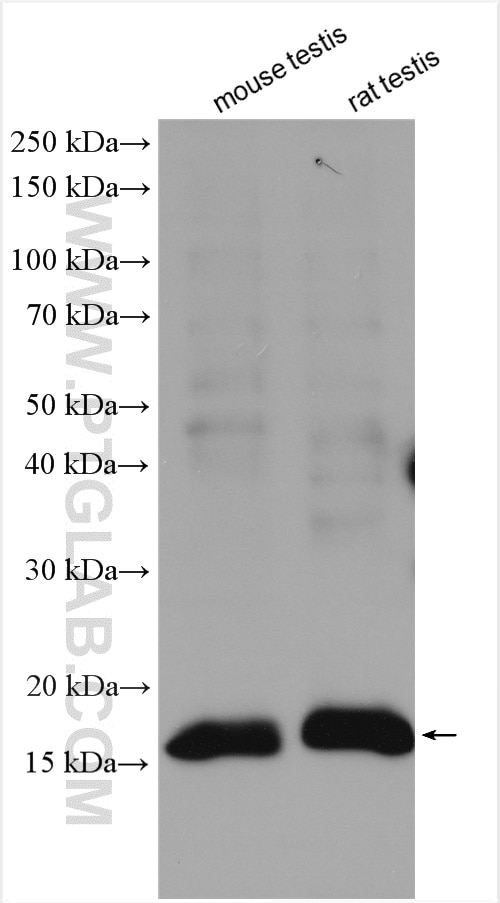
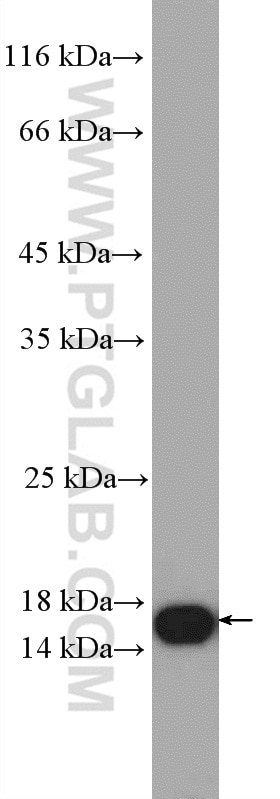
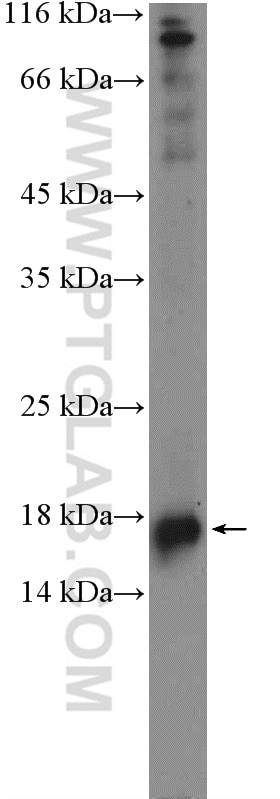
| Positive WB detected in | HEK-293 cells, MDCK cells, mouse testis tissue, rat testis tissue |
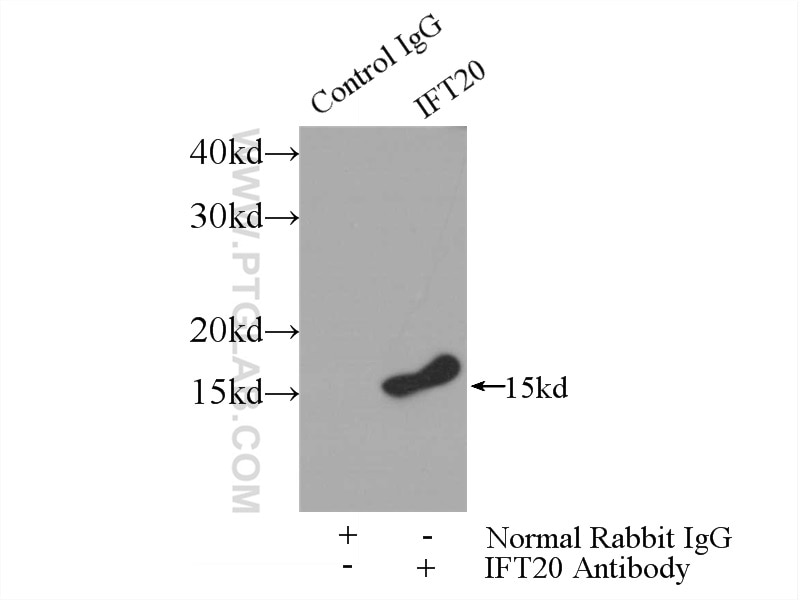
| Positive IP detected in | mouse testis tissue |
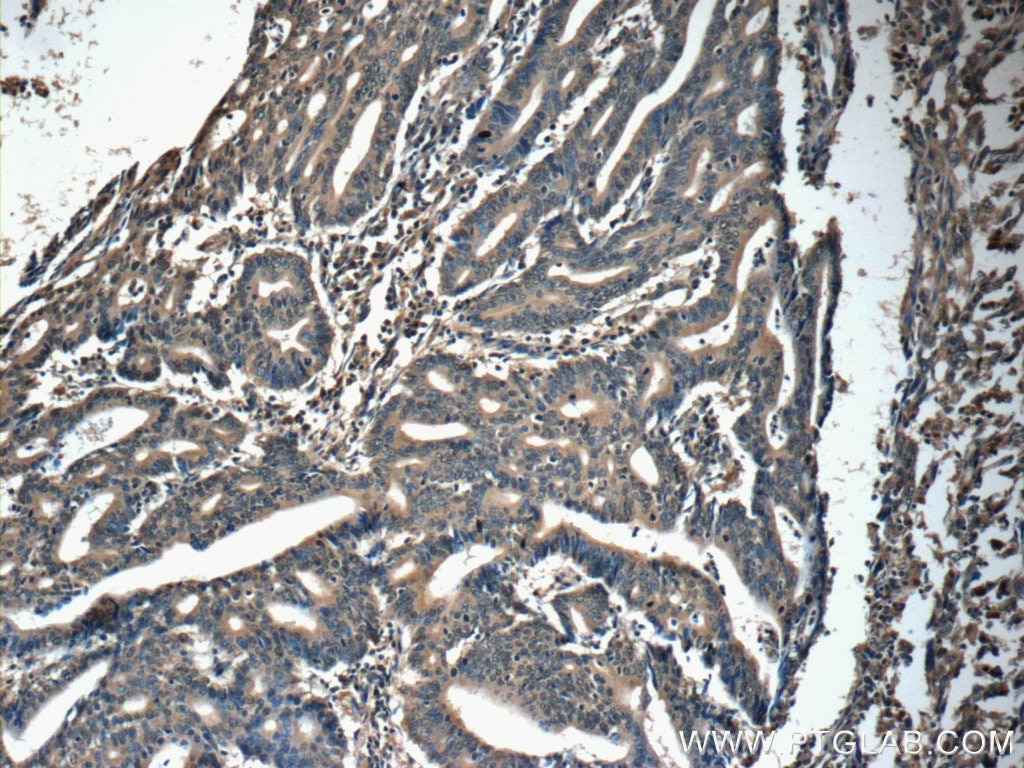
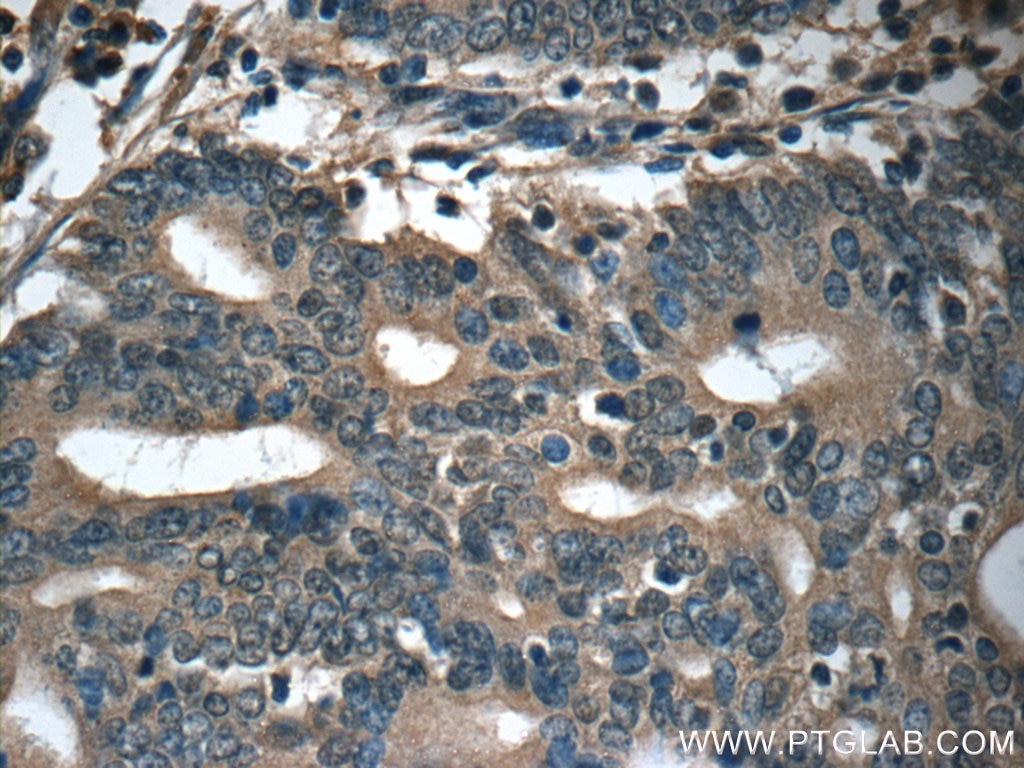
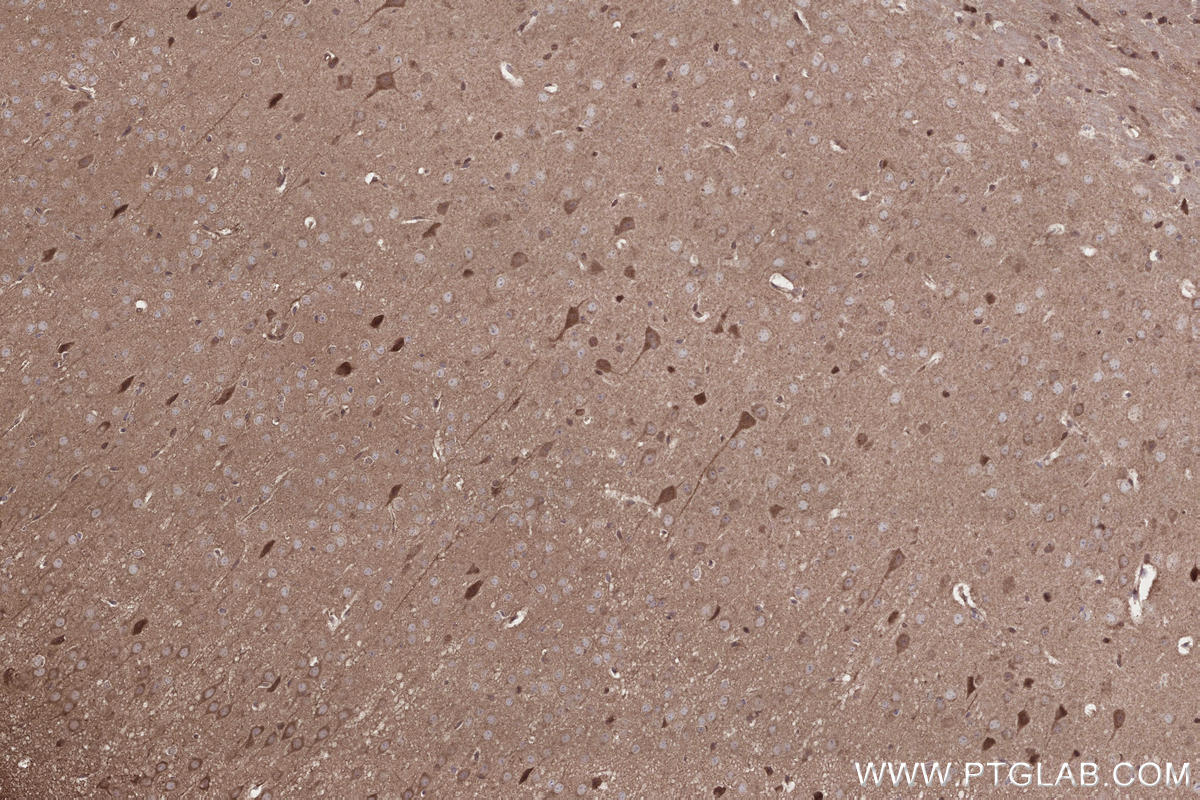
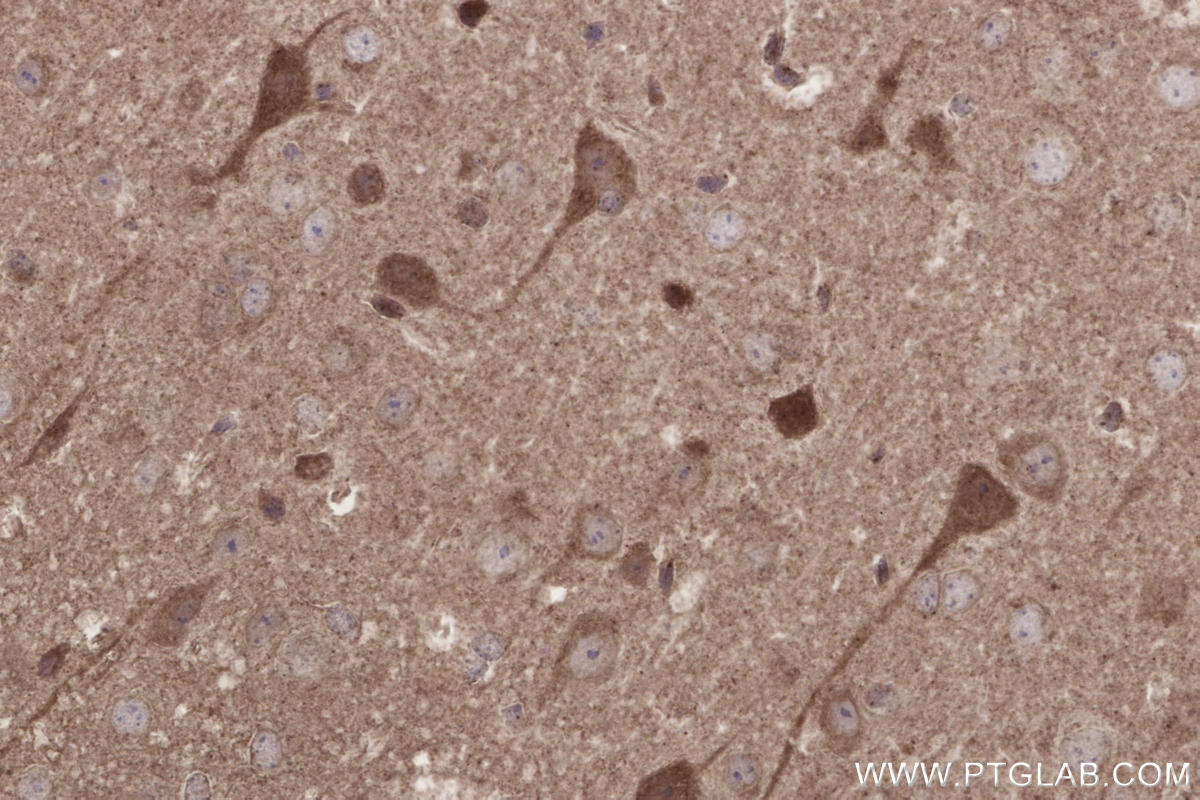
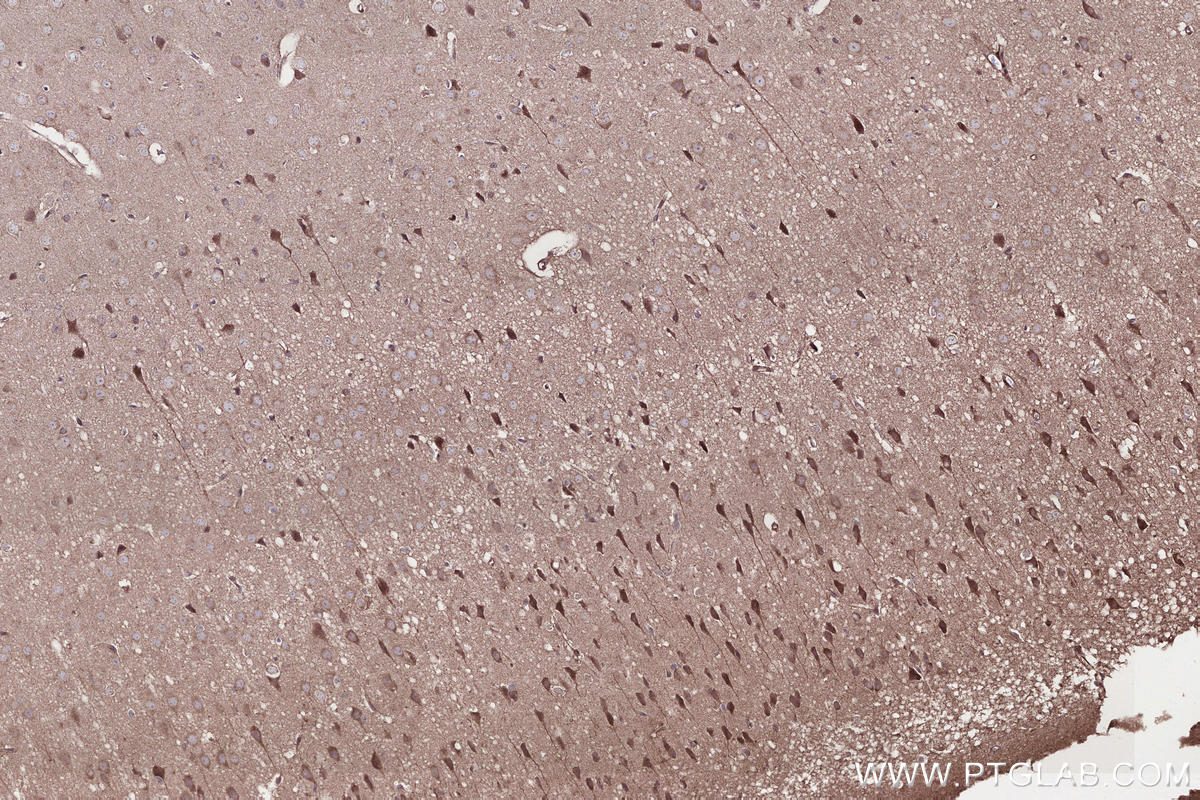
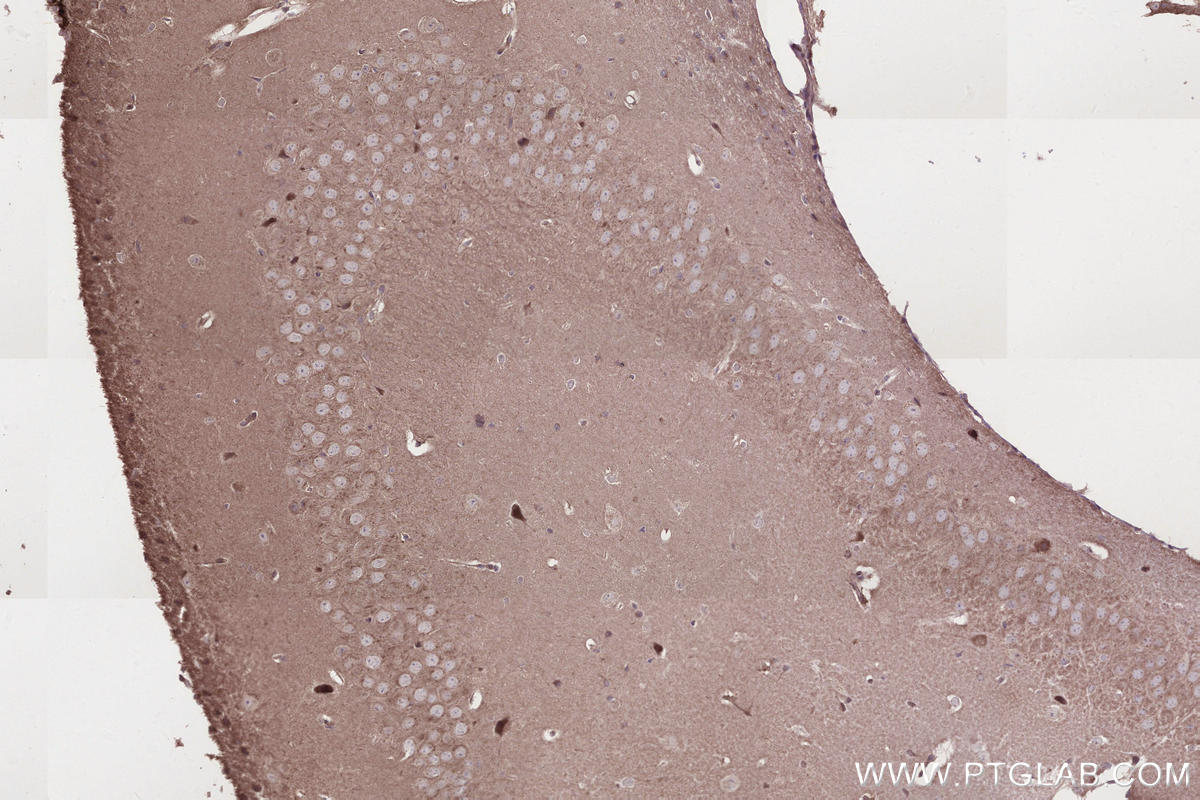
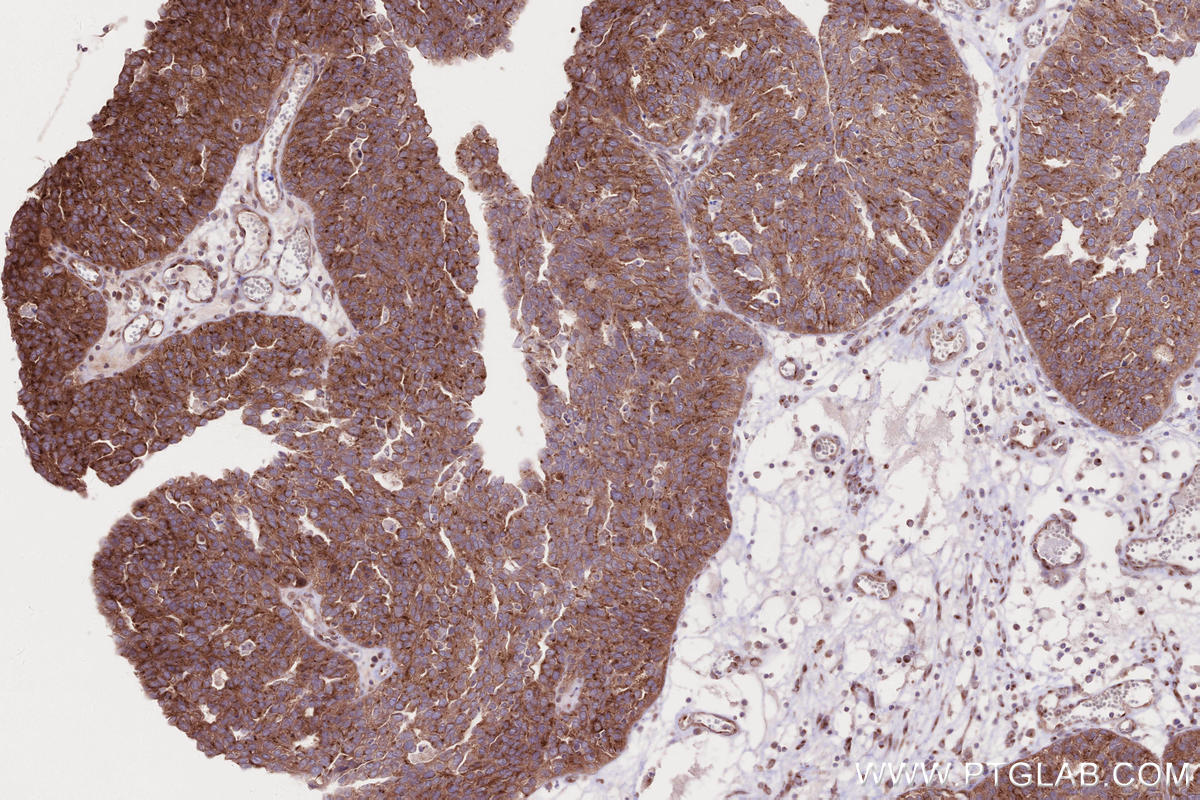
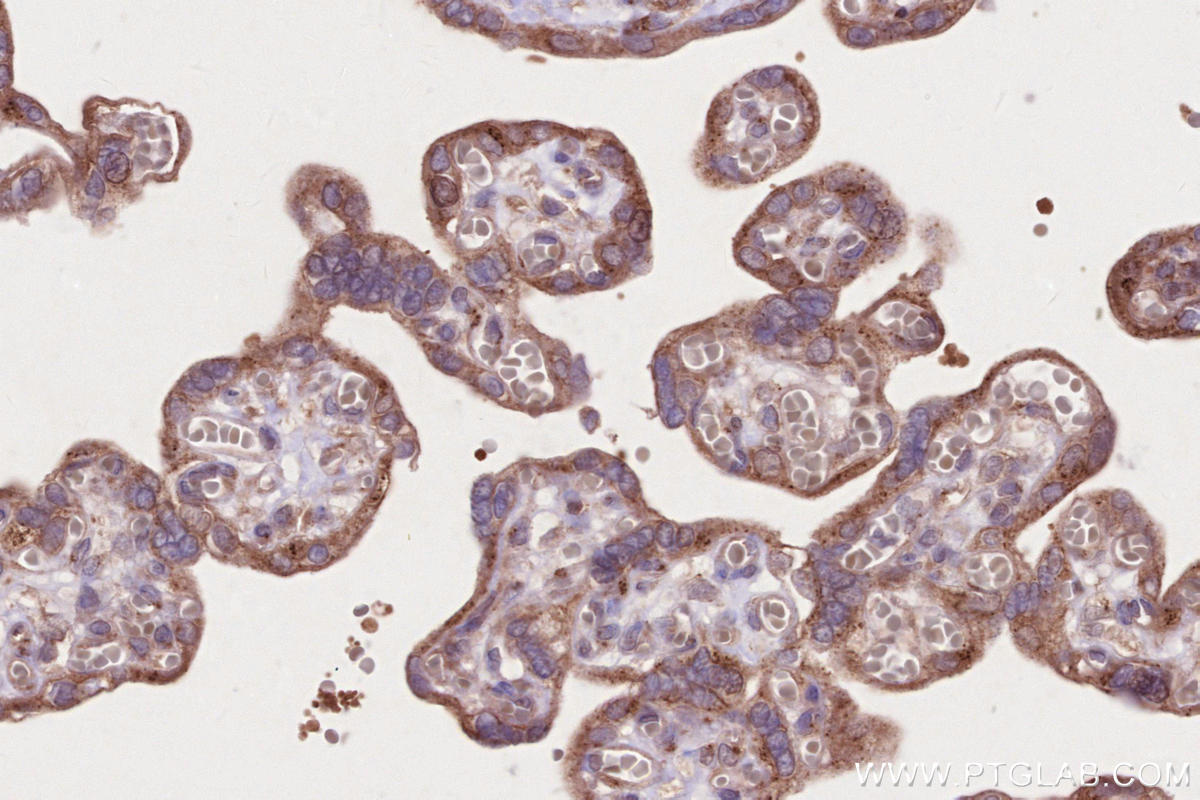
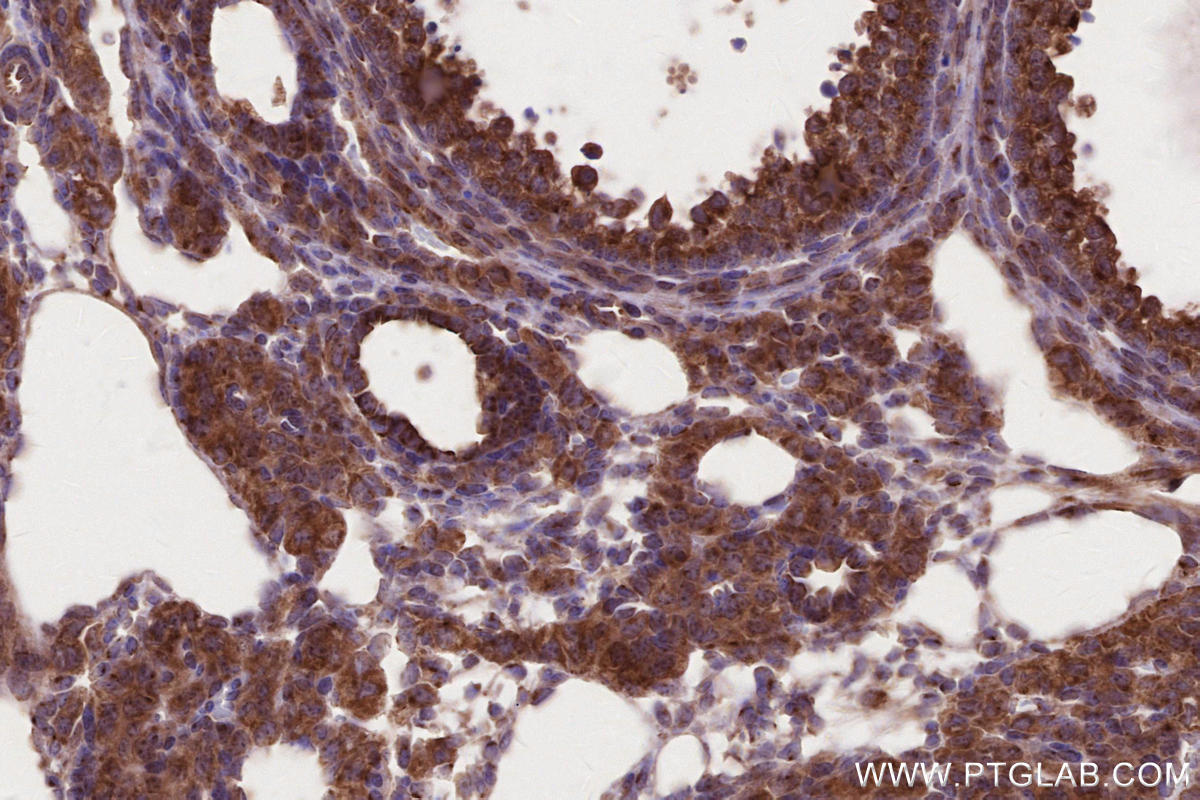
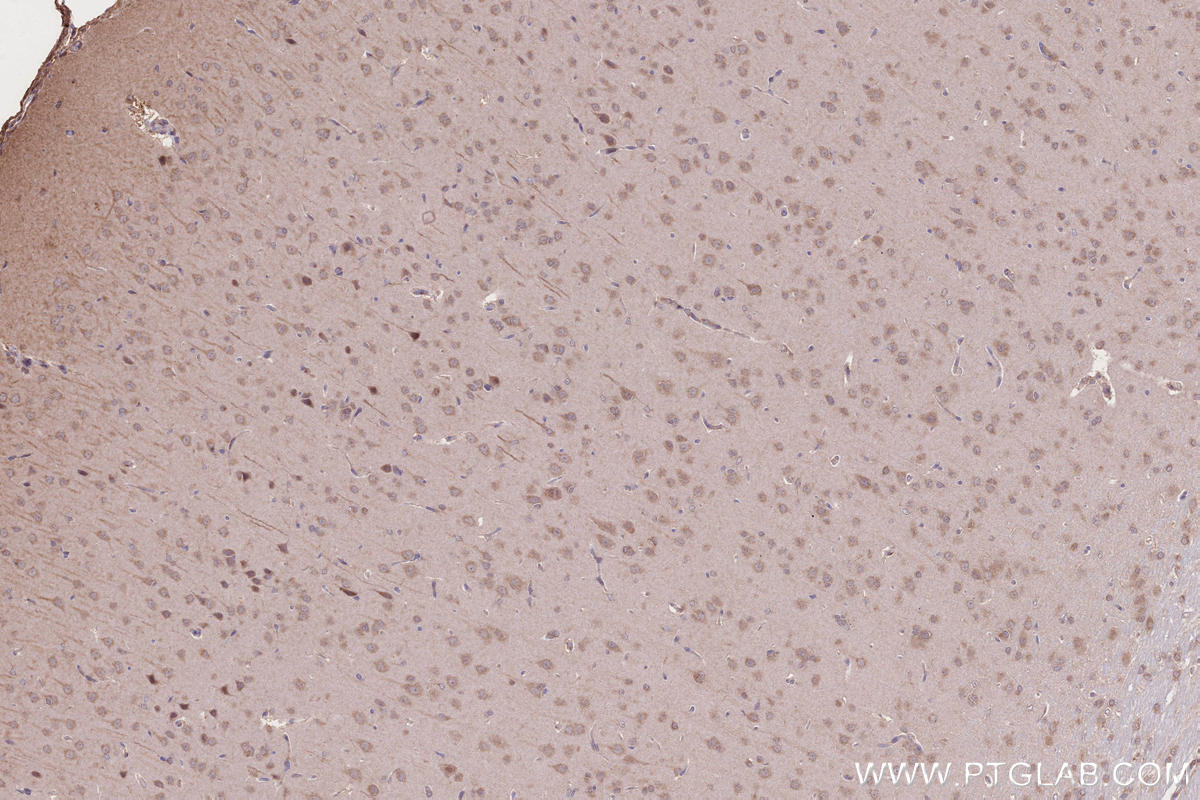
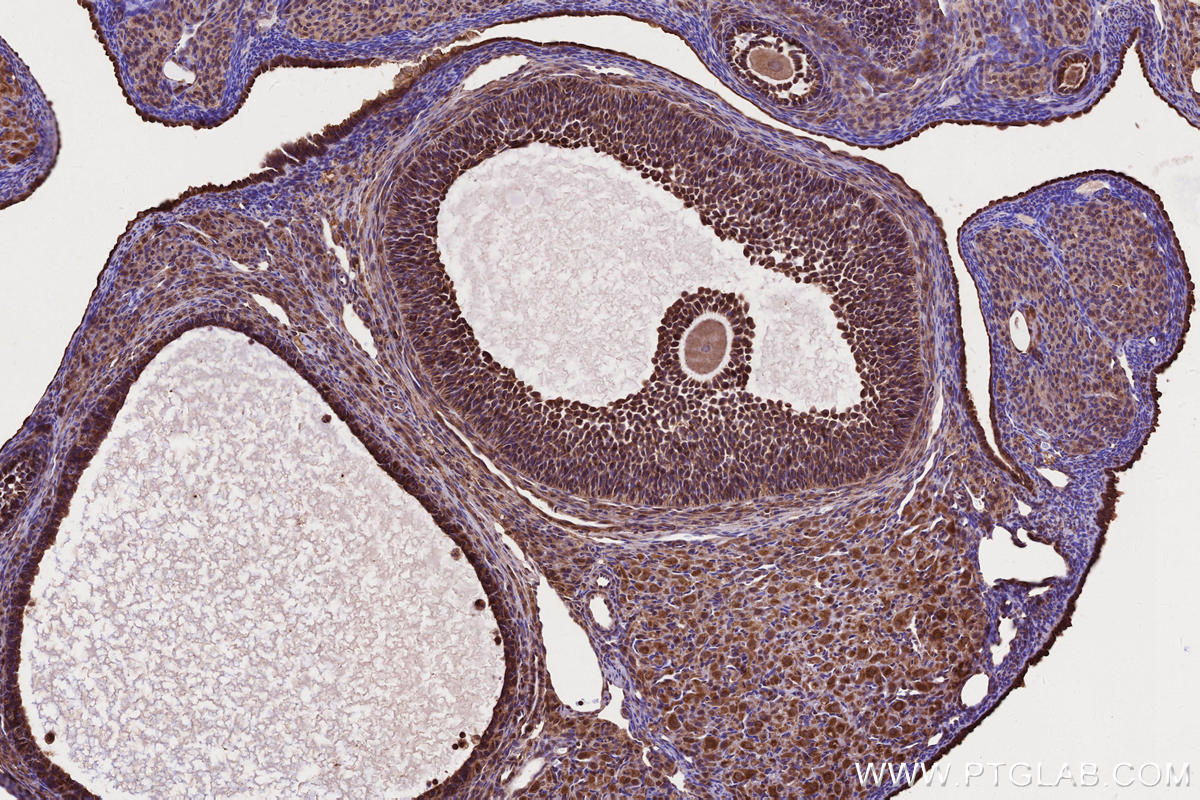
| Positive IHC detected in | mouse brain tissue, rat ovary tissue, human placenta tissue, mouse ovary tissue, human ovary cancer tissue, human endometrial cancer tissue, rat brain tissue Note: suggested antigen retrieval with TE buffer pH 9.0; (*) Alternatively, antigen retrieval may be performed with citrate buffer pH 6.0 |
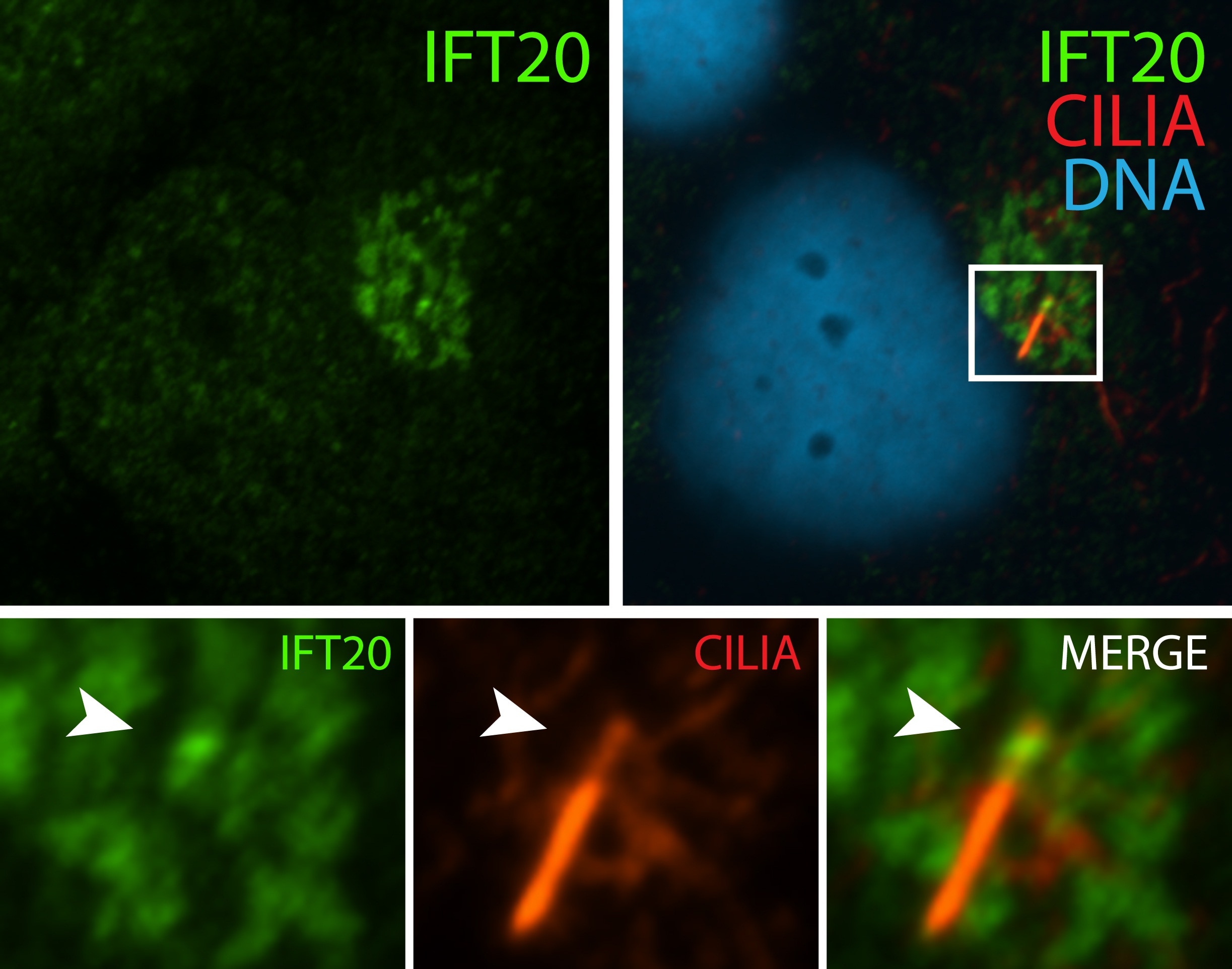
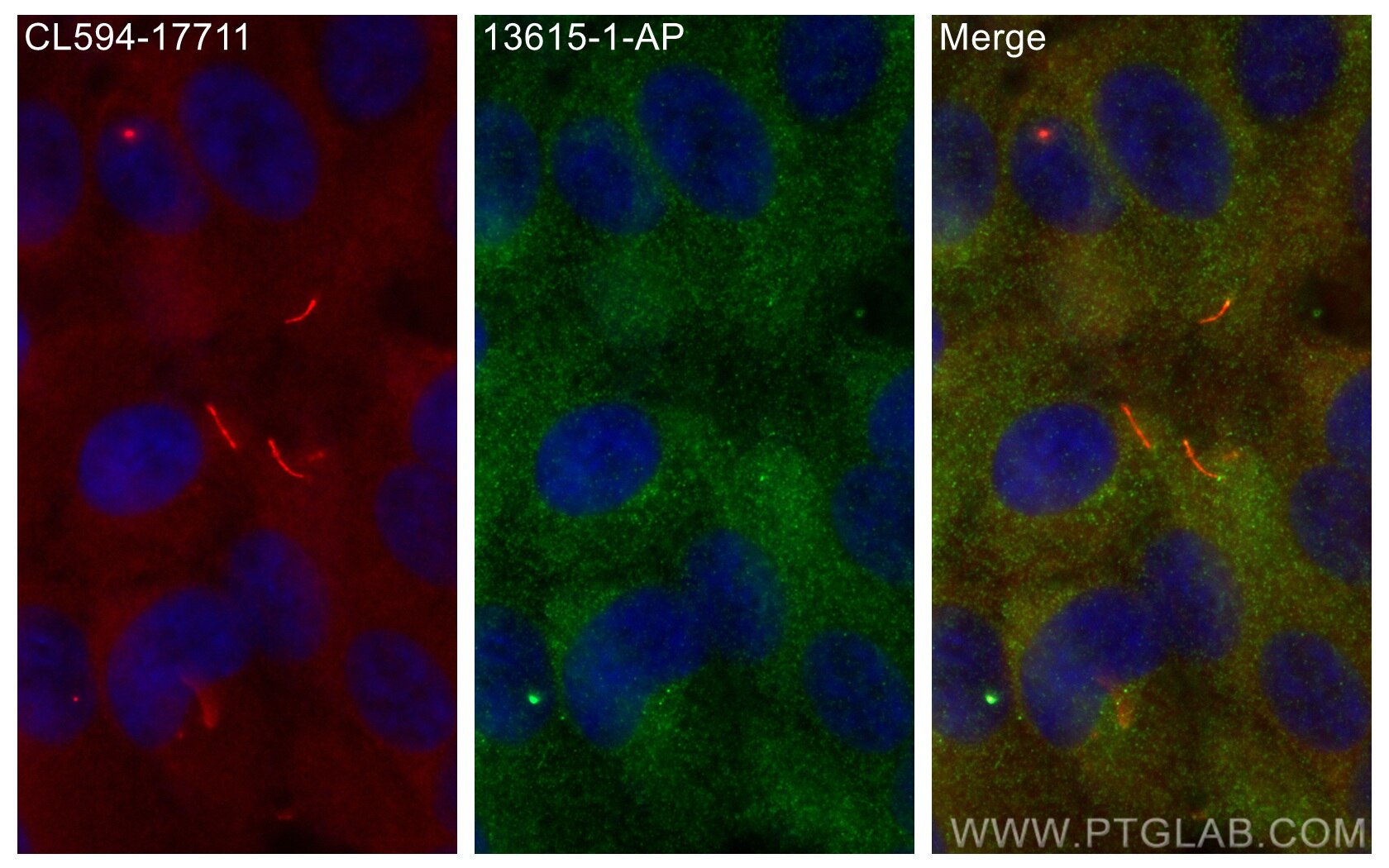
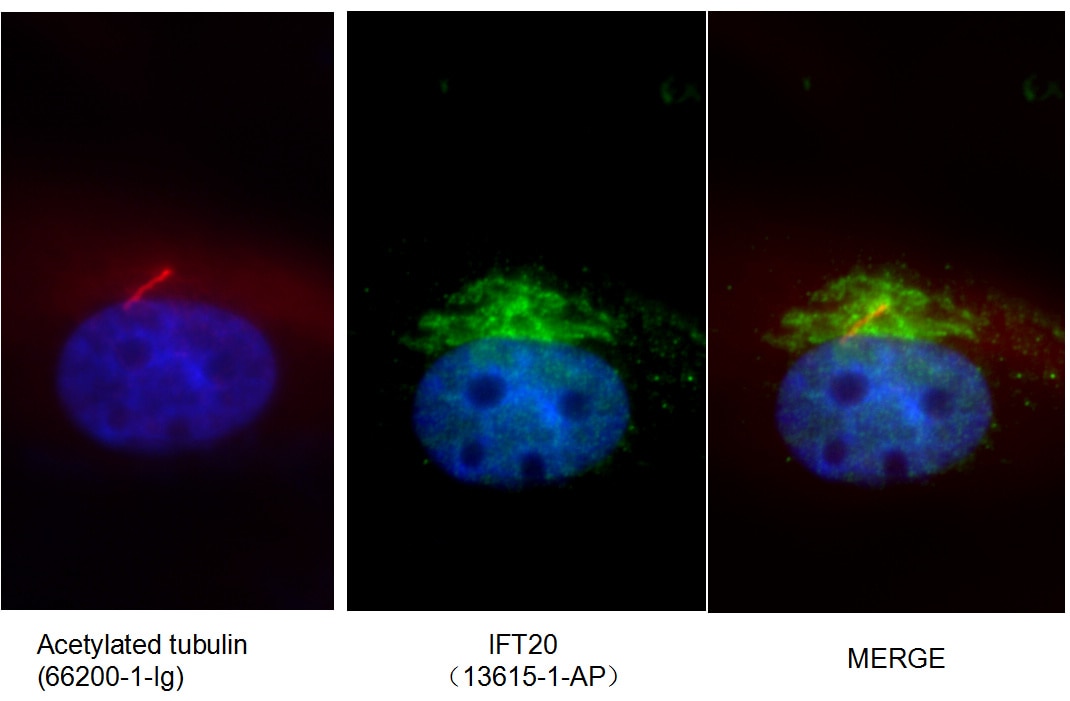
| Positive IF/ICC detected in | hTERT-RPE1 cells, MDCK cells |
Recommended dilution
| Application | Dilution |
|---|---|
| Western Blot (WB) | WB : 1:500-1:2000 |
| Immunoprecipitation (IP) | IP : 0.5-4.0 ug for 1.0-3.0 mg of total protein lysate |
| Immunohistochemistry (IHC) | IHC : 1:50-1:500 |
| Immunofluorescence (IF)/ICC | IF/ICC : 1:50-1:500 |
| It is recommended that this reagent should be titrated in each testing system to obtain optimal results. | |
| Sample-dependent, Check data in validation data gallery. | |
Product Information
13615-1-AP targets IFT20 in WB, IHC, IF/ICC, IP, CoIP, ELISA applications and shows reactivity with human, mouse, rat, canine samples.
| Tested Reactivity | human, mouse, rat, canine |
| Cited Reactivity | human, mouse, rat, canine, monkey, zebrafish |
| Host / Isotype | Rabbit / IgG |
| Class | Polyclonal |
| Type | Antibody |
| Immunogen |
CatNo: Ag4521 Product name: Recombinant human IFT20 protein Source: e coli.-derived, PGEX-4T Tag: GST Domain: 1-132 aa of BC038094 Sequence: MAKDILGEAGLHFDELNKLRVLDPEVTQQTIELKEECKDFVDKIGQFQKIVGGLIELVDQLAKEAENEKMKAIGARNLLKSIAKQREAQQQQLQALIAEKKMQLERYRVEYEALCKVEAEQNEFIDQFIFQK Predict reactive species |
| Full Name | intraflagellar transport 20 homolog (Chlamydomonas) |
| Calculated Molecular Weight | 15 kDa |
| Observed Molecular Weight | 15-18 kDa |
| GenBank Accession Number | BC038094 |
| Gene Symbol | IFT20 |
| Gene ID (NCBI) | 90410 |
| RRID | AB_2280001 |
| Conjugate | Unconjugated |
| Form | Liquid |
| Purification Method | Antigen affinity purification |
| UNIPROT ID | Q8IY31 |
| Storage Buffer | PBS with 0.02% sodium azide and 50% glycerol, pH 7.3. |
| Storage Conditions | Store at -20°C. Stable for one year after shipment. Aliquoting is unnecessary for -20oC storage. 20ul sizes contain 0.1% BSA. |
Background Information
Intraflagellar transport (IFT), mediated by molecular motors and IFT particles, is an important transport process that occurs in the cilium. IFT particles are multi-subunit complexes that are made up of complex A and complex B. IFT20 is a component of IFT complex B and involved in ciliary process assembly. It is associated with the Golgi complex and plays a role in the trafficking of ciliary membrane proteins from the Golgi complex to the cilium.
Protocols
| Product Specific Protocols | |
|---|---|
| IF protocol for IFT20 antibody 13615-1-AP | Download protocol |
| IHC protocol for IFT20 antibody 13615-1-AP | Download protocol |
| IP protocol for IFT20 antibody 13615-1-AP | Download protocol |
| WB protocol for IFT20 antibody 13615-1-AP | Download protocol |
| Standard Protocols | |
|---|---|
| Click here to view our Standard Protocols |
Publications
What published studies show
The Anti-IFT20 antibody (Cat# 13615-1-AP) has 90 total citations published in high-impact journals including Nature, Nature Communications, PNAS, Cell Reports, Journal of Cell Biology, EMBO Reports, Human Molecular Genetics, Molecular Biology of the Cell, and eLife. Associated research fields include ciliogenesis, intraflagellar transport, autophagy, cancer biology, male infertility, developmental biology, neurodegeneration, liver fibrosis, polycystic kidney disease, and Hedgehog signaling pathways.
| Species | Application | Title |
|---|---|---|
Nat Aging A primary cilia-autophagy axis in hippocampal neurons is essential to maintain cognitive resilience
| ||
Nat Cell Biol Early steps in primary cilium assembly require EHD1/EHD3-dependent ciliary vesicle formation. | ||
Nat Cell Biol Early steps in primary cilium assembly require EHD1/EHD3-dependent ciliary vesicle formation. | ||
Nat Commun EGF receptor kinase suppresses ciliogenesis through activation of USP8 deubiquitinase. | ||
Nat Commun An actin filament branching surveillance system regulates cell cycle progression, cytokinesis and primary ciliogenesis |
Reviews
What customers say
Overall positive with 3 out of 4 reviewers giving 5 stars. Users report good specificity and low background for immunofluorescence on primary myoblasts, MEFs, and human liver cells, as well as reliable Western blot performance at 1:1000. The antibody works well with PFA and cold methanol fixation. One reviewer noted high, dotty background when used on LIGHT2 cells at 1:150, suggesting optimization may be needed for certain cell types.
The reviews below have been submitted by verified Proteintech customers who received an incentive for providing their feedback.
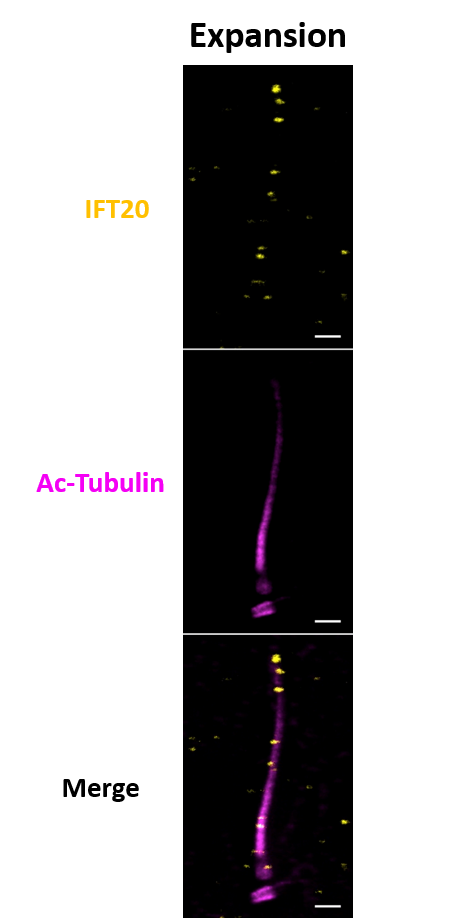
Lola (Verified Customer) (10-23-2025) | This antibody shows good specificity and low background. Suitable for immunofluorescence and expansion microscopy. It works with PFA and cold MeOH fixation.
 |
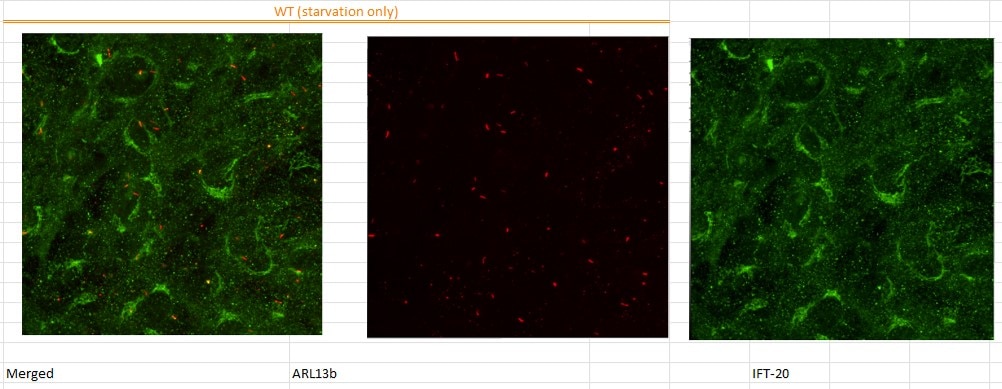
Charlotte (Verified Customer) (07-18-2024) | I did the standard iF protocol on the classic LIGHT2 cells used to study Hh signalling that depends on the primary cilia: PFA 4% 10 min cold methanol 5 min 1h in 1% BSA in PBST 1/150 in blocking solution, O.N. at 4°C 5*5min PBST 1/500 in blocking solution, 1h at RT° 4*5min PBST + 5min PBS I'm not convinced as the background is super dotty and quite important. Maybe the conditions must be optimized but it doesn't look promising
 |
kes (Verified Customer) (01-17-2022) | I used it for WB(1:1000) and IF for cilia (1:200) and got good results.
|
Boyan (Verified Customer) (03-15-2019) | Excellent for IF labelling of the Golgi under PFA fixation.
|