

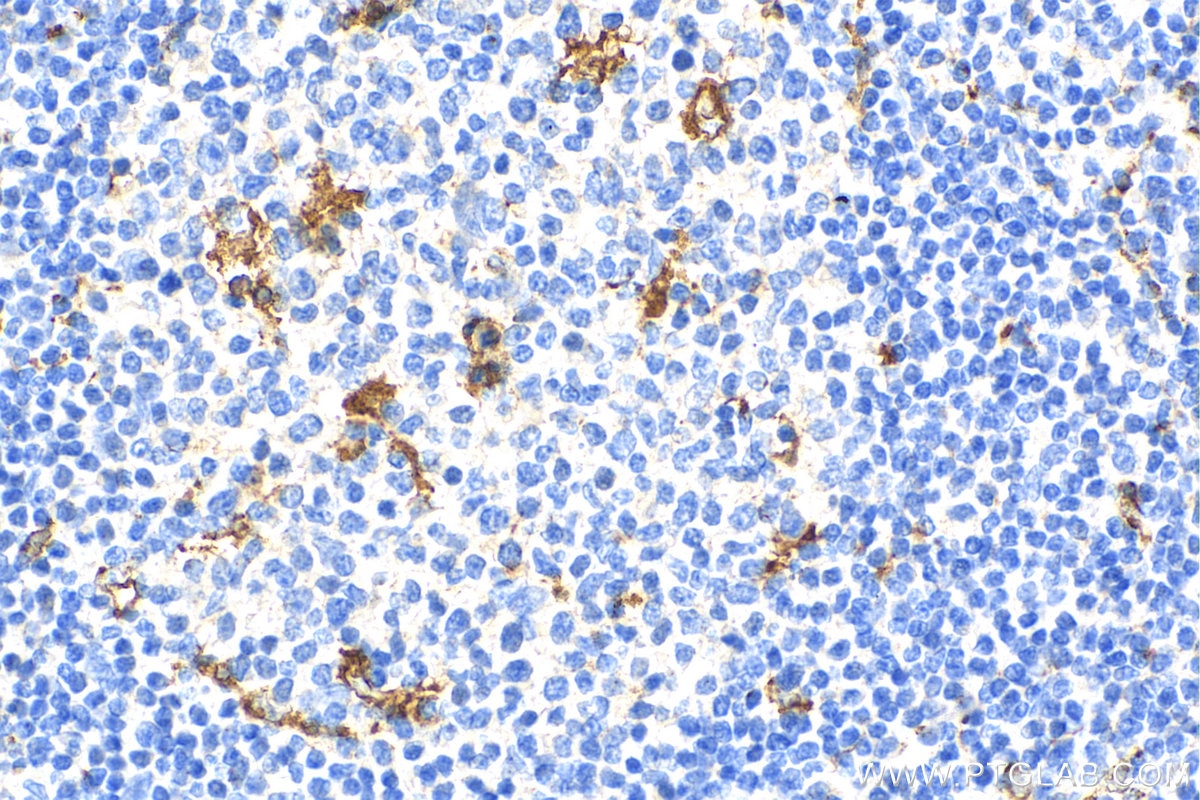
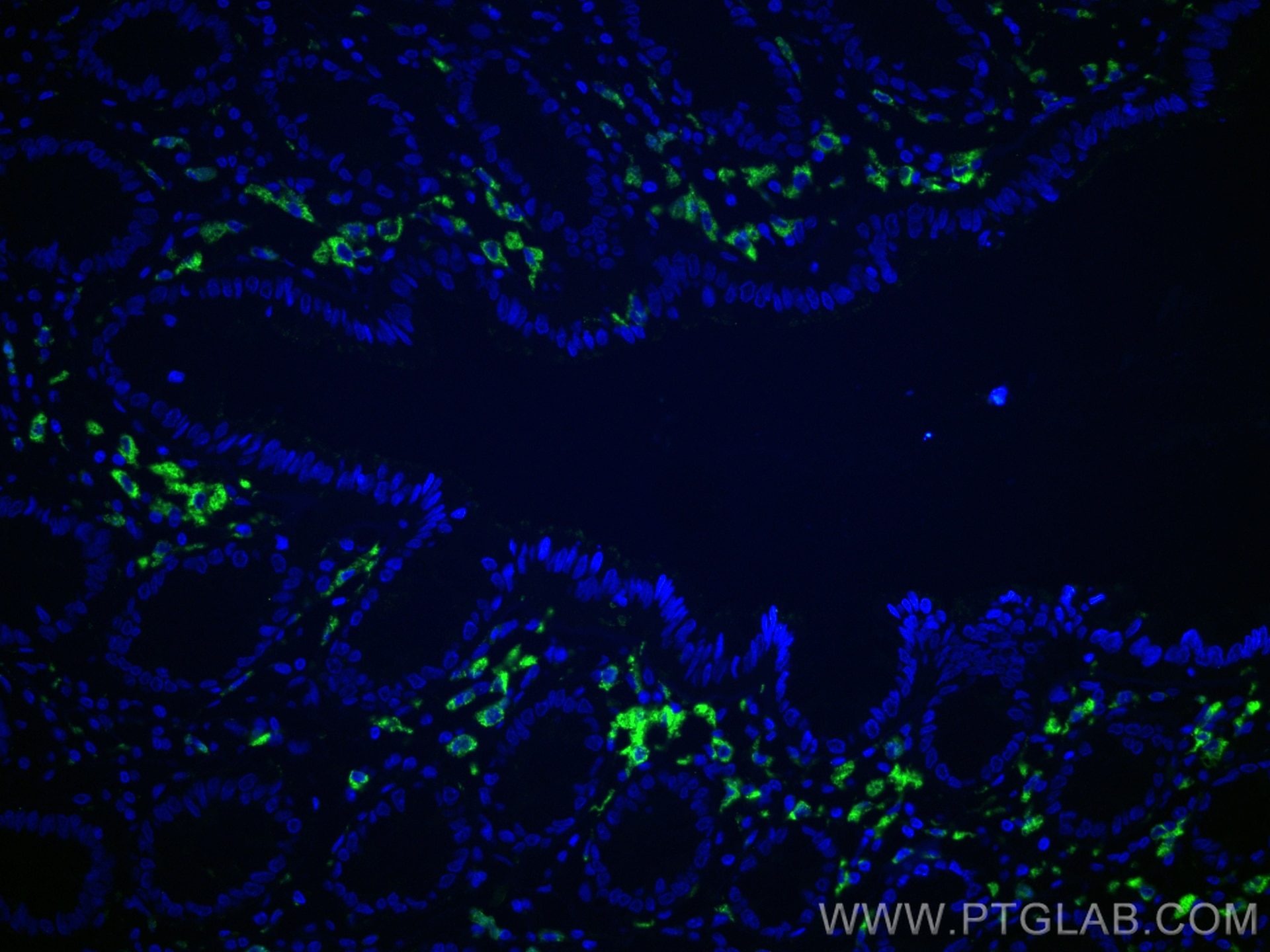
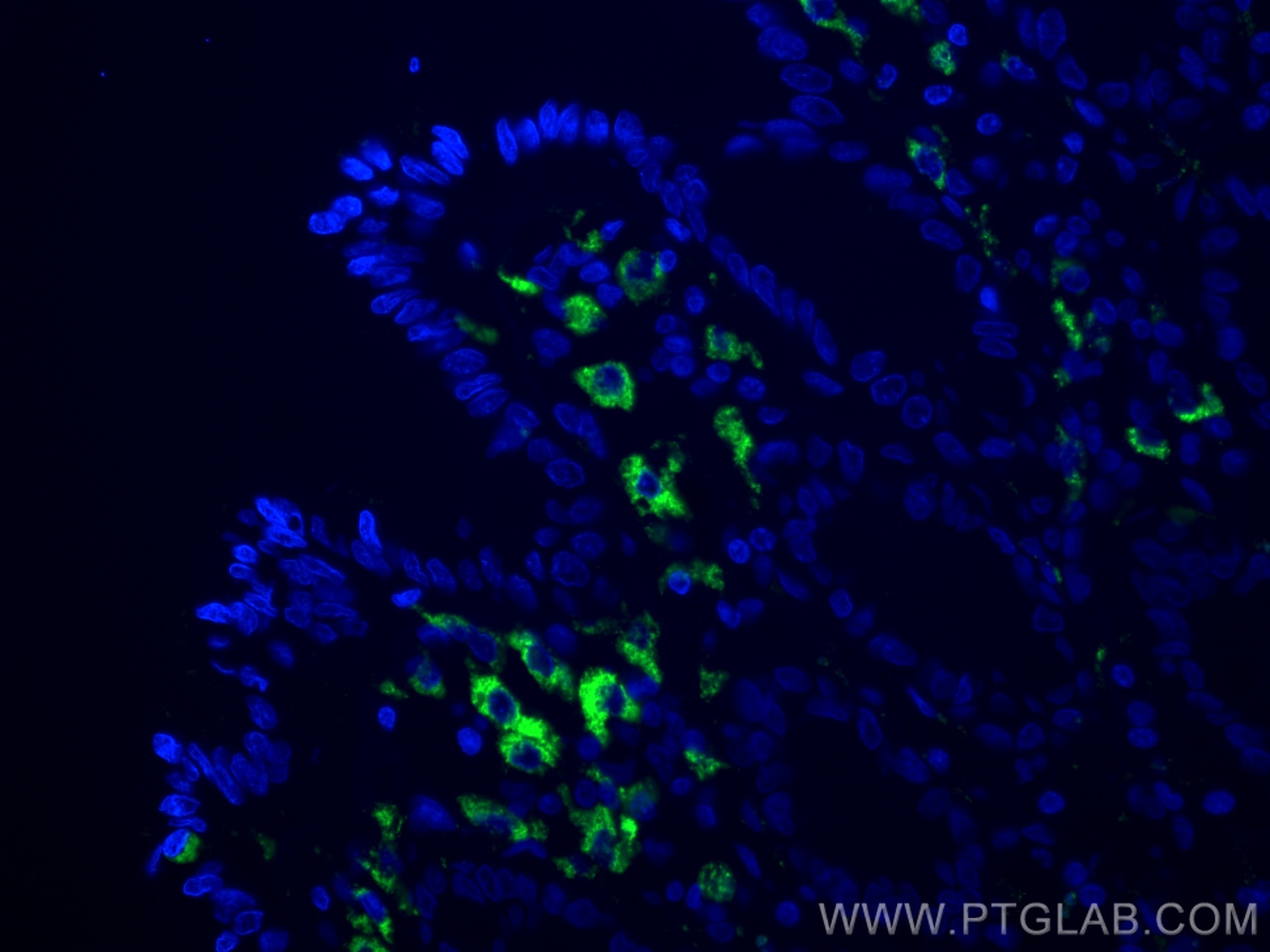
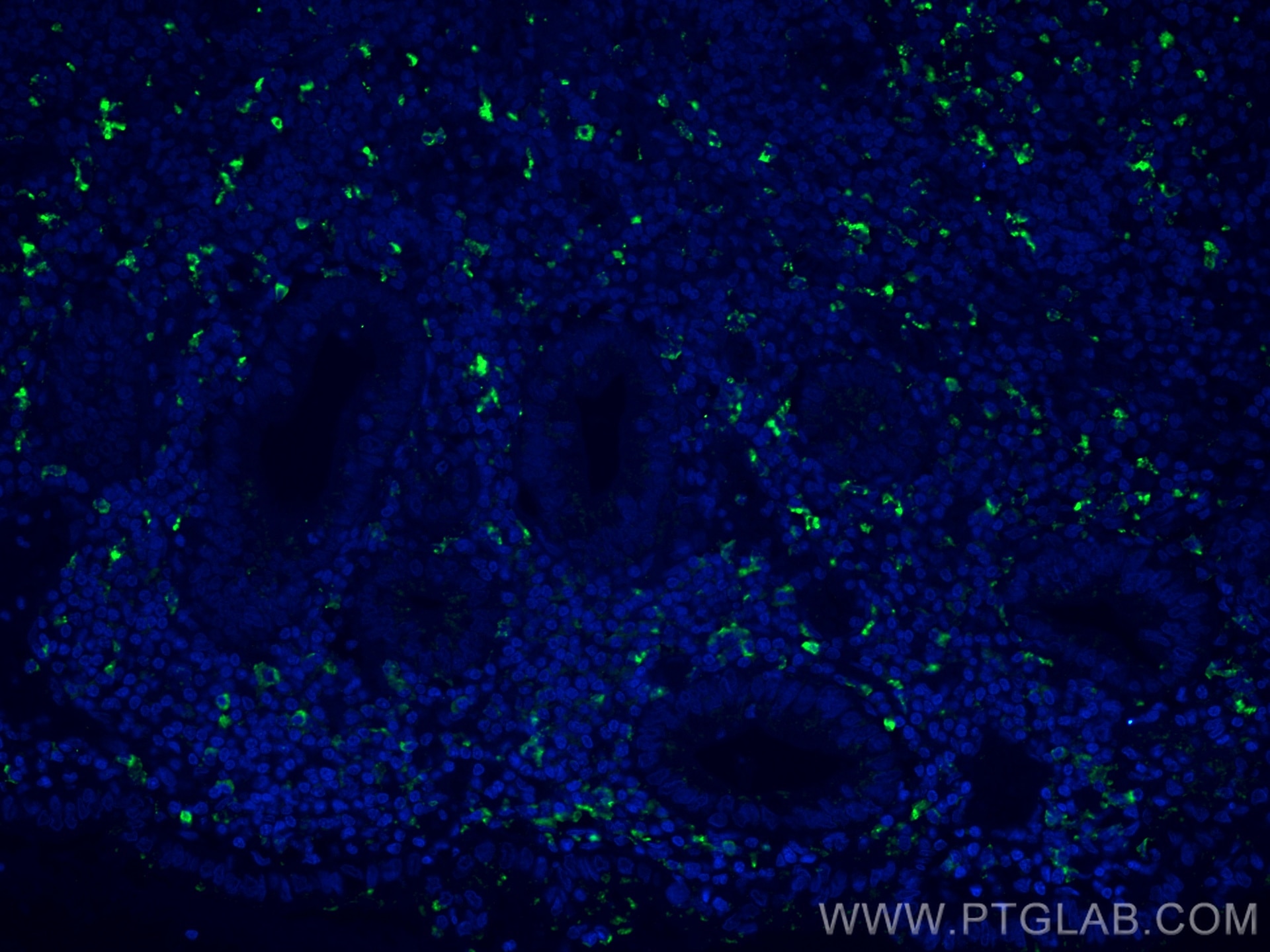

Tested Applications
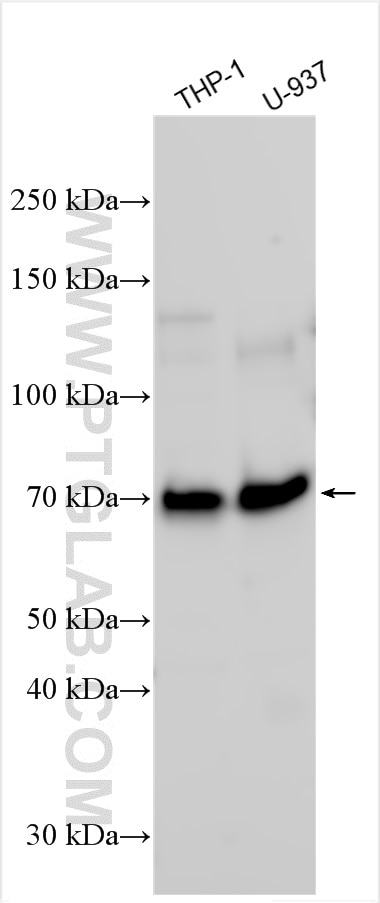
| Positive WB detected in | THP-1 cells, U-937 cells |
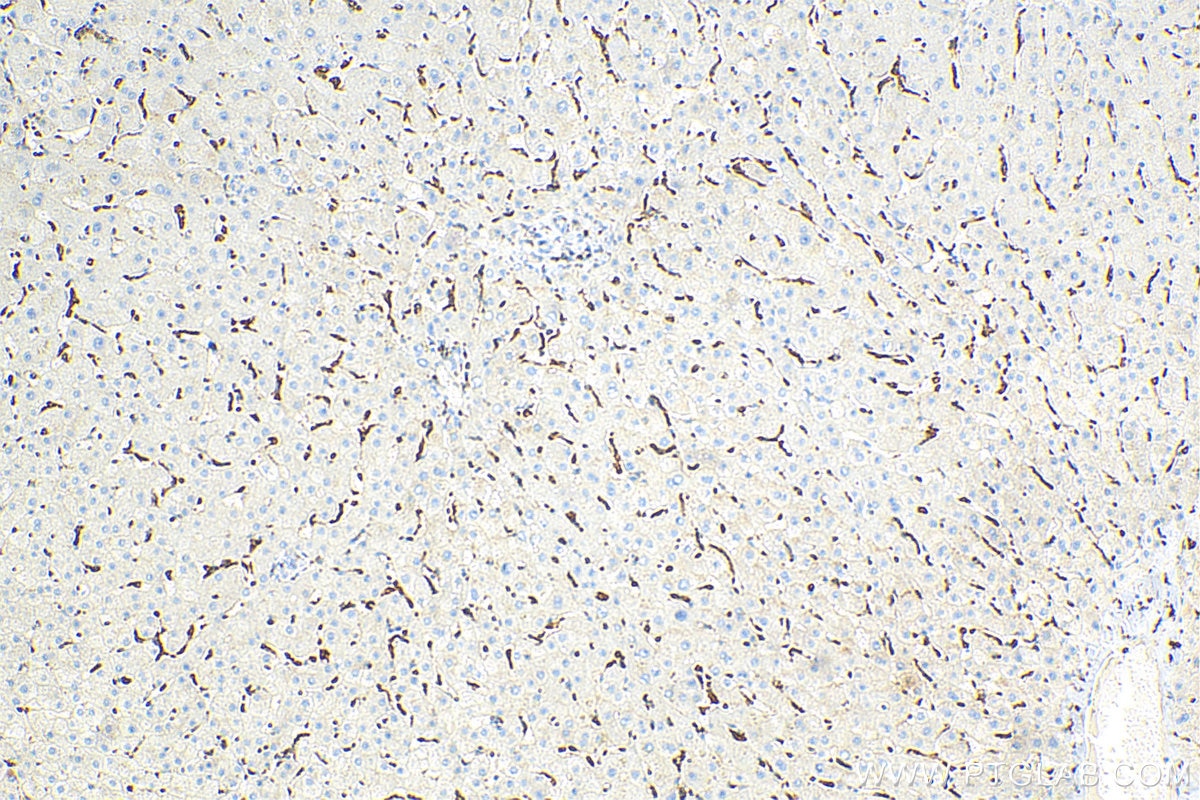
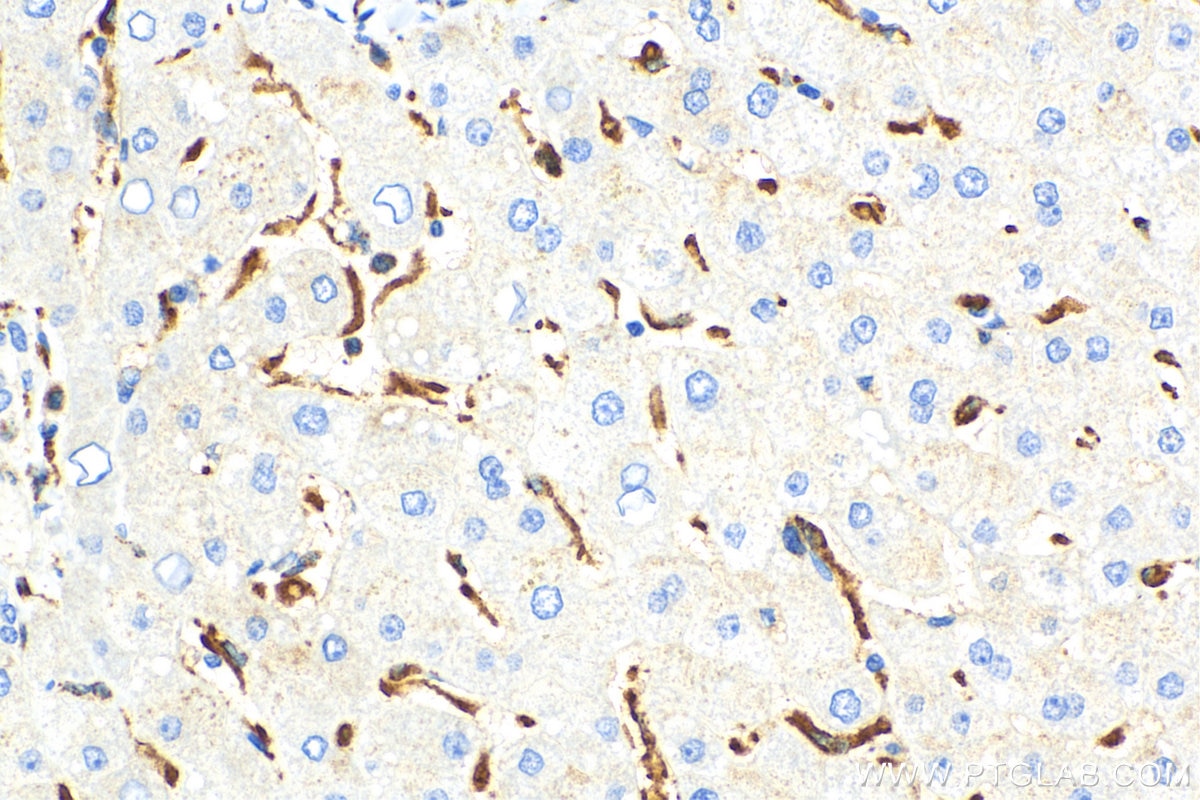
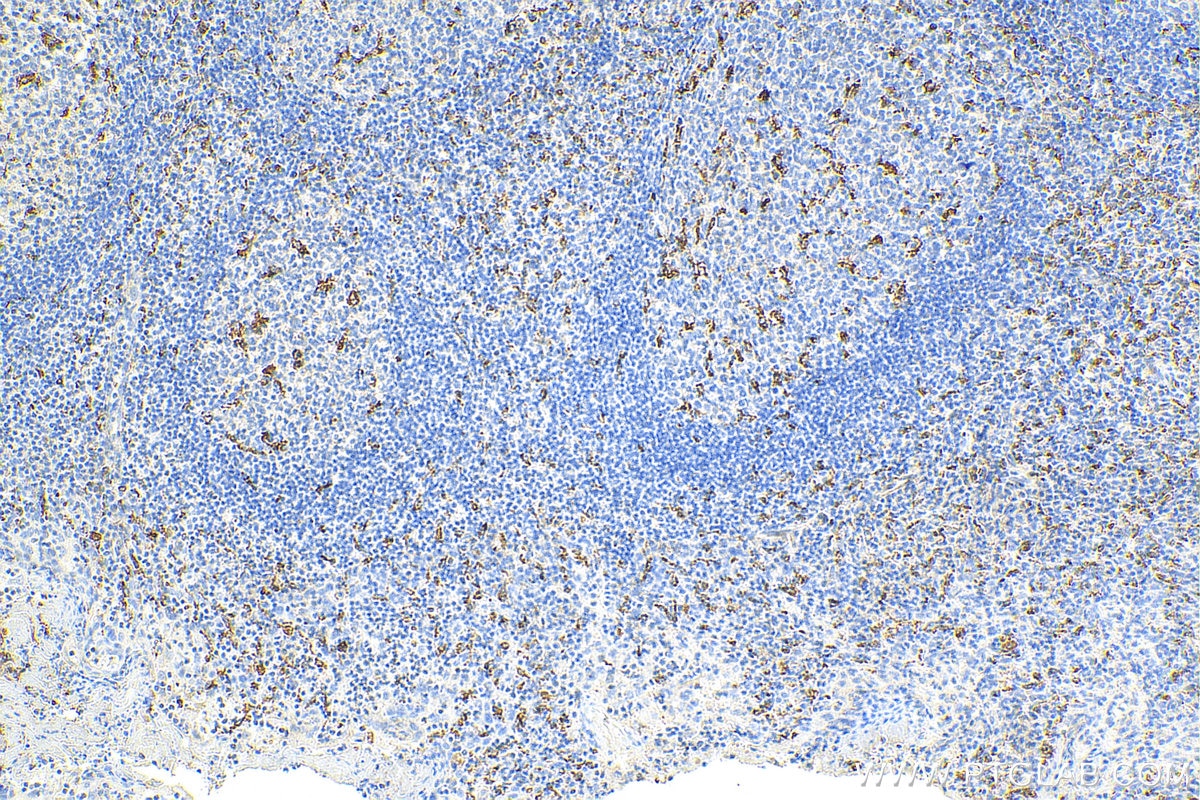
| Positive IHC detected in | human liver tissue, human tonsillitis tissue Note: suggested antigen retrieval with TE buffer pH 9.0; (*) Alternatively, antigen retrieval may be performed with citrate buffer pH 6.0 |
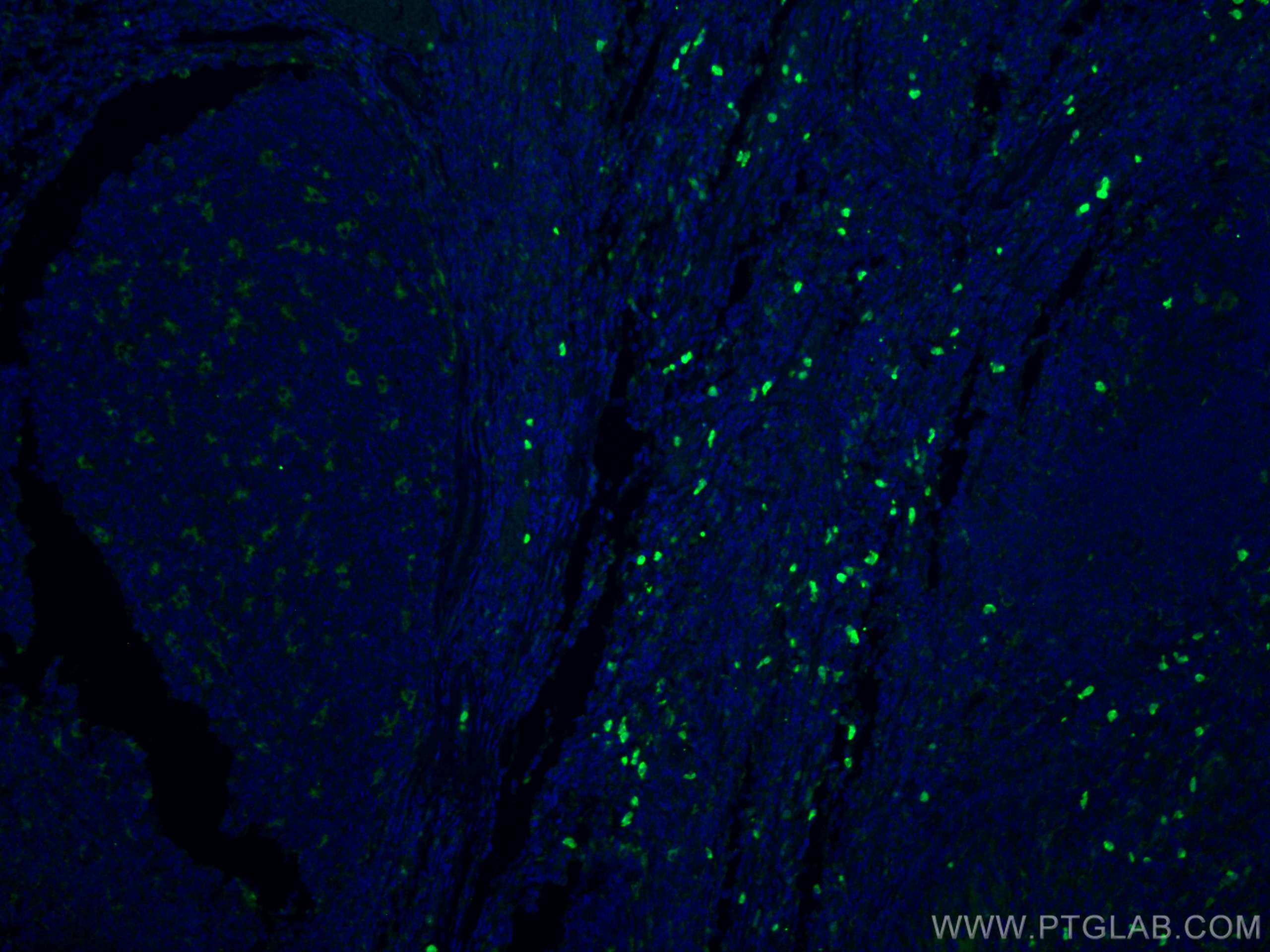
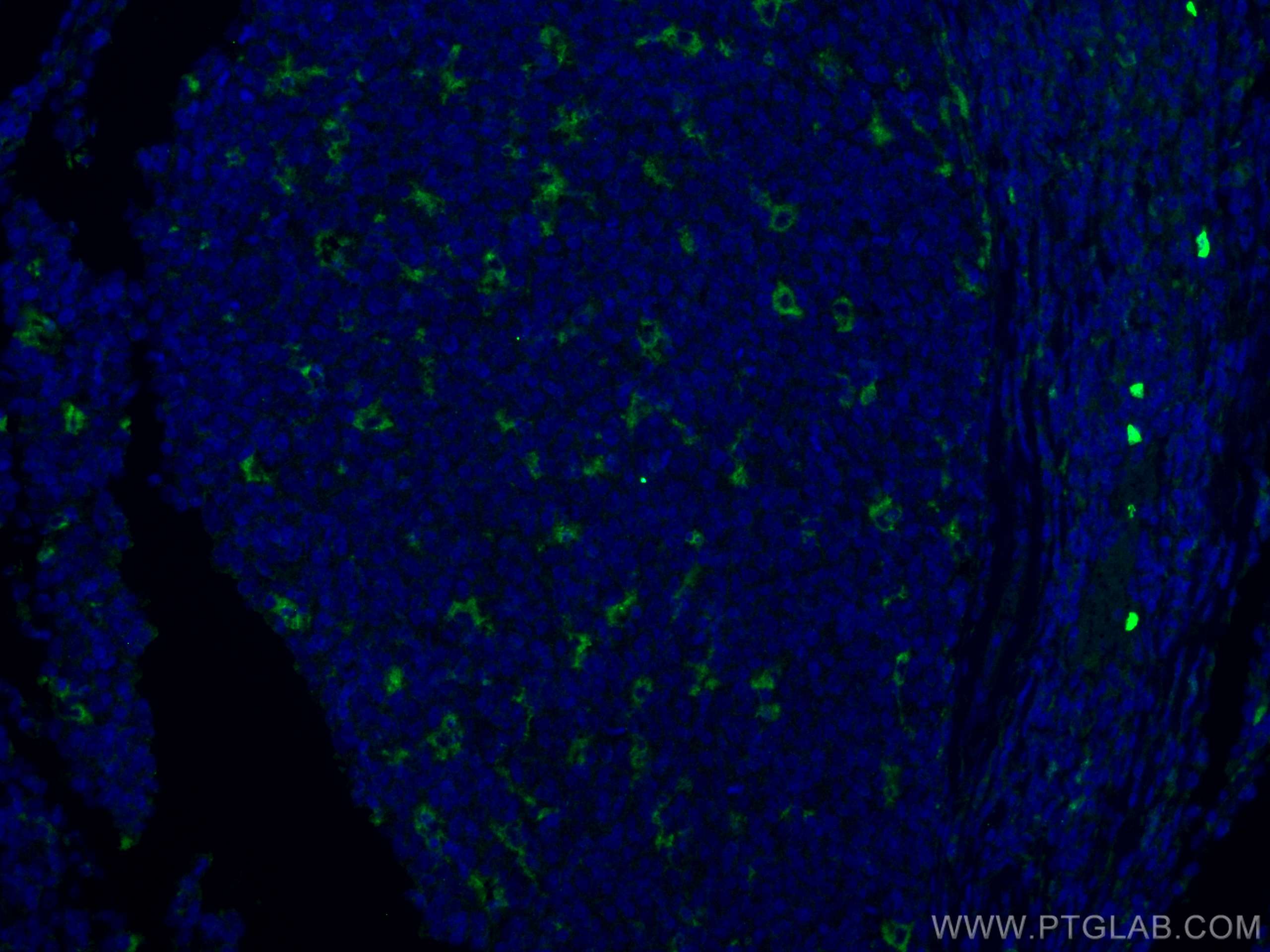
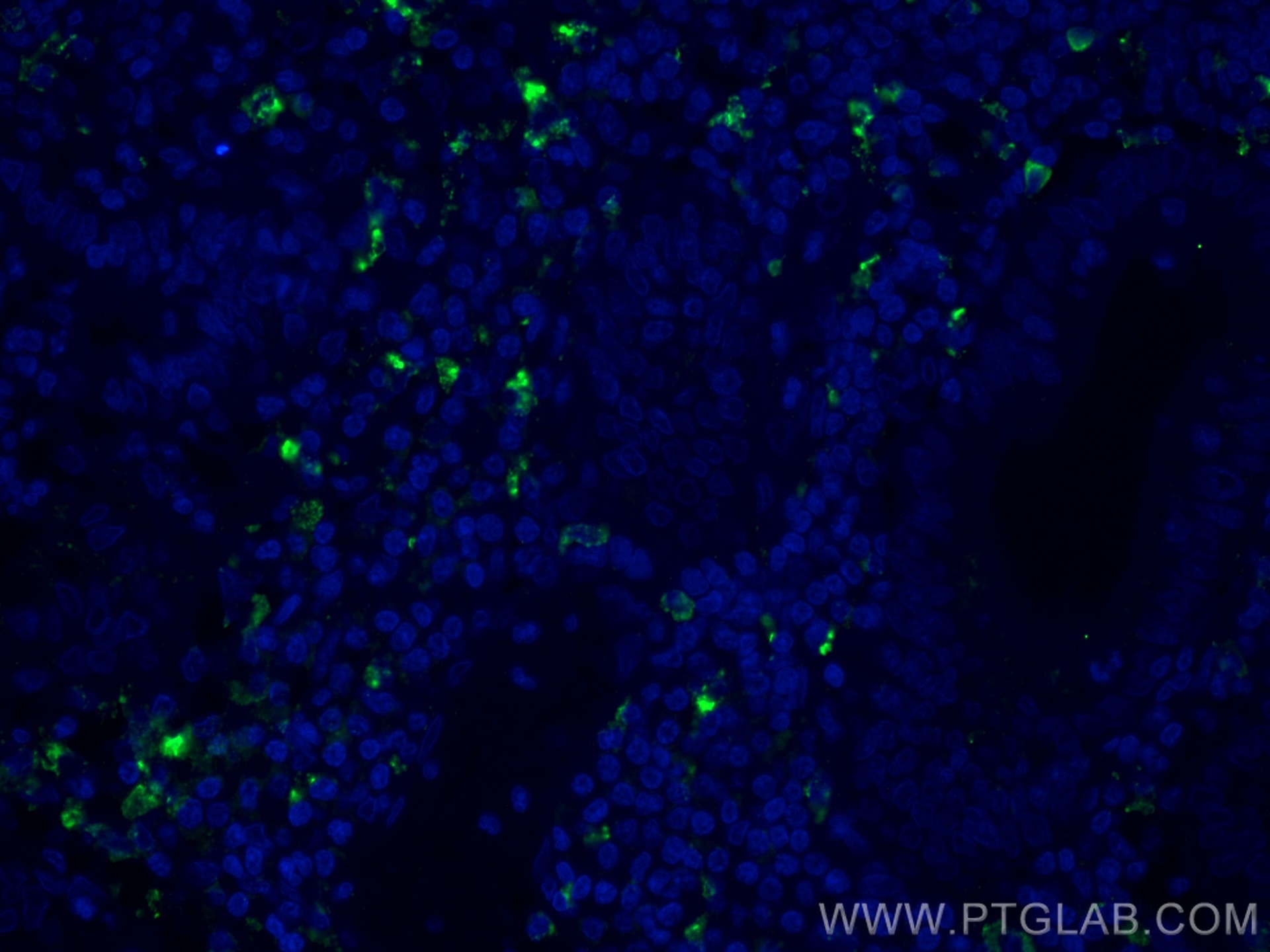
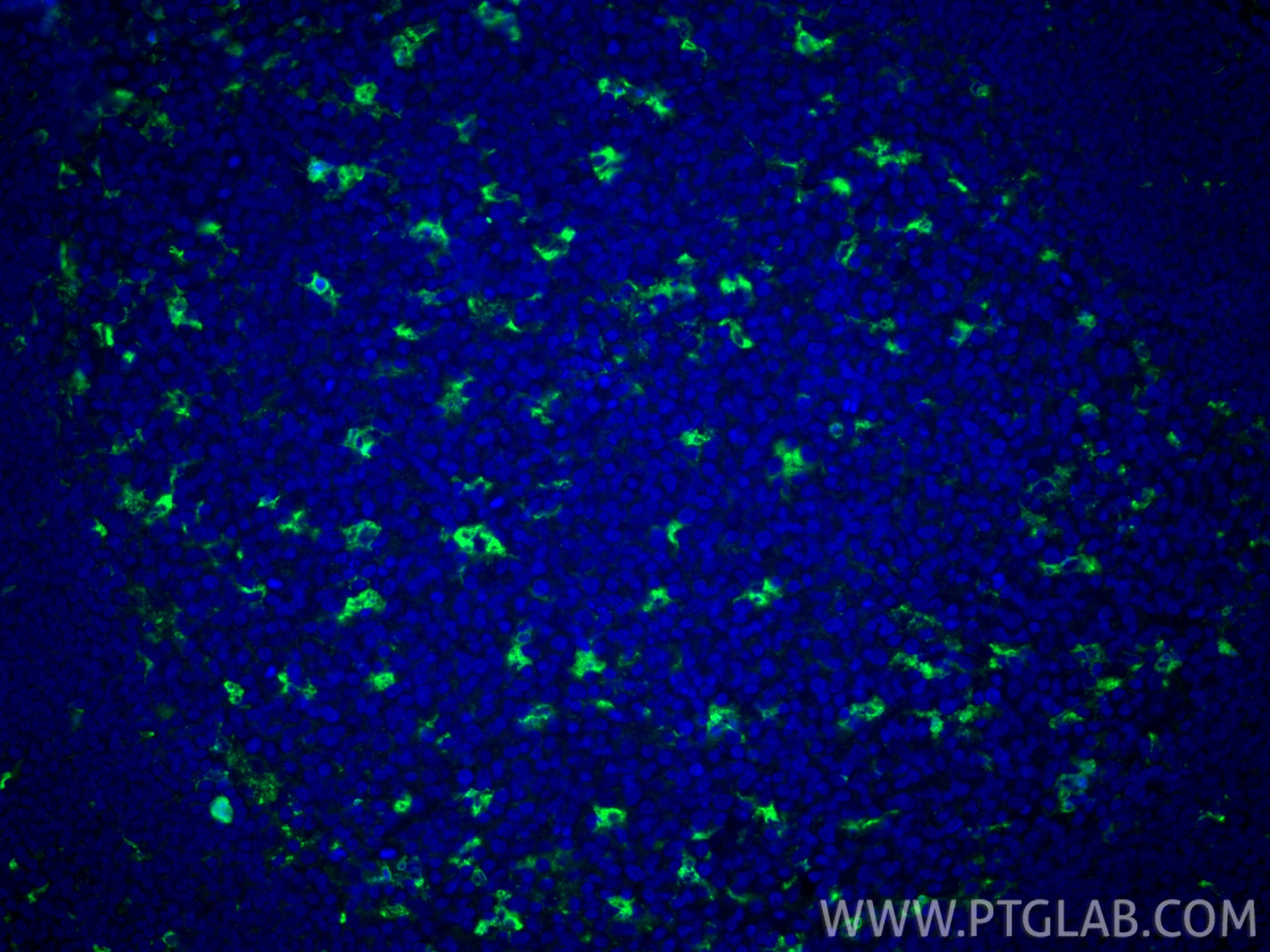
| Positive IF-P detected in | human colon tissue, human tonsillitis tissue, human appendicitis tissue |
Recommended dilution
| Application | Dilution |
|---|---|
| Western Blot (WB) | WB : 1:1000-1:8000 |
| Immunohistochemistry (IHC) | IHC : 1:2000-1:8000 |
| Immunofluorescence (IF)-P | IF-P : 1:50-1:500 |
| It is recommended that this reagent should be titrated in each testing system to obtain optimal results. | |
| Sample-dependent, Check data in validation data gallery. | |
Product Information
25747-1-AP targets CD68 in WB, IHC, IF-P, ELISA applications and shows reactivity with human samples.
| Tested Reactivity | human |
| Cited Reactivity | human, pig, canine, zebrafish |
| Host / Isotype | Rabbit / IgG |
| Class | Polyclonal |
| Type | Antibody |
| Immunogen |
CatNo: Ag22815 Product name: Recombinant human CD68 protein Source: e coli.-derived, PET28a Tag: 6*His Domain: 29-319 aa of BC015557 Sequence: SATLLPSFTVTPTVTESTGTTSHRTTKSHKTTTHRTTTTGTTSHGPTTATHNPTTTSHGNVTVHPTSNSTATSQGPSTATHSPATTSHGNATVHPTSNSTATSPGFTSSAHPEPPPPSPSPSPTSKETIGDYTWTNGSQPCVHLQAQIQIRVMYTTQGGGEAWGISVLNPNKTKVQGSCEGAHPHLLLSFPYGHLSFGFMQDLQQKVVYLSYMAVEYNVSFPHAAQWTFSAQNASLRDLQAPLGQSFSCSNSSIILSPAVHLDLLSLRLQAAQLPHTGVFGQSFSCPSDRS Predict reactive species |
| Full Name | CD68 molecule |
| Calculated Molecular Weight | 37 kDa |
| Observed Molecular Weight | 60-70 kDa |
| GenBank Accession Number | BC015557 |
| Gene Symbol | CD68 |
| Gene ID (NCBI) | 968 |
| RRID | AB_2721140 |
| Conjugate | Unconjugated |
| Form | Liquid |
| Purification Method | Antigen affinity purification |
| UNIPROT ID | P34810 |
| Storage Buffer | PBS with 0.02% sodium azide and 50% glycerol, pH 7.3. |
| Storage Conditions | Store at -20°C. Stable for one year after shipment. Aliquoting is unnecessary for -20oC storage. 20ul sizes contain 0.1% BSA. |
Background Information
CD68 is a type I transmembrane glycoprotein that is highly expressed by human monocytes and tissue macrophages. It belongs to the lysosomal/endosomal-associated membrane glycoprotein (LAMP) family and primarily localizes to lysosomes and endosomes with a smaller fraction circulating to the cell surface. CD68 is also a member of the scavenger receptor family. It may play a role in phagocytic activities of tissue macrophages. The apparent molecular weight of CD68 is larger than calculated molecular weight due to post-translation modification.
Protocols
| Product Specific Protocols | |
|---|---|
| IF protocol for CD68 antibody 25747-1-AP | Download protocol |
| IHC protocol for CD68 antibody 25747-1-AP | Download protocol |
| WB protocol for CD68 antibody 25747-1-AP | Download protocol |
| Standard Protocols | |
|---|---|
| Click here to view our Standard Protocols |
Publications
What published studies show
The CD68 Polyclonal antibody (catalog 25747-1-AP) has 163 citations. These appear across high-impact journals including Cell, Nature Communications, Cell Metabolism, Nature Immunology, Theranostics, Journal of Clinical Investigation, Cell Reports, Developmental Cell, and Frontiers in Immunology, among others. Research fields span immunology and macrophage biology (M1/M2 polarization, tumor-associated macrophages), oncology (metastasis, immunotherapy, ferroptosis), inflammation, cardiovascular disease (atherosclerosis, aneurysm), fibrosis, and infectious disease. Applications cited include IF, IHC, and WB, primarily in human samples.
| Species | Application | Title |
|---|---|---|
Signal Transduct Target Ther EphrinB2-mediated CDK5/ISL1 pathway enhances cardiac lymphangiogenesis and alleviates ischemic injury by resolving post-MI inflammation | ||
Cell Metab Dual impacts of serine/glycine-free diet in enhancing antitumor immunity and promoting evasion via PD-L1 lactylation | ||
Cell Metab Pharmacological inhibition of arachidonate 12-lipoxygenase ameliorates myocardial ischemia-reperfusion injury in multiple species. | ||
Nat Immunol The IL17REL gene encodes a decoy receptor of IL-17 family cytokines to control gut inflammation. |
Reviews
What customers say
Users report strong performance across multiple applications. One reviewer found it works perfectly for WB and IHC on mouse liver and pancreas tissues at 1:1000 dilution. Another confirmed reliable IF and IHC results on FFPE prostate tissue at 1:200 with Tris-EDTA antigen retrieval. A third provided a detailed IF protocol for human spleen and 3D macrophage cultures at 1:100–1:200, noting clear CD68 staining with confocal imaging. Overall, reviewers rate the antibody highly for its consistent specificity and ease of use in IHC, IF, and WB across species and tissue types.
The reviews below have been submitted by verified Proteintech customers who received an incentive for providing their feedback.
Zach (Verified Customer) (09-12-2025) | The antibody works perfectly with liver samples of MASH mice, and pancreas samples of chronic pancreatitis mice.
|
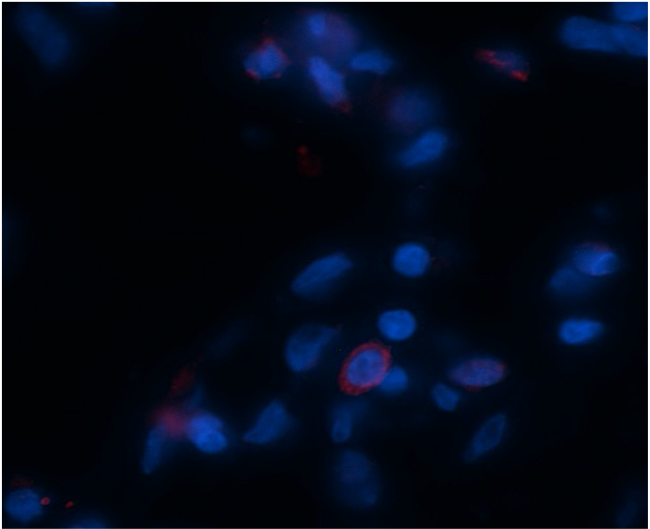
Emma (Verified Customer) (11-29-2021) | Works well by IF on FFPE tissue with a Tris-EDTA antigen retrieval. Also works by IHC.
 |
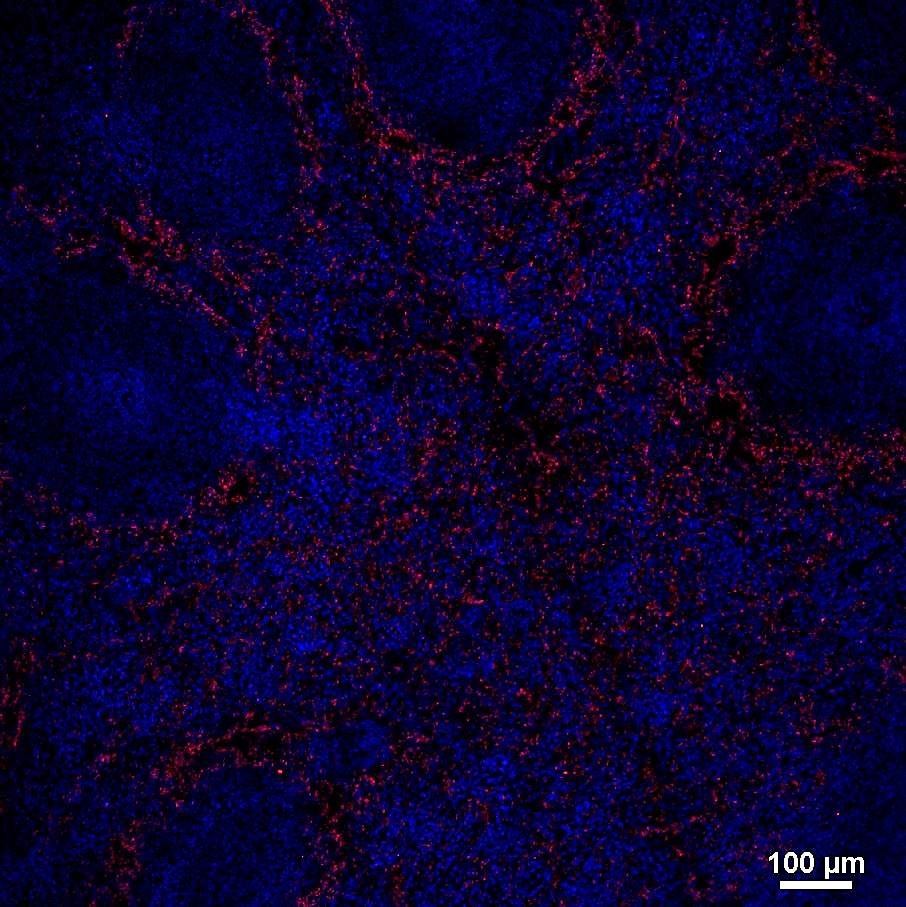
Fabio Henrique (Verified Customer) (01-17-2019) | Figure 1. IF of CD68 (red) in human spleen. Formalin-fixed paraffin-embedded human spleen tissue was used as positive control to probe for CD68. Heat-induced antigen retrieval was performed in sodium citrate buffer pH 6.0 + Tween20 at 0.5%. Tissue incubated at 96*C for 20 min inside the buffer. Permeabilization was done with washes of TBSTritonX 0.25% for 3x 5min and blocking was done in TBS 10% Goat serum, 1% BSA, for 1 hr at RT. Anti-CD68 was used at 1:200 in blocking buffer, overnight incubation at 4*C. Secondary antibody AlexaFluor 488 was used at 1:500 for 1 hr at RT. Imaged using a Nikon A1 confocal microscope. Figure 2: CD68 (red) and CD206 (green) in human primary macrophages polarized to M2-phenotype, encapsulated in 3D hydrogel (hyaluronic acid and collagen type 1). Staining was performed as described above, except primary (CD68) was used at 1:100 and secondary antibodies were used at 1:500.
 |


