
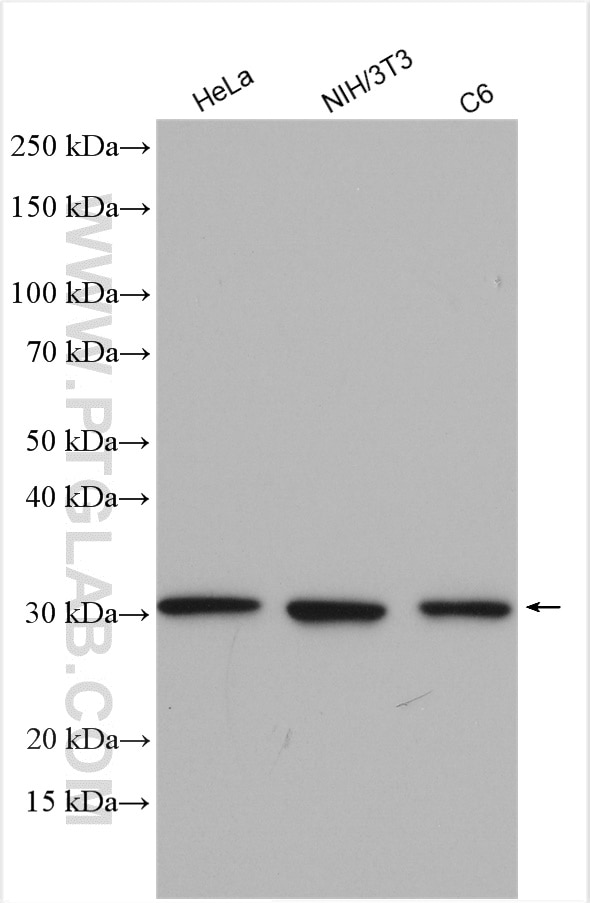
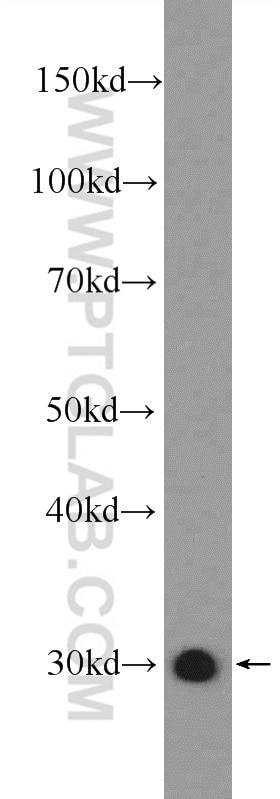
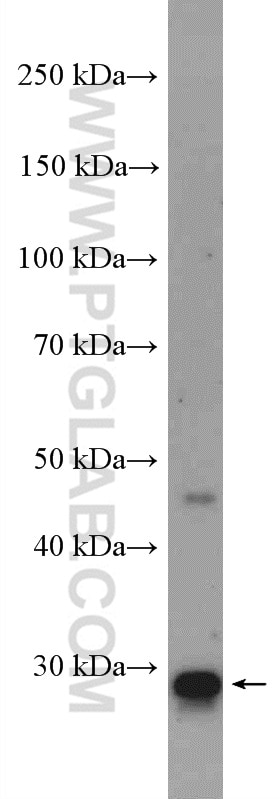
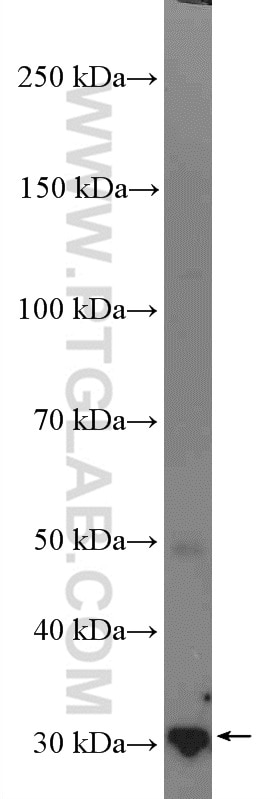
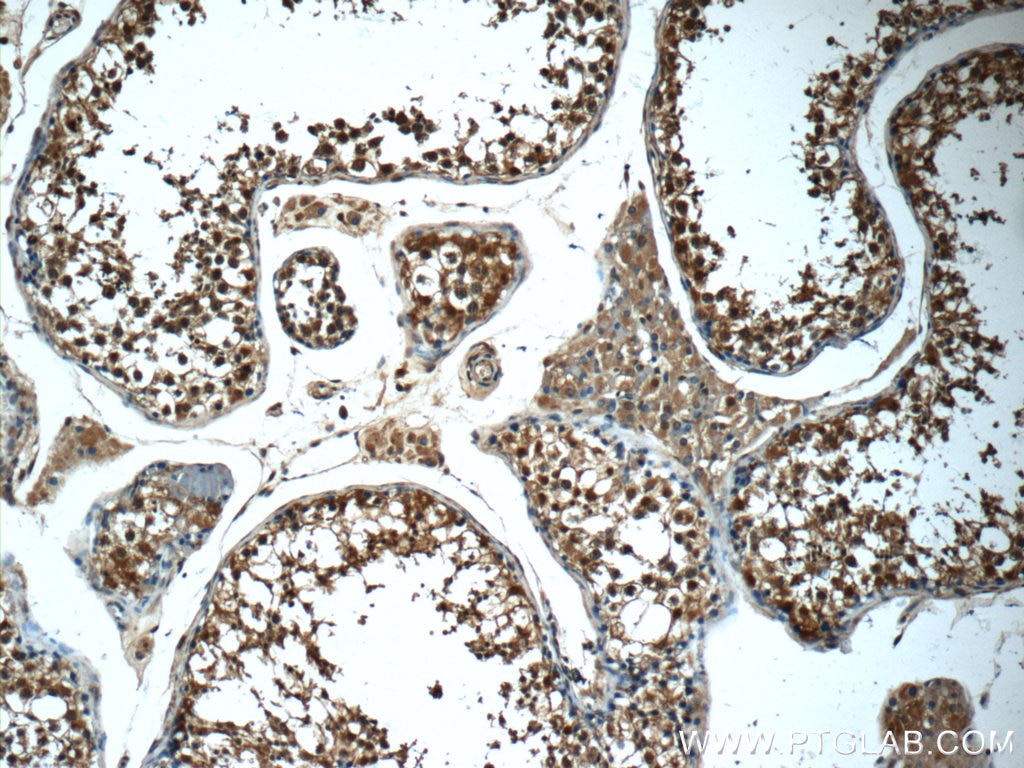
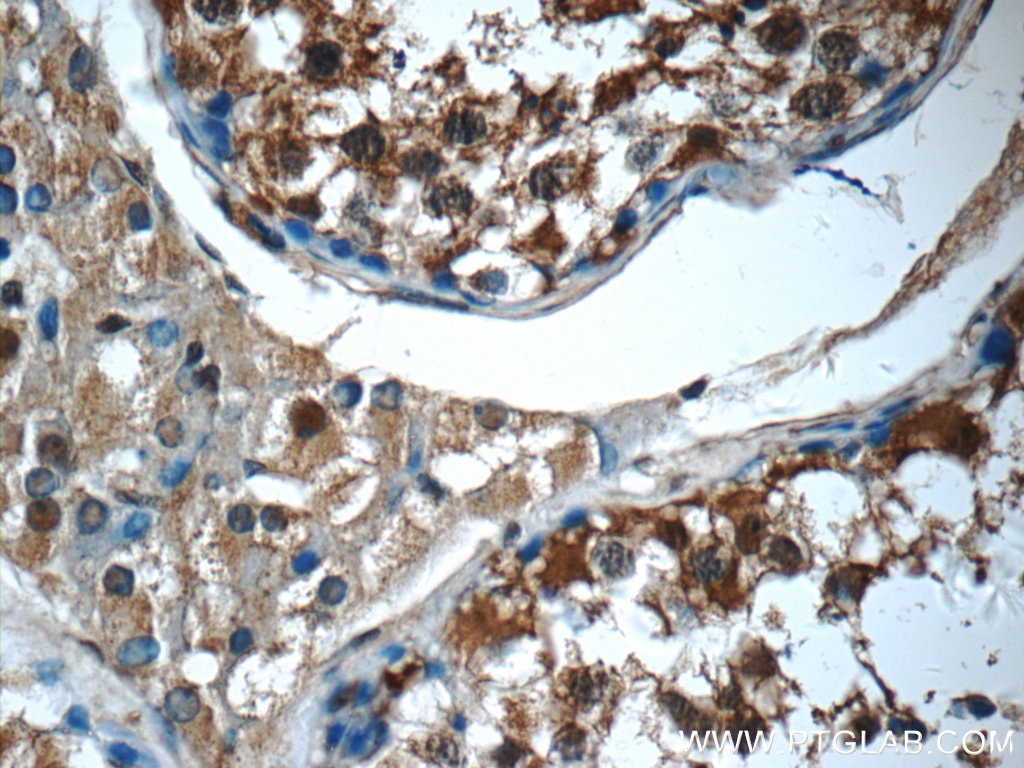
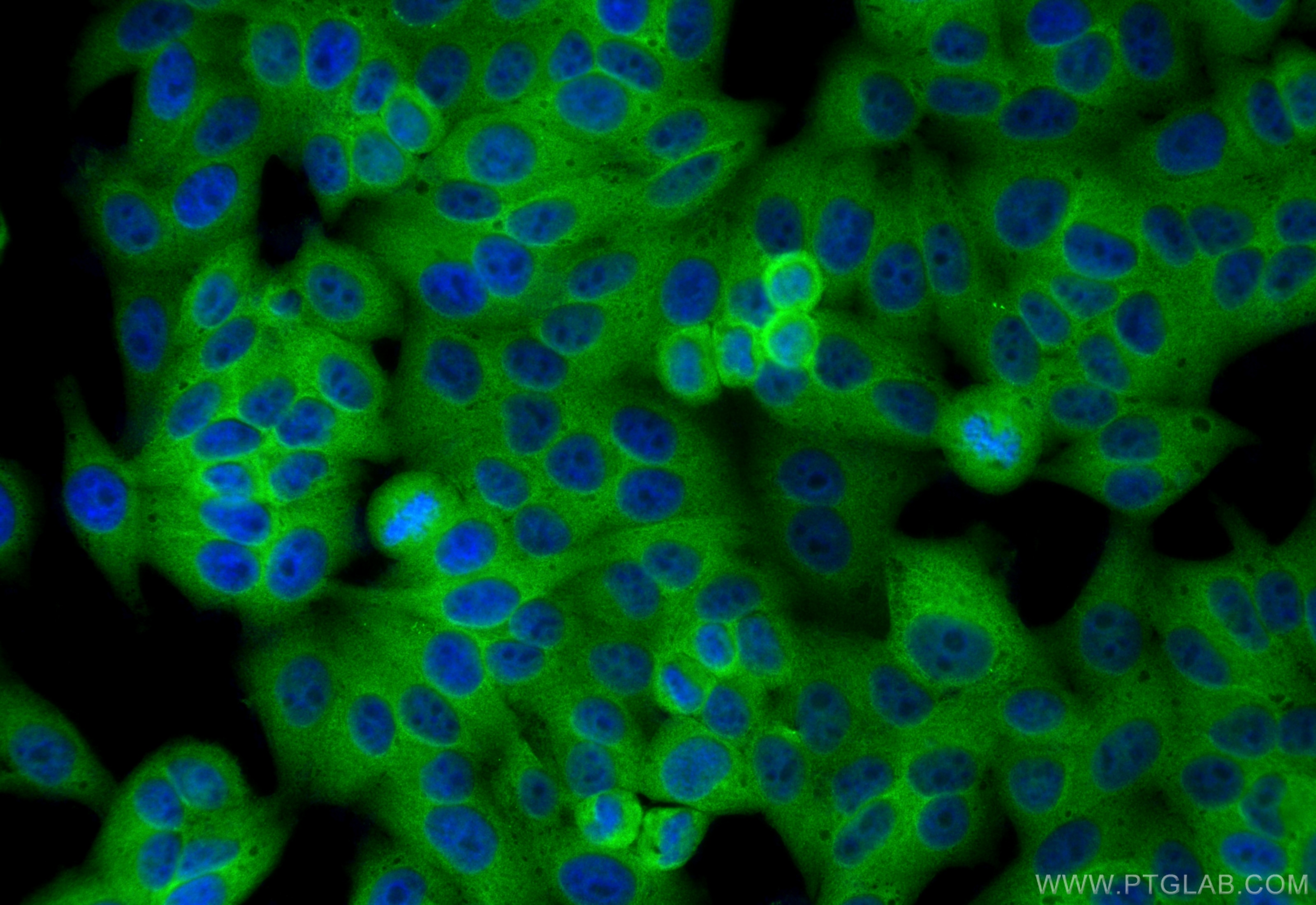
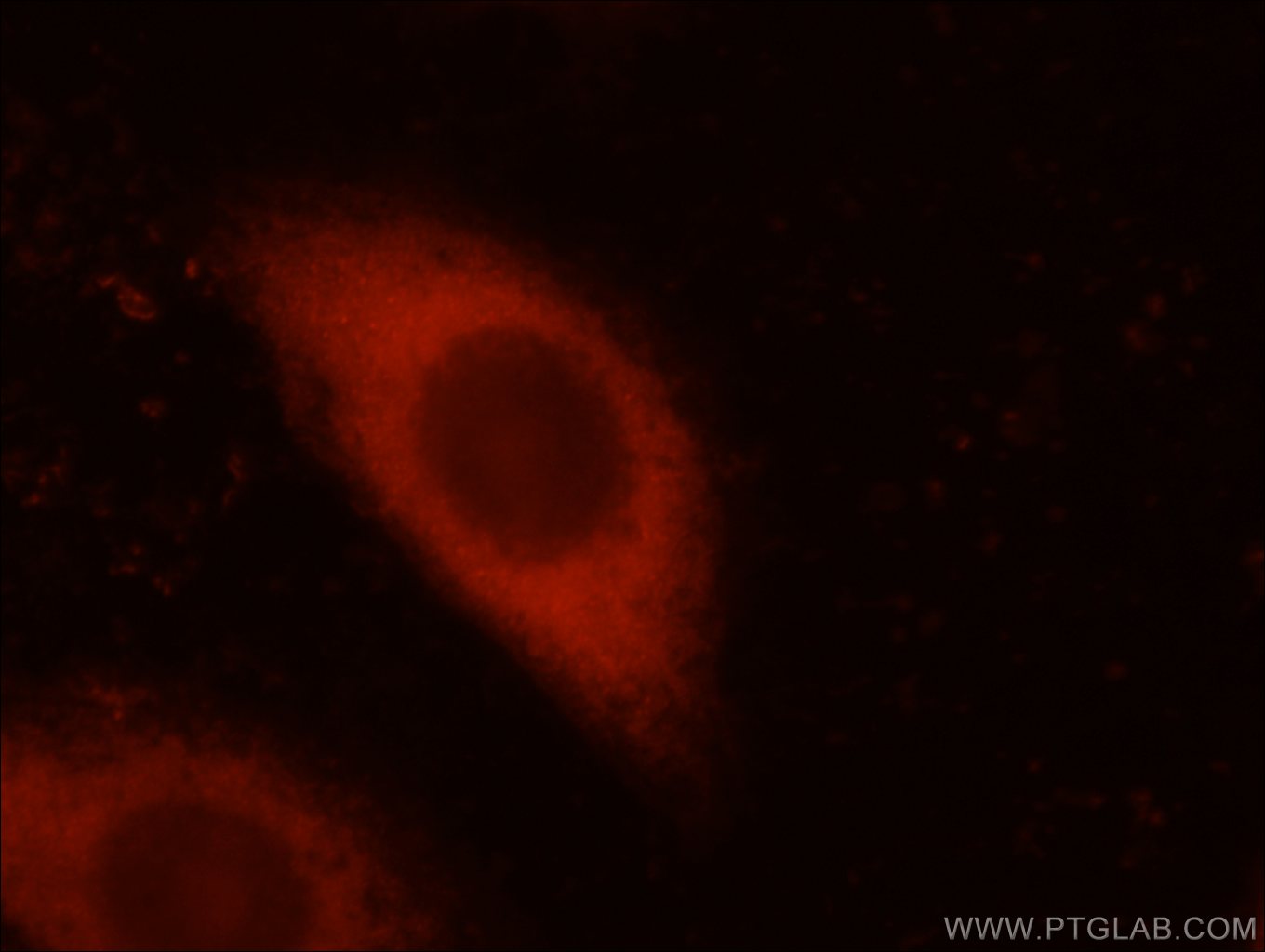

Tested Applications
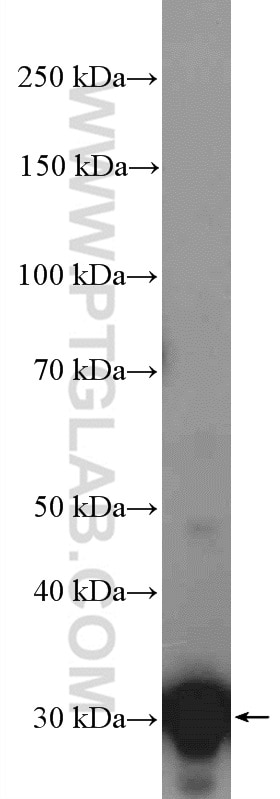
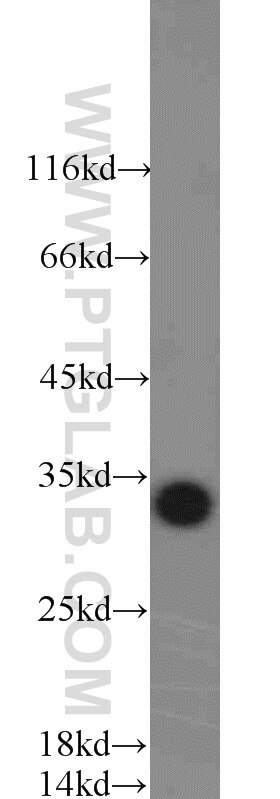
| Positive WB detected in | HeLa cells, mouse liver tissue, mouse brain tissue, Jurkat cells, rat liver tissue, mouse heart tissue, NIH/3T3 cells, C6 cells |
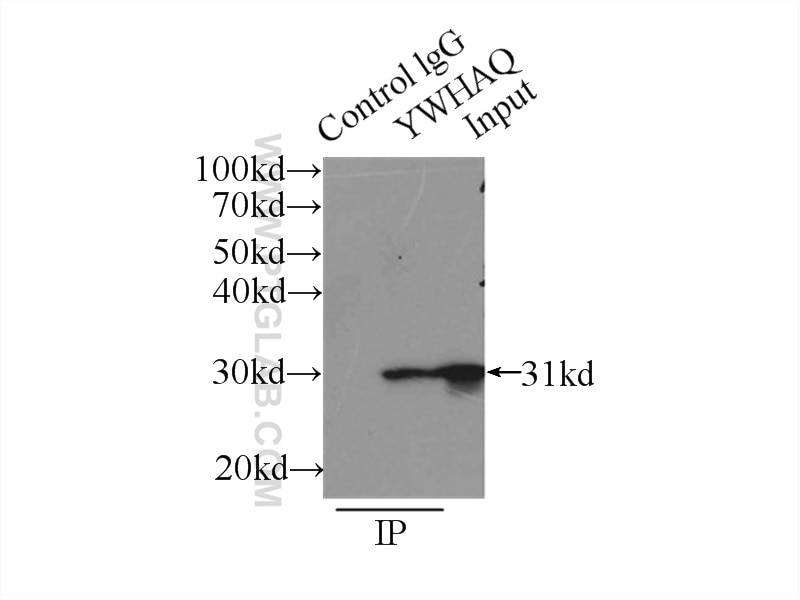
| Positive IP detected in | mouse lung tissue |
| Positive IF/ICC detected in | HepG2 cells |
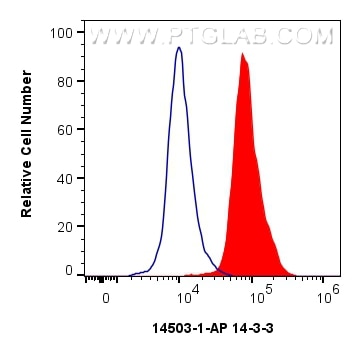
| Positive FC (Intra) detected in | HeLa cells |
Recommended dilution
| Application | Dilution |
|---|---|
| Western Blot (WB) | WB : 1:1000-1:4000 |
| Immunoprecipitation (IP) | IP : 0.5-4.0 ug for 1.0-3.0 mg of total protein lysate |
| Immunofluorescence (IF)/ICC | IF/ICC : 1:200-1:800 |
| Flow Cytometry (FC) (INTRA) | FC (INTRA) : 0.40 ug per 10^6 cells in a 100 µl suspension |
| It is recommended that this reagent should be titrated in each testing system to obtain optimal results. | |
| Sample-dependent, Check data in validation data gallery. | |
Product Information
14503-1-AP targets 14-3-3 in WB, IHC, IF/ICC, FC (Intra), IP, CoIP, RIP, ELISA applications and shows reactivity with human, mouse, rat samples.
| Tested Reactivity | human, mouse, rat |
| Cited Reactivity | human, mouse, rat, chicken |
| Host / Isotype | Rabbit / IgG |
| Class | Polyclonal |
| Type | Antibody |
| Immunogen |
CatNo: Ag5959 Product name: Recombinant human 14-3-3 protein Source: e coli.-derived, PGEX-4T Tag: GST Domain: 1-245 aa of BC056867 Sequence: MEKTELIQKAKLAEQAERYDDMATCMKAVTEQGAELSNEERNLLSVAYKNVVGGRRSAWRVISSIEQKTDTSDKKLQLIKDYREKVESELRSICTTVLELLDKYLIANATNPESKVFYLKMKGDYFRYLAEVACGDDRKQTIDNSQGAYQEAFDISKKEMQPTHPIRLGLALNFSVFYYEILNNPELACTLAKTAFDEAIAELDTLNEDSYKDSTLIMQLLRDNLTLWTSDSAGEECDAAEGAEN Predict reactive species |
| Full Name | tyrosine 3-monooxygenase/tryptophan 5-monooxygenase activation protein, theta polypeptide |
| Calculated Molecular Weight | 28 kDa |
| Observed Molecular Weight | 31 kDa |
| GenBank Accession Number | BC056867 |
| Gene Symbol | 14-3-3 theta |
| Gene ID (NCBI) | 10971 |
| RRID | AB_2218096 |
| Conjugate | Unconjugated |
| Form | Liquid |
| Purification Method | Antigen affinity purification |
| UNIPROT ID | P27348 |
| Storage Buffer | PBS with 0.02% sodium azide and 50% glycerol, pH 7.3. |
| Storage Conditions | Store at -20°C. Stable for one year after shipment. Aliquoting is unnecessary for -20oC storage. 20ul sizes contain 0.1% BSA. |
Background Information
14-3-3 proteins are the first phosphoserine/phosphothreonine-binding proteins to be discovered. 14-3-3 family members interact with a wide spectrum of proteins and possess diverse functions. Mammals express seven distinct 14-3-3 isoforms (gamma, epsilon, beta, zeta, sigma, theta, tau) that form multiple homo- and hetero- dimmers. 14-3-3 proteins display the highest expression levels in the brain, and have been implicated in several neurodegenerative diseases, including Alzheimer's disease and amyotrophic lateral sclerosis.
Protocols
| Product Specific Protocols | |
|---|---|
| FC protocol for 14-3-3 antibody 14503-1-AP | Download protocol |
| IF protocol for 14-3-3 antibody 14503-1-AP | Download protocol |
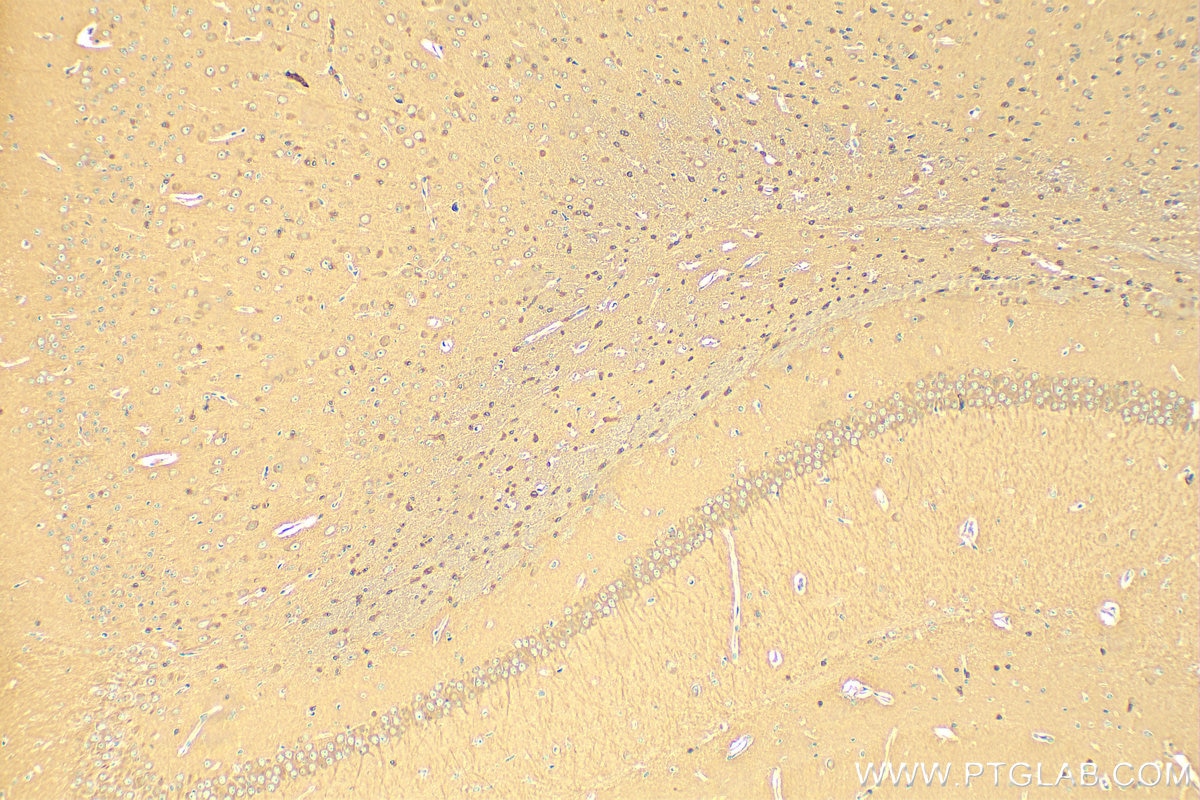
| IHC protocol for 14-3-3 antibody 14503-1-AP | Download protocol |
| IP protocol for 14-3-3 antibody 14503-1-AP | Download protocol |
| WB protocol for 14-3-3 antibody 14503-1-AP | Download protocol |
| Standard Protocols | |
|---|---|
| Click here to view our Standard Protocols |
Publications
What published studies show
The 14-3-3ζ antibody (Cat# 14503-1-AP) has 24 total citations published across 23 journals, including Neuron, Advanced Science, Journal of Biological Chemistry, Communications Biology, Molecular Biology of the Cell, eLife, Drug Resistance Updates, and Aging. Research fields span oncology (hepatocellular, ovarian, pancreatic, breast cancer), neurodegeneration (ALS, Alzheimer's disease), metabolic regulation (lipid homeostasis, gluconeogenesis), ferroptosis, mitophagy, and atherosclerosis. Applications are predominantly Western blot, co-immunoprecipitation, and immunohistochemistry.
| Species | Application | Title |
|---|---|---|
Drug Resist Updat FOXK2 affects cancer cell response to chemotherapy by promoting nucleotide de novo synthesis | ||
Neuron Targeting 14-3-3θ-mediated TDP-43 pathology in amyotrophic lateral sclerosis and frontotemporal dementia mice | ||
J Exp Clin Cancer Res CircPAK1 promotes the progression of hepatocellular carcinoma via modulation of YAP nucleus localization by interacting with 14-3-3ζ
| ||
Adv Sci (Weinh) Tau Aggregation-Dependent Lipid Peroxide Accumulation Driven by the hsa_circ_0001546/14-3-3/CAMK2D/Tau Complex Inhibits Epithelial Ovarian Cancer Peritoneal Metastasis | ||
Chin Med J (Engl) Regulatory factor X5 promotes hepatocellular carcinoma progression by transactivating tyrosine 3-monooxygenase/tryptophan 5-monooxygenase activation protein theta and suppressing apoptosis. | ||
Int J Biol Macromol Biofilm formation initiating rotifer-specific biopolymer and its predicted components |
Reviews
What customers say
The single review for 14503-1-AP is a 5-star rating from a user who tested the antibody on a renal cancer cell line by Western Blot at a 1:1000 dilution. They reported that it is working great for Western Blot applications. Overall, customer feedback is positive, confirming reliable performance for WB.
The reviews below have been submitted by verified Proteintech customers who received an incentive for providing their feedback.
Balawant (Verified Customer) (12-20-2022) | I have used this antibody for western blot and it is working great for western blot
|

