
A Guide to Markers for Oligodendrocyte Identification
Written by Tessa Dallo, PhD student at Florida Atlantic University
Introduction
Neurons are often regarded as the primary drivers of brain function, but they do not act alone. Glial cells provide critical support, protection, and regulation, ensuring that neural circuits function efficiently. Among them, oligodendrocytes are particularly important. They are specialized glial cells of the central nervous system (CNS) that perform multiple essential functions to support neuronal health, communication, and metabolism. Remarkably efficient, a single oligodendrocyte can extend numerous processes to myelinate multiple axons simultaneously, ensuring rapid signal transmission vital for CNS function. Beyond facilitating action potential propagation, oligodendrocytes release neurotransmitters that modulate local signaling and provide neurons with metabolic support by delivering energy substrates. Since oligodendrocytes play a central role in both healthy brain function and a wide range of neurological pathologies, identifying reliable molecular markers is crucial for tracking their development, characterizing their diverse functions, and advancing therapeutic strategies.
The Oligodendrocyte Lineage
Oligodendrocytes exhibit transcriptional and functional heterogeneity throughout the CNS, which can prove challenging for marker selection. Marker expression changes dynamically depending on whether a cell is an oligodendrocyte precursor cell (OPC) or a myelinating oligodendrocyte, making stage-specific identification critical. Before maturing into myelinating cells, oligodendrocytes arise from neural precursors shared with neurons and astrocytes. These stem cells differentiate into OPCs, which are highly proliferative, motile progenitors that migrate throughout the CNS. After OPCs commit to the oligodendrocyte lineage, they differentiate into premyelinating oligodendrocytes and then mature into myelin-producing oligodendrocytes. Each stage can be tracked with distinct, and sometimes overlapping, molecular markers.
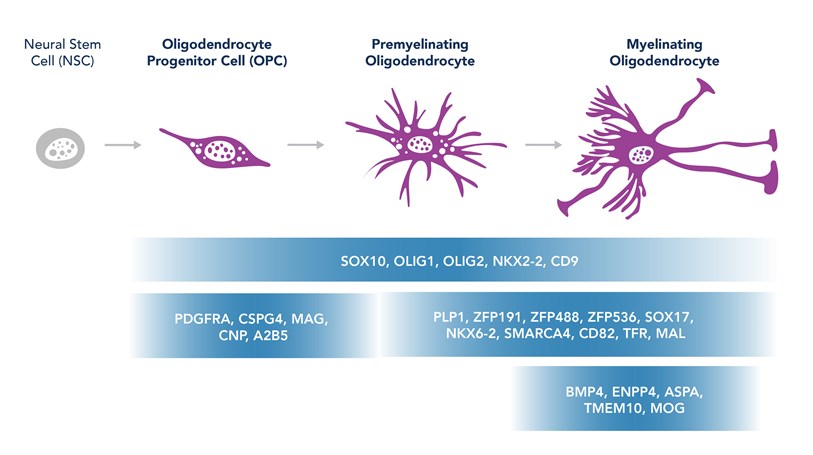
Figure 1. Developmental stages of oligodendrocytes and associated markers. Image adapted from: https://www.biocompare.com/Editorial-Articles/590587-A-Guide-to-Oligodendrocyte-Markers/
Common OPC Markers
OPCs express specific markers, along with some that overlap with premyelinating and myelinating oligodendrocytes.
PDGFRA: Platelet-Derived Growth Factor Receptor Alpha is a canonical OPC marker required for OPC survival and proliferation. PDGFRA expression is lost upon maturation, making it a reliable way to identify early-stage OPCs.
View all products for ‘PDGFRA’
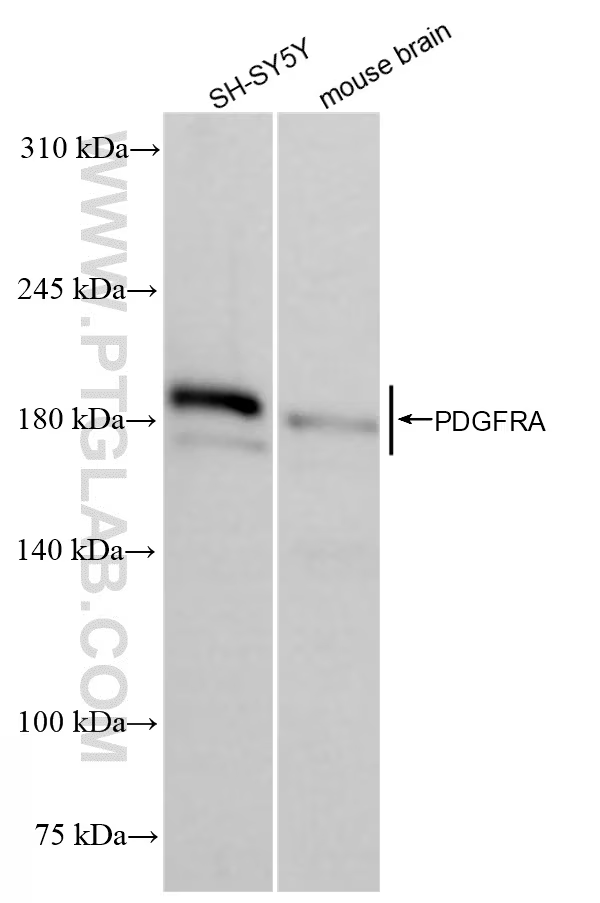
Figure 2. Lysates from SH-SY5Y cells and mouse brain were subjected to SDS PAGE followed by western blot with the PDGFRA recombinant antibody (84383-2-RR) at a dilution of 1:5000, incubated at room temperature for 1.5 hours.
NG2/CSPG4: Neuron-Glial Antigen 2, also known as CSPG4, is a cell-surface proteoglycan expressed in OPCs, particularly during proliferation and repair. However, NG2 also labels other glial progenitors, neurons, and pericytes. Pairing it with another OPC marker may be needed for specificity.
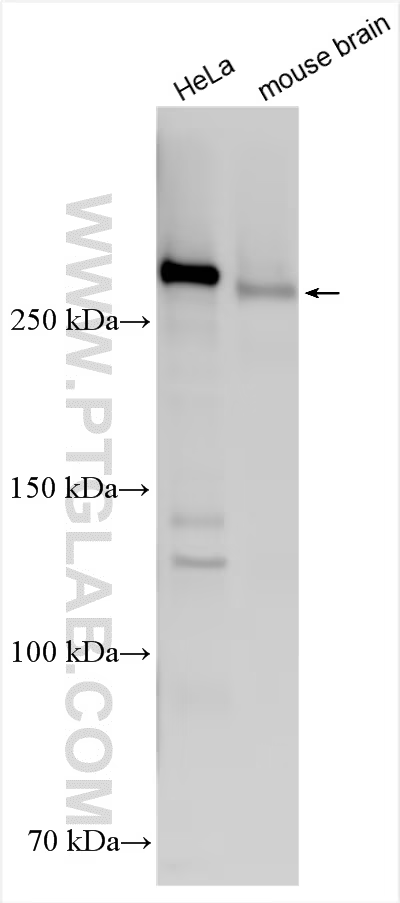
Figure 3. Lysates from HeLa cells and mouse brain were subjected to SDS PAGE followed by western blot with the NG2/CSPG4 polyclonal antibody (31623-1-AP) at a dilution of 1:800, incubated at room temperature for 1.5 hours.
Together, PDGFRA and NG2 are widely used to study OPC behavior in developmental contexts and in CNS injury models where progenitors are recruited to repair demyelinated regions.
Pan-Oligodendrocyte Lineage Markers
Certain transcription factors are expressed continuously across the oligodendrocyte lineage, making them versatile tools to examine any stage of oligodendrocyte development.
OLIG1 and OLIG2: Oligodendrocyte transcription factors 1 and 2 are early transcriptional regulators of oligodendrocyte lineage cells. They are reliable targets for oligodendrocytes and their progenitors because they have increased expression in OPCs, and expression continues in maturing oligodendrocytes. OLIG2, in particular, remains a gold-standard marker for both OPCs and mature oligodendrocytes.
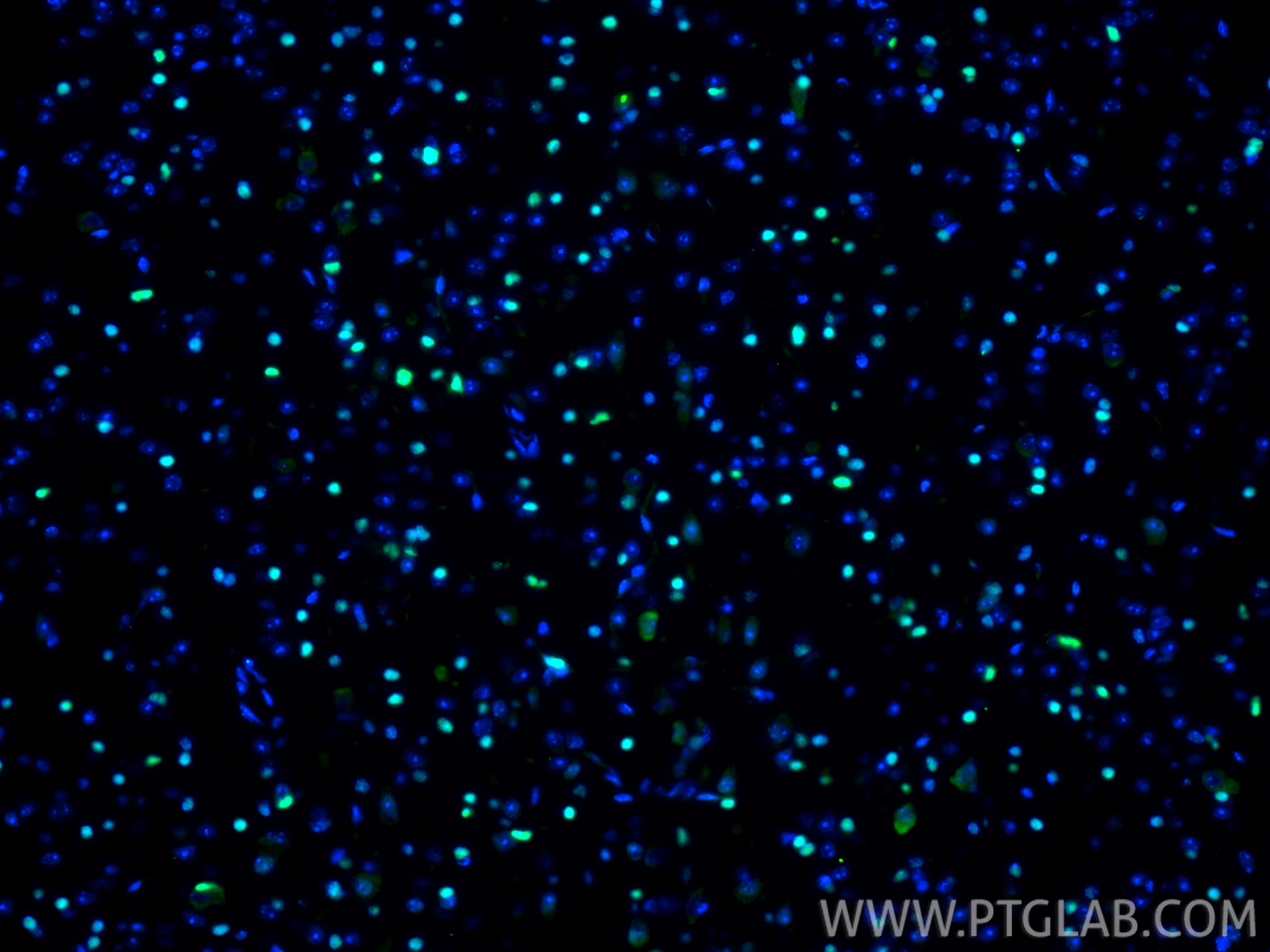
Figure 4. Immunofluorescent analysis of 4% PFA-fixed paraffin-embedded mouse brain tissue using OLIG2 recombinant antibody (82806-7-RR) at dilution of 1:200 and CoraLite®488-Conjugated Goat Anti-Rabbit IgG(H+L).
SOX10: A member of the SOX family of transcription factors, SOX10 is a master regulator of oligodendrocyte identity. It restricts the potential of neural stem cells to the oligodendrocyte fate and drives myelin gene expression.
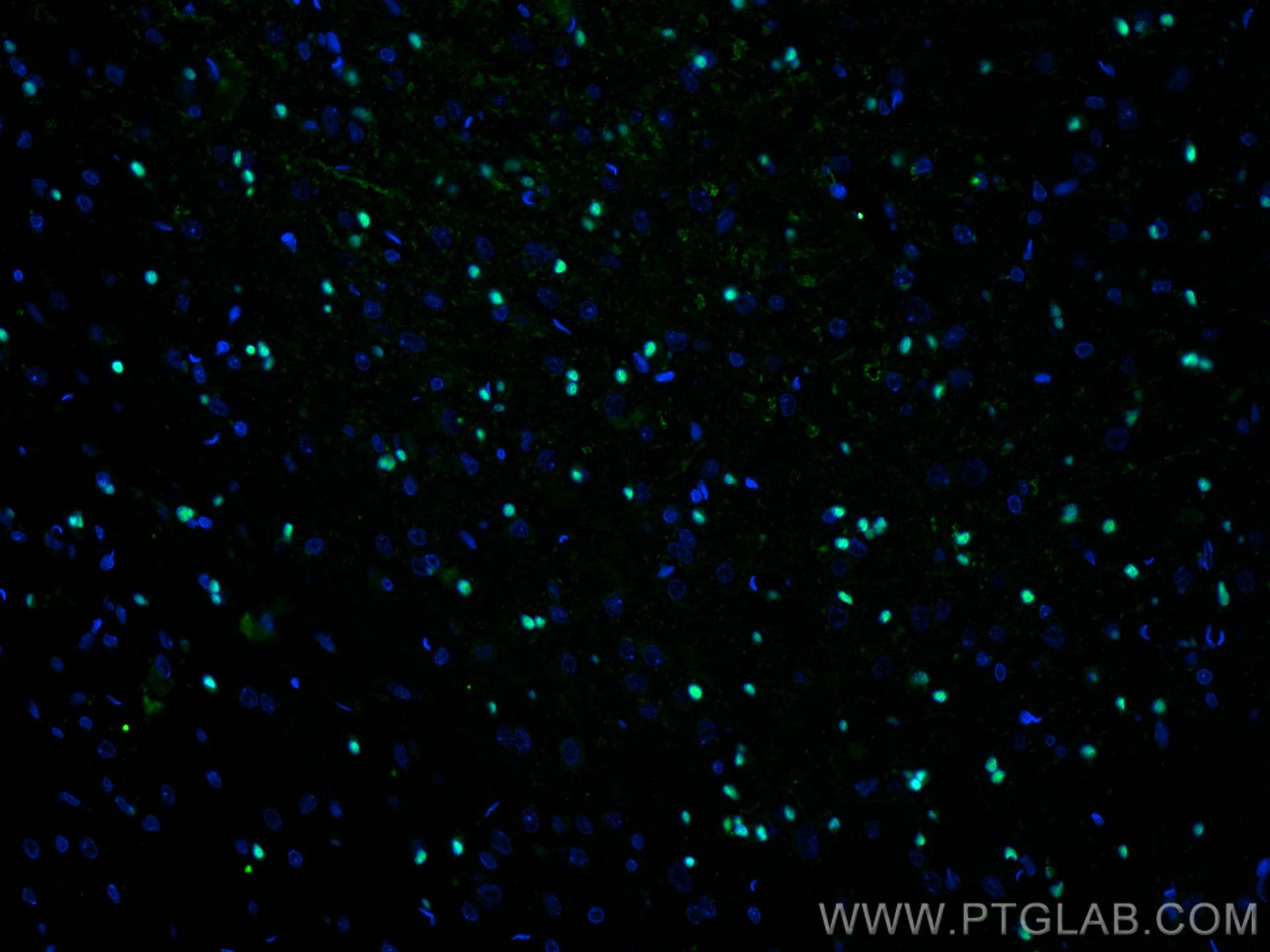
Figure 5. Immunofluorescent analysis of 4% PFA-fixed frozen rat brain tissue using SOX10 monoclonal antibody (66786-1-Ig) at a dilution of 1:400 and CoraLite®488-Conjugated Goat Anti-Rabbit IgG(H+L).
NKX2-2: A member of the NK2 family of transcription factors, NKX2-2 directs the timing of oligodendrocyte differentiation.
View all products for ‘NKX2-2’
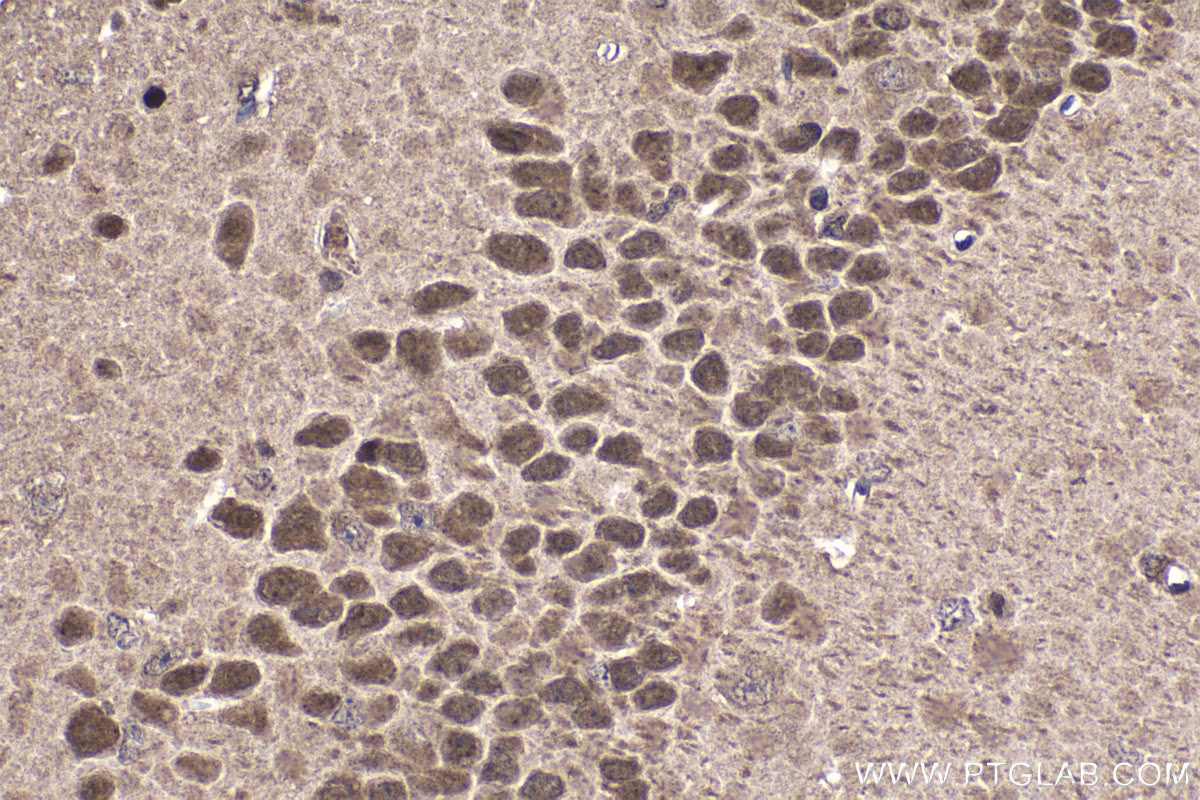
Figure 6. Immunohistochemical analysis of paraffin-embedded mouse brain tissue slide using the NKX2-2 polyclonal antibody (13013-1-AP) at a dilution of 1:500.
These markers are versatile tools to label oligodendrocytes throughout their lineage stages and are particularly valuable to track dynamic changes in oligodendrocyte populations across development and disease.
Mature Myelinating Oligodendrocyte Markers
When oligodendrocytes reach maturity, they express structural proteins required for building and stabilizing myelin.
MBP: Myelin basic protein is a hallmark of functional myelin, compacting the multilamellar sheaths of myelin to ensure proper axonal insulation. It is expressed in mature oligodendrocytes as well as myelinating Schwann cells in the peripheral nervous system.
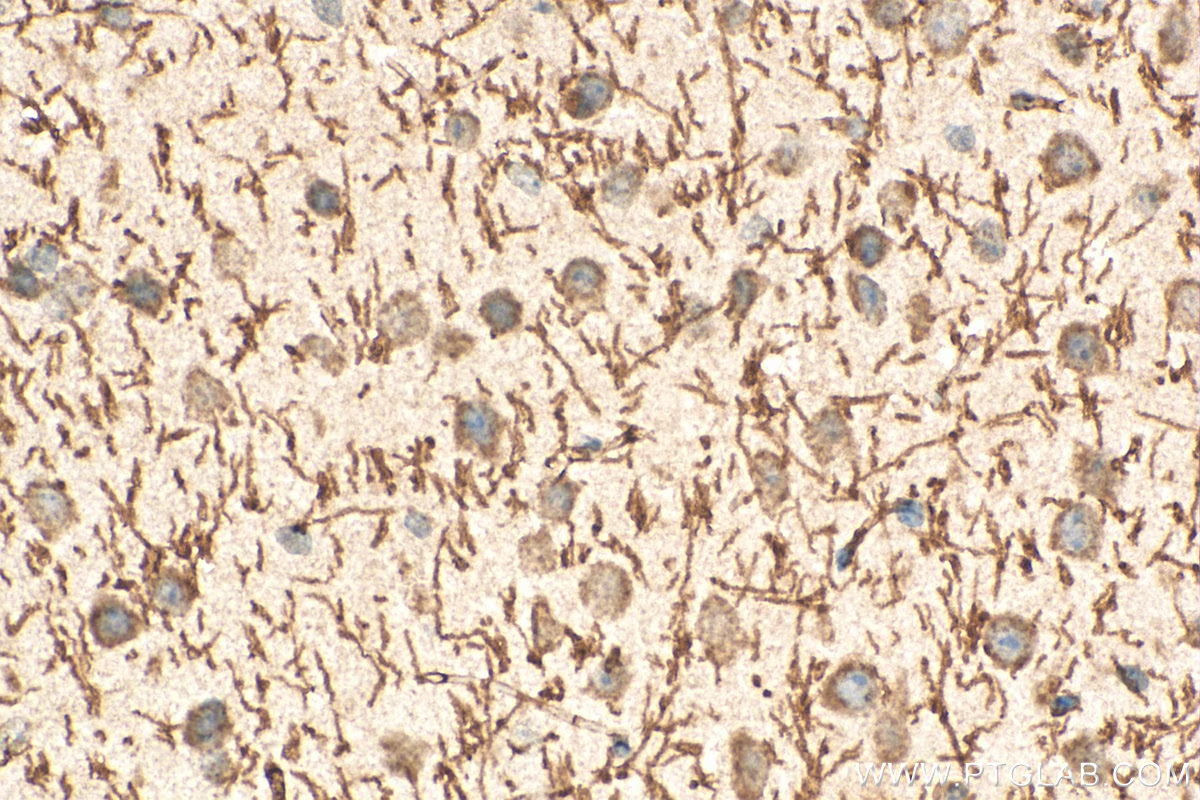
Figure 7. Immunohistochemical analysis of paraffin-embedded mouse brain tissue slide using the MBP polyclonal antibody (10458-1-AP) at a dilution of 1:200.
MOG: Myelin Oligodendrocyte Glycoprotein is expressed on the outermost surface of the myelin sheath, helping to maintain sheath integrity. It is clinically relevant as a frequent autoimmune target in central demyelinating conditions such as multiple sclerosis and MOG antibody disease.
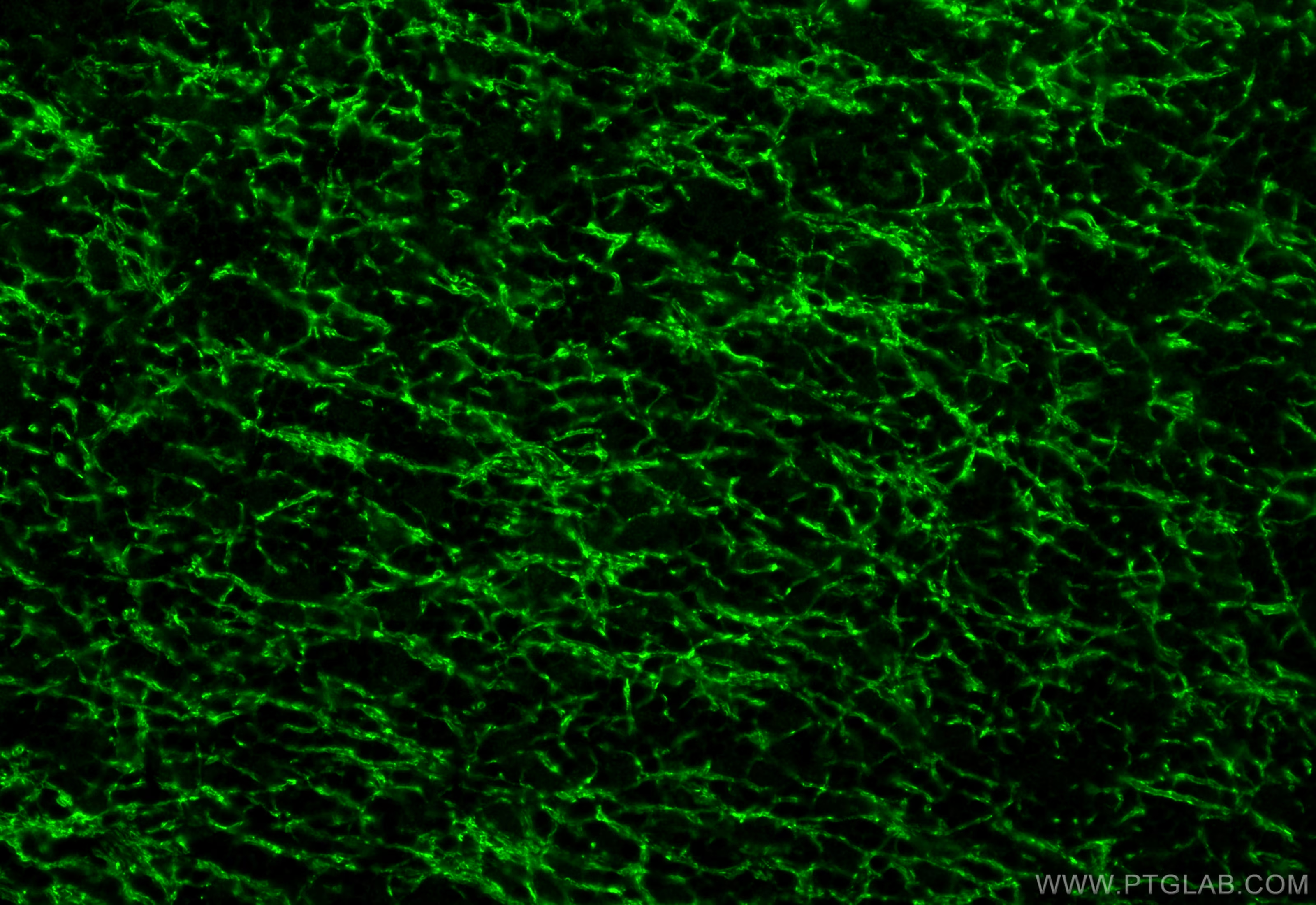
Figure 8. Immunofluorescent analysis of 4% PFA-fixed paraffin-embedded rat cerebellum tissue using the MOG polyclonal antibody (28752-1-AP) at a dilution of 1:200 and CoraLite®488-Conjugated Goat Anti-Rabbit IgG(H+L).
Myelin markers such as MBP and MOG are indispensable for assessing the functionality of mature oligodendrocytes. They are valuable for neurodevelopmental studies and neurodegenerative research of demyelinating pathologies.
Choosing the Right Marker
Selecting the most appropriate oligodendrocyte marker depends on the biological context and goals of the study. Since oligodendrocytes progress through different stages, no single marker can capture the entire context of lineage progression and oligodendrocyte biology. Using strategic combinations of markers provides the clearest insight into lineage identity, maturation state, and functional capacity.
Developmental studies
Tracking lineage progression often requires pairing an OPC-specific marker with a pan-lineage transcription factor. For example:
-
PDGFRA+/OLIG2+ cells highlight proliferating OPCs
-
OLIG2+/MBP+ cells indicate cells that have progressed toward myelination
This approach is particularly useful for mapping temporal changes during CNS development or assessing how genetic mutations alter differentiation.
Myelination studies
Myelin markers are essential to assess functional maturation. MBP and MOG are gold standards for identifying actively myelinating oligodendrocytes, and these can be easily used alongside pan-oligodendrocyte transcription factors, such as SOX10, to confirm lineage identity. For example:
-
SOX10+/MBP+ labeling can distinguish oligodendrocytes that are both lineage-committed and actively producing myelin
This dual-marker approach can be applied in studies of axon-glia interactions and CNS plasticity to assess the functionality of oligodendrocytes.
Disease and injury models
In pathological contexts, such as multiple sclerosis, leukodystrophies, or traumatic brain injuries, markers can reveal how oligodendrocytes respond to damage. OPC markers can identify populations of newly recruited, highly proliferative cells at demyelinated regions. Pan-lineage markers can provide additional insight into cell survivability and how oligodendrocyte cell populations may have shifted to another lineage state. Myelin markers can reveal where remyelination is taking place. Using a cocktail of markers provides a powerful way to measure regenerative potential, distinguishing between progenitor recruitment and functional remyelination.
Technical Considerations
The markers being used should be tailored to the study’s specific context: species, brain or spinal cord region, developmental stage, technical methods, and potential cellular overlap. These considerations can streamline marker selection and help provide meaningful research results:
-
Where do the oligodendrocytes originate?
-
Regional heterogeneity and myelination timing: Oligodendrocytes are heterogeneous across the CNS, with differences in both developmental timing and myelination patterns. Myelination in mammals follows a pattern, beginning in the brainstem and progressing toward the forebrain and spinal cord. This indicates that oligodendrocyte maturity can vary across CNS regions. Emerging markers highlight the growing appreciation of oligodendrocyte heterogeneity to discover new opportunities for probing mechanisms of myelin plasticity and repair.
-
Faster differentiation in the spinal cord: Oligodendrocyte lineage progression is more advanced in the juvenile spinal cord compared to the brain. Spatial differentiation differences may be linked to functional heterogeneity, particularly in disease contexts.
-
What species will I work with?
-
Cross-species variability: Marker expression can differ across species and is important when translating findings across model systems.
-
Rodents: Rats and mice are the most widely used mammalian models for oligodendrocyte research. They share a strong conservation with human myelin biology, making them excellent candidates for mechanistic and genetic studies. OPC markers, like PDGFRA and NG2, as well as myelin proteins, such as MBP and MOG, are robustly expressed in rodents and are well-validated for immunohistochemistry and molecular assays.
-
Zebrafish: Zebrafish offer unique advantages for developmental biology and live-imaging studies. Their optical transparency allows for direct visualization of oligodendrocyte lineage progression and myelin sheath dynamics in vivo, enabling real-time studies of axon-glia interactions.
-
Cell culture systems: In vitro models provide a complementary approach for studying oligodendrocytes. Primary OPC cultures allow researchers to examine cell-intrinsic mechanisms of proliferation and differentiation, while immortalized lines offer reproducibility and scalability. More advanced systems, including human-induced pluripotent stem cell-derived oligodendrocytes and brain organoids, enable modeling of human development and patient-specific disease mutations. Although these models cannot fully recapitulate the cellular diversity of the CNS, they provide insight into cell-specific mechanisms and pharmacological agent testing in an isolated environment.
-
Is the chosen marker specific to oligodendrocytes?
-
NG2 is a strong OPC marker, but also labels pericytes and other progenitor cells.
-
MBP is a robust myelin marker, but it is also expressed in myelinating Schwann cells in the peripheral nervous system.
-
SOX10 is essential for oligodendrocyte development, but is also expressed in other neural crest-derived cells.
-
These overlaps highlight the need for combinatorial marker strategies to avoid misidentification.
-
What assays and technical applications should I consider?
-
Immunofluorescence: Nuclear markers like OLIG2 or SOX10 can be paired with cytoplasmic markers.
-
Western blot: Abundant myelin proteins can provide clear, quantitative signals for myelination studies.
-
Flow cytometry: Surface markers can be used to isolate oligodendrocyte lineage cells based on expression levels.
-
Selecting antibodies that are validated across multiple applications is advantageous to visualize expression at the protein level, in tissue context, and across development or disease. Proteintech offers rigorously validated antibody targets, proteins, and immunoassay kits for a range of applications.
Other Known Markers
Depending on research context, developmental timing, or disease milieu, the molecular profile of cells can shift. It is important to know of other markers that can be used to study oligodendrocyte function, morphology, and environmental interactions.
MAG: Myelin-associated glycoprotein mediates interactions between myelinating cells and neurons.
CLDN11: Claudin-11 is a tight junction protein expressed in myelinating oligodendrocytes.
CNP: Cyclic nucleotide phosphodiesterase is abundant in CNS myelin.
CNTNAP1 and 2: Contactin-associated proteins 1 and 2 demarcate paranodes at the axon-glial junction.
KIFBP: KIF-binding protein is required for extension of axon microtubules, outgrowth, and maintenance.
MAPT: Microtubule-associated protein plays a role in establishing axon polarity.
MYRF: Myelin regulatory factor activates transcription of CNS myelin genes.
NKX6-2: A transcription factor that regulates oligodendrocyte maturation and myelination.
OMG: Oligodendrocyte-myelin glycoprotein is a cell adhesion molecule needed for oligodendrocyte myelination.
OPALIN: Oligodendrocyte myelin paranodal and inner loop protein is specific to CNS myelin, upregulated in OPC differentiation, and expressed in remyelinating lesions.
PLP1: Myelin proteolipid protein is essential for the formation and maintenance of layers of the myelin sheath.
PTPRZ1: Receptor-type tyrosine-protein phosphatase zeta downregulates OPC proliferation and is required for the maturation of oligodendrocytes.
ZNF488: Zinc finger protein 488 is a transcriptional repressor important for oligodendrocyte differentiation and has a role in remyelinating axons following nerve injuries.
Information from UniProt.org for human genes.
References
-
Cristobal CD, Lee HK. Development of myelinating glia: An overview.Glia. 2022 Dec;70(12):2237–59.
-
Foerster S,FloriddiaEM, van Bruggen D, Kukanja P, Hervé B, Cheng S, Kim E, Phillips BU, Heath CJ, Tripathi RB, Call C, Bartels T, Ridley K, Neumann B, López-Cruz L, Crawford AH, Lynch CJ, Serrano M, Saksida L, Rowitch DH, Möbius W, Nave KA, Rasband MN, Bergles DE, Kessaris N, Richardson WD, Bussey TJ, Zhao C, Castelo-Branco G, Franklin RJM. Developmental origin of oligodendrocytes determines their function in the adult brain. Nat Neurosci. 2024 Aug;27(8):1545–54.
-
Allen NJ, Lyons DA. Glia as architects of central nervous system formation and function.Science. 2018 Oct 12;362(6411):181–5.
-
Lyons DA, Naylor SG, Mercurio S, Dominguez C, Talbot WS. KBP is essential for axonal structure,outgrowthand maintenance in zebrafish, providing insight into the cellular basis of Goldberg-Shprintzen syndrome. Development. 2008 Feb 1;135(3):599–608.
-
Neely SA, Williamson JM,KlingseisenA, Zoupi L, Early JJ, Williams A, Lyons DA. New oligodendrocytes exhibit more abundant and accurate myelin regeneration than those that survive demyelination. Nat Neurosci. 2022 Apr;25(4):415–20.
-
Bradl M,LassmannH. Oligodendrocytes: biology and pathology. Acta Neuropathol. 2010 Jan;119(1):37–53.
-
Simons M, Nave KA. Oligodendrocytes: Myelination and Axonal Support.Cold Spring HarbPerspect Biol. 2015 Jun 22;8(1):a020479.
-
Pozniak CD, Langseth AJ, Dijkgraaf GJP, Choe Y, Werb Z, Pleasure SJ. Sox10 directs neural stem cells toward the oligodendrocyte lineage by decreasing Suppressor of Fused expression.Proc NatlAcad Sci USA. 2010 Dec 14;107(50):21795–800.
-
Hilscher MM, Langseth CM,KukanjaP, Yokota C, Nilsson M, Castelo-Branco G. Spatial and temporal heterogeneity in the lineage progression of fine oligodendrocyte subtypes. BMC Biol. 2022 May 25;20(1):122.
-
Yu Q, Guan T, Guo Y, Kong J. The Initial Myelination in the Central Nervous System.ASN Neuro. 2023Mar 27;15(1):17590914231163039.
-
KucharovaK, Stallcup WB. The NG2 proteoglycan promotes oligodendrocyte progenitor proliferation and developmental myelination. Neuroscience. 2010 Mar 10;166(1):185–94.
-
Levine J. The reactions and role of NG2 glia in spinal cord injury.Brain Research. 2016 May1;1638 (Pt B):199–208.
-
de Faria O,Dhaunchak AS, Kamen Y, Roth AD, Kuhlmann T, Colman DR, Kennedy TE. TMEM10 Promotes Oligodendrocyte Differentiation and is Expressed by Oligodendrocytes in Human Remyelinating Multiple Sclerosis Plaques. Sci Rep. 2019 Mar 5;9(1):3606.
-
Emery B, Lu QR. Transcriptional and Epigenetic Regulation of Oligodendrocyte Development and Myelination in the Central Nervous System.Cold Spring HarbPerspect Biol. 2015 Jul 1;7(9):a020461.

Related Content
Markers for Astrocyte Identification | Proteintech Group
How to Identify Activated Microglia | Proteintech Group
7 Tips to successfully culture primary rodent neurons | Proteintech Group
Tips and tricks for iPSC/hESC to oligodendrocyte differentiation | Proteintech Group
Support
Newsletter Signup
Stay up-to-date with our latest news and events. New to Proteintech? Get 10% off your first order when you sign up.