
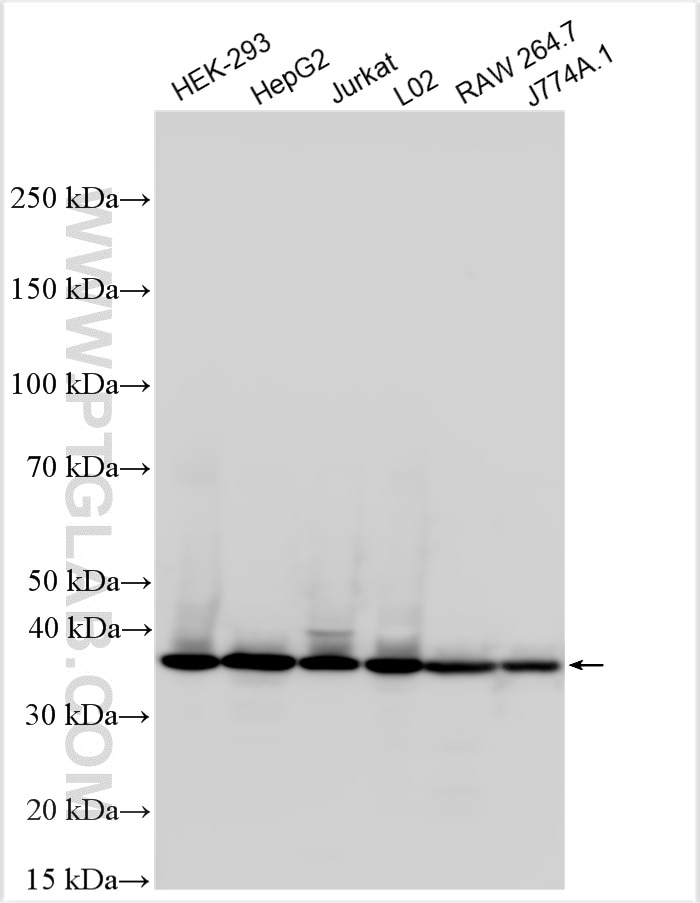
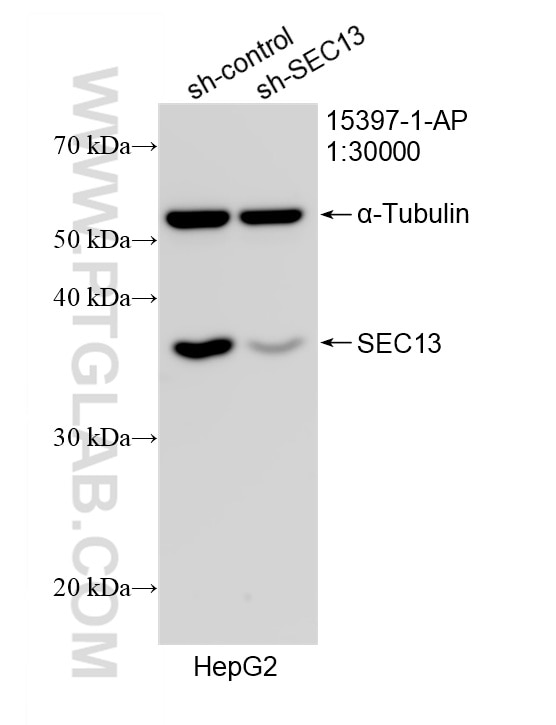
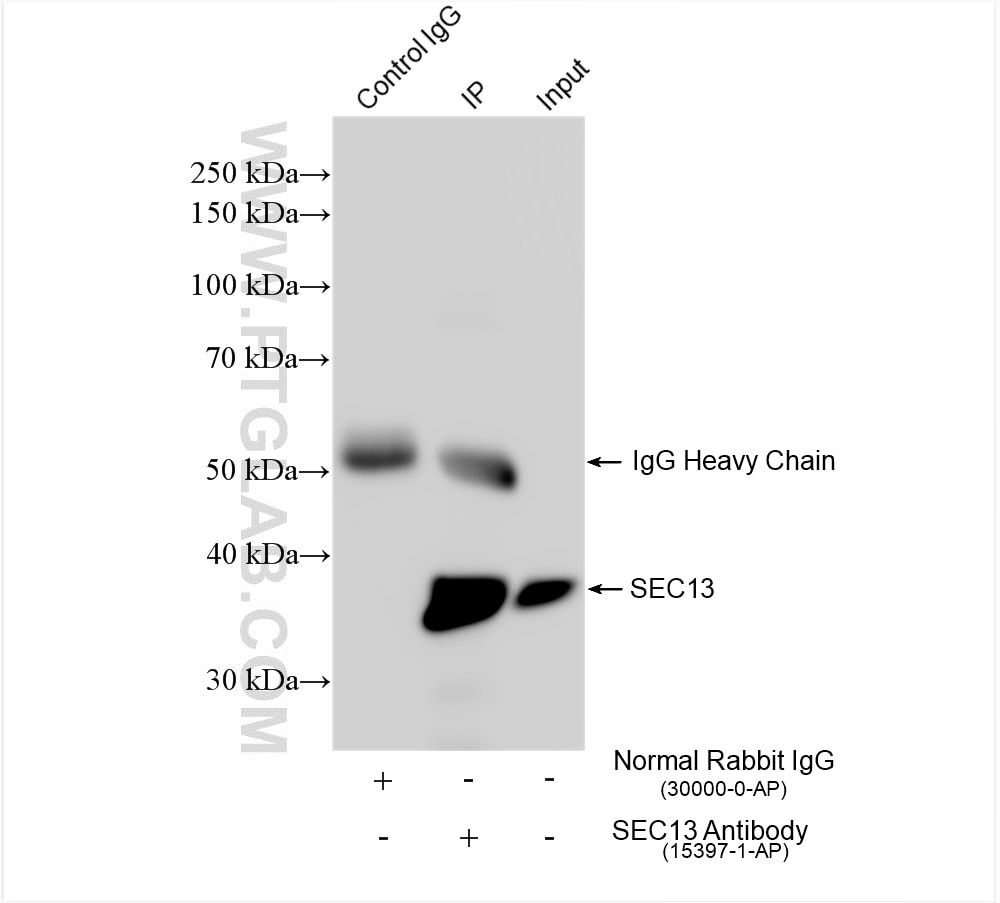
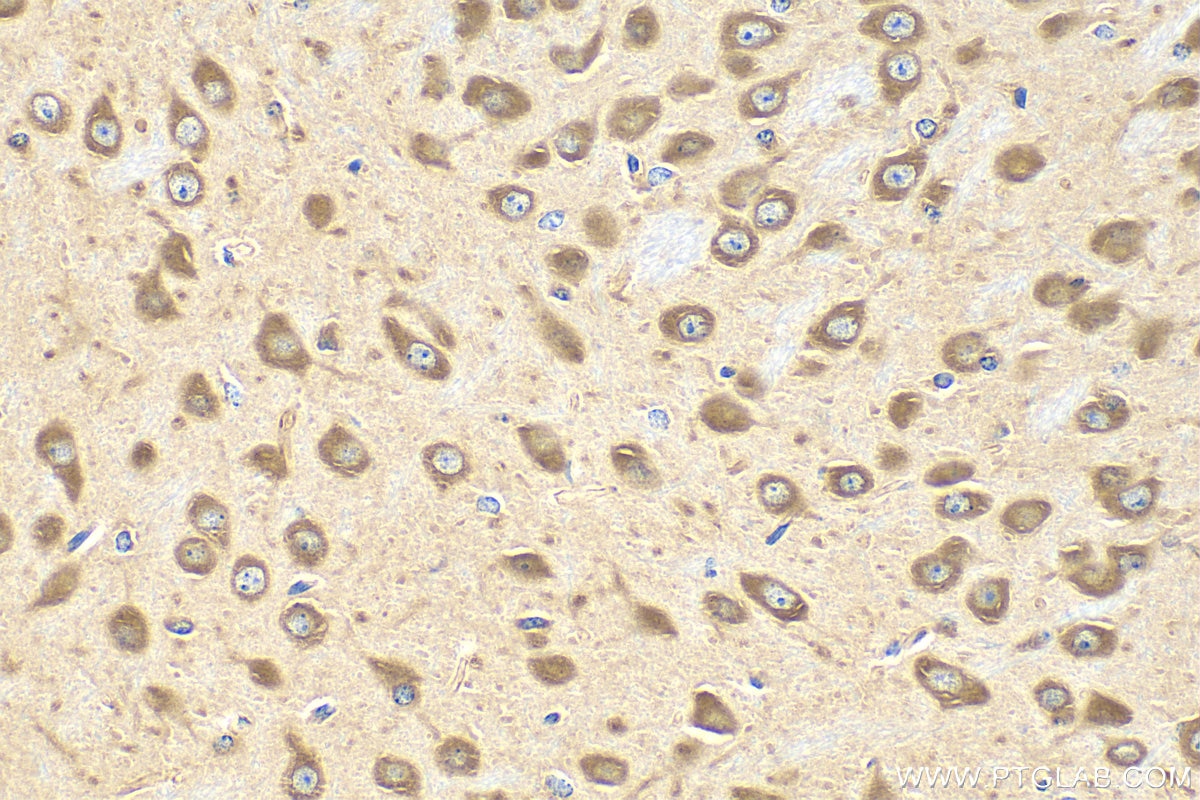

Tested Applications
| Positive WB detected in | HEK-293 cells, HepG2 cells, Jurkat cells, L02 cells, RAW 264.7 cells, J774A.1 cells |
| Positive IP detected in | HepG2 cells |
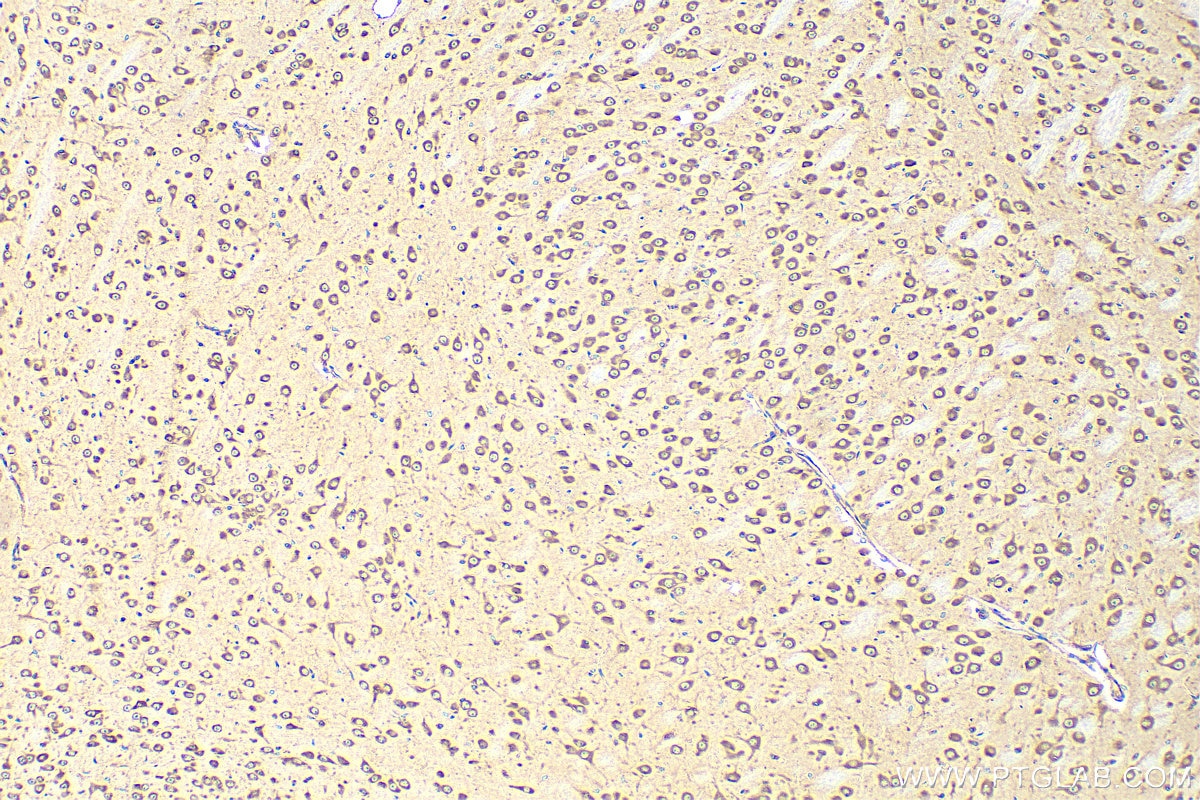
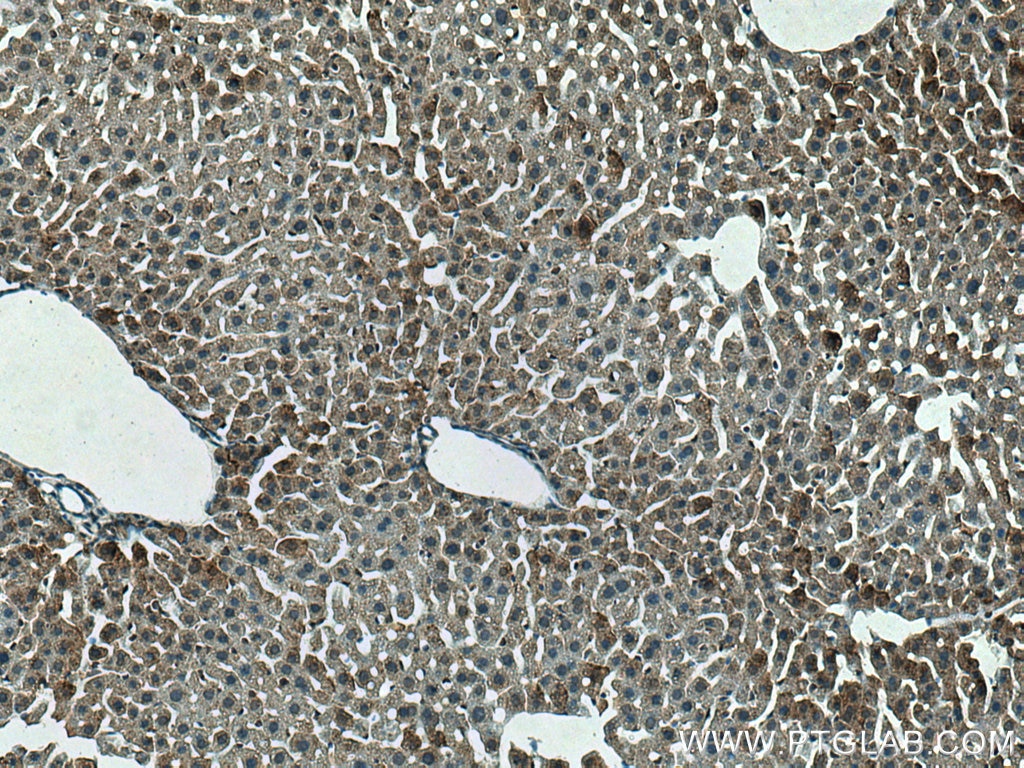
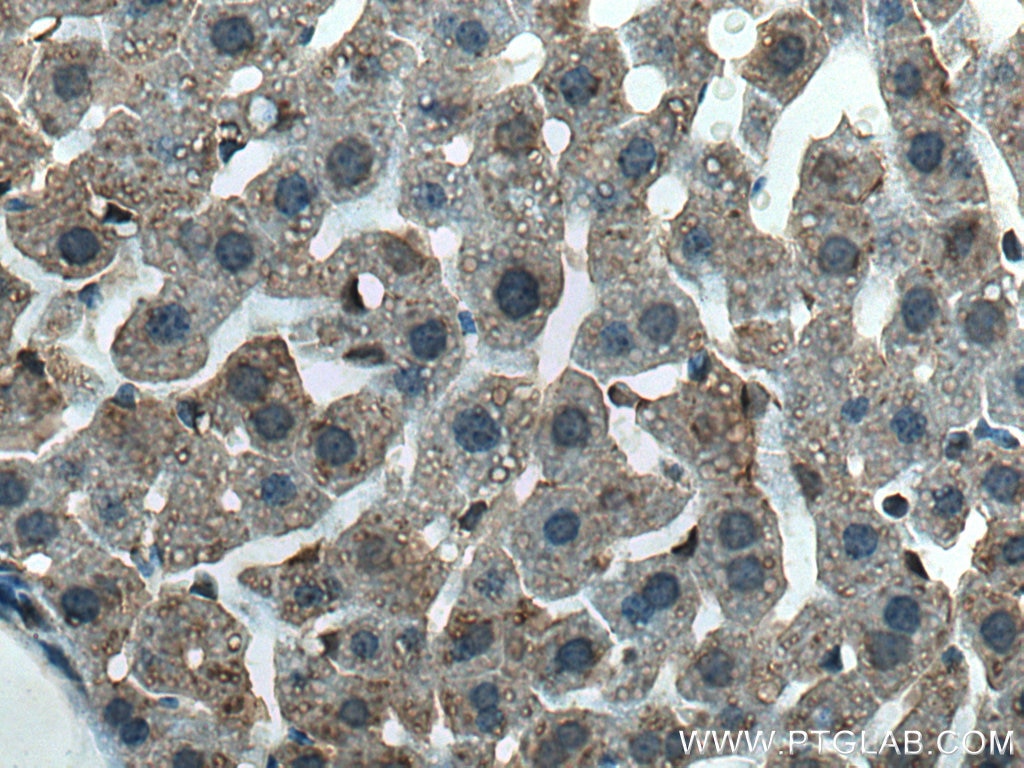
| Positive IHC detected in | mouse brain tissue, mouse liver tissue Note: suggested antigen retrieval with TE buffer pH 9.0; (*) Alternatively, antigen retrieval may be performed with citrate buffer pH 6.0 |
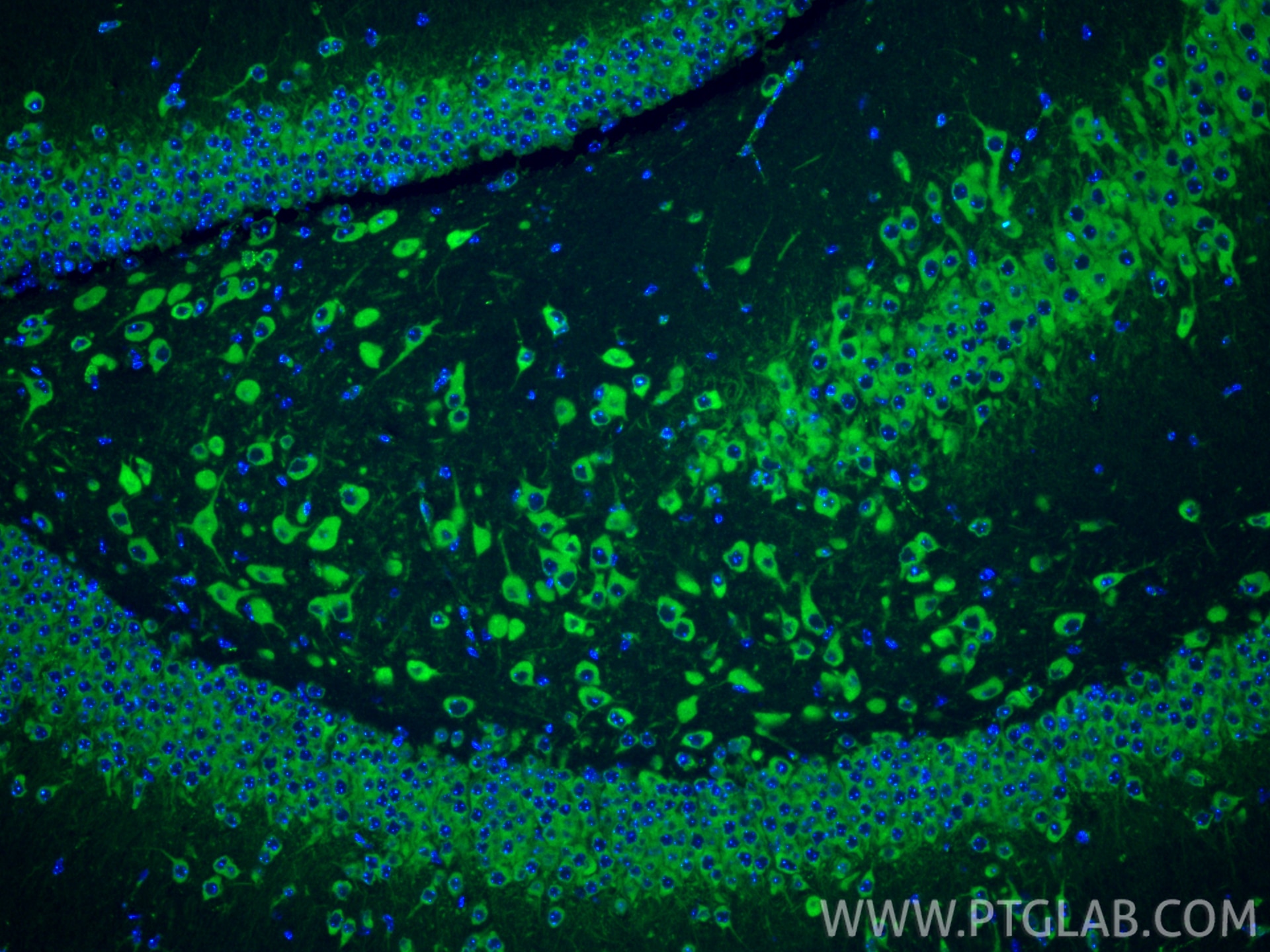
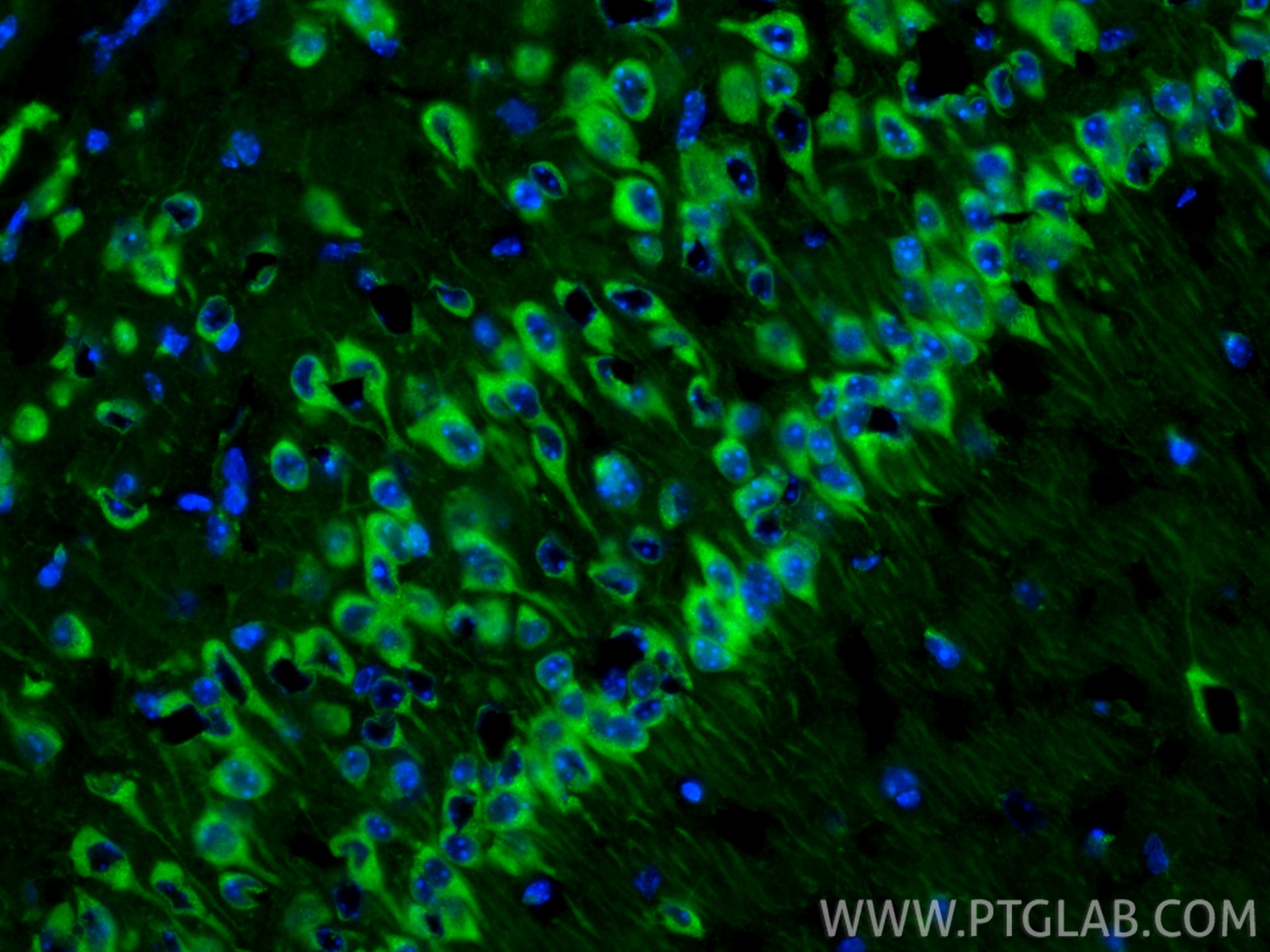
| Positive IF-Fro detected in | mouse brain tissue |
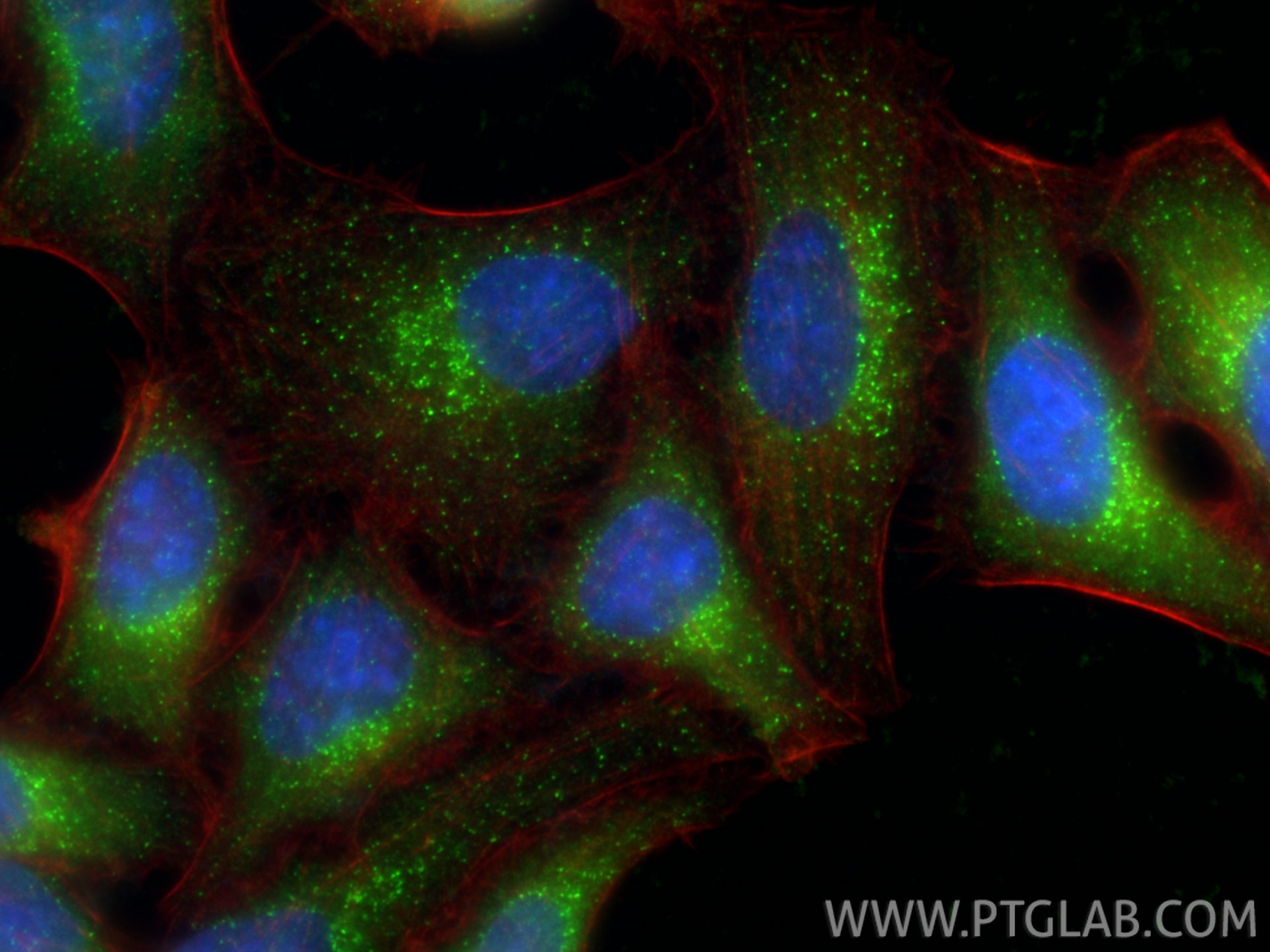
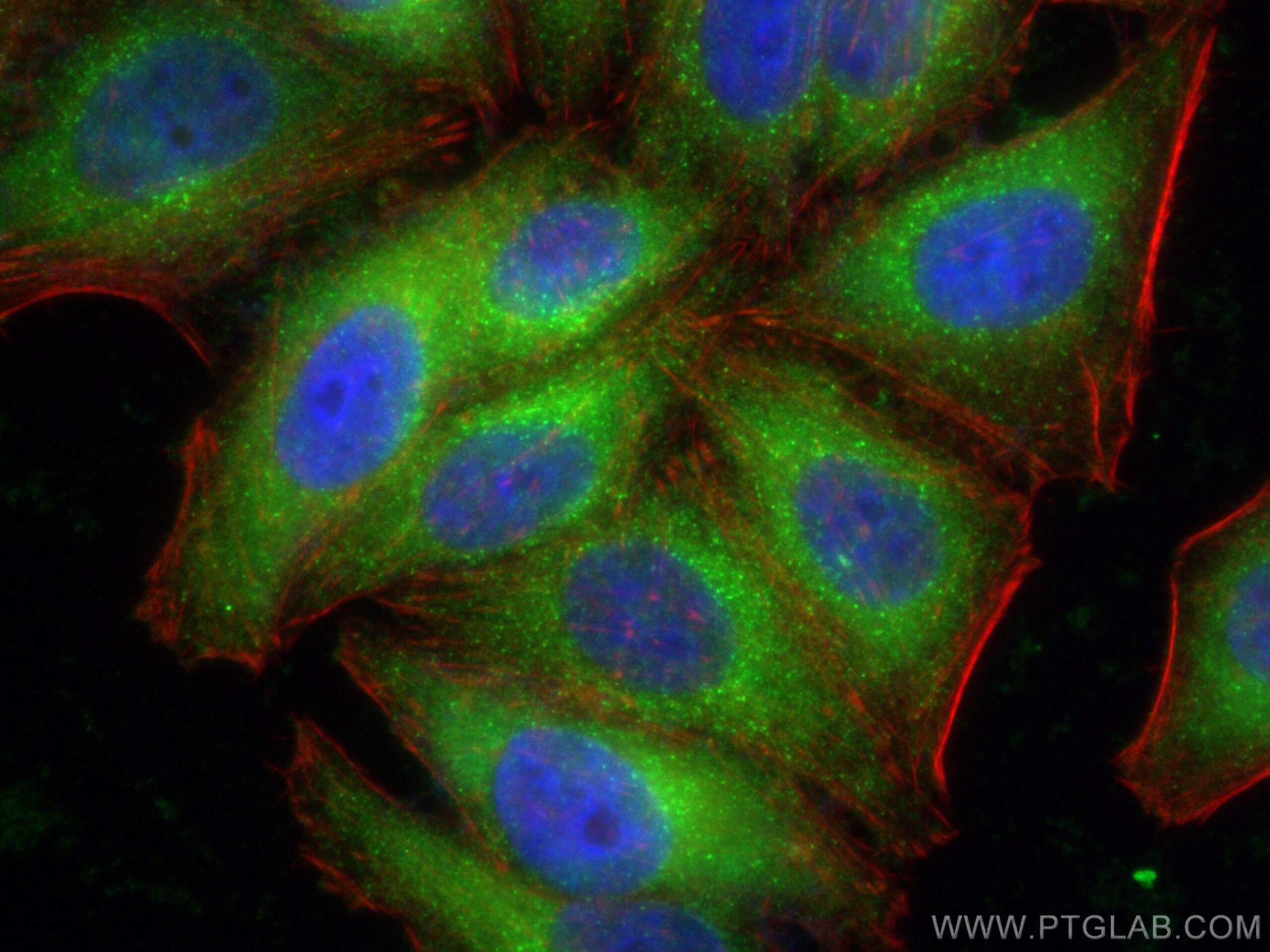
| Positive IF/ICC detected in | HepG2 cells |
Recommended dilution
| Application | Dilution |
|---|---|
| Western Blot (WB) | WB : 1:5000-1:50000 |
| Immunoprecipitation (IP) | IP : 0.5-4.0 ug for 1.0-3.0 mg of total protein lysate |
| Immunohistochemistry (IHC) | IHC : 1:200-1:800 |
| Immunofluorescence (IF)-FRO | IF-FRO : 1:50-1:500 |
| Immunofluorescence (IF)/ICC | IF/ICC : 1:500-1:2000 |
| It is recommended that this reagent should be titrated in each testing system to obtain optimal results. | |
| Sample-dependent, Check data in validation data gallery. | |
Product Information
15397-1-AP targets SEC13 in WB, IHC, IF/ICC, IF-Fro, IP, ELISA applications and shows reactivity with human, mouse, rat samples.
| Tested Reactivity | human, mouse, rat |
| Cited Reactivity | human, mouse, rat |
| Host / Isotype | Rabbit / IgG |
| Class | Polyclonal |
| Type | Antibody |
| Immunogen |
CatNo: Ag7610 Product name: Recombinant human SEC13 protein Source: e coli.-derived, PGEX-4T Tag: GST Domain: 1-325 aa of BC002634 Sequence: MGKMVSVINTVDTSHEDMIHDAQMDYYGTRLATCSSDRSVKIFDVRNGGQILIADLRGHEGPVWQVAWAHPMYGNILASCSYDRKVIIWREENGTWEKSHEHAGHDSSVNSVCWAPHDYGLILACGSSDGAISLLTYTGEGQWEVKKINNAHTIGCNAVSWAPAVVPGSLIDHPSGQKPNYIKRFASGGCDNLIKLWKEEEDGQWKEEQKLEAHSDWVRDVAWAPSIGLPTSTIASCSQDGRVFIWTCDDASSNTWSPKLLHKFNDVVWHVSWSITANILAVSGGDNKVTLWKESVDGQWVCISDVNKGQGSVSASVTEGQQNEQ Predict reactive species |
| Full Name | SEC13 homolog (S. cerevisiae) |
| Calculated Molecular Weight | 36 kDa |
| Observed Molecular Weight | 36 kDa |
| GenBank Accession Number | BC002634 |
| Gene Symbol | SEC13 |
| Gene ID (NCBI) | 6396 |
| RRID | AB_2186234 |
| Conjugate | Unconjugated |
| Form | Liquid |
| Purification Method | Antigen affinity purification |
| UNIPROT ID | P55735 |
| Storage Buffer | PBS with 0.02% sodium azide and 50% glycerol, pH 7.3. |
| Storage Conditions | Store at -20°C. Stable for one year after shipment. Aliquoting is unnecessary for -20oC storage. 20ul sizes contain 0.1% BSA. |
Background Information
SEC13 is a component of the nuclear pore complex (NPC) and the COPII coat. It is required for esicle biogenesis from endoplasmic reticulum during the transport of proteins. Shuttling of SEC13 between the nucleus and the cytoplasm may couple and regulate functions between these two compartments. (PMID: 14517296; 16407955)
Protocols
| Product Specific Protocols | |
|---|---|
| IF protocol for SEC13 antibody 15397-1-AP | Download protocol |
| IHC protocol for SEC13 antibody 15397-1-AP | Download protocol |
| IP protocol for SEC13 antibody 15397-1-AP | Download protocol |
| WB protocol for SEC13 antibody 15397-1-AP | Download protocol |
| Standard Protocols | |
|---|---|
| Click here to view our Standard Protocols |
Publications
What published studies show
The SEC13 Polyclonal antibody (Cat# 15397-1-AP) has accumulated 27 citations across journals including Nature, Nature Communications, PNAS, Molecular Cell, EMBO Journal, Cell Reports, Developmental Cell, Oncogene, Redox Biology, eLife, Scientific Reports, and others. Research fields span mTORC1 signaling, COPII vesicle transport, nuclear pore complex biology, membrane trafficking, lipid metabolism, antiviral responses, cancer biology, neuroscience, and cardiovascular disease.
| Species | Application | Title |
|---|---|---|
Nat Commun Intracellular galectin-3 is a lipopolysaccharide sensor that promotes glycolysis through mTORC1 activation | ||
Redox Biol Selenoprotein K contributes to CD36 subcellular trafficking in hepatocytes by accelerating nascent COPII vesicle formation and aggravates hepatic steatosis | ||
Reviews
What customers say
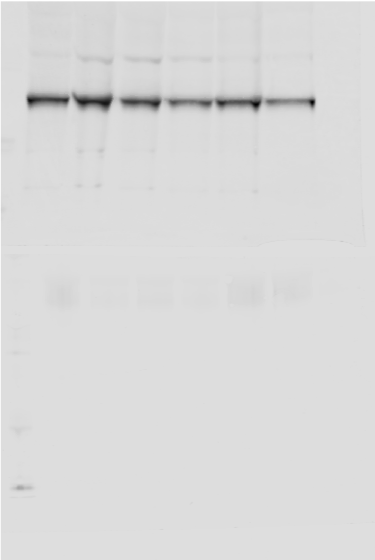
One reviewer, Subir Singh, rated this product 5 out of 5 stars in September 2019. They used it for Western Blot at a 1:500 dilution on protein from mouse tail tendon and described the result as "clean and specific." Overall, the feedback is positive, highlighting the antibody's specificity and clean banding pattern in WB applications.
The reviews below have been submitted by verified Proteintech customers who received an incentive for providing their feedback.
Subir (Verified Customer) (09-27-2019) | clean and specific
 |


