

Tested Applications
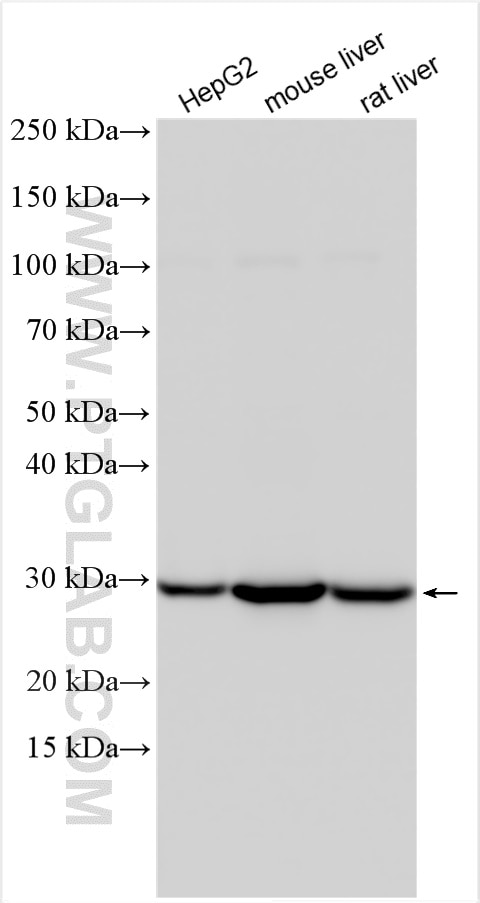
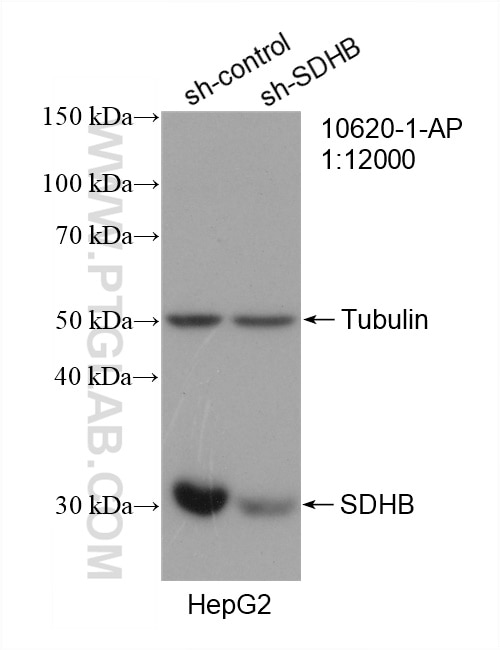
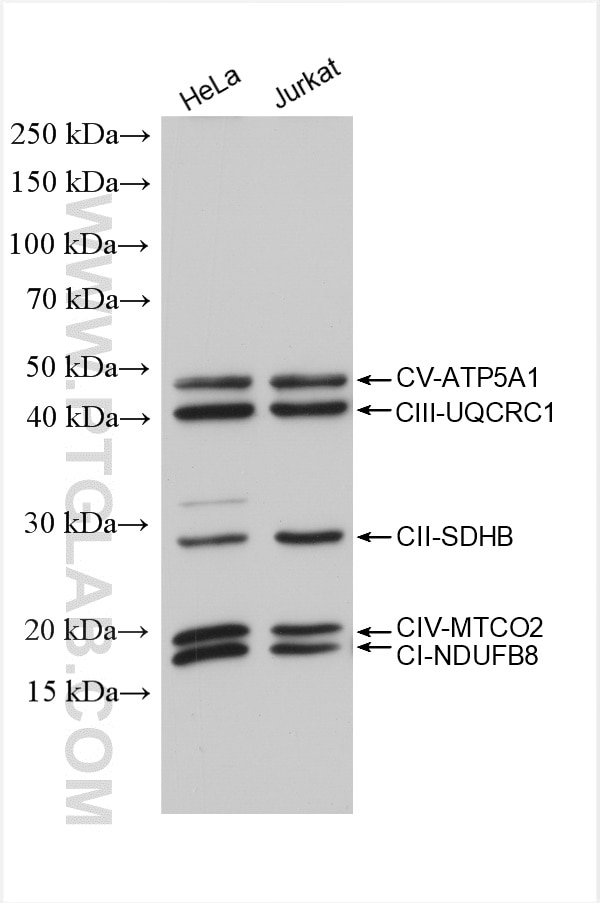
| Positive WB detected in | HepG2 cells, HeLa cells, Jurkat cells, mouse liver tissue, rat liver tissue |
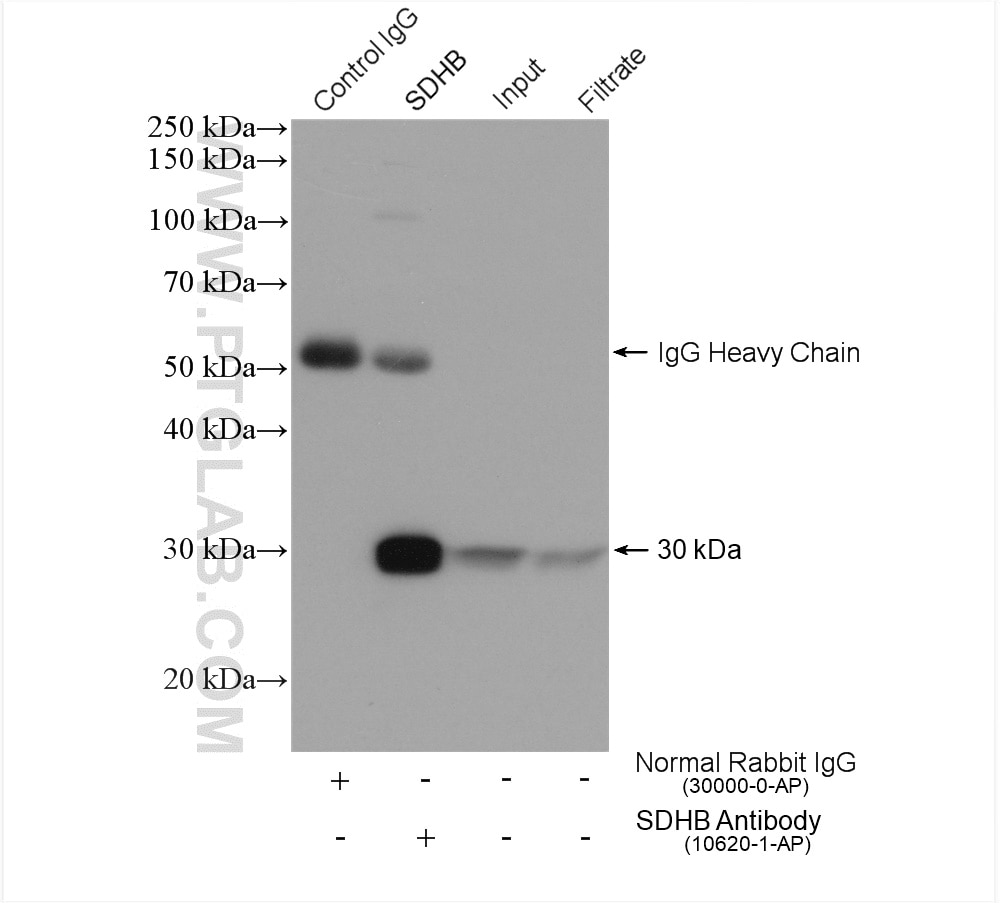
| Positive IP detected in | HEK-293 cells |
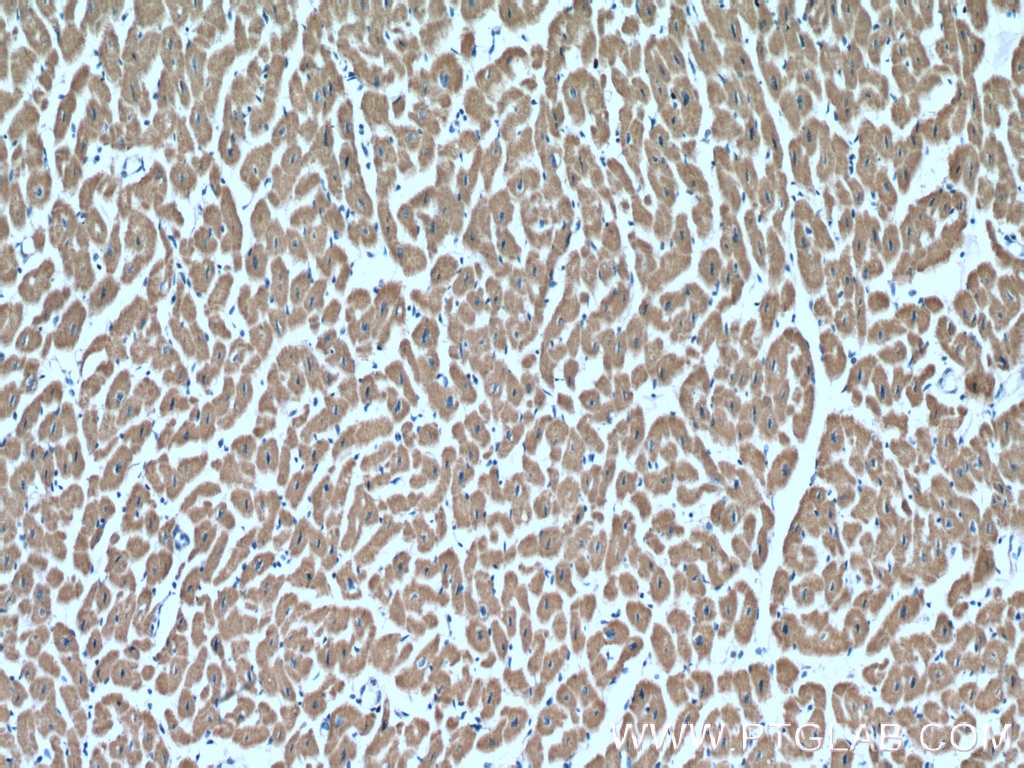
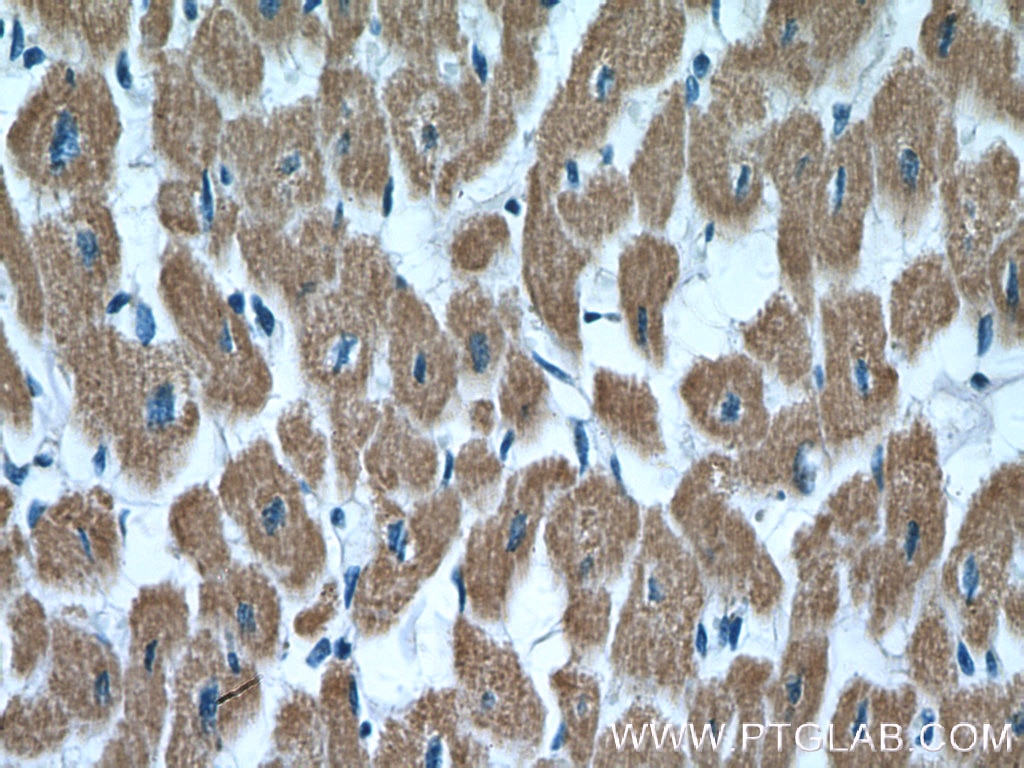
| Positive IHC detected in | human heart tissue Note: suggested antigen retrieval with TE buffer pH 9.0; (*) Alternatively, antigen retrieval may be performed with citrate buffer pH 6.0 |
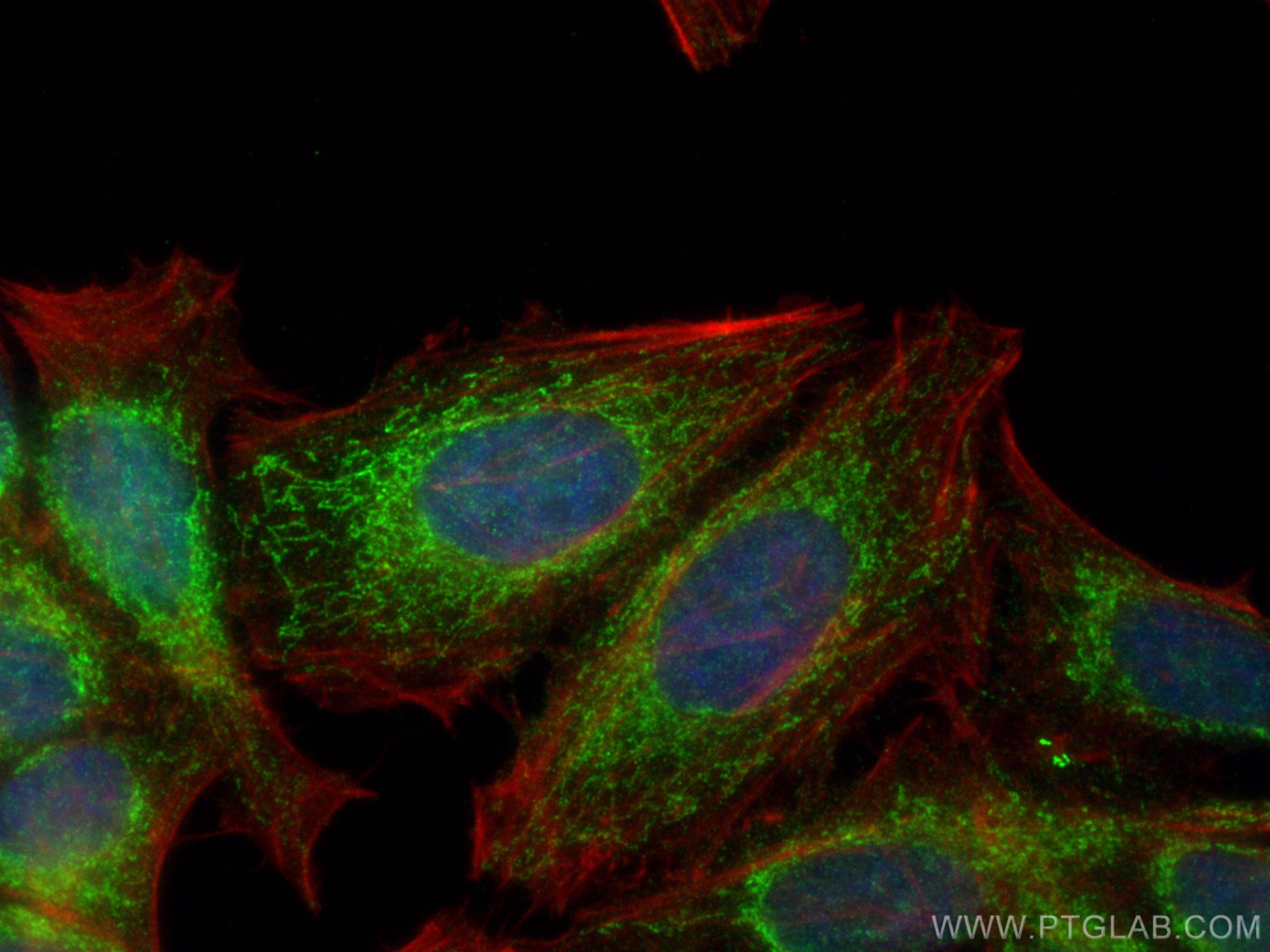
| Positive IF/ICC detected in | HepG2 cells |
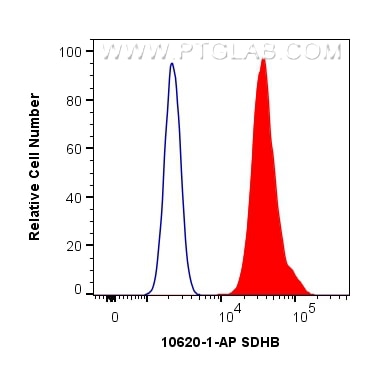
| Positive FC (Intra) detected in | HepG2 cells |
Recommended dilution
| Application | Dilution |
|---|---|
| Western Blot (WB) | WB : 1:5000-1:50000 |
| Immunoprecipitation (IP) | IP : 0.5-4.0 ug for 1.0-3.0 mg of total protein lysate |
| Immunohistochemistry (IHC) | IHC : 1:100-1:400 |
| Immunofluorescence (IF)/ICC | IF/ICC : 1:50-1:500 |
| Flow Cytometry (FC) (INTRA) | FC (INTRA) : 0.40 ug per 10^6 cells in a 100 µl suspension |
| It is recommended that this reagent should be titrated in each testing system to obtain optimal results. | |
| Sample-dependent, Check data in validation data gallery. | |
Product Information
10620-1-AP targets SDHB in WB, IHC, IF/ICC, FC (Intra), IP, ELISA applications and shows reactivity with human, mouse, rat samples.
| Tested Reactivity | human, mouse, rat |
| Cited Reactivity | human, mouse, rat, zebrafish |
| Host / Isotype | Rabbit / IgG |
| Class | Polyclonal |
| Type | Antibody |
| Immunogen |
CatNo: Ag0968 Product name: Recombinant human SDHB protein Source: e coli.-derived, PGEX-4T Tag: GST Domain: 1-280 aa of BC007840 Sequence: MAAVVALSLRRRLPATTLGGACLQASRGAQTAAATAPRIKKFAIYRWDPDKAGDKPHMQTYEVDLNKCGPMVLDALIKIKNEVDSTLTFRRSCREGICGSCAMNINGGNTLACTRRIDTNLNKVSKIYPLPHMYVIKDLVPDLSNFYAQYKSIEPYLKKKDESQEGKQQYLQSIEEREKLDGLYECILCACCSTSCPSYWWNGDKYLGPAVLMQAYRWMIDSRDDFTEERLAKLQDPFSLYRCHTIMNCTRTCPKGLNPGKAIAEIKKMMATYKEKKASV Predict reactive species |
| Full Name | succinate dehydrogenase complex, subunit B, iron sulfur (Ip) |
| Calculated Molecular Weight | 32 kDa |
| Observed Molecular Weight | 28-32 kDa |
| GenBank Accession Number | BC007840 |
| Gene Symbol | SDHB |
| Gene ID (NCBI) | 6390 |
| RRID | AB_2285522 |
| Conjugate | Unconjugated |
| Form | Liquid |
| Purification Method | Antigen affinity purification |
| UNIPROT ID | P21912 |
| Storage Buffer | PBS with 0.02% sodium azide and 50% glycerol, pH 7.3. |
| Storage Conditions | Store at -20°C. Stable for one year after shipment. Aliquoting is unnecessary for -20oC storage. 20ul sizes contain 0.1% BSA. |
Background Information
SDHB(Succinate dehydrogenase [ubiquinone] iron-sulfur subunit, mitochondrial) is also named as SDH, SDH1 and belongs to the succinate dehydrogenase/fumarate reductase iron-sulfur protein family. The SDHD, SDHB, and SDHC genes encode subunits of mitochondrial complex II (succinate dehydrogenase). Mitochondrial complex II is a heterotetrameric complex involved in the aerobic electron transport chain and catalyses the oxidation of succinate to fumarate (Krebs cycle) with transport of electrons to the ubiquinone pool. SDHA and SDHB are the hydrophilic catalytic part of the complex and are highly conserved(J Med Genet 2004;41:e99). Defects in SDHB are a cause of susceptibility to pheochromocytoma (PCC), paragangliomas type 4 (PGL4), paraganglioma and gastric stromal sarcoma (PGGSS) and Cowden-like syndrome (CWDLS).
Protocols
| Product Specific Protocols | |
|---|---|
| FC protocol for SDHB antibody 10620-1-AP | Download protocol |
| IF protocol for SDHB antibody 10620-1-AP | Download protocol |
| IHC protocol for SDHB antibody 10620-1-AP | Download protocol |
| IP protocol for SDHB antibody 10620-1-AP | Download protocol |
| WB protocol for SDHB antibody 10620-1-AP | Download protocol |
| Standard Protocols | |
|---|---|
| Click here to view our Standard Protocols |
Publications
What published studies show
The Rabbit anti-SDHB polyclonal antibody (Cat# 10620-1-AP) has 161 citations spanning high-impact journals including Nature, Cell, Circulation, Nature Metabolism, Nature Immunology, Nature Communications, Molecular Cell, Science Advances, Cell Death & Disease, and Cell Reports. Research fields encompass mitochondrial biology and metabolism, cancer metabolic reprogramming, cuproptosis and ferroptosis, cardiovascular disease, neurodegeneration, immunology/inflammation, renal pathology, reproductive biology, and diabetes. Applications are predominantly Western blot, with IHC, IF, and IP also cited.
| Species | Application | Title |
|---|---|---|
Cell Cuproptosis-immunity crosstalk informs strategy to overcome immunotherapy resistance. | ||
Circulation Nuclear Receptor NR1D1 Regulates Abdominal Aortic Aneurysm Development by Targeting the Mitochondrial Tricarboxylic Acid Cycle Enzyme Aconitase-2 | ||
Cell Metab Iron-addicted colorectal cancers exploit heme-complex II axis to resist oxidative cell death. | ||
Nat Metab Hepcidin sequesters iron to sustain nucleotide metabolism and mitochondrial function in colorectal cancer epithelial cells. | ||
Nat Immunol Nucleophosmin 1 promotes mucosal immunity by supporting mitochondrial oxidative phosphorylation and ILC3 activity |
Reviews
What customers say
All three reviewers used this antibody for Western Blot and reported strong, specific bands. Two gave 5-star ratings, noting clear signal with both ECL and fluorescent detection across cell lines including K562, KCL22, and mouse embryonic stem cells. One reviewer (4 stars) observed an unspecific band around 38 kDa but otherwise found it working well. Recommended dilutions ranged from 1:5000 to 1:10000. Overall, users are satisfied with sensitivity and specificity for SDHB detection.
The reviews below have been submitted by verified Proteintech customers who received an incentive for providing their feedback.
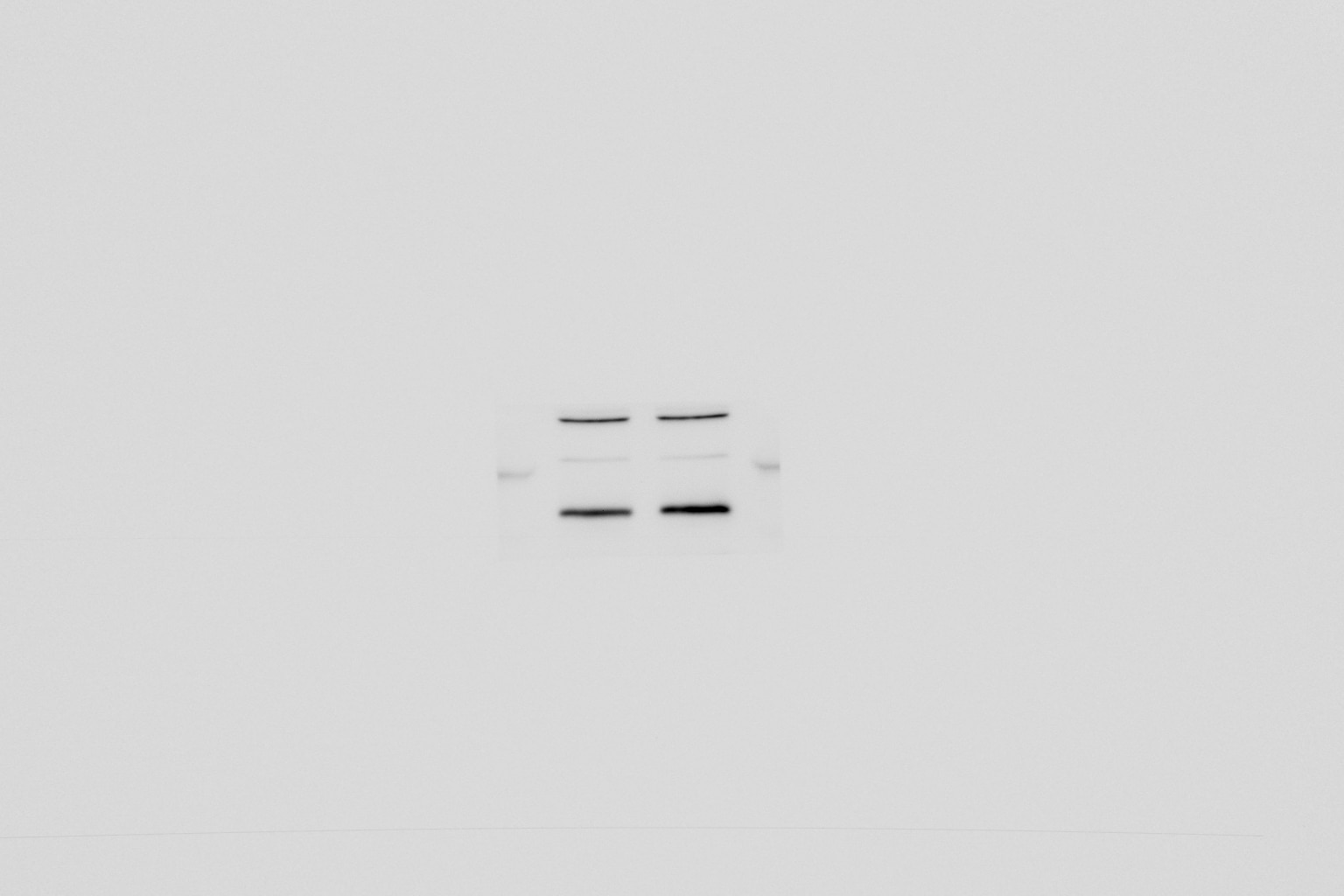
Baptiste (Verified Customer) (05-23-2025) | Working well but unspecific band at the top (+/- 38 kDa)
 |
Edward (Verified Customer) (11-15-2022) | Used with 12 ug protein lysate SDHB works quite well, both with ECL detection and fluorescent secondary antibodies it gives a strong band
|
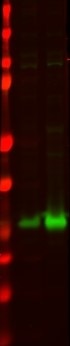
Lana (Verified Customer) (07-15-2020) | SDS-PAGE: 20 ug/ul RIPA protein lysate. 4-12% Bis-tris gradient gel.Transfer: Immobilon-FL transfer membranes (Millipore) O/N at 30V, 4C.Blocking: SEA Block Blocking Buffer 1h, room T.Primary Ab: O/N incubation at 4C, 1:5000.Secondary Ab: IRDye 800CW Goat anti-Rabbit, 1:15000.Lines of WB image: 1 – protein ladder, 2 - whole cell lysate, 3 – mitochondrial fraction lysate.
 |


