
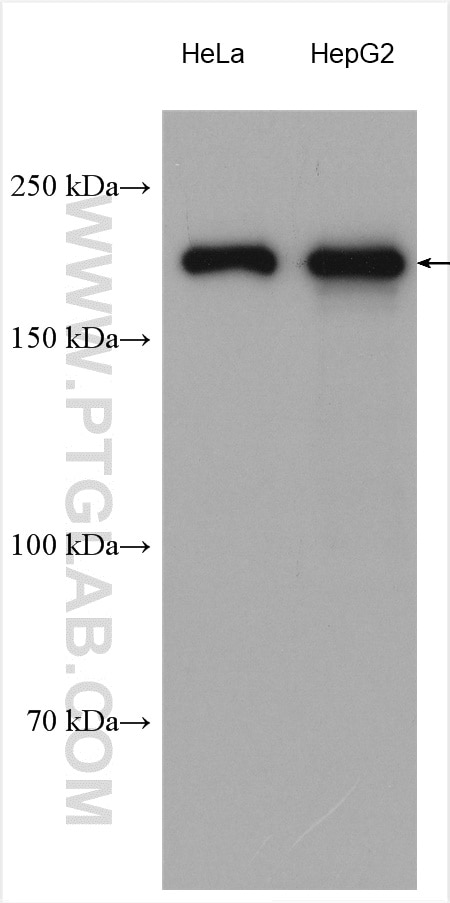
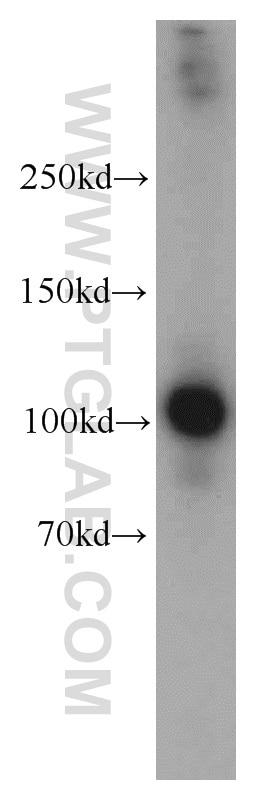
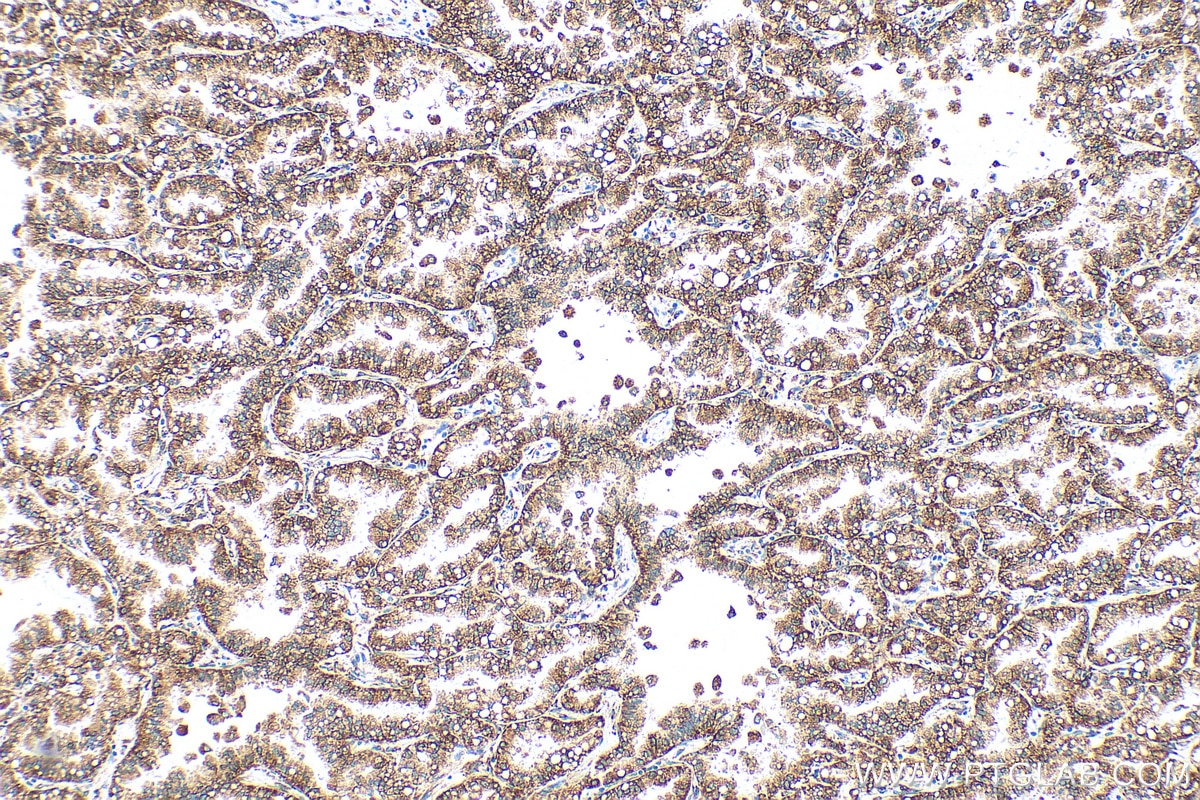
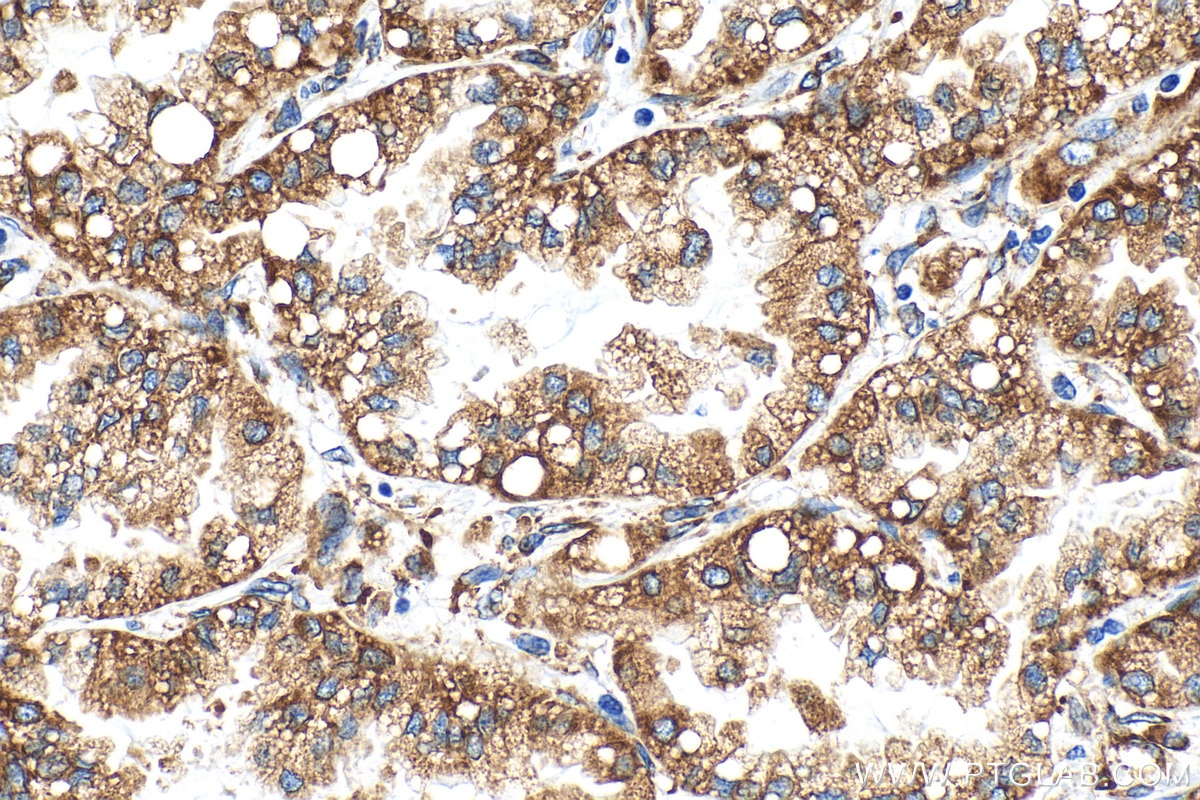

Tested Applications
| Positive WB detected in | HeLa cells, mouse pancreas tissue, HepG2 cells |
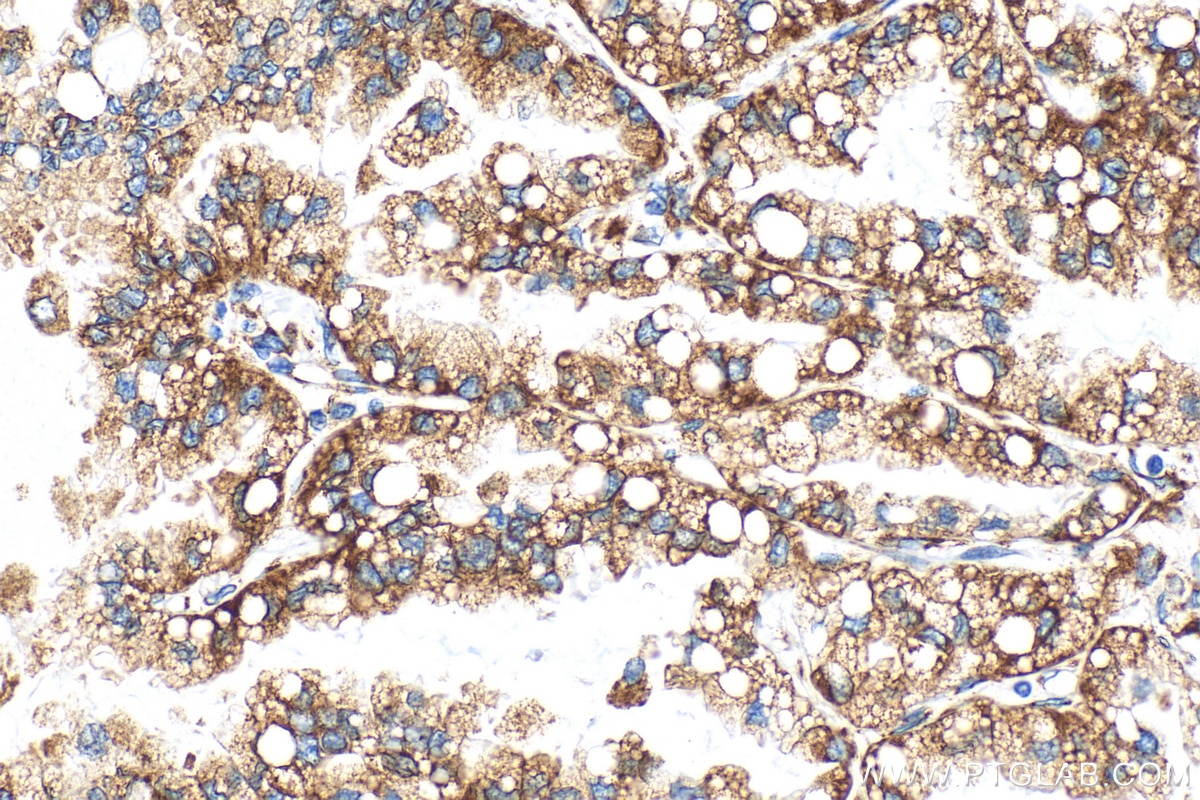
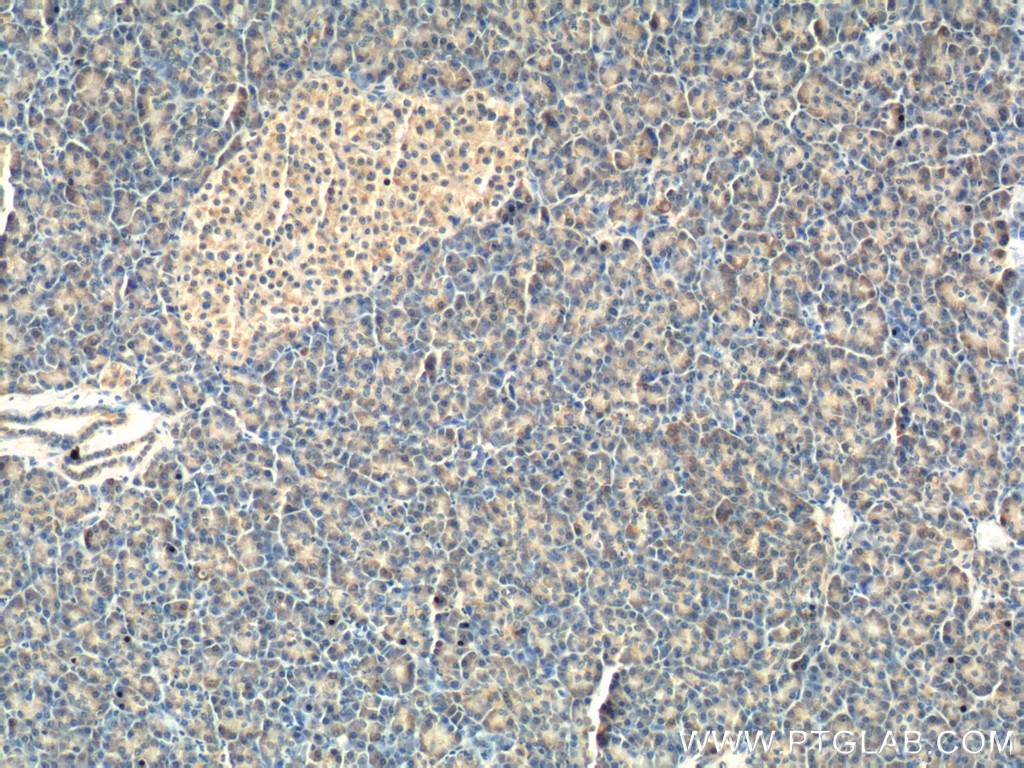
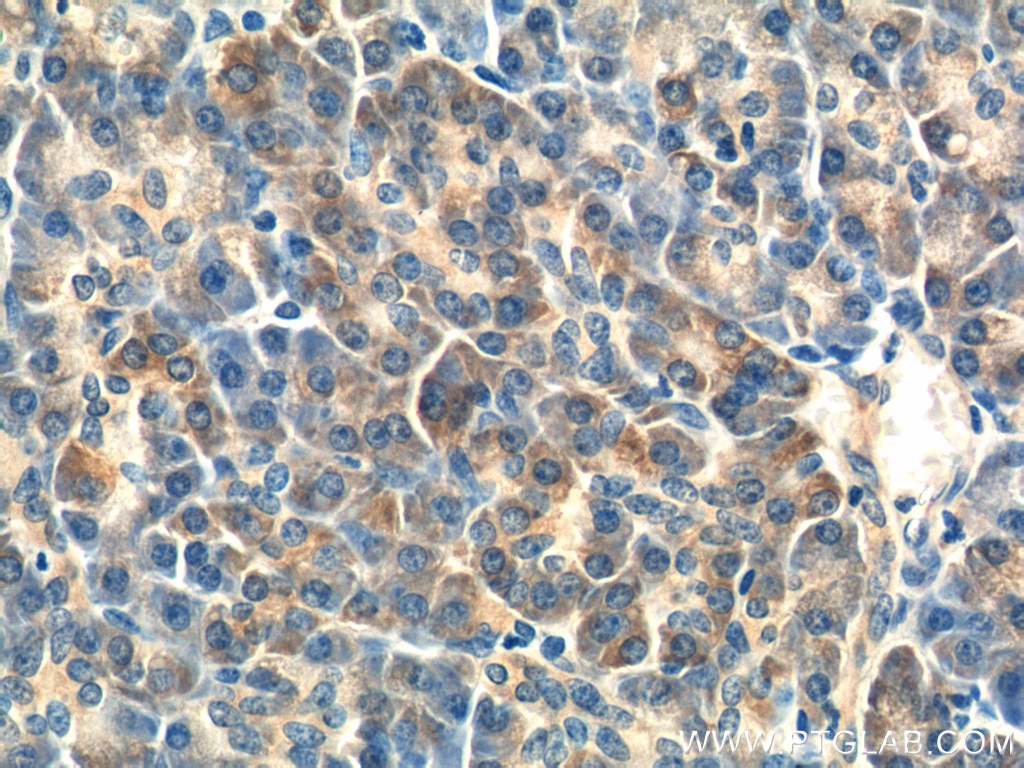
| Positive IHC detected in | human lung cancer tissue, human pancreas tissue Note: suggested antigen retrieval with TE buffer pH 9.0; (*) Alternatively, antigen retrieval may be performed with citrate buffer pH 6.0 |
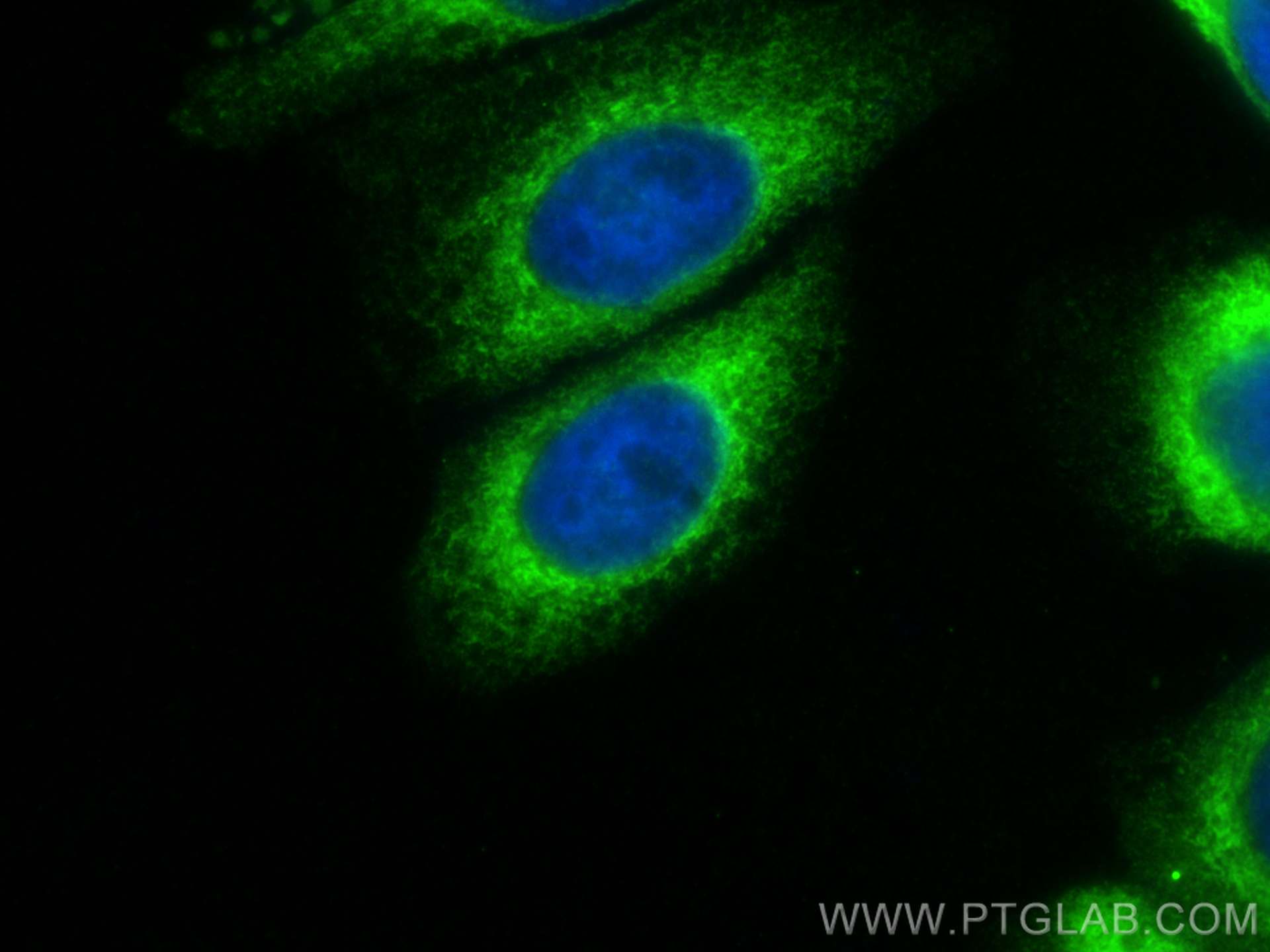
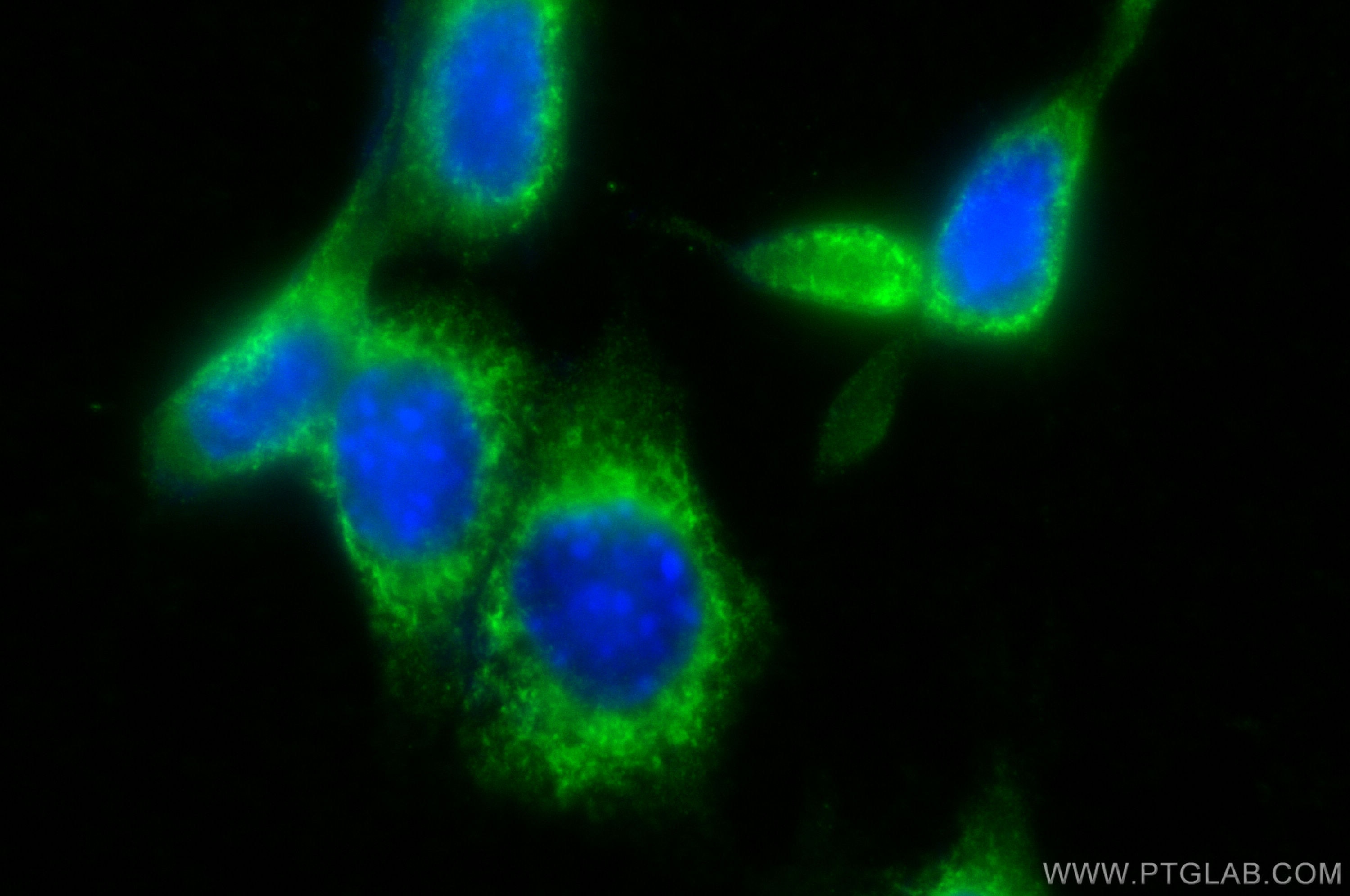
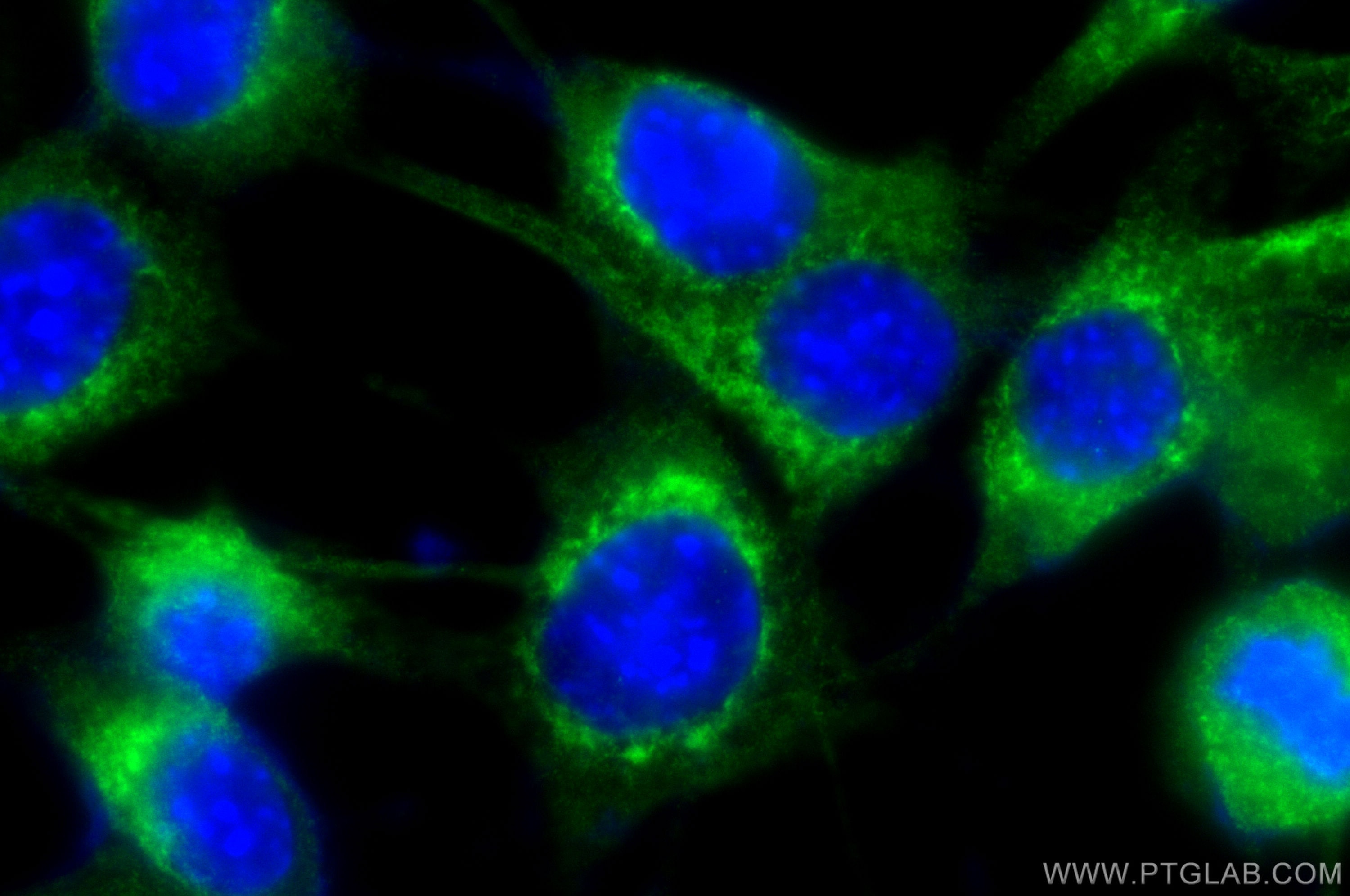
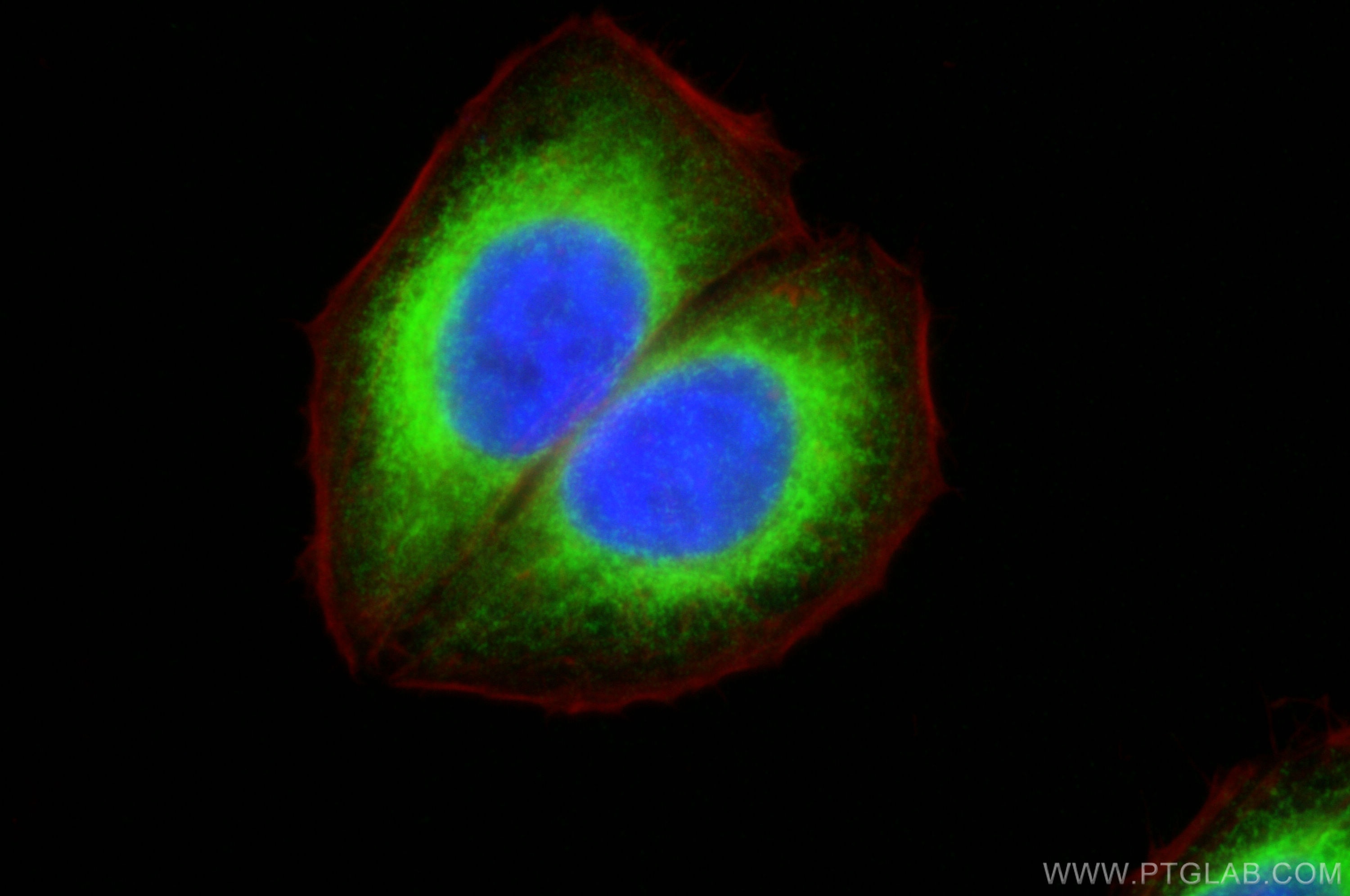
| Positive IF/ICC detected in | NIH/3T3 cells, HepG2 cells |
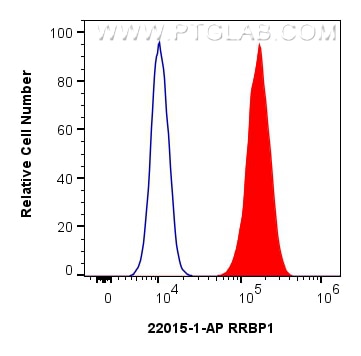
| Positive FC (Intra) detected in | BxPC-3 cells |
Recommended dilution
| Application | Dilution |
|---|---|
| Western Blot (WB) | WB : 1:2000-1:12000 |
| Immunohistochemistry (IHC) | IHC : 1:2000-1:8000 |
| Immunofluorescence (IF)/ICC | IF/ICC : 1:50-1:500 |
| Flow Cytometry (FC) (INTRA) | FC (INTRA) : 0.25 ug per 10^6 cells in a 100 µl suspension |
| It is recommended that this reagent should be titrated in each testing system to obtain optimal results. | |
| Sample-dependent, Check data in validation data gallery. | |
Product Information
22015-1-AP targets RRBP1 in WB, IHC, IF/ICC, IP, CoIP, ELISA applications and shows reactivity with human, mouse samples.
| Tested Reactivity | human, mouse |
| Cited Reactivity | human, mouse |
| Host / Isotype | Rabbit / IgG |
| Class | Polyclonal |
| Type | Antibody |
| Immunogen |
CatNo: Ag16648 Product name: Recombinant human RRBP1 protein Source: e coli.-derived, PGEX-4T Tag: GST Domain: 1061-1410 aa of BC128577 Sequence: AQTMEALLALLPELSVLAQQNYTEWLQDLKEKGPTLLKHPPAPAEPSSDLASKLREAEETQSTLQAECDQYRSILAETEGMLRDLQKSVEEEEQVWRAKVGAAEEELQKSRVTVKHLEEIVEKLKGELESSDQVREHTLHLEAELEKHMAAASAECQNYAKEVAGLRQLLLESQSQLDAAKSEAQKQSDELALVRQQLSEMKSHVEDGDIAGAPASSPEAPPAEQDPVQLKTQLEWTEAILEDEQTQRQKLTAEFEEAQTSACRLQEELEKLRTAGPLESSETEEASQLKERLEKEKKLTSDLGRAATRLQELLKTTQEQLAREKDTVKKLQEQLEKAEDGSSSKEGTSV Predict reactive species |
| Full Name | ribosome binding protein 1 homolog 180kDa (dog) |
| Calculated Molecular Weight | 1410 aa, 152 kDa |
| Observed Molecular Weight | 180 kDa |
| GenBank Accession Number | BC128577 |
| Gene Symbol | RRBP1 |
| Gene ID (NCBI) | 6238 |
| RRID | AB_2878971 |
| Conjugate | Unconjugated |
| Form | Liquid |
| Purification Method | Antigen affinity purification |
| UNIPROT ID | Q9P2E9 |
| Storage Buffer | PBS with 0.02% sodium azide and 50% glycerol, pH 7.3. |
| Storage Conditions | Store at -20°C. Stable for one year after shipment. Aliquoting is unnecessary for -20oC storage. 20ul sizes contain 0.1% BSA. |
Background Information
Ribosome-binding protein 1 (RRBP1) is an endoplasmic reticulum membrane protein. It is a 1410 amino acid protein composed of a hydrophobic NH2-terminus that includes a transmembrane domain, a highly conserved tandem repeat (ribosome-binding domain), and an acidic coiled-coil COOH-terminal domain. RRBP1 acts as a ribosome receptor and mediates interaction between the ribosome and the endoplasmic reticulum membrane. It is also involved in early cardiac morphogenesis(PMID: 22709790; 8812507; 7686155). RRBP1 has two different isoforms with molecular weights of 150 kDa and 109 kDa.
Protocols
| Product Specific Protocols | |
|---|---|
| FC protocol for RRBP1 antibody 22015-1-AP | Download protocol |
| IF protocol for RRBP1 antibody 22015-1-AP | Download protocol |
| IHC protocol for RRBP1 antibody 22015-1-AP | Download protocol |
| WB protocol for RRBP1 antibody 22015-1-AP | Download protocol |
| Standard Protocols | |
|---|---|
| Click here to view our Standard Protocols |
Publications
What published studies show
Anti-RRBP1 antibody (22015-1-AP) has 16 citations in journals including Science, Nature Communications, Signal Transduction and Targeted Therapy, Science Advances, Cell Reports, Journal for ImmunoTherapy of Cancer, Molecular Oncology, Journal of Virology, Journal of Cell Science, Frontiers in Oncology, and Cancer Management Research. Research fields cover ER–mitochondria contact sites, cardiomyopathy, lipid signaling, nuclear pore assembly, ER-associated degradation, cancer immunotherapy, drug resistance, Alzheimer's disease, viral replication, peroxisome biogenesis, and bone metastasis.
| Species | Application | Title |
|---|---|---|
Signal Transduct Target Ther Targeting intracellular cholesterol imbalance rescues sarcomere-ER contact site signaling and ER remodeling in dilated cardiomyopathy. | ||
Science Endosomal lipid signaling reshapes the endoplasmic reticulum to control mitochondrial function
| ||
Nat Commun Spatial mapping of hepatic ER and mitochondria architecture reveals zonated remodeling in fasting and obesity | ||
Nat Commun RanBP2-dependent annulate lamellae drive nuclear pore assembly and nuclear expansion. | ||
Sci Adv Oncoprotein SND1 hijacks nascent MHC-I heavy chain to ER-associated degradation, leading to impaired CD8+ T cell response in tumor. | ||
J Immunother Cancer Targeting RRBP1 reverses immune evasion and enhances immunotherapy efficacy via the CXCL10-CXCR3 axis in bladder cancer |


