
Tested Applications
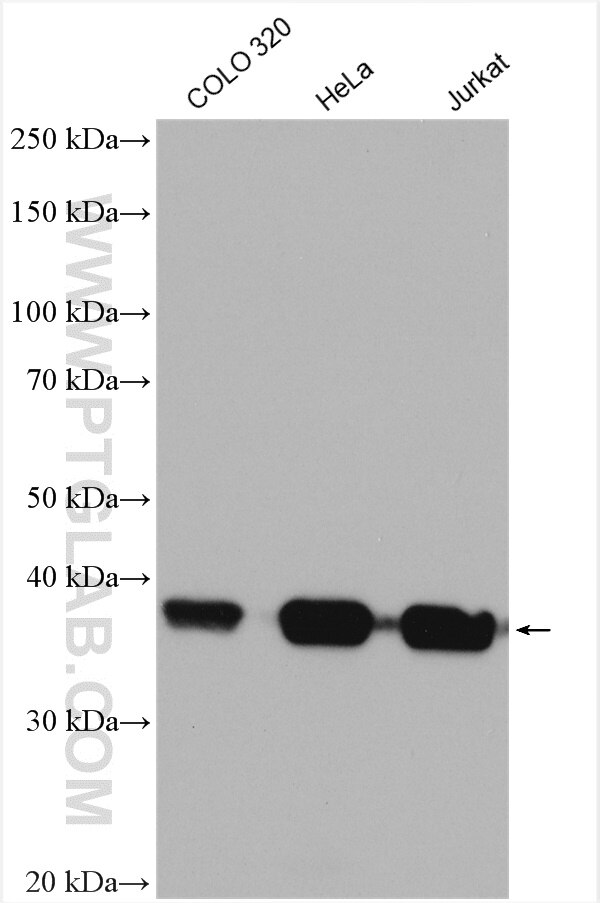
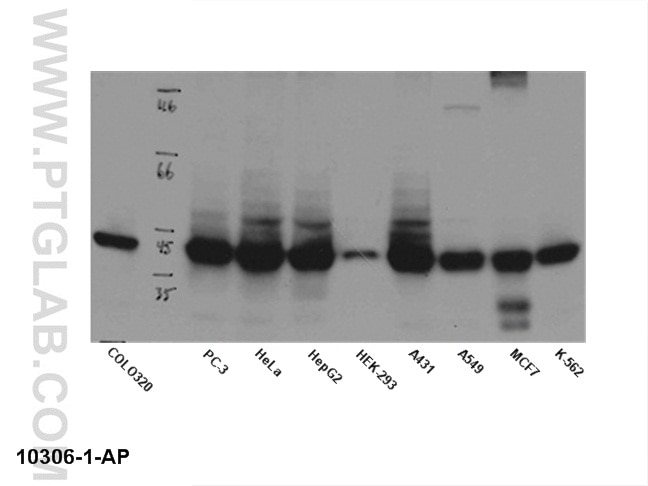
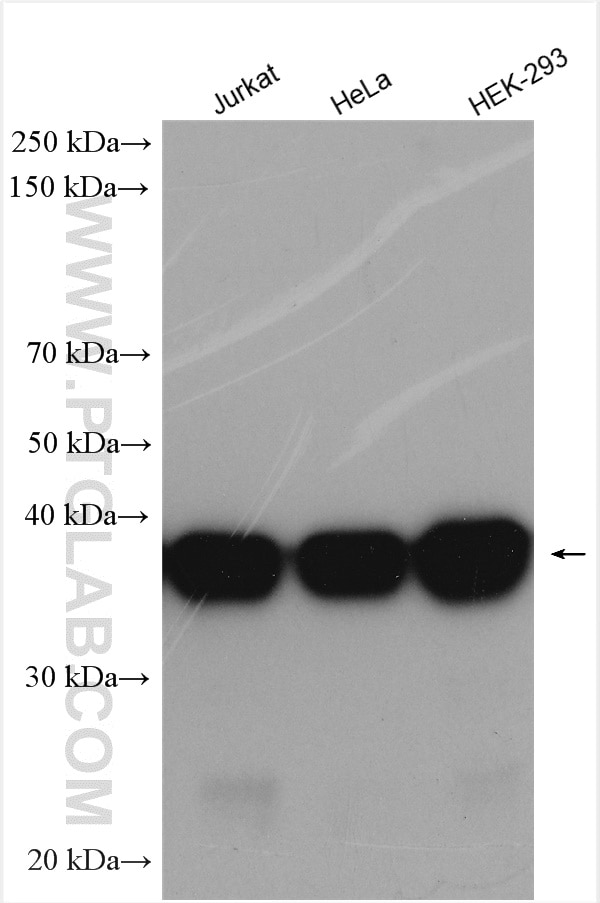
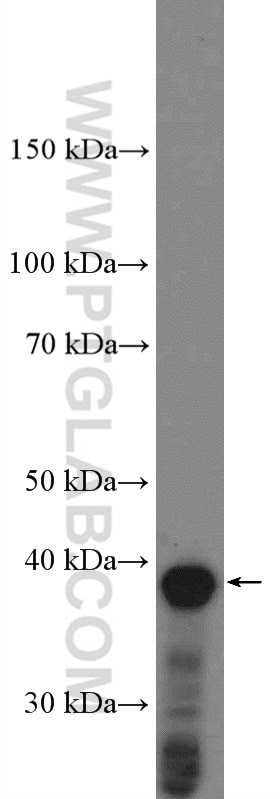
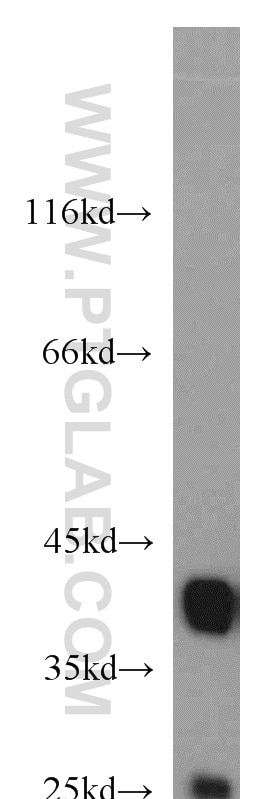
| Positive WB detected in | COLO 320 cells, Jurkat cells, multi-cells, K-562 cells, HeLa cells, HEK-293 cells |
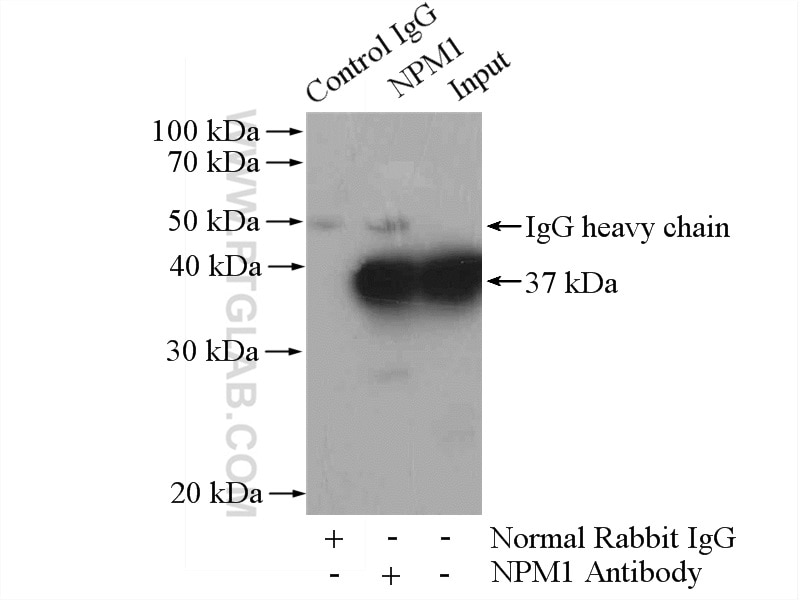
| Positive IP detected in | Jurkat cells |
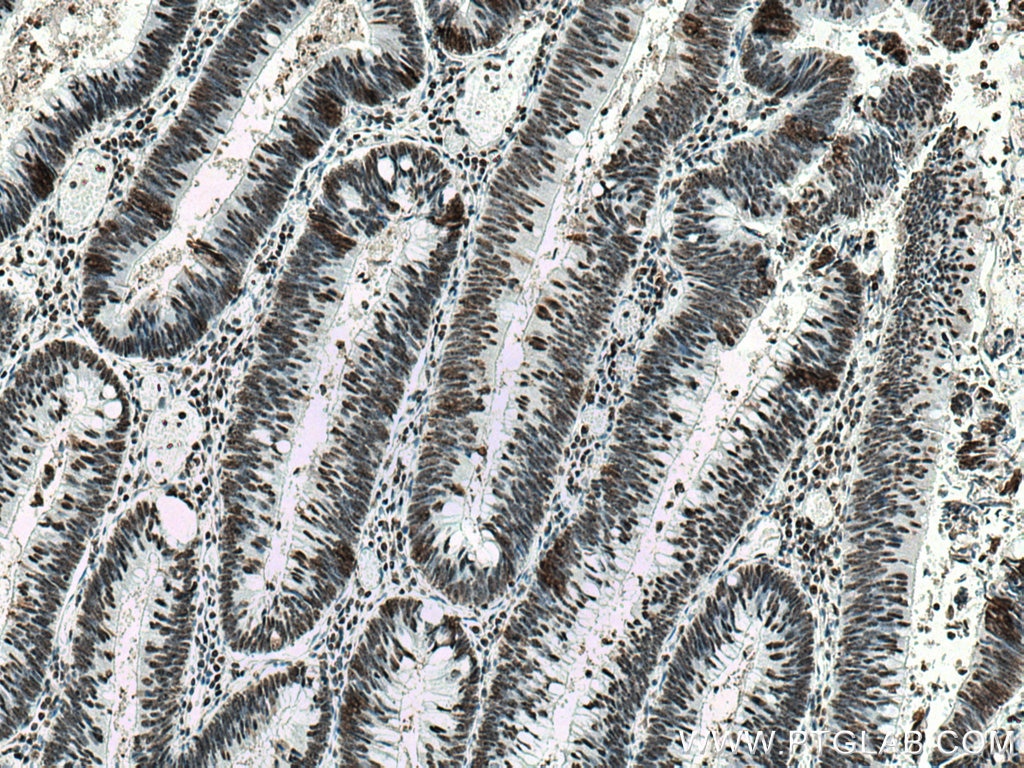
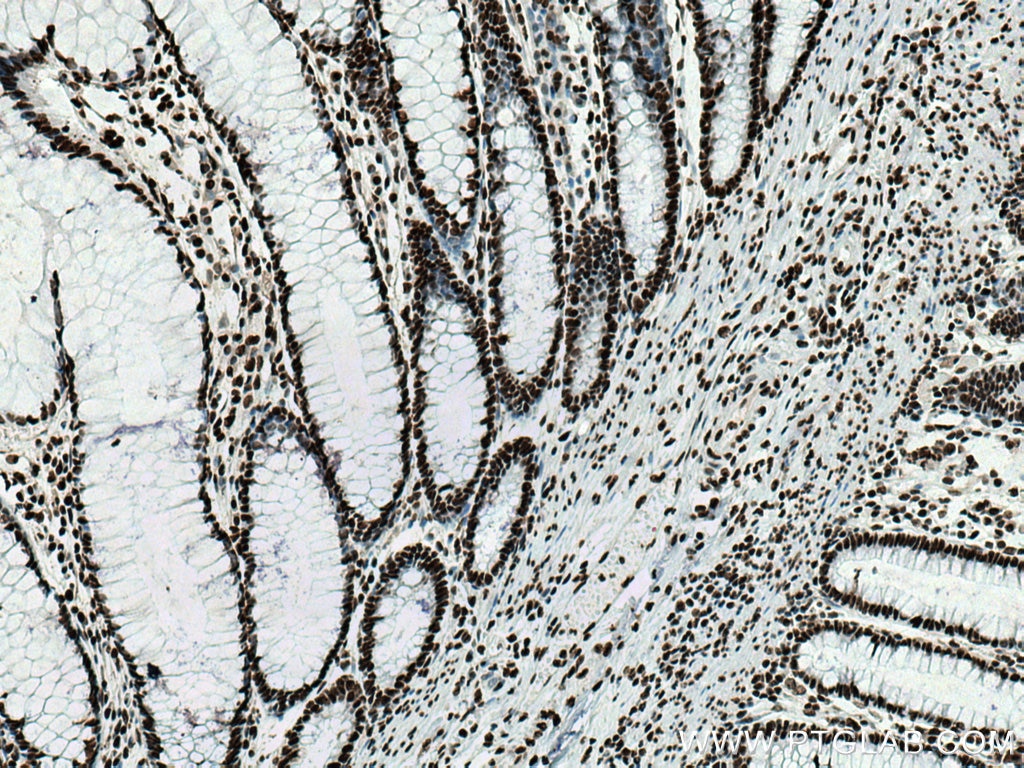
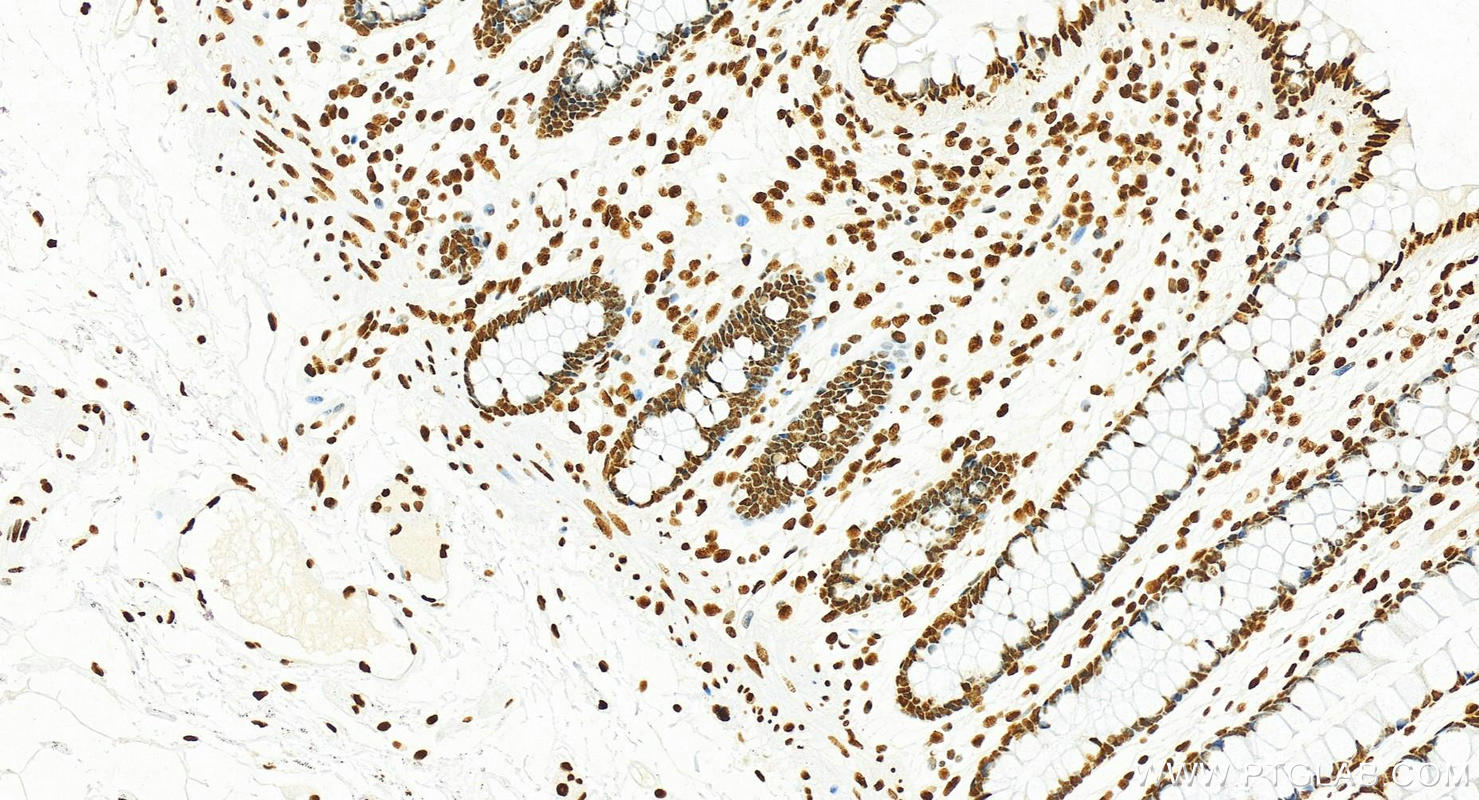
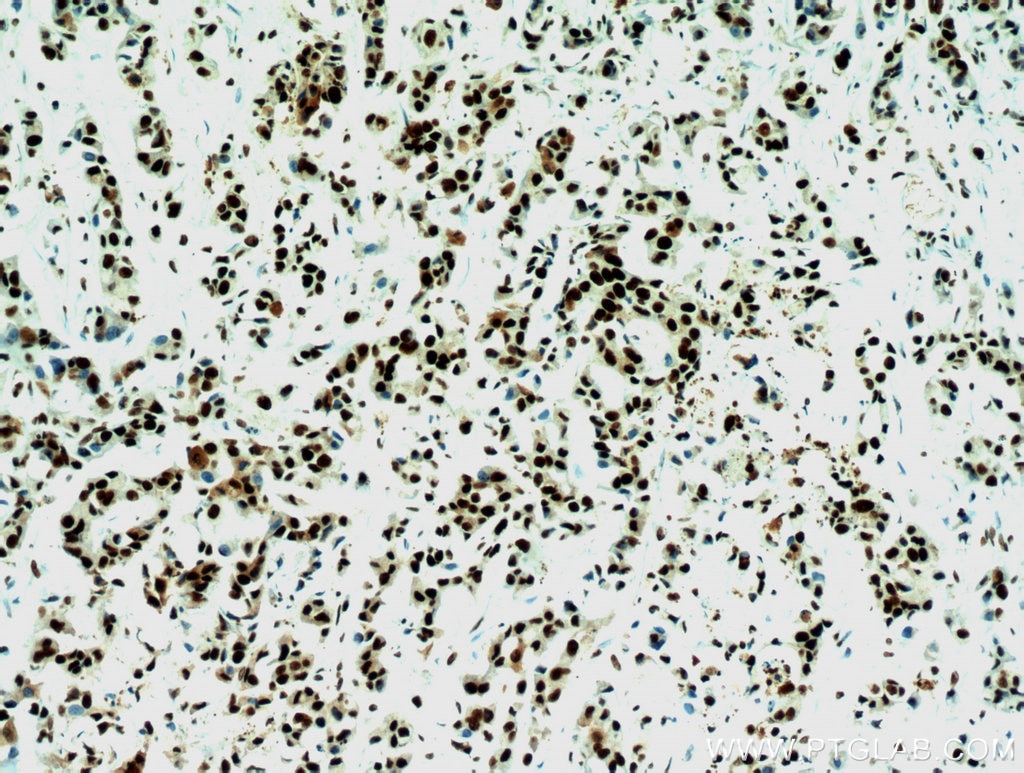
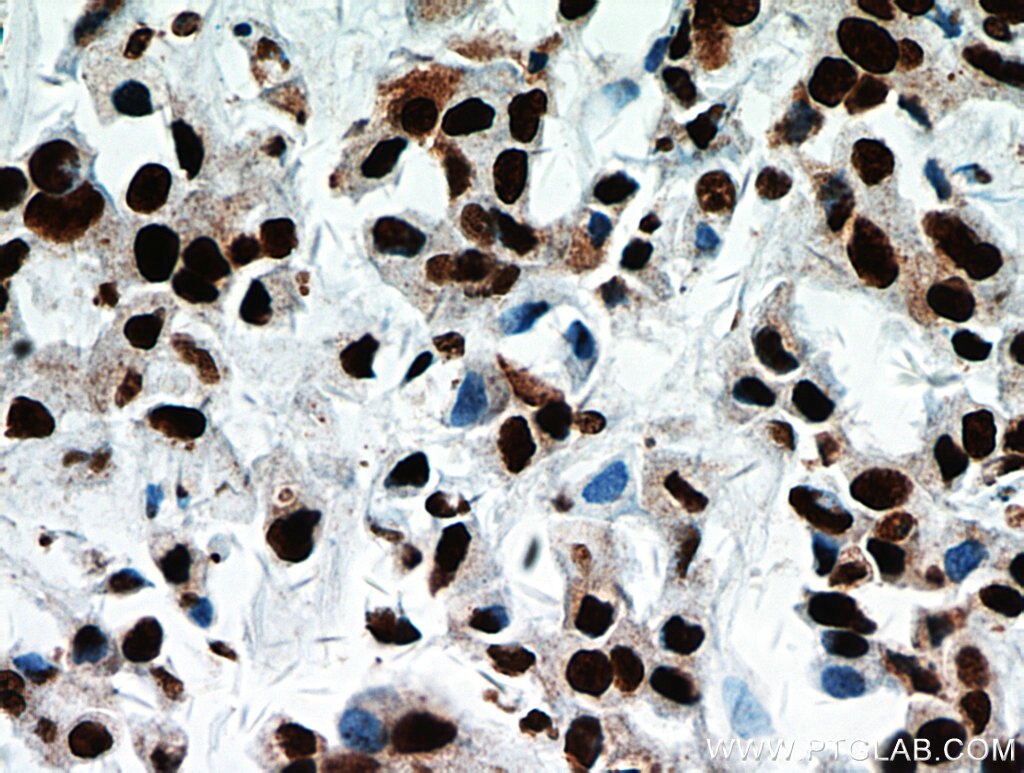
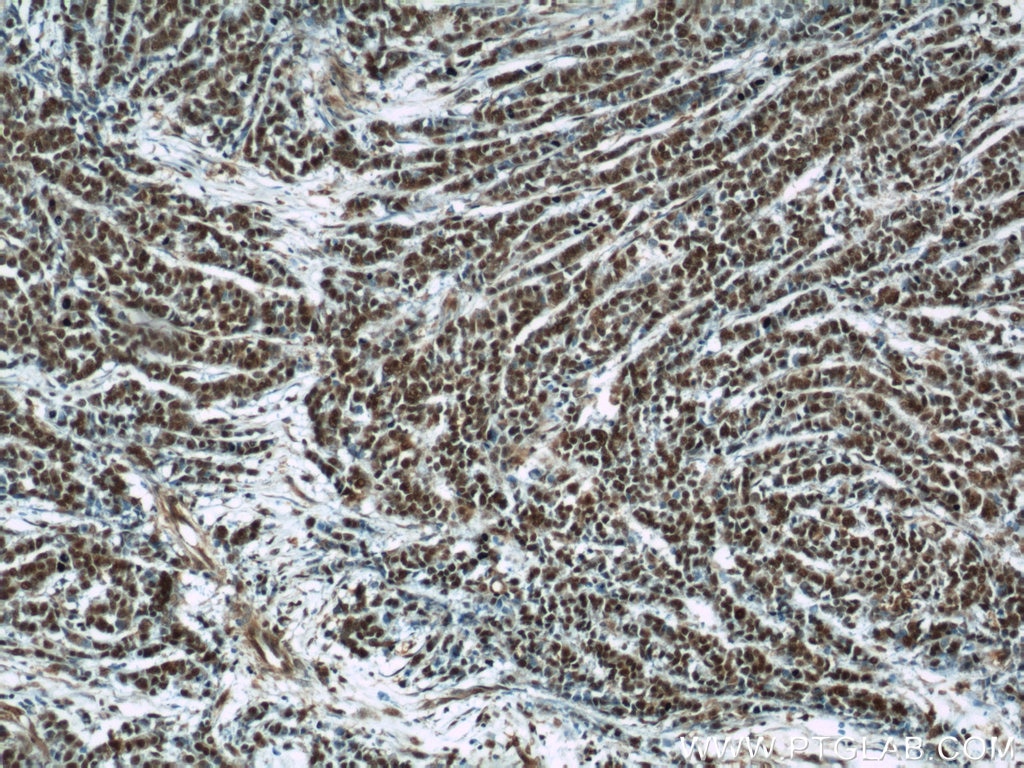
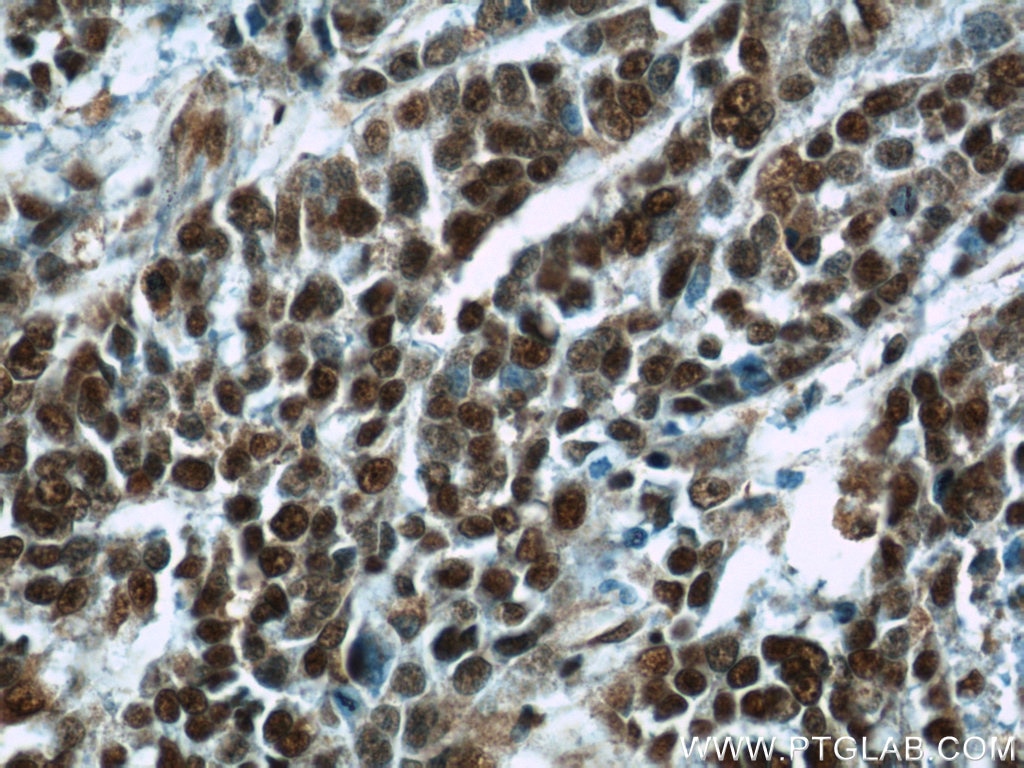
| Positive IHC detected in | human colon cancer tissue, human breast cancer tissue, human normal colon Note: suggested antigen retrieval with TE buffer pH 9.0; (*) Alternatively, antigen retrieval may be performed with citrate buffer pH 6.0 |
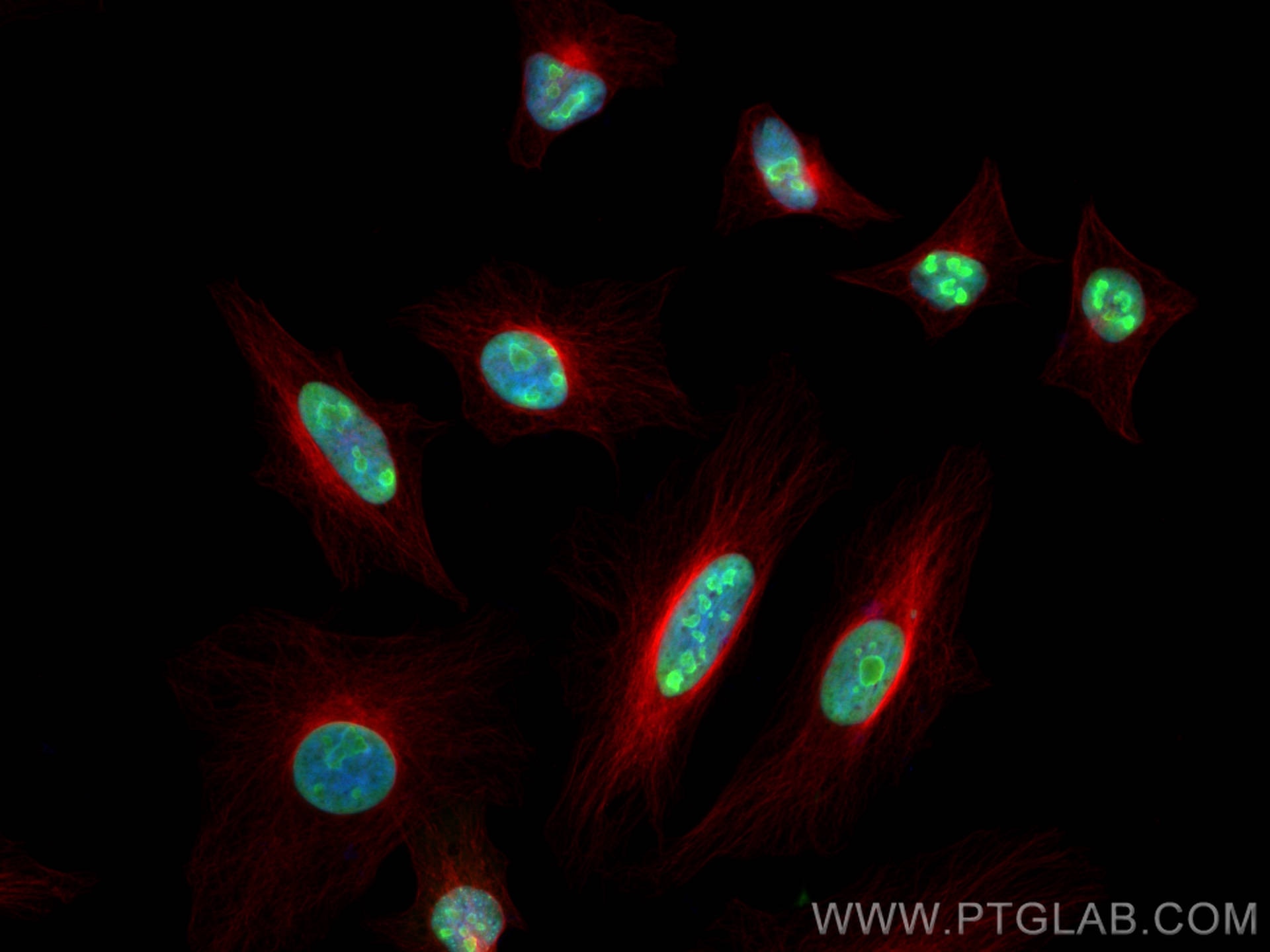
| Positive IF/ICC detected in | HeLa cells |
Recommended dilution
| Application | Dilution |
|---|---|
| Western Blot (WB) | WB : 1:20000-1:100000 |
| Immunoprecipitation (IP) | IP : 0.5-4.0 ug for 1.0-3.0 mg of total protein lysate |
| Immunohistochemistry (IHC) | IHC : 1:250-1:1000 |
| Immunofluorescence (IF)/ICC | IF/ICC : 1:400-1:1600 |
| It is recommended that this reagent should be titrated in each testing system to obtain optimal results. | |
| Sample-dependent, Check data in validation data gallery. | |
Product Information
10306-1-AP targets B23/NPM1 in WB, IHC, IF/ICC, IP, CoIP, ChIP, ELISA applications and shows reactivity with human, rat samples.
| Tested Reactivity | human, rat |
| Cited Reactivity | human, mouse, rat, pig |
| Host / Isotype | Rabbit / IgG |
| Class | Polyclonal |
| Type | Antibody |
| Immunogen |
CatNo: Ag0286 Product name: Recombinant human B23 protein Source: e coli.-derived, PGEX-4T Tag: GST Domain: 1-293 aa of BC002398 Sequence: MEDSMDMDMSPLRPQNYLFGCELKADKDYHFKVDNDENEHQLSLRTVSLGAGAKDELHIVEAEAMNYEGSPIKVTLATLKMSVQPTVSLGGFEITPPVVLRLKCGSGPVHISGQHLVAVEEDAESEDEEEEDVKLLSISGKRSAPGGGSKVPQKKVKLAADEDDDDDDEEDDDEDDDDDDFDDEEAEEKAPVKKSIRDTPAKNAQKSNQNGKDSKPSSTPRSKGQESFKKQEKTPKTPKGPSSVEDIKAKMQASIEKGGSLPKVEAKFINYVKNCFRMTDQEAIQDLWQWRKS Predict reactive species |
| Full Name | nucleophosmin (nucleolar phosphoprotein B23, numatrin) |
| Calculated Molecular Weight | 33 kDa |
| Observed Molecular Weight | 35-40 kDa |
| GenBank Accession Number | BC002398 |
| Gene Symbol | NPM1 |
| Gene ID (NCBI) | 4869 |
| RRID | AB_2155163 |
| Conjugate | Unconjugated |
| Form | Liquid |
| Purification Method | Antigen affinity purification |
| UNIPROT ID | P06748 |
| Storage Buffer | PBS with 0.02% sodium azide and 50% glycerol, pH 7.3. |
| Storage Conditions | Store at -20°C. Stable for one year after shipment. Aliquoting is unnecessary for -20oC storage. 20ul sizes contain 0.1% BSA. |
Background Information
Nucleophosmin (NPM1,B23) is a putative ribosome assembly factor with a high affinity for peptides containing nuclear localization signals (NLSs). The transport of proteins across the nuclear envelope is a selective, multistep process involving several cytoplasmic factors. Proteins must be recognized as import substrates, dock at the nuclear pore complex and translocate across the nuclear envelope in an ATP-dependent fashion. Several cytosolic and nuclear proteins that are central to this process have been identified. The 38 kDa nuclear protein nucleophosmin is involved in ribosomal assembly and rRNA transport. It is an abundant protein that is highly phosphorylated by Cdc2 kinase during mitosis. NPM1 can interact with multiple proteins to form complexes, so the detected molecular weight may sometimes increase.
Protocols
| Product Specific Protocols | |
|---|---|
| IF protocol for B23/NPM1 antibody 10306-1-AP | Download protocol |
| IHC protocol for B23/NPM1 antibody 10306-1-AP | Download protocol |
| IP protocol for B23/NPM1 antibody 10306-1-AP | Download protocol |
| WB protocol for B23/NPM1 antibody 10306-1-AP | Download protocol |
| Standard Protocols | |
|---|---|
| Click here to view our Standard Protocols |
Publications
What published studies show
| Species | Application | Title |
|---|---|---|
Signal Transduct Target Ther Global profiling of O-GlcNAcylated and/or phosphorylated proteins in hepatoblastoma. | ||
Nat Immunol Nucleophosmin 1 promotes mucosal immunity by supporting mitochondrial oxidative phosphorylation and ILC3 activity | ||
Nat Cell Biol Cyclophilin A supports translation of intrinsically disordered proteins and affects haematopoietic stem cell ageing | ||
Cancer Res LNMICC promotes nodal metastasis of cervical cancer by reprogramming fatty acid metabolism. | ||
Nat Commun ASO therapy rescues NOTCH2NLC GGC repeat expansion-induced genomic damage, 3D chromatin structural abnormalities, and senescence. |


