
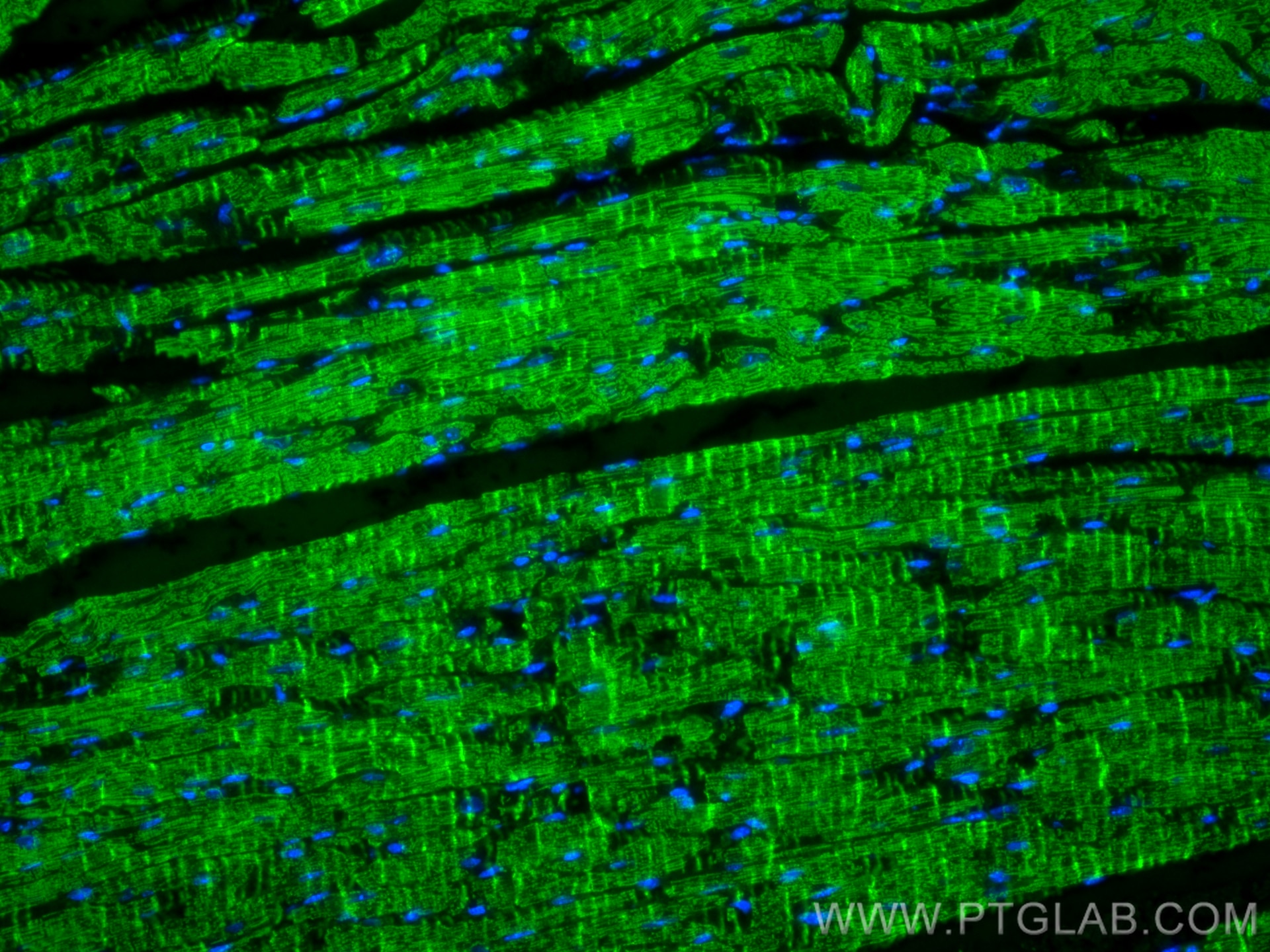
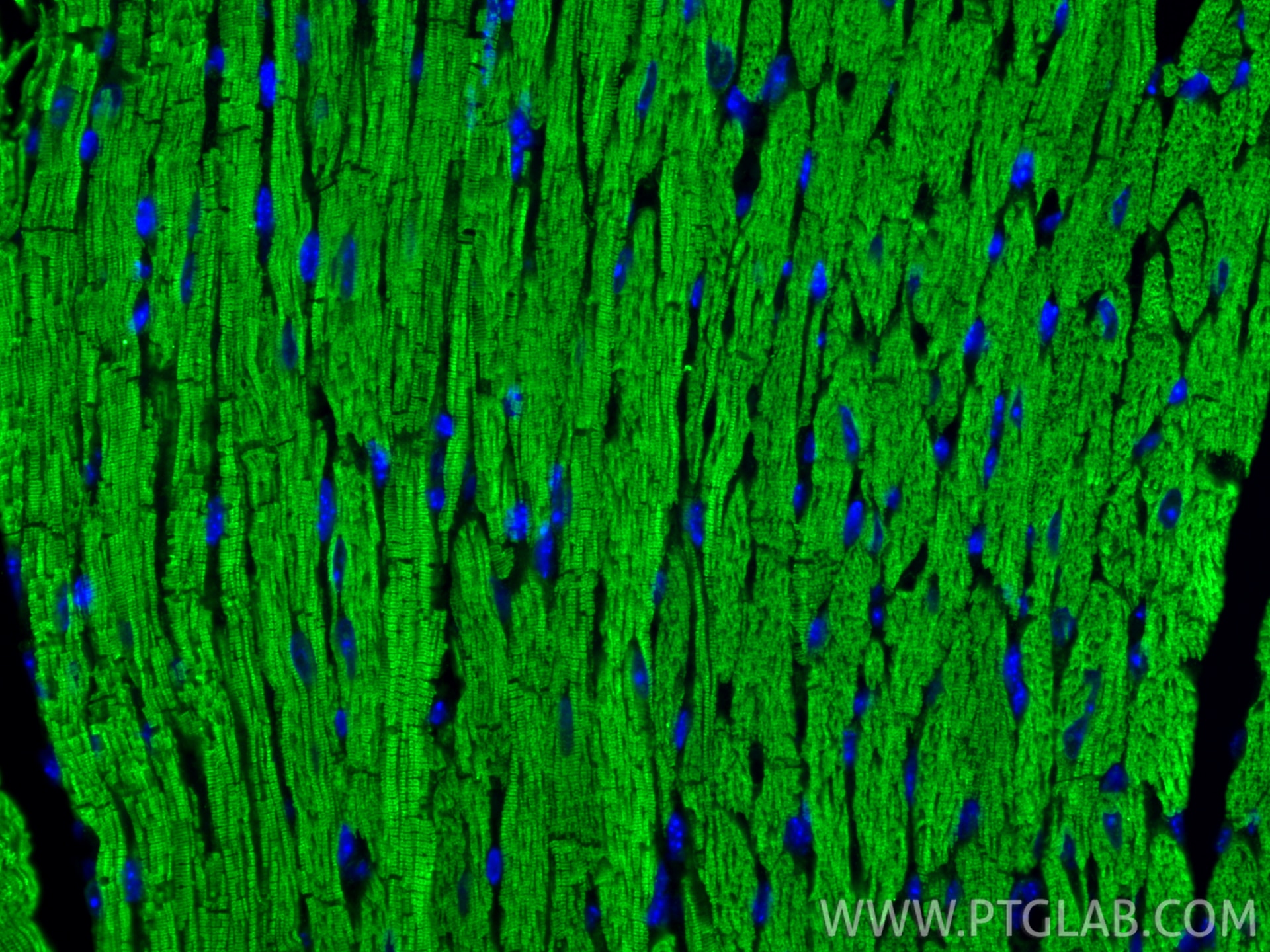
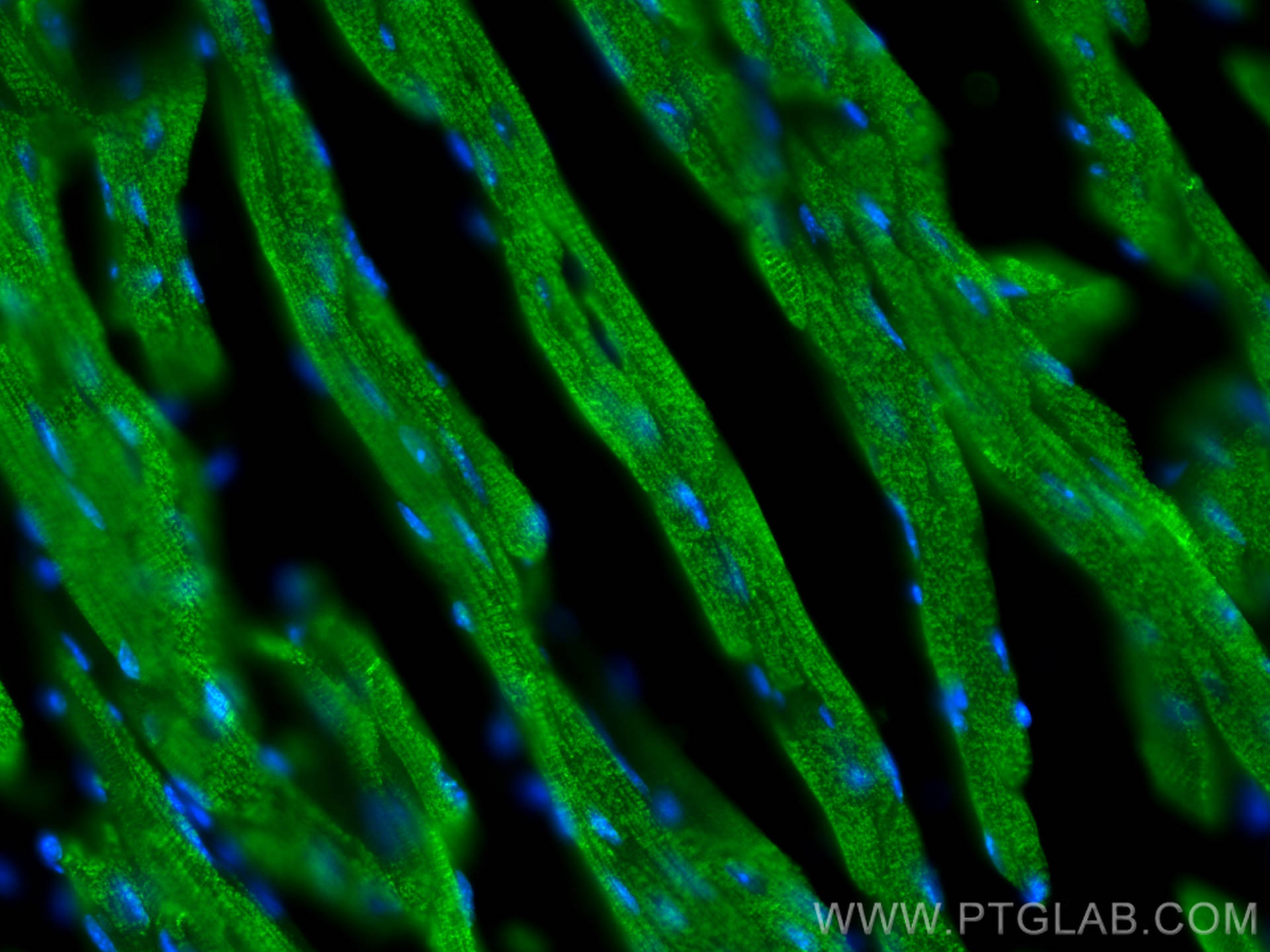
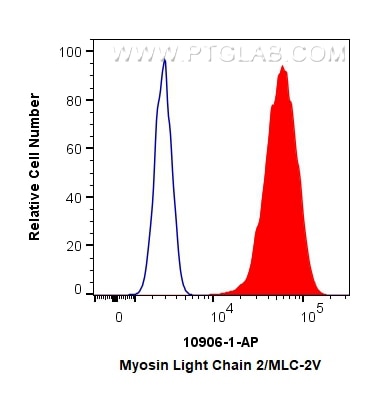

Tested Applications
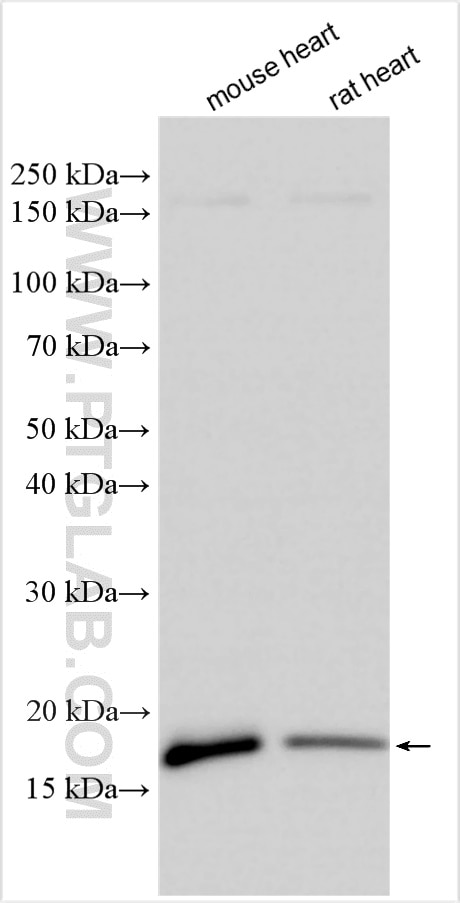
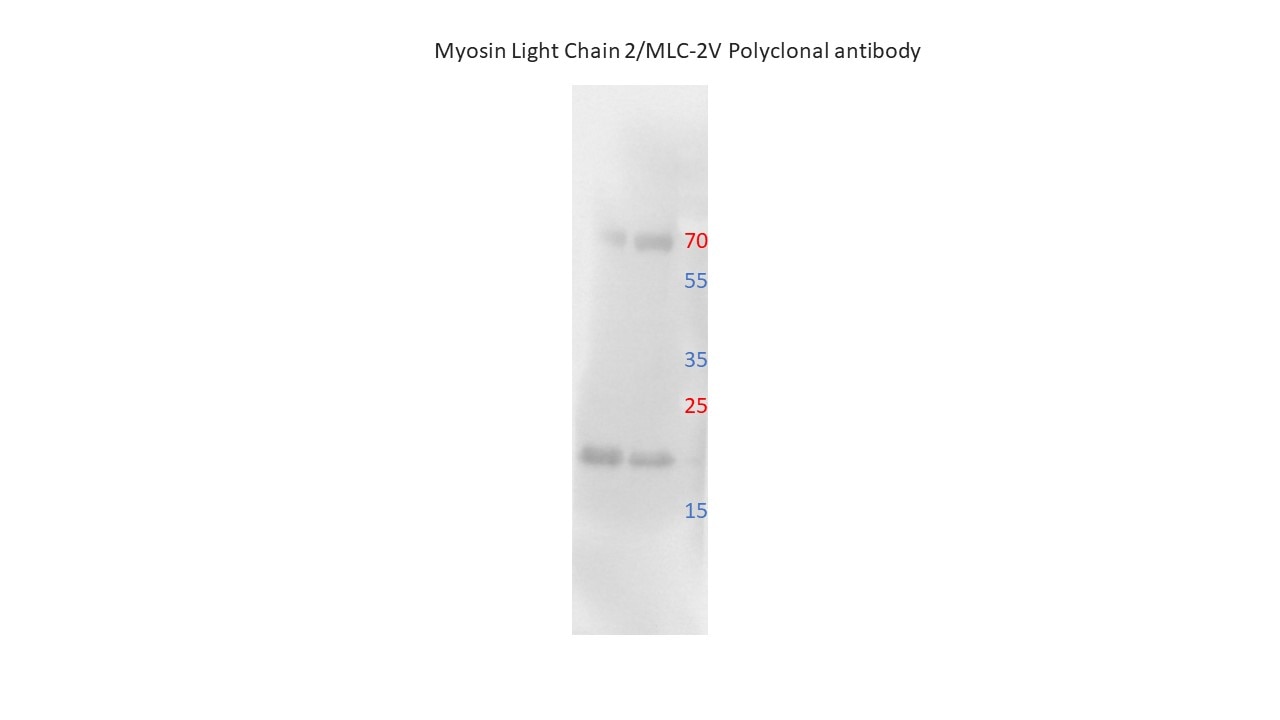
| Positive WB detected in | mouse heart tissue, rat heart tissue |
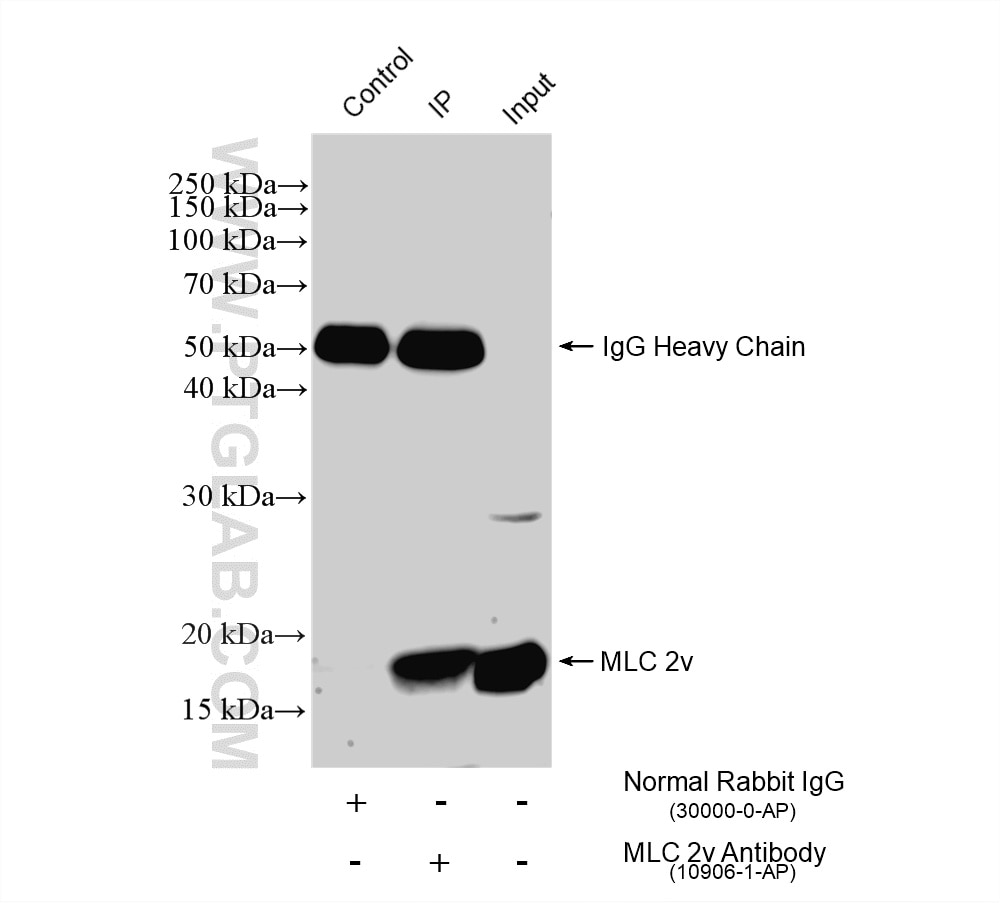
| Positive IP detected in | mouse heart tissue |
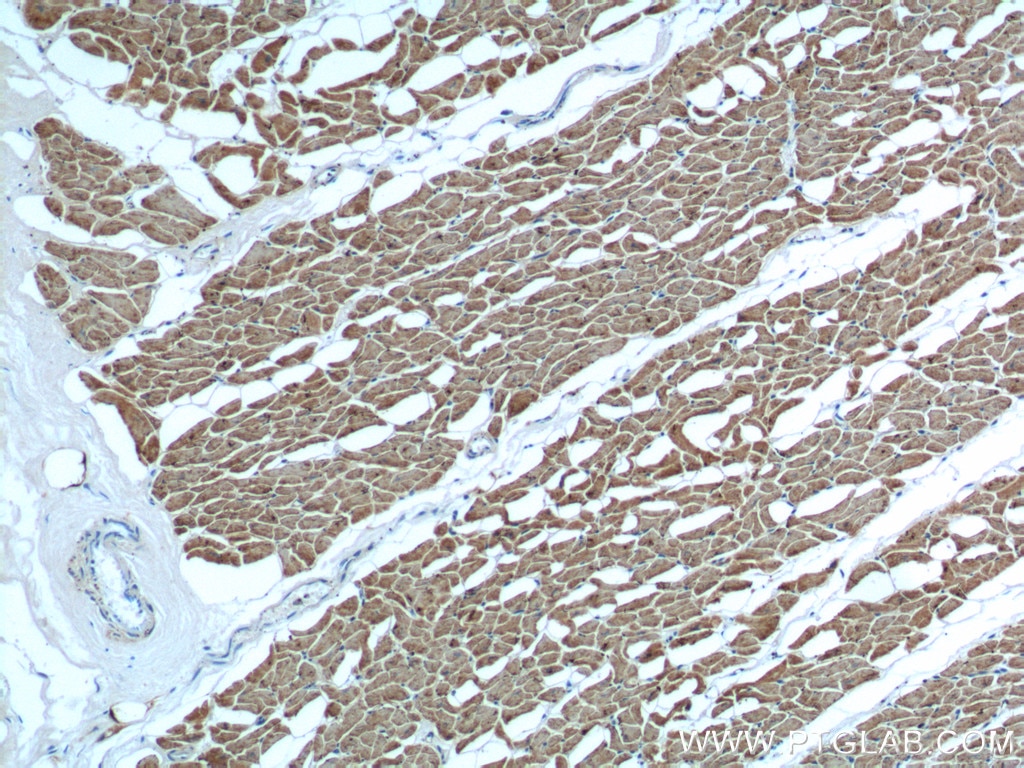
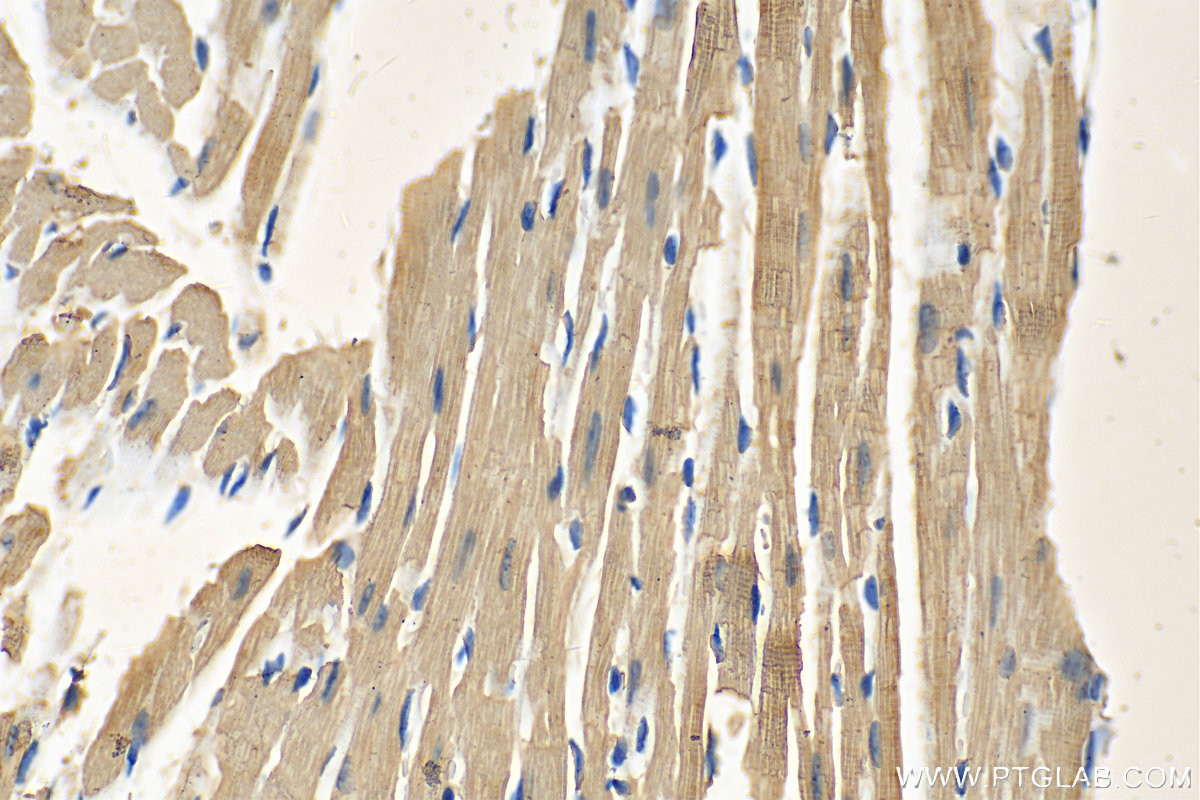
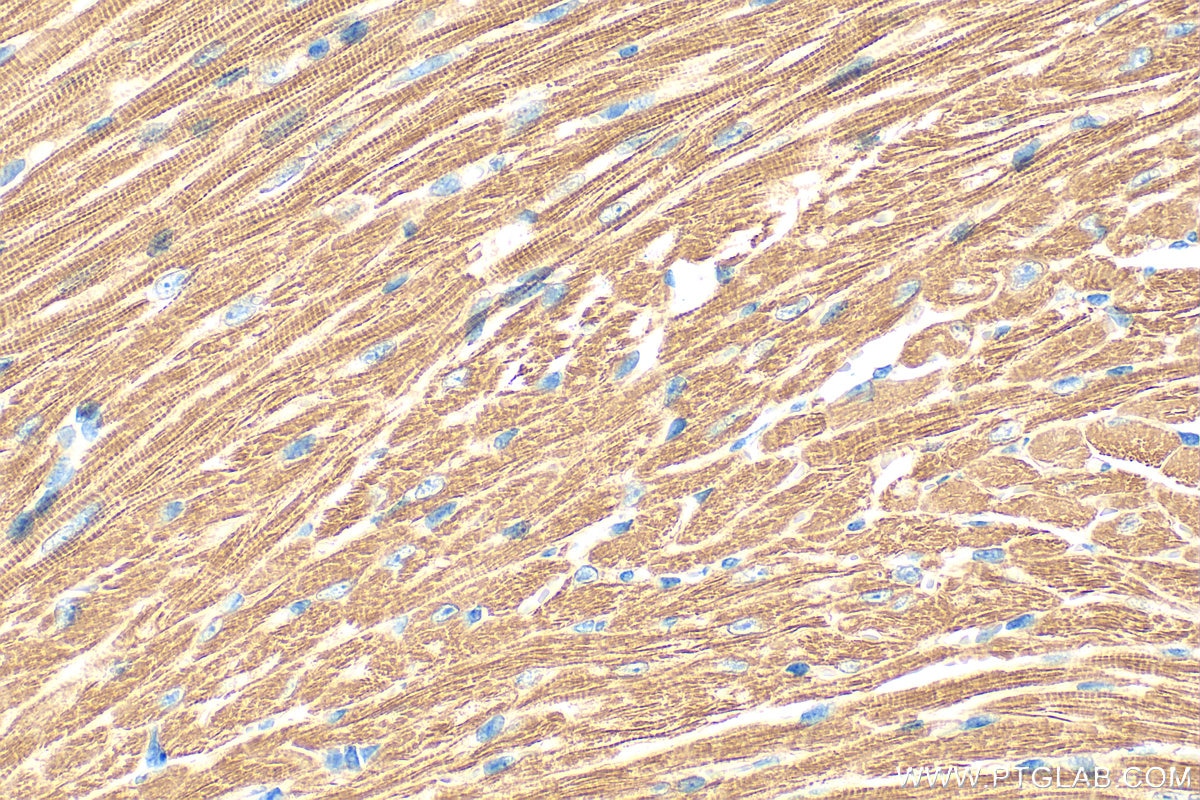
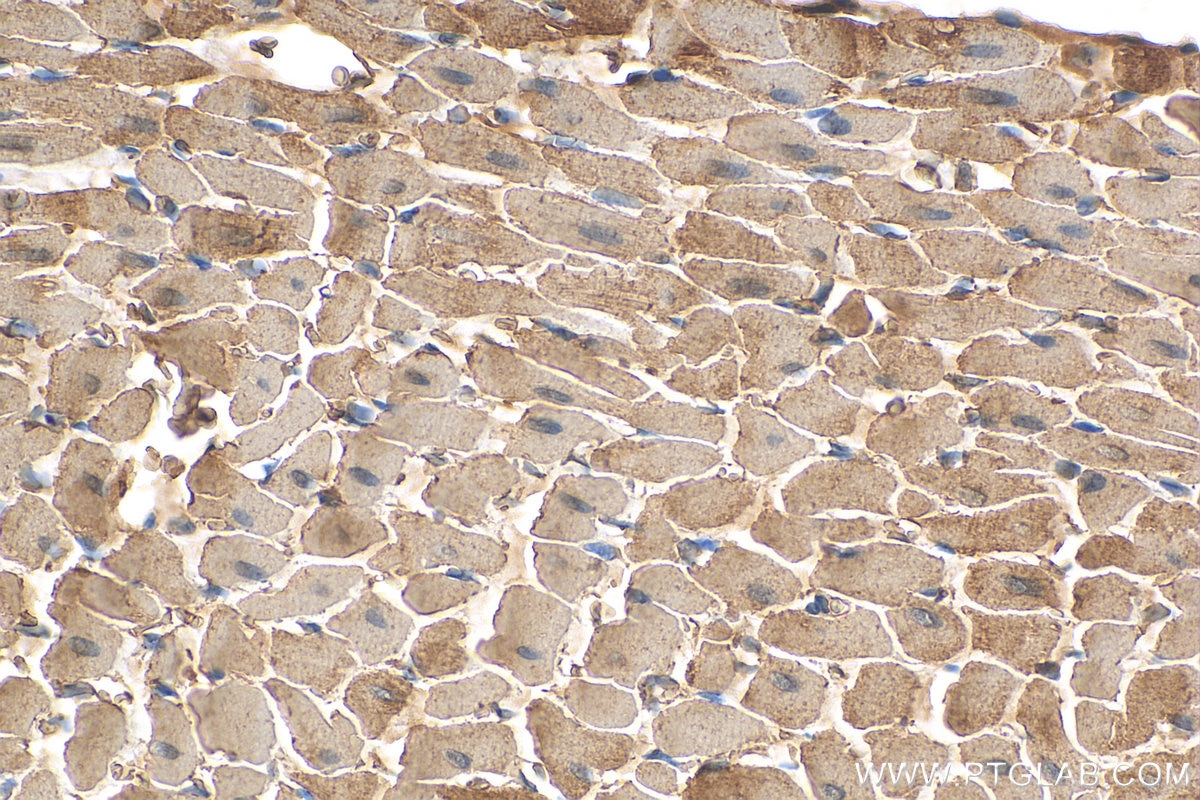
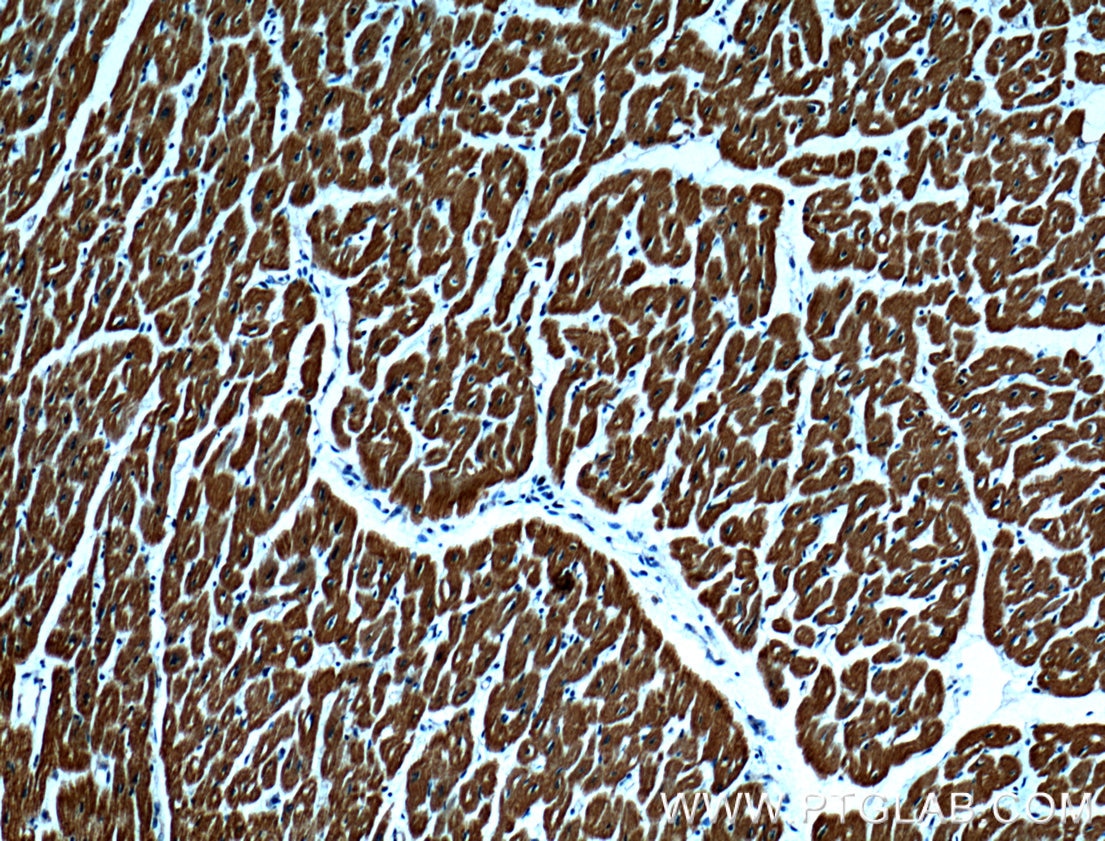
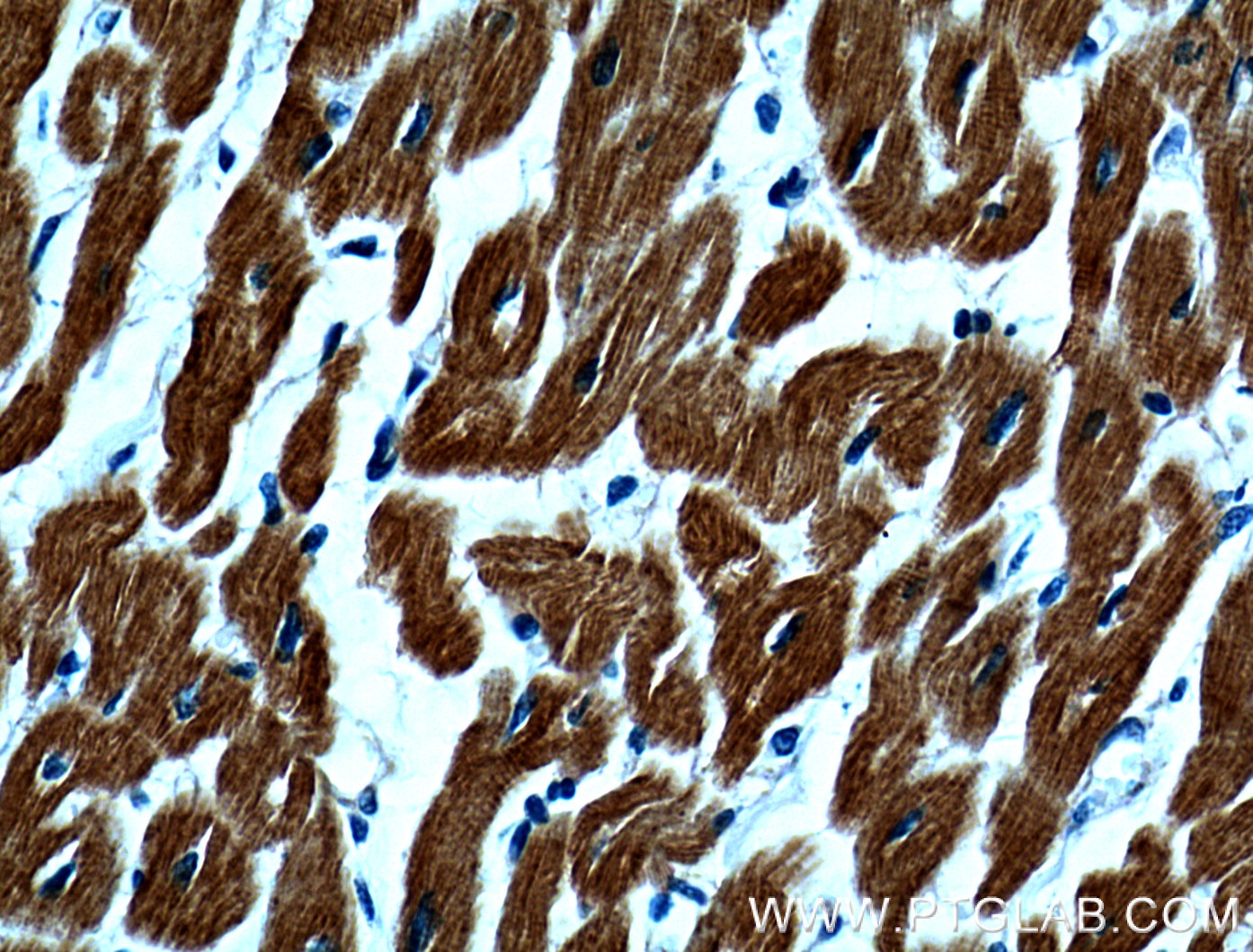
| Positive IHC detected in | mouse heart tissue, human heart tissue, rat heart tissue Note: suggested antigen retrieval with TE buffer pH 9.0; (*) Alternatively, antigen retrieval may be performed with citrate buffer pH 6.0 |
| Positive IF-P detected in | mouse heart tissue |
| Positive IF-Fro detected in | mouse heart tissue |
| Positive FC (Intra) detected in | C2C12 cells |
Recommended dilution
| Application | Dilution |
|---|---|
| Western Blot (WB) | WB : 1:2000-1:16000 |
| Immunoprecipitation (IP) | IP : 0.5-4.0 ug for 1.0-3.0 mg of total protein lysate |
| Immunohistochemistry (IHC) | IHC : 1:500-1:2000 |
| Immunofluorescence (IF)-P | IF-P : 1:200-1:800 |
| Immunofluorescence (IF)-FRO | IF-FRO : 1:50-1:500 |
| Flow Cytometry (FC) (INTRA) | FC (INTRA) : 0.40 ug per 10^6 cells in a 100 µl suspension |
| It is recommended that this reagent should be titrated in each testing system to obtain optimal results. | |
| Sample-dependent, Check data in validation data gallery. | |
Product Information
10906-1-AP targets Myosin Light Chain 2/MLC-2V in WB, IHC, IF-P, IF-Fro, FC (Intra), IP, ELISA applications and shows reactivity with human, mouse, rat, zebrafish samples.
| Tested Reactivity | human, mouse, rat, zebrafish |
| Cited Reactivity | human, mouse, rat, pig, monkey, zebrafish |
| Host / Isotype | Rabbit / IgG |
| Class | Polyclonal |
| Type | Antibody |
| Immunogen |
CatNo: Ag1356 Product name: Recombinant human MYL2 protein Source: e coli.-derived, PGEX-4T Tag: GST Domain: 1-166 aa of BC015821 Sequence: MAPKKAKKRAGGANSNVFSMFEQTQIQEFKEAFTIMDQNRDGFIDKNDLRDTFAALGRVNVKNEEIDEMIKEAPGPINFTVFLTMFGEKLKGADPEETILNAFKVFDPEGKGVLKADYVREMLTTQAERFSKEEVDQMFAAFPPDVTGNLDYKNLVHIITHGEEKD Predict reactive species |
| Full Name | myosin, light chain 2, regulatory, cardiac, slow |
| Calculated Molecular Weight | 19 kDa |
| Observed Molecular Weight | 19 kDa |
| GenBank Accession Number | BC015821 |
| Gene Symbol | Myosin Light Chain 2 |
| Gene ID (NCBI) | 4633 |
| RRID | AB_2147453 |
| Conjugate | Unconjugated |
| Form | Liquid |
| Purification Method | Antigen affinity purification |
| UNIPROT ID | P10916 |
| Storage Buffer | PBS with 0.02% sodium azide and 50% glycerol, pH 7.3. |
| Storage Conditions | Store at -20°C. Stable for one year after shipment. Aliquoting is unnecessary for -20oC storage. 20ul sizes contain 0.1% BSA. |
Background Information
Background
MYL2 belongs to the myosin family of motor proteins. Their common features are ATP hydrolysis, actin binding, and potential for kinetic energy transduction. MYL2 stands for Myosin regulatory light chain 2, ventricular/cardiac muscle isoform (MLC-2), also known as the regulatory light chain of myosin (RLC). This isoform is distinct from those expressed in skeletal muscle (MYLPF), smooth muscle (MYL12B), and cardiac atrial muscle (MYL7) (PMID: 21345328). Due to its tissue specificity, MYL2 has been widely used as a marker of mature ventricular cardiomyocytes.
What is the molecular weight of MYL2?
There are two isoforms of this protein in humans that differ only slightly in length and produce proteins composed of 152 and 166 aa, which correspond to about 19 kDa (PMID: 16678204).
What is the subcellular localization of MYL2?
It is uniquely expressed in the cytoplasm of heart muscles. It colocalizes with actin cytoskeleton staining.
What is the tissue specificity of MYL2?
MYL2 is specifically expressed in ventricular cardiac tissue.
What is the function of MYL2 in cardiac tissue?
MYL2 is a contractile protein that plays a role in heart development and function. During cardiogenesis it plays an early role in cardiac contractility by promoting cardiac myofibril assembly and represents one of the earliest markers of ventricular specification (PMID 8506363).
In general, MYL2 interacts with the neck/tail region of the muscle thick filament protein myosin to regulate myosin motility and function (PMID 8316858). Its N-terminal domain is responsible for calcium and magnesium binding at their activating concentrations. This induces a functionally important conformational change (PMID: 18202317). However, the ion dissociation rate is not fast enough to modulate cardiac contractility on a beat-by-beat basis (PMIDs: 188447, 8804617). In addition, RLC function can be modulated by posttranslational modifications such as phosphorylation and deamidation in the N-terminal region. As a result, a significant change in the charge of the protein is introduced, which undoubtedly alters its interaction with the C-terminal myosin alpha-helical domain (PMID: 26074085).
What is MYL2's involvement in disease?
Diseases associated with MYL2 dysfunction include forms of familial hypertrophic cardiomyopathies, congenital fiber-type disproportion, and heart failure (PMID: 26074085).
Protocols
| Product Specific Protocols | |
|---|---|
| FC protocol for Myosin Light Chain 2/MLC-2V antibody 10906-1-AP | Download protocol |
| IF protocol for Myosin Light Chain 2/MLC-2V antibody 10906-1-AP | Download protocol |
| IHC protocol for Myosin Light Chain 2/MLC-2V antibody 10906-1-AP | Download protocol |
| IP protocol for Myosin Light Chain 2/MLC-2V antibody 10906-1-AP | Download protocol |
| WB protocol for Myosin Light Chain 2/MLC-2V antibody 10906-1-AP | Download protocol |
| Standard Protocols | |
|---|---|
| Click here to view our Standard Protocols |
Publications
What published studies show
The Myosin Light Chain 2/MLC-2V Polyclonal antibody (Cat# 10906-1-AP) has 269 citations spanning high-impact journals including Science, Nature Communications, Cell Stem Cell, Nature Methods, Circulation, and Nature Protocols. Key research fields include cardiac stem cell differentiation and maturation, engineered heart tissue, cardiomyopathy and arrhythmia modeling, cardiotoxicity drug screening, intestinal barrier dysfunction, cytoskeletal regulation via RhoA/ROCK/MLC signaling, cancer biology, and fibrosis.
| Species | Application | Title |
|---|---|---|
Science Conversion of human fibroblasts into functional cardiomyocytes by small molecules. | ||
Eur Heart J Development of a reentrant arrhythmia model in human pluripotent stem cell-derived cardiac cell sheets. | ||
Mol Cancer RHOA lactylation at oncogenic hotspots promotes oncogenic activity and protein stabilization | ||
Circulation Contractile Force of Transplanted Cardiomyocytes Actively Supports Heart Function After Injury | ||
Cell Metab Glutamine Oxidation Is Indispensable for Survival of Human Pluripotent Stem Cells. | ||
Cell Res Direct differentiation of atrial and ventricular myocytes from human embryonic stem cells by alternating retinoid signals. |
Reviews
What customers say
Most reviewers (6 of 7) rate this antibody 5 stars, praising its strong, specific performance in Western Blot across diverse samples including mouse heart tissue, glioblastoma cells, iPSC-derived cardiomyocytes, and heart lysates. Recommended dilutions range from 1:800 to 1:1000. One reviewer also confirmed excellent results in immunofluorescence on iPSC-derived ventricular cardiomyocytes at 1:500. A single 1-star review reported non-specific binding in Jurkat cell lysate with a faint ~17 kDa band. Overall, the antibody is well-regarded for its specificity and signal strength, particularly in cardiac and neural applications.
The reviews below have been submitted by verified Proteintech customers who received an incentive for providing their feedback.
Udesh (Verified Customer) (12-29-2023) | Worked well for WB at 1:1000 in Glioma cells
|
Brice-Emmanuel (Verified Customer) (12-18-2023) | Works very well in WB, even after more than 10 days at room temperature due to a delivery problem.
 |
Rebecca (Verified Customer) (10-28-2022) | 20ug of protein were loaded. Transference was performed at 4ºC and 90V for 2h. Antibody incubation was done ON at 4ºC.
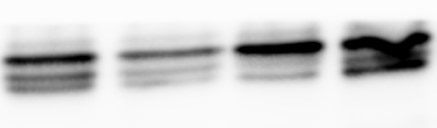 |
WEI (Verified Customer) (05-11-2022) | Strong, specific band for heart tissues
|
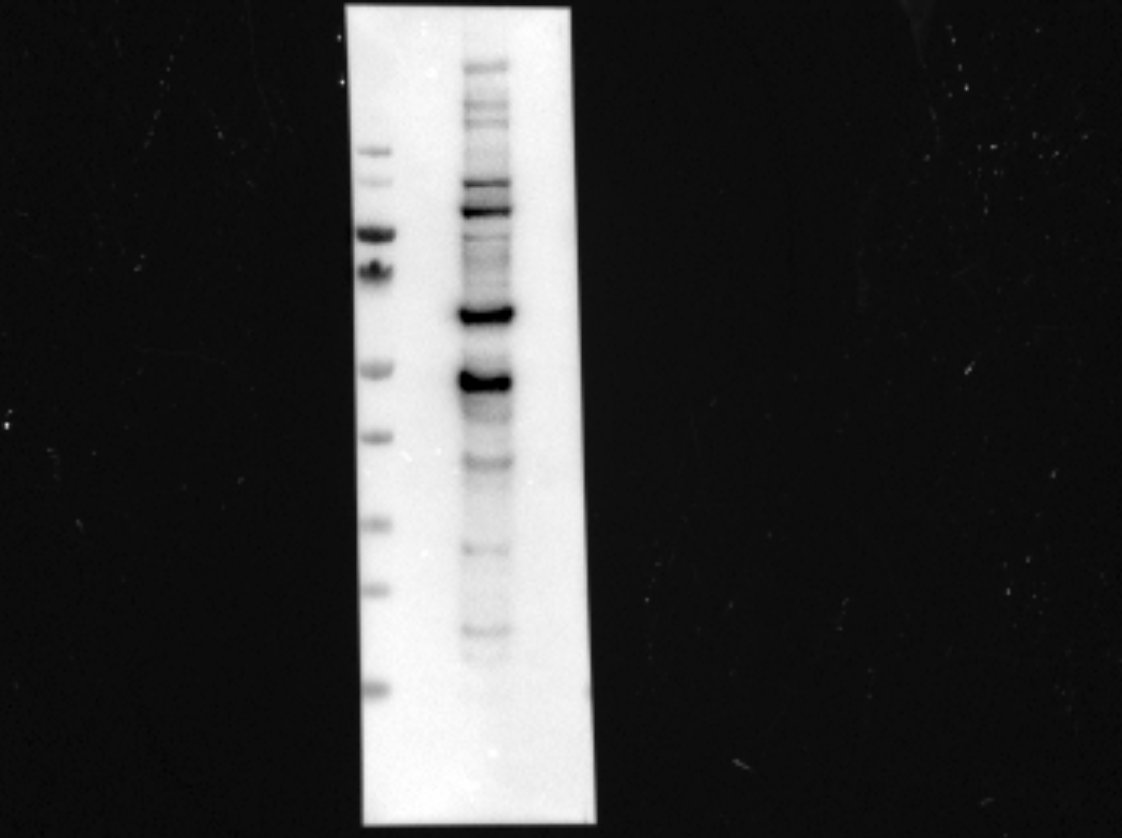
Irem (Verified Customer) (04-19-2022) | This antibody unspecifically recognizes at least four proteins in Jurkat cell lysate. The specific band, around 17 kDa, is so faint.
 |
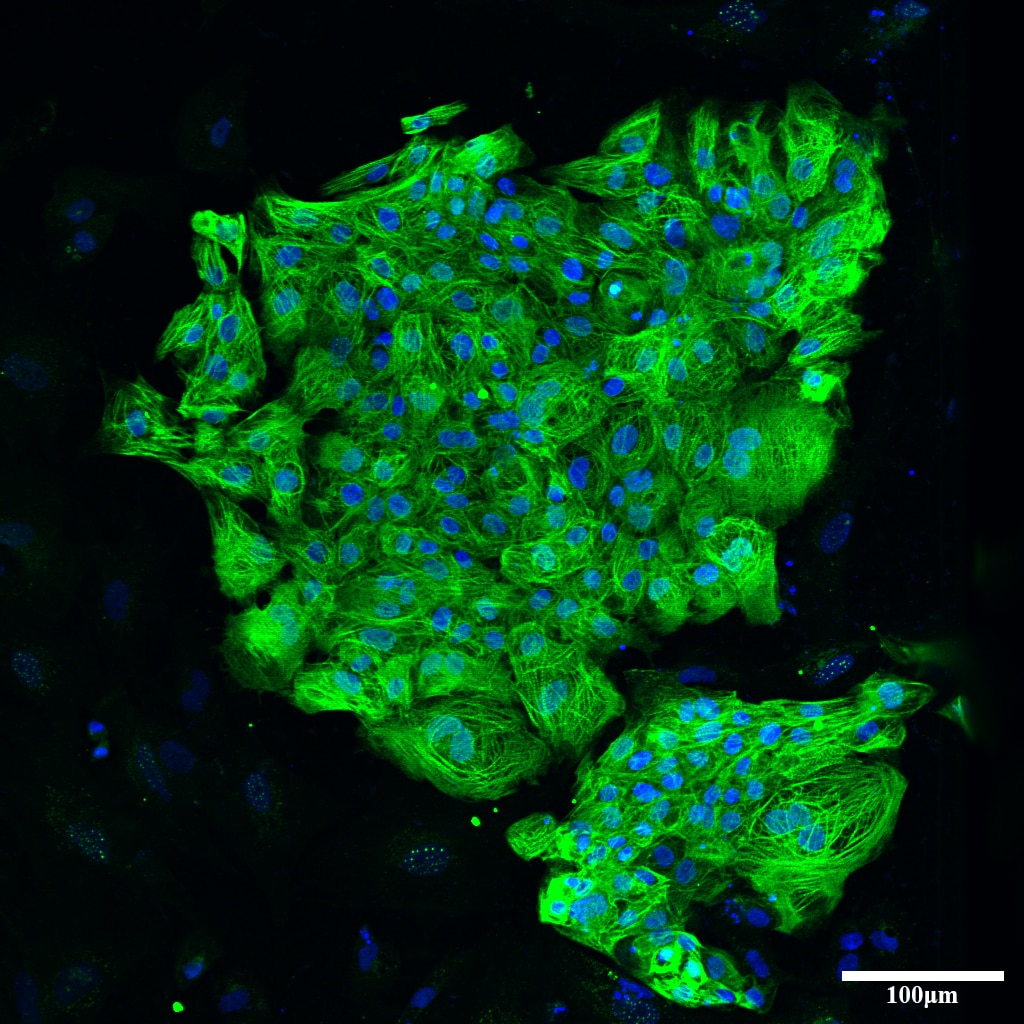
Ning (Verified Customer) (02-20-2022) | This antibody works very well in immunofluorescence staining for iPSC-derived ventricular cardiomyocytes.
 |
Tongbin (Verified Customer) (08-25-2020) | This MLC2 antibody works very well in western blots.
|


