

Tested Applications
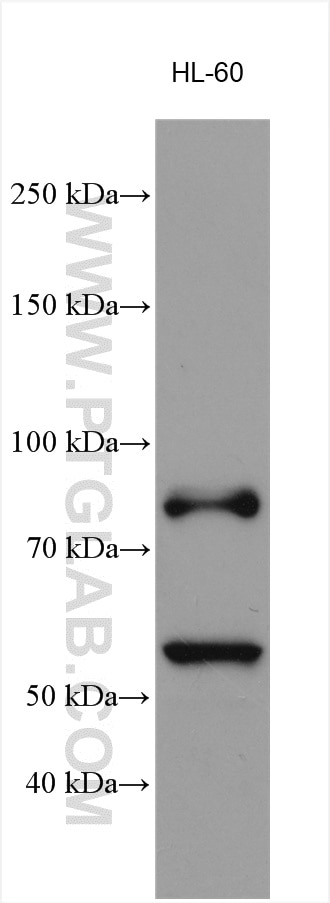
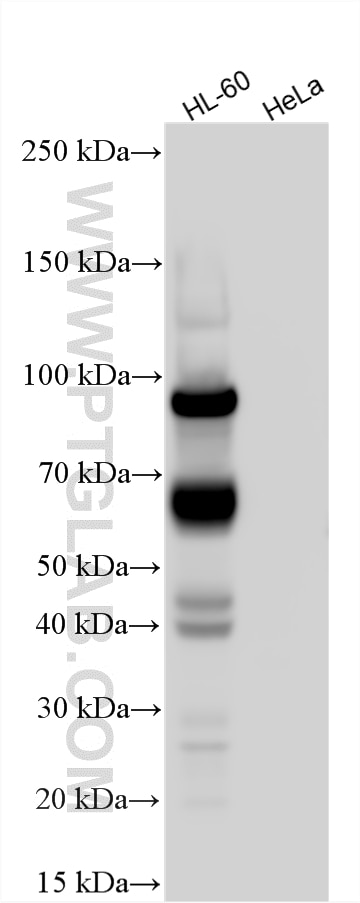
| Positive WB detected in | HL-60 cells |
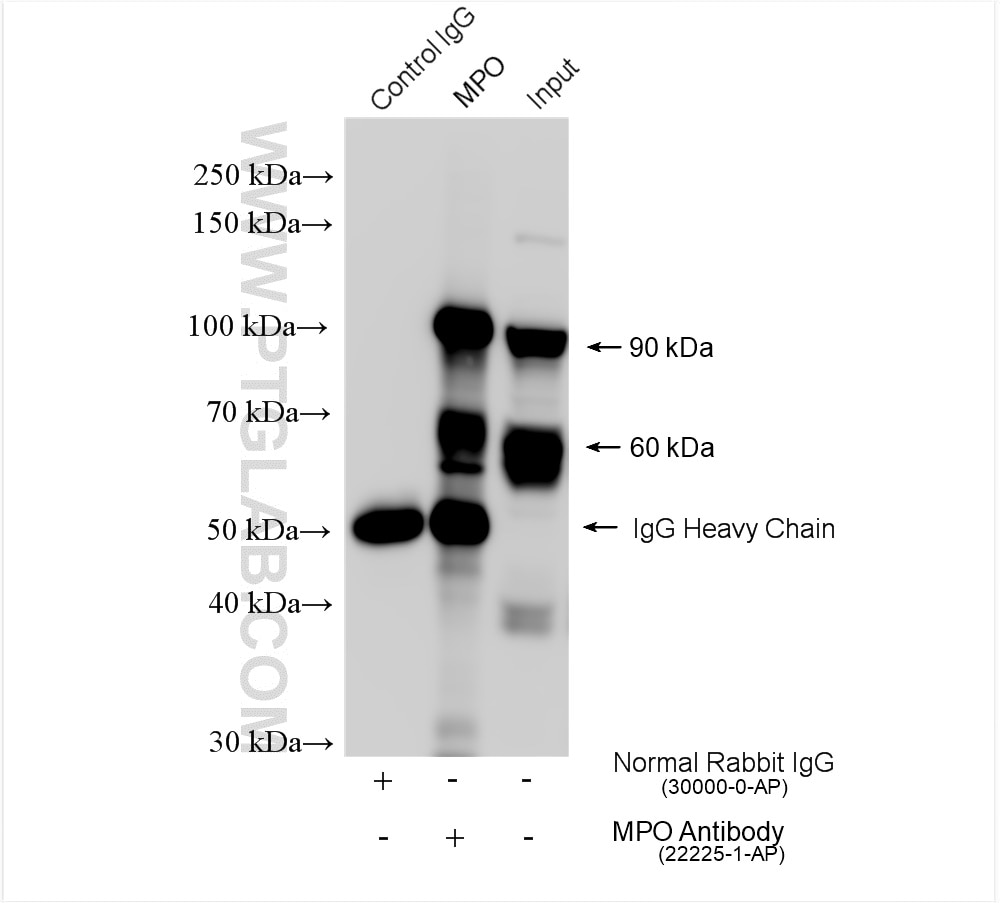
| Positive IP detected in | HL-60 cells |
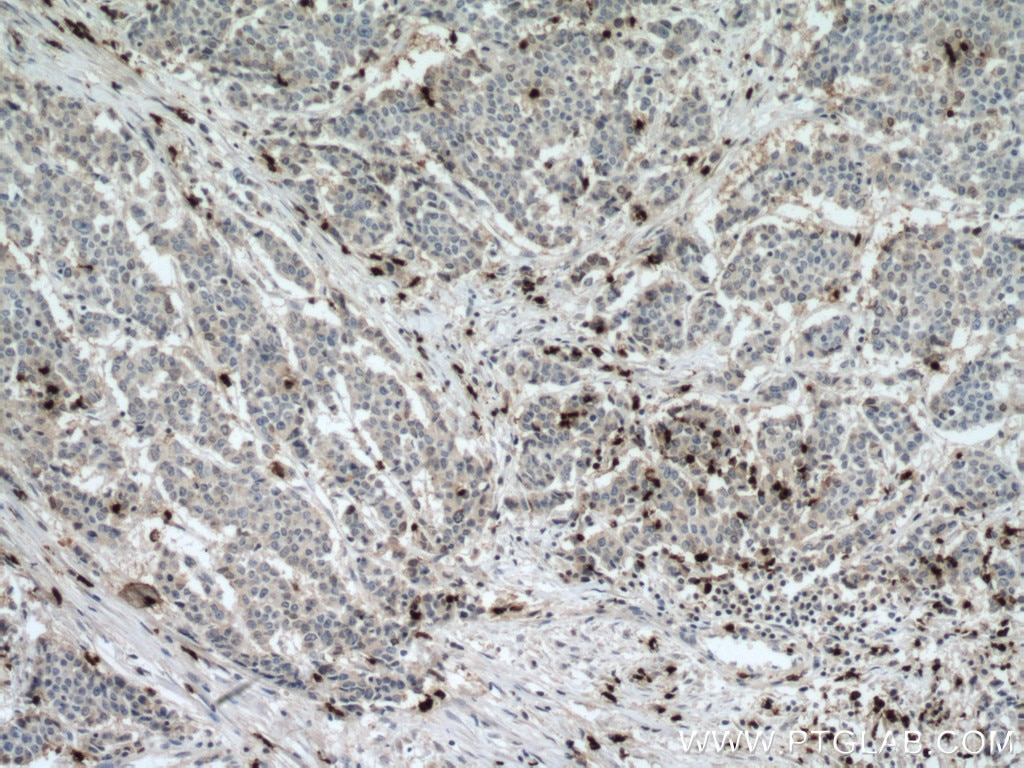
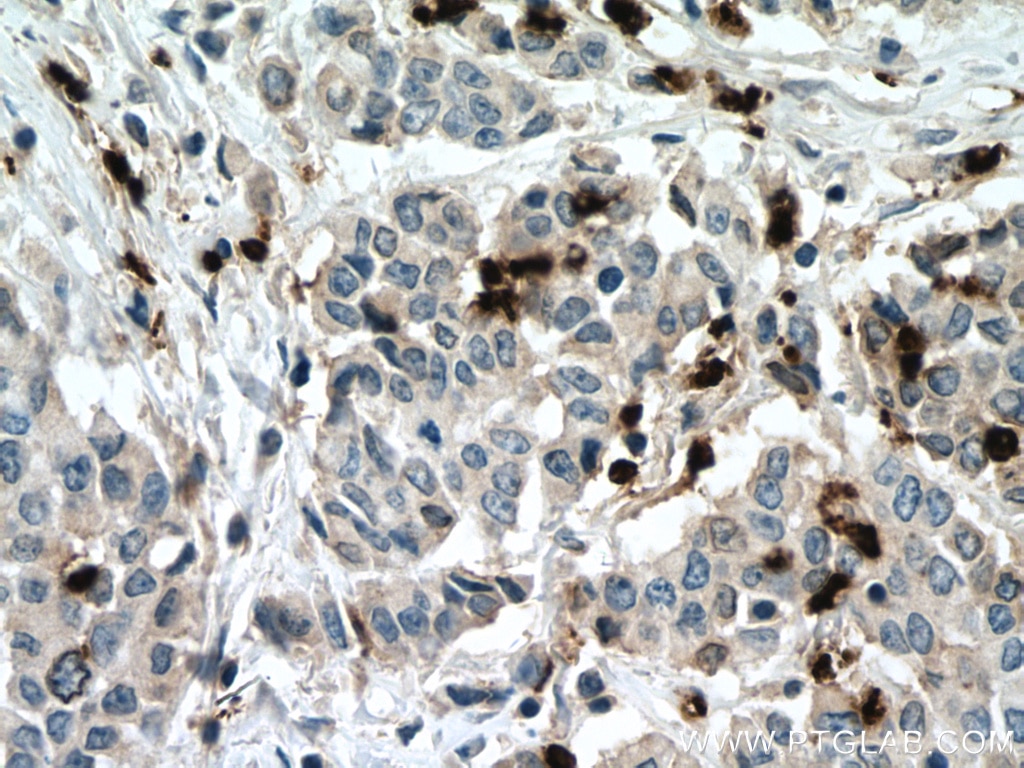
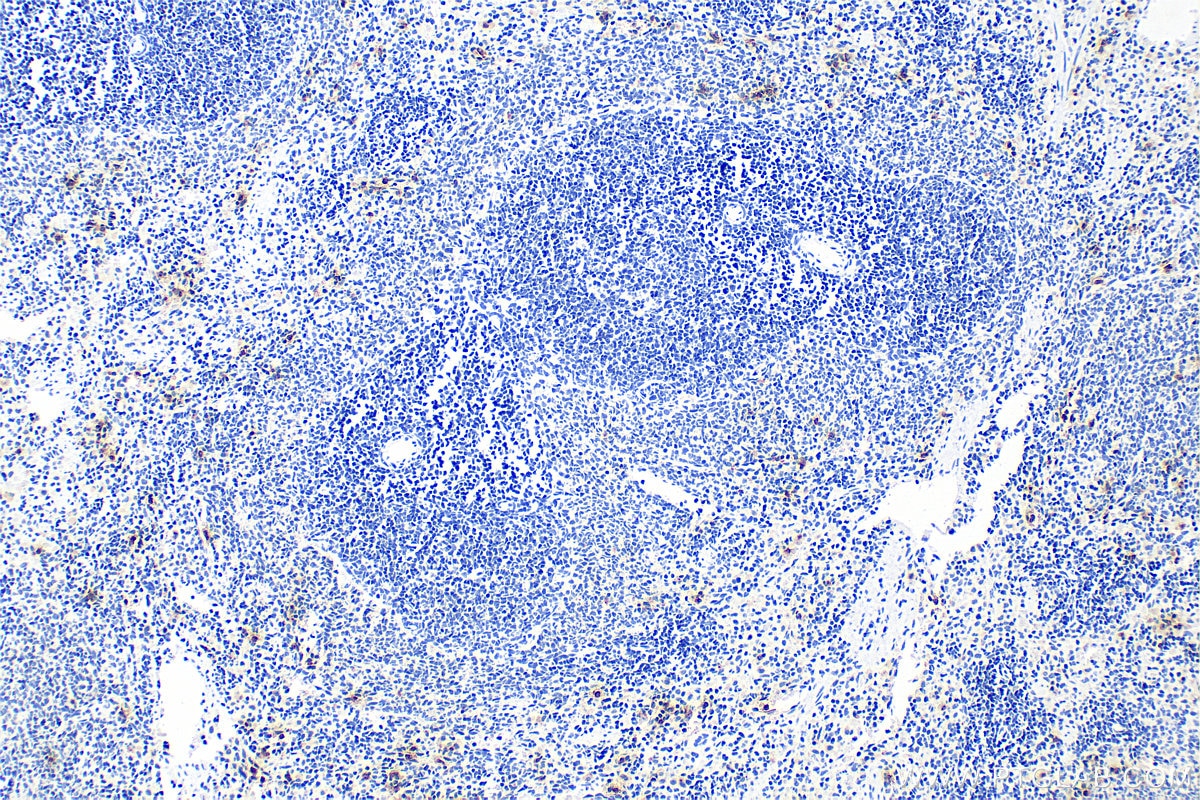
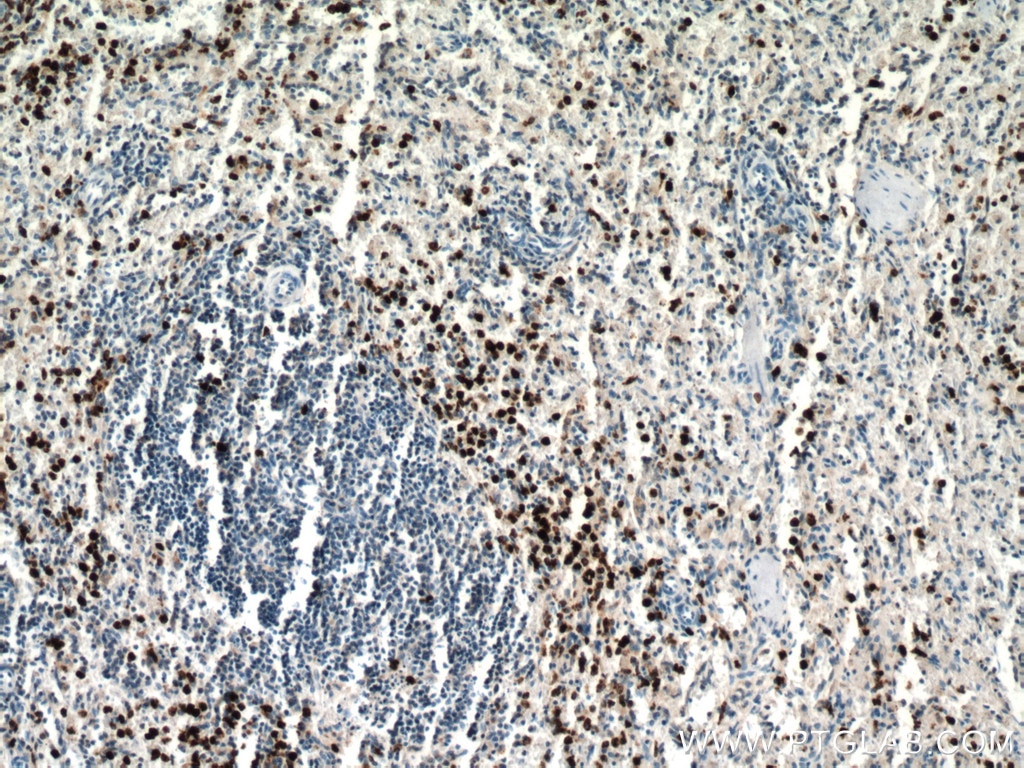
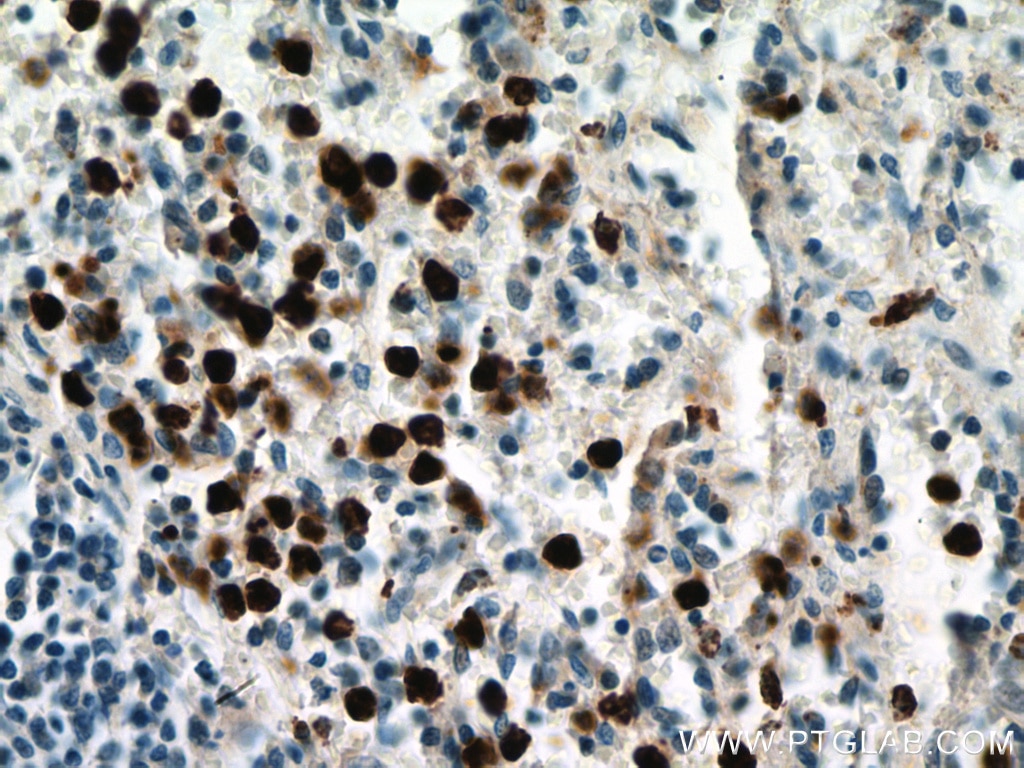
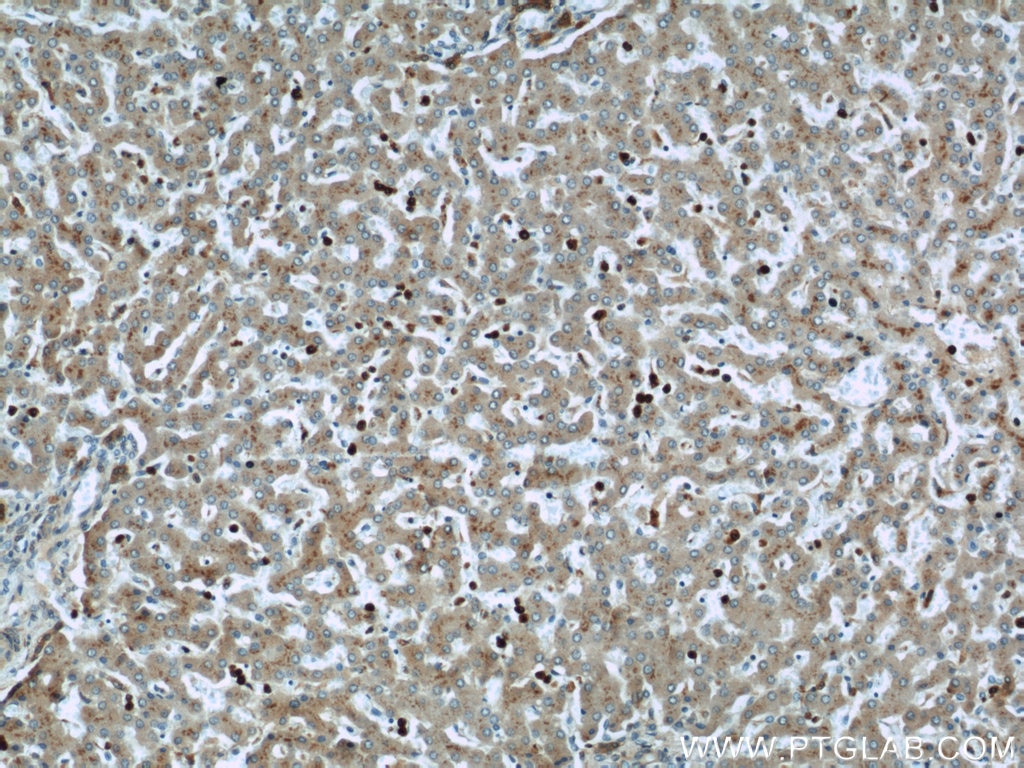
| Positive IHC detected in | human colon cancer tissue, human liver tissue, human spleen tissue, rat spleen tissue Note: suggested antigen retrieval with TE buffer pH 9.0; (*) Alternatively, antigen retrieval may be performed with citrate buffer pH 6.0 |
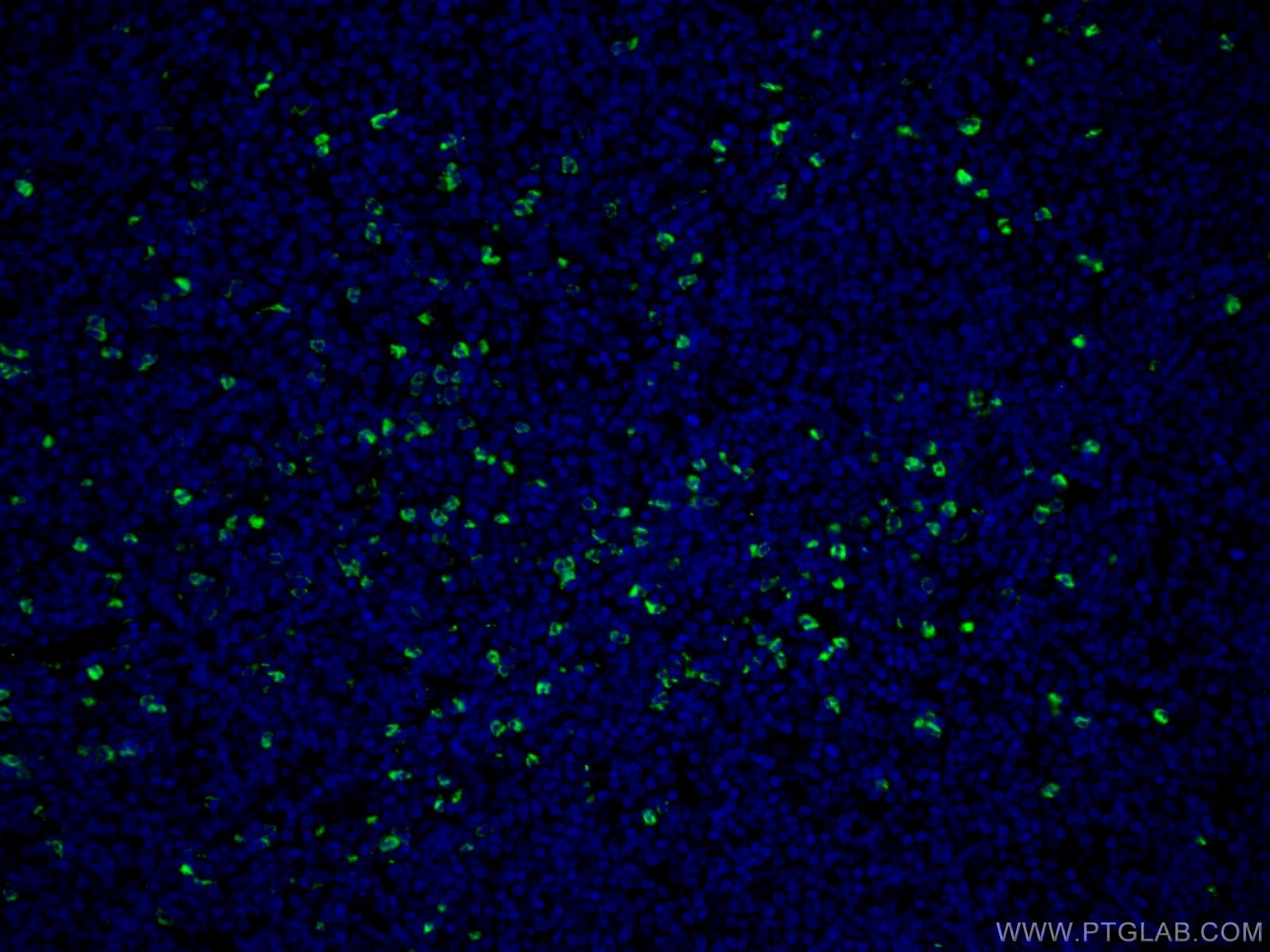
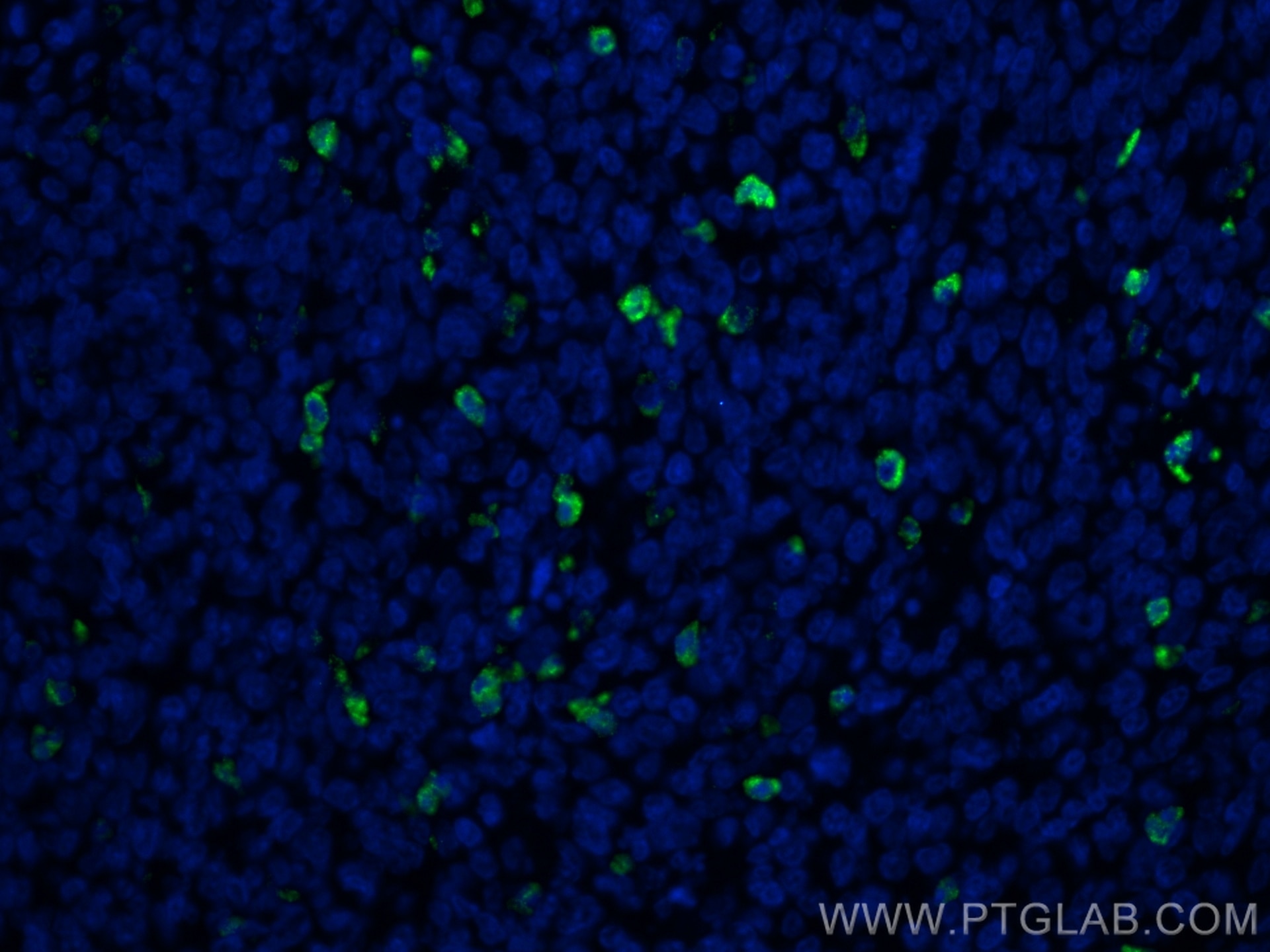
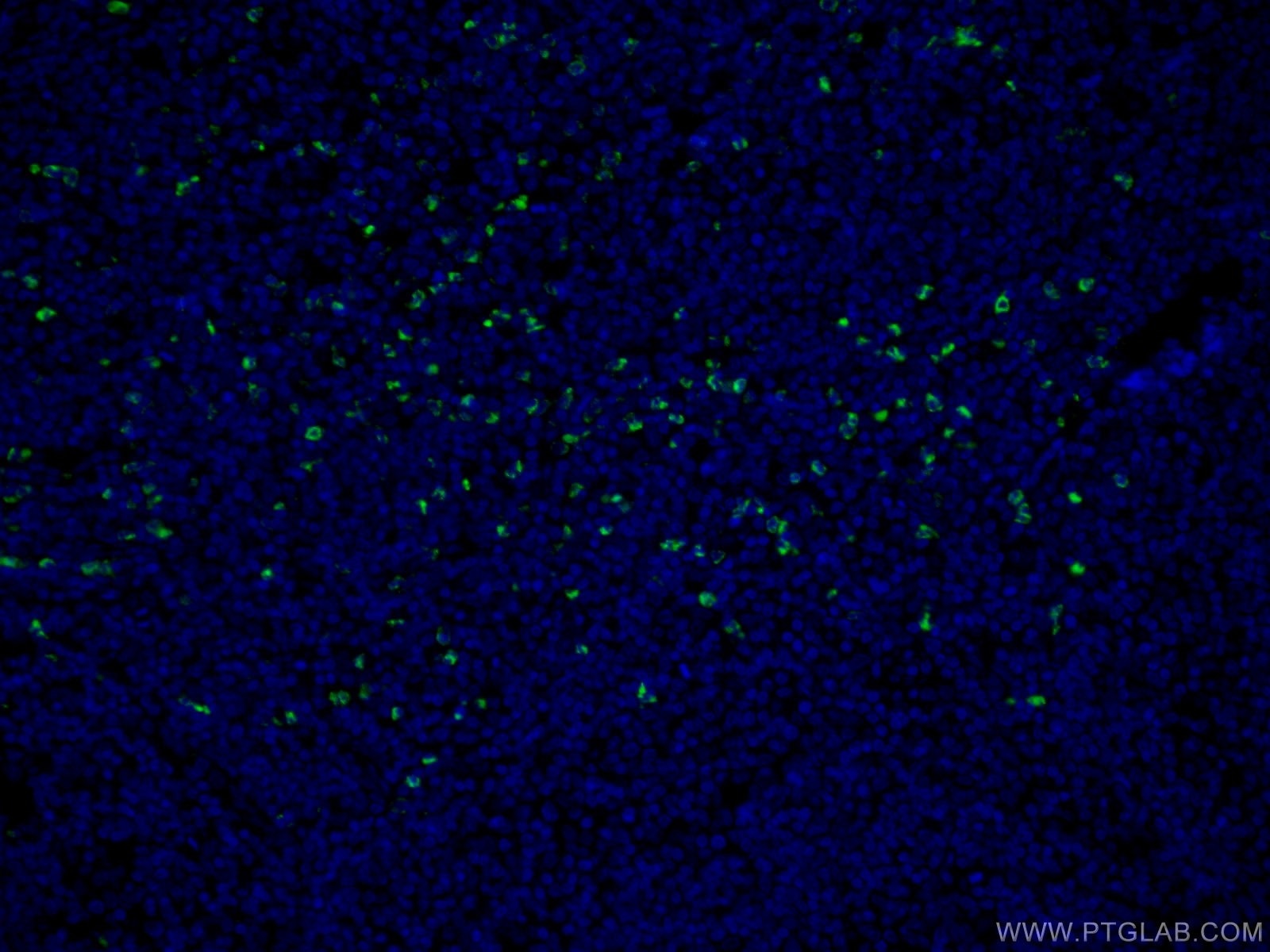
| Positive IF-P detected in | human tonsillitis tissue |
Recommended dilution
| Application | Dilution |
|---|---|
| Western Blot (WB) | WB : 1:1000-1:6000 |
| Immunoprecipitation (IP) | IP : 0.5-4.0 ug for 1.0-3.0 mg of total protein lysate |
| Immunohistochemistry (IHC) | IHC : 1:50-1:500 |
| Immunofluorescence (IF)-P | IF-P : 1:50-1:500 |
| It is recommended that this reagent should be titrated in each testing system to obtain optimal results. | |
| Sample-dependent, Check data in validation data gallery. | |
Product Information
22225-1-AP targets MPO in WB, IHC, IF-P, IP, ELISA applications and shows reactivity with human, mouse, rat samples.
| Tested Reactivity | human, mouse, rat |
| Cited Reactivity | human, mouse, rat, bovine, hamster |
| Host / Isotype | Rabbit / IgG |
| Class | Polyclonal |
| Type | Antibody |
| Immunogen |
CatNo: Ag17564 Product name: Recombinant human MPO protein Source: e coli.-derived, PGEX-4T Tag: GST Domain: 606-657 aa of BC130476 Sequence: CGLPQPETVGQLGTVLRNLKLARKLMEQYGTPNNIDIWMGGVSEPLKRKGRV Predict reactive species |
| Full Name | myeloperoxidase |
| Calculated Molecular Weight | 745 aa, 84 kDa |
| Observed Molecular Weight | 59 kDa |
| GenBank Accession Number | BC130476 |
| Gene Symbol | MPO |
| Gene ID (NCBI) | 4353 |
| RRID | AB_2879037 |
| Conjugate | Unconjugated |
| Form | Liquid |
| Purification Method | Antigen affinity purification |
| UNIPROT ID | P05164 |
| Storage Buffer | PBS with 0.02% sodium azide and 50% glycerol, pH 7.3. |
| Storage Conditions | Store at -20°C. Stable for one year after shipment. Aliquoting is unnecessary for -20oC storage. 20ul sizes contain 0.1% BSA. |
Background Information
The MPO gene encodes myeloperoxidase, a lysosomal hemoprotein located in the azurophilic granules of polymorphonuclear (PMN) leukocytes and monocytes. In response to stimulation, MPO is activated into a transient intermediate with potent antimicrobial oxidizing abilities(PMID:17650507). The mRNA is translated into a single protein of 90 kDa, which displays enzymatic activity and undergoes proteolytic maturation into a heavy chain of 59 kDa and a light chain of 13.5 kDa; these subunits then dimerize into the mature tetramer and the mature MPO is a heterotetramer composed of two identical heavy chains and two identical light chains(PMID:12773517). Fragments with molecular masses of 43-47 kDa were formed by autocatalysis during warming in sample buffer (PMID:12960244). The 24-kDa material had a map identical to that of 13.5 kDa subunit and represents a dimer of the 13.5 kDa subunit (PMID:3008892). Defects in MPO are the cause of myeloperoxidase deficiency (MPOD). It has 3 isoforms produced by alternative splicing. This antibody is specific to MPO.
Protocols
| Product Specific Protocols | |
|---|---|
| IF protocol for MPO antibody 22225-1-AP | Download protocol |
| IHC protocol for MPO antibody 22225-1-AP | Download protocol |
| IP protocol for MPO antibody 22225-1-AP | Download protocol |
| WB protocol for MPO antibody 22225-1-AP | Download protocol |
| Standard Protocols | |
|---|---|
| Click here to view our Standard Protocols |
Publications
What published studies show
22225-1-AP is an anti-MPO (Myeloperoxidase) antibody with 339 total citations. Publications span high-impact journals including Nature Communications, Blood, Science Advances, Advanced Science, Journal of Clinical Investigation, Cell Reports, International Immunopharmacology, and Phytomedicine. Key research fields include neutrophil extracellular traps (NETs), inflammation, acute pancreatitis, acute lung injury, cancer, ferroptosis, sepsis, kidney injury, liver disease, cardiovascular disorders, neuroinflammation, IBD, and wound healing.
| Species | Application | Title |
|---|---|---|
Blood C1Q labels a highly aggressive macrophage-like leukemia population indicating extramedullary infiltration and relapse | ||
Bioact Mater Dual nanozymes-loaded core-shell microneedle patches with antibacterial and NETs-degradation bifunctional properties for periodontitis treatment | ||
Bioact Mater TLR2 inhibition attenuates NET-driven inflammation and restenosis during poly-lactic acid bioresorbable scaffold degradation. | ||
Cancer Res Dysregulated Tgfbr2/ERK-Smad4/SOX2 signaling promotes lung squamous cell carcinoma formation. | ||
J Extracell Vesicles Cancer Cell-Secreted miR-33a Reduces Stress Granule Formation by Targeting Polyamine Metabolism in Stroma to Promote Tumourigenesis. | ||
Nat Commun The lipid-metabolism enzyme ECI2 reduces neutrophil extracellular traps formation for colorectal cancer suppression |


