

Tested Applications
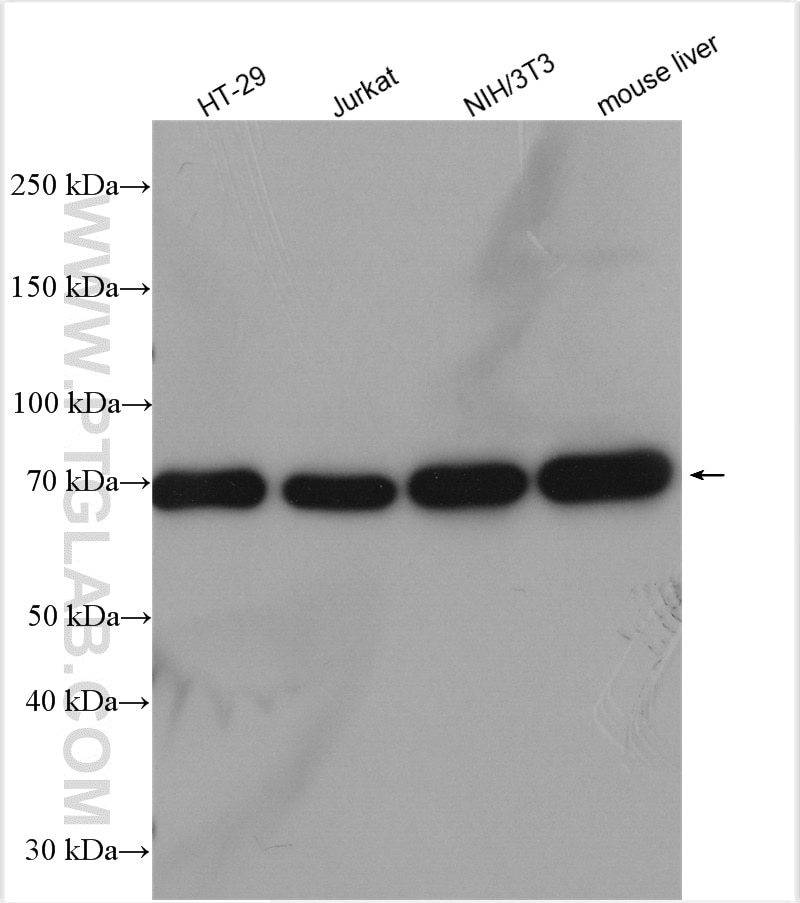
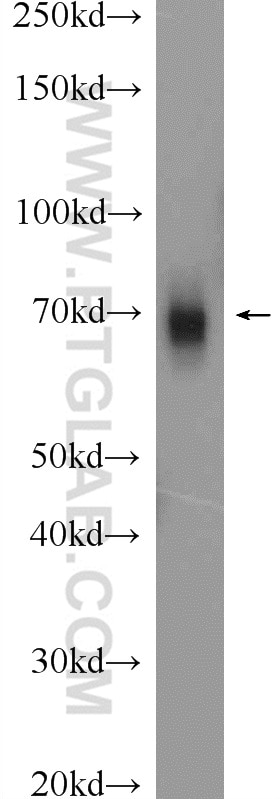
| Positive WB detected in | HT-29 cells, A549 cells, mouse testis tissue, Jurkat cells, NIH/3T3 cells, mouse liver |
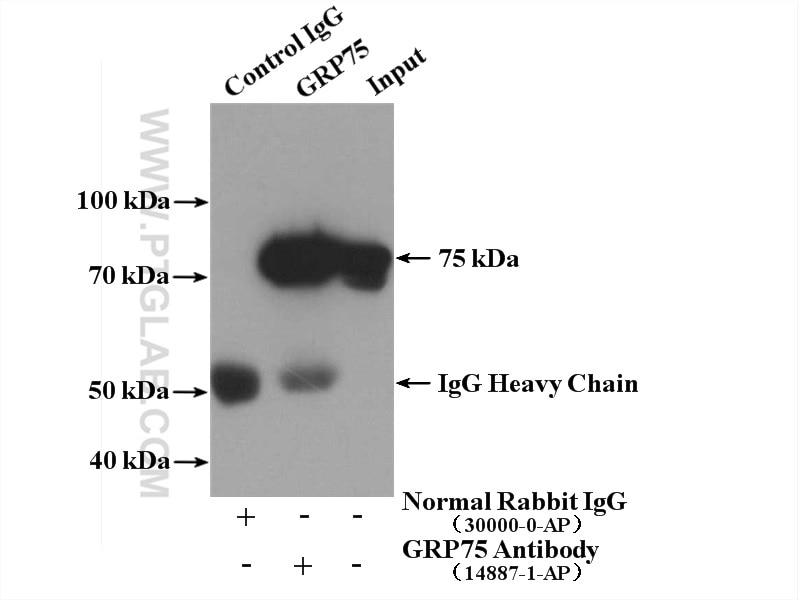
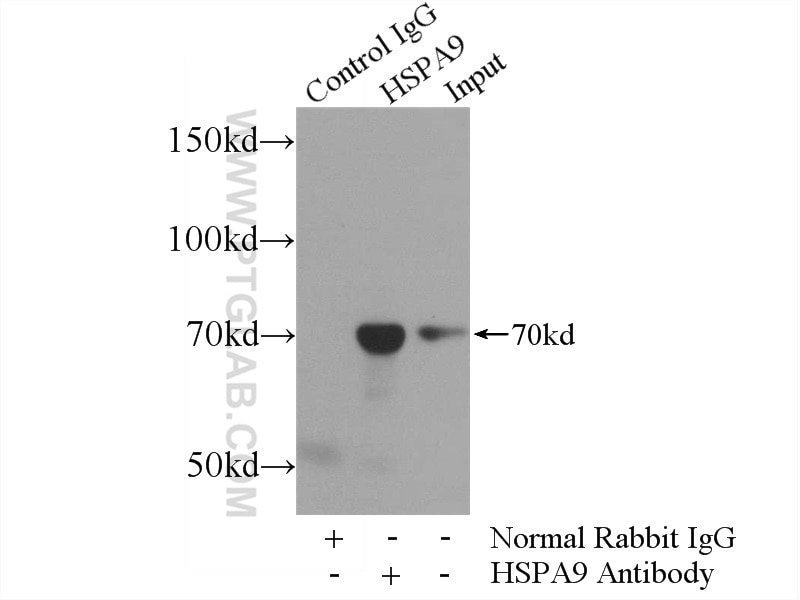
| Positive IP detected in | mouse brain tissue, NIH/3T3 cells |
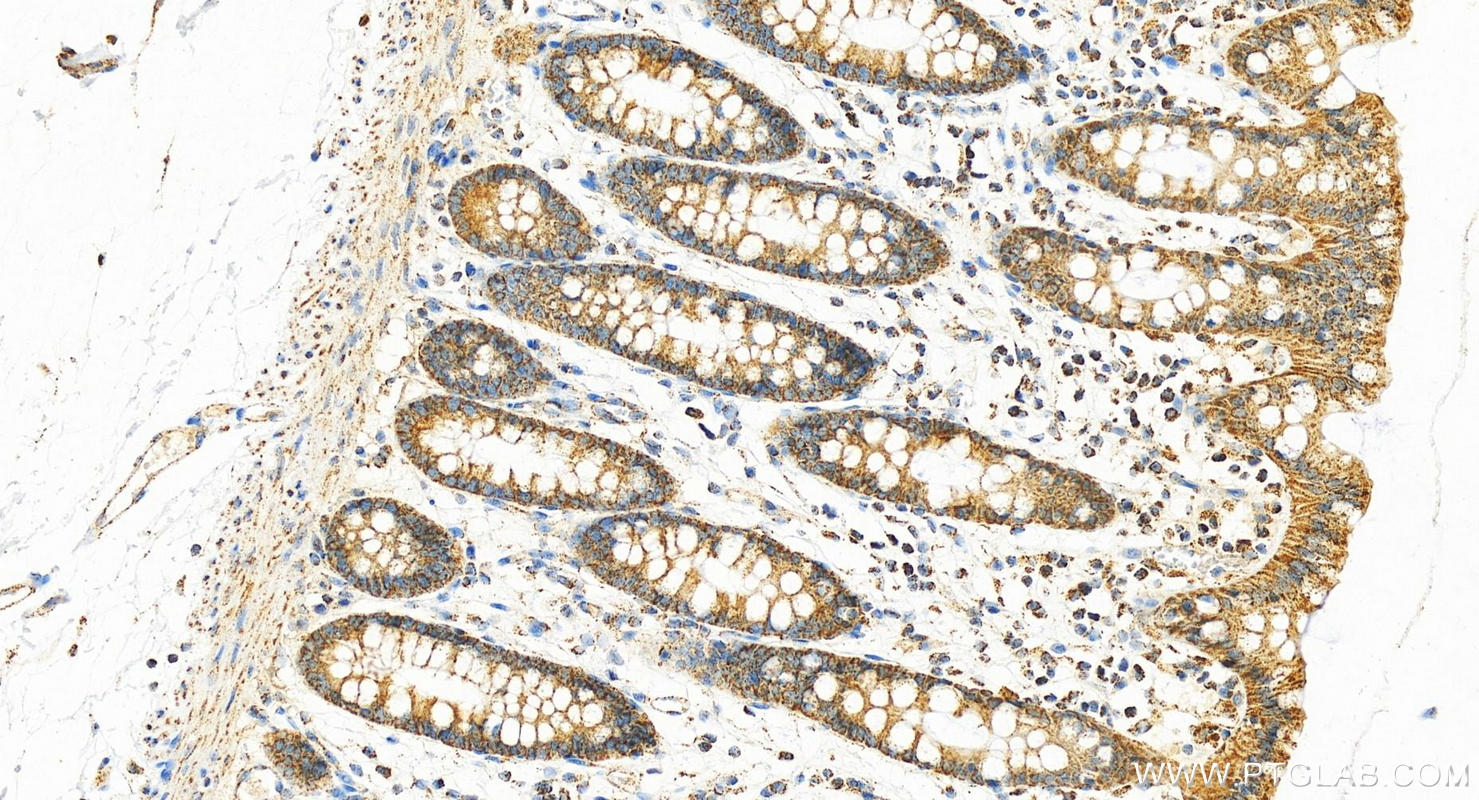
| Positive IHC detected in | human normal colon Note: suggested antigen retrieval with TE buffer pH 9.0; (*) Alternatively, antigen retrieval may be performed with citrate buffer pH 6.0 |
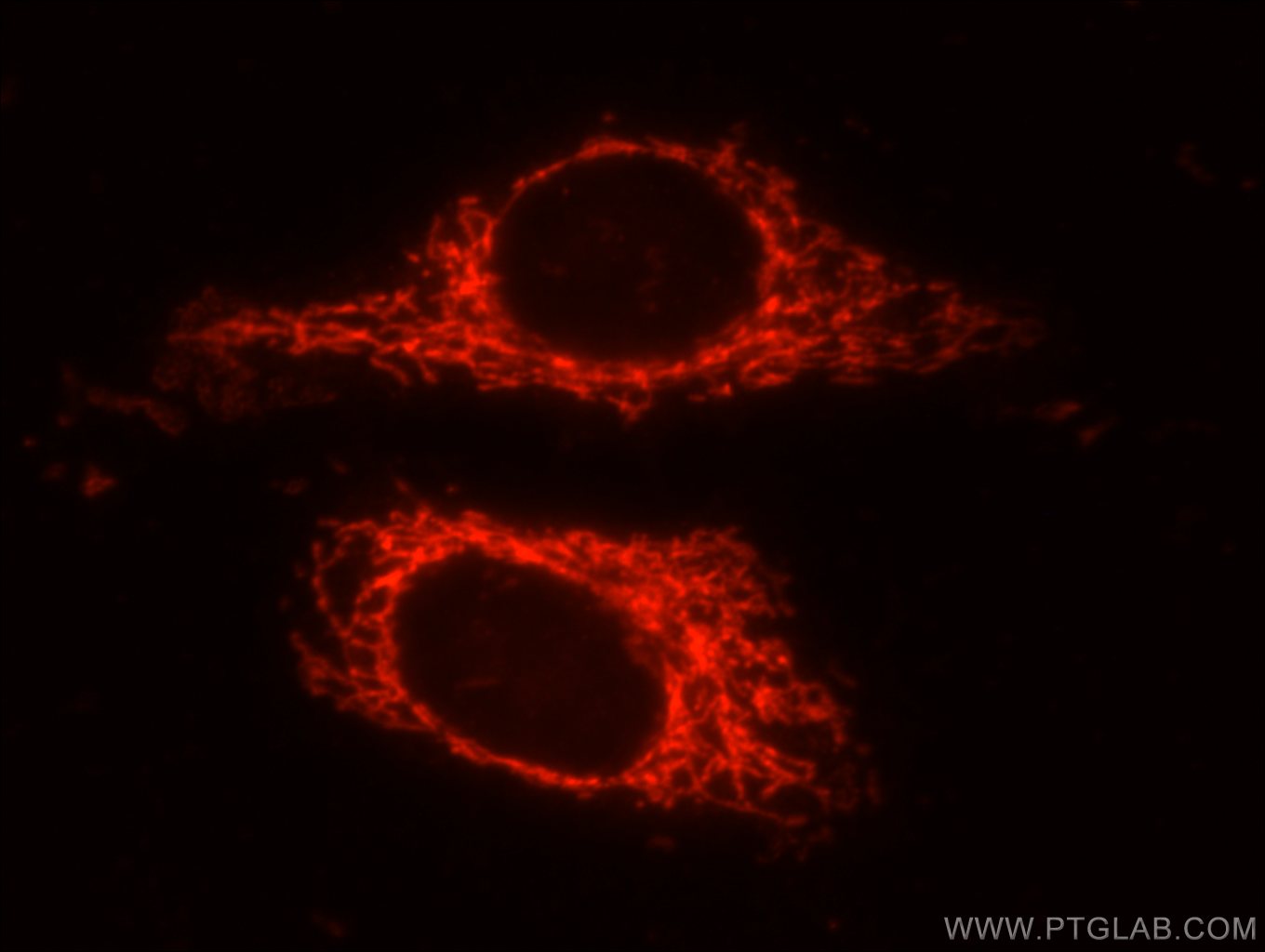
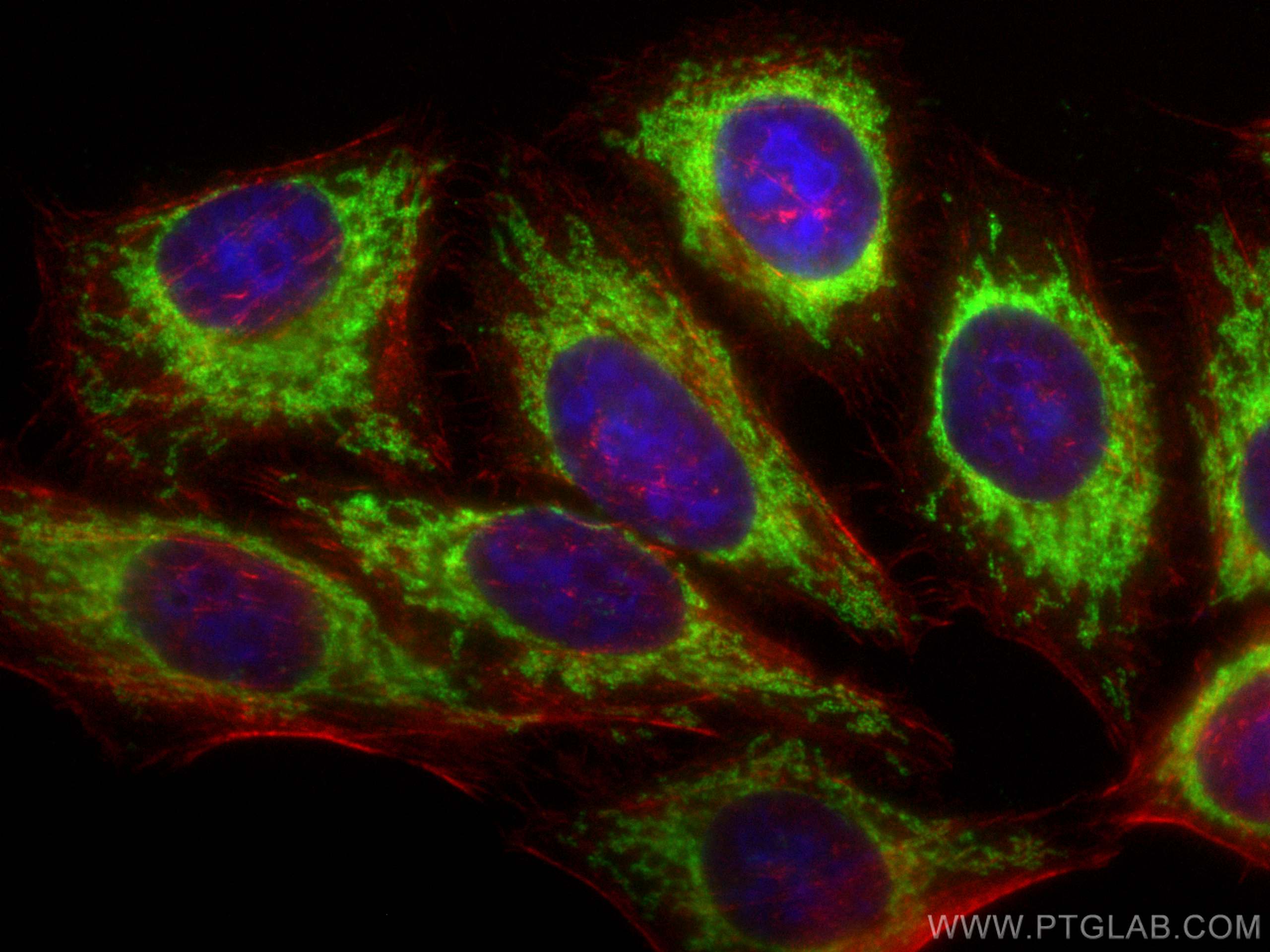
| Positive IF/ICC detected in | HepG2 cells |
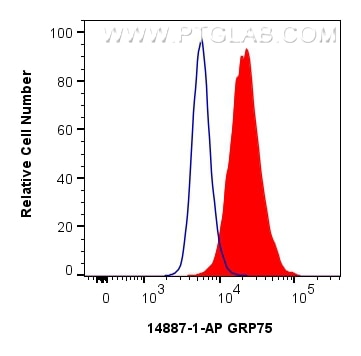
| Positive FC (Intra) detected in | HepG2 cells |
Recommended dilution
| Application | Dilution |
|---|---|
| Western Blot (WB) | WB : 1:5000-1:50000 |
| Immunoprecipitation (IP) | IP : 0.5-4.0 ug for 1.0-3.0 mg of total protein lysate |
| Immunohistochemistry (IHC) | IHC : 1:2000-1:8000 |
| Immunofluorescence (IF)/ICC | IF/ICC : 1:200-1:800 |
| Flow Cytometry (FC) (INTRA) | FC (INTRA) : 0.20 ug per 10^6 cells in a 100 µl suspension |
| It is recommended that this reagent should be titrated in each testing system to obtain optimal results. | |
| Sample-dependent, Check data in validation data gallery. | |
Product Information
14887-1-AP targets GRP75 in WB, IHC, IF/ICC, FC (Intra), IP, CoIP, RIP, ELISA applications and shows reactivity with human, mouse, rat, zebrafish samples.
| Tested Reactivity | human, mouse, rat, zebrafish |
| Cited Reactivity | human, mouse, rat, chicken, zebrafish |
| Host / Isotype | Rabbit / IgG |
| Class | Polyclonal |
| Type | Antibody |
| Immunogen |
CatNo: Ag6673 Product name: Recombinant human GRP75 protein Source: e coli.-derived, PGEX-4T Tag: GST Domain: 331-667 aa of BC000478 Sequence: YLTMDSSGPKHLNMKLTRAQFEGIVTDLIRRTIAPCQKAMQDAEVSKSDIGEVILVGGMTRMPKVQQTVQDLFGRAPSKAVNPDEAVAIGAAIQGGVLAGDVTDVLLLDVTPLSLGIETLGGVFTKLINRNTTIPTKKSQVFSTAADGQTQVEIKVCQGEREMAGDNKLLGQFTLIGIPPAPRGVPQIEVTFDIDANGIVHVSAKDKGTGREQQIVIQSSGGLSKDDIENMVKNAEKYAEEDRRKKERVEAVNMAEGIIHDTETKMEEFKDQLPADECNKLKEEISKMRELLARKDSETGENIRQAASSLQQASLKLFEMAYKKMASEREGSGSSGT Predict reactive species |
| Full Name | heat shock 70kDa protein 9 (mortalin) |
| Calculated Molecular Weight | 74 kDa |
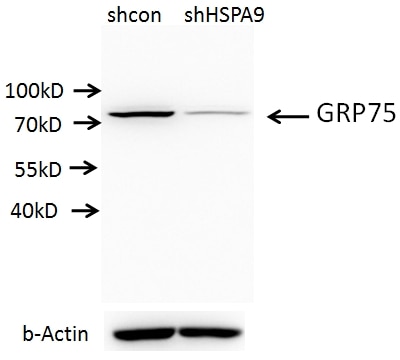
| Observed Molecular Weight | 70-75 kDa |
| GenBank Accession Number | BC000478 |
| Gene Symbol | GRP75 |
| Gene ID (NCBI) | 3313 |
| RRID | AB_2120458 |
| Conjugate | Unconjugated |
| Form | Liquid |
| Purification Method | Antigen affinity purification |
| UNIPROT ID | P38646 |
| Storage Buffer | PBS with 0.02% sodium azide and 50% glycerol, pH 7.3. |
| Storage Conditions | Store at -20°C. Stable for one year after shipment. Aliquoting is unnecessary for -20oC storage. 20ul sizes contain 0.1% BSA. |
Background Information
GRP75 (also known as mortalin, HSPA9 or mt-Hsp70) is a constitutively expressed member of the HSPA (HSP70) family of heat-shock proteins. It is located in the mitochondrial matrix and anti-GRP75 is commonly used as the marker for mitochondria. It has been reported that GRP75 is enriched in cancer cells and contributes to carcinogenesis. In addition, decreased expression level of GRP75 has been found in neurodegenerative disorders like Parkinson's disease. This antibody recognized the endogenous GRP75 protein in NIH/3T3 cells. (PMID: 21640711, 22920904)
Protocols
| Product Specific Protocols | |
|---|---|
| FC protocol for GRP75 antibody 14887-1-AP | Download protocol |
| IF protocol for GRP75 antibody 14887-1-AP | Download protocol |
| IHC protocol for GRP75 antibody 14887-1-AP | Download protocol |
| IP protocol for GRP75 antibody 14887-1-AP | Download protocol |
| WB protocol for GRP75 antibody 14887-1-AP | Download protocol |
| Standard Protocols | |
|---|---|
| Click here to view our Standard Protocols |
Publications
What published studies show
The anti-GRP75 (HSPA9) antibody (Cat# 14887-1-AP) has accumulated 82 citations published in journals including Nature Communications, Nature Cell Biology, Nature Metabolism, Cell Metabolism, Molecular Cell, Science Advances, EMBO Journal, Cell Reports, and Free Radical Biology and Medicine. Key research fields include mitochondrial biology, ER-mitochondria contact sites (MAMs), cancer, neurodegeneration, ferroptosis, diabetes, cardiovascular disease, calcium signaling, protein quality control, and inflammation.
| Species | Application | Title |
|---|---|---|
Signal Transduct Target Ther GRP75 triggers white adipose tissue browning to promote cancer-associated cachexia | ||
Cell Metab Gut microbiota-derived lysine phenylacetylation impairs mitochondrial function and is alleviated by SIRT3. | ||
Cell Metab DNAJC19, a mitochondrial cochaperone associated with cardiomyopathy, forms a complex with prohibitins to regulate cardiolipin remodeling. | ||
Nat Metab LONP1 regulation of mitochondrial protein folding provides insight into beta cell failure in type 2 diabetes | ||
Nat Cell Biol The mitochondria enzyme OGDH defends against disulfidptosis by licensing METTL3-regulated NRF2 translation | ||
Nat Commun Intra-mitochondrial glycolysis maintains mitochondrial function and underlies the pathogenesis of retinitis pigmentosa. |
Reviews
What customers say
Most users report excellent performance in Western Blot with strong specificity and minimal non-specific binding, particularly on mouse brain lysates, mouse islet protein lysates, and HeLa cell extracts at dilutions of 1:1,000–1:5,000. One user successfully applied it to de-yolked zebrafish embryos. However, one reviewer noted that while IF worked well, WB failed on zebrafish tissue and human patient samples, requesting an alternative protocol. Overall, the antibody is well-regarded for detecting endogenous GRP75 at the correct molecular weight, with the majority of reviewers giving 4–5 stars.
The reviews below have been submitted by verified Proteintech customers who received an incentive for providing their feedback.
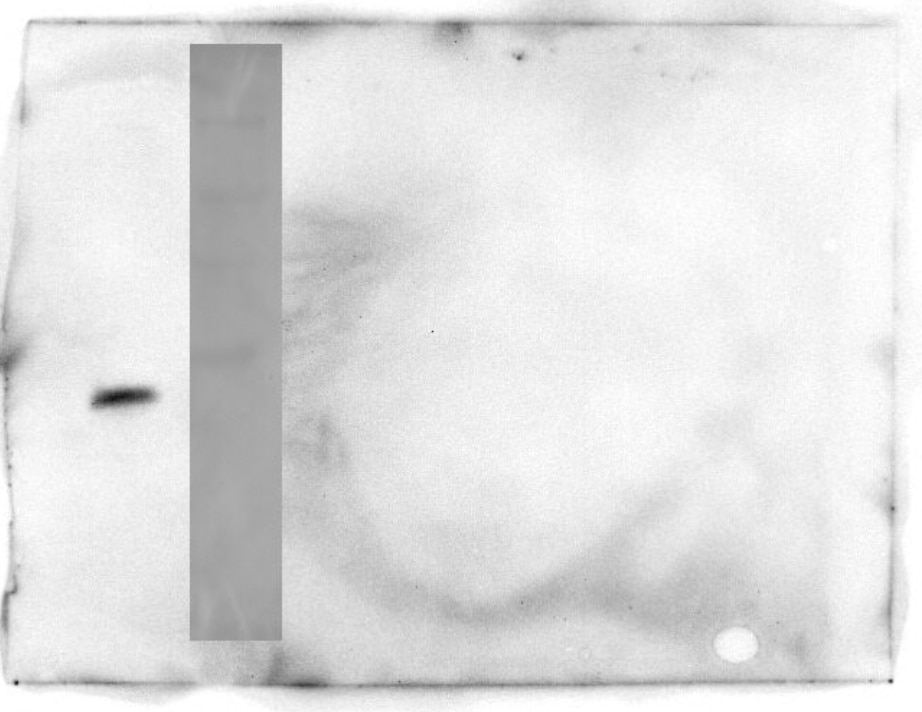
Lenie (Verified Customer) (07-18-2025) | IF worked. WB did not on zebrafish tissue and human patient. Could you perhaps provide me with another protocol?
 |
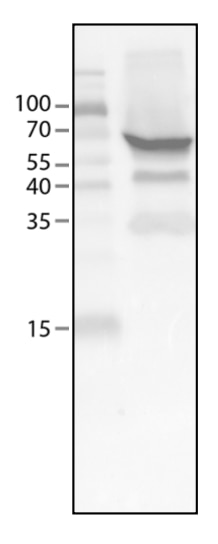
Anastasia (Verified Customer) (08-07-2024) | Deyolked zebrafish embryos
 |
Christina (Verified Customer) (11-14-2023) | I used this antibody for HeLa extracts in Western Blot and worked perfectly.
|
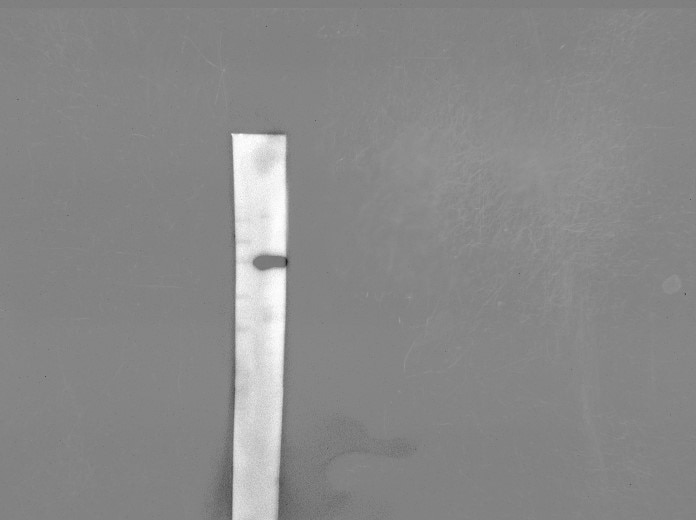
Ning (Verified Customer) (02-27-2023) | Specifically probe endogenous GRP75 with a right MW.
 |
Staci (Verified Customer) (02-02-2023) | Antibody works very well with GRP75. Very little non-specific binding on immunoblot.
|


