

Tested Applications
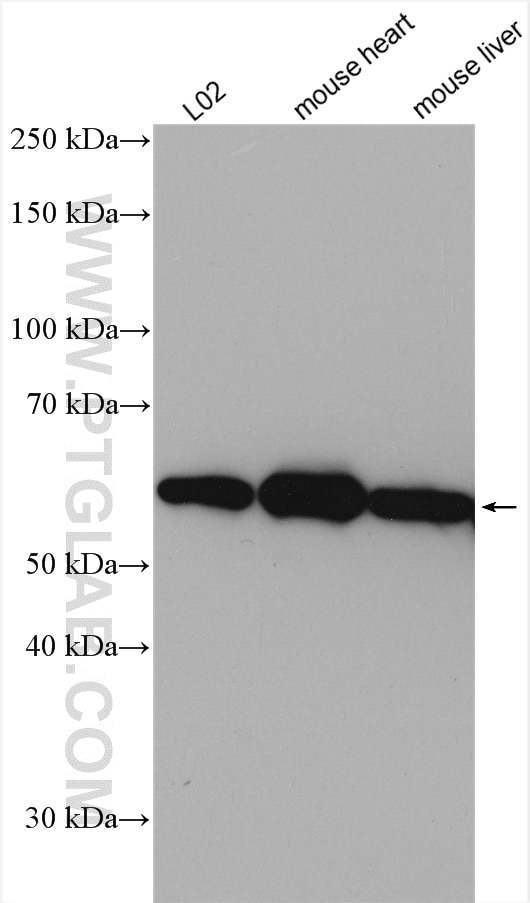
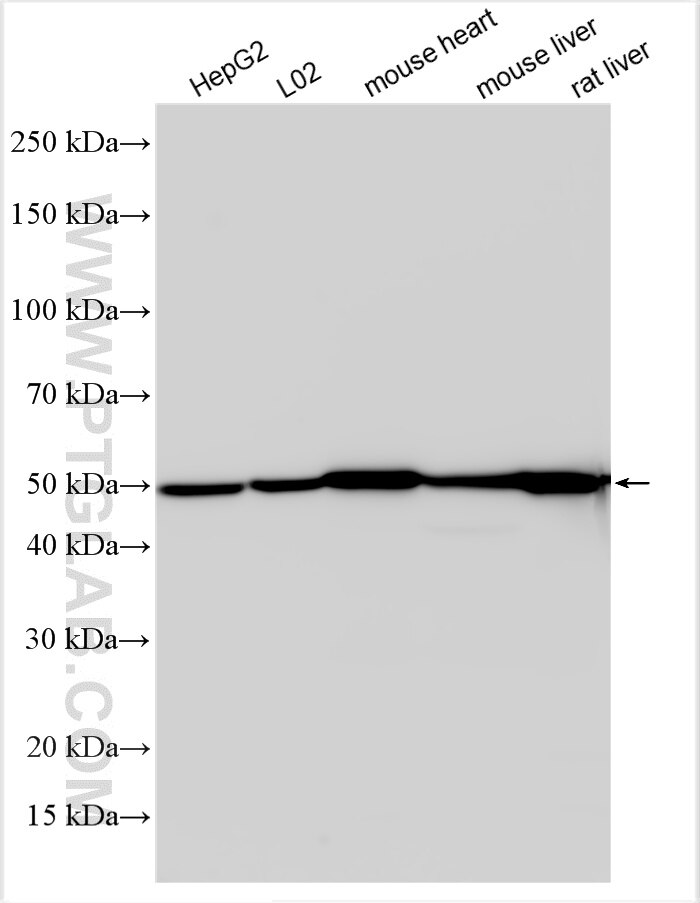
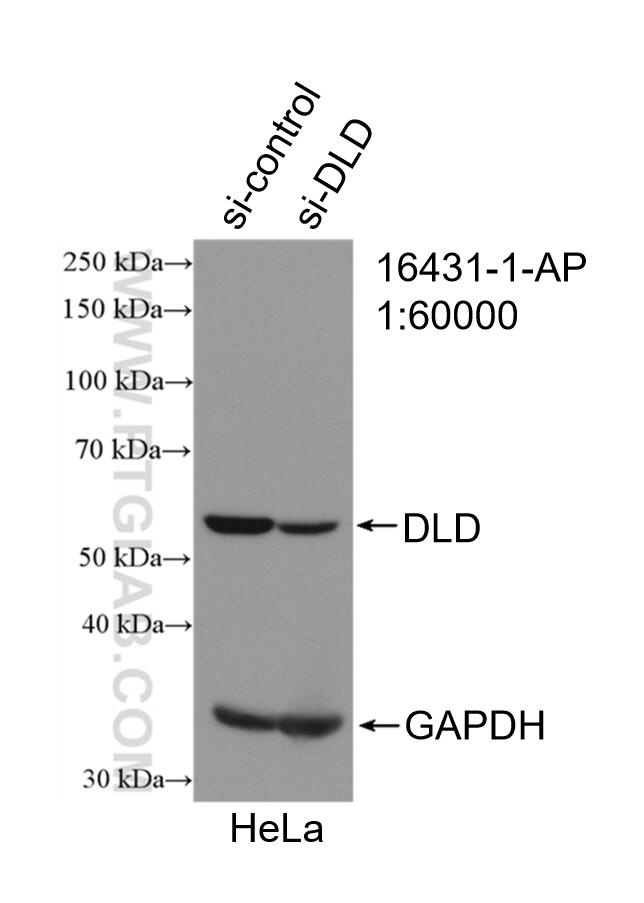
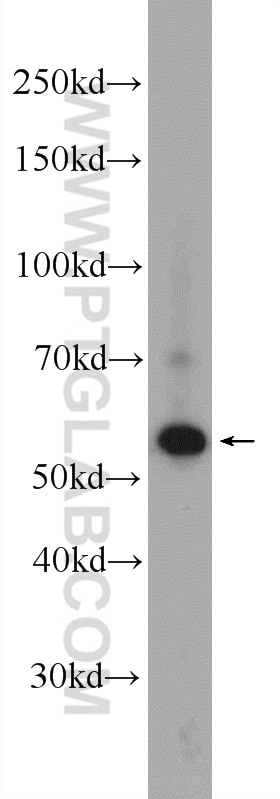
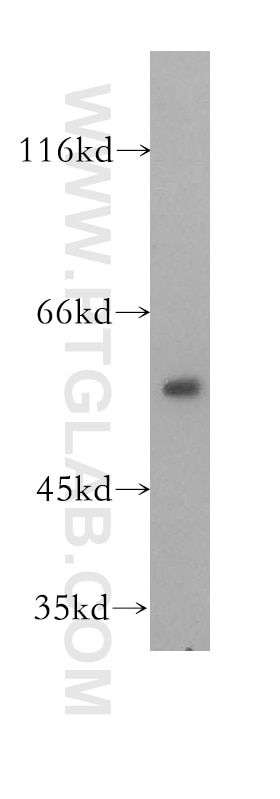
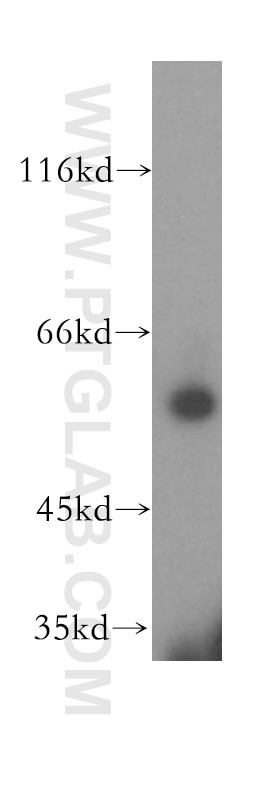
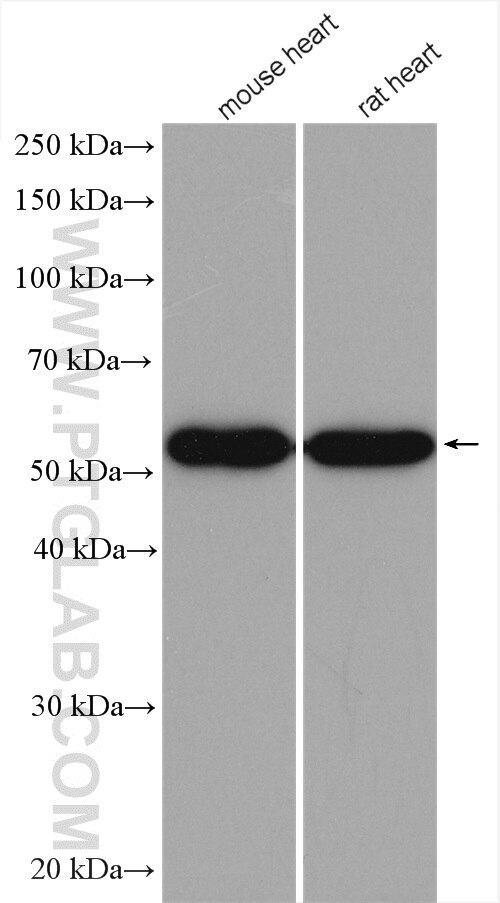
| Positive WB detected in | HepG2 cells, HeLa cells, human brain tissue, human liver tissue, L02 cells, mouse heart tissue, mouse liver tissue, rat liver tissue, rat heart tissue |
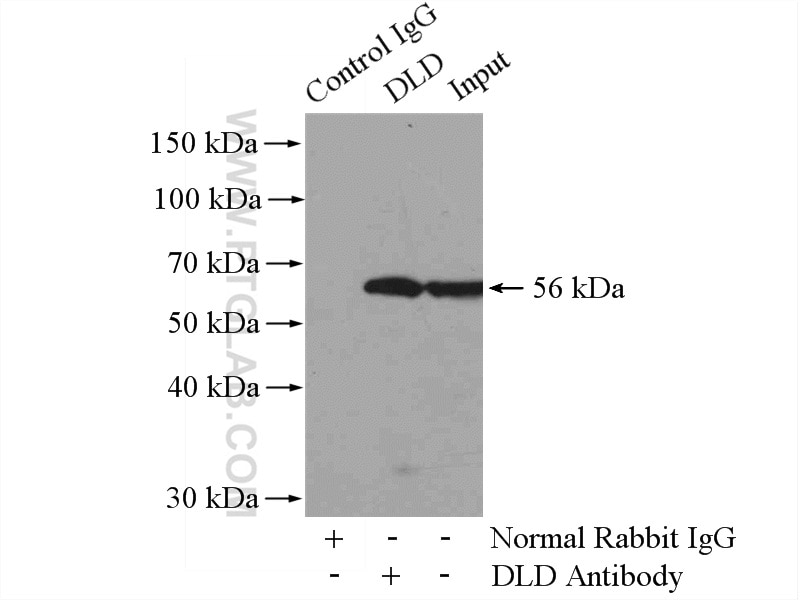
| Positive IP detected in | mouse liver tissue |
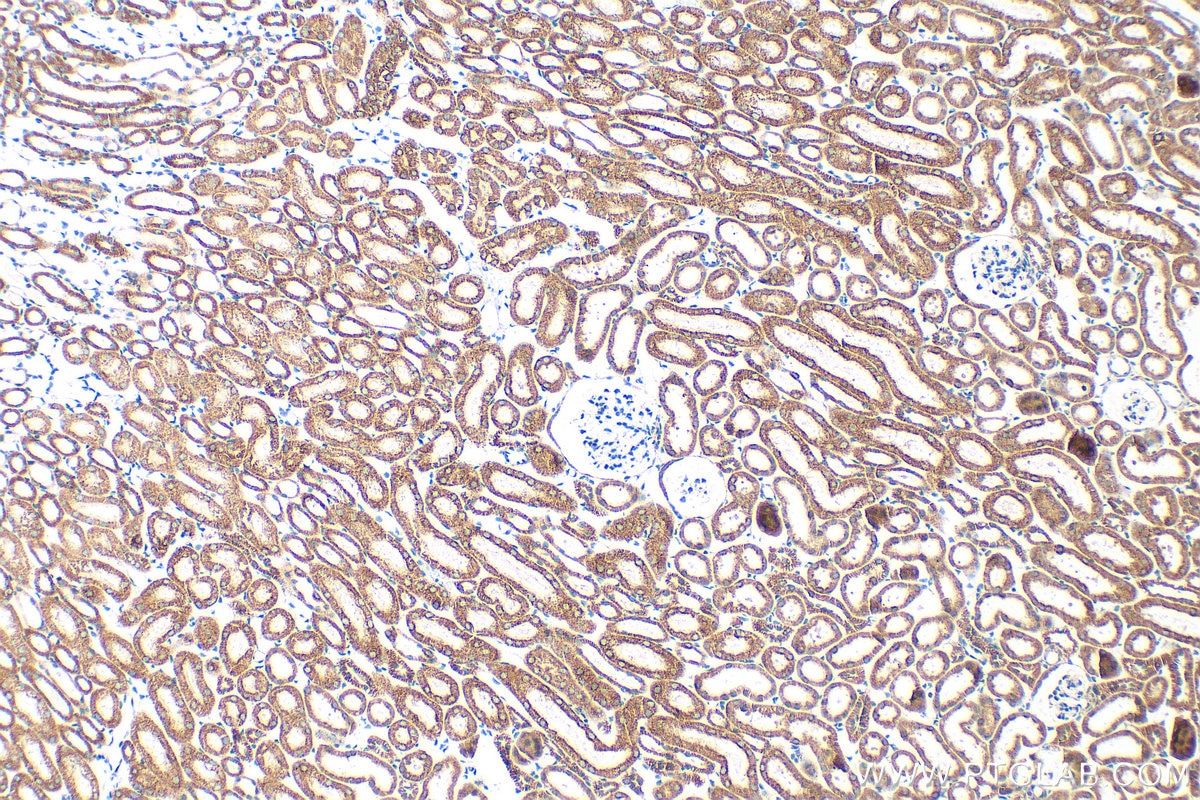
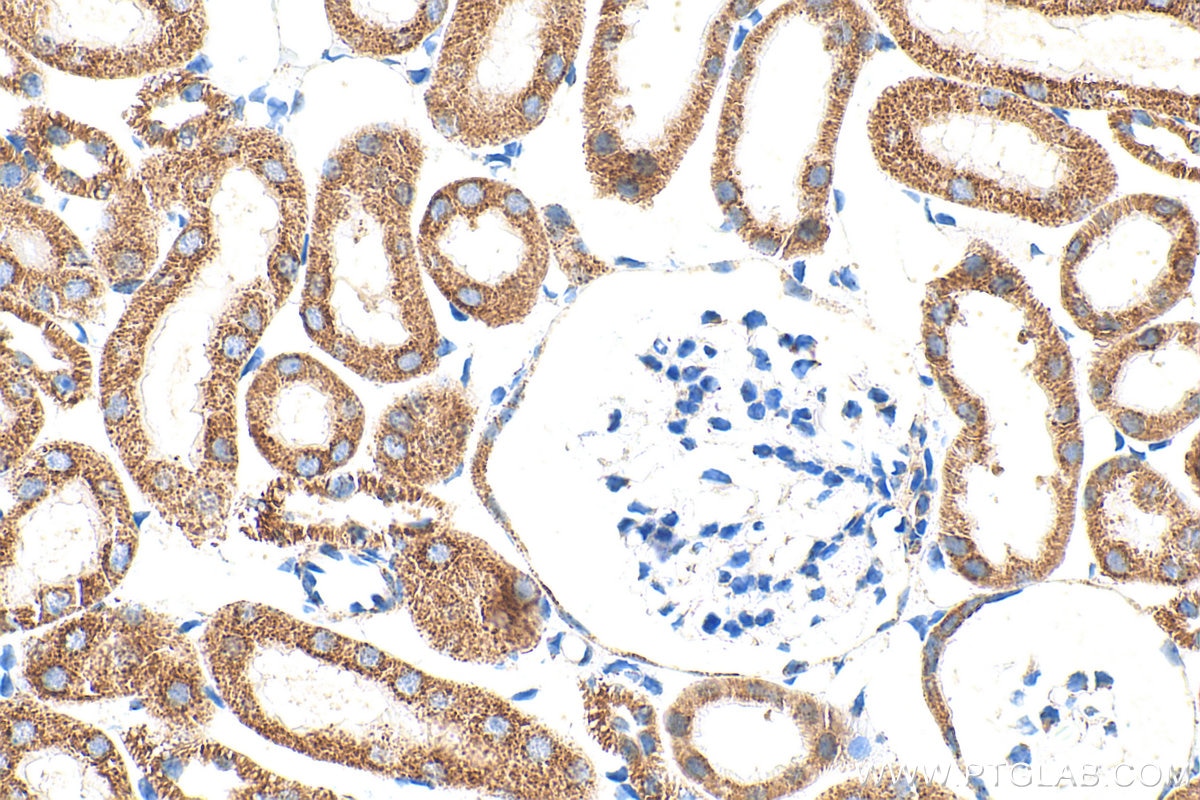
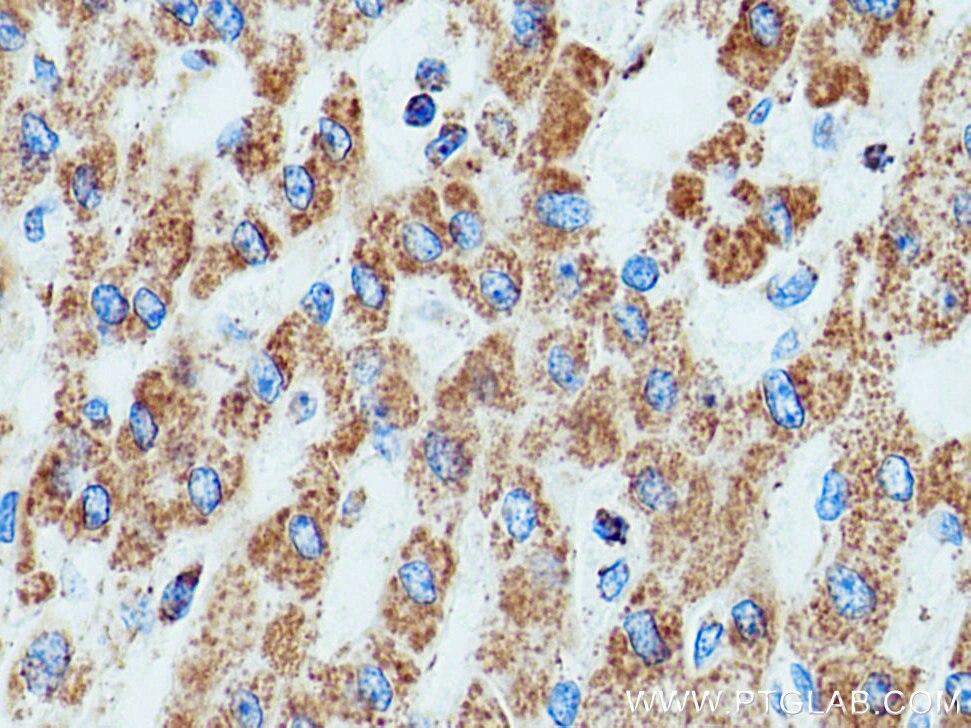
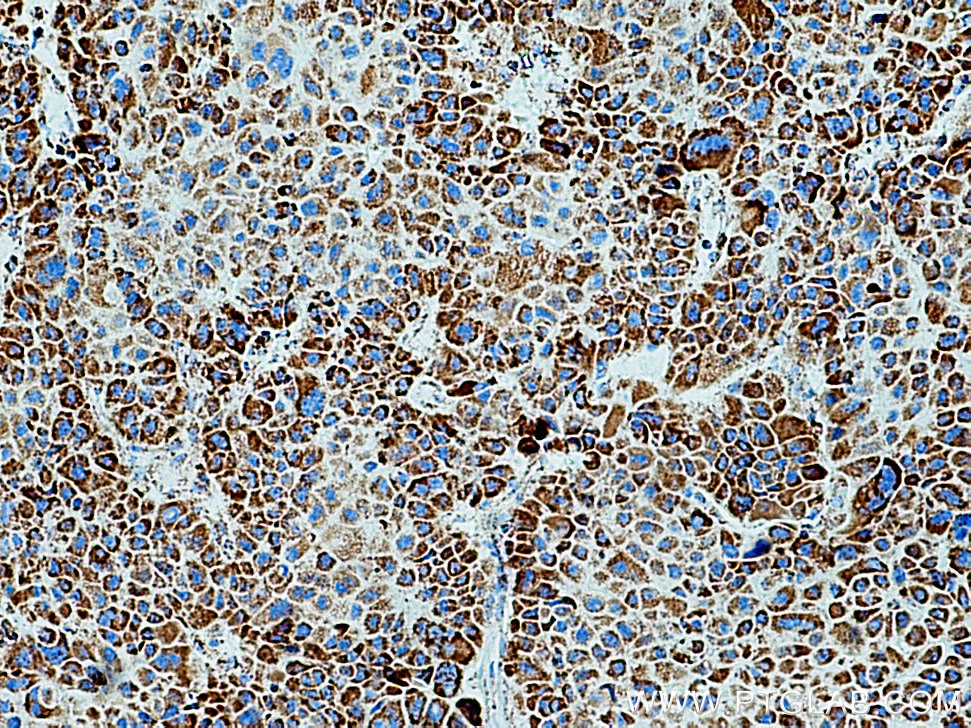
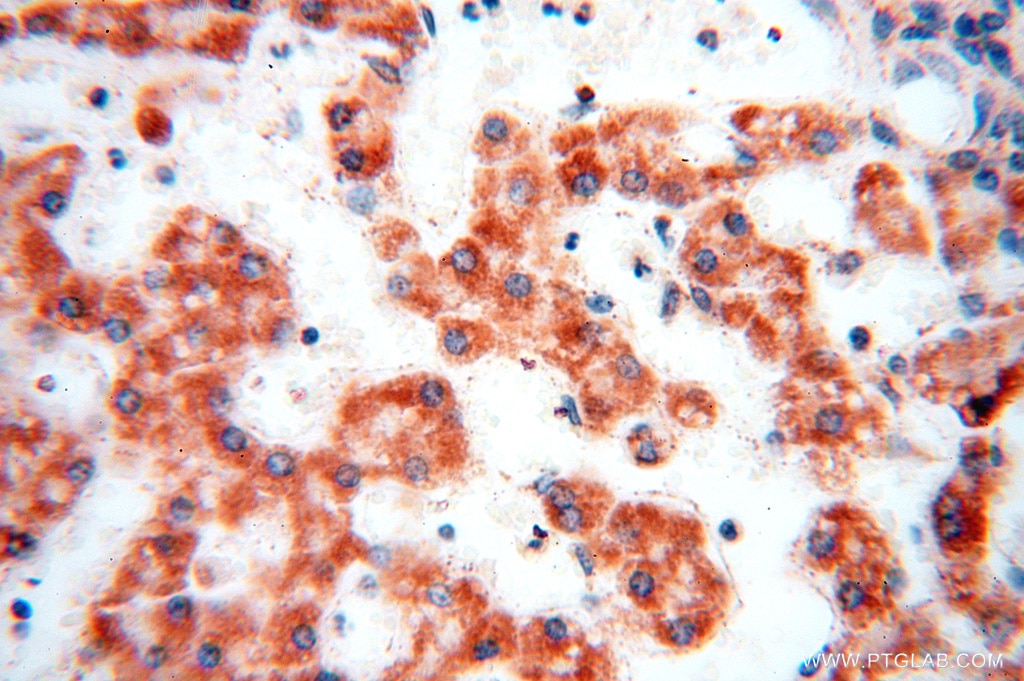
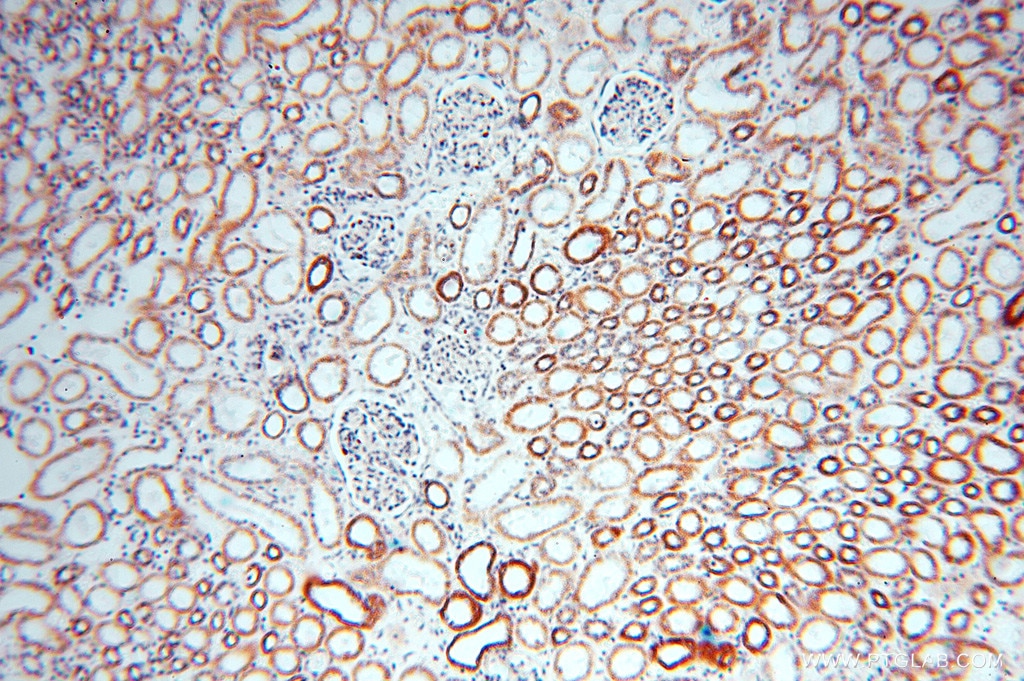
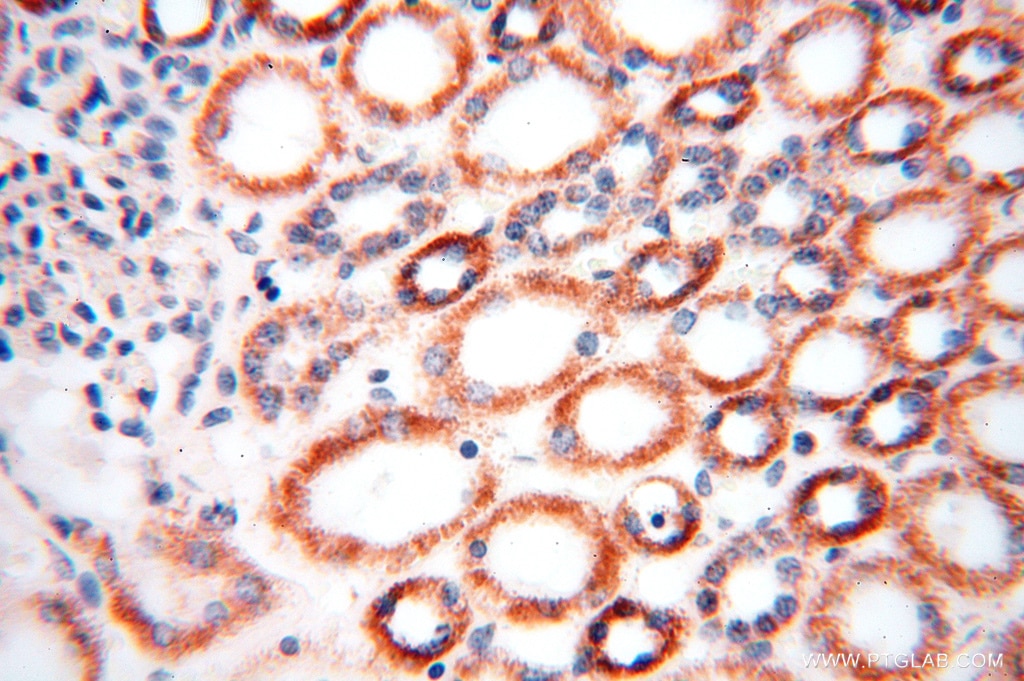
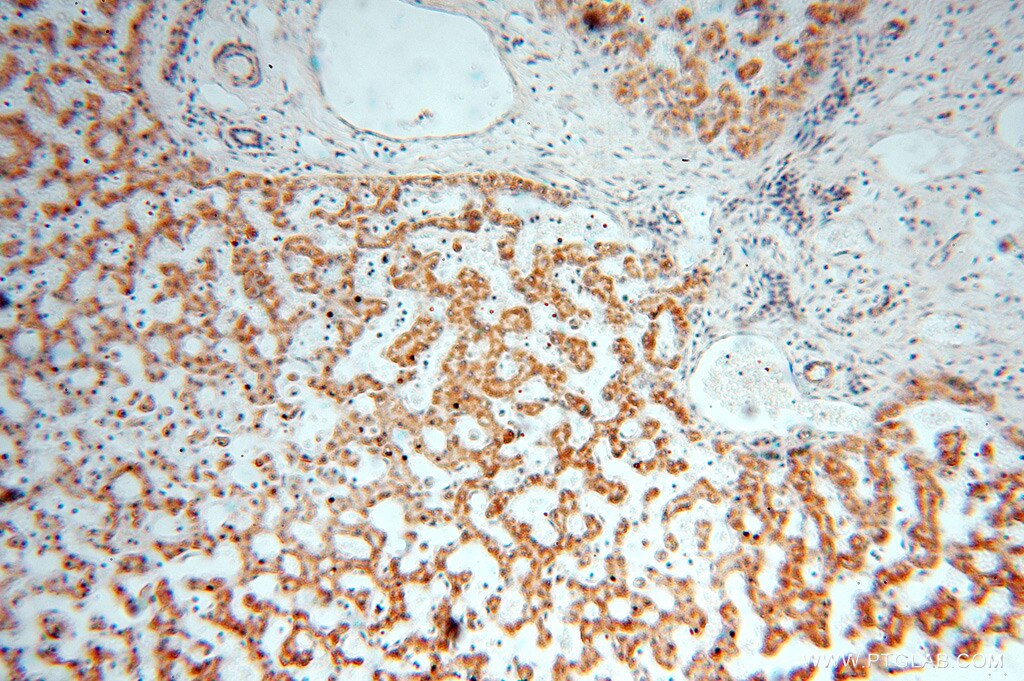
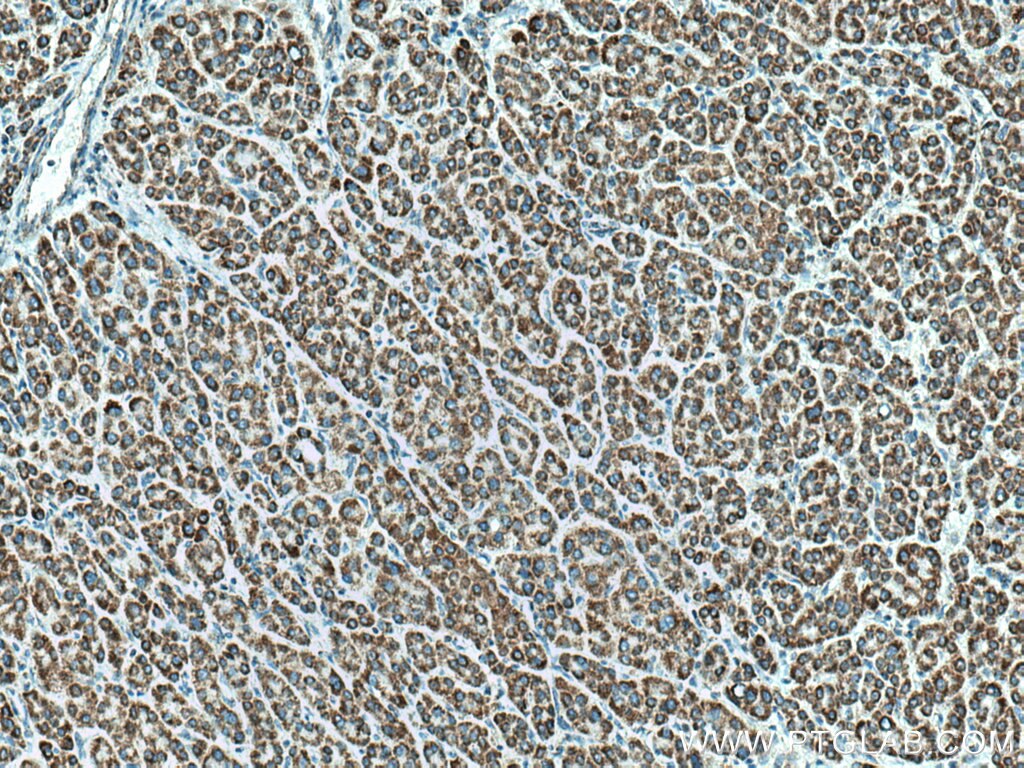
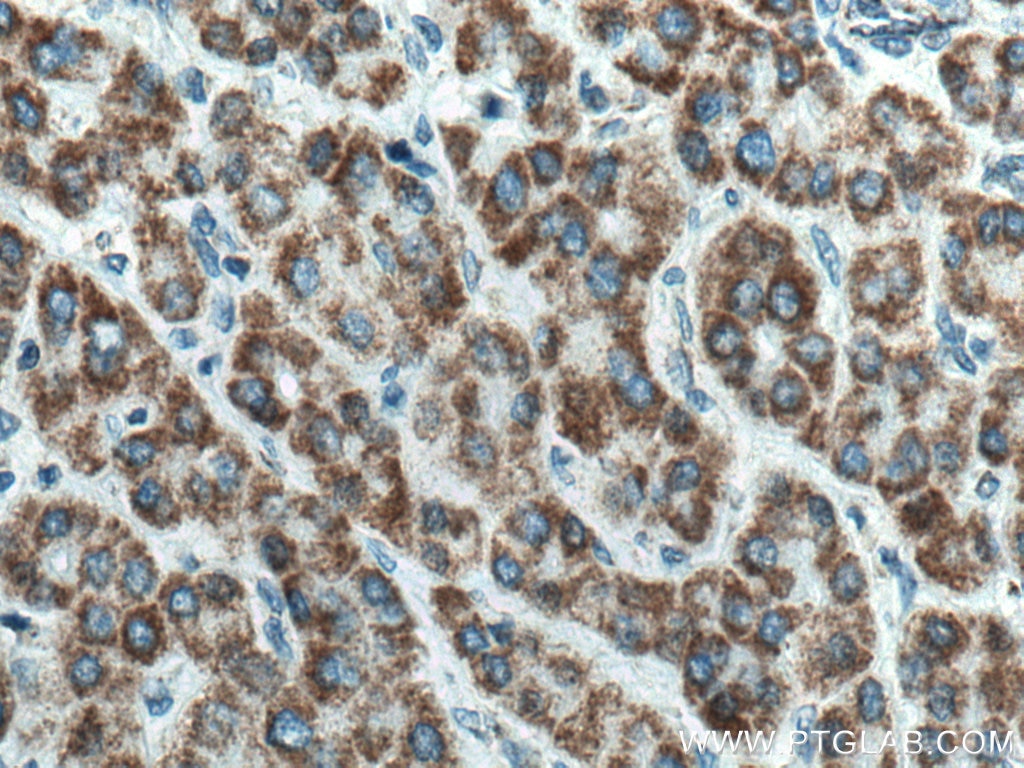
| Positive IHC detected in | mouse kidney tissue, human kidney tissue, human liver tissue, human liver cancer tissue Note: suggested antigen retrieval with TE buffer pH 9.0; (*) Alternatively, antigen retrieval may be performed with citrate buffer pH 6.0 |
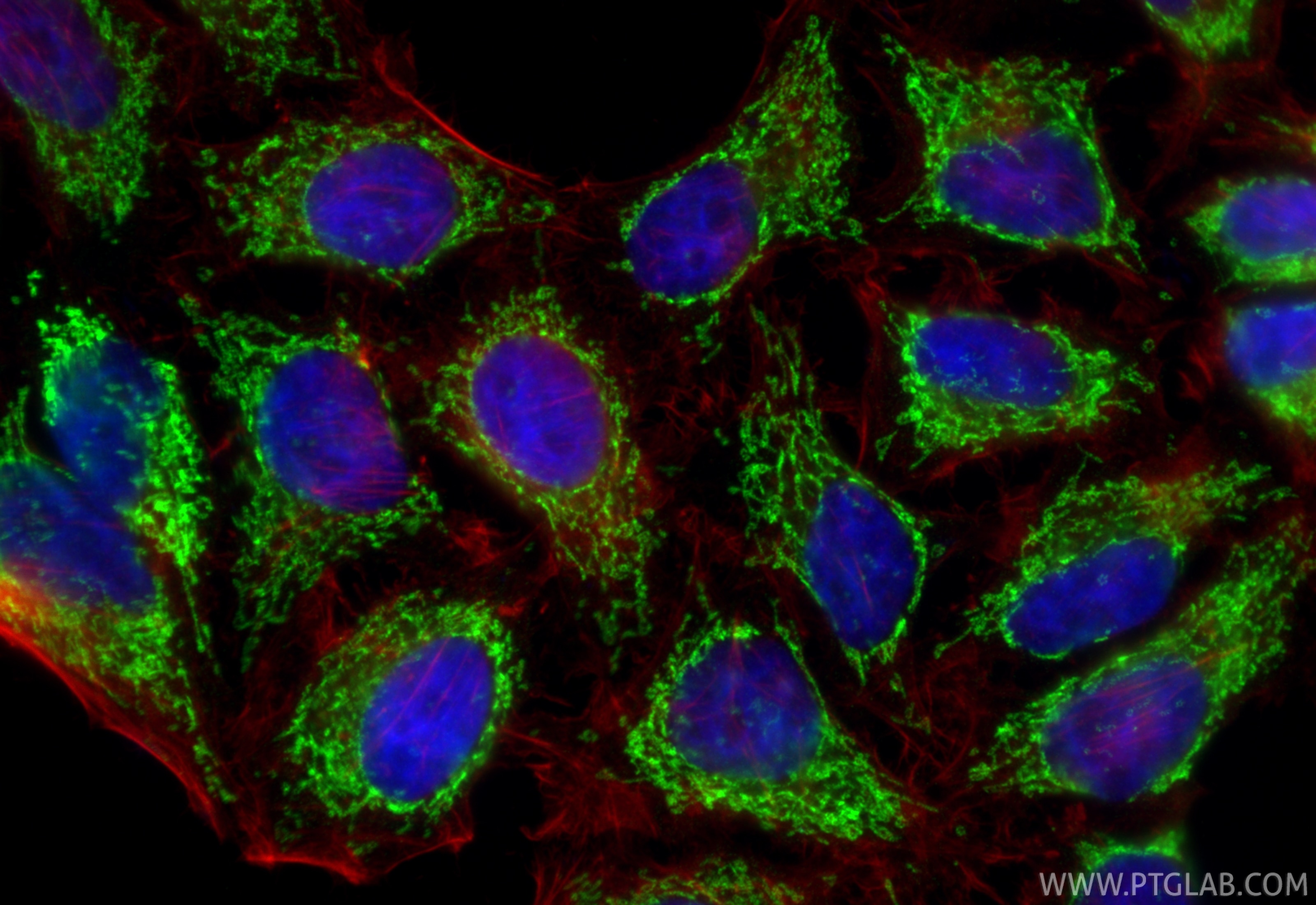
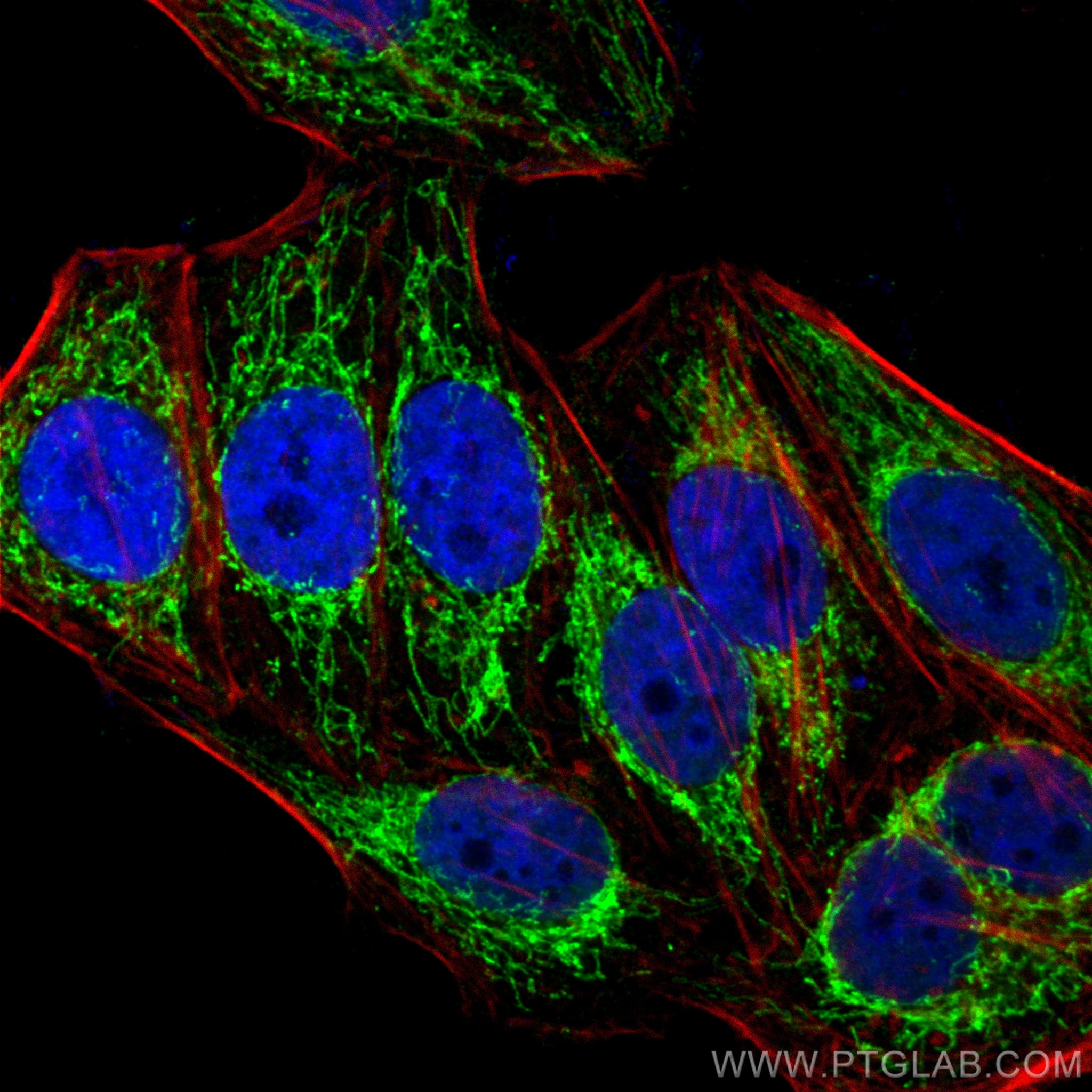
| Positive IF/ICC detected in | HepG2 cells |
Recommended dilution
| Application | Dilution |
|---|---|
| Western Blot (WB) | WB : 1:10000-1:500000 |
| Immunoprecipitation (IP) | IP : 0.5-4.0 ug for 1.0-3.0 mg of total protein lysate |
| Immunohistochemistry (IHC) | IHC : 1:500-1:2000 |
| Immunofluorescence (IF)/ICC | IF/ICC : 1:50-1:500 |
| It is recommended that this reagent should be titrated in each testing system to obtain optimal results. | |
| Sample-dependent, Check data in validation data gallery. | |
Product Information
16431-1-AP targets DLD in WB, IHC, IF/ICC, IP, CoIP, ELISA applications and shows reactivity with human, mouse, rat samples.
| Tested Reactivity | human, mouse, rat |
| Cited Reactivity | human, mouse, rat |
| Host / Isotype | Rabbit / IgG |
| Class | Polyclonal |
| Type | Antibody |
| Immunogen |
CatNo: Ag9729 Product name: Recombinant human DLD protein Source: e coli.-derived, PGEX-4T Tag: GST Domain: 160-509 aa of BC018696 Sequence: NQVTATKADGGTQVIDTKNILIATGSEVTPFPGITIDEDTIVSSTGALSLKKVPEKMVVIGAGVIGVELGSVWQRLGADVTAVEFLGHVGGVGIDMEISKNFQRILQKQGFKFKLNTKVTGATKKSDGKIDVSIEAASGGKAEVITCDVLLVCIGRRPFTKNLGLEELGIELDPRGRIPVNTRFQTKIPNIYAIGDVVAGPMLAHKAEDEGIICVEGMAGGAVHIDYNCVPSVIYTHPEVAWVGKSEEQLKEEGIEYKVGKFPFAANSRAKTNADTDGMVKILGQKSTDRVLGAHILGPGAGEMVNEAALALEYGASCEDIARVCHAHPTLSEAFREANLAASFGKSINF Predict reactive species |
| Full Name | dihydrolipoamide dehydrogenase |
| Calculated Molecular Weight | 509 aa, 54 kDa |
| Observed Molecular Weight | 56 kDa |
| GenBank Accession Number | BC018696 |
| Gene Symbol | DLD |
| Gene ID (NCBI) | 1738 |
| RRID | AB_2091888 |
| Conjugate | Unconjugated |
| Form | Liquid |
| Purification Method | Antigen affinity purification |
| UNIPROT ID | P09622 |
| Storage Buffer | PBS with 0.02% sodium azide and 50% glycerol, pH 7.3. |
| Storage Conditions | Store at -20°C. Stable for one year after shipment. Aliquoting is unnecessary for -20oC storage. 20ul sizes contain 0.1% BSA. |
Background Information
DLD(Dihydrolipoyl dehydrogenase, mitochondrial) is also named as GCSL, LAD, PHE3 and belongs to the class-I pyridine nucleotide-disulfide oxidoreductase family. It catalyzes the oxidation of dihydrolipoamide, hE3 uses two molecules : non-covalently bound FAD and a transiently bound substrate, NAD+. DLD is involved in the hyperactivation of spermatazoa during capacitation and in the spermatazoal acrosome reaction.
Protocols
| Product Specific Protocols | |
|---|---|
| IF protocol for DLD antibody 16431-1-AP | Download protocol |
| IHC protocol for DLD antibody 16431-1-AP | Download protocol |
| IP protocol for DLD antibody 16431-1-AP | Download protocol |
| WB protocol for DLD antibody 16431-1-AP | Download protocol |
| Standard Protocols | |
|---|---|
| Click here to view our Standard Protocols |
Publications
What published studies show
The Anti-DLD antibody (Cat# 16431-1-AP) has 49 citations spanning journals including Science, Nature Communications, Nature Cell Biology, Nature Metabolism, Cell Research, Cell Metabolism, Cell Reports, Science Translational Medicine, Cell Death & Differentiation, and Advanced Science. Associated research fields include cuproptosis and copper metabolism, mitochondrial TCA cycle/lipoylation, cancer (gastric, liver, lung, glioblastoma), neurodegeneration (Alzheimer's, Parkinson's), cardiac disease, amino acid metabolism, and inflammation.
| Species | Application | Title |
|---|---|---|
Imeta Clinical features and molecular landscape of cuproptosis signature-related molecular subtype in gastric cancer | ||
J Hepatol OGDHL silencing promotes hepatocellular carcinoma by reprogramming glutamine metabolism. | ||
Cell Metab Dual targeting of SLC25A51 and succinate dehydrogenase selectively depletes mitochondrial NAD(+) to eradicate KRAS-driven AML.
| ||
Cell Res Compression-induced metabolic adaptation drives confined tumor cell migration and distant metastasis via malate-dependent microtubule reinforcement.
| ||
Cell Res Hypoxia induces mitochondrial protein lactylation to limit oxidative phosphorylation |
Reviews
What customers say
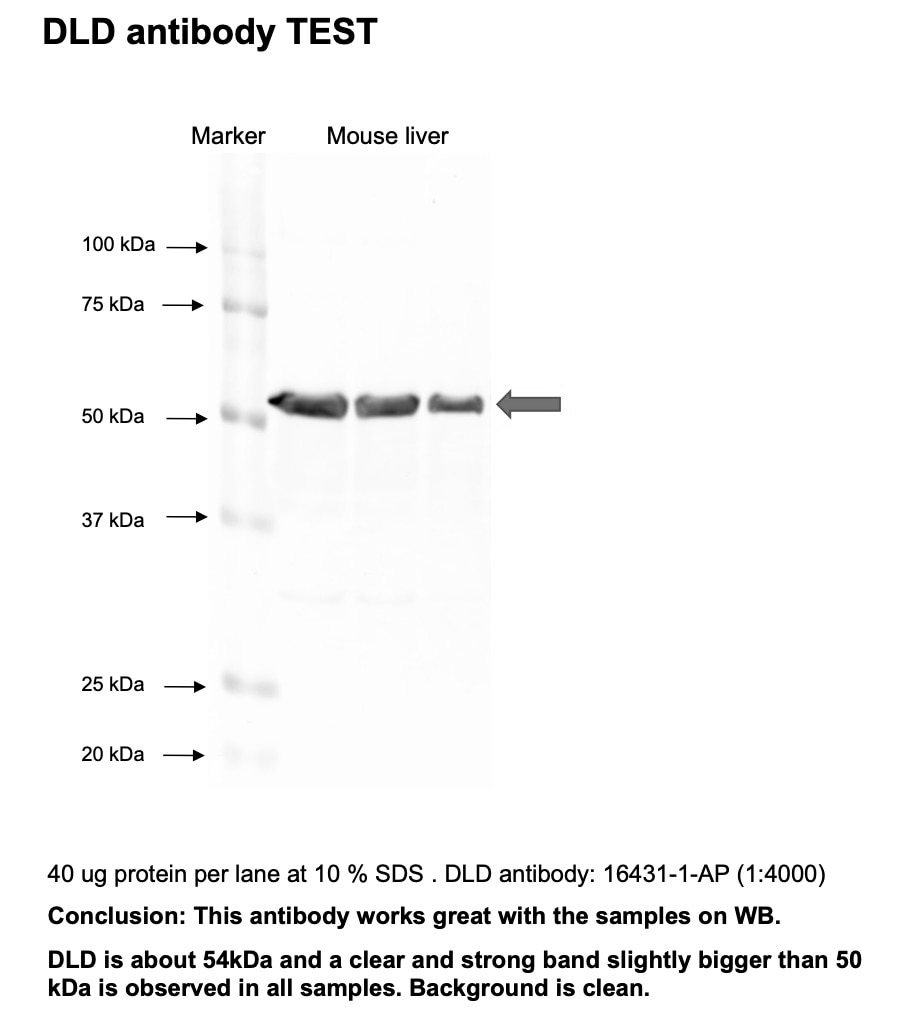
The single review for 16431-1-AP is a 5-star rating from a researcher who used the antibody for Western Blot on mouse liver tissue at a 1:4000 dilution. They described it as a great antibody with very strong signal and very clean background, indicating high specificity and sensitivity in their application.
The reviews below have been submitted by verified Proteintech customers who received an incentive for providing their feedback.
Hua (Verified Customer) (07-12-2023) | Great antibody for WB. Very strong signal and very clean background.
 |


