
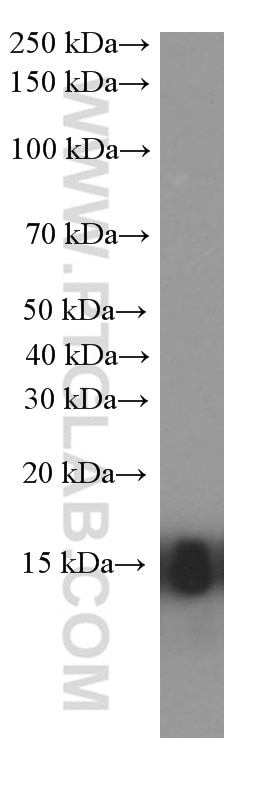
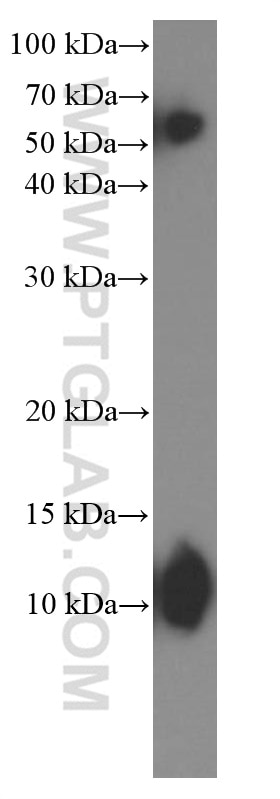
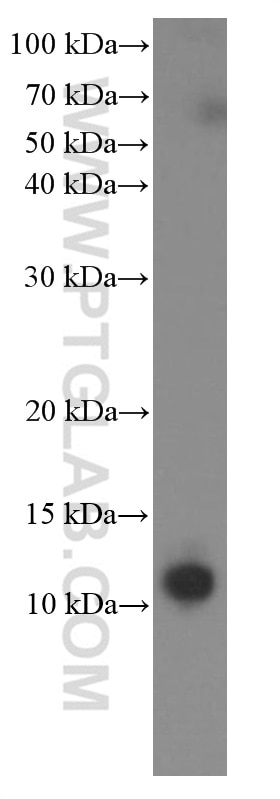
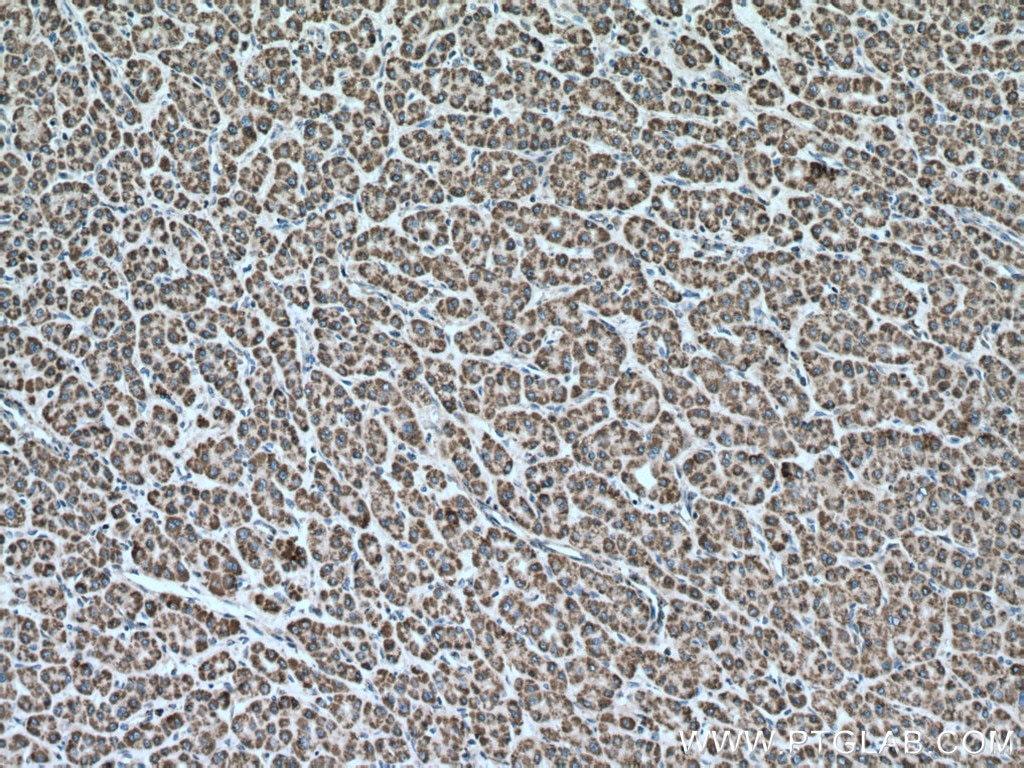

Tested Applications
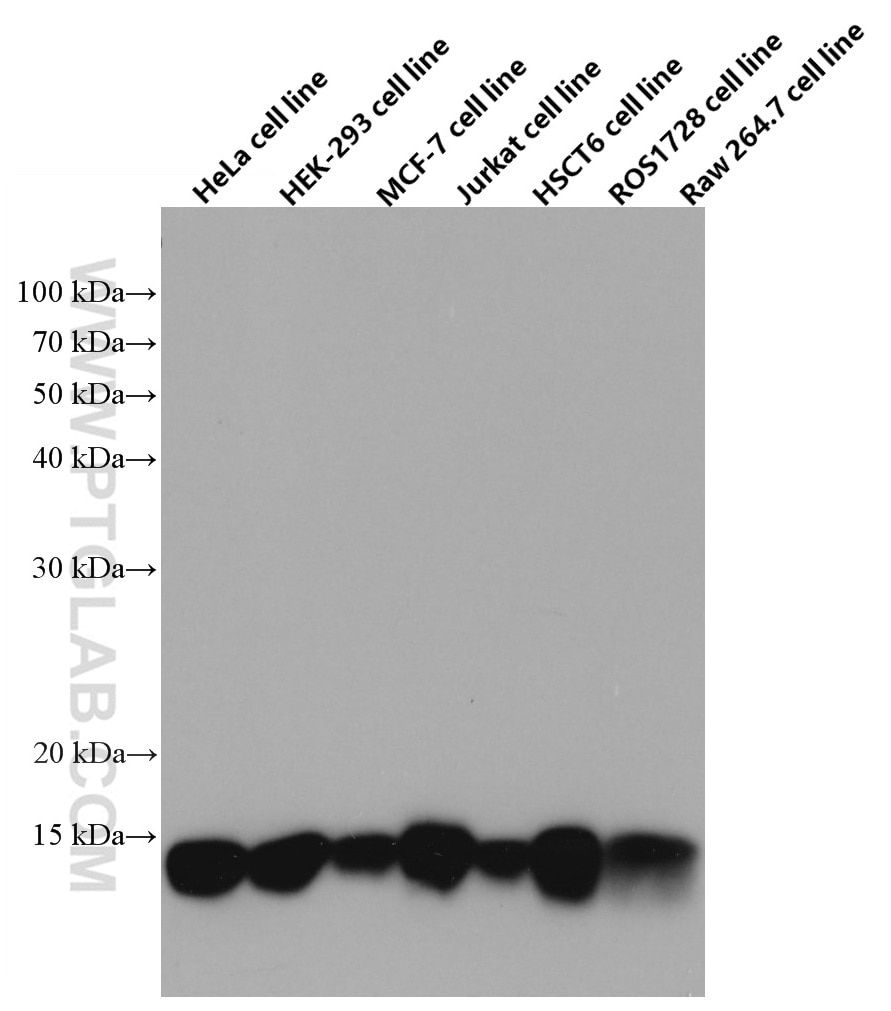
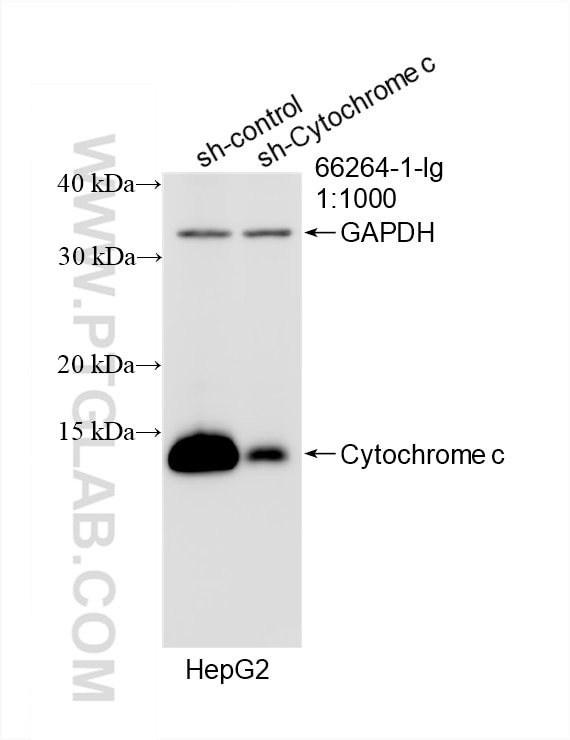
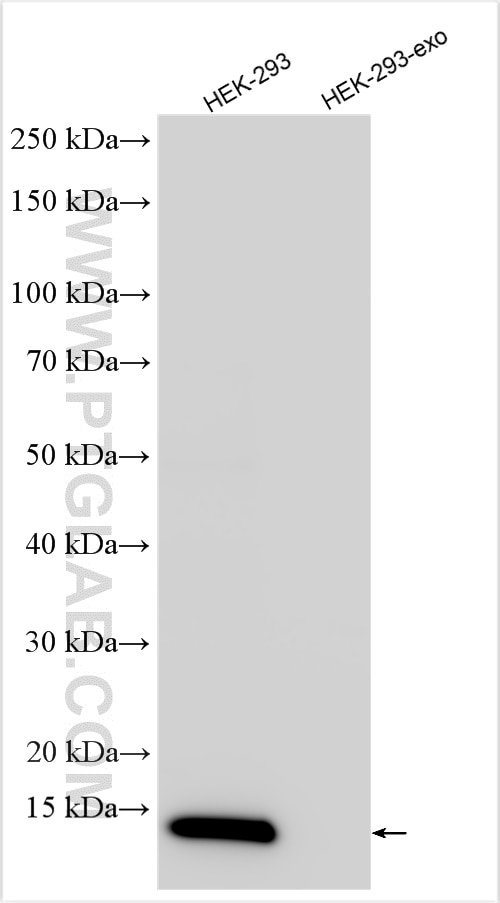
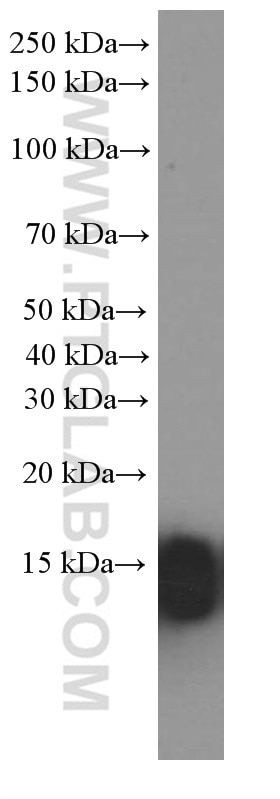
| Positive WB detected in | HeLa cells, human heart tissue, human skeletal muscle tissue, rat skeletal muscle tissue, mouse skeletal muscle tissue, HEK-293 cells, HepG2 cells, MCF-7 cells, Jurkat cells, HSC-T6 cells, ROS1728 cells, RAW 264.7 cells |
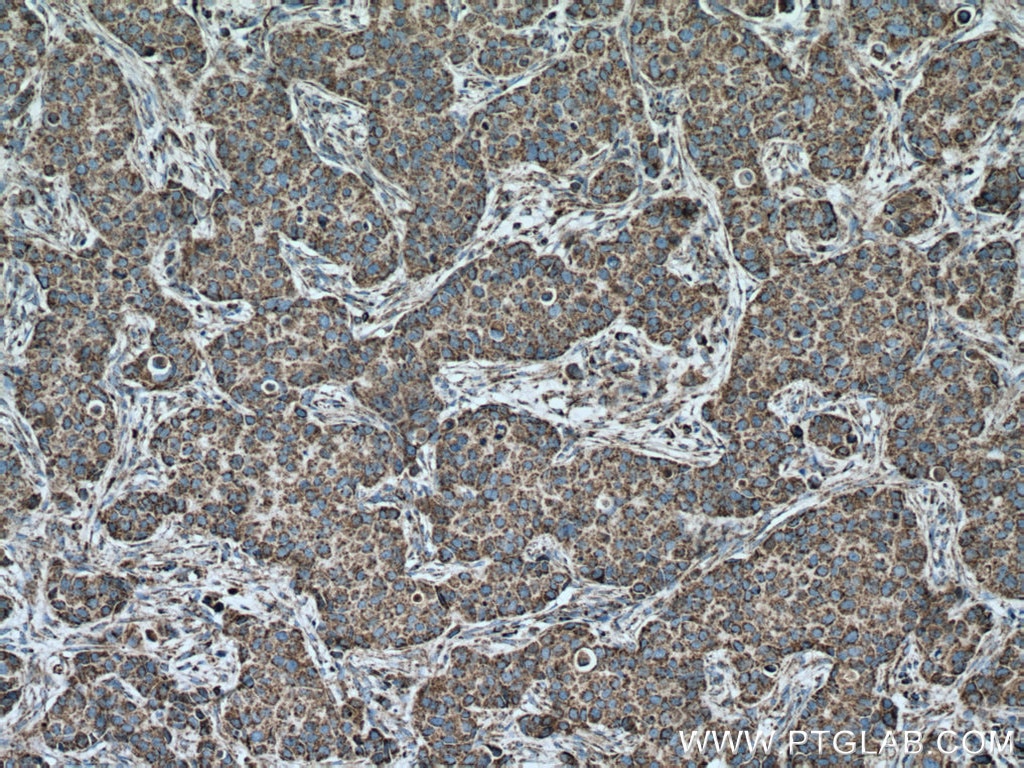
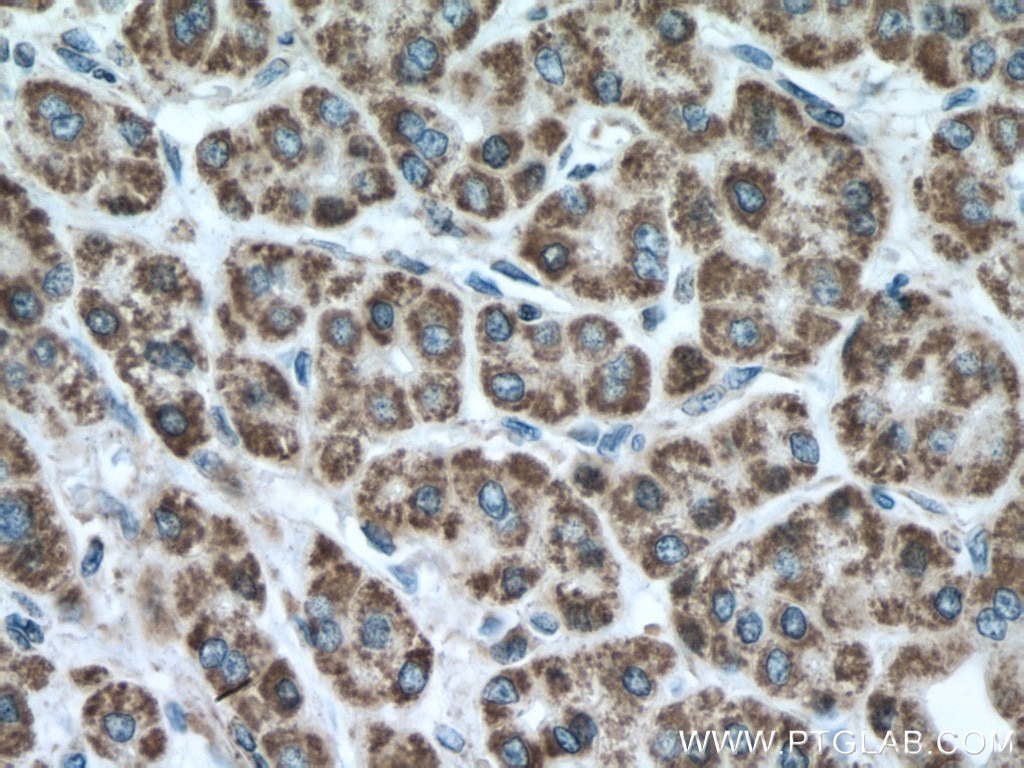
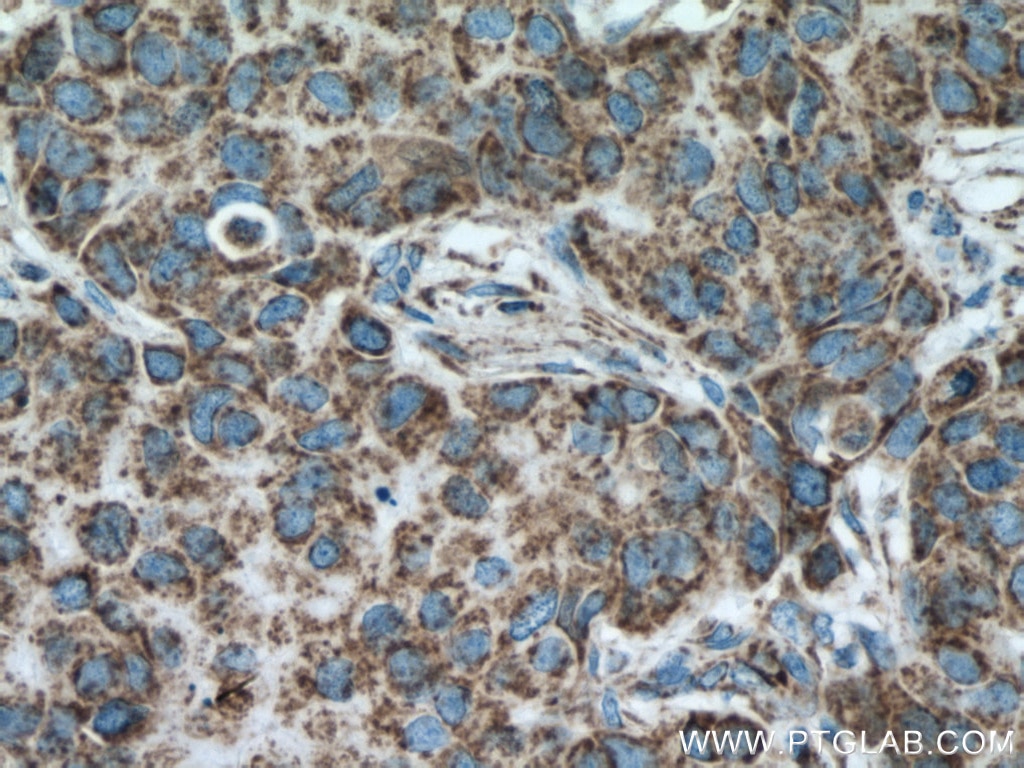
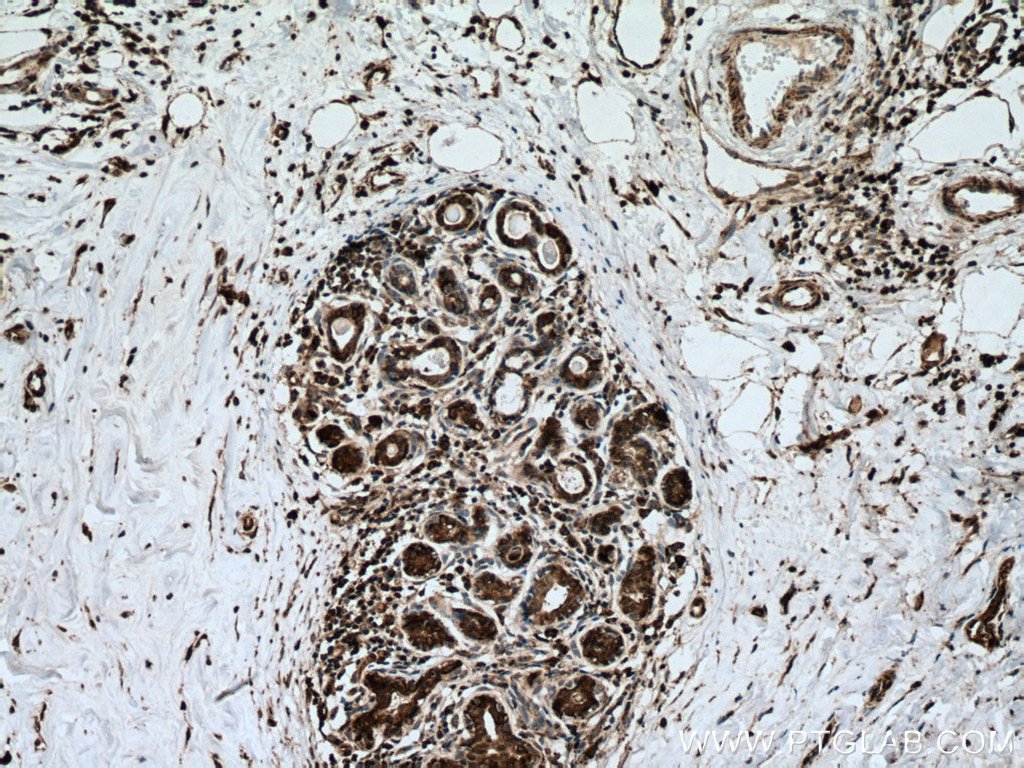
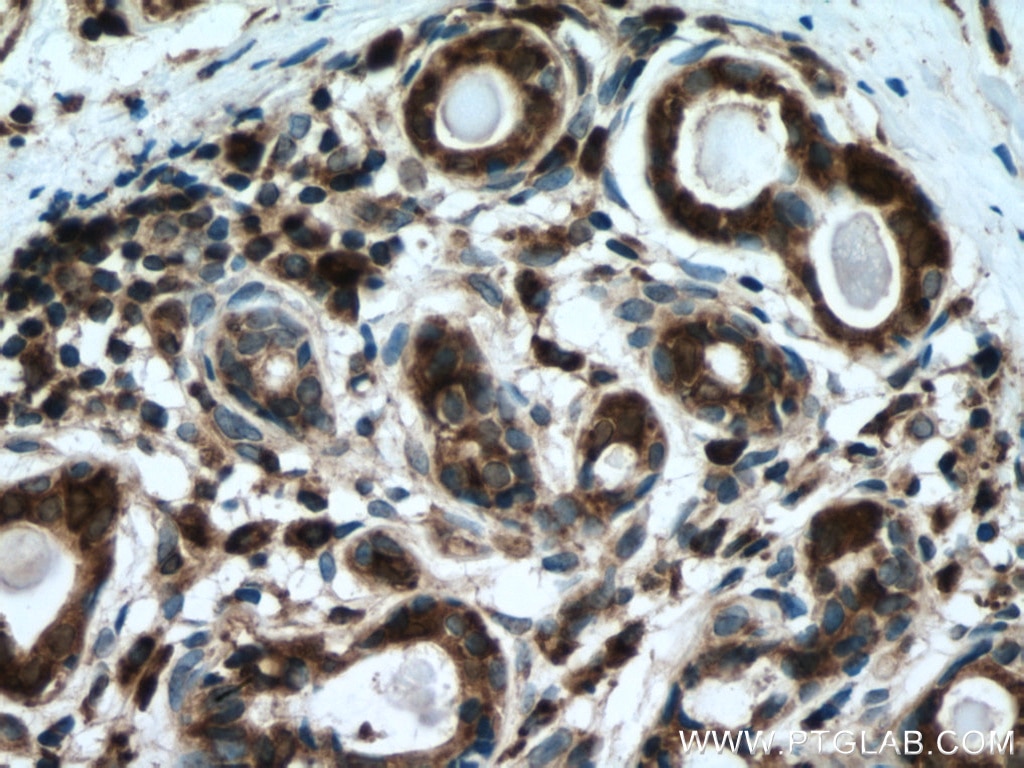
| Positive IHC detected in | human liver cancer tissue, human breast cancer tissue Note: suggested antigen retrieval with TE buffer pH 9.0; (*) Alternatively, antigen retrieval may be performed with citrate buffer pH 6.0 |
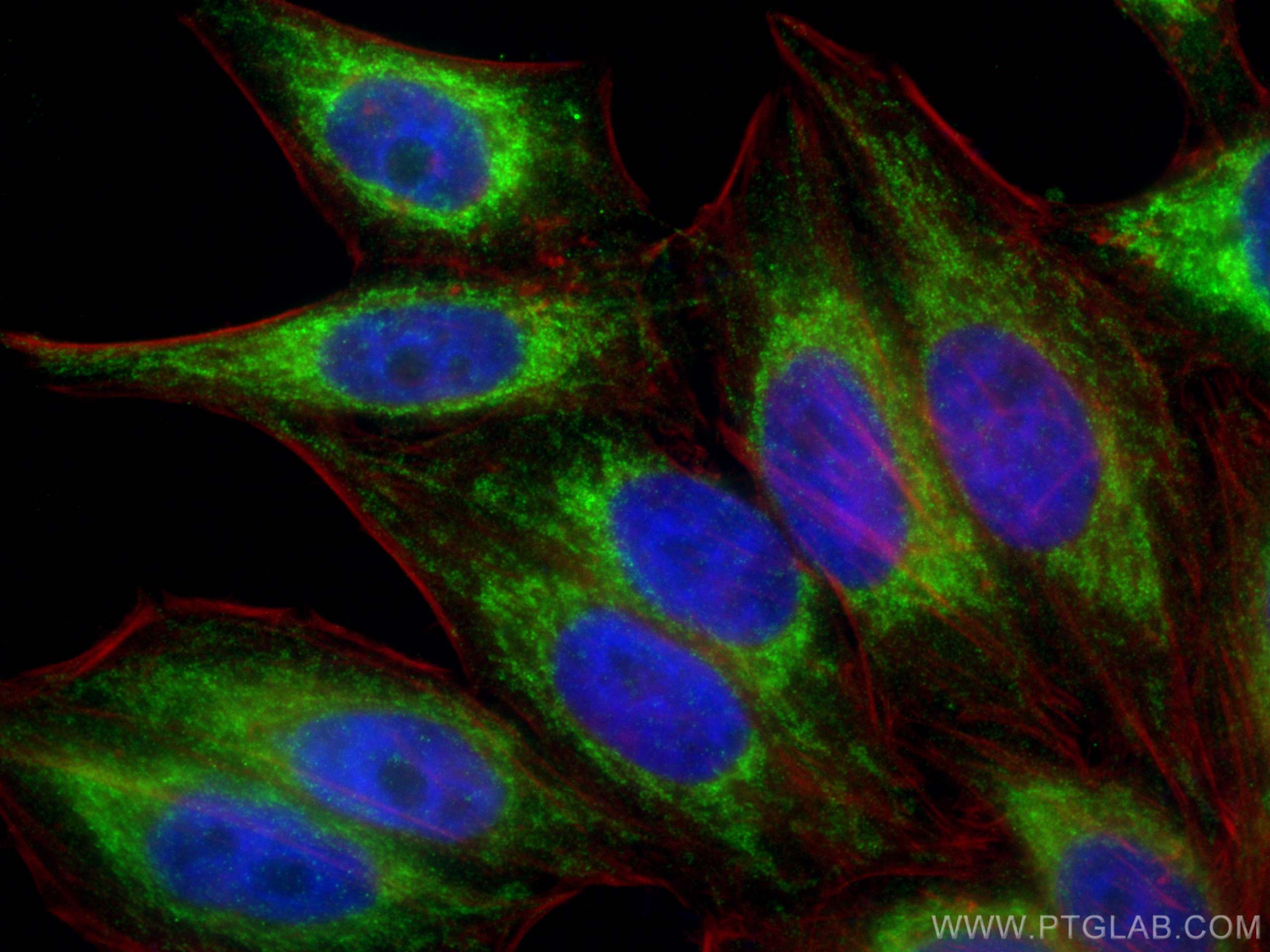
| Positive IF/ICC detected in | HepG2 cells |
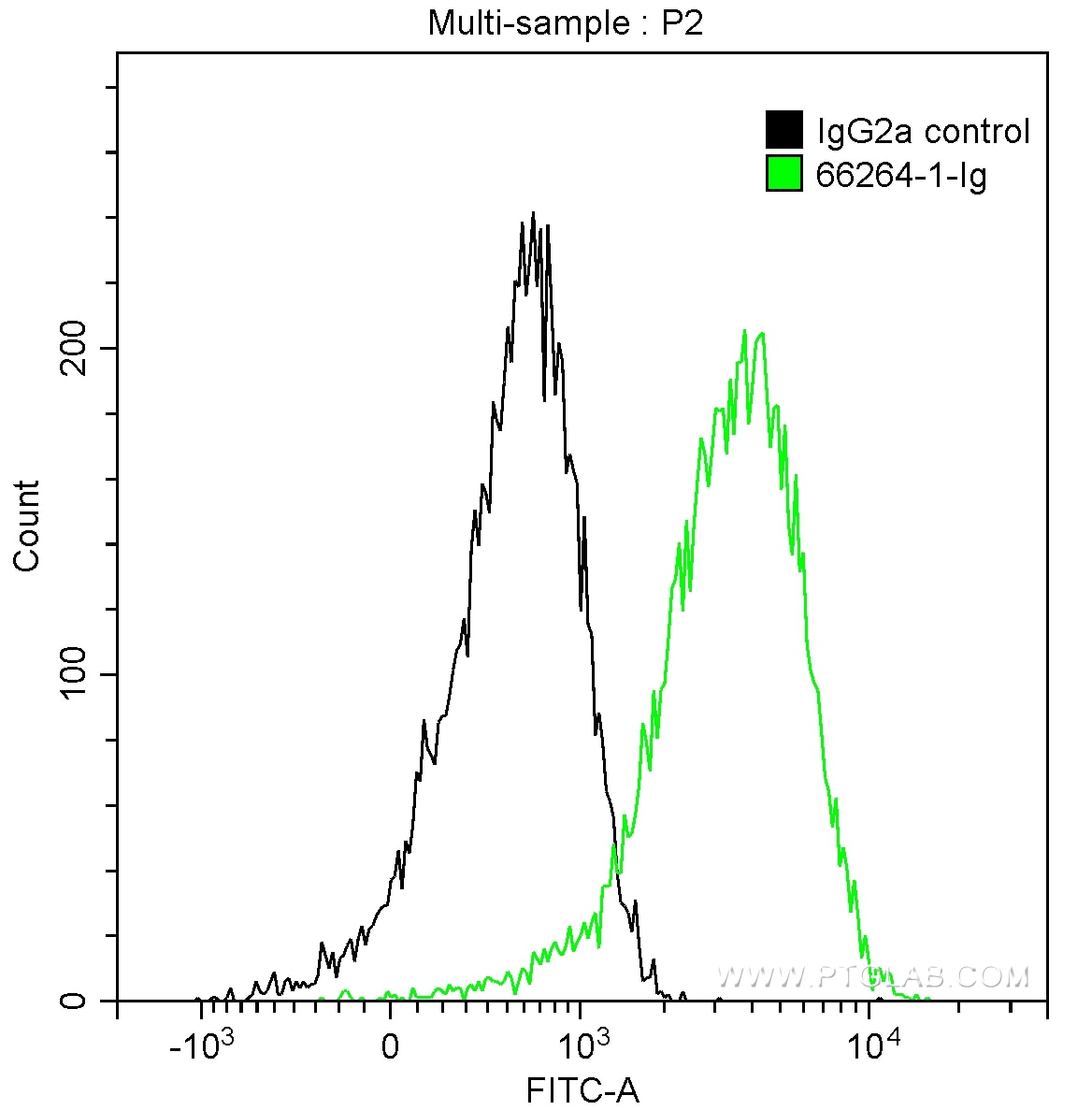
| Positive FC (Intra) detected in | HepG2 cells |
Recommended dilution
| Application | Dilution |
|---|---|
| Western Blot (WB) | WB : 1:5000-1:50000 |
| Immunohistochemistry (IHC) | IHC : 1:1000-1:5000 |
| Immunofluorescence (IF)/ICC | IF/ICC : 1:200-1:800 |
| Flow Cytometry (FC) (INTRA) | FC (INTRA) : 0.20 ug per 10^6 cells in a 100 µl suspension |
| It is recommended that this reagent should be titrated in each testing system to obtain optimal results. | |
| Sample-dependent, Check data in validation data gallery. | |
Product Information
66264-1-Ig targets Cytochrome c in WB, IHC, IF/ICC, FC (Intra), ELISA applications and shows reactivity with human, mouse, rat samples.
| Tested Reactivity | human, mouse, rat |
| Cited Reactivity | human, mouse, rat, pig, canine |
| Host / Isotype | Mouse / IgG2a |
| Class | Monoclonal |
| Type | Antibody |
| Immunogen |
CatNo: Ag24349 Product name: Recombinant human Cytochrome c protein Source: e coli.-derived, PET28a Tag: 6*His Domain: 1-105 aa of BC009578 Sequence: MGDVEKGKKIFIMKCSQCHTVEKGGKHKTGPNLHGLFGRKTGQAPGYSYTAANKNKGIIWGEDTLMEYLENPKKYIPGTKMIFVGIKKKEERADLIAYLKKATNE Predict reactive species |
| Full Name | cytochrome c, somatic |
| Calculated Molecular Weight | 12 kDa |
| Observed Molecular Weight | 12-15 kDa |
| GenBank Accession Number | BC009578 |
| Gene Symbol | Cytochrome c |
| Gene ID (NCBI) | 54205 |
| RRID | AB_2716798 |
| Conjugate | Unconjugated |
| Form | Liquid |
| Purification Method | Protein A purification |
| UNIPROT ID | P99999 |
| Storage Buffer | PBS with 0.02% sodium azide and 50% glycerol, pH 7.3. |
| Storage Conditions | Store at -20°C. Stable for one year after shipment. Aliquoting is unnecessary for -20oC storage. 20ul sizes contain 0.1% BSA. |
Background Information
Cytochrome c is a 12-15 kDa electron transporting protein located in the inner mitochondrial membrane. Upon apoptotic stimulation, cytochrome c can be released from mitochondria into cytoplasm, resulting in caspase-3 activation and apoptosis. Measurement of cytochrome c release from the mitochondria is useful for detection of the onset of apoptosis in cells. In addition, cytochrome c can also leave cells and be detectable in extra-cellular medium of apoptotic cells and serum of cancer patients. The level of serum cytochrome c may serve as a prognostic maker during cancer therapy.
Protocols
| Product Specific Protocols | |
|---|---|
| FC protocol for Cytochrome c antibody 66264-1-Ig | Download protocol |
| IF protocol for Cytochrome c antibody 66264-1-Ig | Download protocol |
| IHC protocol for Cytochrome c antibody 66264-1-Ig | Download protocol |
| WB protocol for Cytochrome c antibody 66264-1-Ig | Download protocol |
| Standard Protocols | |
|---|---|
| Click here to view our Standard Protocols |
Publications
What published studies show
Cytochrome c Monoclonal antibody (2D8D11), catalog number 66264-1-Ig, has accumulated 179 citations across journals including Nature Communications, Advanced Materials, Hepatology, Cell Death & Differentiation, Cell Death & Disease, Phytomedicine, Journal of Translational Medicine, Free Radical Biology and Medicine, and Frontiers in Pharmacology. Research fields span mitochondrial biology, apoptosis, oxidative stress, cancer, cardiovascular disease, neurology, and immunology, with primary applications in Western blotting, immunohistochemistry, and immunofluorescence across human, mouse, and rat species.
| Species | Application | Title |
|---|---|---|
Adv Mater Poly(Citric Acid) Bidirectional Regulator: Coordinating Iron Homeostasis to Suppress Stress Responses and Boosting Mitochondrial Bioenergetics for Enhanced Nerve Repair. | ||
Nat Commun Redox-regulated in situ-forming hydrogel informed by single-cell transcriptomics for functional restoration of injured vocal folds. | ||
Nat Commun A glucose-enriched lung pre-metastatic niche triggered by matrix stiffness-tuned exosomal miRNAs in hepatocellular carcinoma | ||
Nat Commun MARTRE family proteins negatively regulate CCR4-NOT activity to protect poly(A) tail length and promote translation of maternal mRNA | ||
Nat Commun Endonuclease G promotes autophagy by suppressing mTOR signaling and activating the DNA damage response. | ||
Hepatology Hepatic stimulator substance resists hepatic ischemia/reperfusion injury by regulating Drp1 translocation and activation. |
Reviews
What customers say
One customer rated this product 5 stars (July 2018). The reviewer, Megha Singhal, used it at a 1:1000 dilution on Capan-1 cells for Western Blot. No written comments were provided, but the perfect score indicates full satisfaction with the antibody's performance in that application.
The reviews below have been submitted by verified Proteintech customers who received an incentive for providing their feedback.
Megha (Verified Customer) (07-10-2018) |
|


