
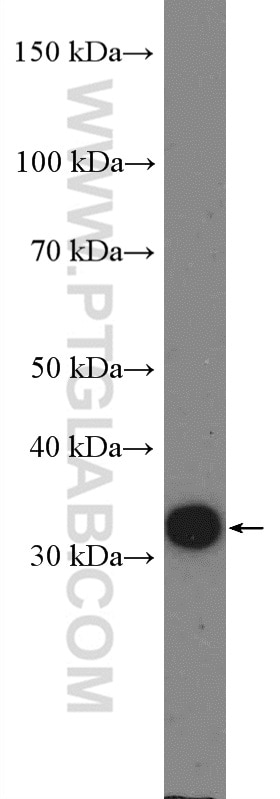
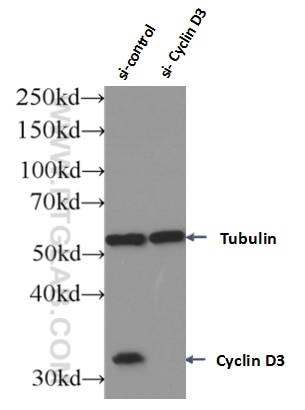
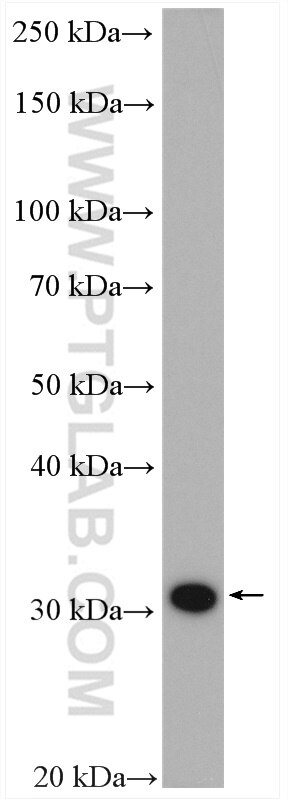
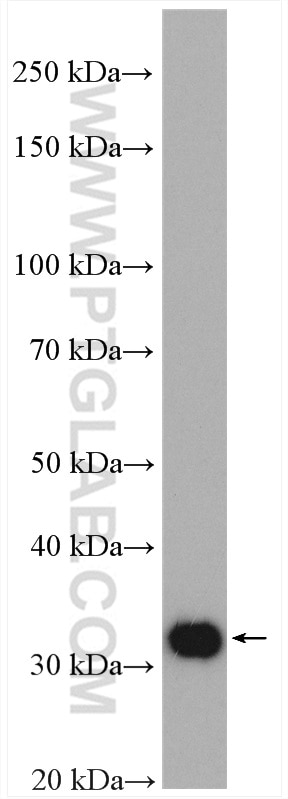

Tested Applications
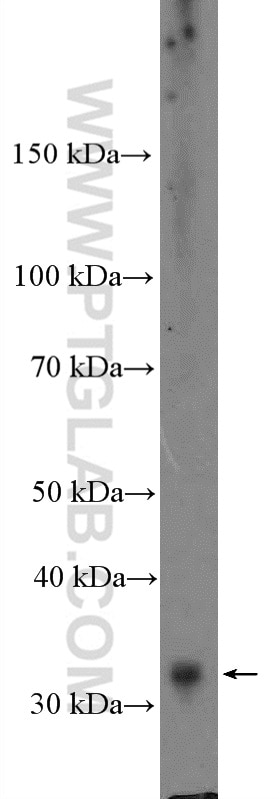
| Positive WB detected in | C6 cells, K-562 cells, Jurkat cells, HeLa cells |
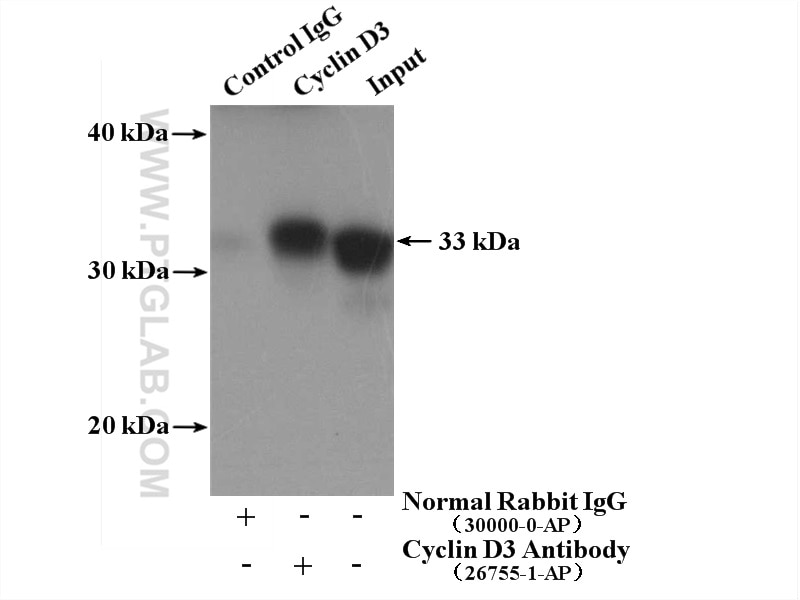
| Positive IP detected in | K-562 cells |
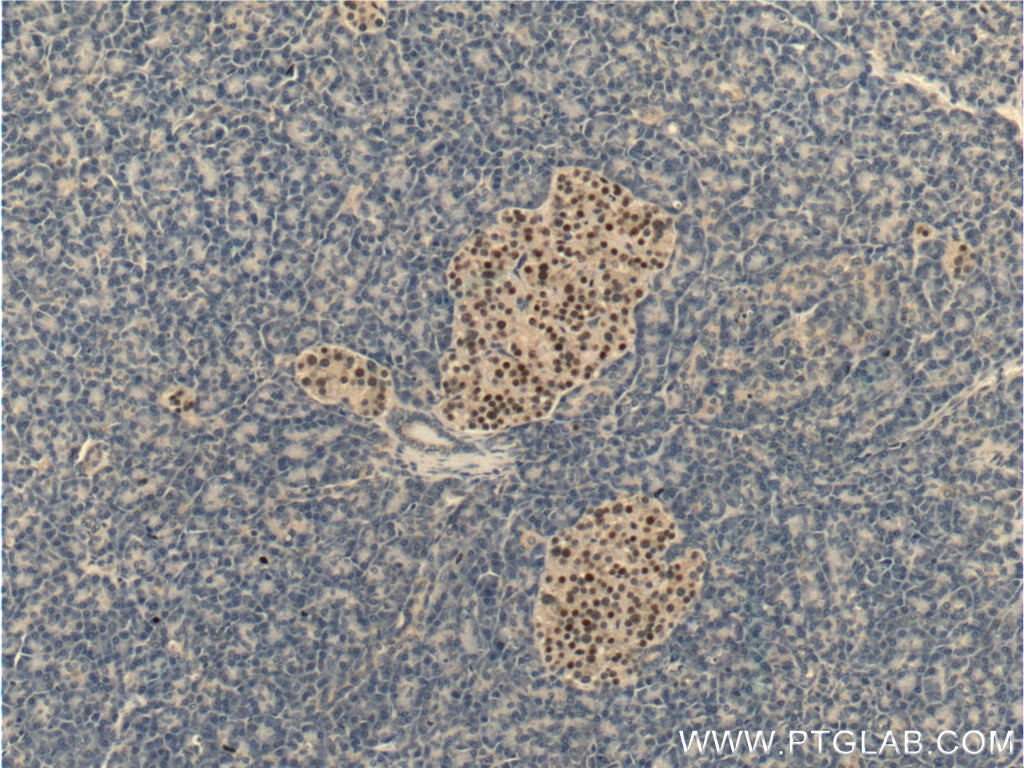
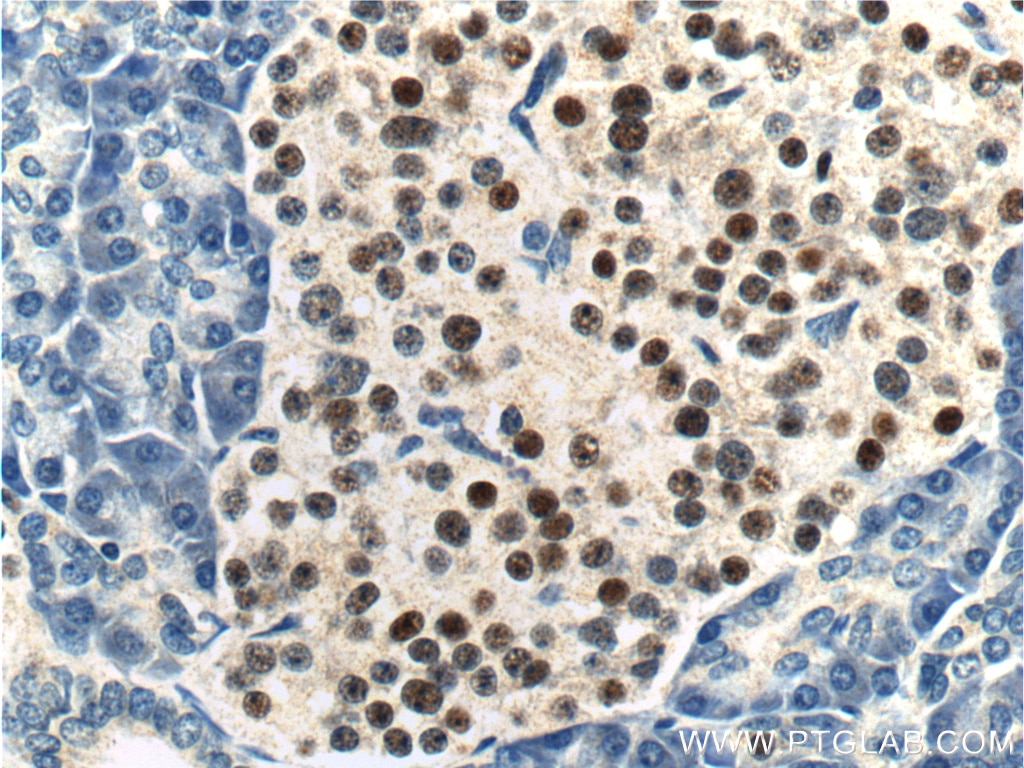
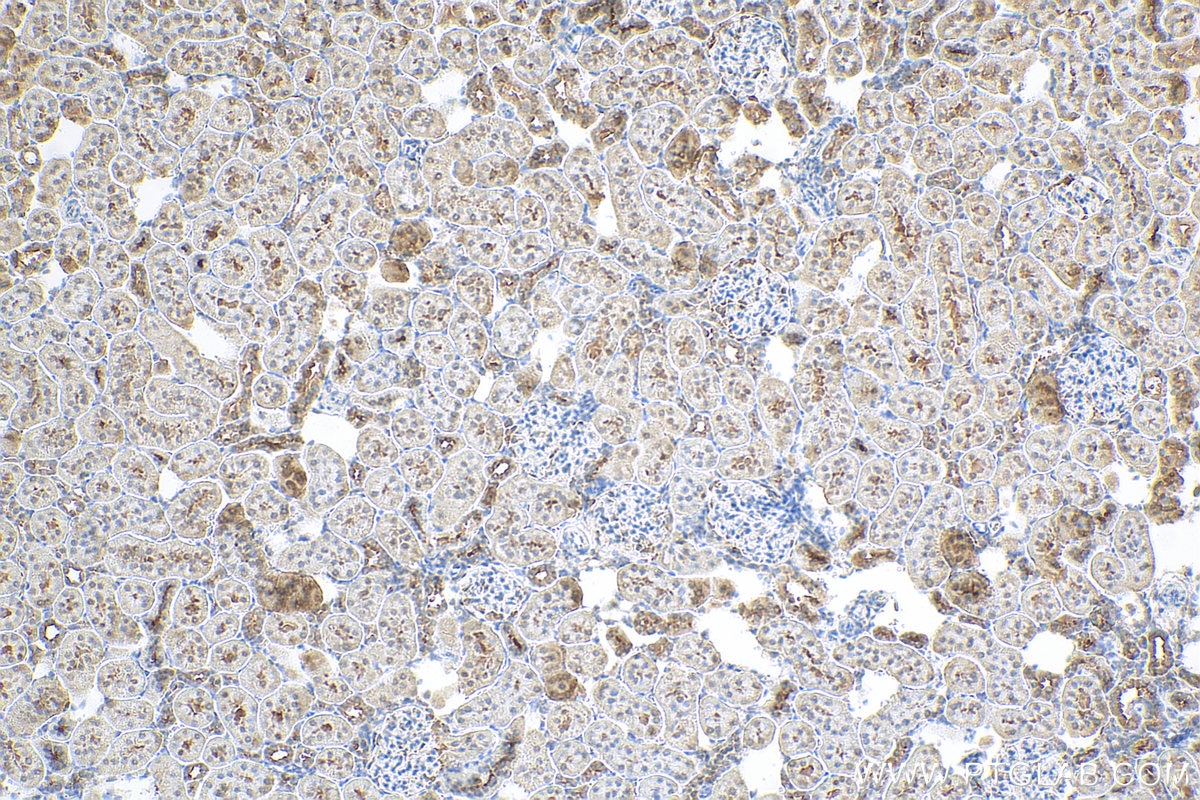
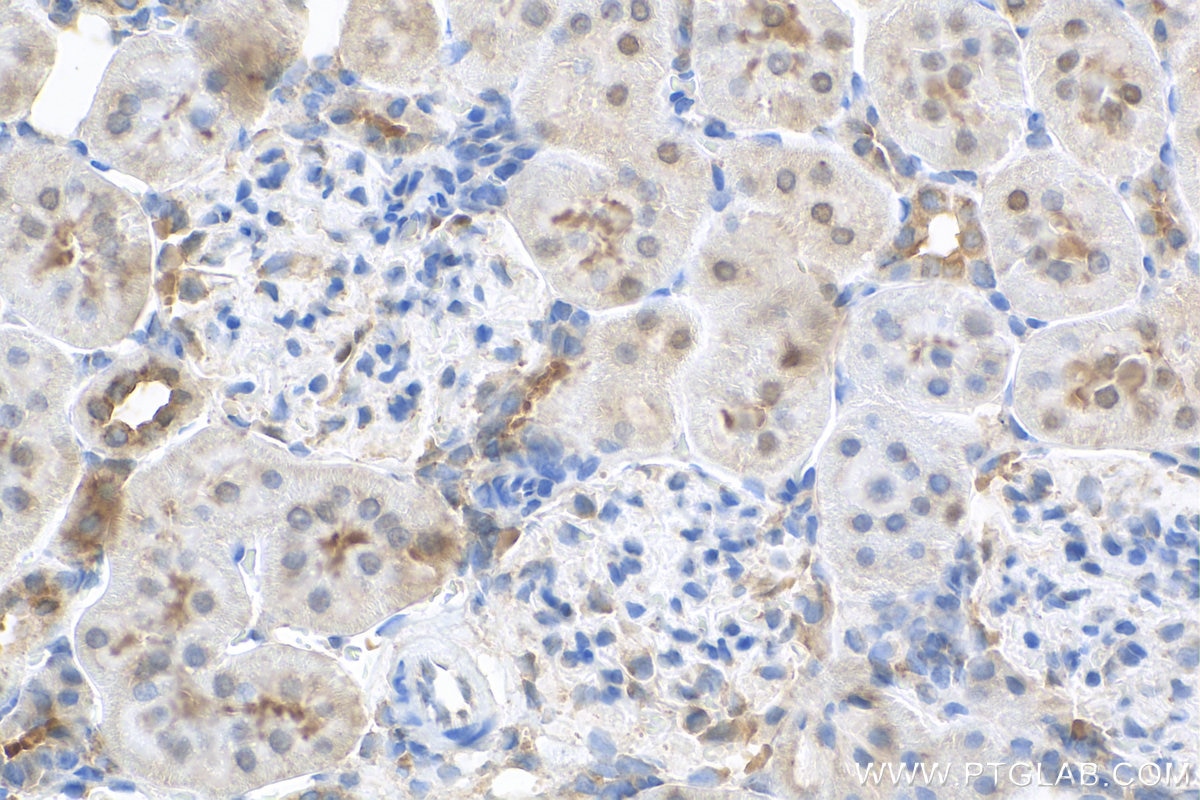
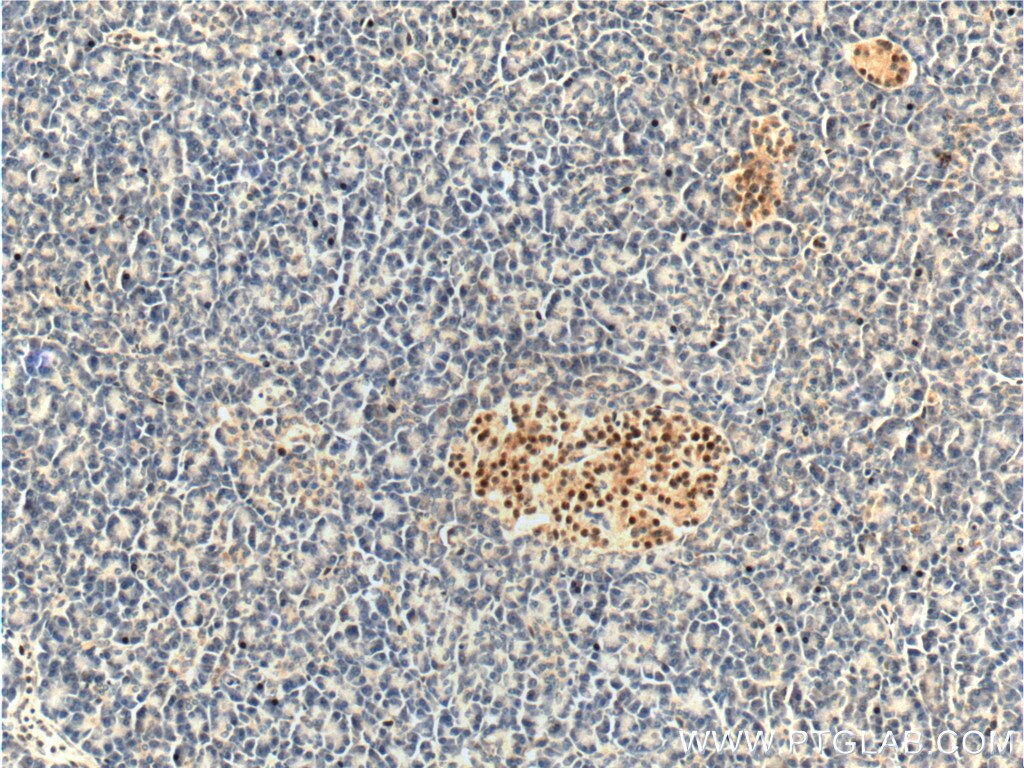
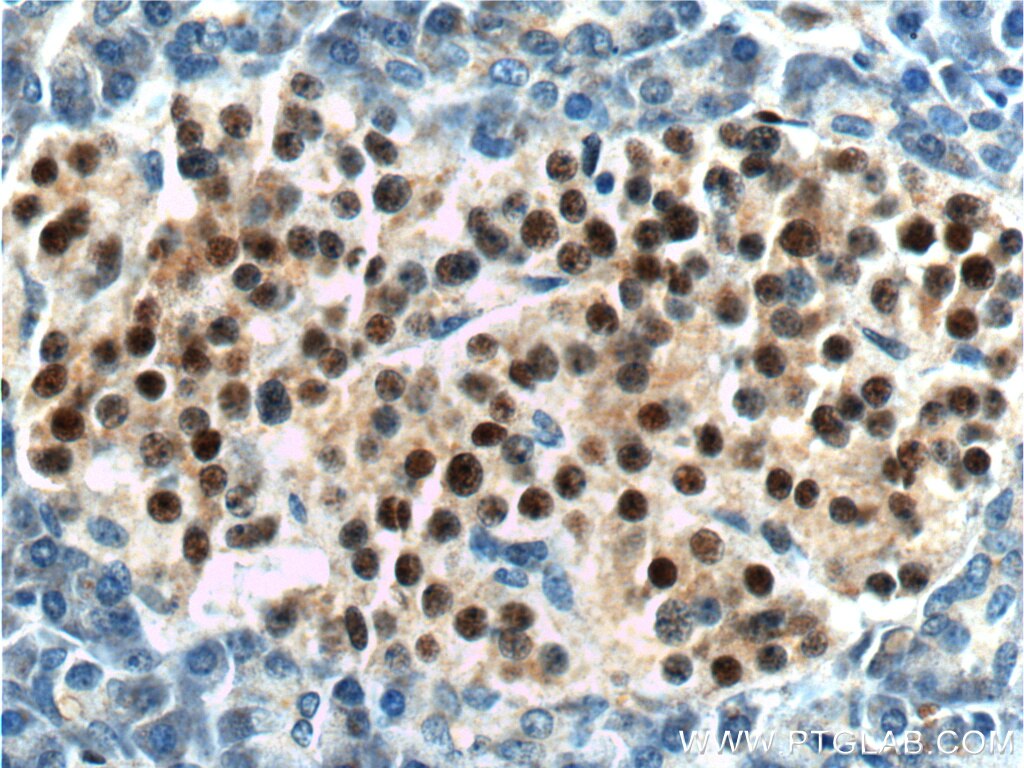
| Positive IHC detected in | human pancreas tissue, rat kidney tissue Note: suggested antigen retrieval with TE buffer pH 9.0; (*) Alternatively, antigen retrieval may be performed with citrate buffer pH 6.0 |
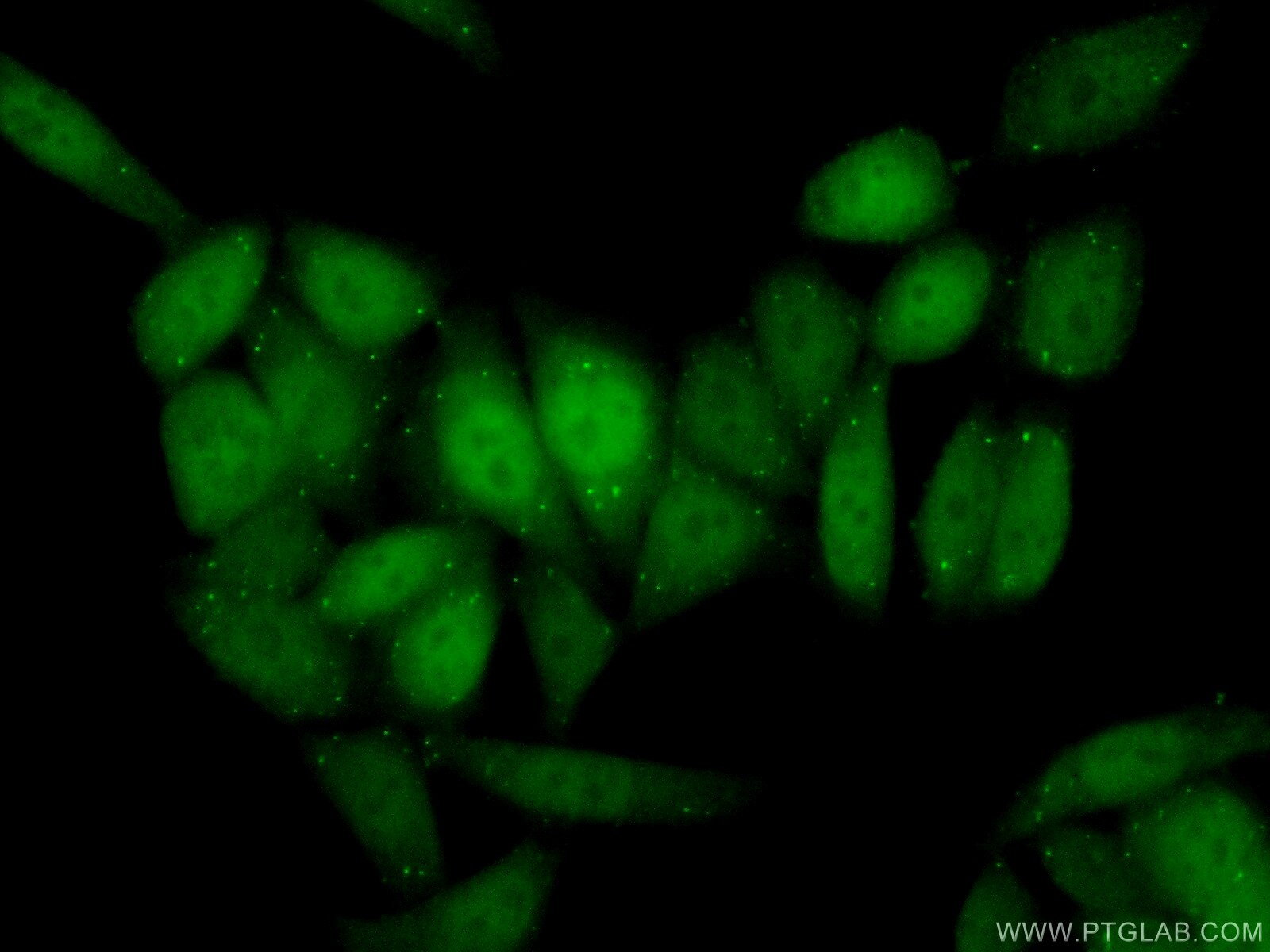
| Positive IF/ICC detected in | HeLa cells |
Recommended dilution
| Application | Dilution |
|---|---|
| Western Blot (WB) | WB : 1:500-1:2000 |
| Immunoprecipitation (IP) | IP : 0.5-4.0 ug for 1.0-3.0 mg of total protein lysate |
| Immunohistochemistry (IHC) | IHC : 1:50-1:500 |
| Immunofluorescence (IF)/ICC | IF/ICC : 1:50-1:500 |
| It is recommended that this reagent should be titrated in each testing system to obtain optimal results. | |
| Sample-dependent, Check data in validation data gallery. | |
Product Information
26755-1-AP targets Cyclin D3 in WB, IHC, IF/ICC, IP, ELISA applications and shows reactivity with human, rat samples.
| Tested Reactivity | human, rat |
| Cited Reactivity | human, mouse, rat, sheep |
| Host / Isotype | Rabbit / IgG |
| Class | Polyclonal |
| Type | Antibody |
| Immunogen |
CatNo: Ag25151 Product name: Recombinant human Cyclin D3 protein Source: e coli.-derived, PGEX-4T Tag: GST Domain: 250-292 aa of BC011616 Sequence: ALRESLREASQTSSSPAPKAPRGSSSQGPSQTSTPTDVTAIHL Predict reactive species |
| Full Name | cyclin D3 |
| Calculated Molecular Weight | 33 kDa |
| Observed Molecular Weight | 33 kDa |
| GenBank Accession Number | BC011616 |
| Gene Symbol | Cyclin D3 |
| Gene ID (NCBI) | 896 |
| ENSEMBL Gene ID | ENSG00000112576 |
| RRID | AB_2756524 |
| Conjugate | Unconjugated |
| Form | Liquid |
| Purification Method | Antigen affinity purification |
| UNIPROT ID | P30281 |
| Storage Buffer | PBS with 0.02% sodium azide and 50% glycerol, pH 7.3. |
| Storage Conditions | Store at -20°C. Stable for one year after shipment. Aliquoting is unnecessary for -20oC storage. 20ul sizes contain 0.1% BSA. |
Background Information
Cyclin D3 belongs to the highly conserved cyclin family, whose members are characterized by a dramatic periodicity in protein abundance through the cell cycle. Cyclins function as regulators of CDK kinases. Different cyclins exhibit distinct expression and degradation patterns which contribute to the temporal coordination of each mitotic event. This cyclin forms a complex with and functions as a regulatory subunit of CDK4 or CDK6, whose activtiy is required for cell cycle G1/S transition. This protein has been shown to interact with and be involved in the phosphorylation of tumor suppressor protein Rb. The CDK4 activity associated with this cyclin was reported to be necessary for cell cycle progression through G2 phase into mitosis after UV radiation.
Protocols
| Product Specific Protocols | |
|---|---|
| IF protocol for Cyclin D3 antibody 26755-1-AP | Download protocol |
| IHC protocol for Cyclin D3 antibody 26755-1-AP | Download protocol |
| IP protocol for Cyclin D3 antibody 26755-1-AP | Download protocol |
| WB protocol for Cyclin D3 antibody 26755-1-AP | Download protocol |
| Standard Protocols | |
|---|---|
| Click here to view our Standard Protocols |
Publications
What published studies show
Anti-Cyclin D3 antibody (Cat# 26755-1-AP) has 48 citations published across 40+ journals, including Molecular Cell, Science Advances, Cell Death & Differentiation, Journal of Experimental & Clinical Cancer Research, Small, and BMC Cancer. Research fields span oncology (lung, breast, gastric, liver, colorectal, and other cancers), cell cycle regulation, DNA mismatch repair, ferroptosis/cuproptosis, diabetic wound healing, stem cell biology, and cardiovascular disease.
| Species | Application | Title |
|---|---|---|
Bioact Mater Glucose-responsive, antioxidative HA-PBA-FA/EN106 hydrogel enhanced diabetic wound healing through modulation of FEM1b-FNIP1 axis and promoting angiogenesis | ||
Nucleic Acids Res Small nucleolar RNAs promote the restoration of muscle differentiation defects in cells from myotonic dystrophy type 1 | ||
J Exp Clin Cancer Res HDAC7 promotes NSCLC proliferation and metastasis via stabilization by deubiquitinase USP10 and activation of β-catenin-FGF18 pathway. | ||
Cell Death Differ The LINC01315-encoded small protein YAPer-ORF competes with PRP4k to hijack YAP signaling to aberrantly promote cell growth |


