
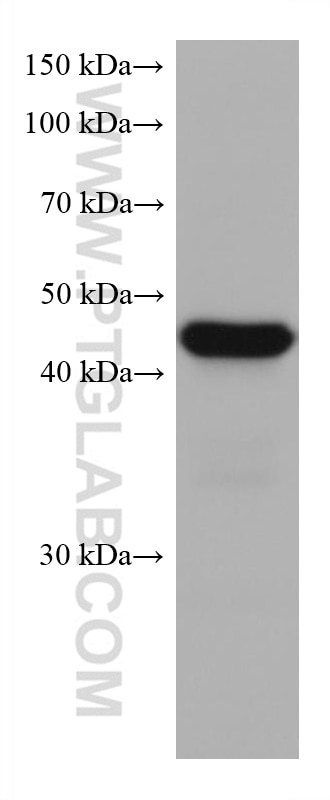
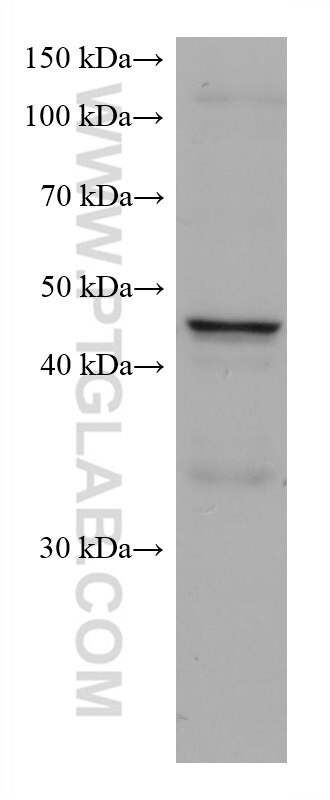
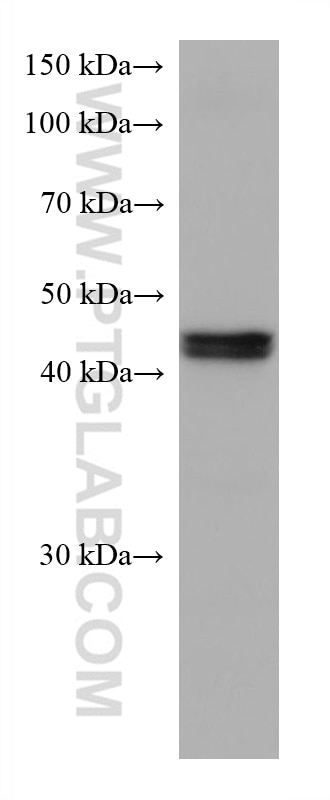
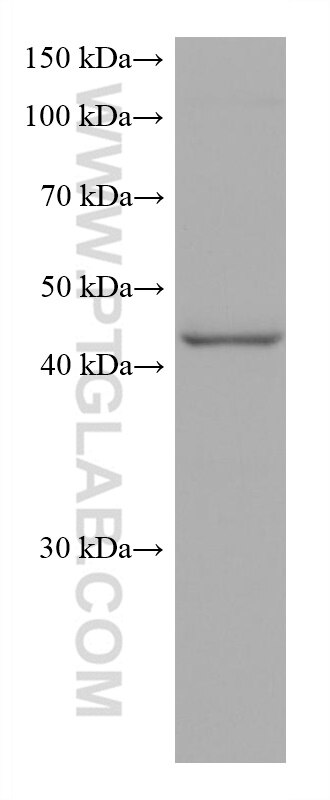

Tested Applications
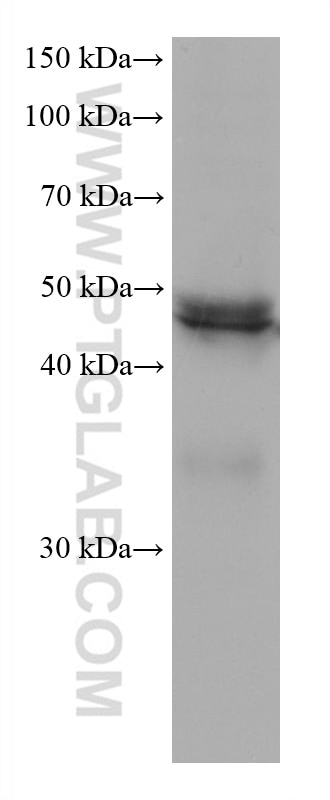
| Positive WB detected in | MOLT-4 cells, HT-29 cells, Jurkat cells, K-562 cells, U-937 cells |
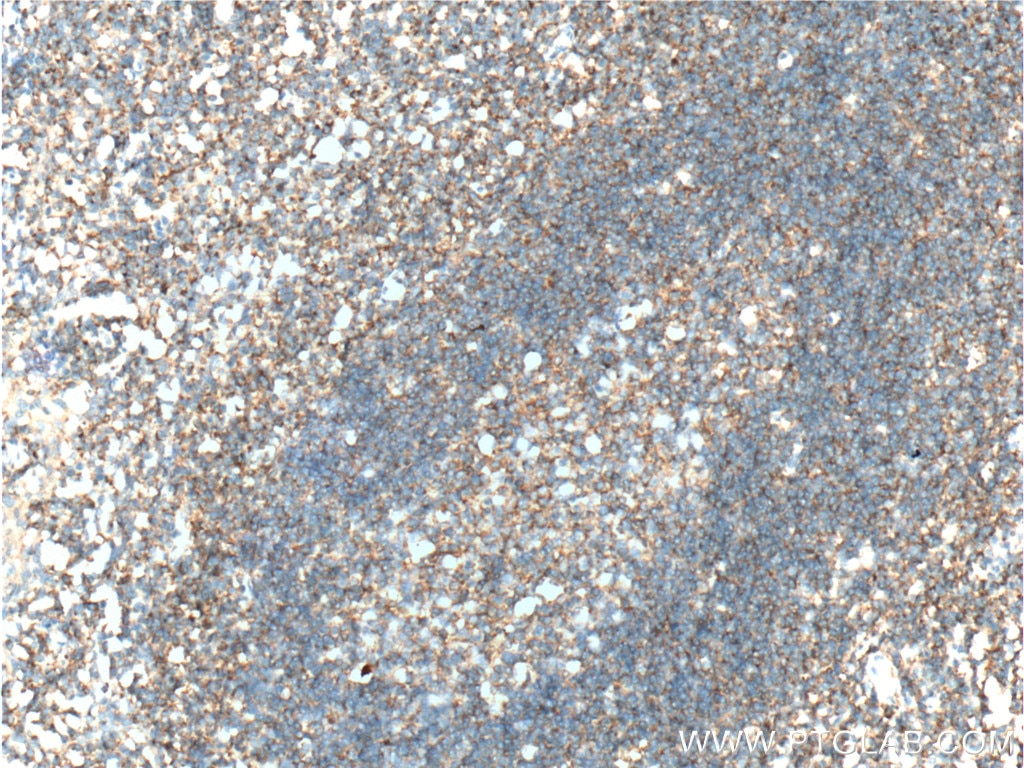
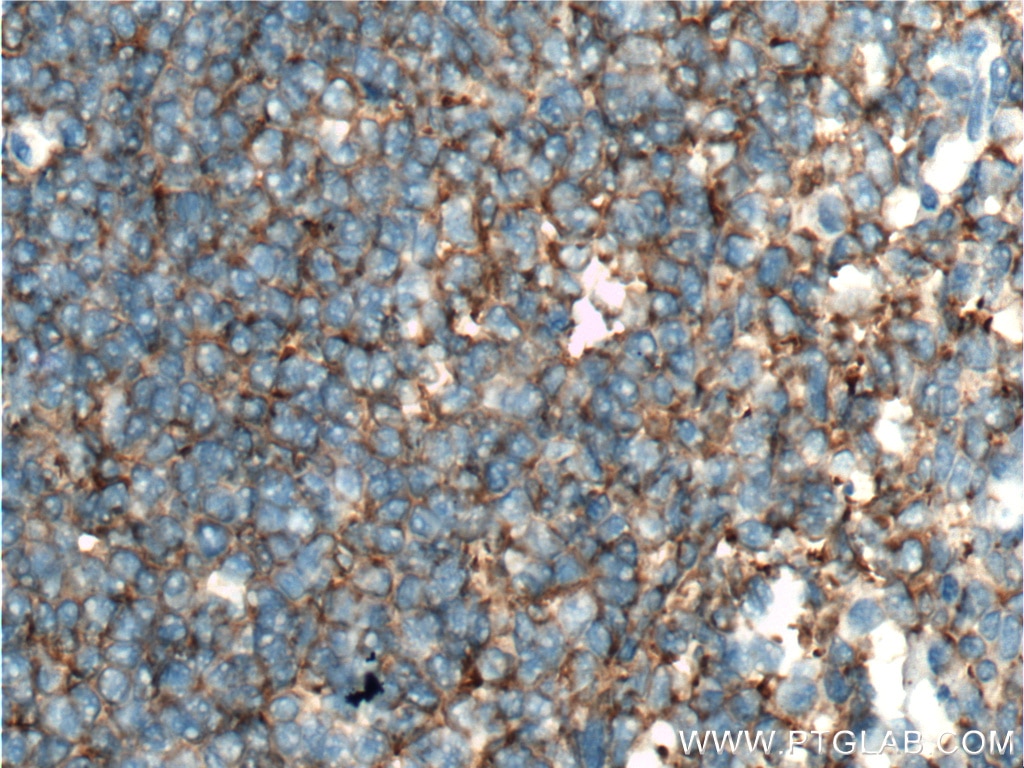
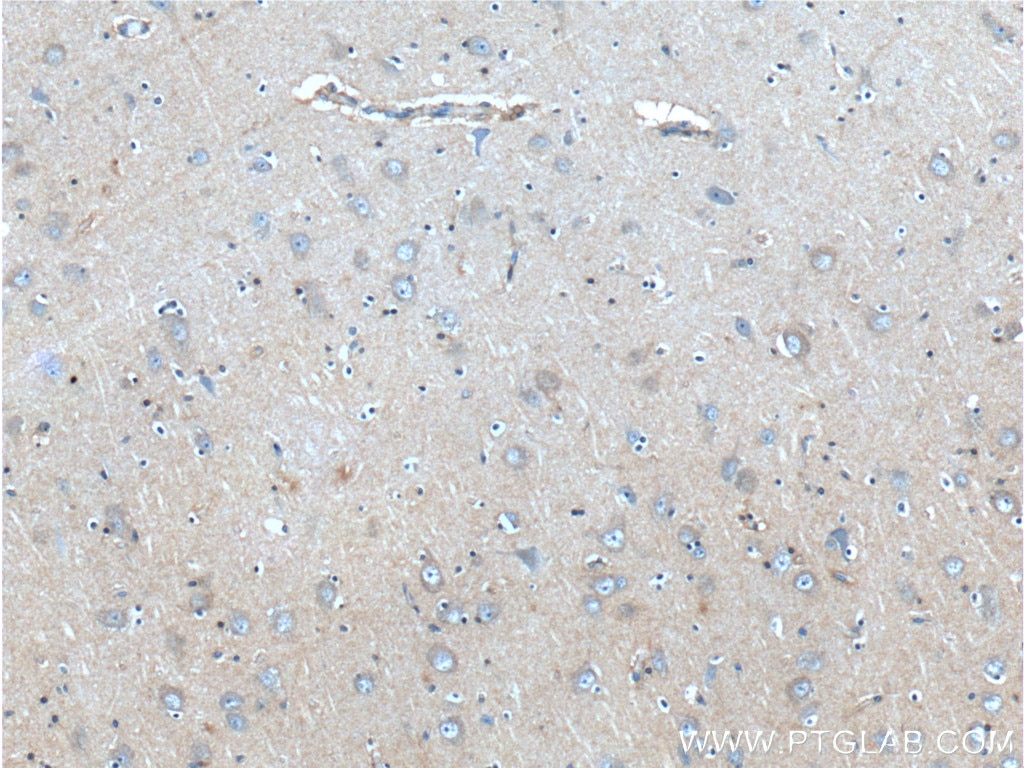
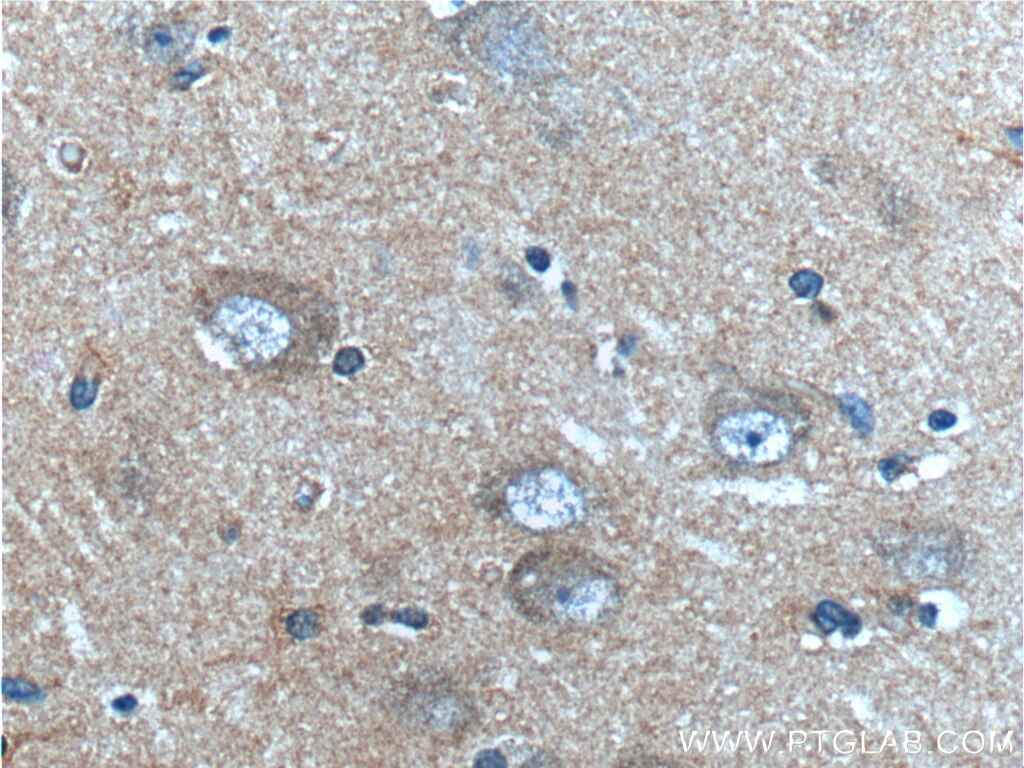
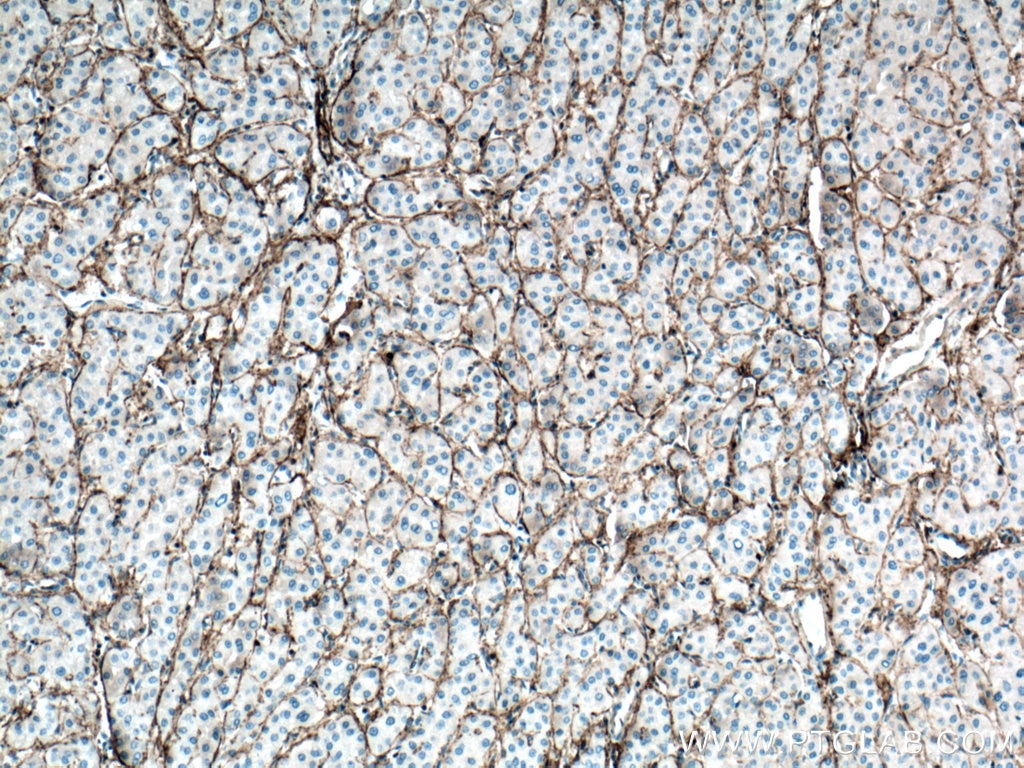
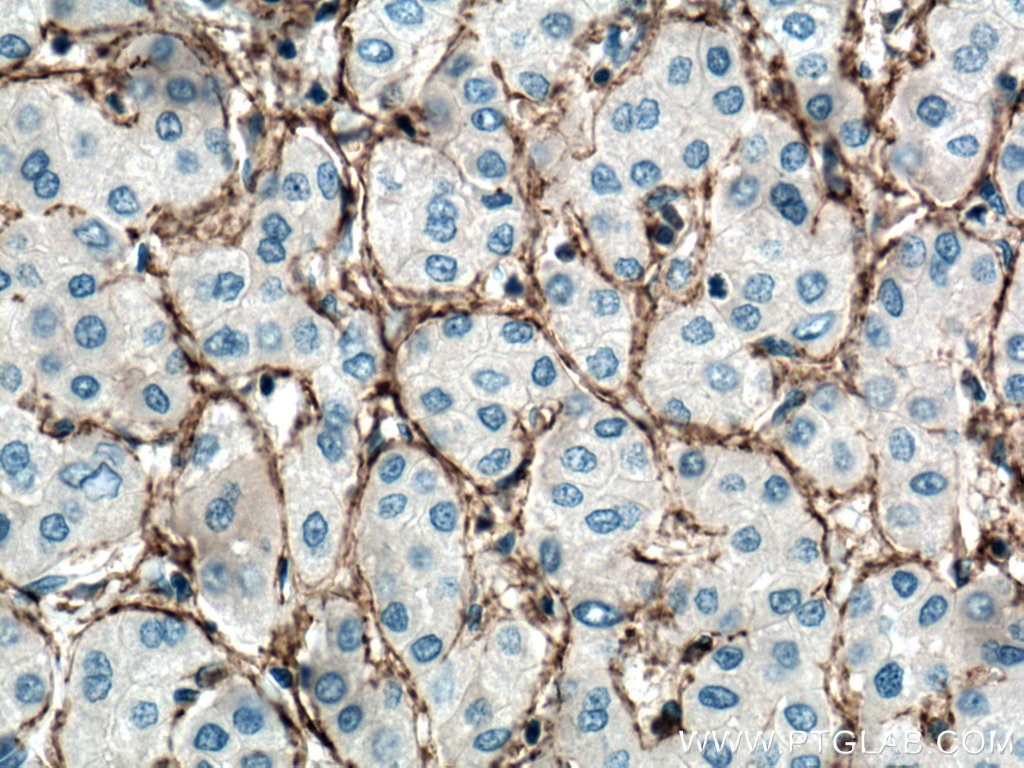
| Positive IHC detected in | human tonsillitis tissue, human liver cancer tissue, human brain tissue Note: suggested antigen retrieval with TE buffer pH 9.0; (*) Alternatively, antigen retrieval may be performed with citrate buffer pH 6.0 |
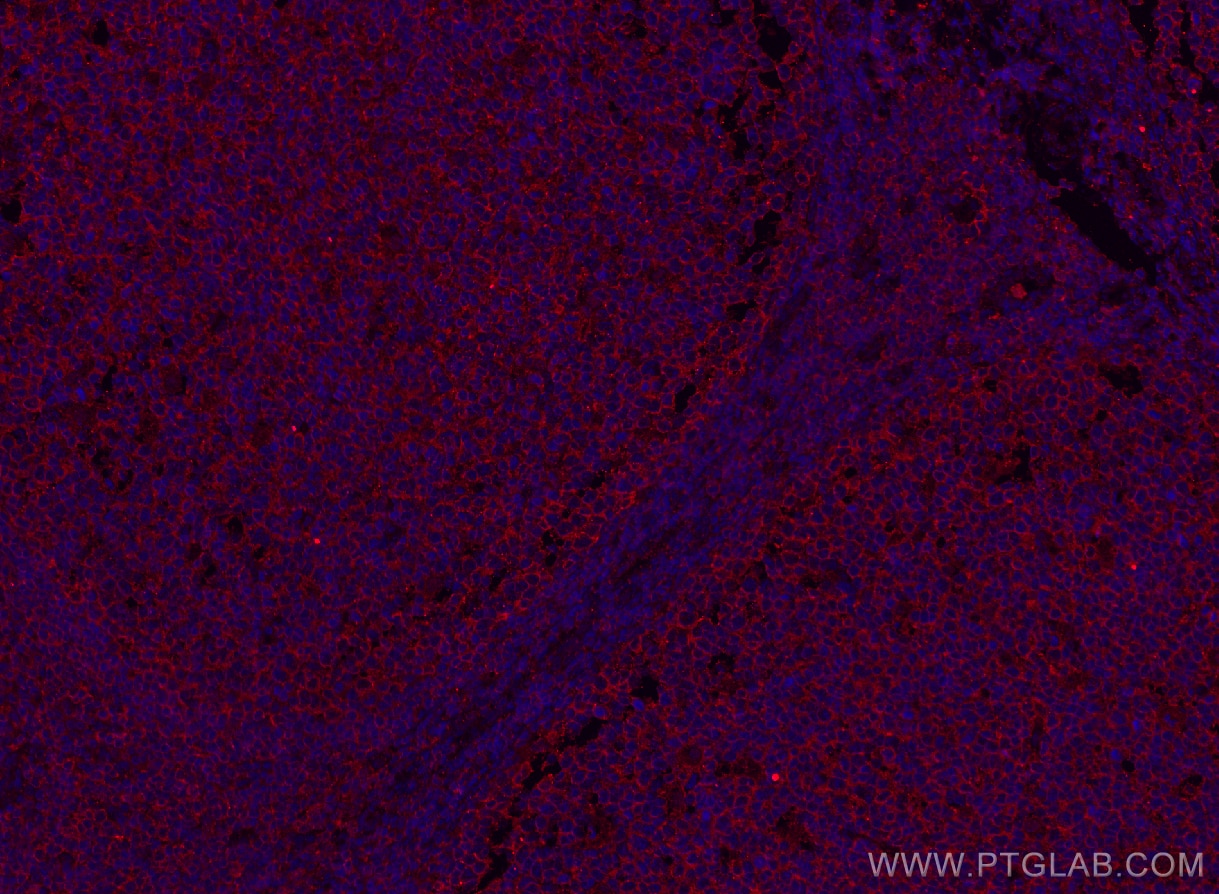
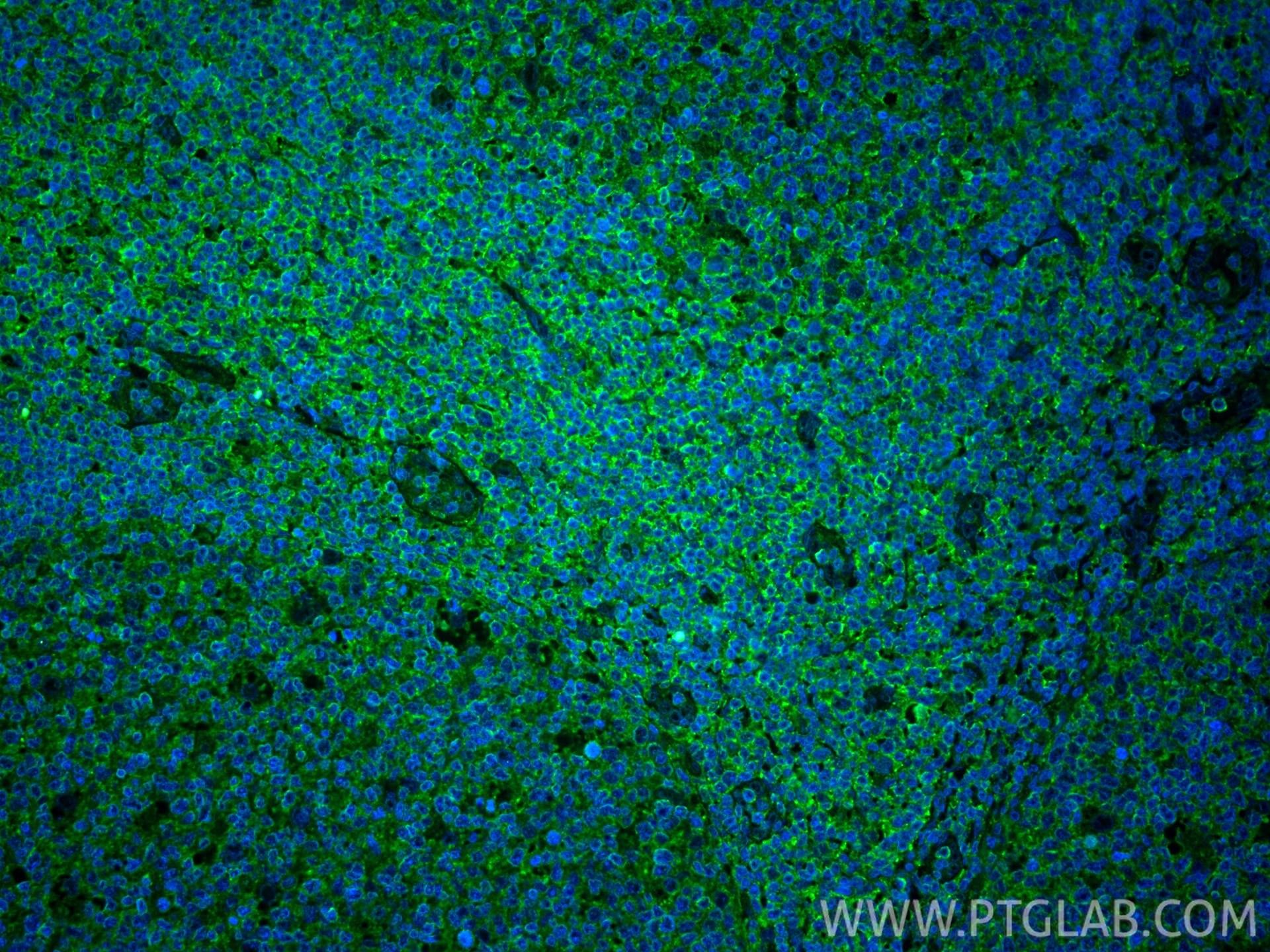
| Positive IF-P detected in | human tonsillitis tissue |
Recommended dilution
| Application | Dilution |
|---|---|
| Western Blot (WB) | WB : 1:1000-1:6000 |
| Immunohistochemistry (IHC) | IHC : 1:50-1:500 |
| Immunofluorescence (IF)-P | IF-P : 1:200-1:800 |
| It is recommended that this reagent should be titrated in each testing system to obtain optimal results. | |
| Sample-dependent, Check data in validation data gallery. | |
Product Information
60065-1-Ig targets CXCR3B-specific in WB, IHC, IF-P, ELISA applications and shows reactivity with human samples.
| Tested Reactivity | human |
| Cited Reactivity | human, mouse |
| Host / Isotype | Mouse / IgG2b |
| Class | Monoclonal |
| Type | Antibody |
| Immunogen |
Peptide Predict reactive species |
| Full Name | chemokine (C-X-C motif) receptor 3 |
| Calculated Molecular Weight | 46 kDa |
| Observed Molecular Weight | 43 kDa |
| GenBank Accession Number | AF469635 |
| Gene Symbol | CXCR3 |
| Gene ID (NCBI) | 2833 |
| RRID | AB_2292376 |
| Conjugate | Unconjugated |
| Form | Liquid |
| Purification Method | Protein A purification |
| UNIPROT ID | P49682-2 |
| Storage Buffer | PBS with 0.02% sodium azide and 50% glycerol, pH 7.3. |
| Storage Conditions | Store at -20°C. Stable for one year after shipment. Aliquoting is unnecessary for -20oC storage. 20ul sizes contain 0.1% BSA. |
Background Information
CXCR3 (C-X-C chemokine receptor type 3) is a G protein-coupled, seven-transmembrane domain chemokine receptor that is expressed on the surface of a number of cell types, including activated CD4+ and CD8+ T cells, NK and NK-T cells, plasmacytoid dendritic cells, and some B cells (PMID: 16847335). CXCR3 binds and is activated by the three IFN-gamma-inducible chemokines: CXCL9, CXCL10, and CXCL11. Binding of these ligands to CXCR3 has been implicated in regulating T-cell infiltration during inflammation and tissue injury (PMID: 17250586). Alternatively spliced transcript variants encoding different isoforms have been found for this gene. One of the isoforms, CXCR3B, mediates the angiostatic activity of CXCR3 ligands and also acts as functional receptor for CXCL4 (PMID:12782716). This monoclonal antibody is specific to CXCR3B.
Protocols
| Product Specific Protocols | |
|---|---|
| IF protocol for CXCR3B-specific antibody 60065-1-Ig | Download protocol |
| IHC protocol for CXCR3B-specific antibody 60065-1-Ig | Download protocol |
| WB protocol for CXCR3B-specific antibody 60065-1-Ig | Download protocol |
| Standard Protocols | |
|---|---|
| Click here to view our Standard Protocols |
Publications
What published studies show
The CXCR3 antibody (Cat# 60065-1-Ig) has 18 citations published across 17 journals, including Nature Communications, Molecular Cancer, Journal of Biological Chemistry, Free Radical Biology and Medicine, and Cellular Signalling. Research fields span oncology (prostate, hepatocellular, colorectal, breast, gastric, head and neck, and urothelial cancers), autoimmune/dermatological disease (vitiligo, allergic contact dermatitis), vascular biology (pericyte function, angiogenesis), and obesity. Applications include WB, IF, and IHC in human and mouse samples.
| Species | Application | Title |
|---|---|---|
Mol Cancer Altered CXCR3 isoform expression regulates prostate cancer cell migration and invasion. | ||
Nat Commun A single-cell atlas of the multicellular ecosystem of primary and metastatic hepatocellular carcinoma. | ||
Nat Commun Innate lymphocyte-induced CXCR3B-mediated melanocyte apoptosis is a potential initiator of T-cell autoreactivity in vitiligo. | ||
Int J Biol Sci Integrin α1 promotes tumorigenicity and progressive capacity of colorectal cancer. | ||
Cell Commun Signal Expression of E-cadherin and specific CXCR3 isoforms impact each other in prostate cancer. | ||
Arterioscler Thromb Vasc Biol Pericyte regulation of vascular remodeling through the CXC receptor 3.
|


