

Tested Applications
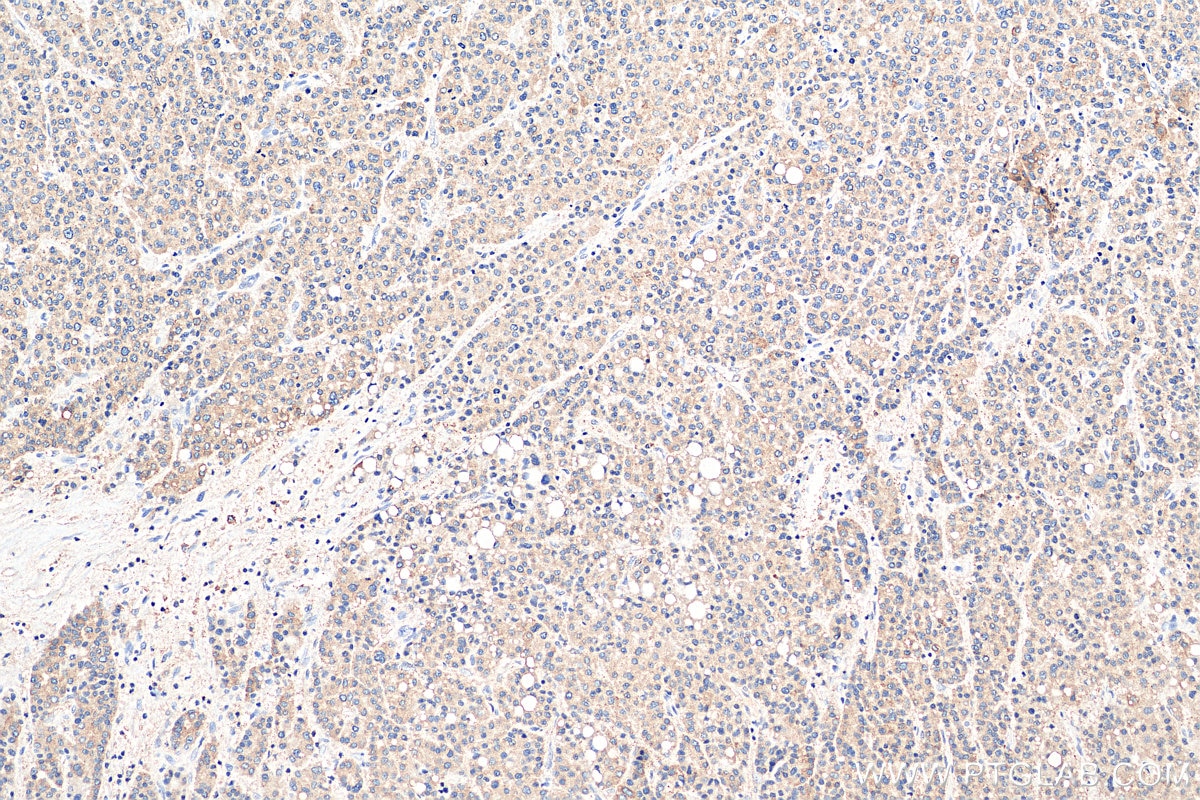
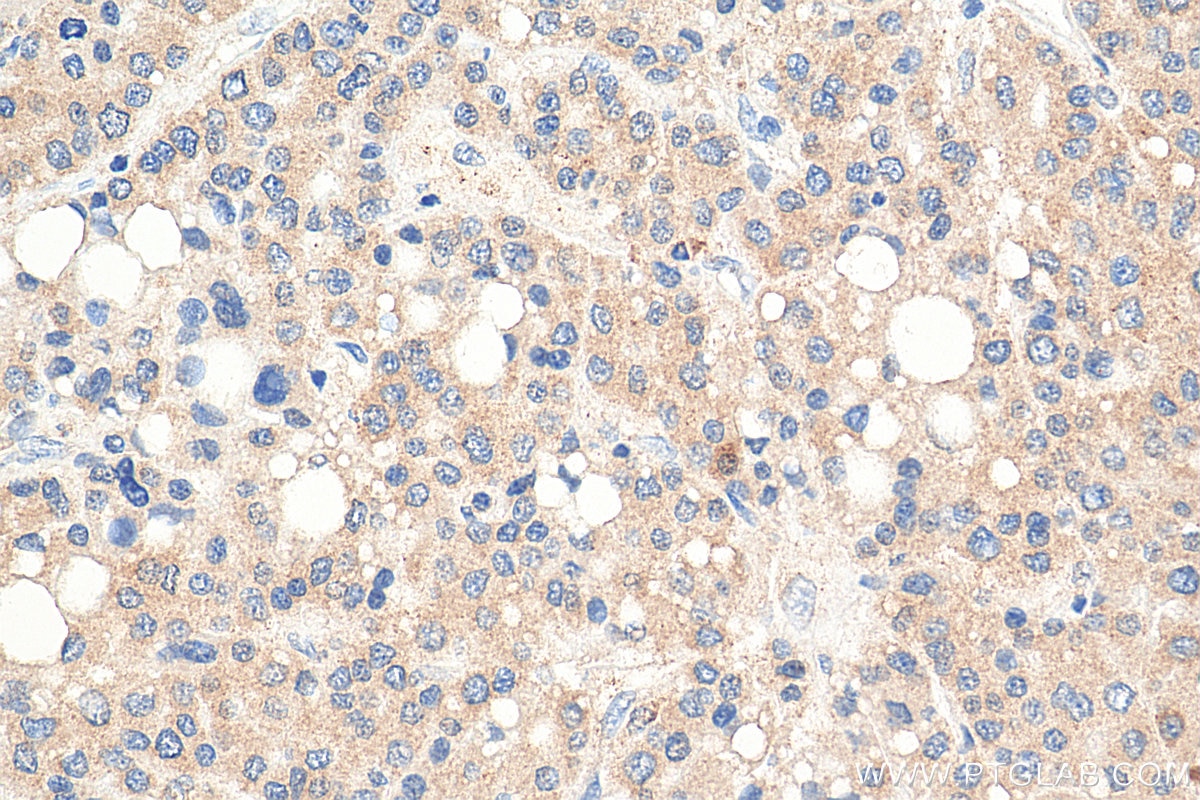
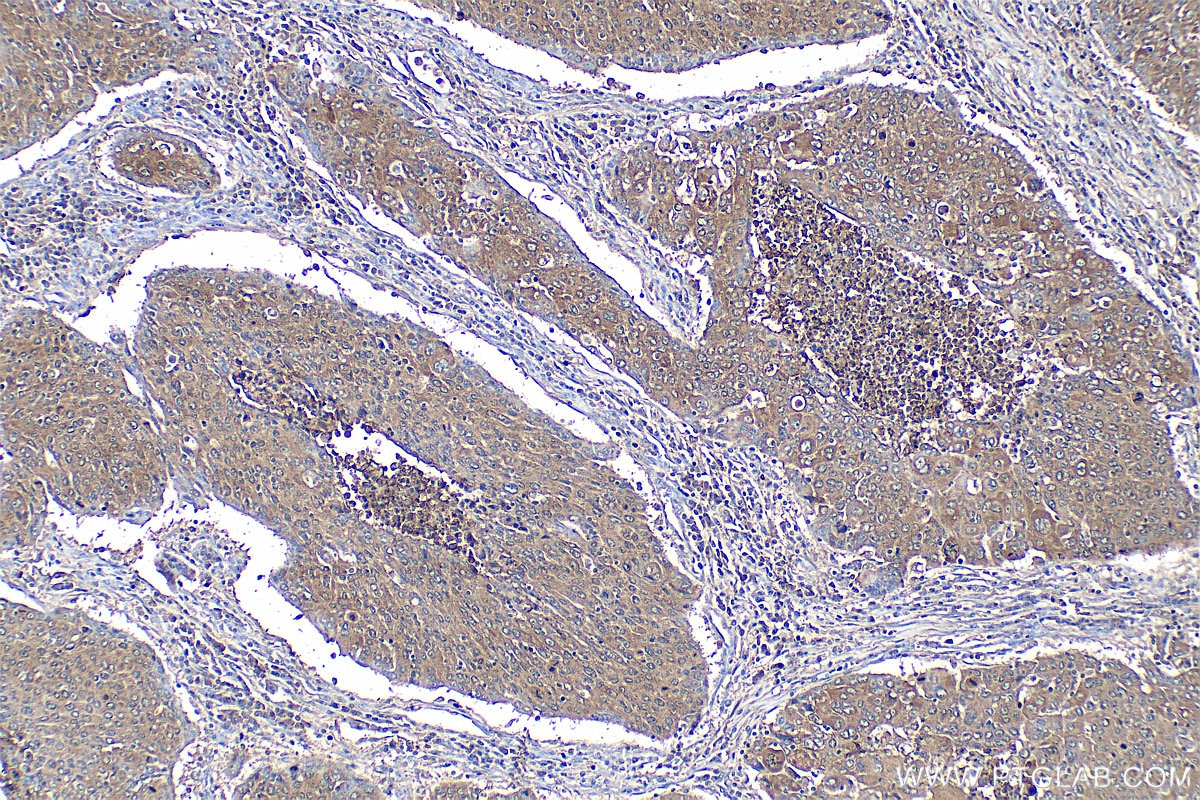
| Positive IHC detected in | human liver cancer tissue, human lung cancer tissue Note: suggested antigen retrieval with TE buffer pH 9.0; (*) Alternatively, antigen retrieval may be performed with citrate buffer pH 6.0 |
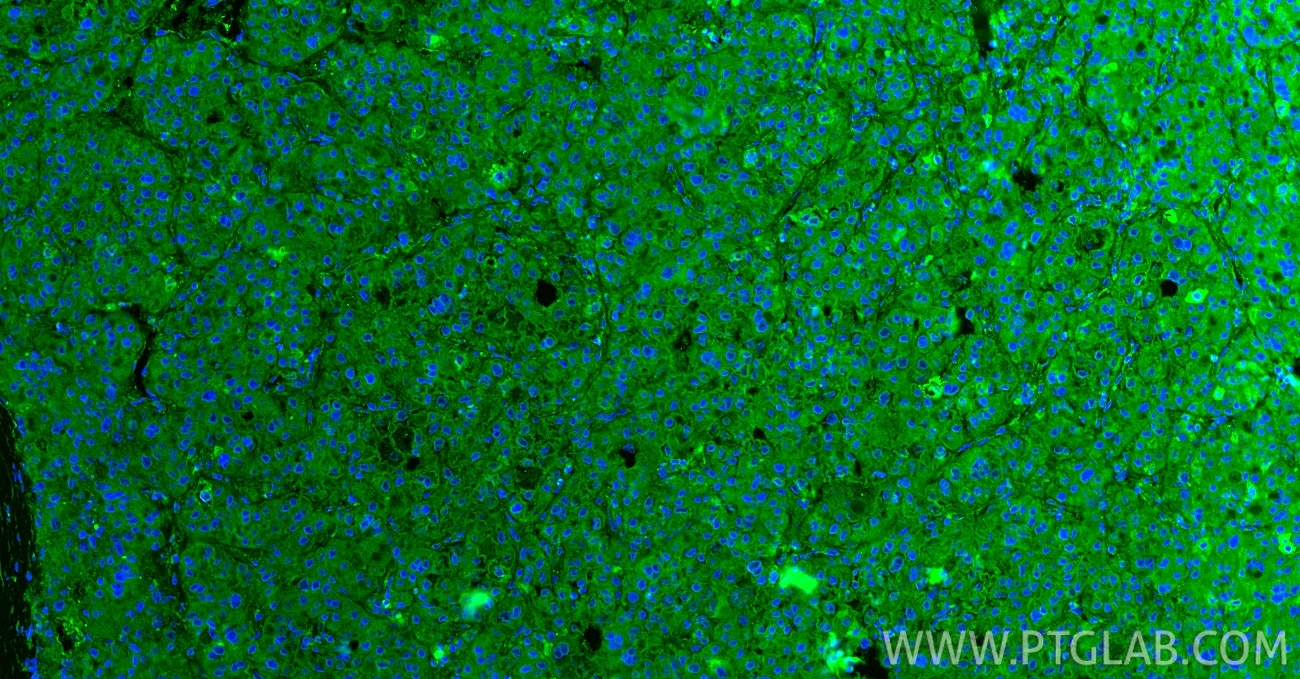
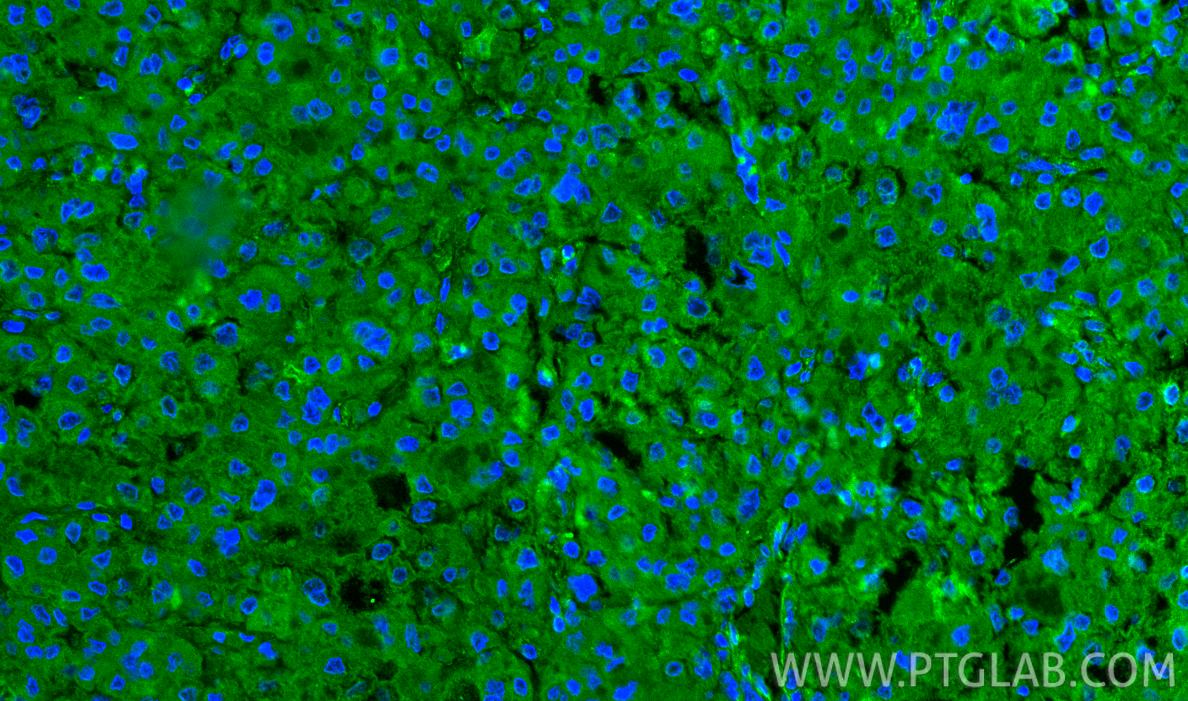
| Positive IF-P detected in | human liver cancer tissue |
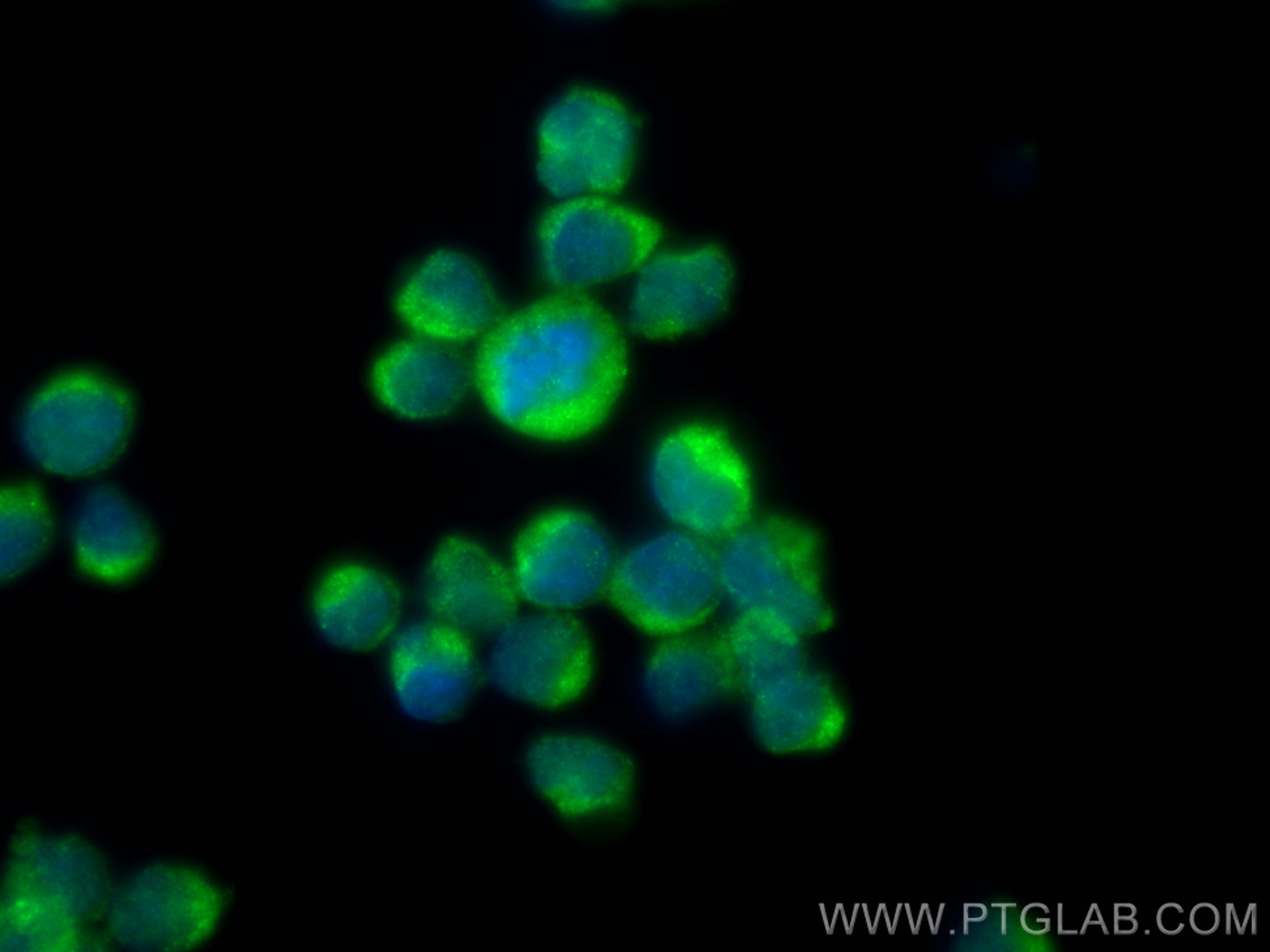
| Positive IF/ICC detected in | Jurkat cells |
Recommended dilution
| Application | Dilution |
|---|---|
| Immunohistochemistry (IHC) | IHC : 1:50-1:500 |
| Immunofluorescence (IF)-P | IF-P : 1:50-1:500 |
| Immunofluorescence (IF)/ICC | IF/ICC : 1:200-1:800 |
| It is recommended that this reagent should be titrated in each testing system to obtain optimal results. | |
| Sample-dependent, Check data in validation data gallery. | |
Product Information
17402-1-AP targets CXCL12/SDF-1 in IHC, IF/ICC, IF-P, ELISA applications and shows reactivity with human, mouse samples.
| Tested Reactivity | human, mouse |
| Cited Reactivity | human, mouse, rat, rabbit |
| Host / Isotype | Rabbit / IgG |
| Class | Polyclonal |
| Type | Antibody |
| Immunogen |
CatNo: Ag11379 Product name: Recombinant human CXCL12 protein Source: e coli.-derived, PGEX-4T Tag: GST Domain: 19-89 aa of BC039893 Sequence: SDGKPVSLSYRCPCRFFESHVARANVKHLKILNTPNCALQIVARLKNNNRQVCIDPKLKWIQEYLEKALNK Predict reactive species |
| Full Name | chemokine (C-X-C motif) ligand 12 (stromal cell-derived factor 1) |
| Calculated Molecular Weight | 89 aa, 10 kDa |
| GenBank Accession Number | BC039893 |
| Gene Symbol | CXCL12/SDF-1 |
| Gene ID (NCBI) | 6387 |
| RRID | AB_2878404 |
| Conjugate | Unconjugated |
| Form | Liquid |
| Purification Method | Antigen affinity purification |
| UNIPROT ID | P48061 |
| Storage Buffer | PBS with 0.02% sodium azide and 50% glycerol, pH 7.3. |
| Storage Conditions | Store at -20°C. Stable for one year after shipment. Aliquoting is unnecessary for -20oC storage. 20ul sizes contain 0.1% BSA. |
Background Information
In adulthood, CXCL12 plays an important role in angiogenesis by recruiting endothelial progenitor cells (EPCs) from the bone marrow through a CXCR4 dependent mechanism (PMID: 17878755). It is this function of CXCL12 that makes it a very important factor in carcinogenesis and the neovascularisation linked to tumour progression (PMID: 16943240). CXCL12 also has a role in tumor metastasis where cancer cells that express the receptor CXCR4 are attracted to metastasis target tissues that release the ligand, CXCL12 (PMID: 11242036 ). In breast cancer, however, increased expression of CXCL12 determines a reduced risk of distant metastasis (PMID: 19646861; 17724466 ). This antibody can detect all the isoforms of CXCL12/SDF1.
Protocols
| Product Specific Protocols | |
|---|---|
| IF protocol for CXCL12/SDF-1 antibody 17402-1-AP | Download protocol |
| IHC protocol for CXCL12/SDF-1 antibody 17402-1-AP | Download protocol |
| Standard Protocols | |
|---|---|
| Click here to view our Standard Protocols |
Publications
What published studies show
The CXCL12/SDF-1 polyclonal antibody (Cat# 17402-1-AP) has 100 citations published in high-impact journals including Nature, Cell, Nat Commun, J Clin Invest, Adv Mater, and Cell Death & Disease. Research fields span oncology (tumor metastasis, immune microenvironment), tissue regeneration (bone, cartilage, wound healing), immunology/inflammation, neuroscience, cardiovascular biology, and stem cell research. The antibody is primarily used for IHC and IF applications across human, mouse, rat, and rabbit species.
| Species | Application | Title |
|---|---|---|
Cell Comprehensive human proteome profiles across a 50-year lifespan reveal aging trajectories and signatures | ||
Adv Mater Photo-metallo-immunotherapy: Fabricating Chromium-Based Nanocomposites to Enhance CAR-T Cell Infiltration and Cytotoxicity against Solid Tumors | ||
Nat Aging Age-related liver endothelial zonation triggers steatohepatitis by inactivating pericentral endothelium-derived C-kit | ||
Bioact Mater Engineering multifunctional chitosan-based hydrogels for integrated antimicrobial therapy and endogenous stem cell-driven tissue repair in infectious keratitis. | ||
Nat Commun CREB1-driven CXCR4hi neutrophils promote skin inflammation in mouse models and human patients |
Reviews
What customers say
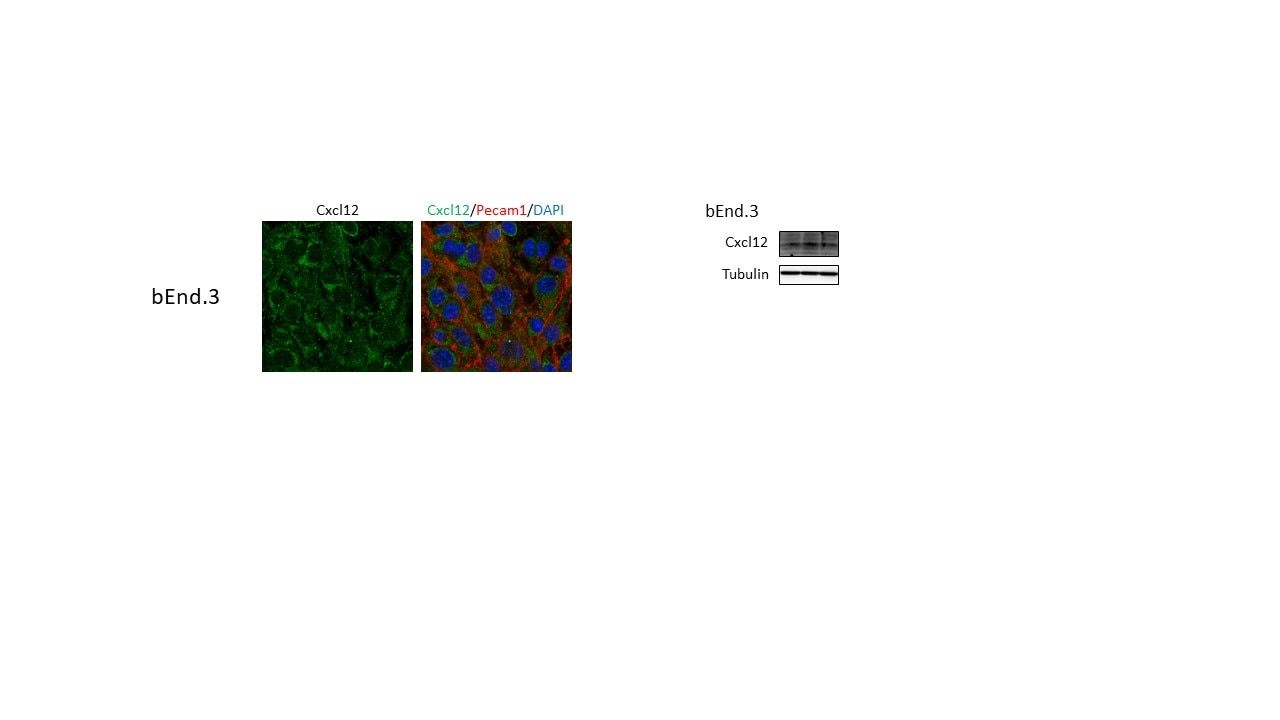
This product has received one review with a 5-star rating. The reviewer used it for Western Blot and Immunofluorescence at a 1:1000 dilution on mouse brain endothelial cells, praising its good specificity for immunofluorescence experiments. Overall, the feedback is positive, highlighting reliable performance in IF applications.
The reviews below have been submitted by verified Proteintech customers who received an incentive for providing their feedback.
Yohanes (Verified Customer) (09-16-2022) | Good specificity antibody for immunofluoresence experiment.
 |


