
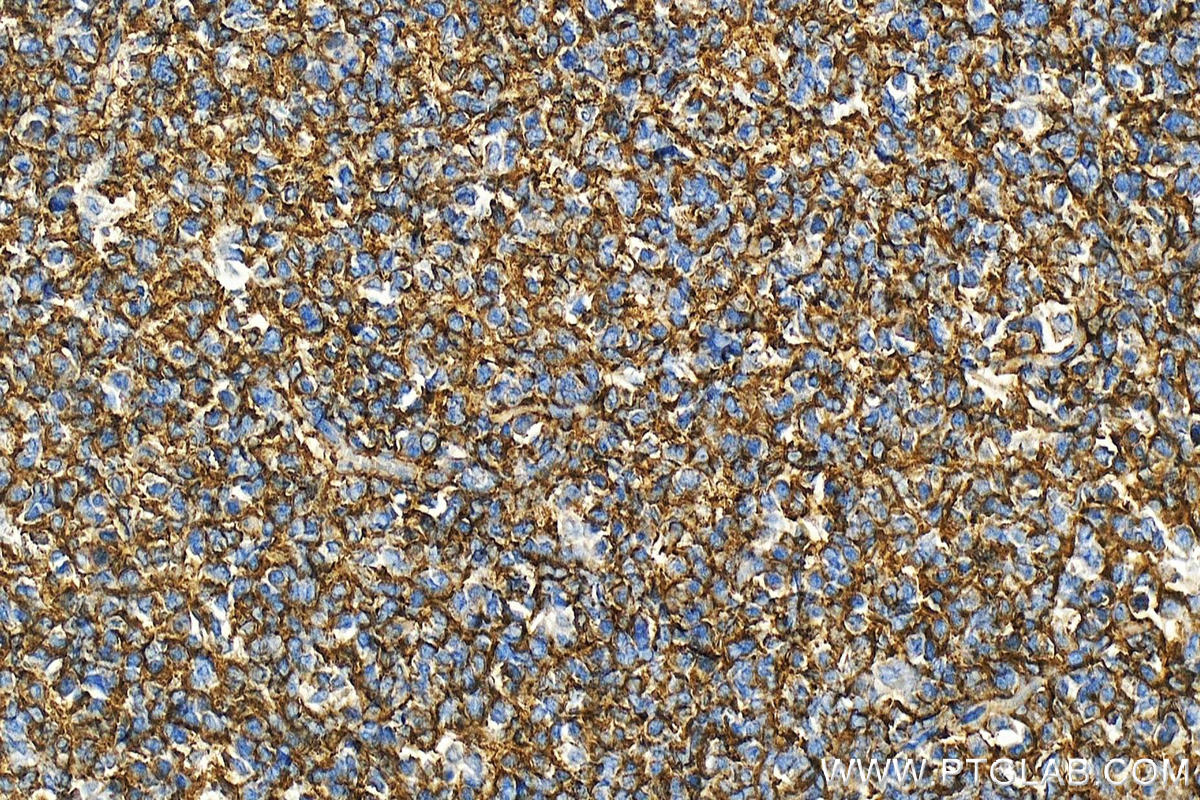
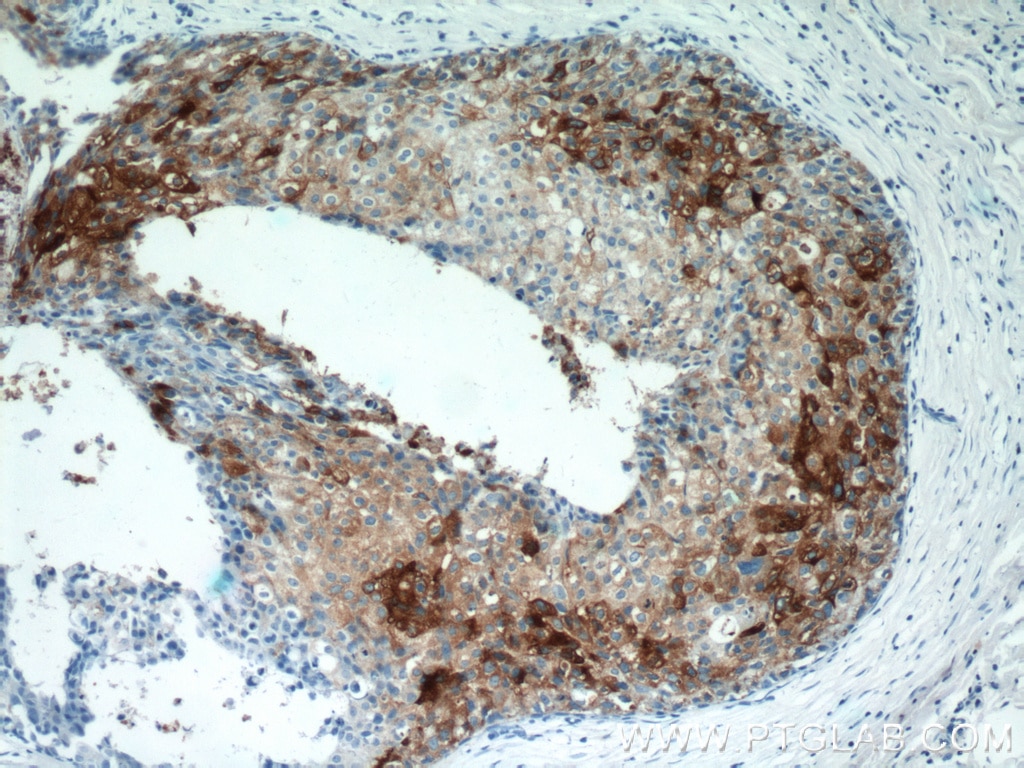
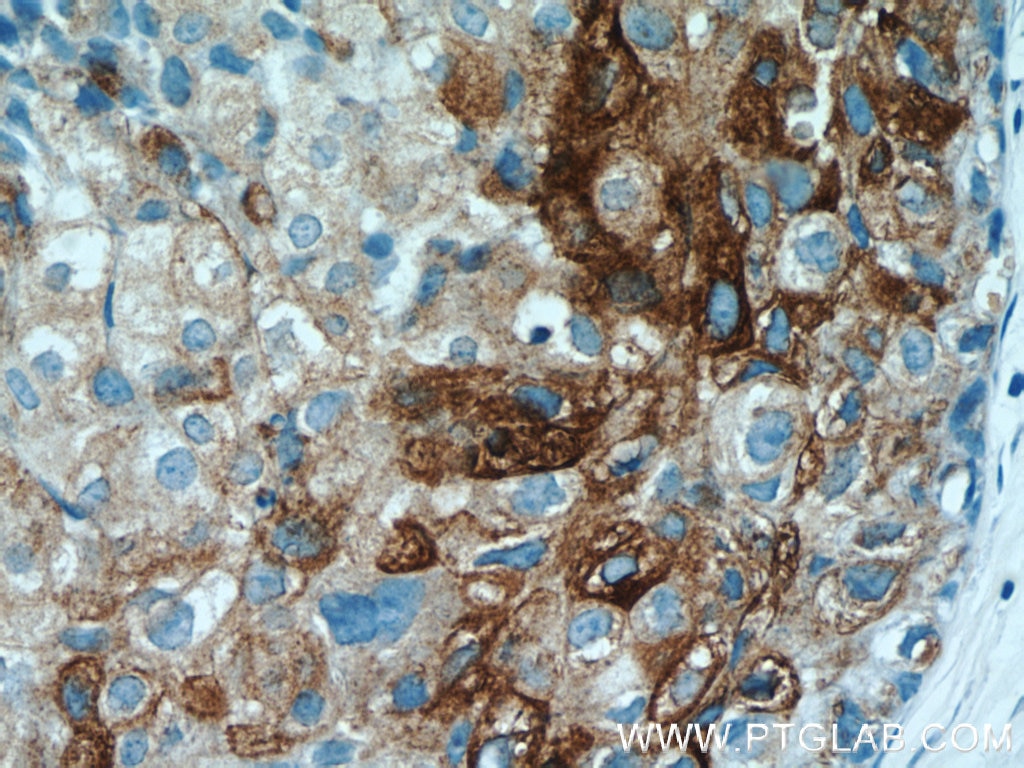
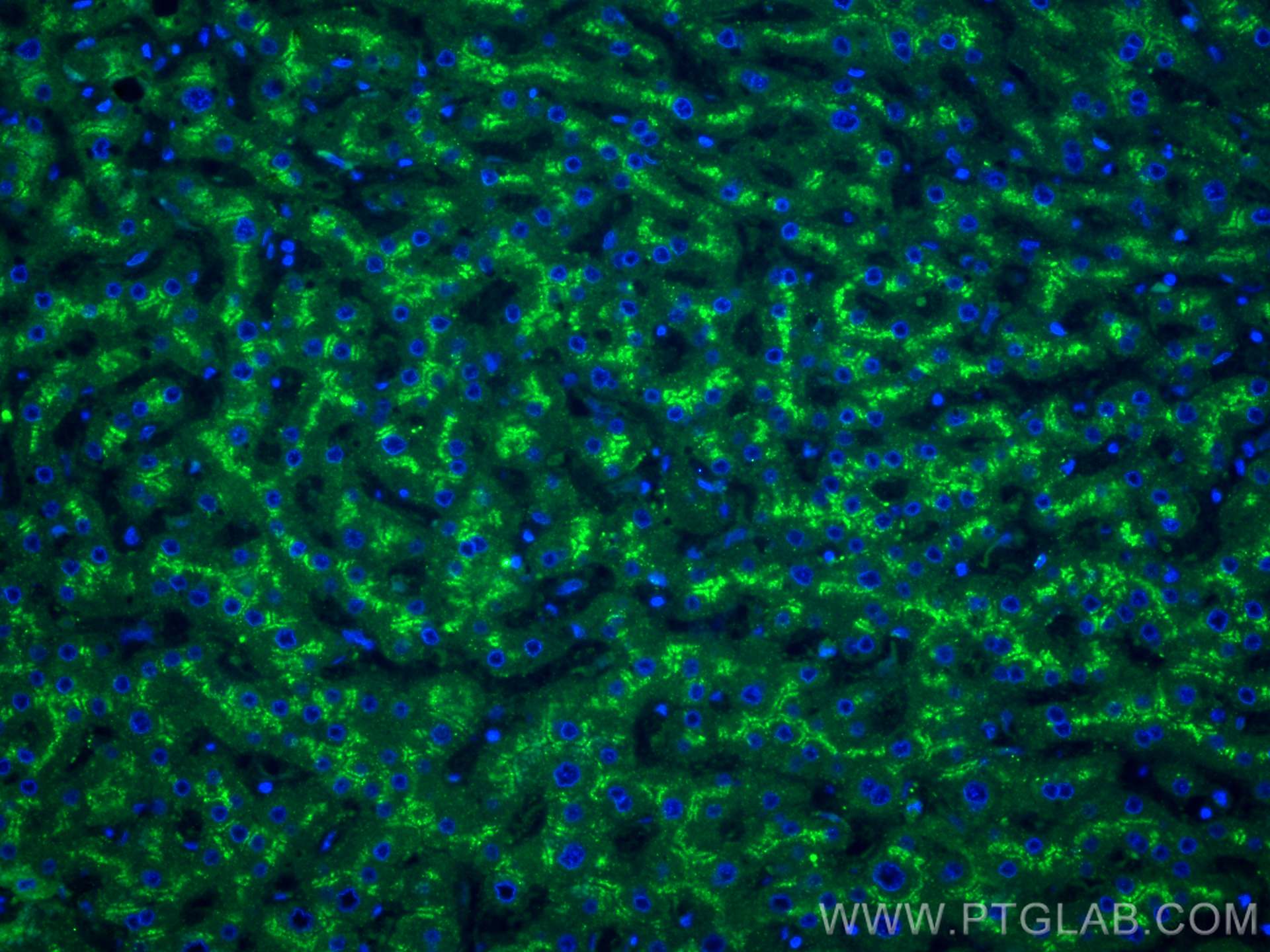

Tested Applications
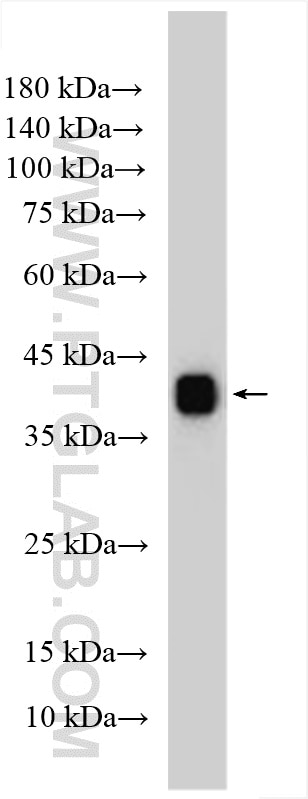
| Positive WB detected in | human plasma |
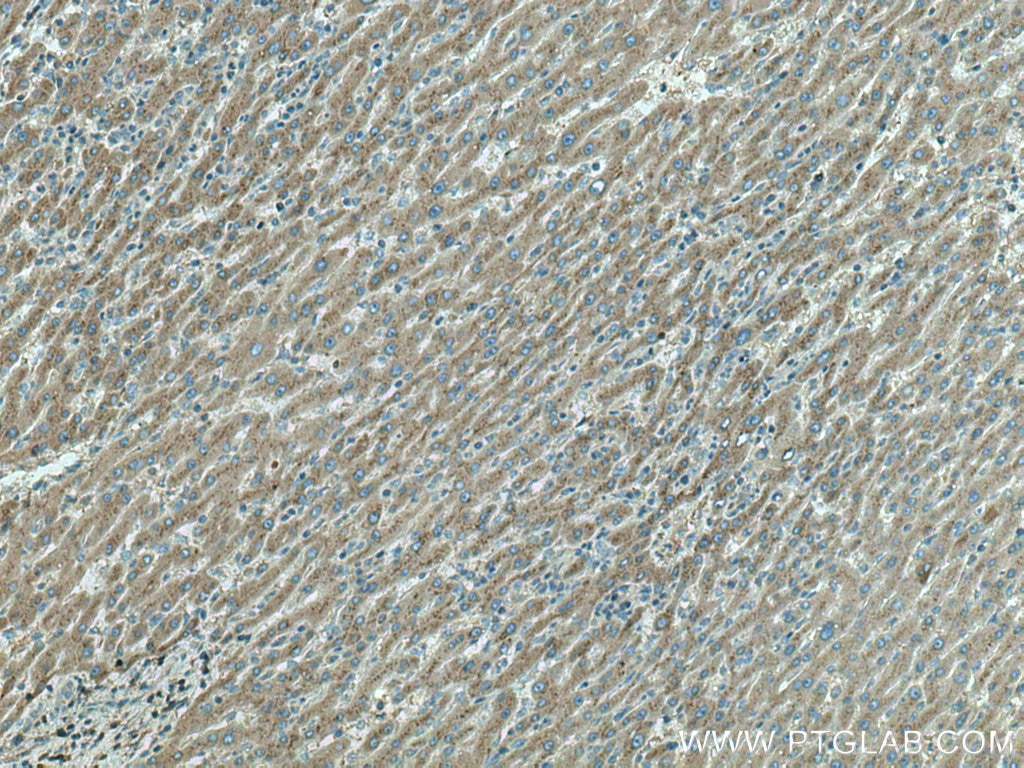
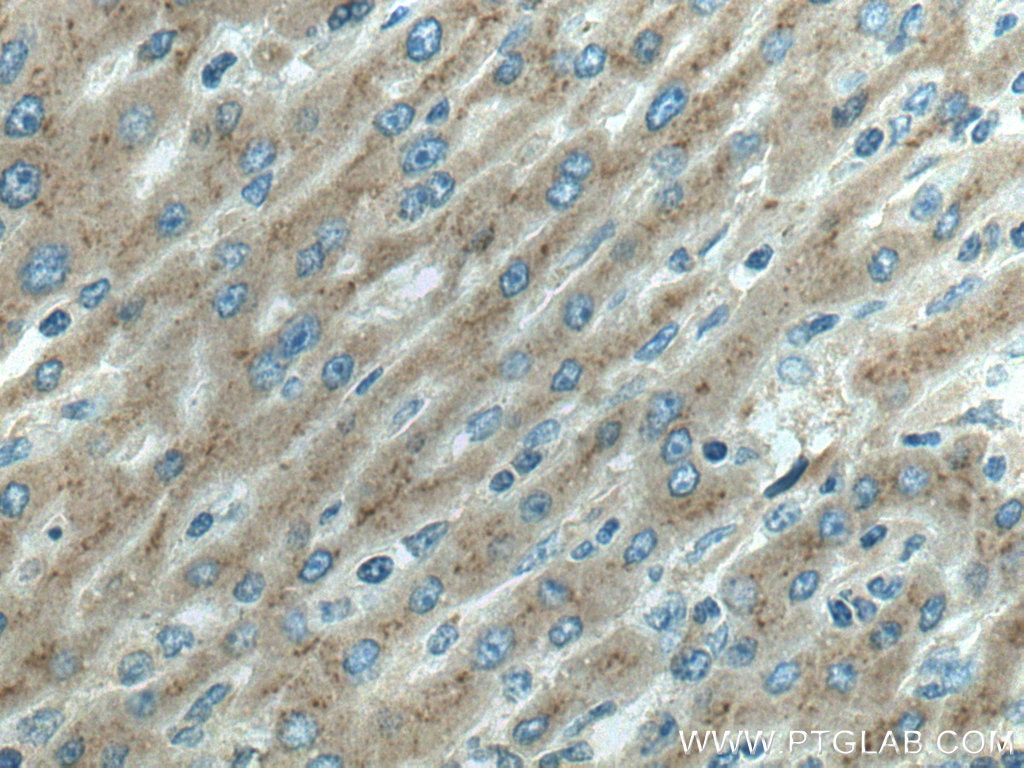
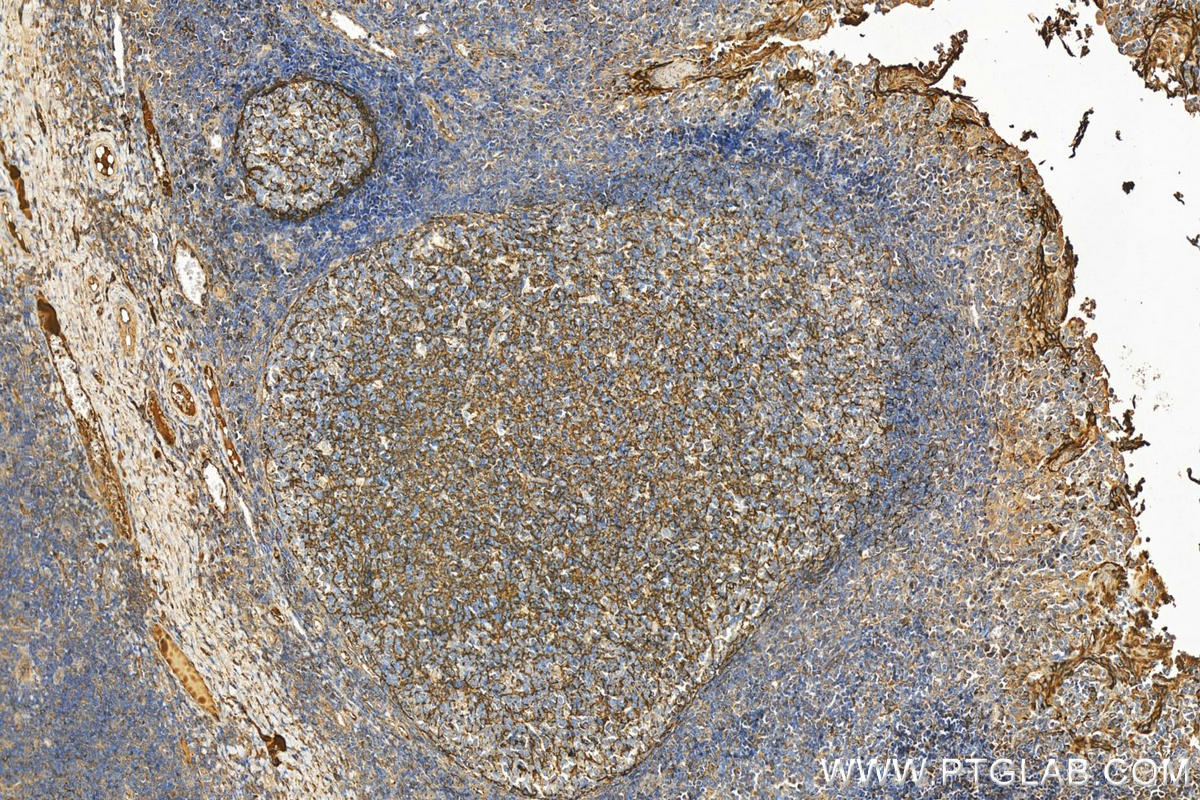
| Positive IHC detected in | human tonsillitis tissue, human breast cancer tissue, human liver cancer tissue Note: suggested antigen retrieval with TE buffer pH 9.0; (*) Alternatively, antigen retrieval may be performed with citrate buffer pH 6.0 |
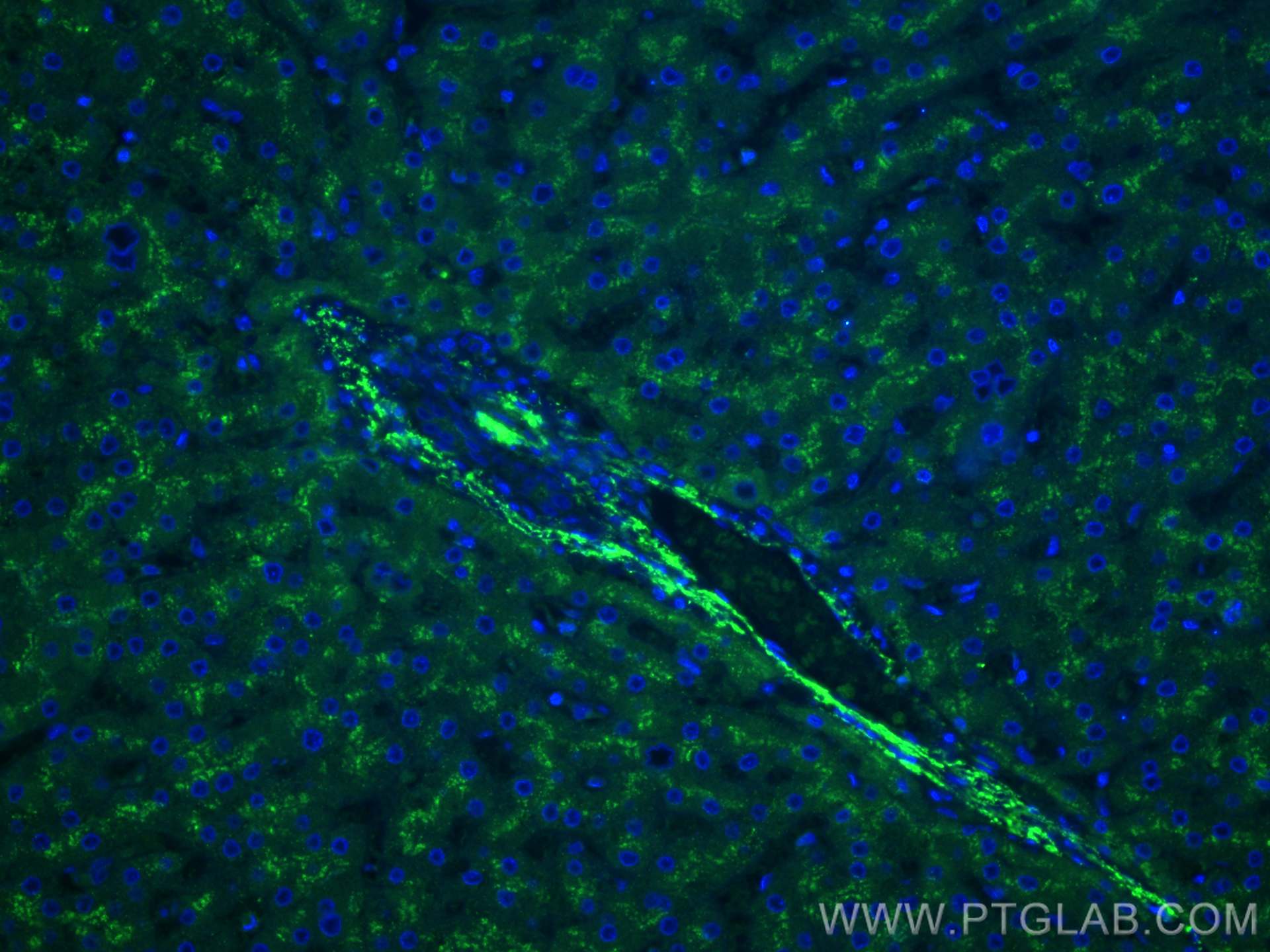
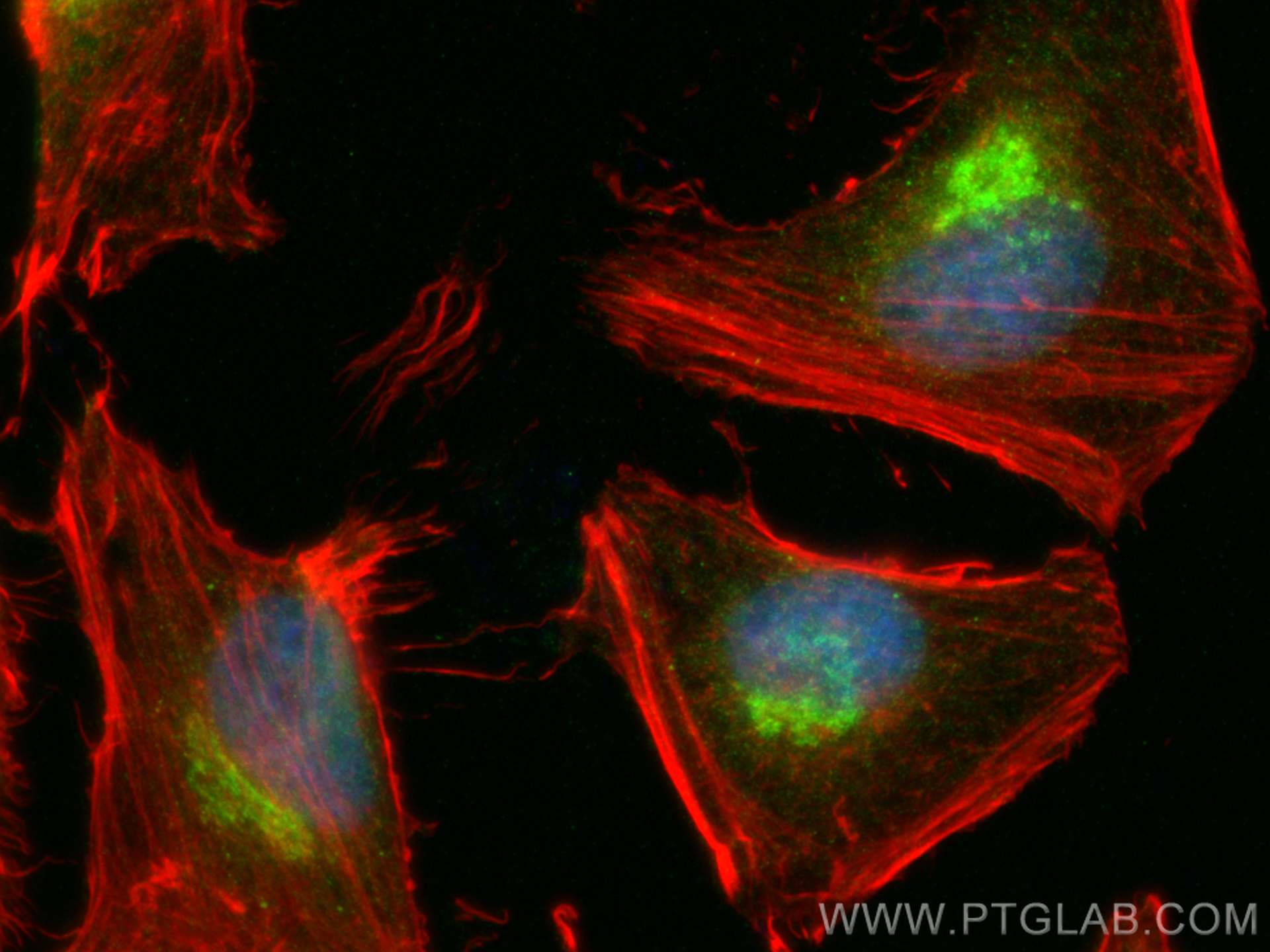
| Positive IF-P detected in | human liver tissue, HeLa cells |
| Positive IF/ICC detected in | HeLa cells |
Recommended dilution
| Application | Dilution |
|---|---|
| Western Blot (WB) | WB : 1:2000-1:12000 |
| Immunohistochemistry (IHC) | IHC : 1:300-1:1200 |
| Immunofluorescence (IF)-P | IF-P : 1:50-1:500 |
| Immunofluorescence (IF)/ICC | IF/ICC : 1:50-1:500 |
| It is recommended that this reagent should be titrated in each testing system to obtain optimal results. | |
| Sample-dependent, Check data in validation data gallery. | |
Product Information
12289-1-AP targets Clusterin in WB, IHC, IF/ICC, IF-P, CoIP, ELISA applications and shows reactivity with human samples.
| Tested Reactivity | human |
| Cited Reactivity | human, rabbit |
| Host / Isotype | Rabbit / IgG |
| Class | Polyclonal |
| Type | Antibody |
| Immunogen |
CatNo: Ag2889 Product name: Recombinant human CLU protein Source: e coli.-derived, PGEX-4T Tag: GST Domain: 101-449 aa of BC010514 Sequence: VCNETMMALWEECKPCLKQTCMKFYARVCRSGSGLVGRQLEEFLNQSSPFYFWMNGDRIDSLLENDRQQTHMLDVMQDHFSRASSIIDELFQDRFFTREPQDTYHYLPFSLPHRRPHFFFPKSRIVRSLMPFSPYEPLNFHAMFQPFLEMIHEAQQAMDIHFHSPAFQHPPTEFIREGDDDRTVCREIRHNSTGCLRMKDQCDKCREILSVDCSTNNPSQAKLRRELDESLQVAERLTRKYNELLKSYQWKMLNTSSLLEQLNEQFNWVSRLANLTQGEDQYYLRVTTVASHTSDSDVPSGVTEVVVKLFDSDPITVTVPVEVSRKNPKFMETVAEKALQEYRKKHREE Predict reactive species |
| Full Name | clusterin |
| Calculated Molecular Weight | 449 aa, 53 kDa |
| Observed Molecular Weight | 37 kDa |
| GenBank Accession Number | BC010514 |
| Gene Symbol | CLU |
| Gene ID (NCBI) | 1191 |
| RRID | AB_2083316 |
| Conjugate | Unconjugated |
| Form | Liquid |
| Purification Method | Antigen affinity purification |
| UNIPROT ID | P10909 |
| Storage Buffer | PBS with 0.02% sodium azide and 50% glycerol, pH 7.3. |
| Storage Conditions | Store at -20°C. Stable for one year after shipment. Aliquoting is unnecessary for -20oC storage. 20ul sizes contain 0.1% BSA. |
Background Information
Clusterin (Apolipoprotein J) is a 75-80 kDa heterodimeric glycoprotein produced by a wide array of tissues and found in most biologic fluids (PMID: 7648419; 11906815). It is encoded by one single gene and cleaved posttranslationally into α (34-36 kDa) and β (36-39 kDa) subunits prior to secretion from the cell. Many functions have been described for clusterin, including regulating apoptosis, transporting lipids, controlling cell interactions, regulating complement (PMID: 10694874).
Protocols
| Product Specific Protocols | |
|---|---|
| IF protocol for Clusterin antibody 12289-1-AP | Download protocol |
| IHC protocol for Clusterin antibody 12289-1-AP | Download protocol |
| WB protocol for Clusterin antibody 12289-1-AP | Download protocol |
| Standard Protocols | |
|---|---|
| Click here to view our Standard Protocols |
Publications
What published studies show
Clusterin antibody (Cat# 12289-1-AP) has 34 citations published in journals including Cell, Nature Communications, Journal of Clinical Investigation, PNAS, Developmental Cell, Oncogene, and BMC Cancer. Research fields span cancer biology, Alzheimer's disease/neurodegeneration, cellular senescence, corneal epithelial differentiation, lipid metabolism, oxidative stress, exosomal proteomics, and hepatotoxicity. Applications include WB, IF, IHC, and CoIP.
| Species | Application | Title |
|---|---|---|
Cell snoRNA-facilitated protein secretion revealed by transcriptome-wide snoRNA target identification | ||
Nat Commun The single-cell transcriptomic atlas and RORA-mediated 3D epigenomic remodeling in driving corneal epithelial differentiation | ||
J Clin Invest Chromosomal 3q amplicon encodes essential regulators of secretory vesicles that drive secretory addiction in cancer | ||
Adv Sci (Weinh) HIGD1A Alleviates Oxidative Stress Related Ovarian Hypofunction by Enhancing Granulosa Cell Functions via NF-κB/SOD2 Signaling Pathway | ||
Proc Natl Acad Sci U S A Addiction to Golgi-resident PI4P synthesis in chromosome 1q21.3-amplified lung adenocarcinoma cells. |
Reviews
What customers say
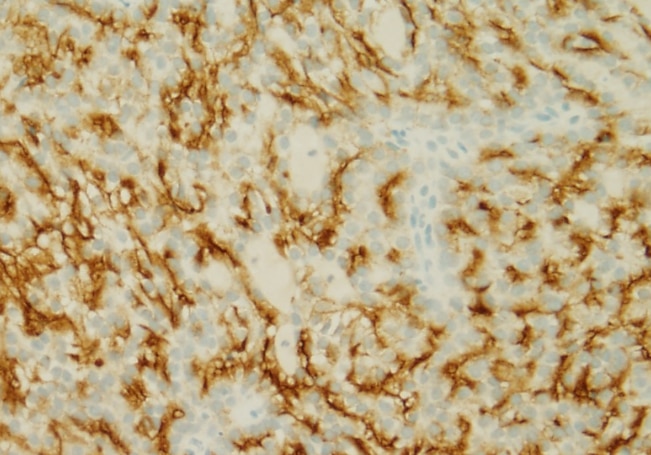
One reviewer (George Gao) rated this antibody 4 out of 5 stars. He used it for immunohistochemistry on paraffin-embedded human kidney tissue at a 1:200 dilution and reported successful results. The review was posted in December 2018. Overall, the limited feedback suggests the antibody performs well for IHC applications on human tissue at the recommended dilution.
The reviews below have been submitted by verified Proteintech customers who received an incentive for providing their feedback.
George (Verified Customer) (12-03-2018) | IHC performed on paraffin-embedded human kidney tissue
 |


