

Tested Applications
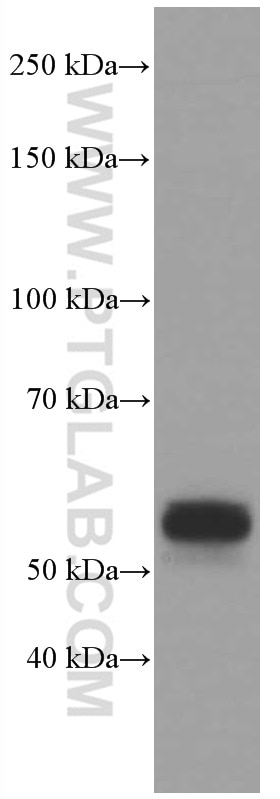
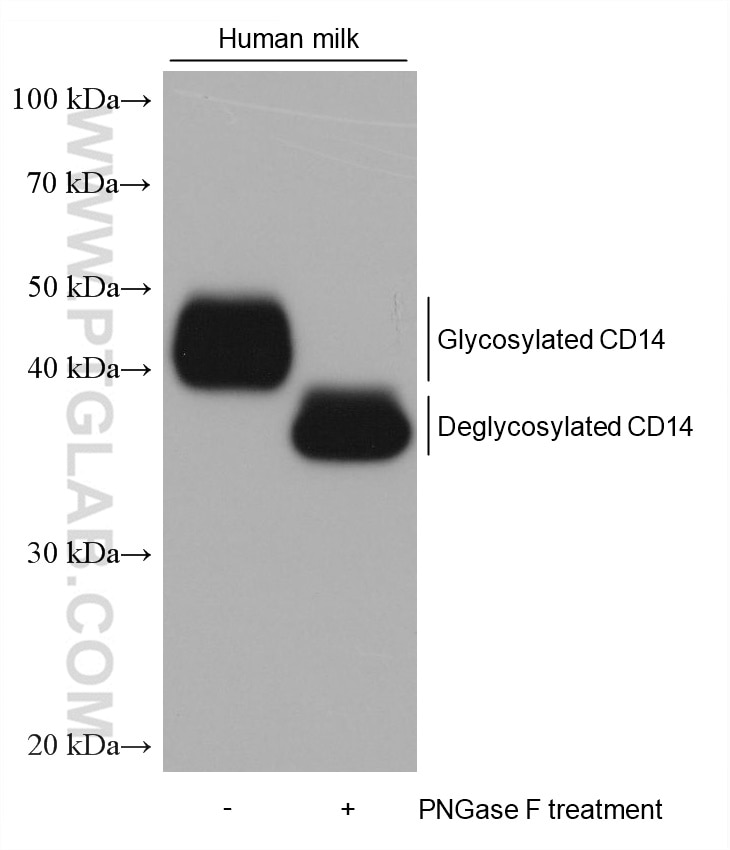
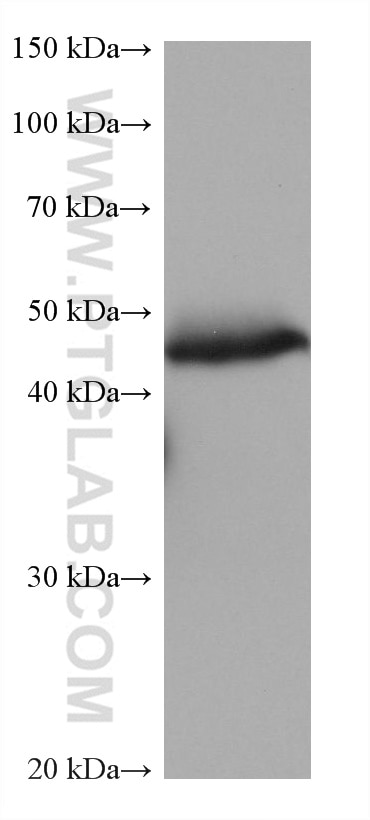
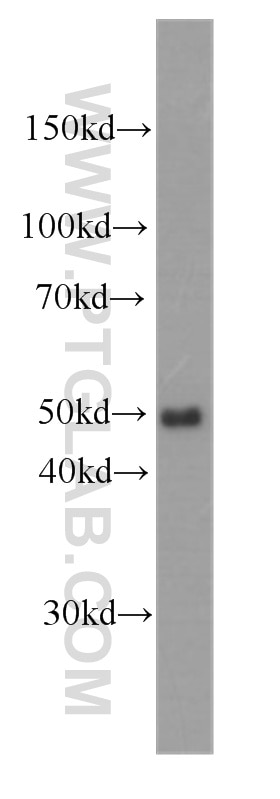
| Positive WB detected in | THP-1 cells, human milk, human placenta tissue, RAW 264.7 cells |
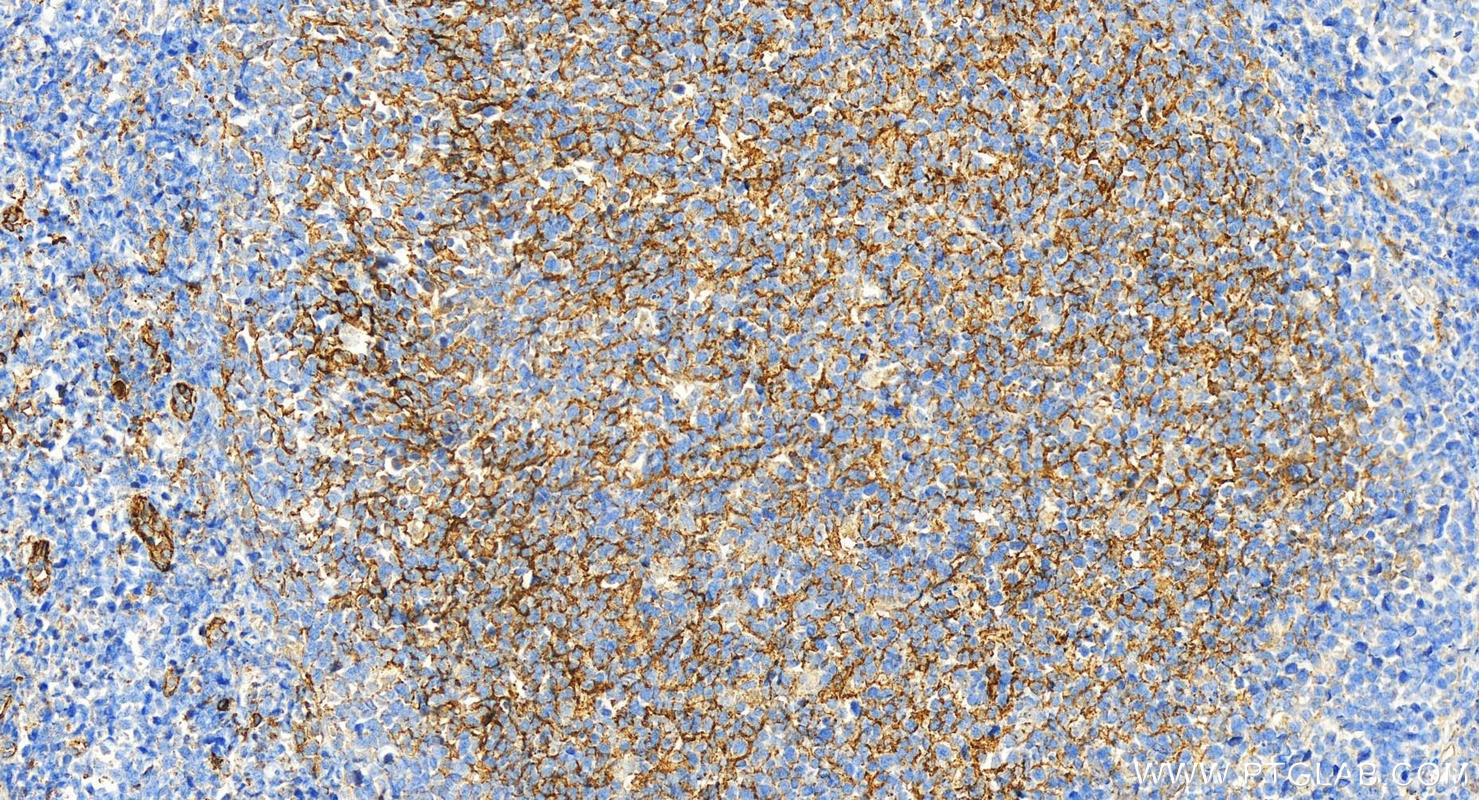
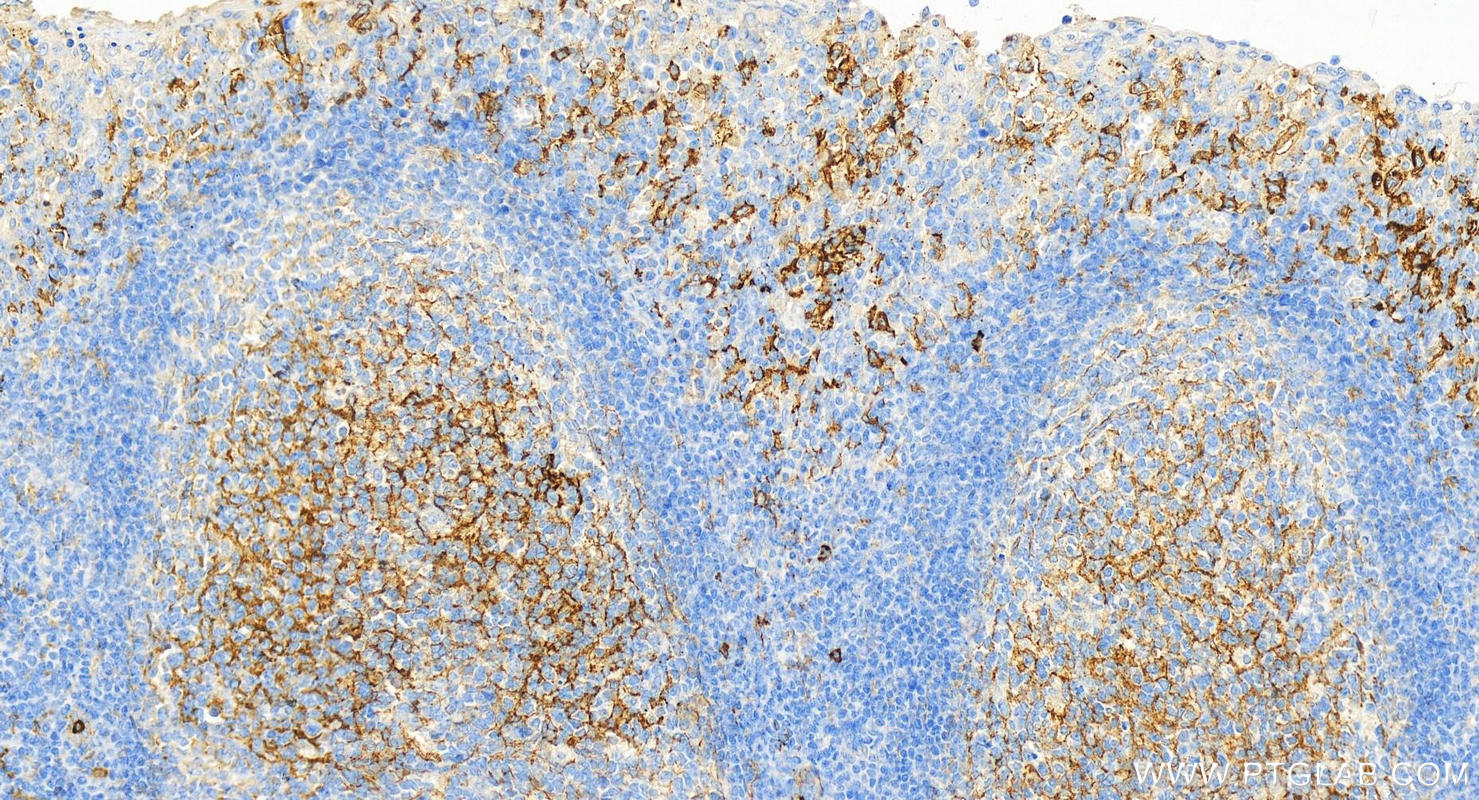
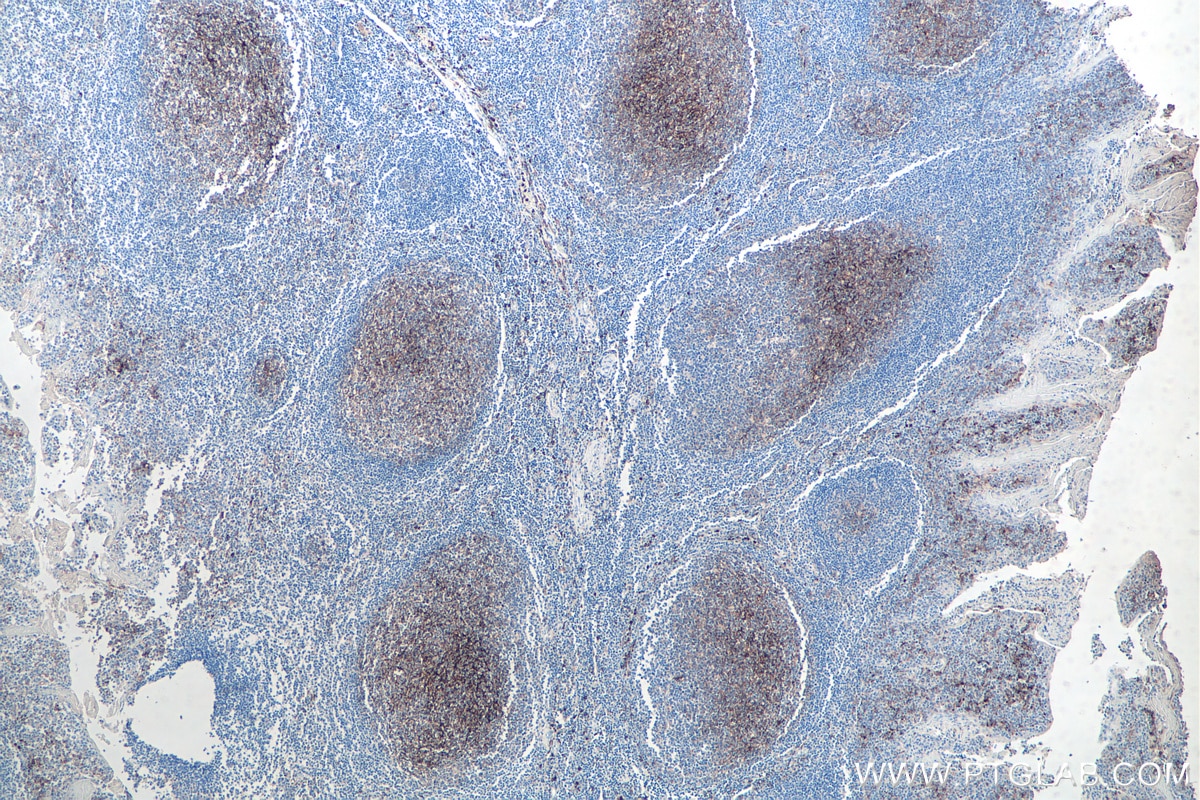
| Positive IHC detected in | human tonsillitis tissue Note: suggested antigen retrieval with TE buffer pH 9.0; (*) Alternatively, antigen retrieval may be performed with citrate buffer pH 6.0 |
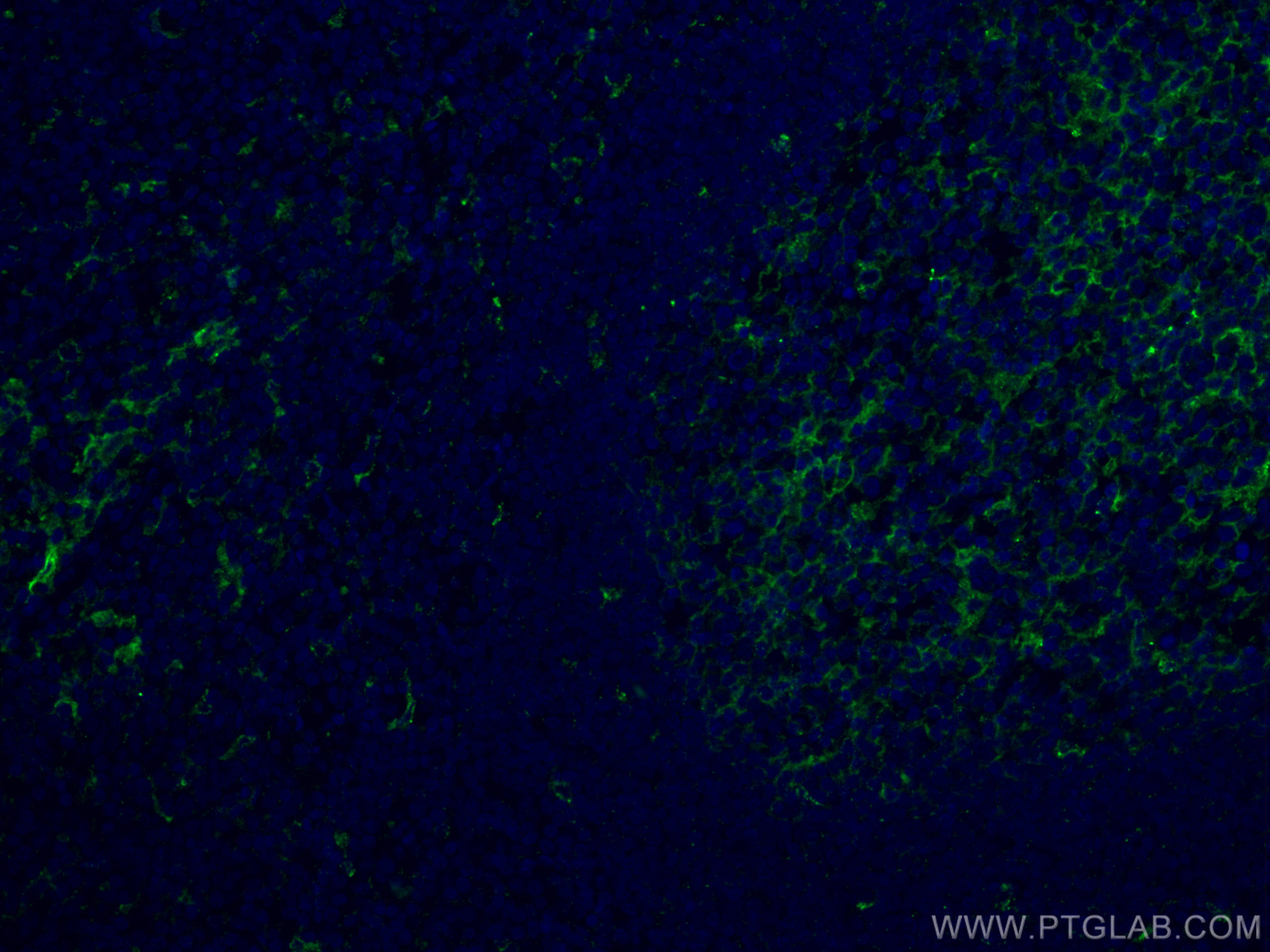
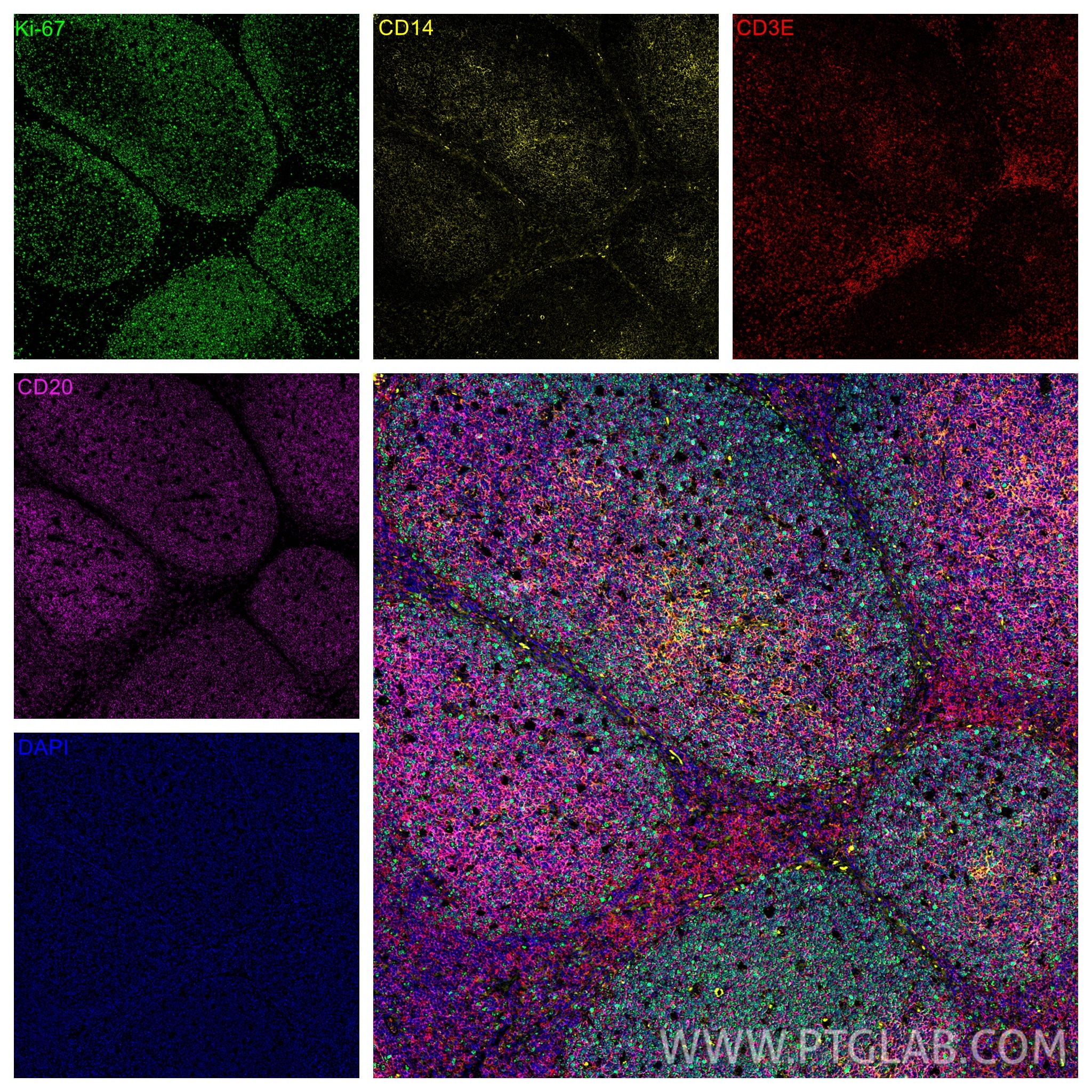
| Positive IF-P detected in | human tonsillitis tissue |
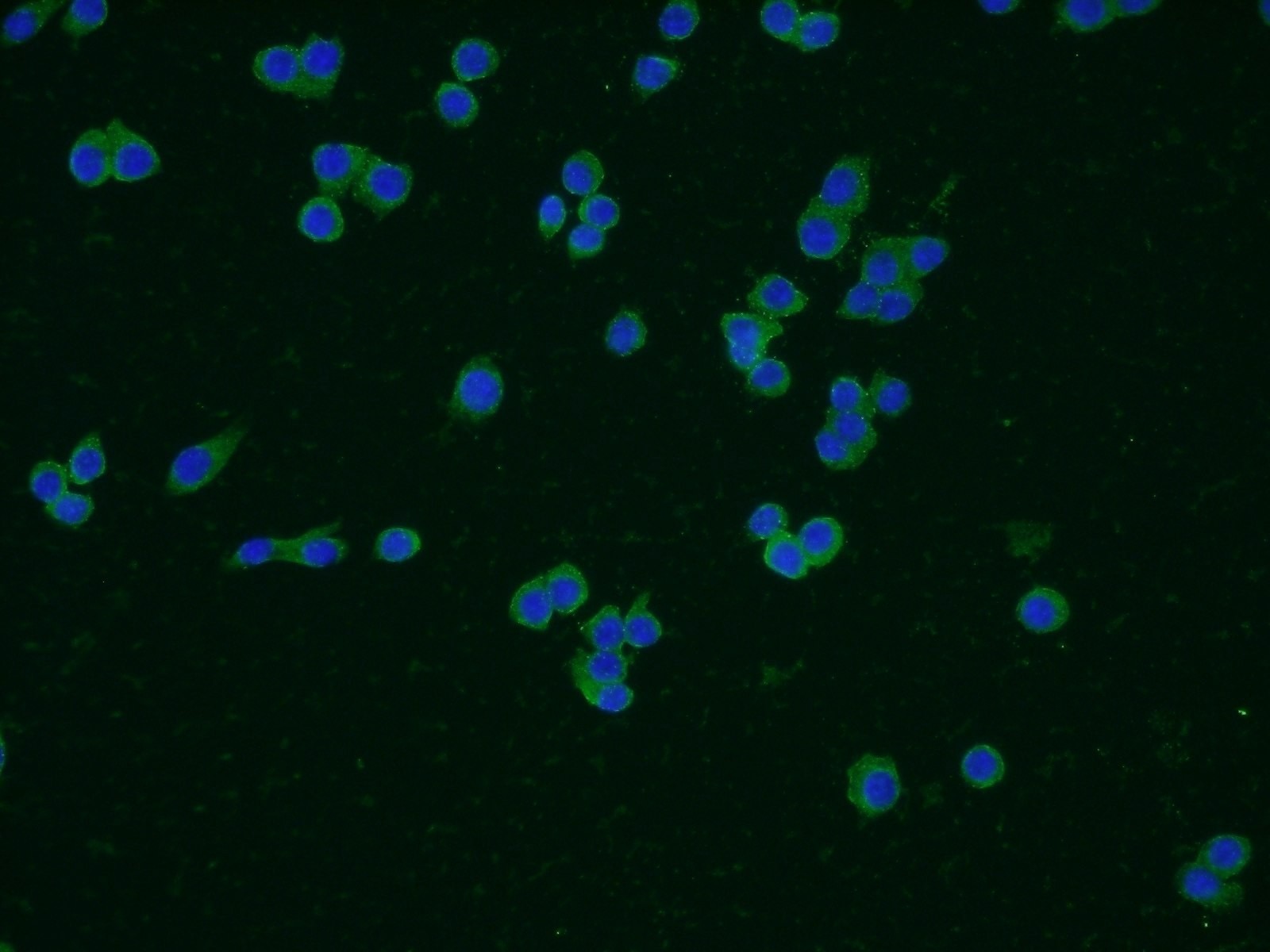
| Positive IF/ICC detected in | RAW 264.7 cells, human tonsillitis tissue |
Recommended dilution
| Application | Dilution |
|---|---|
| Western Blot (WB) | WB : 1:500-1:2000 |
| Immunohistochemistry (IHC) | IHC : 1:1000-1:4000 |
| Immunofluorescence (IF)-P | IF-P : 1:50-1:500 |
| Immunofluorescence (IF)/ICC | IF/ICC : 1:50-1:500 |
| It is recommended that this reagent should be titrated in each testing system to obtain optimal results. | |
| Sample-dependent, Check data in validation data gallery. | |
Product Information
60253-1-Ig targets CD14 in WB, IHC, IF/ICC, IF-P, ELISA applications and shows reactivity with human, mouse samples.
| Tested Reactivity | human, mouse |
| Cited Reactivity | human, mouse, rabbit |
| Host / Isotype | Mouse / IgG1 |
| Class | Monoclonal |
| Type | Antibody |
| Immunogen |
CatNo: Ag10693 Product name: Recombinant human CD14 protein Source: e coli.-derived, PGEX-4T Tag: GST Domain: 1-375 aa of BC010507 Sequence: MERASCLLLLLLPLVHVSATTPEPCELDDEDFRCVCNFSEPQPDWSEAFQCVSAVEVEIHAGGLNLEPFLKRVDADADPRQYADTVKALRVRRLTVGAAQVPAQLLVGALRVLAYSRLKELTLEDLKITGTMPPLPLEATGLALSSLRLRNVSWATGRSWLAELQQWLKPGLKVLSIAQAHSPAFSCEQVRAFPALTSLDLSDNPGLGERGLMAALCPHKFPAIQNLALRNTGMETPTGVCAALAAAGVQPHSLDLSHNSLRATVNPSAPRCMWSSALNSLNLSFAGLEQVPKGLPAKLRVLDLSCNRLNRAPQPDELPEVDNLTLDGNPFLVPGTALPHEGSMNSGVVPACARSTLSVGVSGTLVLLQGARGFA Predict reactive species |
| Full Name | CD14 molecule |
| Calculated Molecular Weight | 375 aa, 40 kDa |
| Observed Molecular Weight | 45-55 kDa |
| GenBank Accession Number | BC010507 |
| Gene Symbol | CD14 |
| Gene ID (NCBI) | 929 |
| ENSEMBL Gene ID | ENSG00000170458 |
| RRID | AB_2881374 |
| Conjugate | Unconjugated |
| Form | Liquid |
| Purification Method | Protein G purification |
| UNIPROT ID | P08571 |
| Storage Buffer | PBS with 0.02% sodium azide and 50% glycerol, pH 7.3. |
| Storage Conditions | Store at -20°C. Stable for one year after shipment. Aliquoting is unnecessary for -20oC storage. 20ul sizes contain 0.1% BSA. |
Background Information
CD14 is a 50-55 kDa glycosylphosphatidylinositol-anchored glycoprotein preferentially expressed on monocytes and macrophages, and at lower levels on granulocytes (PMID: 3385210; 2462937; 7685797). CD14 can also exist as a soluble protein. CD14 acts as a co-receptor for bacterial liposaccharides (LPS) (PMID: 1698311). It plays a major role in the inflammatory response of monocytes to LPS.
Protocols
| Product Specific Protocols | |
|---|---|
| IF protocol for CD14 antibody 60253-1-Ig | Download protocol |
| IHC protocol for CD14 antibody 60253-1-Ig | Download protocol |
| WB protocol for CD14 antibody 60253-1-Ig | Download protocol |
| Standard Protocols | |
|---|---|
| Click here to view our Standard Protocols |
Publications
What published studies show
The CD14 Monoclonal antibody (2C1D9), catalog number 60253-1-Ig, has 26 total citations. These appear in journals including Nature Communications, Molecular Cell, Advanced Science, Annals of the Rheumatic Diseases, Arthritis & Rheumatology, Cell Death & Disease, British Journal of Cancer, PLoS Genetics, and others. Research fields span inflammation and immunology, rheumatology, oncology, cardiovascular disease, neurology, liver disease, diabetes, aging, and vascular biology.
| Species | Application | Title |
|---|---|---|
Ann Rheum Dis Syntenin-1-mediated arthritogenicity is advanced by reprogramming RA metabolic macrophages and Th1 cells | ||
Bioact Mater Novel magnetic silk fibroin scaffolds with delayed degradation for potential long-distance vascular repair. | ||
Nat Commun Ultra-precision deconvolution of spatial transcriptomics decodes immune heterogeneity and fate-defining programs in tissues. | ||
Mol Cell Lactylation-driven METTL3-mediated RNA m6A modification promotes immunosuppression of tumor-infiltrating myeloid cells. | ||
J Nanobiotechnology M2 Macrophage membrane-mediated biomimetic nanoparticles carrying ADAM9 siRNA alleviate renal inflammation and fibrosis via the AKT/NF-κB pathway. | ||
Adv Sci (Weinh) Deciphering the Role and Mechanism of Decidual Monocyte-Derived Macrophage Infiltration in Obstetric Antiphospholipid Syndrome at Single-Cell Resolution. |
Reviews
What customers say
Users report positive experiences with this antibody across flow cytometry and immunofluorescence applications. One reviewer confirmed it works well when conjugated to fluorophores and validated with compensation beads for flow cytometry. Another praised the fast delivery. A third user reported successful IF staining on FFPE prostate tissue at a 1:50 dilution using Tris-EDTA antigen retrieval at pH 9.0. Overall, reviewers rate the product favorably (4–5 stars), highlighting reliable performance and good service.
The reviews below have been submitted by verified Proteintech customers who received an incentive for providing their feedback.
Sareena (Verified Customer) (06-06-2023) | Works well when conjugated to fluorophores and tested with compensation beads
|
Sunil (Verified Customer) (05-15-2023) | Great and fast delivery which is always useful!
|
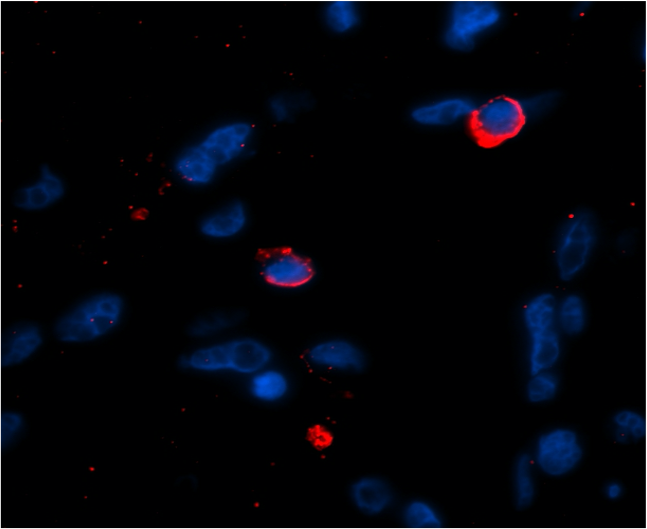
Emma (Verified Customer) (11-29-2021) | Works well by IF on FFPE tissue. Tris-EDTA antigen retrieval pH 9.0.
 |


