
Tested Applications
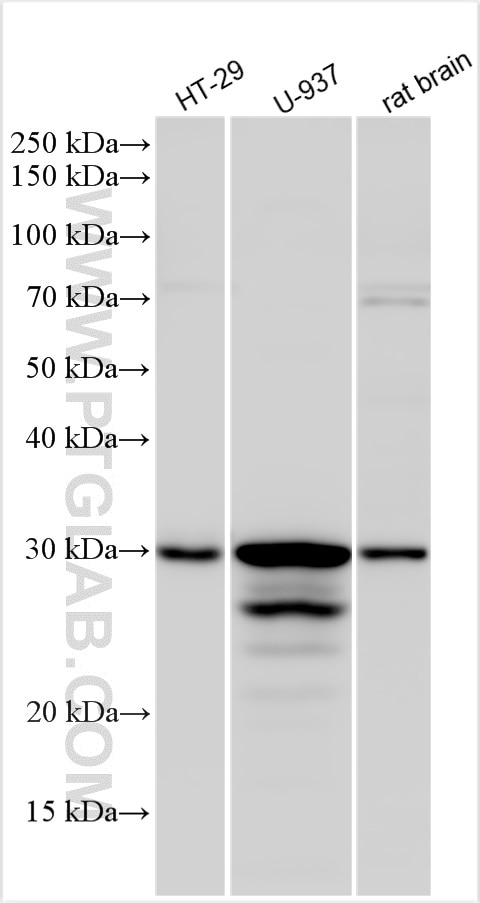
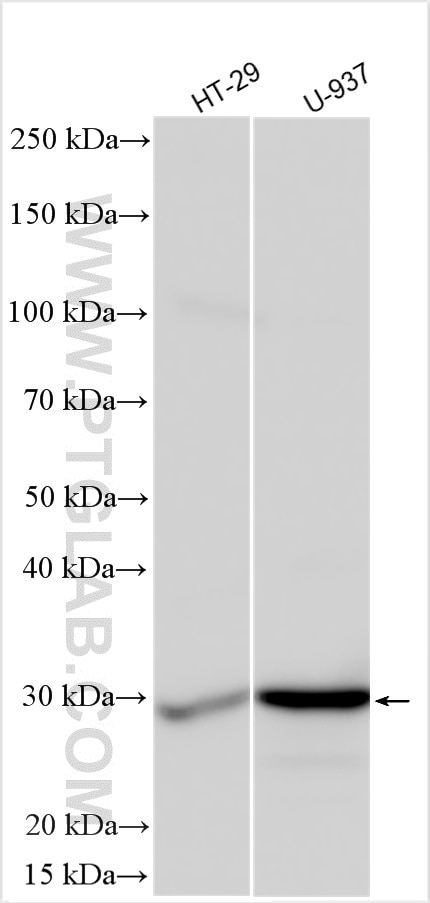
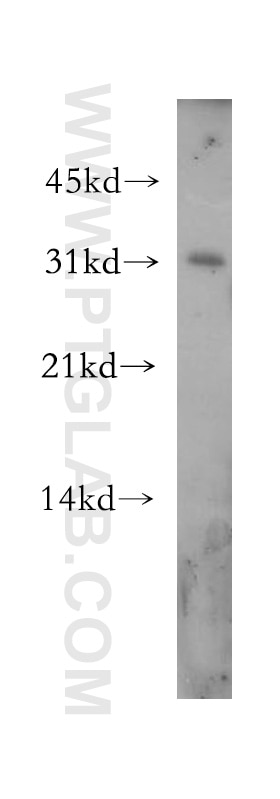
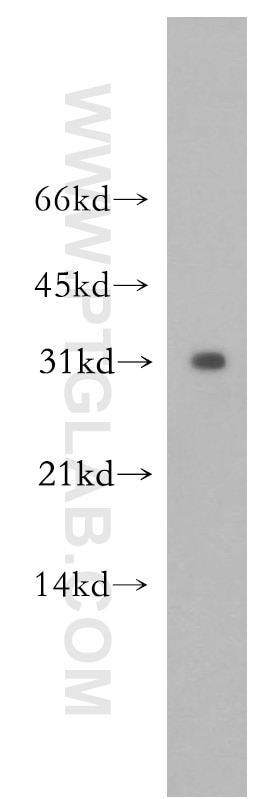
| Positive WB detected in | HT-29 cells, HeLa cells, human brain tissue, U-937 cells, rat brain tissue |
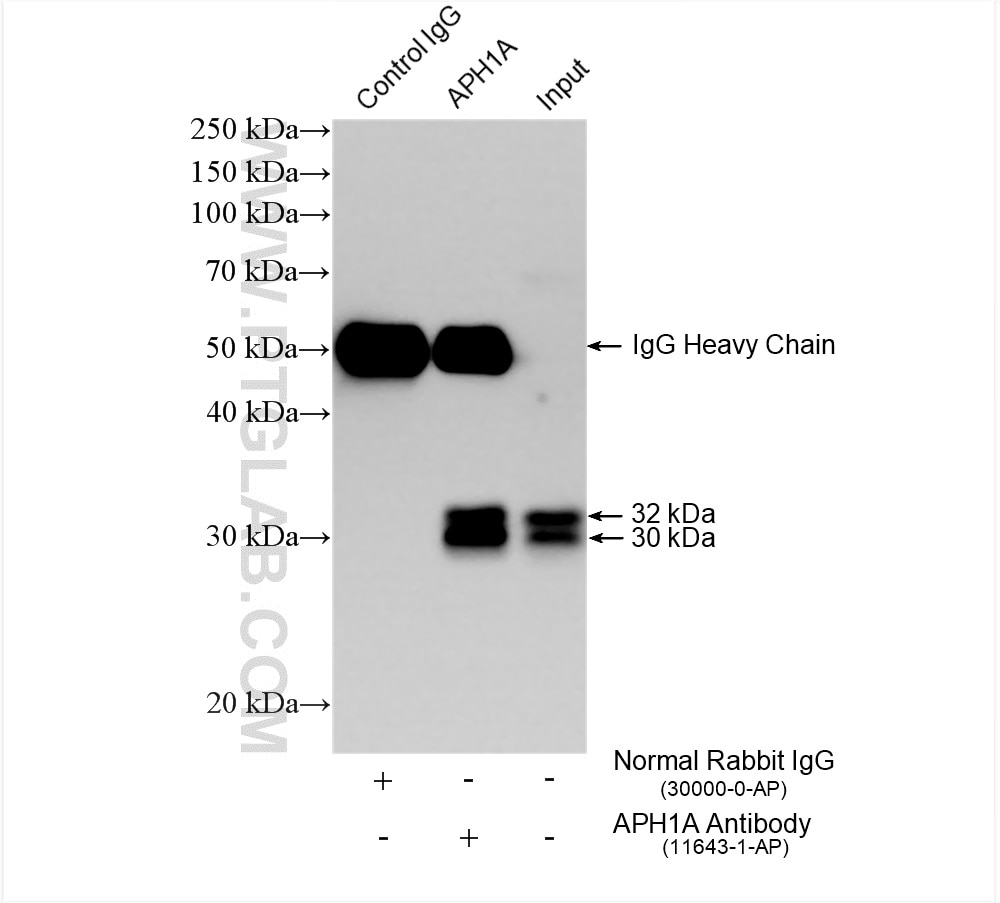
| Positive IP detected in | HeLa cells |
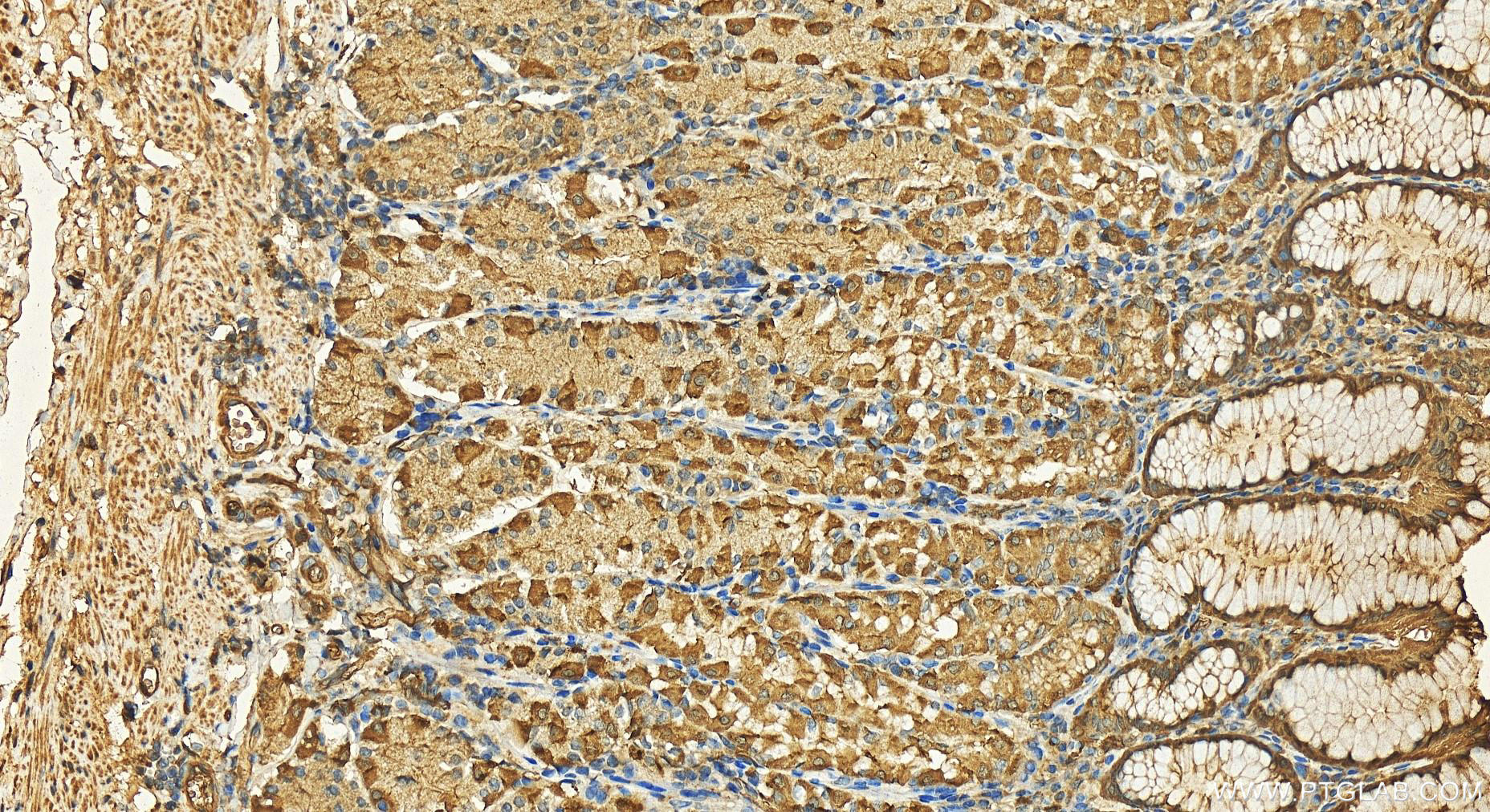
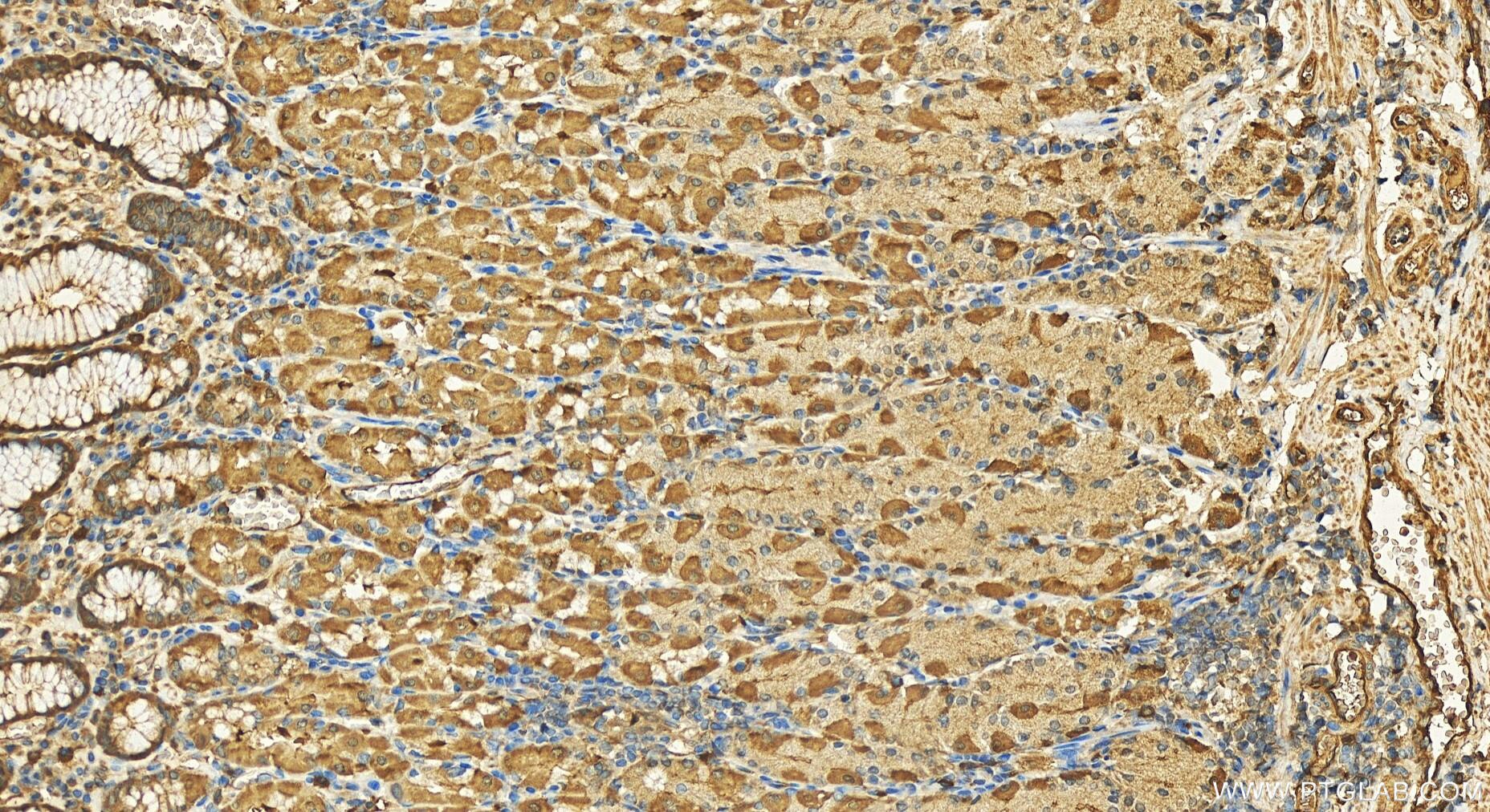
| Positive IHC detected in | human stomach tissue Note: suggested antigen retrieval with TE buffer pH 9.0; (*) Alternatively, antigen retrieval may be performed with citrate buffer pH 6.0 |
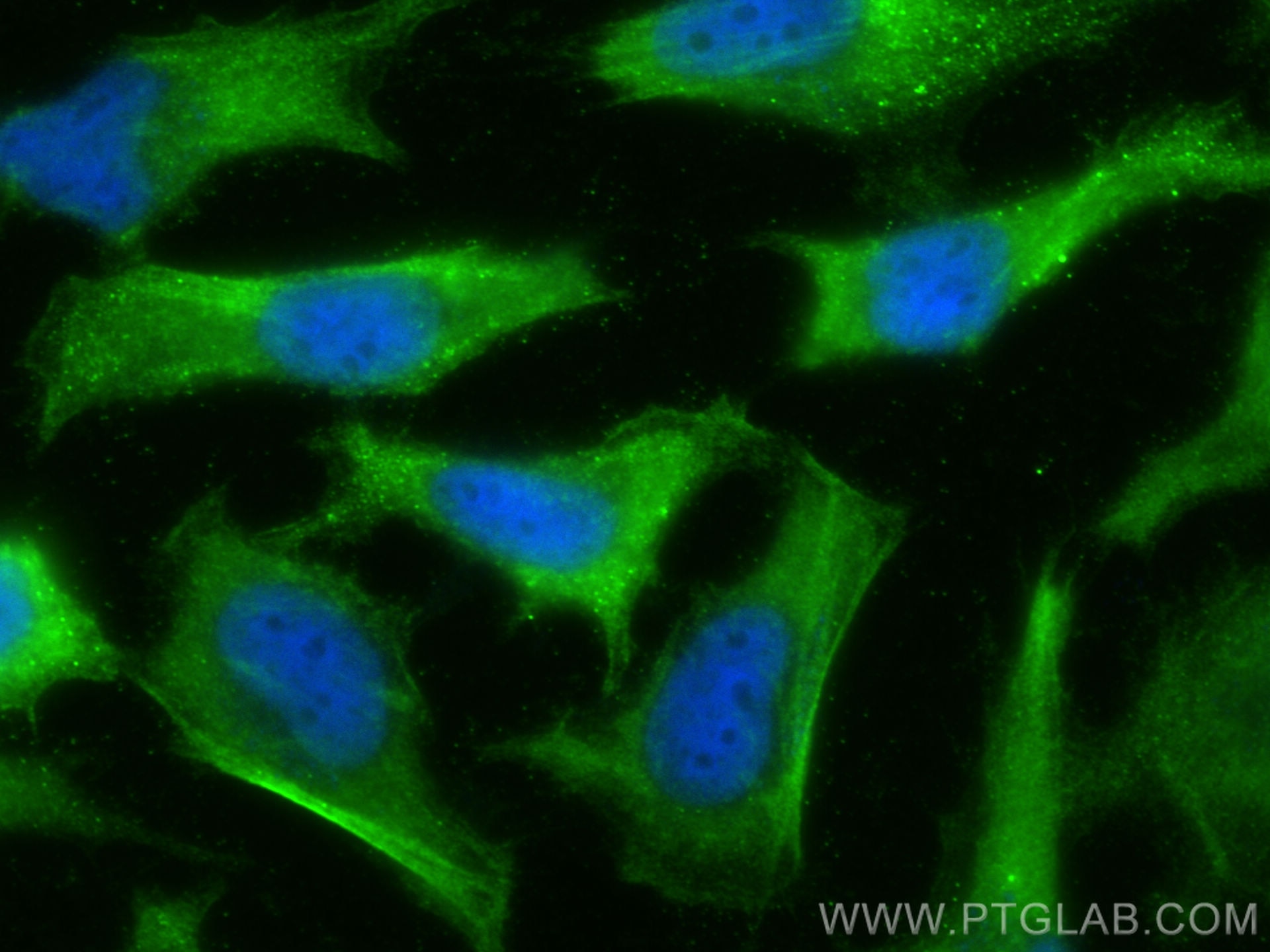
| Positive IF/ICC detected in | HeLa cells |
Recommended dilution
| Application | Dilution |
|---|---|
| Western Blot (WB) | WB : 1:2000-1:16000 |
| Immunoprecipitation (IP) | IP : 0.5-4.0 ug for 1.0-3.0 mg of total protein lysate |
| Immunohistochemistry (IHC) | IHC : 1:50-1:500 |
| Immunofluorescence (IF)/ICC | IF/ICC : 1:200-1:800 |
| It is recommended that this reagent should be titrated in each testing system to obtain optimal results. | |
| Sample-dependent, Check data in validation data gallery. | |
Published Applications
| WB | See 6 publications below |
Product Information
11643-1-AP targets APH1A in WB, IHC, IF/ICC, IP, ELISA applications and shows reactivity with human samples.
| Tested Reactivity | human |
| Cited Reactivity | human, mouse |
| Host / Isotype | Rabbit / IgG |
| Class | Polyclonal |
| Type | Antibody |
| Immunogen |
CatNo: Ag2238 Product name: Recombinant human APH1A protein Source: e coli.-derived, PGEX-4T Tag: GST Domain: 1-265 aa of BC015568 Sequence: MGAAVFFGCTFVAFGPAFALFLITVAGDPLRVIILVAGAFFWLVSLLLASVVWFILVHVTDRSDARLQYGLLIFGAAVSVLLQEVFRFAYYKLLKKADEGLASLSEDGRSPISIRQMAYVSGLSFGIISGVFSVINILADALGPGVVGIHGDSPYYFLTSAFLTAAIILLHTFWGVVFFDACERRRYWALGLVVGSHLLTSGLTFLNPWYEASLLPIYAVTVSMGLWAFITAGGSLRSIQRSLLCRRQEDSRVMVYSALRIPPED Predict reactive species |
| Full Name | anterior pharynx defective 1 homolog A (C. elegans) |
| Calculated Molecular Weight | 265 aa, 29 kDa |
| Observed Molecular Weight | 27-32 kDa |
| GenBank Accession Number | BC015568 |
| Gene Symbol | APH1A |
| Gene ID (NCBI) | 51107 |
| RRID | AB_2242861 |
| Conjugate | Unconjugated |
| Form | Liquid |
| Purification Method | Antigen affinity purification |
| UNIPROT ID | Q96BI3 |
| Storage Buffer | PBS with 0.02% sodium azide and 50% glycerol, pH 7.3. |
| Storage Conditions | Store at -20°C. Stable for one year after shipment. Aliquoting is unnecessary for -20oC storage. 20ul sizes contain 0.1% BSA. |
Background Information
APH1A is a component of the gamma secretase complex that cleaves integral membrane proteins such as Notch receptors and beta-amyloid precursor protein. The gamma secretase complex contains this gene product, or the paralogous anterior pharynx defective 1 homolog B (APH1B), along with the presenilin, nicastrin, and presenilin enhancer-2 proteins. The precise function of this seven-transmembrane-domain protein is unknown though it is suspected of facilitating the association of nicastrin and presenilin in the gamma secretase complex as well as interacting with substrates of the gamma secretase complex prior to their proteolytic processing. Polymorphisms in a promoter region of this gene have been associated with an increased risk for developing sporadic Alzheimer's disease.
Protocols
| Product Specific Protocols | |
|---|---|
| IP protocol for APH1A antibody 11643-1-AP | Download protocol |
| WB protocol for APH1A antibody 11643-1-AP | Download protocol |
| IF protocol for APH1A antibody 11643-1-AP | Download protocol |
| IHC protocol for APH1A antibody 11643-1-AP | Download protocol |
| Standard Protocols | |
|---|---|
| Click here to view our Standard Protocols |
Publications
| Species | Application | Title |
|---|---|---|
Transl Psychiatry A diet high in sugar and fat influences neurotransmitter metabolism and then affects brain function by altering the gut microbiota. | ||
Mol Neurobiol Memantine, a Noncompetitive N-Methyl-D-Aspartate Receptor Antagonist, Attenuates Cerebral Amyloid Angiopathy by Increasing Insulin-Degrading Enzyme Expression. | ||
Front Neurosci Impacts of Acute Hypoxia on Alzheimer's Disease-Like Pathologies in APPswe/PS1dE9 Mice and Their Wild Type Littermates. | ||
Neurosci Lett Metformin attenuates vascular pathology by increasing expression of insulin-degrading enzyme in a mixed model of cerebral amyloid angiopathy and type 2 diabetes mellitus. | ||
Ecotoxicol Environ Saf PM2.5 exposure exacerbates Alzheimer's disease pathology through lysosomal dysfunction in APP/PS1 mice | ||
J Allergy Clin Immunol NETs activate Notch- γ secretase signaling in hidradenitis suppurativa |


