

Tested Applications
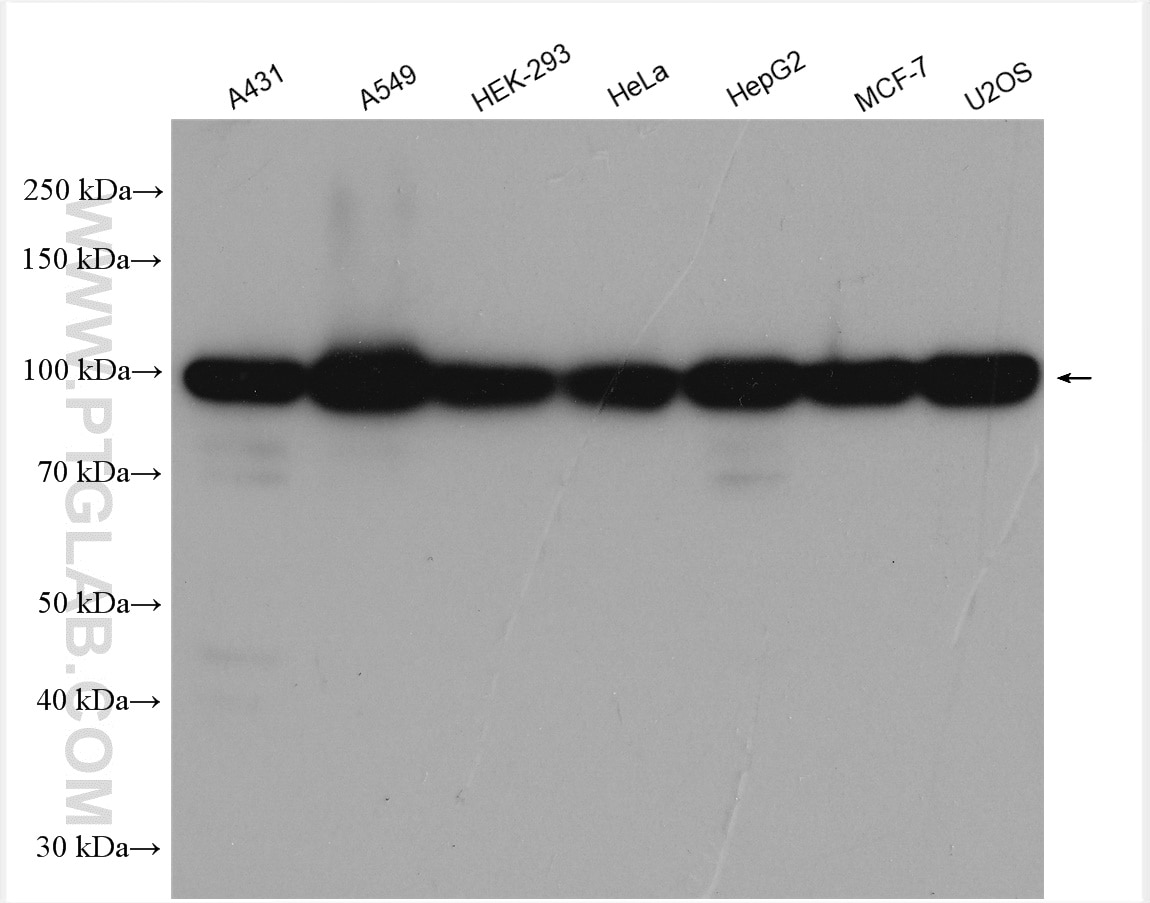
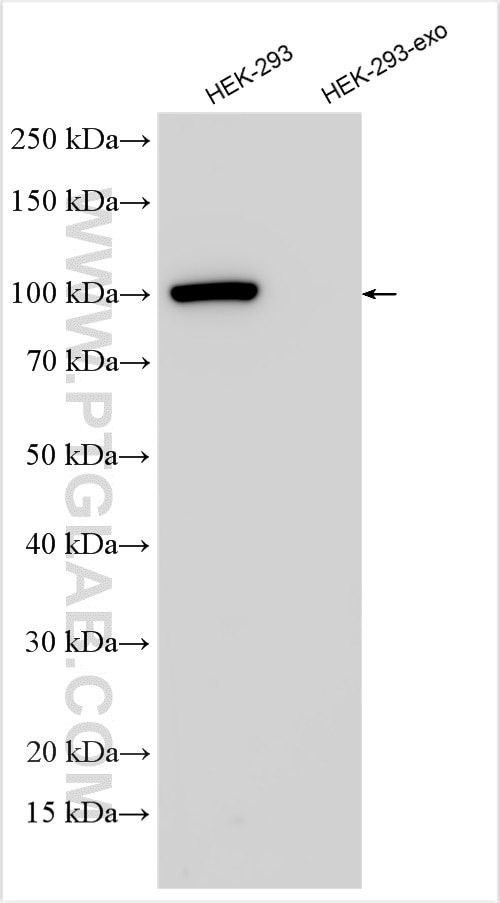
| Positive WB detected in | A431 cells, HEK-293 cells, A549 cells, HeLa cells, HepG2 cells, MCF-7 cells, U2OS cells |
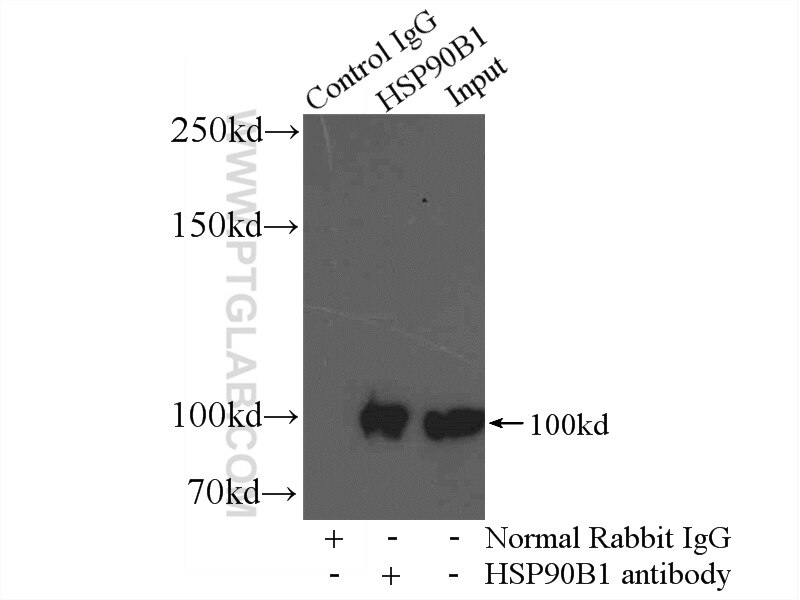
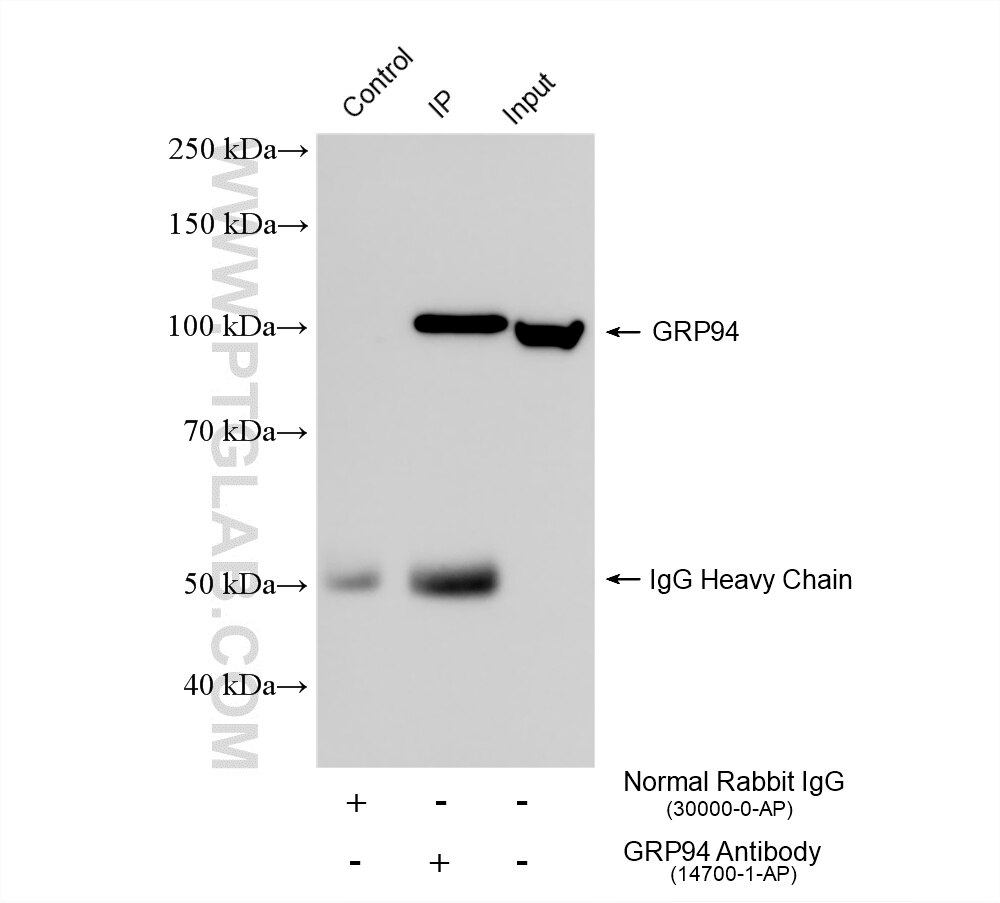
| Positive IP detected in | HEK-293 cells, mouse liver tissue |
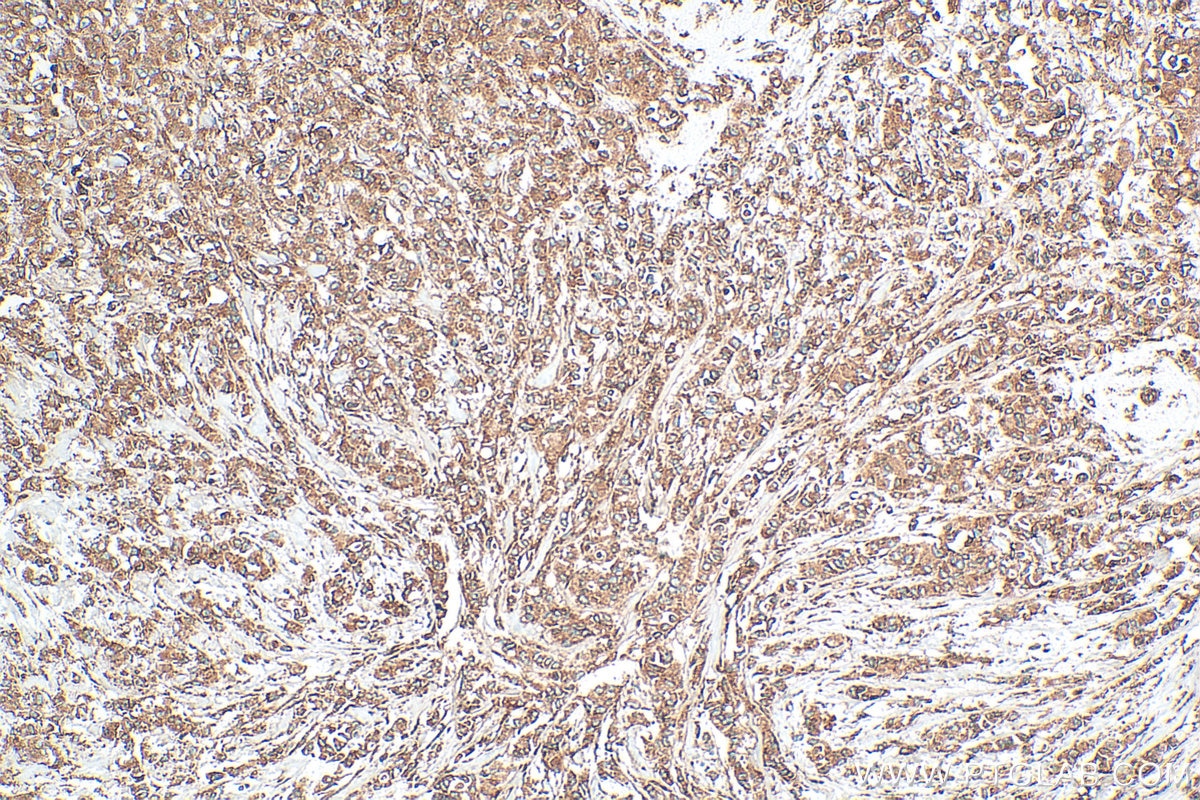
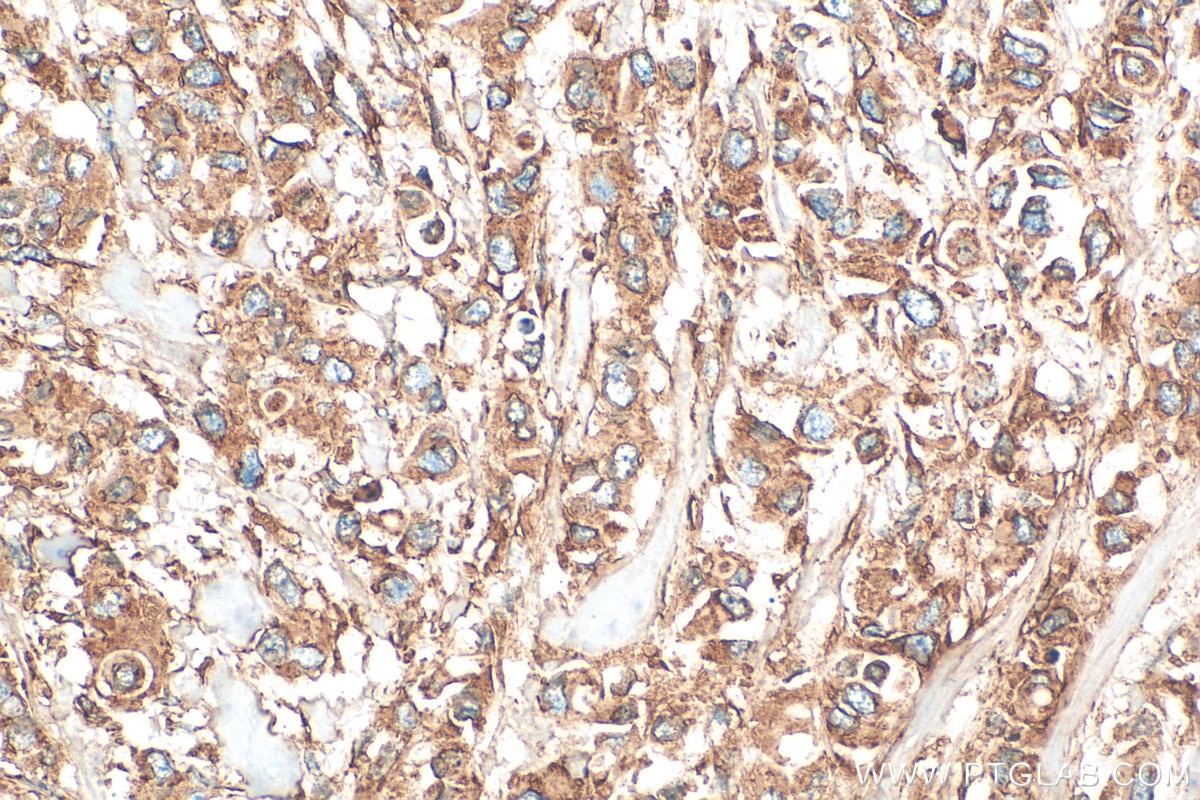
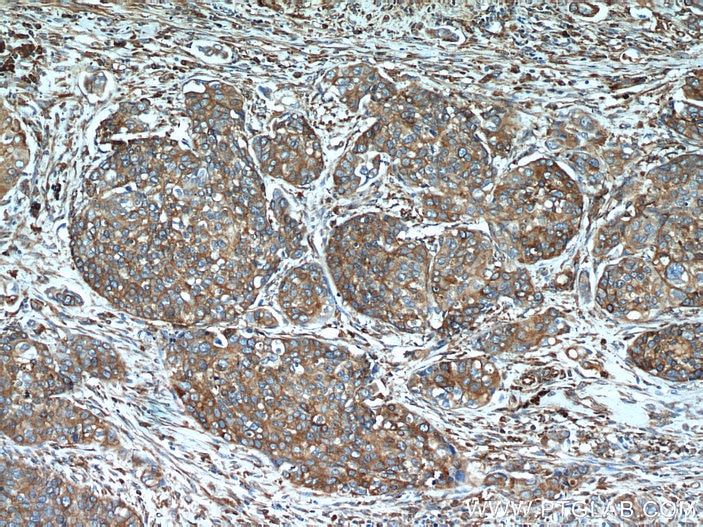
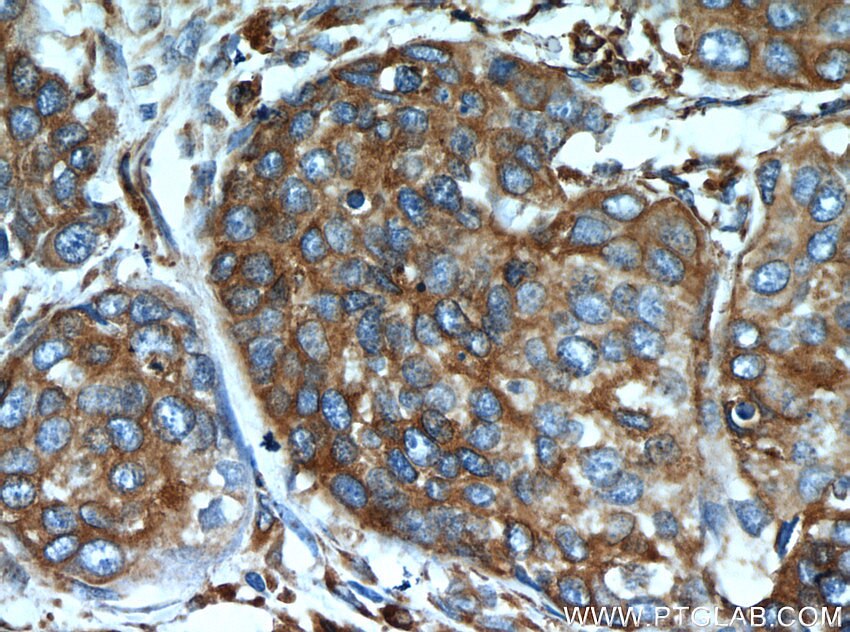
| Positive IHC detected in | human breast cancer tissue, human cervical cancer tissue Note: suggested antigen retrieval with TE buffer pH 9.0; (*) Alternatively, antigen retrieval may be performed with citrate buffer pH 6.0 |
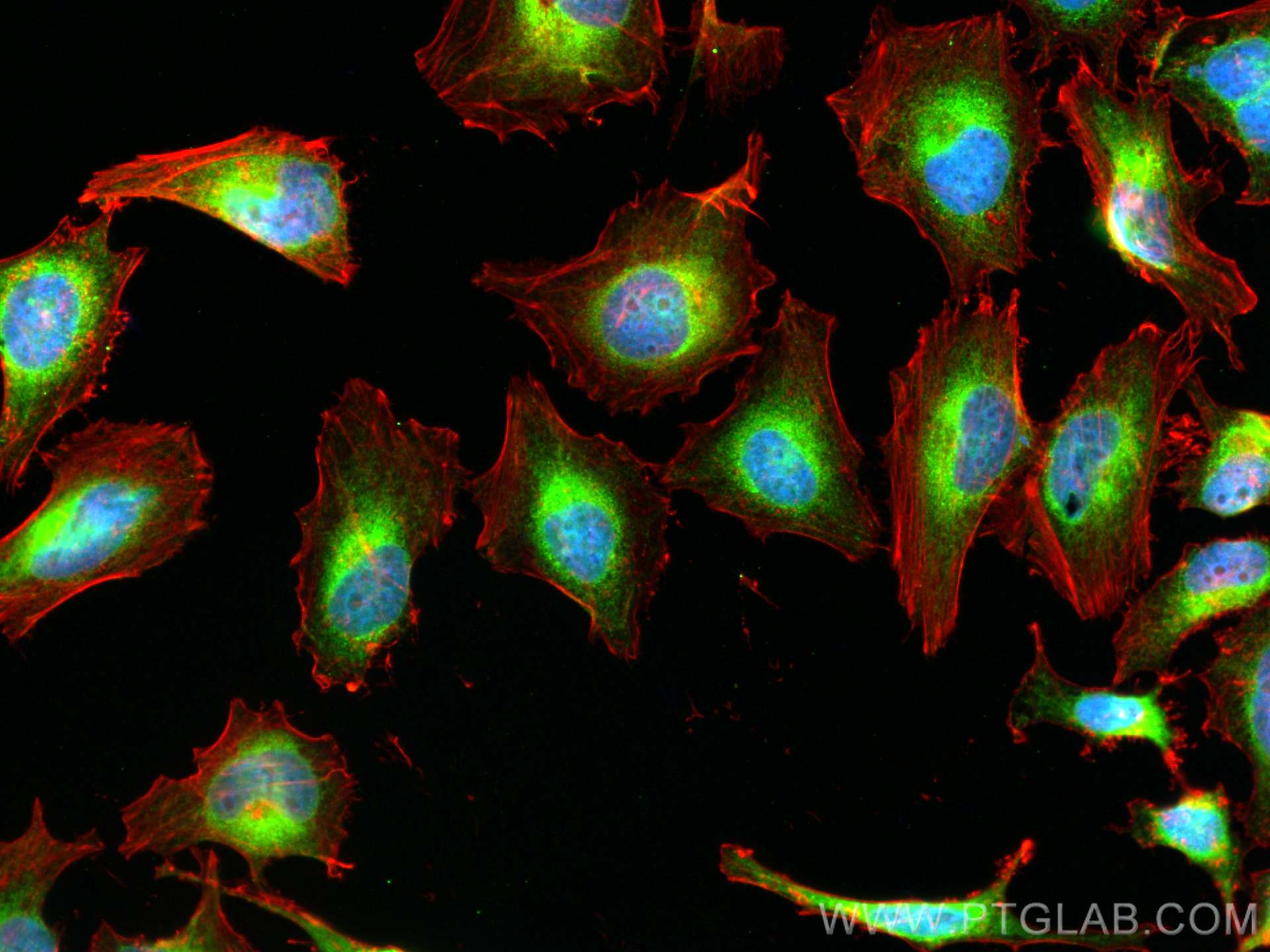
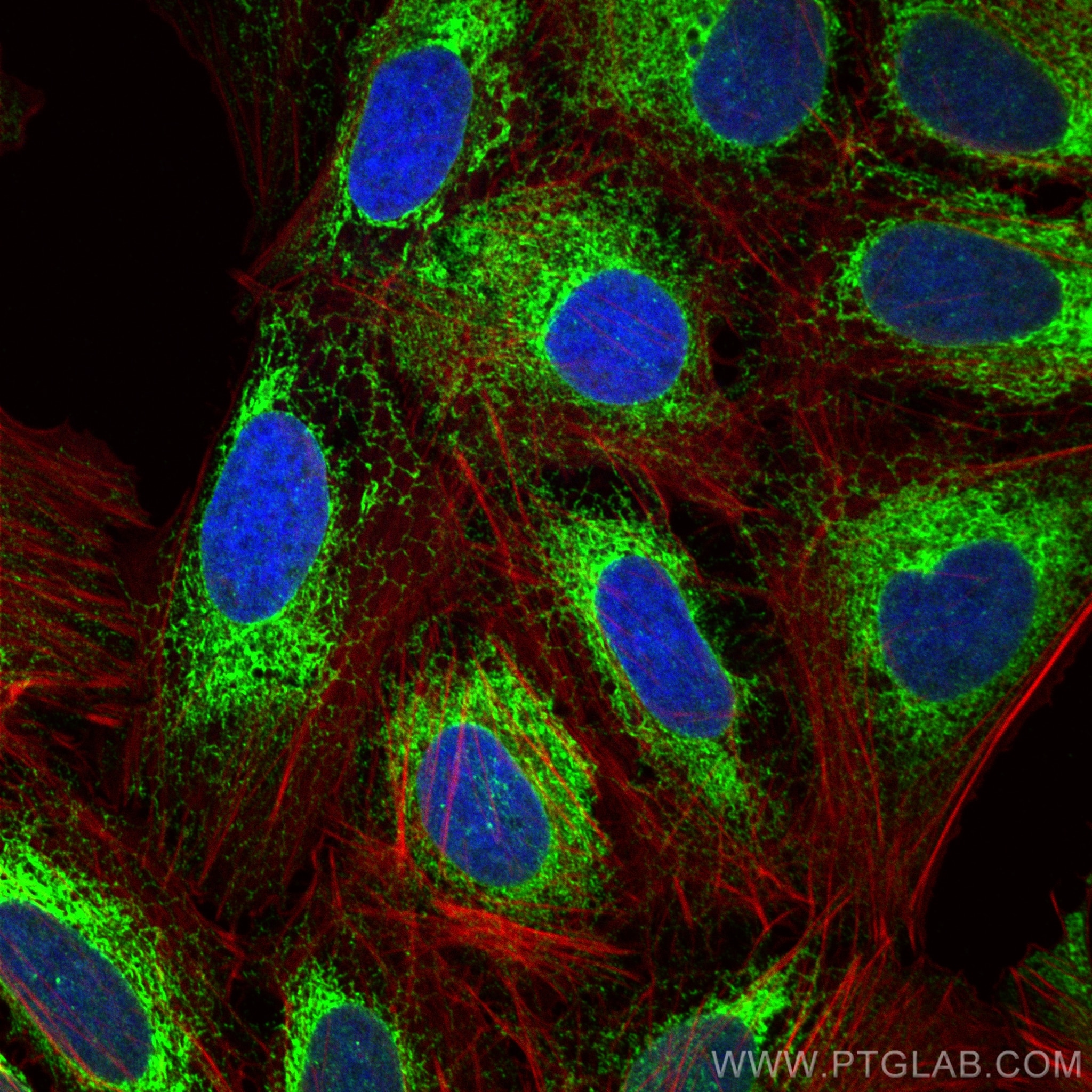
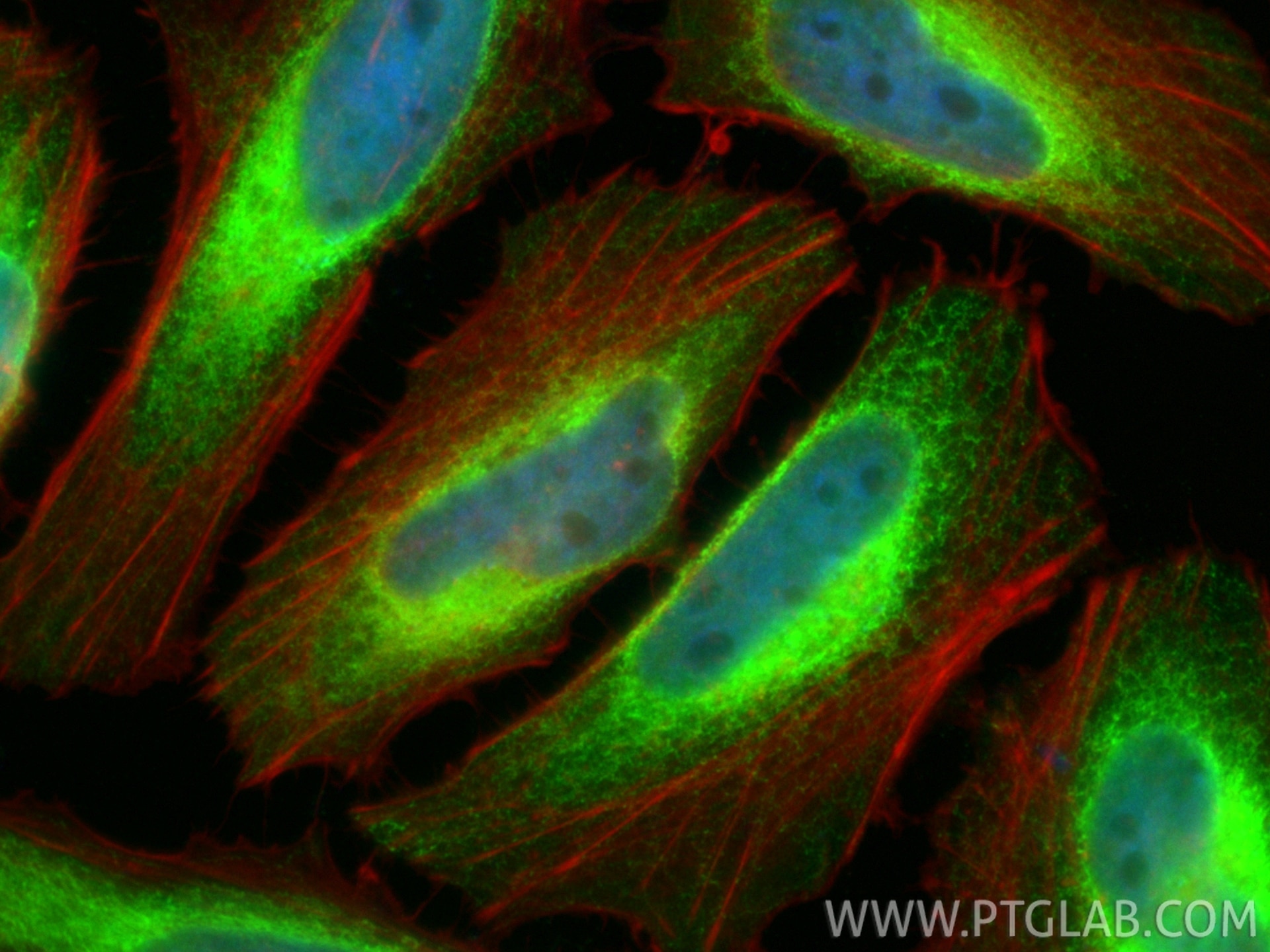
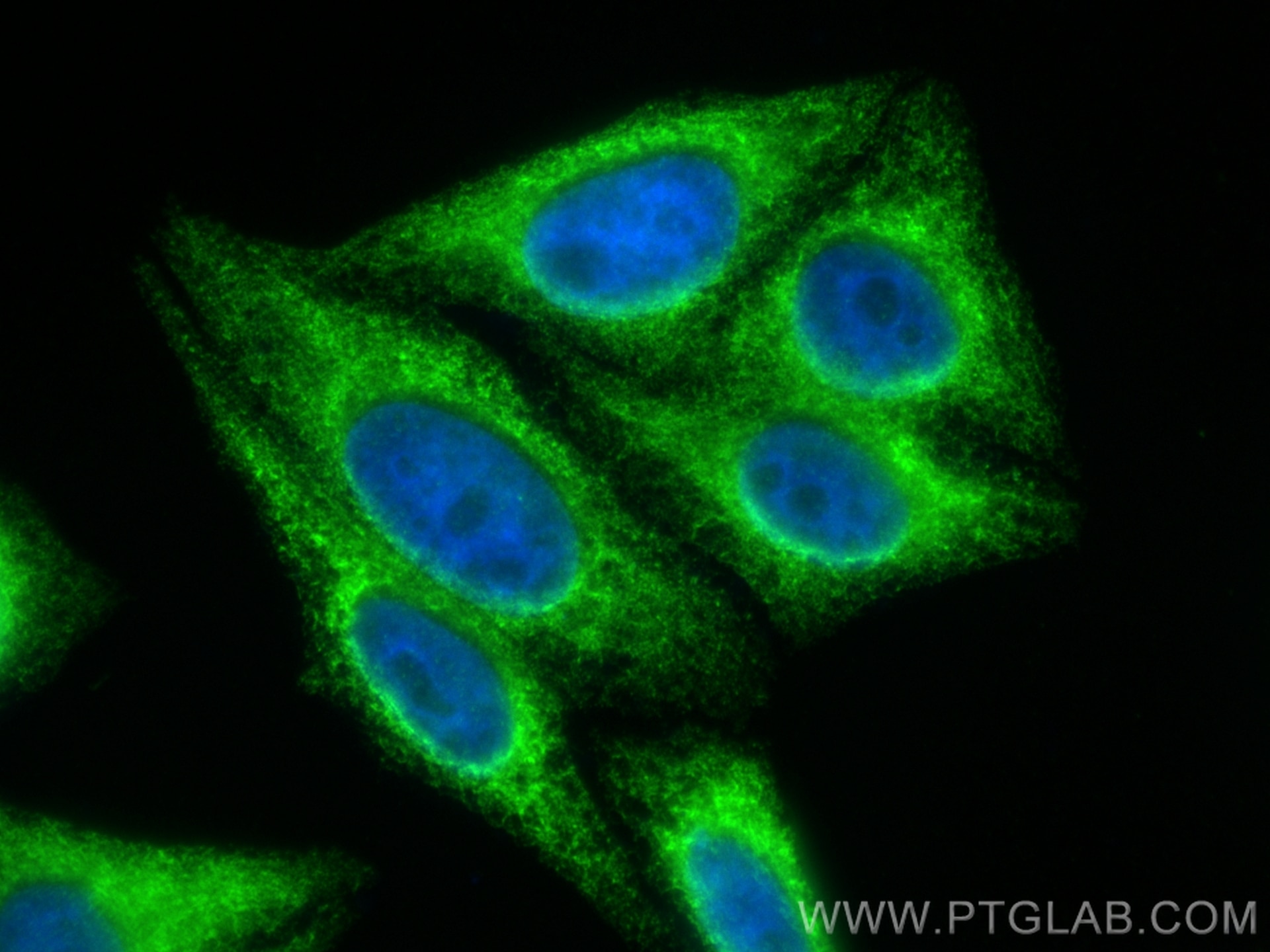
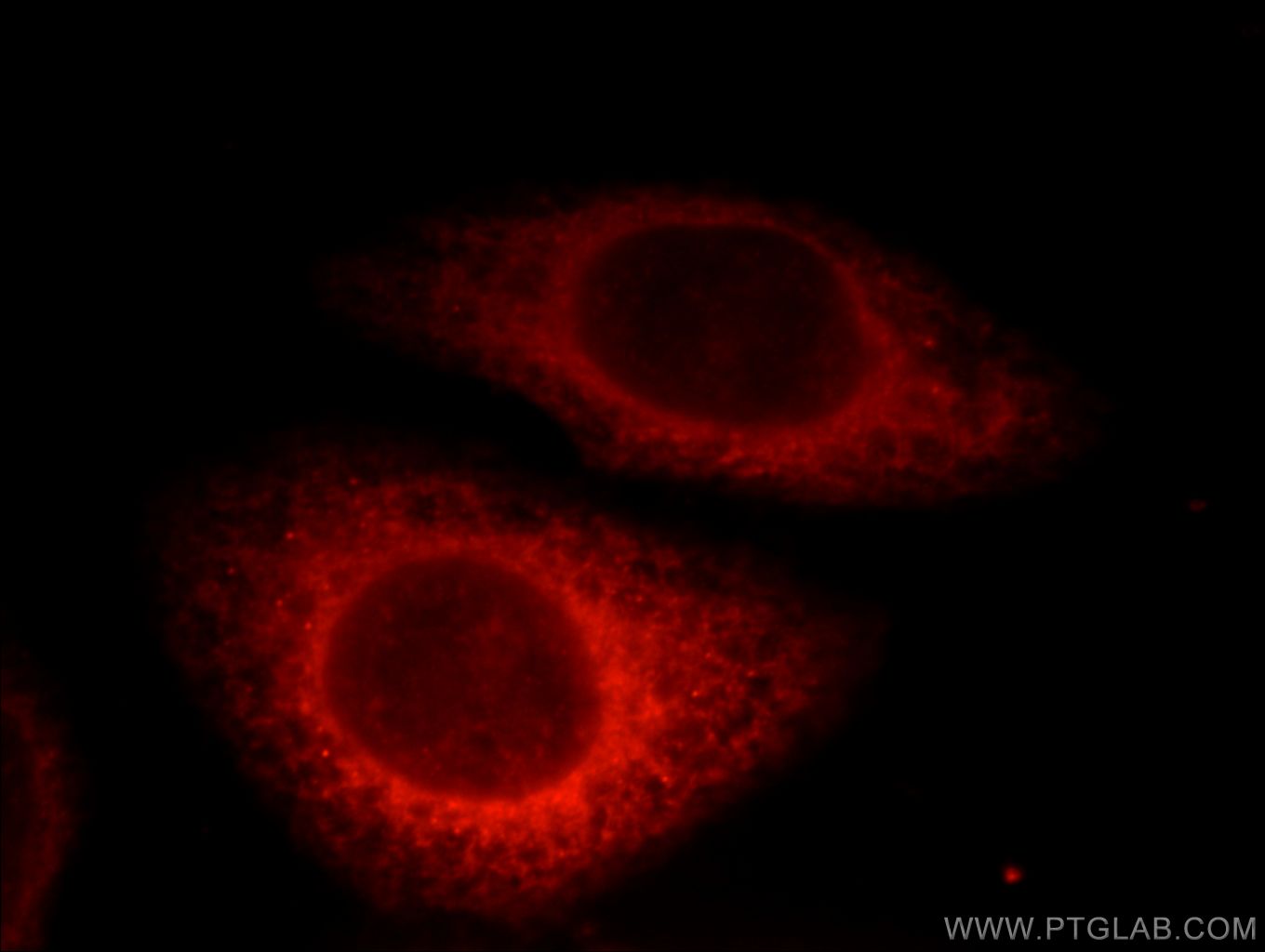
| Positive IF/ICC detected in | U2OS cells, HepG2 cells, HeLa cells |
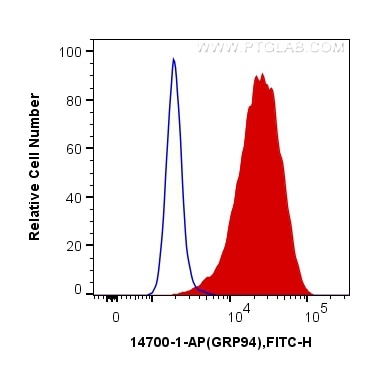
| Positive FC (Intra) detected in | HeLa cells |
Recommended dilution
| Application | Dilution |
|---|---|
| Western Blot (WB) | WB : 1:2000-1:16000 |
| Immunoprecipitation (IP) | IP : 0.5-4.0 ug for 1.0-3.0 mg of total protein lysate |
| Immunohistochemistry (IHC) | IHC : 1:500-1:2000 |
| Immunofluorescence (IF)/ICC | IF/ICC : 1:50-1:500 |
| Flow Cytometry (FC) (INTRA) | FC (INTRA) : 0.40 ug per 10^6 cells in a 100 µl suspension |
| It is recommended that this reagent should be titrated in each testing system to obtain optimal results. | |
| Sample-dependent, Check data in validation data gallery. | |
Product Information
14700-1-AP targets GRP94 in WB, IHC, IF/ICC, FC (Intra), IP, CoIP, ELISA applications and shows reactivity with human, mouse, rat samples.
| Tested Reactivity | human, mouse, rat |
| Cited Reactivity | human, mouse, rat |
| Host / Isotype | Rabbit / IgG |
| Class | Polyclonal |
| Type | Antibody |
| Immunogen |
CatNo: Ag6344 Product name: Recombinant human GRP94 protein Source: e coli.-derived, PET28a Tag: 6*His Domain: 455-803 aa of BC066656 Sequence: KLLKVIRKKLVRKTLDMIKKIADDKYNDTFWKEFGTNIKLGVIEDHSNRTRLAKLLRFQSSHHPTDITSLDQYVERMKEKQDKIYFMAGSSRKEAESSPFVERLLKKGYEVIYLTEPVDEYCIQALPEFDGKRFQNVAKEGVKFDESEKTKESREAVEKEFEPLLNWMKDKALKDKIEKAVVSQRLTESPCALVASQYGWSGNMERIMKAQAYQTGKDISTNYYASQKKTFEINPRHPLIRDMLRRIKEDEDDKTVLDLAVVLFETATLRSGYLLPDTKAYGDRIERMLRLSLNIDPDAKVEEEPEEEPEETAEDTTEDTEQDEDEEMDVGTDEEEETAKESTAEKDEL Predict reactive species |
| Full Name | heat shock protein 90kDa beta (Grp94), member 1 |
| Calculated Molecular Weight | 92 kDa |
| Observed Molecular Weight | 100 kDa |
| GenBank Accession Number | BC066656 |
| Gene Symbol | GRP94 |
| Gene ID (NCBI) | 7184 |
| RRID | AB_2233347 |
| Conjugate | Unconjugated |
| Form | Liquid |
| Purification Method | Antigen affinity purification |
| UNIPROT ID | P14625 |
| Storage Buffer | PBS with 0.02% sodium azide and 50% glycerol, pH 7.3. |
| Storage Conditions | Store at -20°C. Stable for one year after shipment. Aliquoting is unnecessary for -20oC storage. 20ul sizes contain 0.1% BSA. |
Background Information
Glucose-regulated protein 94 (GRP94), also called HSP90B1 and GP96, is an endoplasmic reticulum (ER)-resident member of the heat shock protein 90 (HSP90) family (PMID: 33802964; 24658275). Under ER stress conditions, GRP94 accelerates its function as a molecular chaperone. Client proteins of GRP94 include toll-like receptors (TLRs), glycoprotein (GP) IX subunit, insulin-like growth factors (IGFs), proinsulin, and integrins (PMID: 7913987; 32781621; 22079671). As well as being an ER chaperone, GRP94 can also participate in Calcium regulation and is also a regulator of innate and adaptive immunity (PMID: 33802964; 11584270).
Protocols
| Product Specific Protocols | |
|---|---|
| FC protocol for GRP94 antibody 14700-1-AP | Download protocol |
| IF protocol for GRP94 antibody 14700-1-AP | Download protocol |
| IHC protocol for GRP94 antibody 14700-1-AP | Download protocol |
| IP protocol for GRP94 antibody 14700-1-AP | Download protocol |
| WB protocol for GRP94 antibody 14700-1-AP | Download protocol |
| Standard Protocols | |
|---|---|
| Click here to view our Standard Protocols |
Publications
What published studies show
GRP94 (HSP90B1) polyclonal antibody (Cat# 14700-1-AP) has accumulated 71 citations across high-impact journals including Cell, Nature Genetics, Nature Communications, EMBO Journal, Advanced Science, Science Advances, Theranostics, and FASEB Journal. Associated research fields encompass ER stress and unfolded protein response, oncology (lung, breast, prostate, liver, glioma), neurodegeneration, cardiovascular disease, diabetes, exosome biology, lipid metabolism, inflammation, autophagy, ferroptosis, and innate/adaptive immune regulation.
| Species | Application | Title |
|---|---|---|
Nat Genet Alterations in PD-L1 succinylation shape anti-tumor immune responses in melanoma | ||
Nat Commun Intestinal Nogo-B reduces GLP1 levels by binding to proglucagon on the endoplasmic reticulum to inhibit PCSK1 cleavage | ||
Redox Biol Exogenous spermine attenuates rat diabetic cardiomyopathy via suppressing ROS-p53 mediated downregulation of calcium-sensitive receptor. | ||
J Nanobiotechnology Engineered endoplasmic reticulum-targeting nanodrugs with Piezo1 inhibition and promotion of cell uptake for subarachnoid hemorrhage inflammation repair | ||
Theranostics Exosomes from mesenchymal stem cells modulate endoplasmic reticulum stress to protect against nucleus pulposus cell death and ameliorate intervertebral disc degeneration in vivo. |


