

Tested Applications
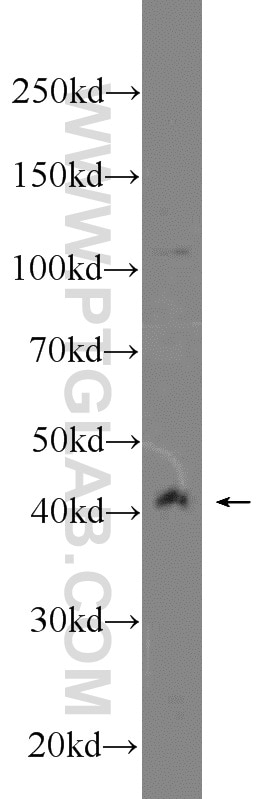
| Positive WB detected in | SGC-7901 cells |
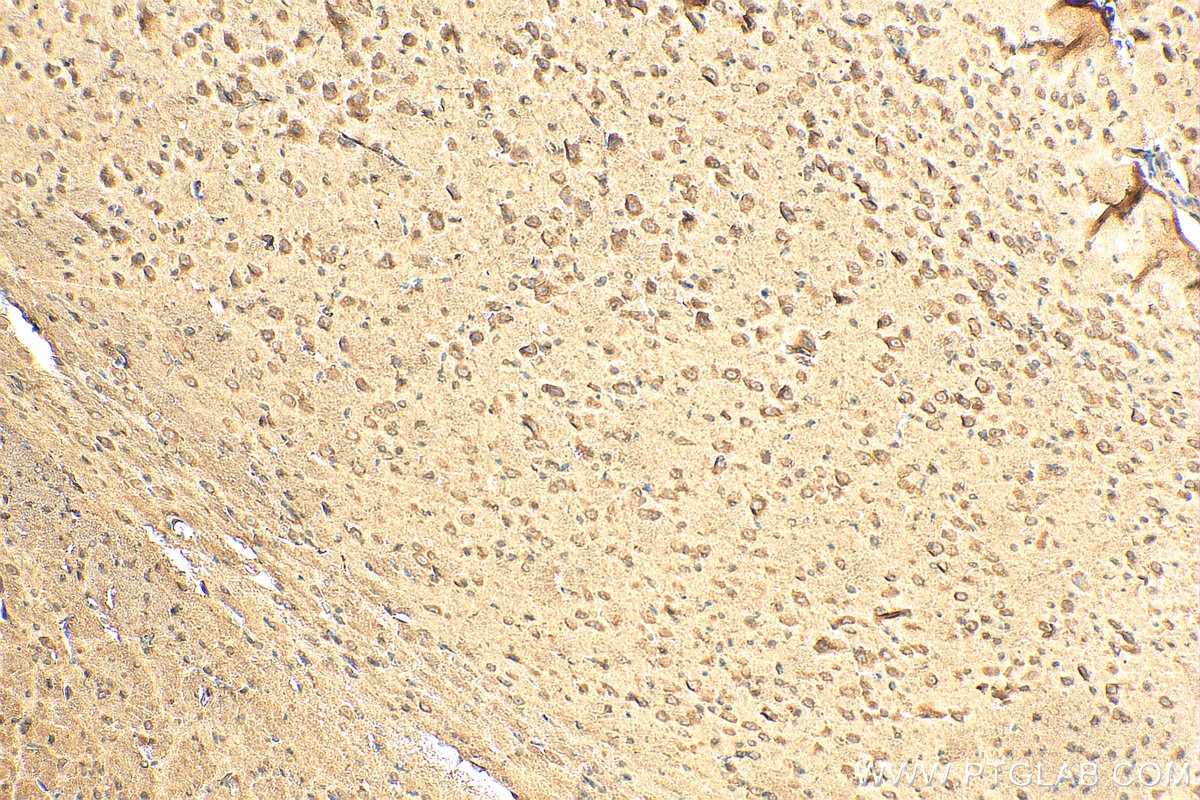
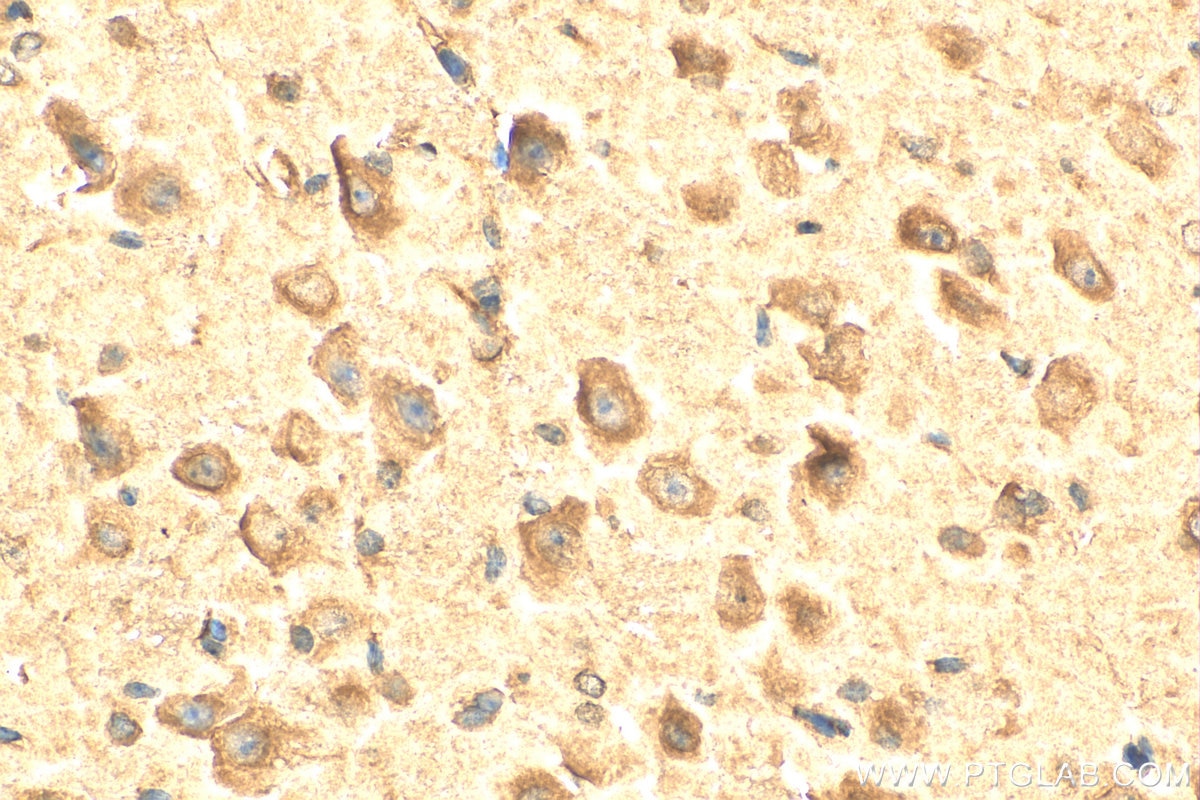
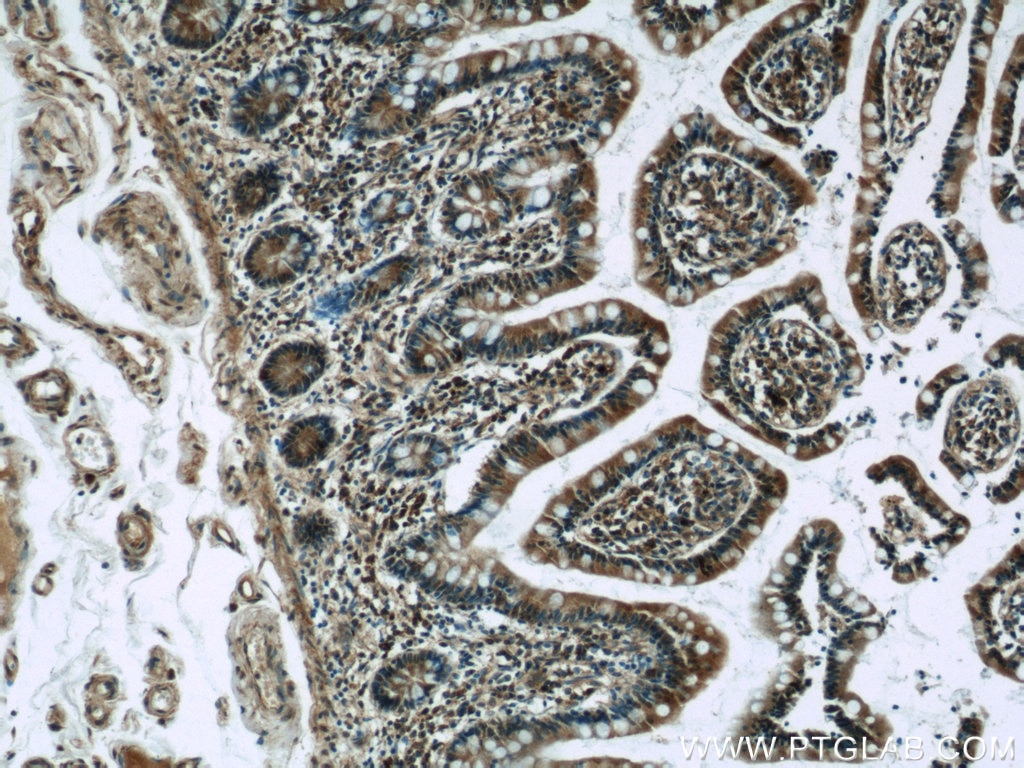
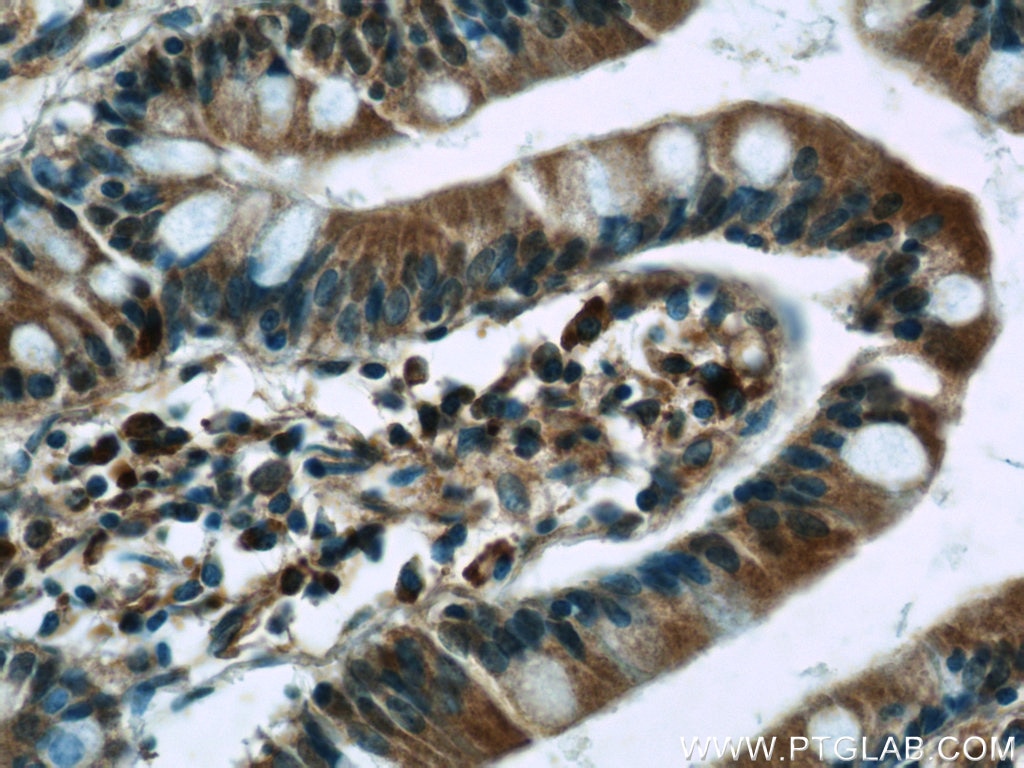
| Positive IHC detected in | mouse brain tissue, human small intestine tissue Note: suggested antigen retrieval with TE buffer pH 9.0; (*) Alternatively, antigen retrieval may be performed with citrate buffer pH 6.0 |
Recommended dilution
| Application | Dilution |
|---|---|
| Western Blot (WB) | WB : 1:500-1:1000 |
| Immunohistochemistry (IHC) | IHC : 1:50-1:500 |
| It is recommended that this reagent should be titrated in each testing system to obtain optimal results. | |
| Sample-dependent, Check data in validation data gallery. | |
Product Information
24201-1-AP targets WNT6 in WB, IHC, IF, ELISA applications and shows reactivity with human, mouse samples.
| Tested Reactivity | human, mouse |
| Cited Reactivity | human, mouse, chicken |
| Host / Isotype | Rabbit / IgG |
| Class | Polyclonal |
| Type | Antibody |
| Immunogen |
CatNo: Ag20889 Product name: Recombinant human WNT6 protein Source: e coli.-derived, PET30a Tag: 6*His Domain: 36-365 aa of BC004329 Sequence: DPTSICRKARRLAGRQAELCQAEPEVVAELARGARLGVRECQFQFRFRRWNCSSHSKAFGRILQQDIRETAFVFAITAAGASHAVTQACSMGELLQCGCQAPRGRAPPRPSGLPGTPGPPGPAGSPEGSAAWEWGGCGDDVDFGDEKSRLFMDARHKRGRGDIRALVQLHNNEAGRLAVRSHTRTECKCHGLSGSCALRTCWQKLPPFREVGARLLERFHGASRVMGTNDGKALLPAVRTLKPPGRADLLYAADSPDFCAPNRRTGSPGTRGRACNSSAPDLSGCDLLCCGRGHRQESVQLEENCLCRFHWCCVVQCHRCRVRKELSLCL Predict reactive species |
| Full Name | wingless-type MMTV integration site family, member 6 |
| Calculated Molecular Weight | 39 kDa |
| Observed Molecular Weight | 42 kDa |
| GenBank Accession Number | BC004329 |
| Gene Symbol | WNT6 |
| Gene ID (NCBI) | 7475 |
| RRID | AB_2879454 |
| Conjugate | Unconjugated |
| Form | Liquid |
| Purification Method | Antigen affinity purification |
| UNIPROT ID | Q9Y6F9 |
| Storage Buffer | PBS with 0.02% sodium azide and 50% glycerol, pH 7.3. |
| Storage Conditions | Store at -20°C. Stable for one year after shipment. Aliquoting is unnecessary for -20oC storage. 20ul sizes contain 0.1% BSA. |
Background Information
WNT6 belongs to the Wnt family. It is ligand for members of the frizzled family of seven transmembrane receptors. WNT6 is likely to signal over only few cell diameters. WNT6 may be together with CAV1 to promote chemoresistance of gastric cancer cells to DNA-damaging anthracycline drugs through the activation of the canonical Wnt receptor signaling pathway. And WNT6 is mainly expressed in brain, endometrium epithelium, gastric cancer cell lines and gastric cancer tissues (PMID: 22370641).
Protocols
| Product Specific Protocols | |
|---|---|
| IHC protocol for WNT6 antibody 24201-1-AP | Download protocol |
| WB protocol for WNT6 antibody 24201-1-AP | Download protocol |
| Standard Protocols | |
|---|---|
| Click here to view our Standard Protocols |
Publications
What published studies show
The WNT6 antibody (Cat# 24201-1-AP) has 14 citations published in journals including Nature Communications, Kidney International, Development, Clinical and Translational Medicine, European Journal of Pharmacology, Frontiers in Oncology, Matter Today Bio, and others. Research fields span Wnt/β-catenin signaling, oncology (hepatocellular carcinoma, colorectal cancer, ovarian cancer, choriocarcinoma, osteosarcoma), developmental biology, podocyte biology, reproductive toxicity, and vascular injury.
| Species | Application | Title |
|---|---|---|
Kidney Int Non-canonical Wnt/calcium signaling is protective against podocyte injury and glomerulosclerosis | ||
Nat Commun Autocrine ECM molecules establish MSC quiescence during incisor development by disrupting WNT ligand trafficking process. | ||
Mater Today Bio Bioinspired nanoparticles prevent blue-light-induced skin hyperpigmentation via FZD2-TYR-melanin pathway | ||
Clin Transl Med LncRNA NEAT1 suppresses cellular senescence in hepatocellular carcinoma via KIF11-dependent repression of CDKN2A | ||
Eur J Pharmacol Anemoside B4 alleviates colitis-associated colon cancer progression via Wnt/β-catenin signaling pathway. | ||
Am J Physiol Cell Physiol Secreted Wnt6 mediates diabetes-associated centrosome amplification via its receptor FZD4. |


