
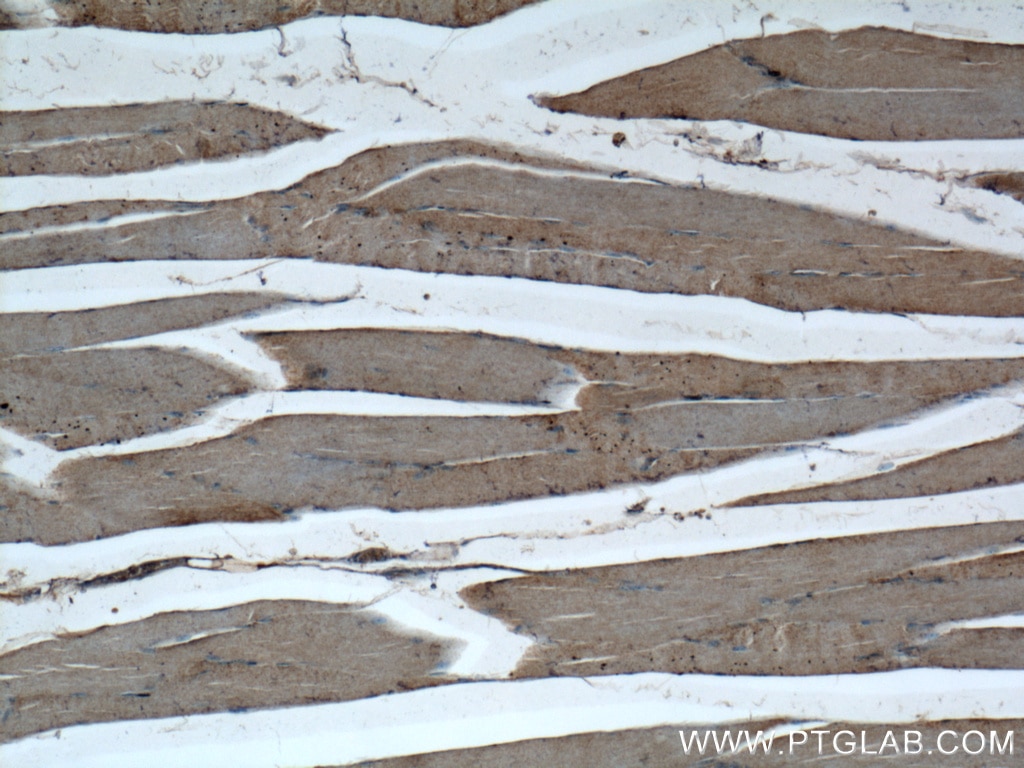
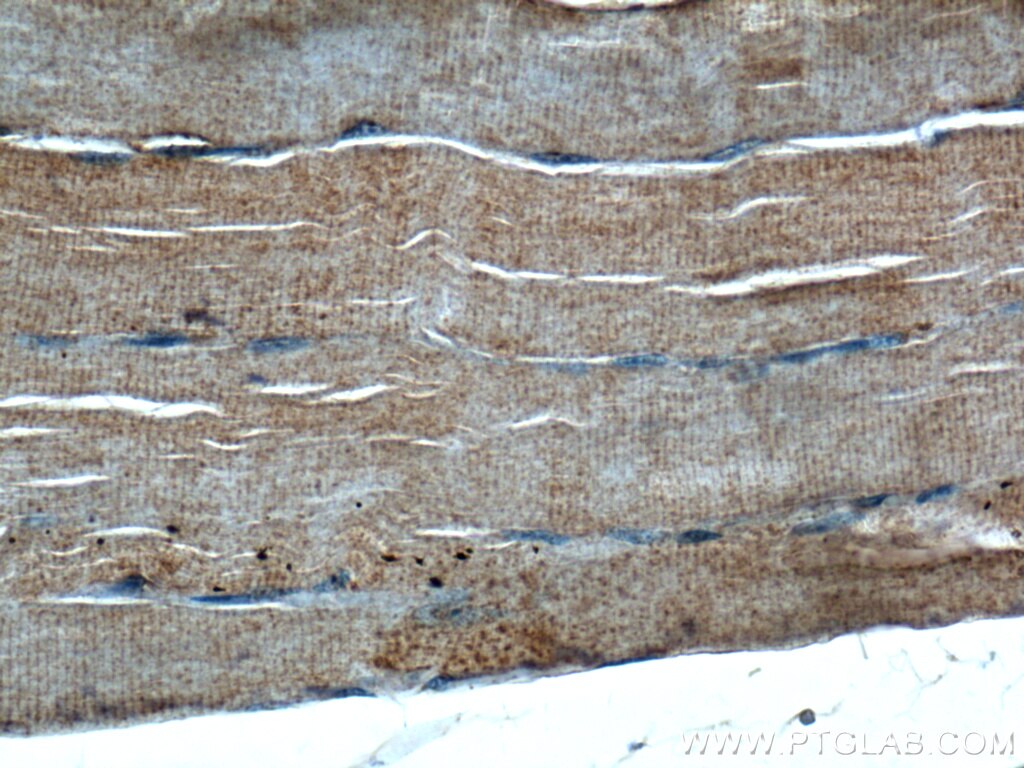
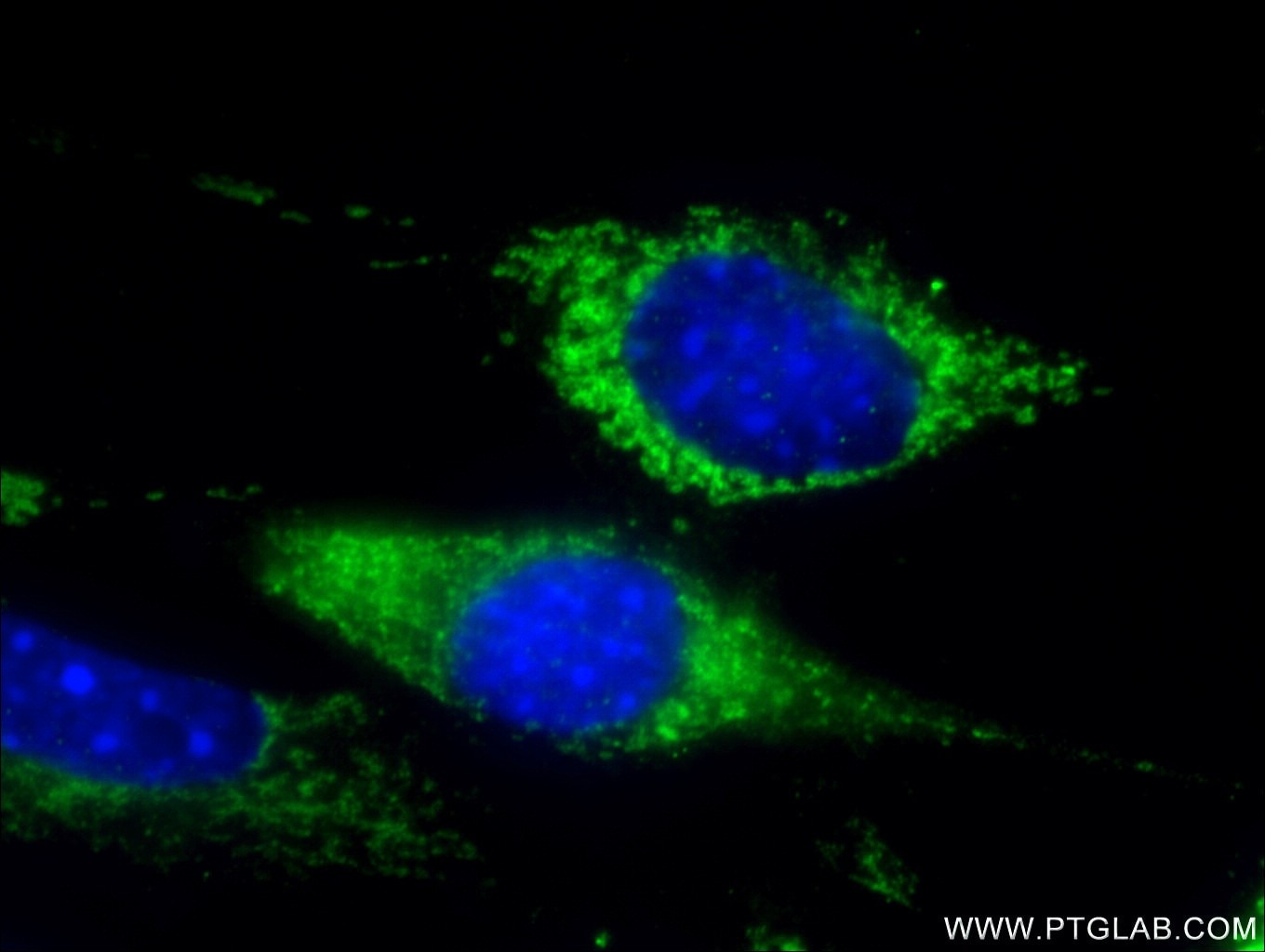
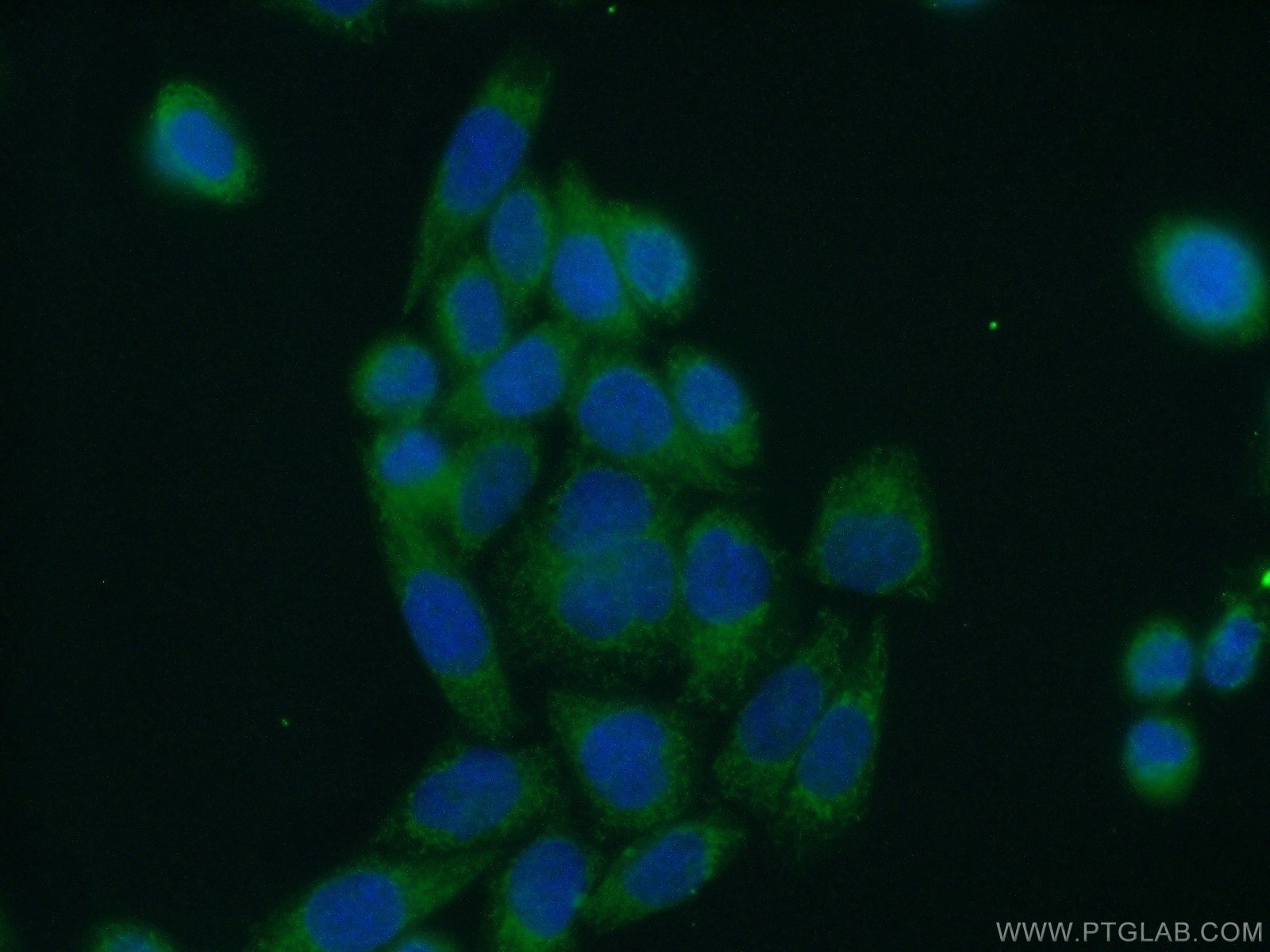

Tested Applications
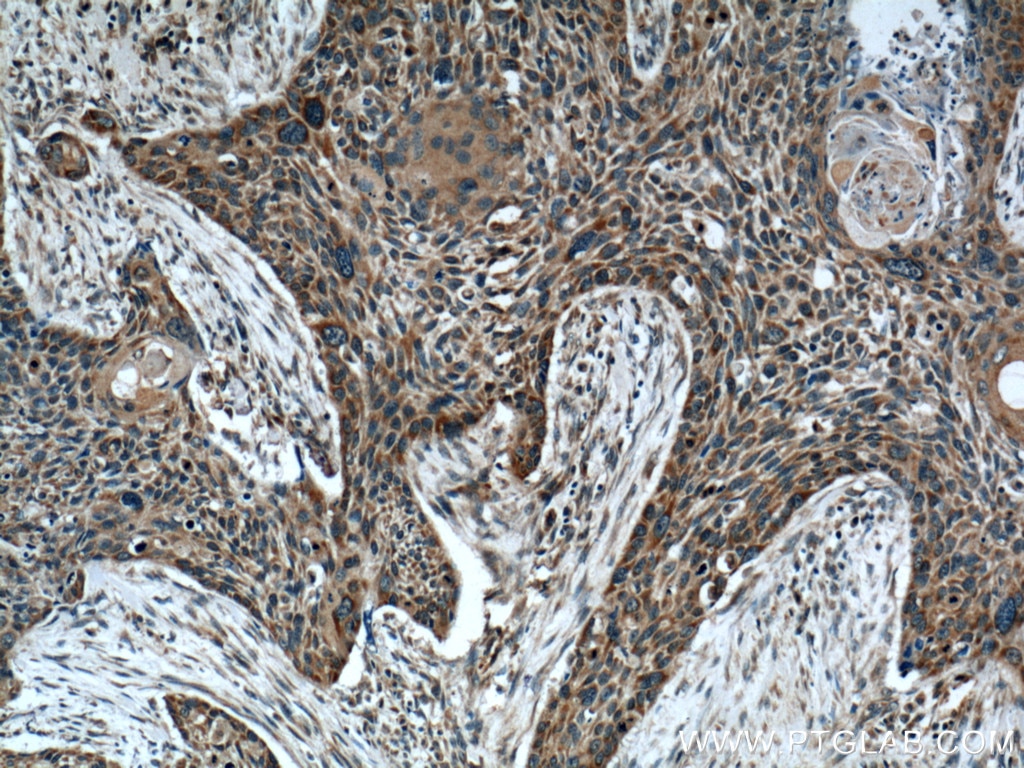
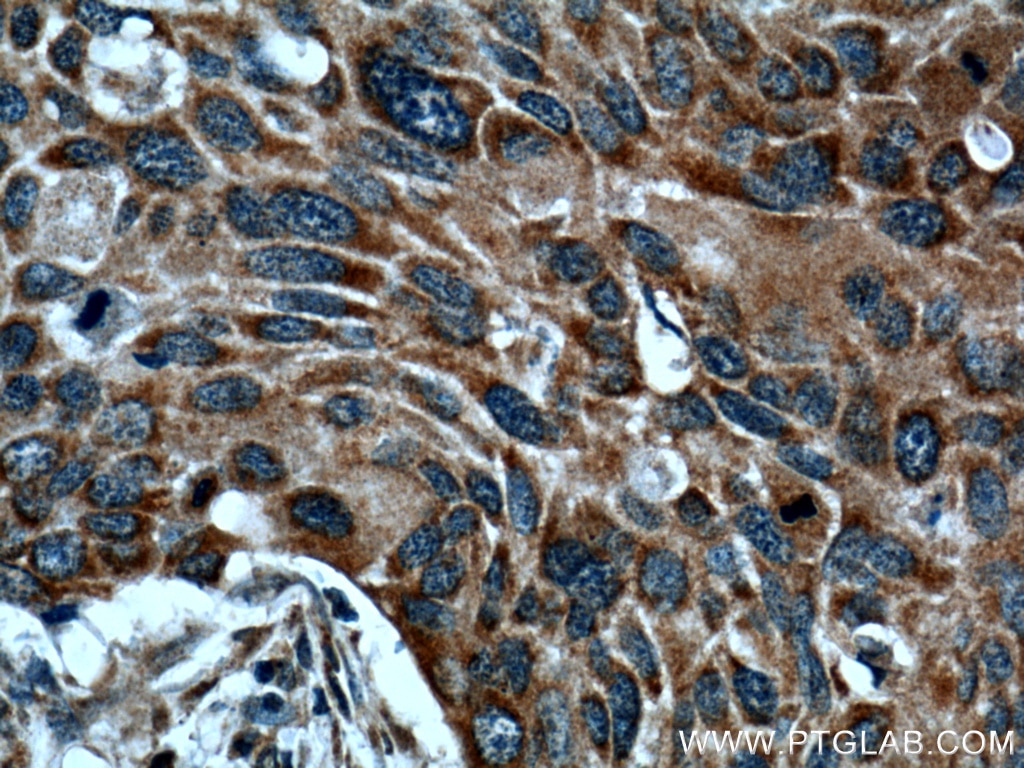
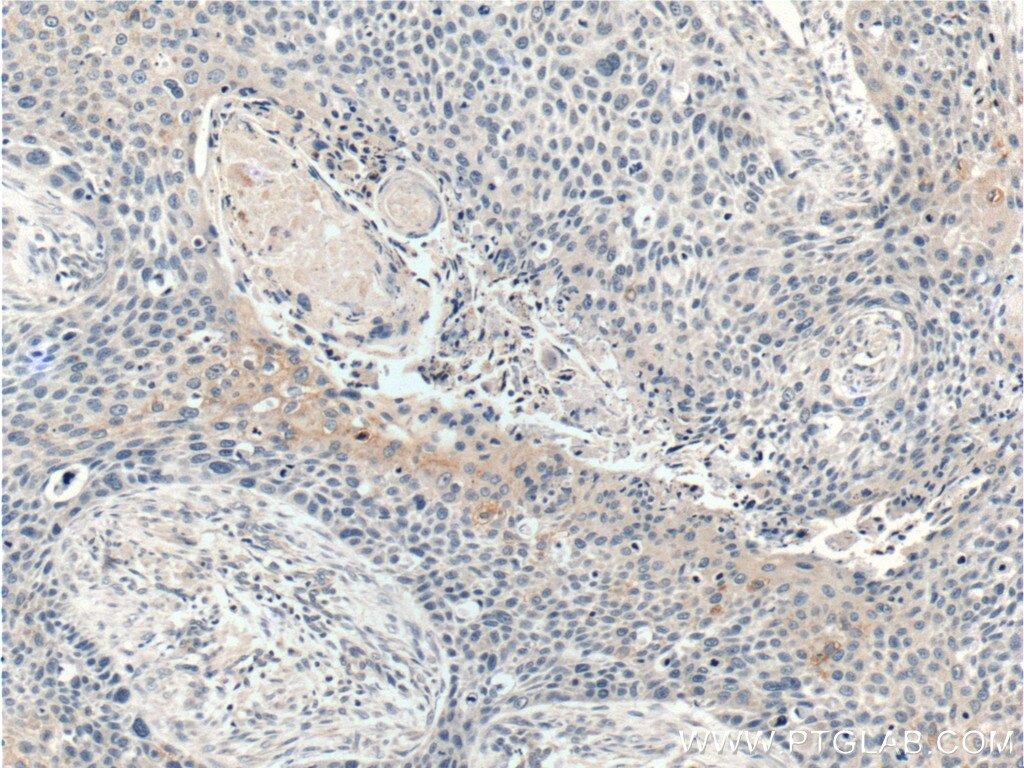
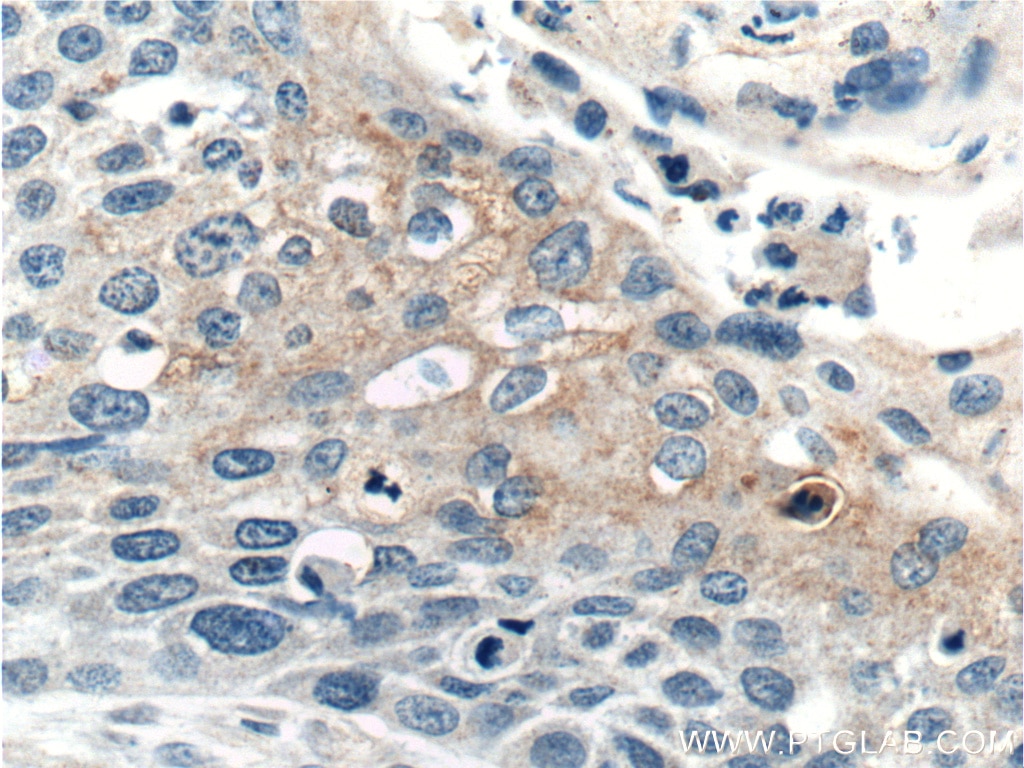
| Positive IHC detected in | human oesophagus cancer tissue, human skeletal muscle tissue Note: suggested antigen retrieval with TE buffer pH 9.0; (*) Alternatively, antigen retrieval may be performed with citrate buffer pH 6.0 |
| Positive IF/ICC detected in | NIH/3T3 cells, HeLa cells |
Recommended dilution
| Application | Dilution |
|---|---|
| Immunohistochemistry (IHC) | IHC : 1:50-1:500 |
| Immunofluorescence (IF)/ICC | IF/ICC : 1:50-1:500 |
| It is recommended that this reagent should be titrated in each testing system to obtain optimal results. | |
| Sample-dependent, Check data in validation data gallery. | |
Product Information
26238-1-AP targets WNT10A in WB, IHC, IF/ICC, ELISA applications and shows reactivity with human, mouse samples.
| Tested Reactivity | human, mouse |
| Cited Reactivity | human, mouse, goat |
| Host / Isotype | Rabbit / IgG |
| Class | Polyclonal |
| Type | Antibody |
| Immunogen |
CatNo: Ag23963 Product name: Recombinant human WNT10A protein Source: e coli.-derived, PGEX-4T Tag: GST Domain: 154-229 aa of BC052234 Sequence: LKACGCDASRRGDEEAFRRKLHRLQLDALQRGKGLSHGVPEHPALPTASPGLQDSWEWGGCSPDMGFGERFSKDFL Predict reactive species |
| Full Name | wingless-type MMTV integration site family, member 10A |
| Calculated Molecular Weight | 417 aa, 46 kDa |
| GenBank Accession Number | BC052234 |
| Gene Symbol | WNT10A |
| Gene ID (NCBI) | 80326 |
| RRID | AB_2880439 |
| Conjugate | Unconjugated |
| Form | Liquid |
| Purification Method | Antigen affinity purification |
| UNIPROT ID | Q9GZT5 |
| Storage Buffer | PBS with 0.02% sodium azide and 50% glycerol, pH 7.3. |
| Storage Conditions | Store at -20°C. Stable for one year after shipment. Aliquoting is unnecessary for -20oC storage. 20ul sizes contain 0.1% BSA. |
Background Information
WNT10A is a member of the WNT gene family, which consists of structurally related genes encoding secreted signaling molecules critical for many organogenesis processes. It is strongly expressed in the cell lines of promyelocytic leukemia and Burkitt's lymphoma. In addition, it and another family member, the WNT6 gene, are strongly coexpressed in colorectal cancer cell lines.
Publications
What published studies show
The WNT10A Polyclonal antibody (Cat# 26238-1-AP) has 8 citations published in journals including Kidney International, Pharmacological Research, Journal of Animal Science and Biotechnology, Cancer Cell International, Molecular Therapy Nucleic Acids, Tissue and Cell, Oral Diseases, and Cancer Biotherapy & Radiopharmaceuticals. Research fields span podocyte injury, pulmonary fibrosis, hair follicle development, uterine cancer, osteoblast differentiation, orofacial clefts, and colorectal cancer, with applications in IHC, WB, and IF.
| Species | Application | Title |
|---|---|---|
Kidney Int Non-canonical Wnt/calcium signaling is protective against podocyte injury and glomerulosclerosis | ||
Pharmacol Res Calcaratarin D, A Labdane Diterpenoid, Attenuates Bleomycin-Induced Pulmonary Fibrosis by Blocking Wnt/β-Catenin Signaling Pathway | ||
J Anim Sci Biotechnol Melatonin promotes the development of the secondary hair follicles by regulating circMPP5 | ||
Cancer Cell Int Identification of the prognostic value of a 2-gene signature of the WNT gene family in UCEC using bioinformatics and real-world data. | ||
Mol Ther Nucleic Acids Mechanical stimuli-induced CCL2 restores adult mouse cells to regenerate hair follicles | ||
Tissue Cell Paeonol induces osteoblast differentiation of bone marrow-derived human mesenchymal stromal cells and inhibits adipocyte differentiation. |


