

Tested Applications
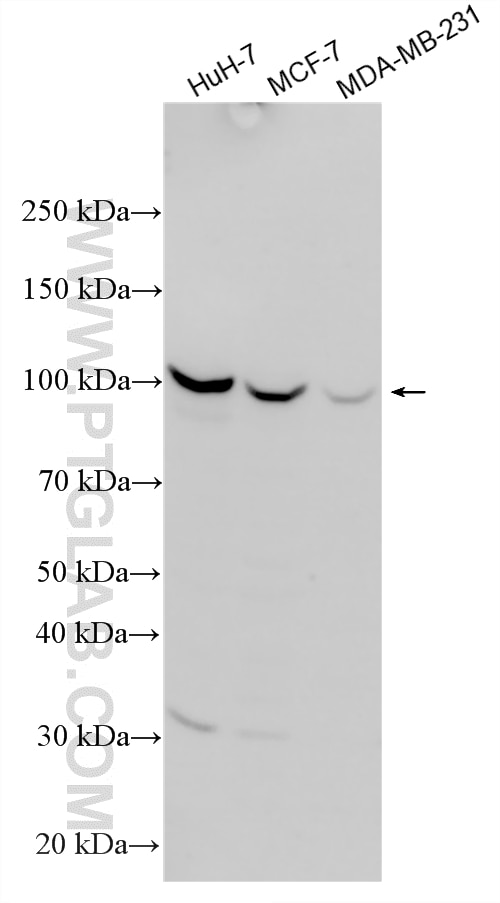
| Positive WB detected in | HuH-7 cells, MCF-7 cells, MDA-MB-231 cells |
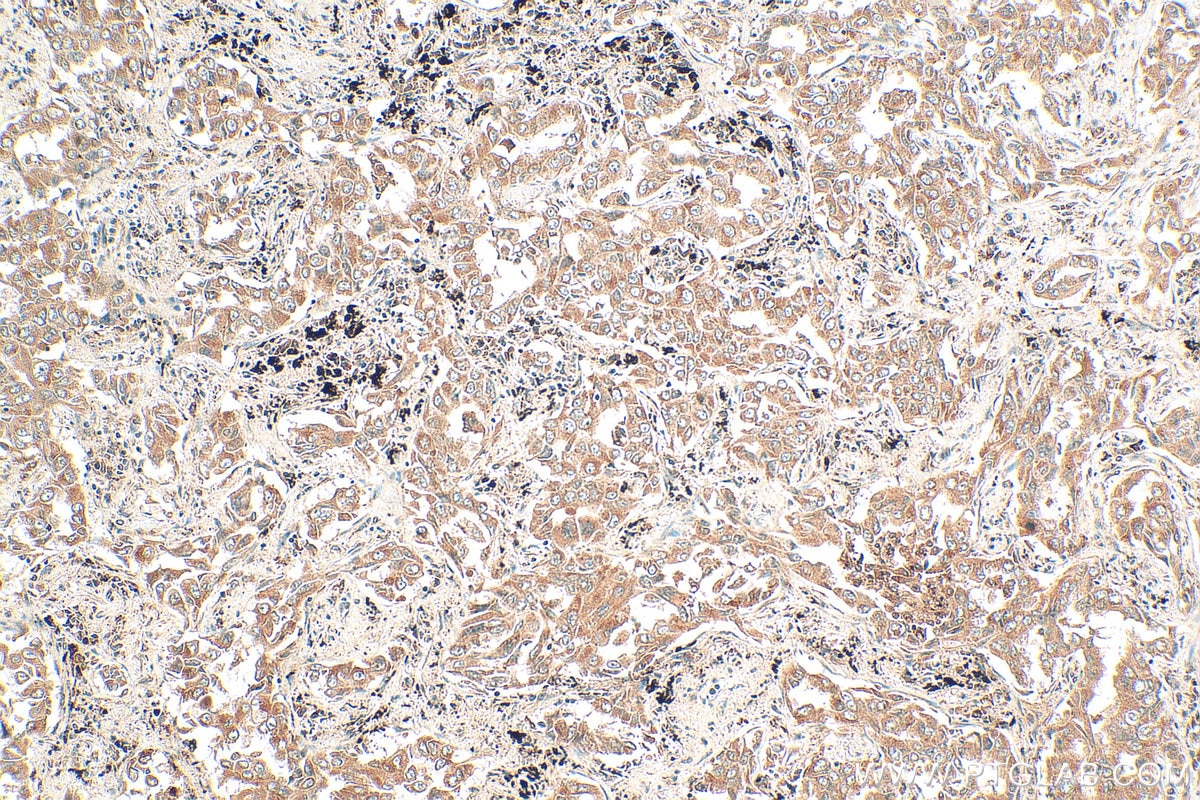
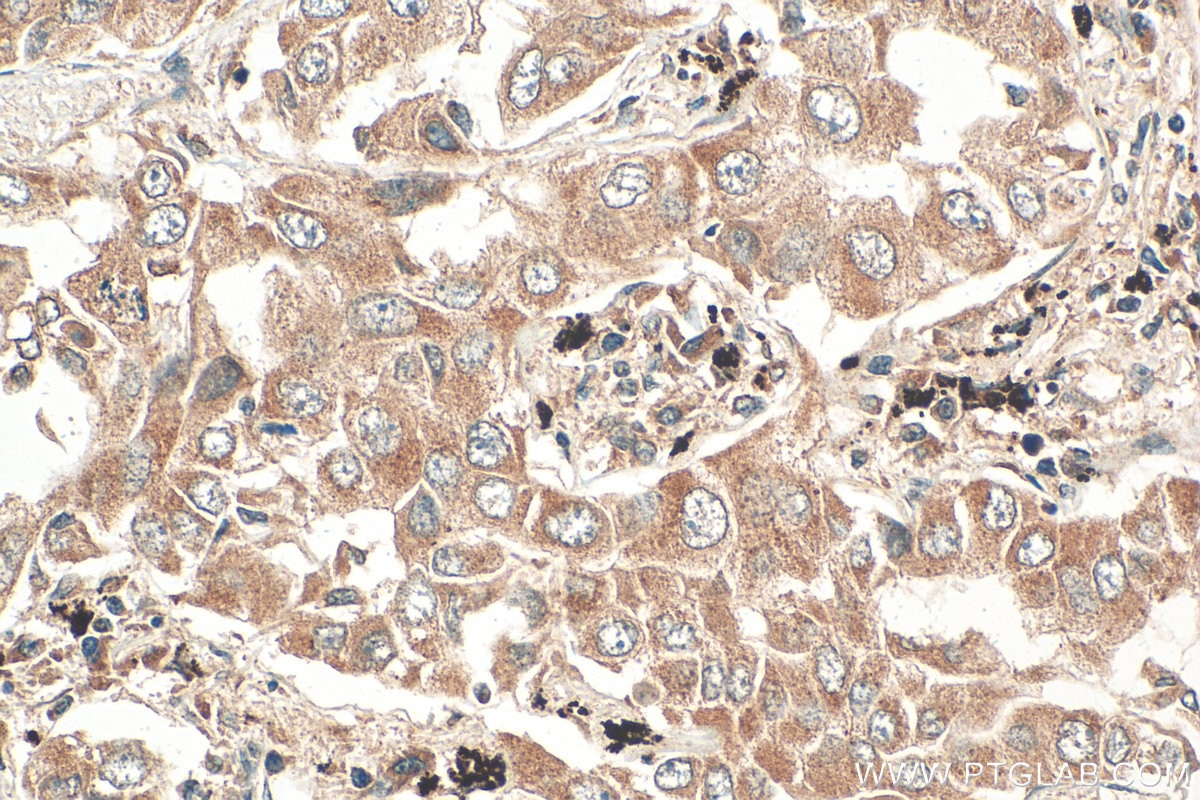
| Positive IHC detected in | human lung cancer tissue Note: suggested antigen retrieval with TE buffer pH 9.0; (*) Alternatively, antigen retrieval may be performed with citrate buffer pH 6.0 |
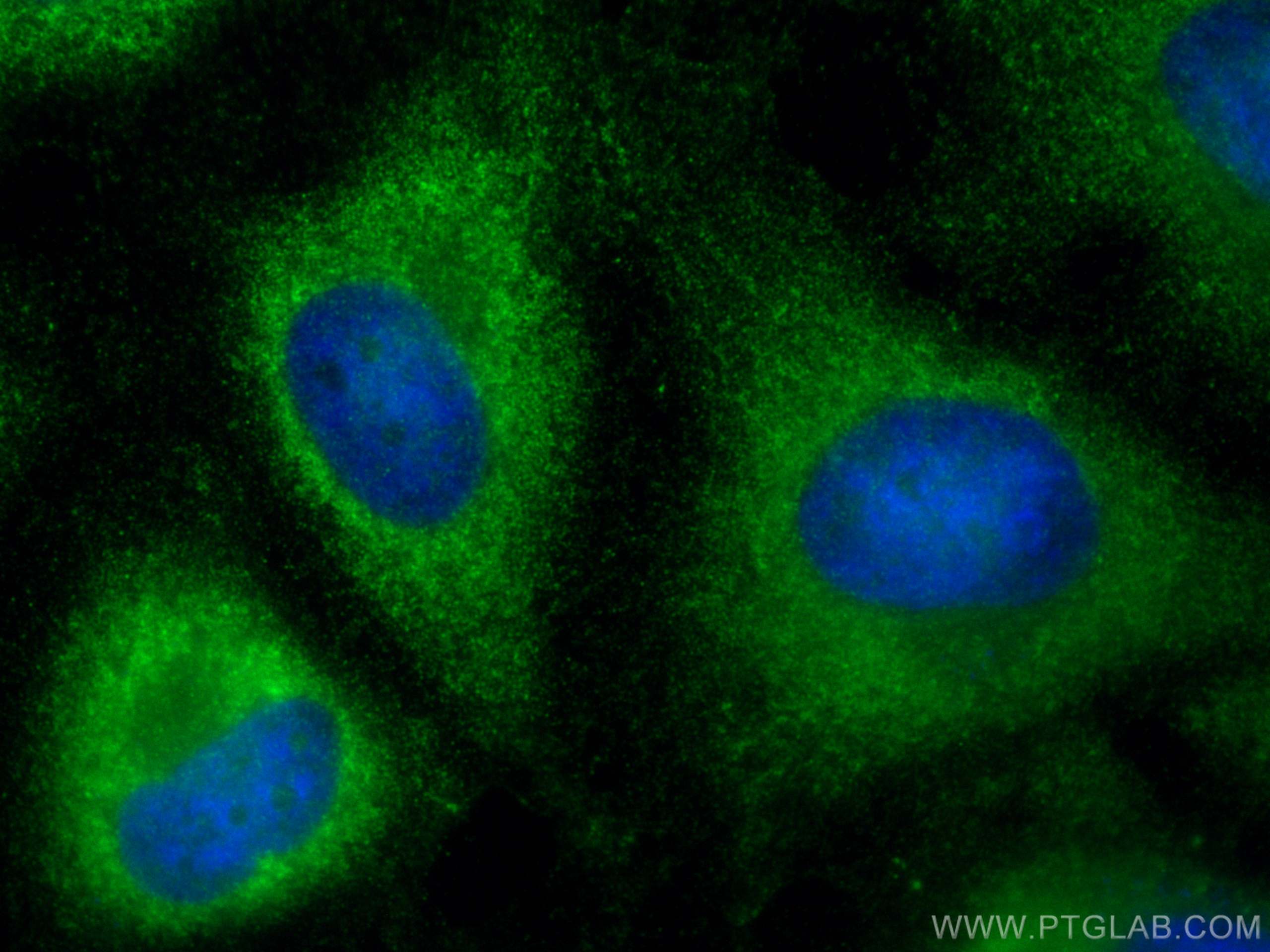
| Positive IF/ICC detected in | HeLa cells |
Recommended dilution
| Application | Dilution |
|---|---|
| Western Blot (WB) | WB : 1:1000-1:8000 |
| Immunohistochemistry (IHC) | IHC : 1:50-1:500 |
| Immunofluorescence (IF)/ICC | IF/ICC : 1:50-1:500 |
| It is recommended that this reagent should be titrated in each testing system to obtain optimal results. | |
| Sample-dependent, Check data in validation data gallery. | |
Product Information
19493-1-AP targets VLDLR in WB, IHC, IF/ICC, ELISA applications and shows reactivity with human samples.
| Tested Reactivity | human |
| Cited Reactivity | human, mouse, rat, chicken, zebrafish |
| Host / Isotype | Rabbit / IgG |
| Class | Polyclonal |
| Type | Antibody |
| Immunogen |
Peptide Predict reactive species |
| Full Name | very low density lipoprotein receptor |
| Calculated Molecular Weight | 96 kDa |
| Observed Molecular Weight | 96 kDa |
| GenBank Accession Number | NM_003383 |
| Gene Symbol | VLDLR |
| Gene ID (NCBI) | 7436 |
| RRID | AB_10644342 |
| Conjugate | Unconjugated |
| Form | Liquid |
| Purification Method | Antigen affinity purification |
| UNIPROT ID | P98155 |
| Storage Buffer | PBS with 0.02% sodium azide and 50% glycerol, pH 7.3. |
| Storage Conditions | Store at -20°C. Stable for one year after shipment. Aliquoting is unnecessary for -20oC storage. 20ul sizes contain 0.1% BSA. |
Background Information
VLDLR binds VLDL and transports it into cells by endocytosis. In order to be internalized, the receptor-ligand complexes must first cluster into clathrin-coated pits. VLDLR binding to Reelin induces tyrosine phosphorylation of Dab1 and modulation of Tau phosphorylation (cytoplasmic domain of low-density lipoprotein receptor). For glycosylated, the MW of VLDLR migrates to ~160kd.
Protocols
| Product Specific Protocols | |
|---|---|
| IF protocol for VLDLR antibody 19493-1-AP | Download protocol |
| IHC protocol for VLDLR antibody 19493-1-AP | Download protocol |
| WB protocol for VLDLR antibody 19493-1-AP | Download protocol |
| Standard Protocols | |
|---|---|
| Click here to view our Standard Protocols |
Publications
What published studies show
The VLDLR Polyclonal antibody (Cat# 19493-1-AP) has 12 citations. These appear in journals including Neuron, Food & Function, Nutrients, Frontiers in Nutrition, Frontiers in Pharmacology, Journal of Nutritional Biochemistry, Poultry Science, Frontiers in Oncology, PLoS One, and Heliyon. Research fields span liver disease (NAFLD, alcohol-induced hepatic steatosis), lipid metabolism, dietary interventions, ferroptosis, gut microbiota, basal ganglia vocal learning circuits, and breast cancer stem cell biology.
| Species | Application | Title |
|---|---|---|
Neuron Molecular microcircuitry underlies functional specification in a basal ganglia circuit dedicated to vocal learning. | ||
Food Funct Monounsaturated fatty acid-enriched olive oil exacerbates chronic alcohol-induced hepatic steatosis and liver injury in C57BL/6J mice | ||
Food Funct Preventive effect of low-carbohydrate high-fat dietary pattern on liver disease caused by alcohol consumption via a 6pgd-involved mechanism in mice. | ||
Nutrients Partial Replacement of Diet with Dehulled Adlay Ameliorates Hepatic Steatosis, Inflammation, Oxidative Stress, and Gut Dysbiosis in Rats with Nonalcoholic Fatty Liver Disease | ||
Front Nutr Dietary camellia seed oil attenuates liver injury in mice chronically exposed to alcohol | ||
Front Pharmacol Protective Effect of Patchouli Alcohol Against High-Fat Diet Induced Hepatic Steatosis by Alleviating Endoplasmic Reticulum Stress and Regulating VLDL Metabolism in Rats. |
Reviews
What customers say
The single available review for this product is a 5-star rating. The reviewer used the antibody for both immunohistochemistry and immunofluorescence at a 1:500 dilution on organoid samples, with no written comments provided. Overall, the rating suggests strong performance in these applications.
The reviews below have been submitted by verified Proteintech customers who received an incentive for providing their feedback.
natalia (Verified Customer) (01-31-2025) |
|


