

Tested Applications
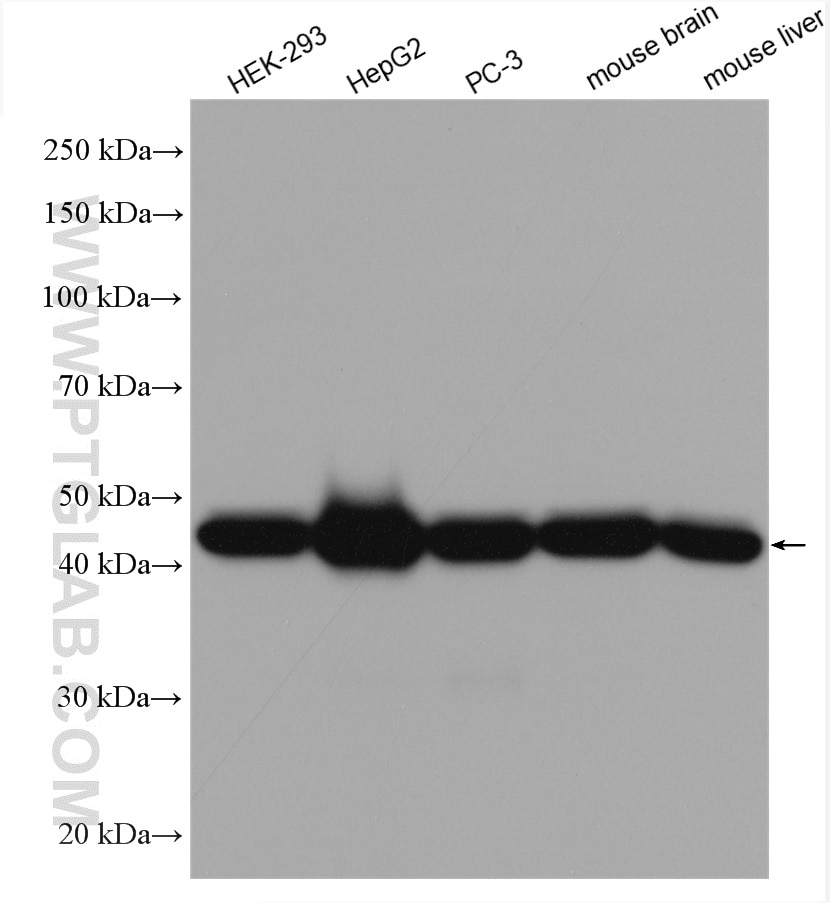
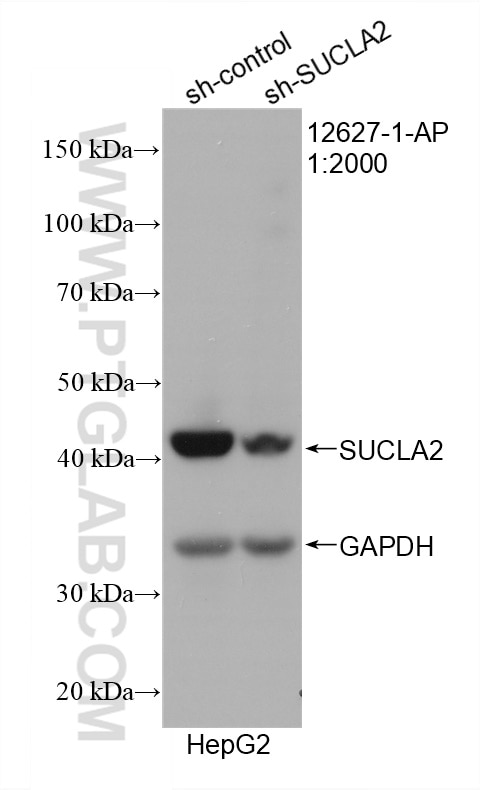
| Positive WB detected in | HEK-293 cells, L02 cells, SH-SY5Y cells, HepG2 cells, PC-3 cells, mouse brain tissue, mouse liver tissue |
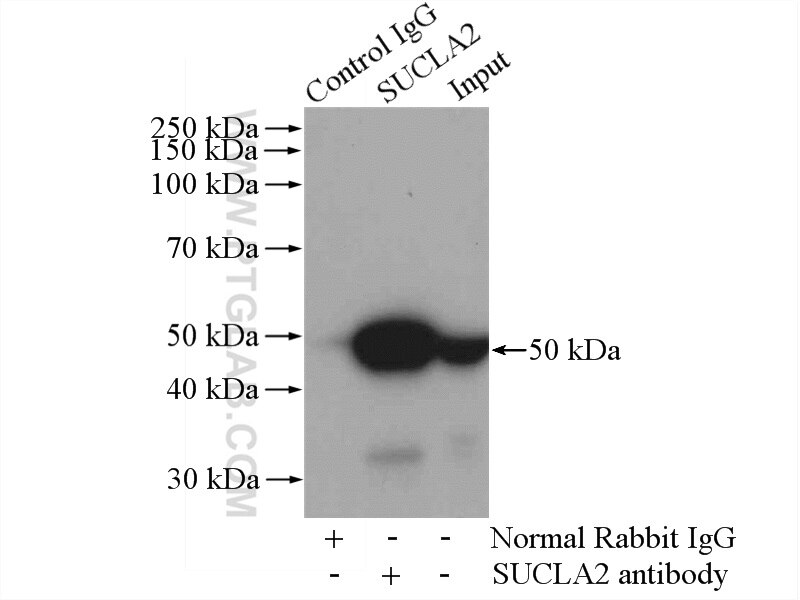
| Positive IP detected in | HEK-293 cells |
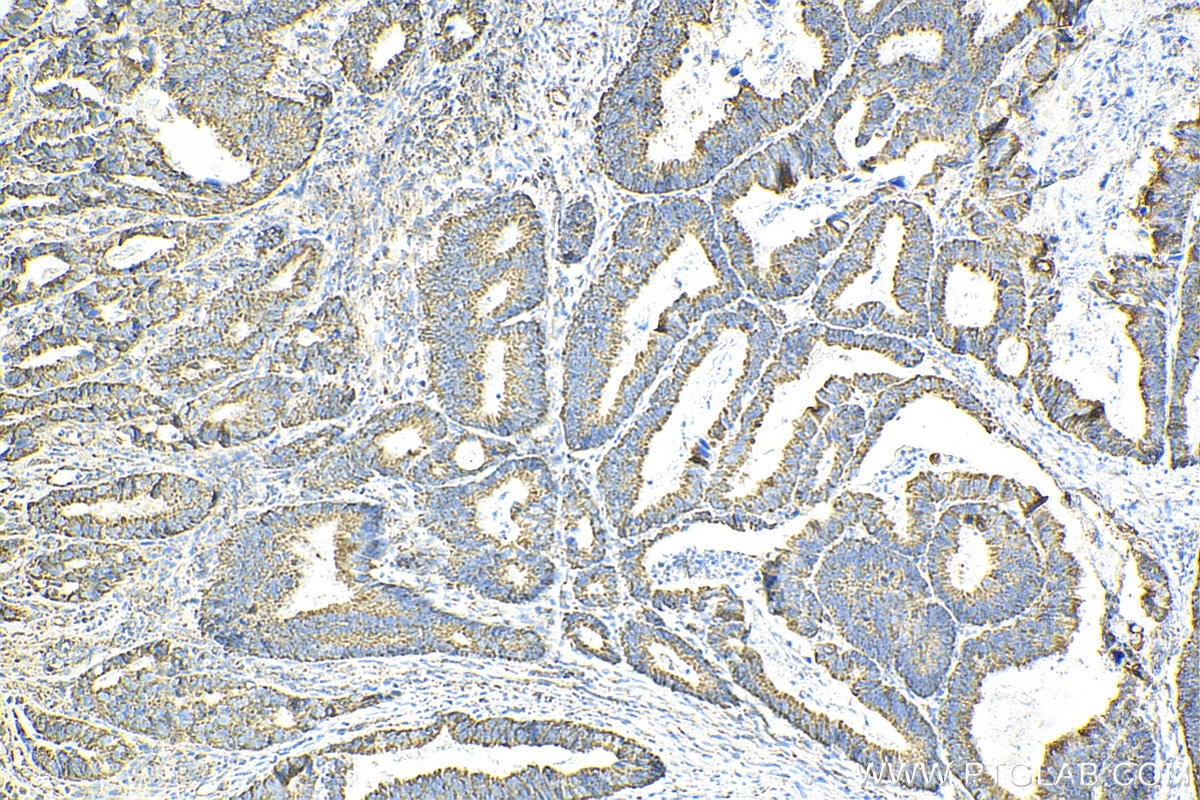
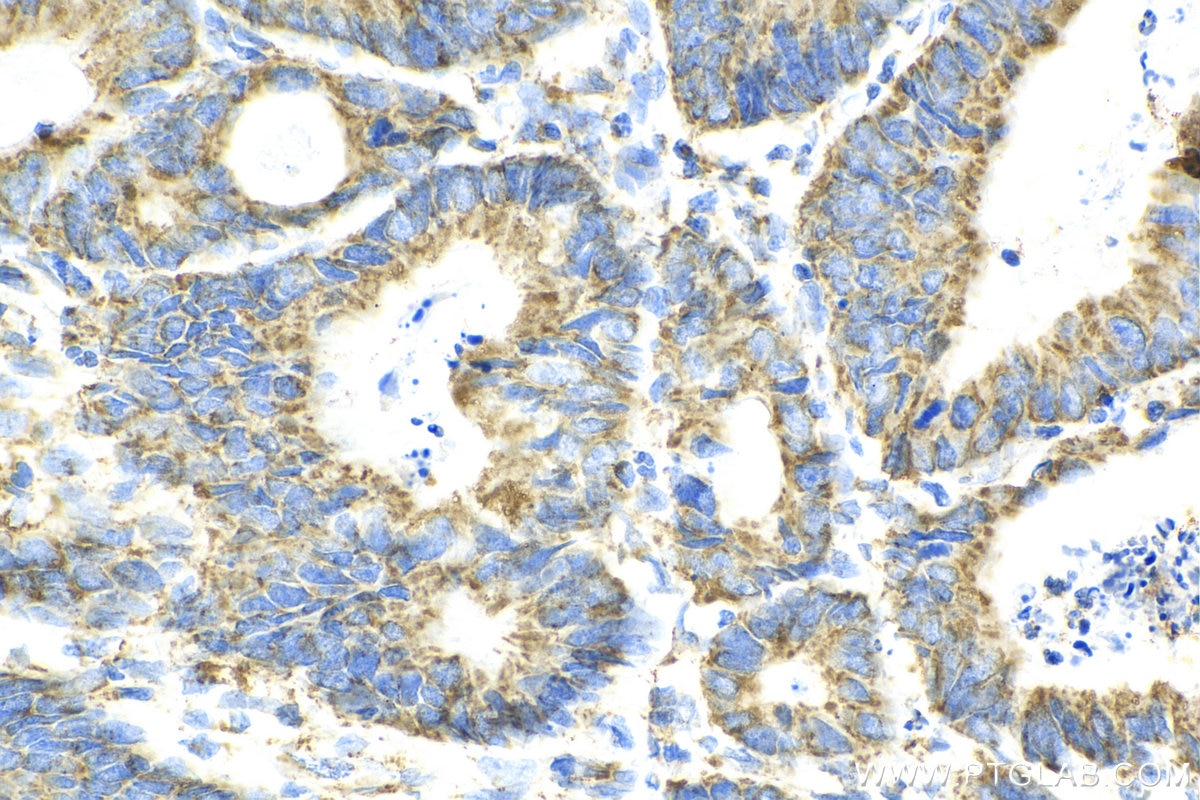
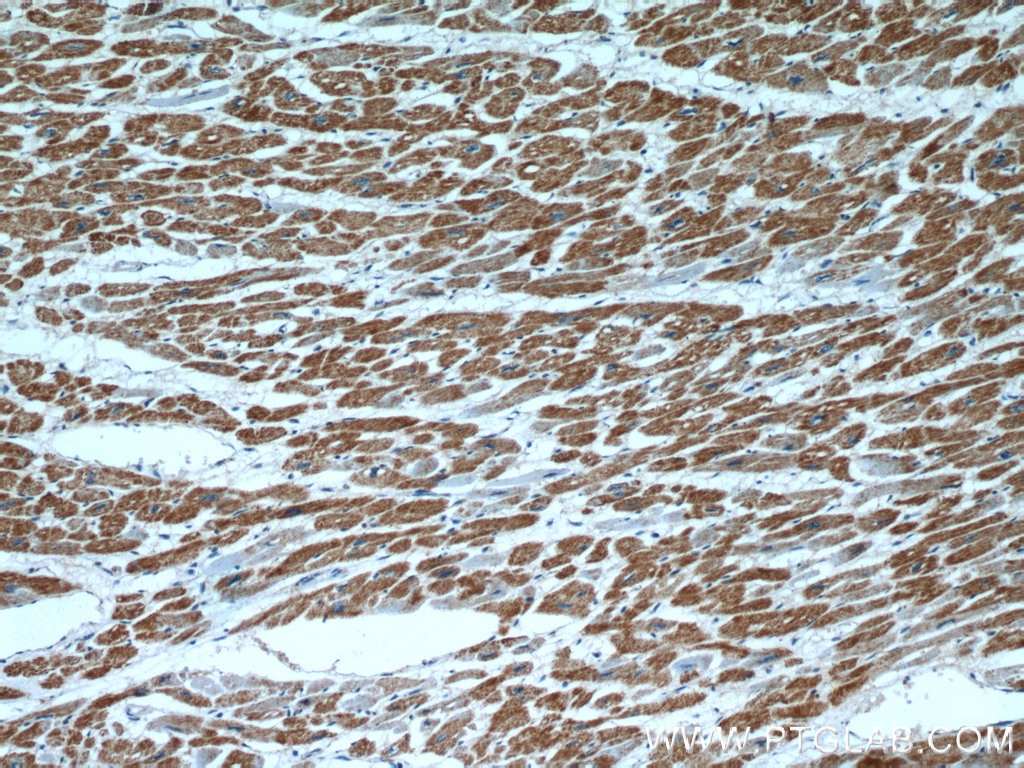
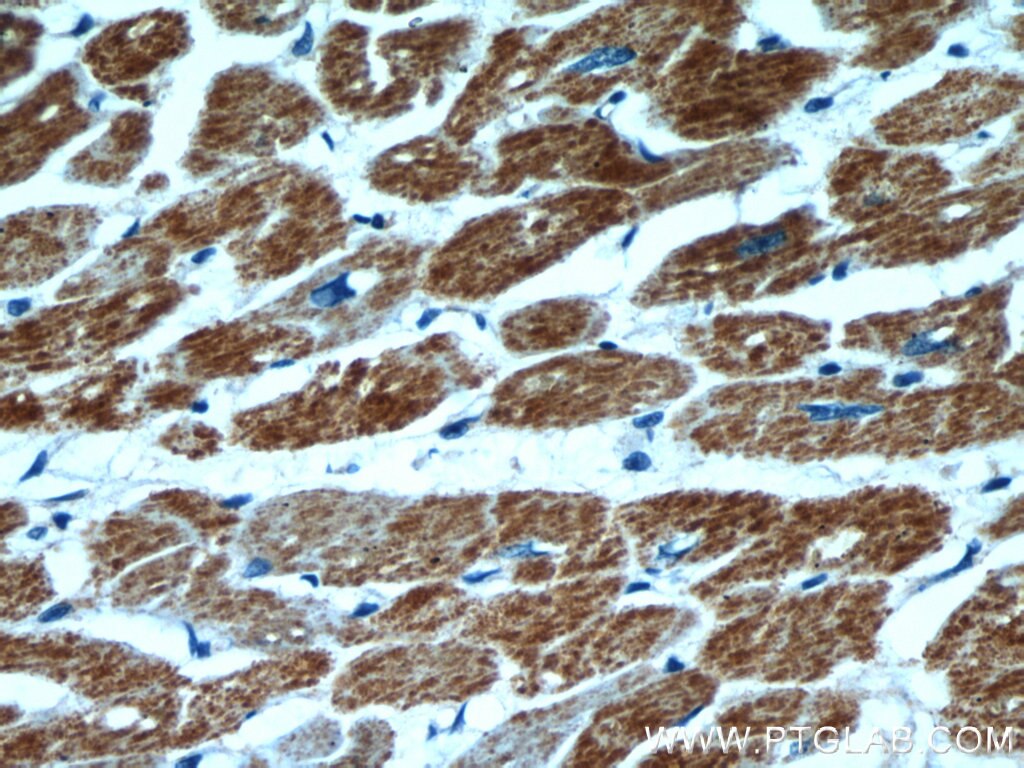
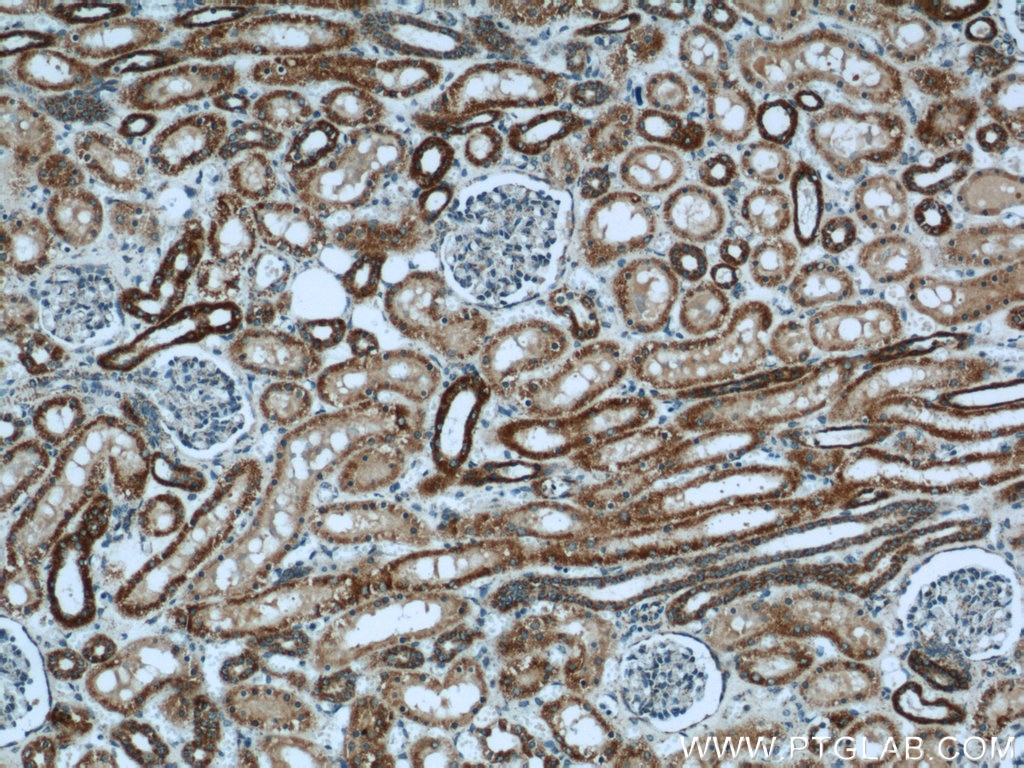
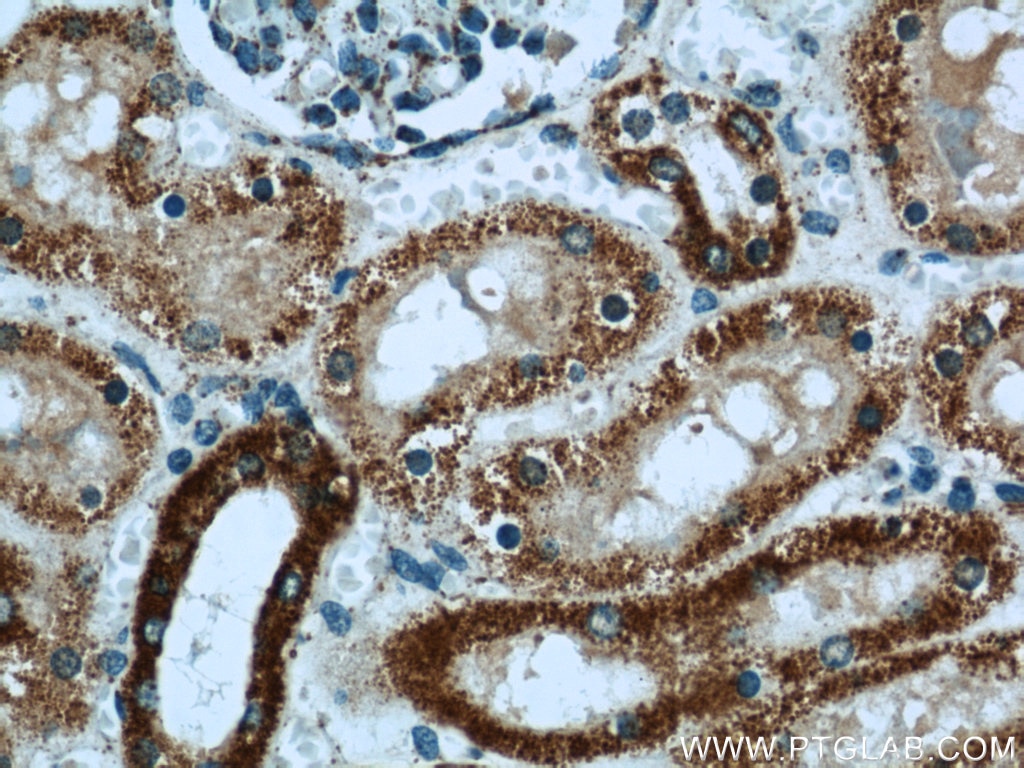
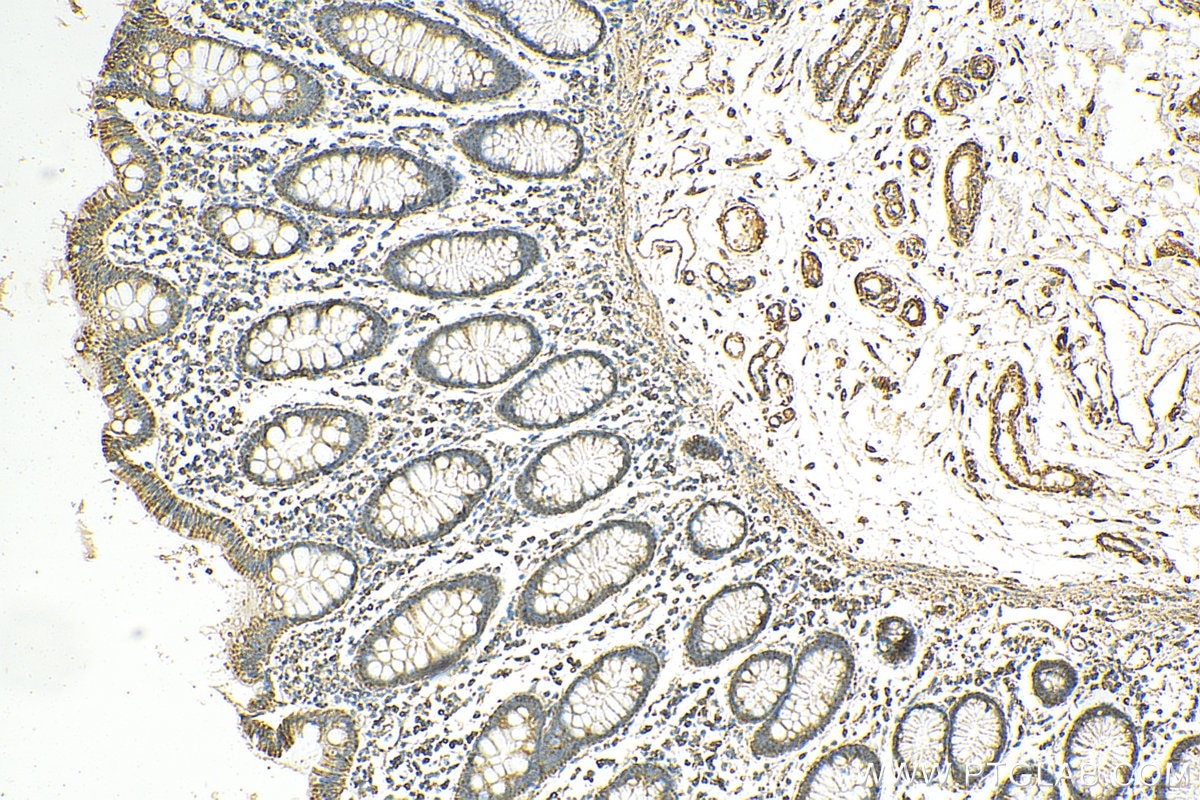
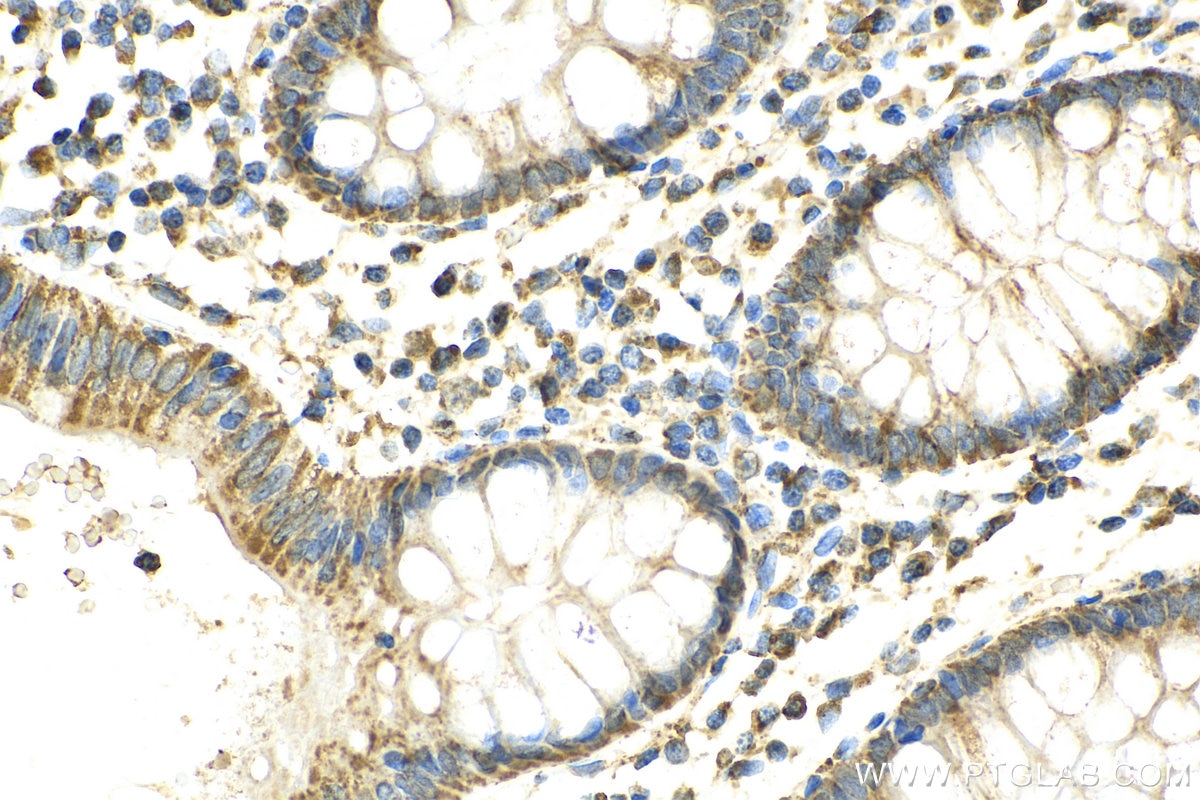
| Positive IHC detected in | human colon cancer tissue, human heart tissue, human kidney tissue Note: suggested antigen retrieval with TE buffer pH 9.0; (*) Alternatively, antigen retrieval may be performed with citrate buffer pH 6.0 |
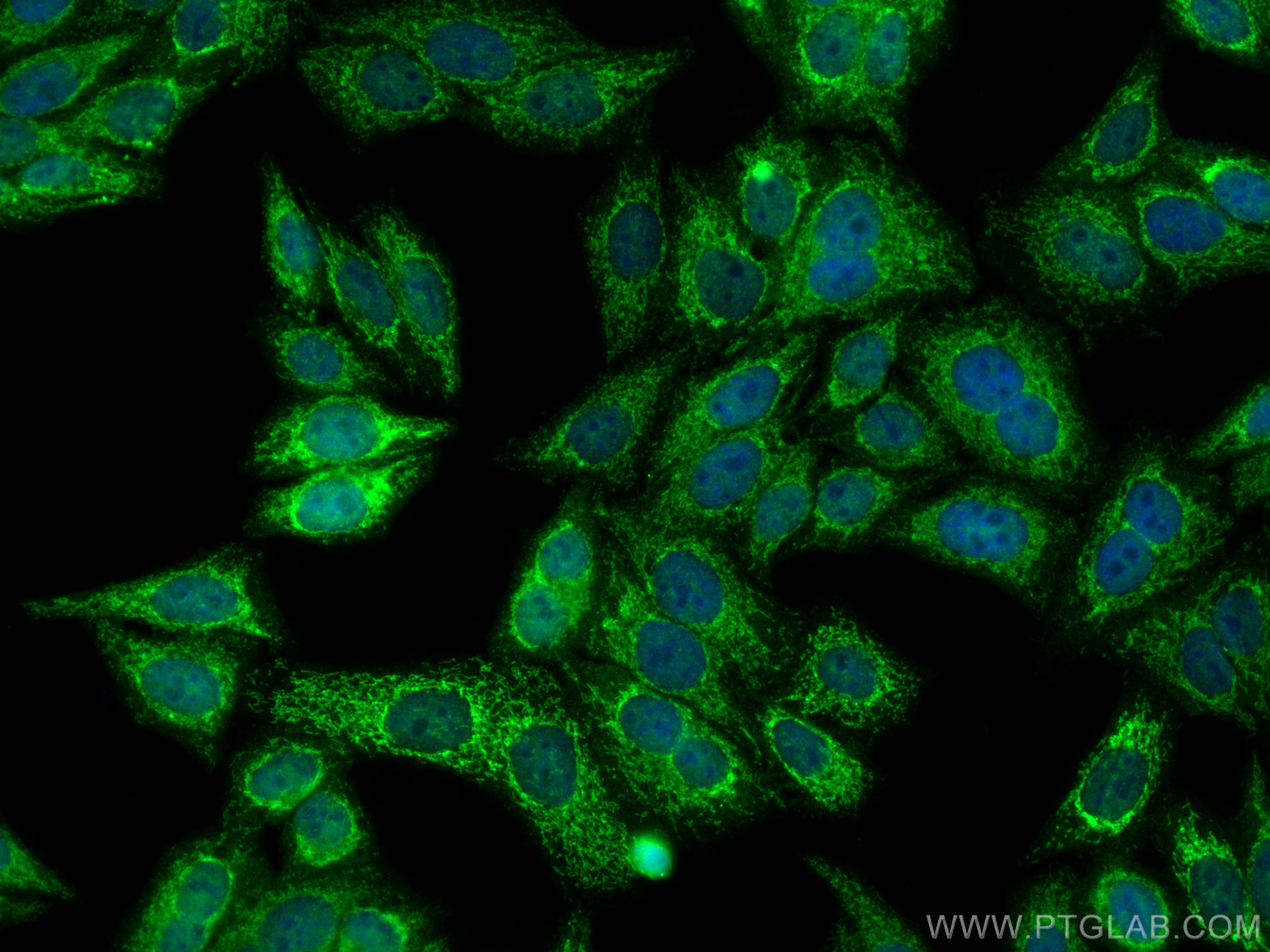
| Positive IF/ICC detected in | HepG2 cells |
Recommended dilution
| Application | Dilution |
|---|---|
| Western Blot (WB) | WB : 1:1000-1:6000 |
| Immunoprecipitation (IP) | IP : 0.5-4.0 ug for 1.0-3.0 mg of total protein lysate |
| Immunohistochemistry (IHC) | IHC : 1:50-1:500 |
| Immunofluorescence (IF)/ICC | IF/ICC : 1:200-1:800 |
| It is recommended that this reagent should be titrated in each testing system to obtain optimal results. | |
| Sample-dependent, Check data in validation data gallery. | |
Product Information
12627-1-AP targets SUCLA2 in WB, IHC, IF/ICC, IP, ELISA applications and shows reactivity with human, mouse, rat samples.
| Tested Reactivity | human, mouse, rat |
| Cited Reactivity | human, mouse, rat |
| Host / Isotype | Rabbit / IgG |
| Class | Polyclonal |
| Type | Antibody |
| Immunogen |
CatNo: Ag3319 Product name: Recombinant human SUCLA2 protein Source: e coli.-derived, PGEX-4T Tag: GST Domain: 24-353 aa of BC027587 Sequence: AQRAAAQVLGSSGLFNNHGLQVQQQQQRNLSLHEYMSMELLQEAGVSVPKGYVAKSPDEAYAIAKKLGSKDVVIKAQVLAGGRGKGTFESGLKGGVKIVFSPEEAKAVSSQMIGKKLFTKQTGEKGRICNQVLVCERKYPRREYYFAITMERSFQGPVLIGSSHGGVNIEDVAAESPEAIIKEPIDIEEGIKKEQALQLAQKMGFPPNIVESAAENMVKLYSLFLKYDATMIEINPMVEDSDGAVLCMDAKINFDSNSAYRQKKIFDLQDWTQEDERDKDAAKANLNYIGLDGNIGCLVNGAGLAMATMDIIKLHGGTPANFLDVGGGAT Predict reactive species |
| Full Name | succinate-CoA ligase, ADP-forming, beta subunit |
| Calculated Molecular Weight | 463 aa, 50 kDa |
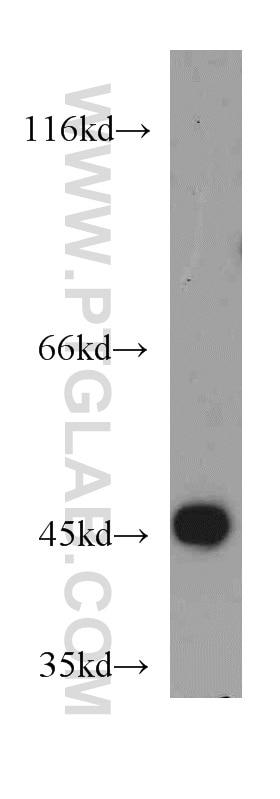
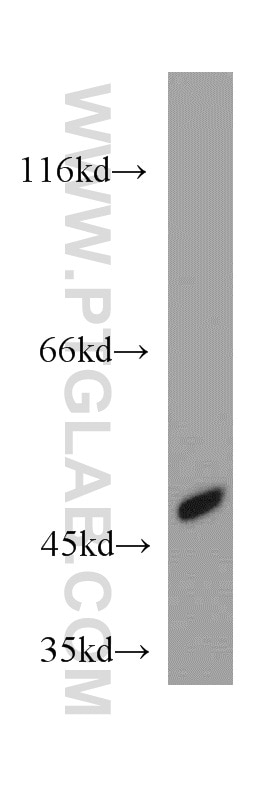
| Observed Molecular Weight | 48-50 kDa |
| GenBank Accession Number | BC027587 |
| Gene Symbol | SUCLA2 |
| Gene ID (NCBI) | 8803 |
| RRID | AB_2271200 |
| Conjugate | Unconjugated |
| Form | Liquid |
| Purification Method | Antigen affinity purification |
| UNIPROT ID | Q9P2R7 |
| Storage Buffer | PBS with 0.02% sodium azide and 50% glycerol, pH 7.3. |
| Storage Conditions | Store at -20°C. Stable for one year after shipment. Aliquoting is unnecessary for -20oC storage. 20ul sizes contain 0.1% BSA. |
Background Information
SUCLA2, β subunit of succinate-CoA ligase, contributes to energy production in mitochondria through the succinate-CoA ligase enzyme. Succinate-CoA ligase catalyses the reversible conversion of succinyl-CoA and ADP or GDP to succinate and ATP or GTP. SUCLA2 mutations cause global protein succinylation and mitochondrial DNA depletion (PMID: 33230181, PMID: 20301762). Mutations in SUCLA2 are also associated with SUCLA2-related mitochondrial DNA depletion syndrome, leigh syndrome, down syndrome (PMID: 23010432).
Protocols
| Product Specific Protocols | |
|---|---|
| IF protocol for SUCLA2 antibody 12627-1-AP | Download protocol |
| IHC protocol for SUCLA2 antibody 12627-1-AP | Download protocol |
| IP protocol for SUCLA2 antibody 12627-1-AP | Download protocol |
| WB protocol for SUCLA2 antibody 12627-1-AP | Download protocol |
| Standard Protocols | |
|---|---|
| Click here to view our Standard Protocols |
Publications
What published studies show
The SUCLA2 Polyclonal antibody (Cat# 12627-1-AP) has 28 citations across 23 journals, including Nature Communications, Molecular Cell, Advanced Science, Oncogene, EMBO Molecular Medicine, Cell Reports, and FASEB Journal. Research fields span mitochondrial metabolism and the TCA cycle, cancer biology, neurodegeneration, reproductive biology, heme biosynthesis, and inherited metabolic disorders. Applications cited include WB, IHC, and IF in human, mouse, and rat samples.
| Species | Application | Title |
|---|---|---|
Nat Commun Low chorionic villous succinate accumulation associates with recurrent spontaneous abortion risk. | ||
Metabolism Glutamine synthetase deficiency triggers mitochondrial oxidative stress and a ribotoxic stress response during acute hepatic metabolic crisis. | ||
Mol Cell RAD51 succinylation regulates homologous recombination and contributes to the chemosensitivity in cancer.
| ||
Mol Cell Quantitative subcellular acyl-CoA analysis reveals distinct nuclear metabolism and isoleucine-dependent histone propionylation | ||
Adv Sci (Weinh) SUCLG2 Regulates Mitochondrial Dysfunction through Succinylation in Lung Adenocarcinoma | ||
Aging Dis Dietary Salt Disrupts Tricarboxylic Acid Cycle and Induces Tau Hyperphosphorylation and Synapse Dysfunction during Aging |


