

Tested Applications
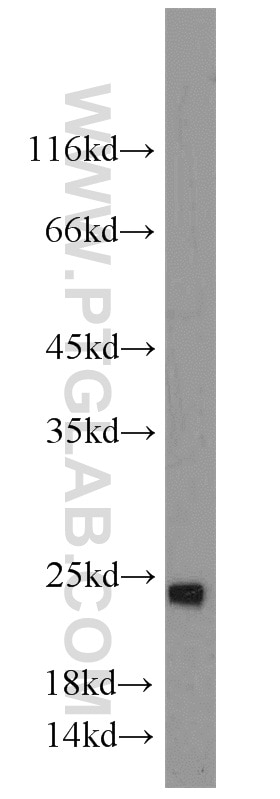
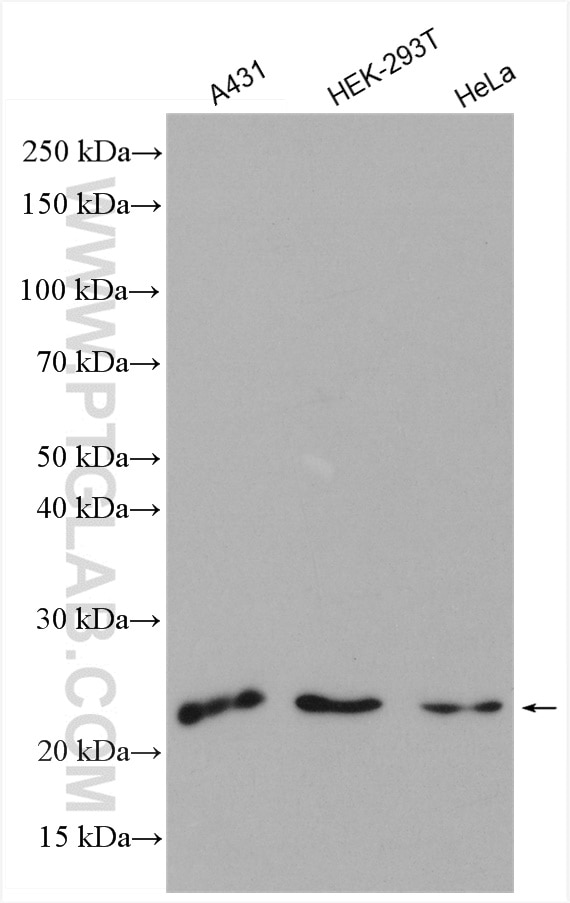
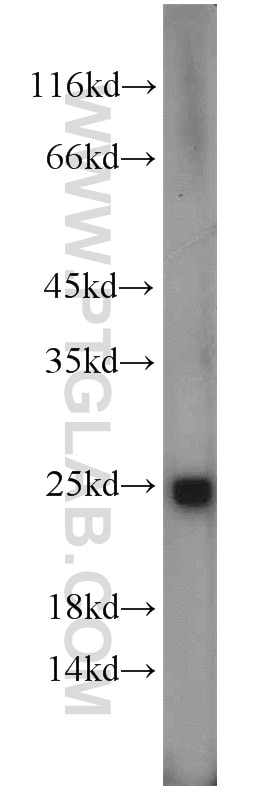
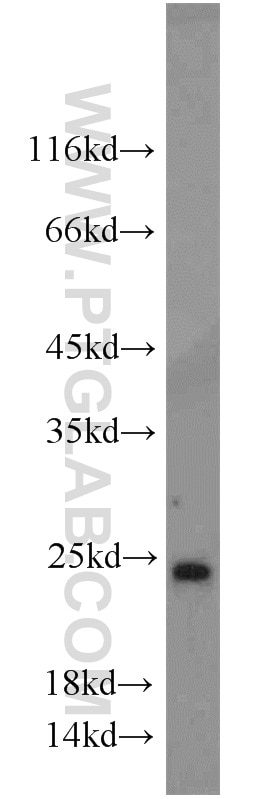
| Positive WB detected in | A431 cells, HT-1080 cells, HepG2 cells, mouse kidney tissue, HEK-293T cells, HeLa cells |
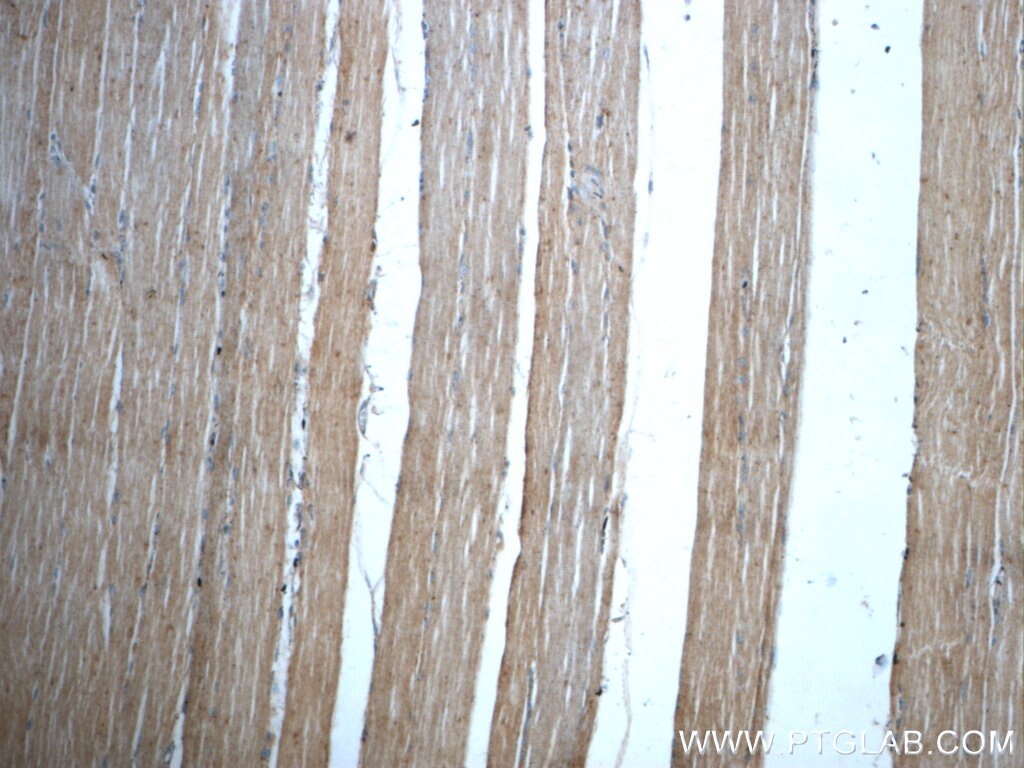
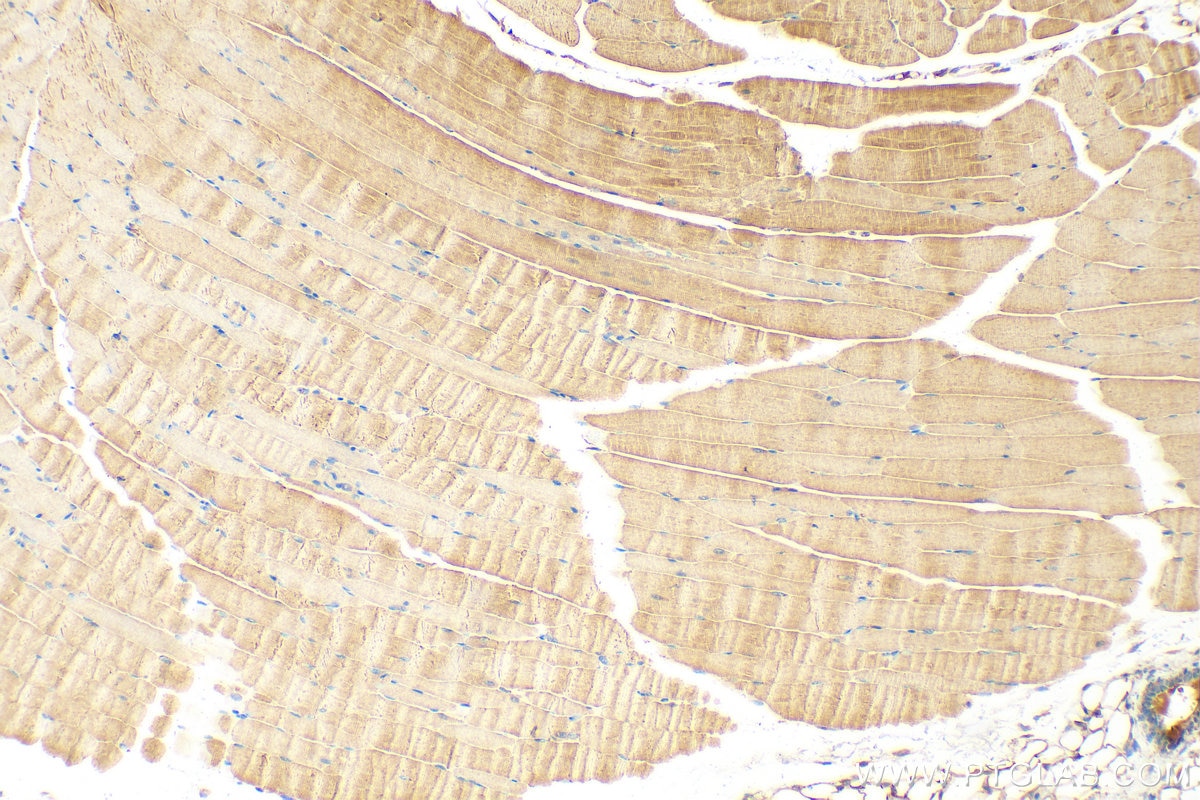
| Positive IHC detected in | mouse skeletal muscle tissue, human skeletal muscle tissue Note: suggested antigen retrieval with TE buffer pH 9.0; (*) Alternatively, antigen retrieval may be performed with citrate buffer pH 6.0 |
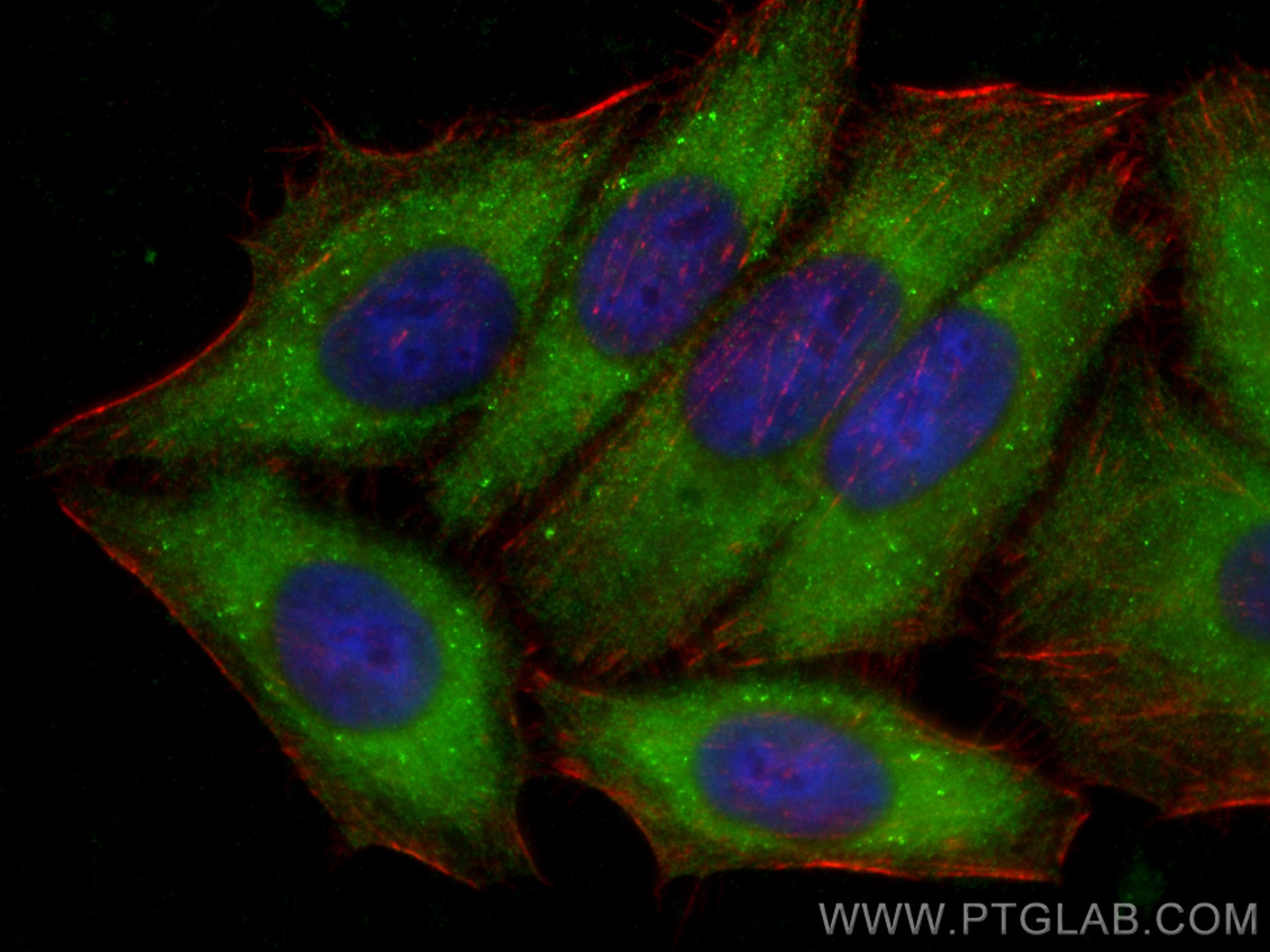
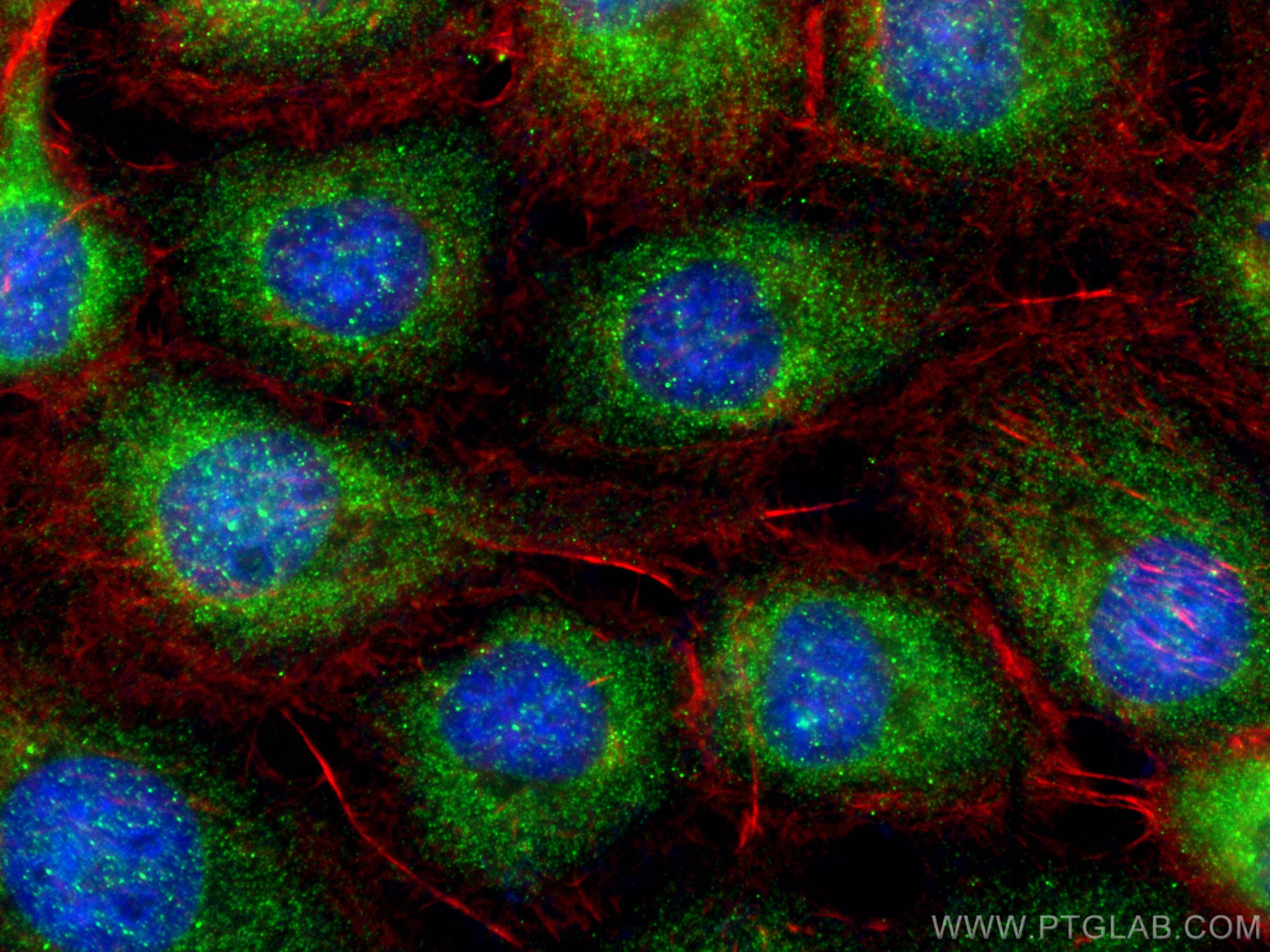
| Positive IF/ICC detected in | HepG2 cells, A431 cells |
Recommended dilution
| Application | Dilution |
|---|---|
| Western Blot (WB) | WB : 1:500-1:2000 |
| Immunohistochemistry (IHC) | IHC : 1:50-1:500 |
| Immunofluorescence (IF)/ICC | IF/ICC : 1:200-1:800 |
| It is recommended that this reagent should be titrated in each testing system to obtain optimal results. | |
| Sample-dependent, Check data in validation data gallery. | |
Product Information
22291-1-AP targets SAR1A in WB, IHC, IF/ICC, CoIP, ELISA applications and shows reactivity with human, mouse, rat samples.
| Tested Reactivity | human, mouse, rat |
| Cited Reactivity | human, mouse, rat |
| Host / Isotype | Rabbit / IgG |
| Class | Polyclonal |
| Type | Antibody |
| Immunogen |
Peptide Predict reactive species |
| Full Name | SAR1 homolog A (S. cerevisiae) |
| Calculated Molecular Weight | 22 kDa |
| Observed Molecular Weight | 23-25 kDa |
| GenBank Accession Number | NM_020150 |
| Gene Symbol | SAR1A |
| Gene ID (NCBI) | 56681 |
| RRID | AB_2879062 |
| Conjugate | Unconjugated |
| Form | Liquid |
| Purification Method | Antigen affinity purification |
| UNIPROT ID | Q9NR31 |
| Storage Buffer | PBS with 0.02% sodium azide and 50% glycerol, pH 7.3. |
| Storage Conditions | Store at -20°C. Stable for one year after shipment. Aliquoting is unnecessary for -20oC storage. 20ul sizes contain 0.1% BSA. |
Background Information
SAR1A, also named as SAR1, SARA and SARA1, belongs to the small GTPase superfamily and SAR1 family. It is involved in transport from the endoplasmic reticulum to the Golgi apparatus. SAR1A is required to maintain SEC16A localization at discrete locations on the ER membrane perhaps by preventing its dissociation. SAR1A-GTP-dependent assembly of SEC16A on the ER membrane forms an organized scaffold defining endoplasmic reticulum exit sites (ERES). The antibody is specific to SAR1A.
Protocols
| Product Specific Protocols | |
|---|---|
| IF protocol for SAR1A antibody 22291-1-AP | Download protocol |
| IHC protocol for SAR1A antibody 22291-1-AP | Download protocol |
| WB protocol for SAR1A antibody 22291-1-AP | Download protocol |
| Standard Protocols | |
|---|---|
| Click here to view our Standard Protocols |
Publications
What published studies show
The SAR1A Polyclonal antibody (Cat# 22291-1-AP) has 9 citations published in Nature, Molecular Cell, Cell Death & Differentiation, Environmental Science & Technology, Cell Reports, Journal of Cell Biology, Journal of Cell Science, Annals of Translational Medicine, and Epigenomics. Research fields span mTORC1 signaling, lipogenesis, hepatic lipid metabolism, PFAS toxicology, rheumatoid arthritis, GTPase activation, Wnt secretion, stroke treatment, and lung cancer epigenetics.
| Species | Application | Title |
|---|---|---|
Mol Cell Cytoplasmic RNase III Drosha controls lipogenesis by noncanonical regulation of SREBP1. | ||
Cell Death Differ C9orf72 controls hepatic lipid metabolism by regulating SREBP1 transport | ||
Environ Sci Technol Applying Thermal Proteome Profiling to Per- and Polyfluoroalkyl Substances (PFAS): Proteome-Wide Identification of Molecular Targets and Early Events. | ||
Cell Rep Dissociation of CCDC25 dimer into NETs-DNA-bound monomer licenses inflammatory activation of fibroblast-like synoviocytes in rheumatoid arthritis. | ||
J Cell Biol Small GTPase ActIvitY ANalyzing (SAIYAN) system: A method to detect GTPase activation in living cells |


