
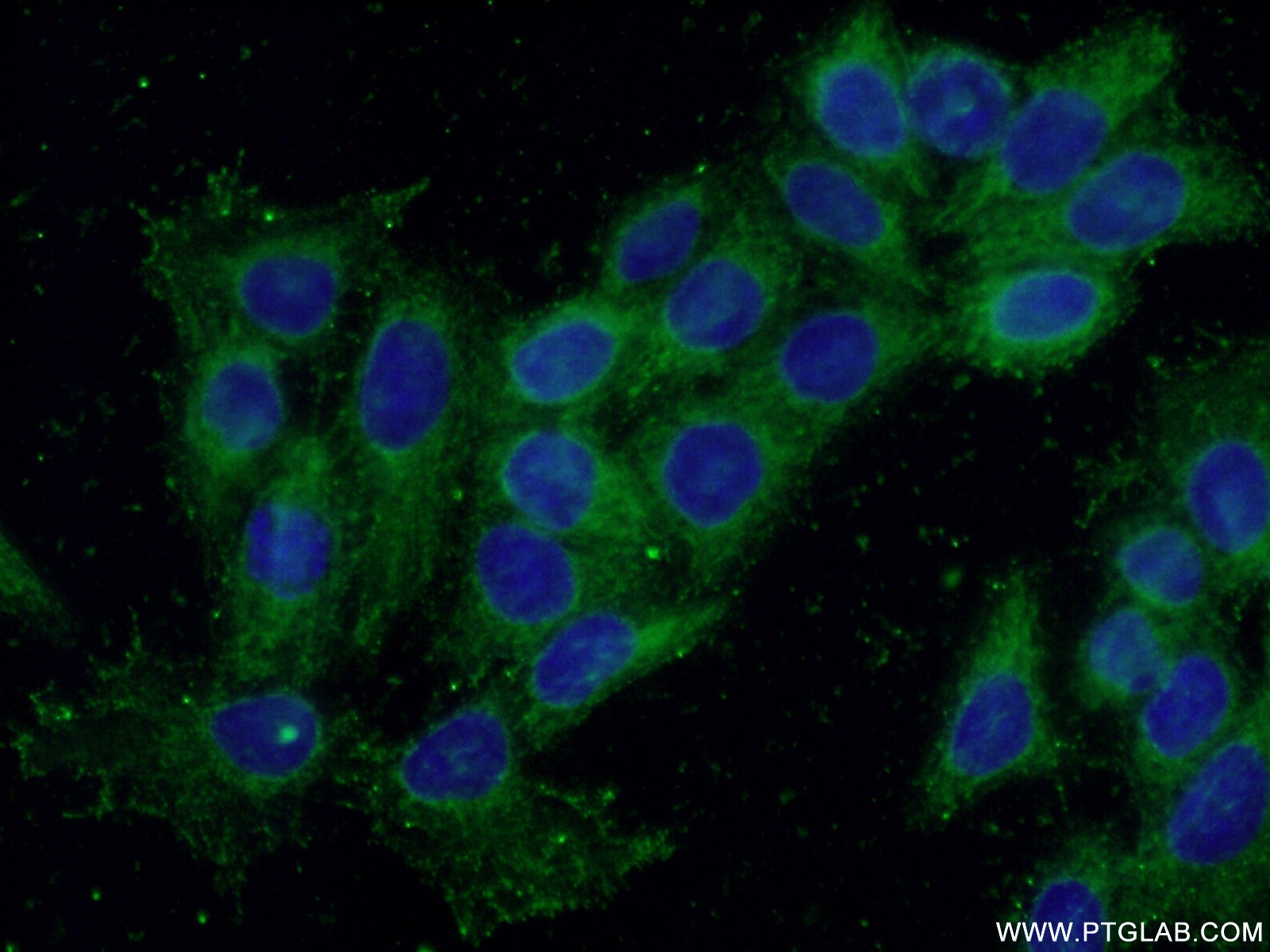

Tested Applications
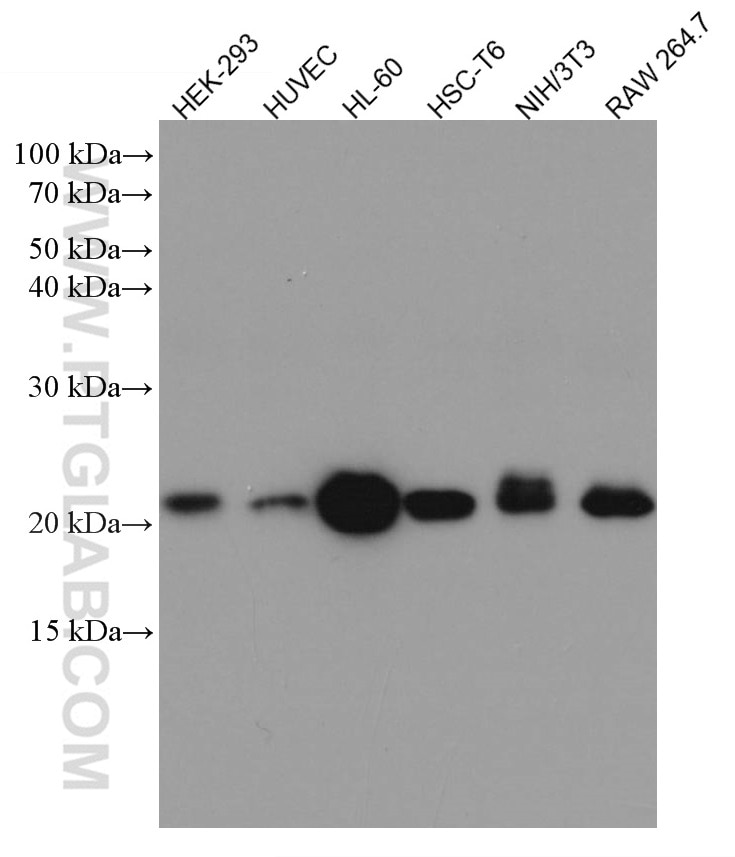
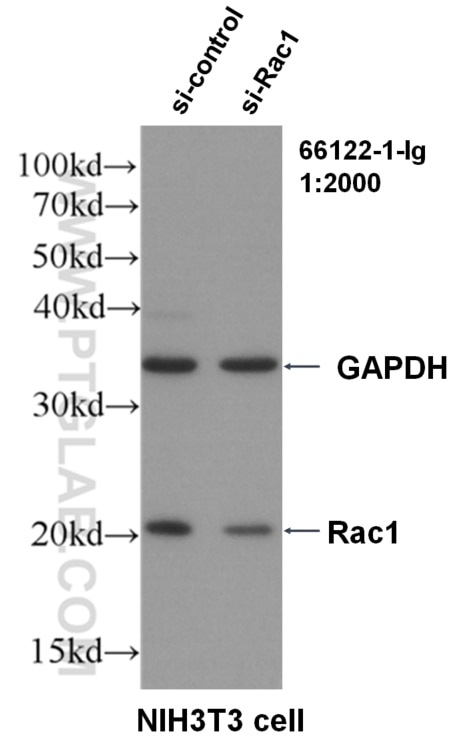
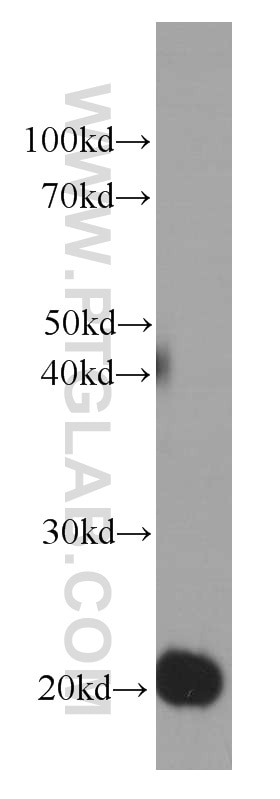
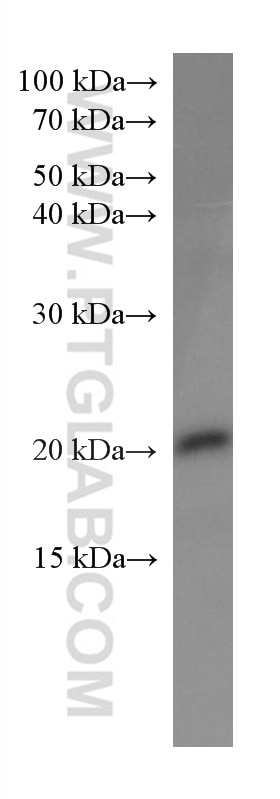
| Positive WB detected in | HEK-293 cells, human brain tissue, NIH/3T3 cells, HeLa cells, HUVEC cells, HL-60 cells, HSC-T6 cells, RAW 264.7 cells |
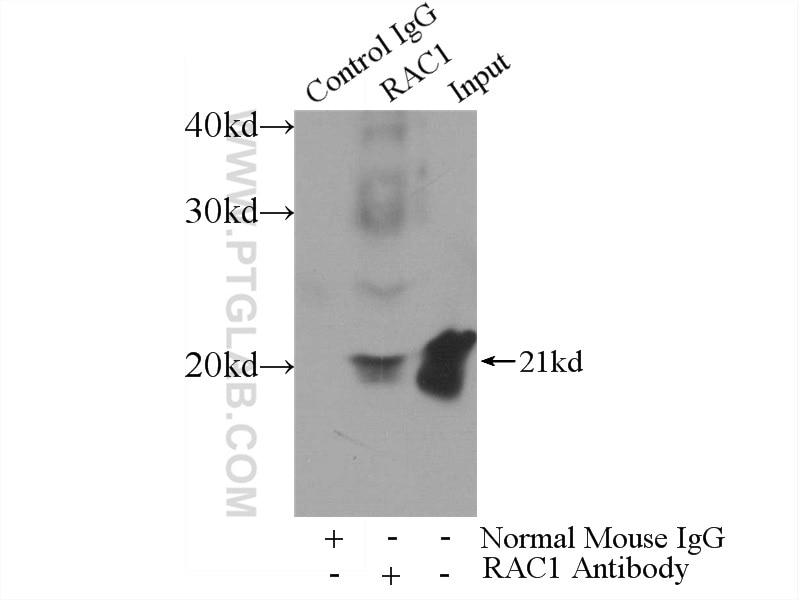
| Positive IP detected in | HL-60 cells, HSC-T6 cells, Raw 264.7 cells, HUVEC cells, HL-60 cells, NIH/3T3 cells |
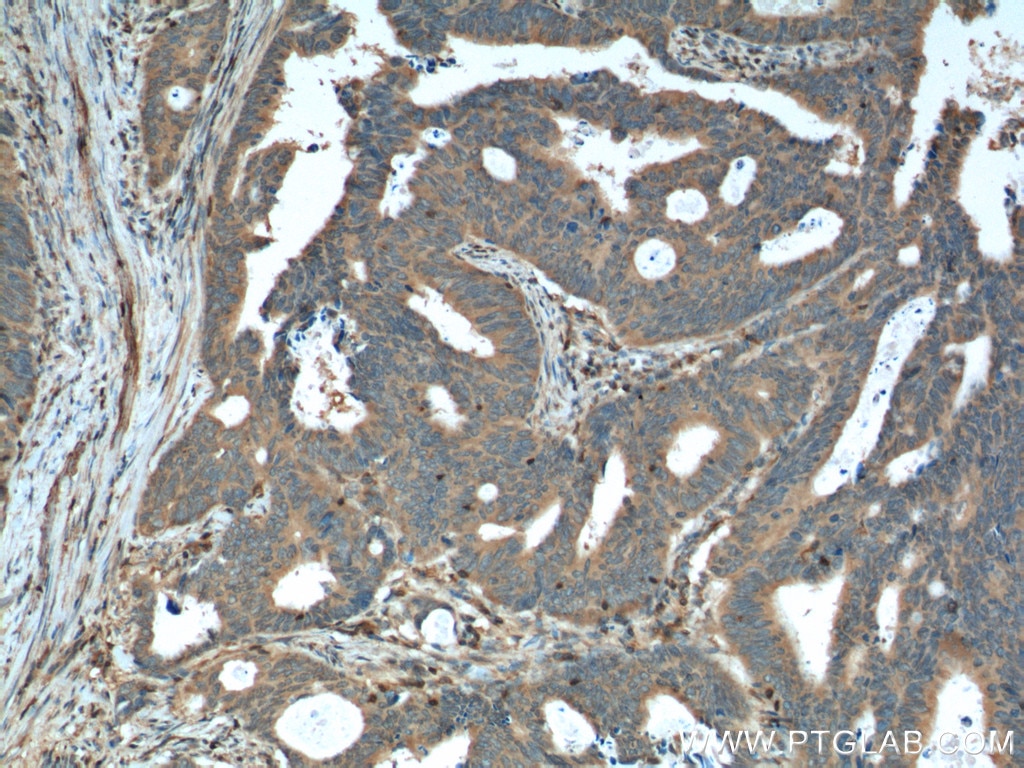
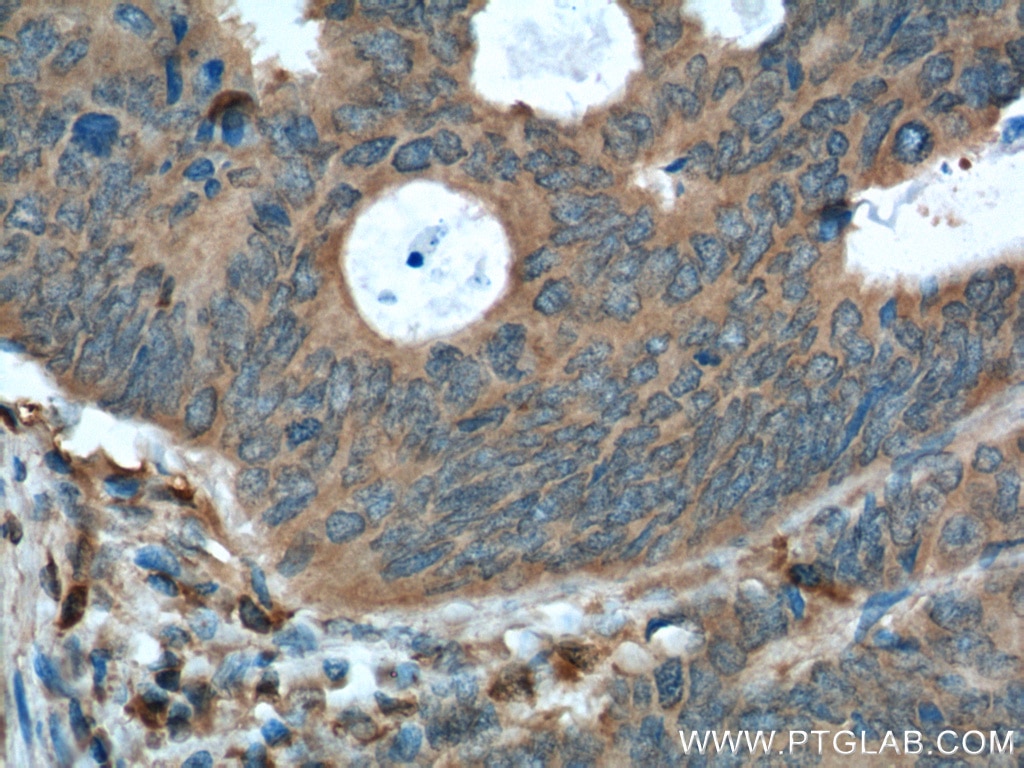
| Positive IHC detected in | human colon cancer tissue Note: suggested antigen retrieval with TE buffer pH 9.0; (*) Alternatively, antigen retrieval may be performed with citrate buffer pH 6.0 |
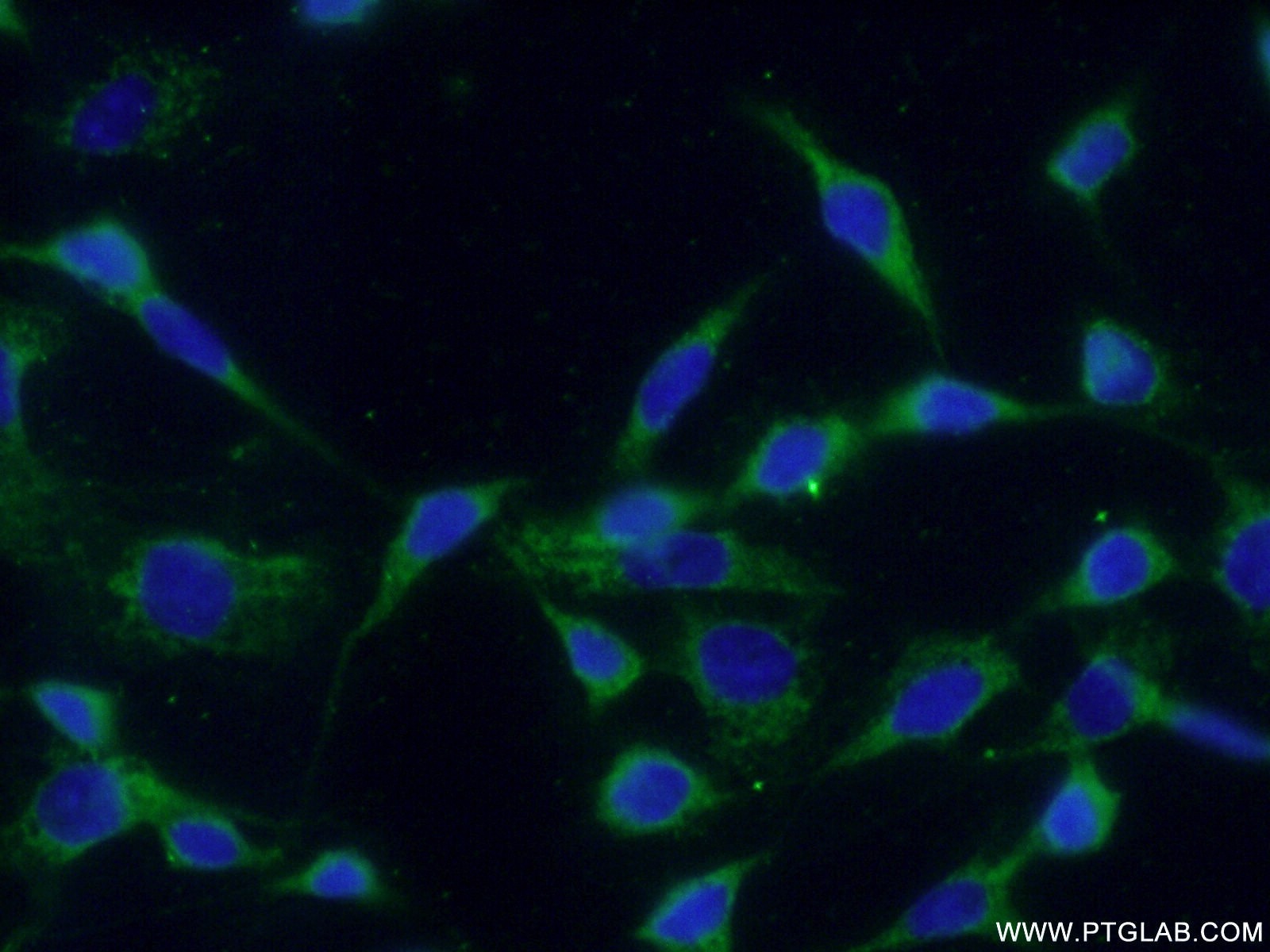
| Positive IF/ICC detected in | NIH/3T3 cells, HeLa cells |
Recommended dilution
| Application | Dilution |
|---|---|
| Western Blot (WB) | WB : 1:1000-1:5000 |
| Immunoprecipitation (IP) | IP : 0.5-4.0 ug for 1.0-3.0 mg of total protein lysate |
| Immunohistochemistry (IHC) | IHC : 1:50-1:500 |
| Immunofluorescence (IF)/ICC | IF/ICC : 1:50-1:500 |
| It is recommended that this reagent should be titrated in each testing system to obtain optimal results. | |
| Sample-dependent, Check data in validation data gallery. | |
Product Information
66122-1-Ig targets RAC1 in WB, IHC, IF/ICC, IP, CoIP, ELISA, PLA applications and shows reactivity with human, mouse, rat samples.
| Tested Reactivity | human, mouse, rat |
| Cited Reactivity | human, mouse, rat, pig |
| Host / Isotype | Mouse / IgG2b |
| Class | Monoclonal |
| Type | Antibody |
| Immunogen |
CatNo: Ag17779 Product name: Recombinant human RAC1 protein Source: e coli.-derived, PET28a Tag: 6*His Domain: 1-192 aa of BC004247 Sequence: MQAIKCVVVGDGAVGKTCLLISYTTNAFPGEYIPTVFDNYSANVMVDGKPVNLGLWDTAGQEDYDRLRPLSYPQTDVFLICFSLVSPASFENVRAKWYPEVRHHCPNTPIILVGTKLDLRDDKDTIEKLKEKKLIPITYPQGLAMAKEIGAVKYLECSALTQRGLKTVFDEAIRAVLCPPPVKKRKRKCLLL Predict reactive species |
| Full Name | ras-related C3 botulinum toxin substrate 1 (rho family, small GTP binding protein Rac1) |
| Calculated Molecular Weight | 21 kDa |
| Observed Molecular Weight | 21 kDa |
| GenBank Accession Number | BC004247 |
| Gene Symbol | RAC1 |
| Gene ID (NCBI) | 5879 |
| RRID | AB_2881521 |
| Conjugate | Unconjugated |
| Form | Liquid |
| Purification Method | Protein A purification |
| UNIPROT ID | P63000 |
| Storage Buffer | PBS with 0.02% sodium azide and 50% glycerol, pH 7.3. |
| Storage Conditions | Store at -20°C. Stable for one year after shipment. Aliquoting is unnecessary for -20oC storage. 20ul sizes contain 0.1% BSA. |
Background Information
RAC1b, also named as TC25, belongs to the small GTPase superfamily and Rho family. RAC1 is a plasma membrane-associated small GTPase which cycles between active GTP-bound and inactive GDP-bound states. In its active state, it binds to a variety of effector proteins to regulate cellular responses such as secretory processes, phagocytosis of apoptotic cells, epithelial cell polarization and growth-factor induced formation of membrane ruffles.
Protocols
| Product Specific Protocols | |
|---|---|
| IF protocol for RAC1 antibody 66122-1-Ig | Download protocol |
| IHC protocol for RAC1 antibody 66122-1-Ig | Download protocol |
| IP protocol for RAC1 antibody 66122-1-Ig | Download protocol |
| WB protocol for RAC1 antibody 66122-1-Ig | Download protocol |
| Standard Protocols | |
|---|---|
| Click here to view our Standard Protocols |
Publications
What published studies show
The RAC1 antibody (Cat# 66122-1-Ig) has 62 citations spanning high-impact journals including Nature Communications, Cancer Cell, Molecular Cell, Oncogene, Cell Reports, Circulation Research, and Journal of Biological Chemistry, among others. Research fields covered include oncology (lung, liver, bladder, thyroid cancers), immunology and inflammation, renal fibrosis, cardiovascular disease, neuroscience, metabolic regulation, and RAC1/Rho GTPase signaling pathways. Applications are predominantly Western blot, with IF, IHC, IP, and PLA also represented.
| Species | Application | Title |
|---|---|---|
Cancer Cell Targeting the mevalonate pathway suppresses ARID1A-inactivated cancers by promoting pyroptosis | ||
Cancer Res Hypoxia Stimulates PYGB Enzymatic Activity to Promote Glycogen Metabolism and Cholangiocarcinoma Progression | ||
Nat Commun TLR4 signalling via Piezo1 engages and enhances the macrophage mediated host response during bacterial infection. | ||


