

Tested Applications
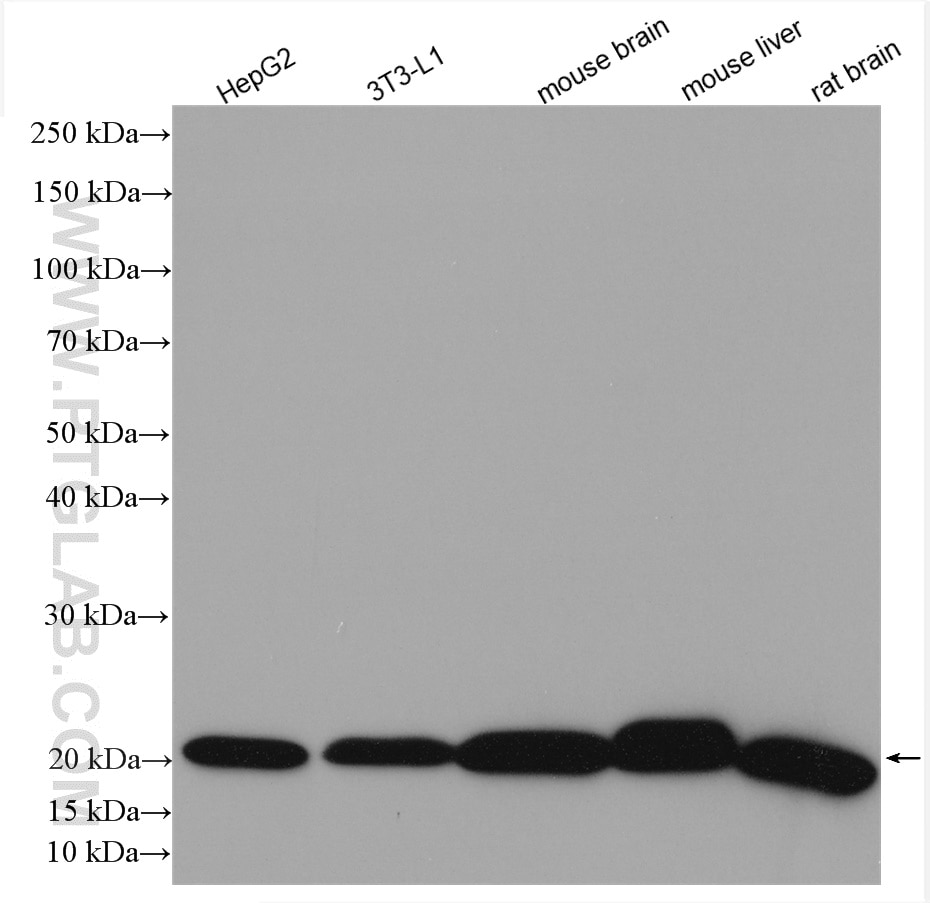
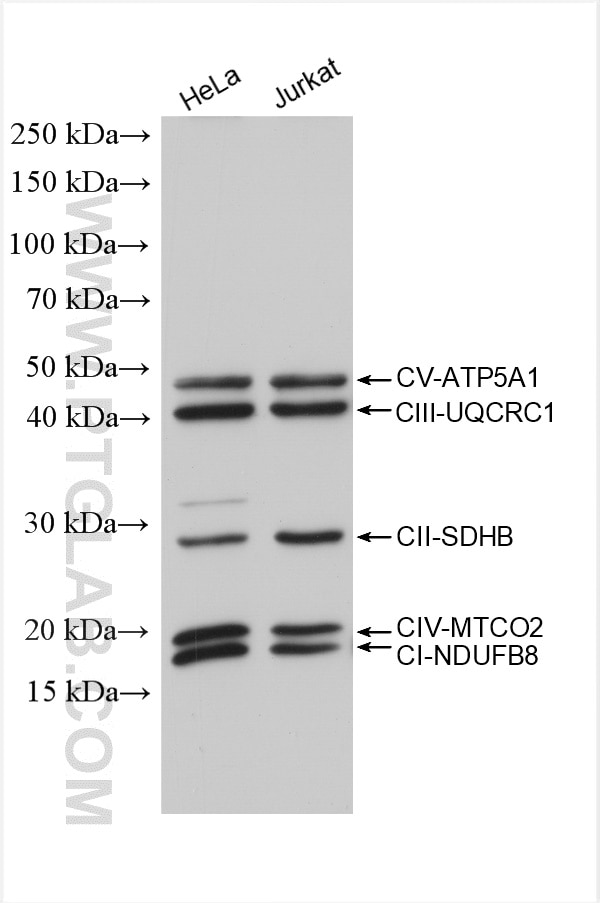
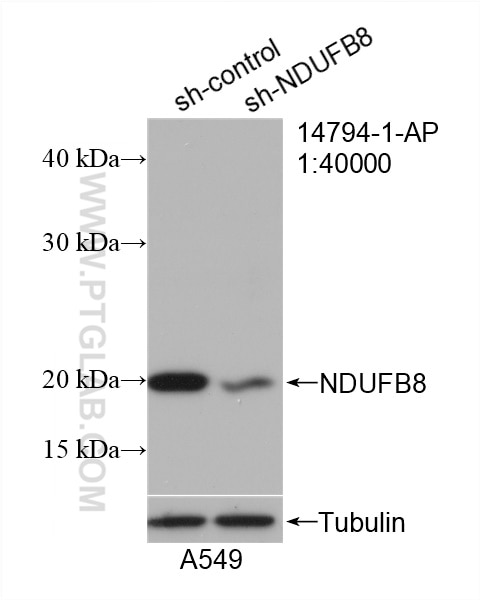
| Positive WB detected in | HepG2 cells, A549 cells, various samples, 3T3-L1 cells, mouse brain tissue, mouse liver tissue, rat brain tissue |
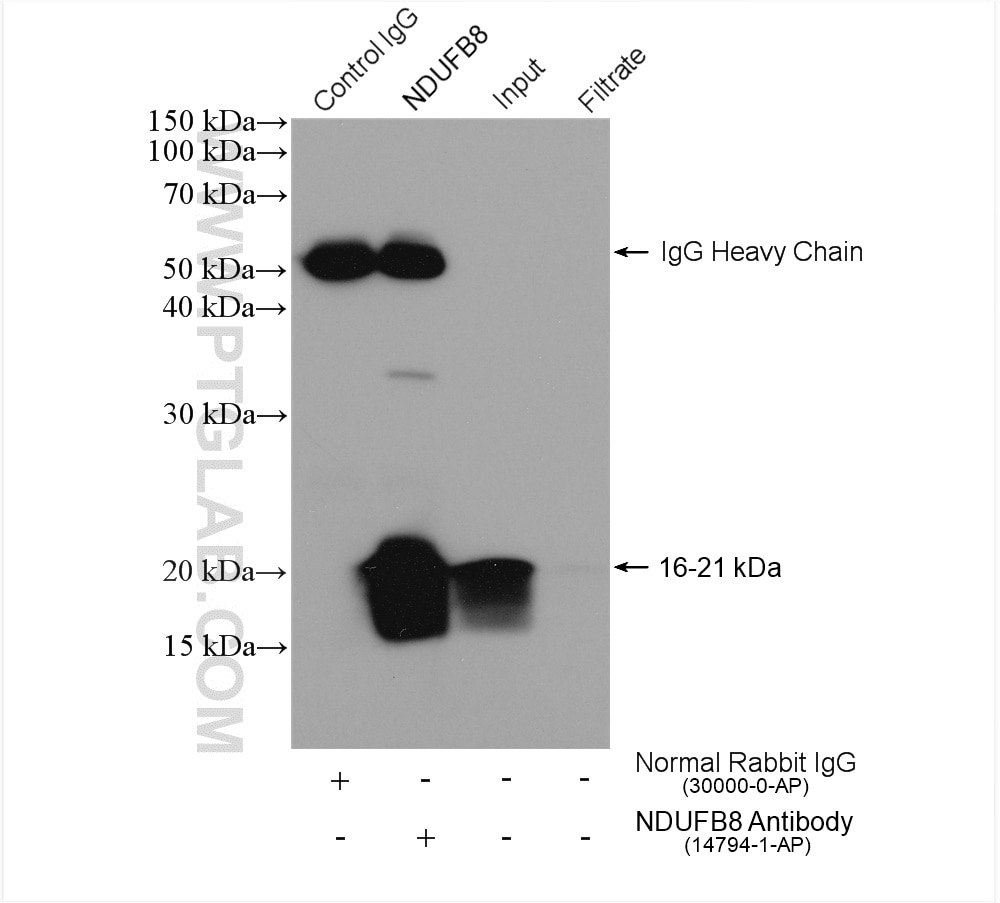
| Positive IP detected in | HepG2 cells |
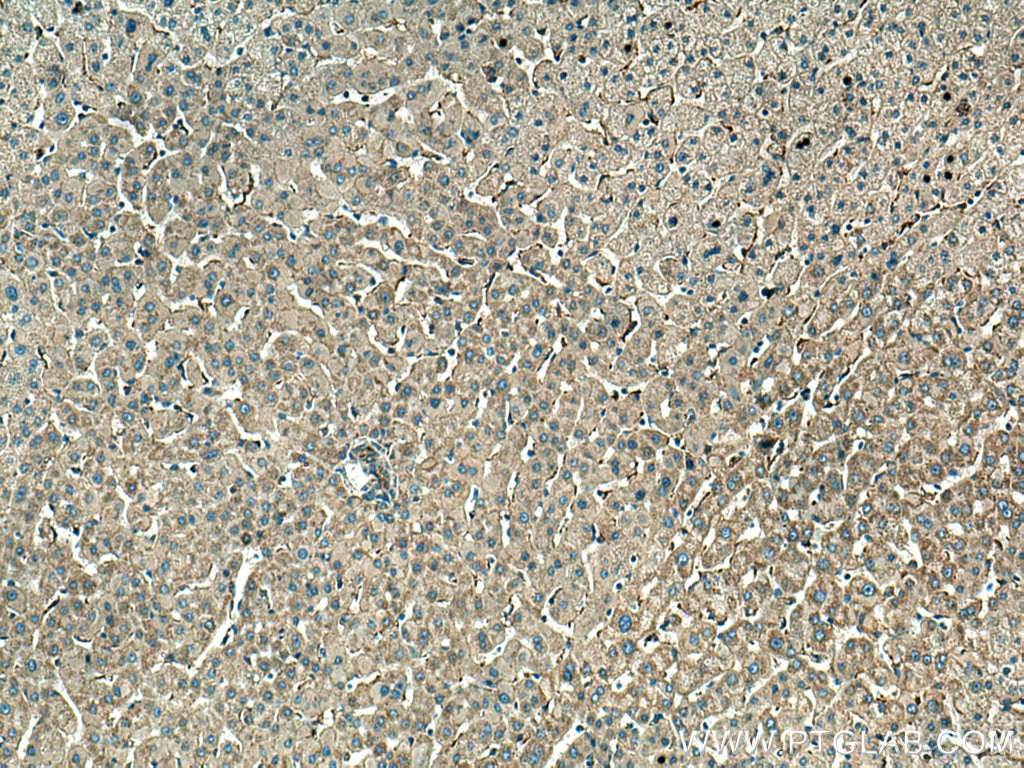
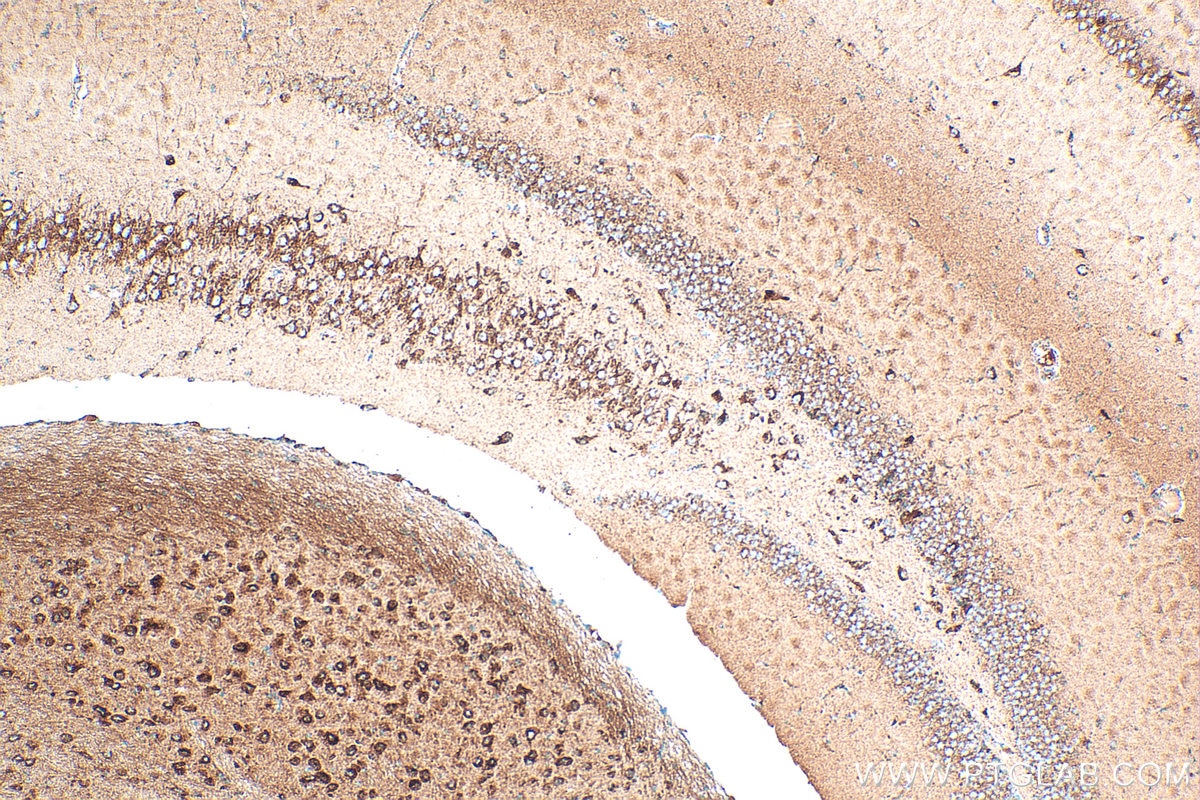
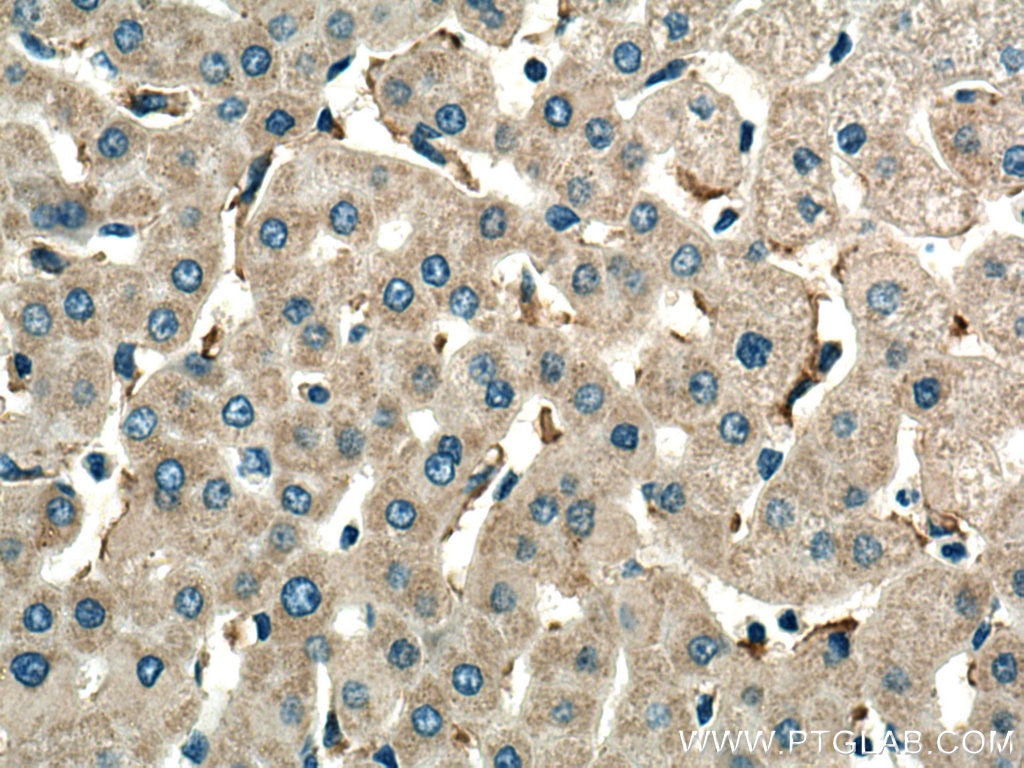
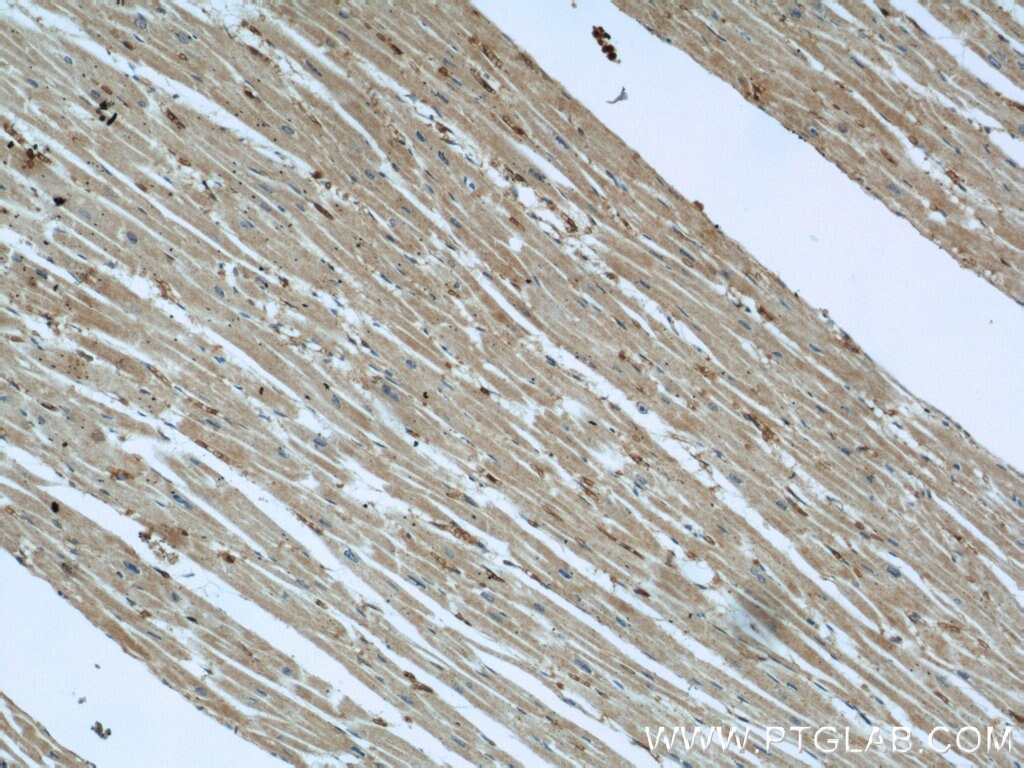
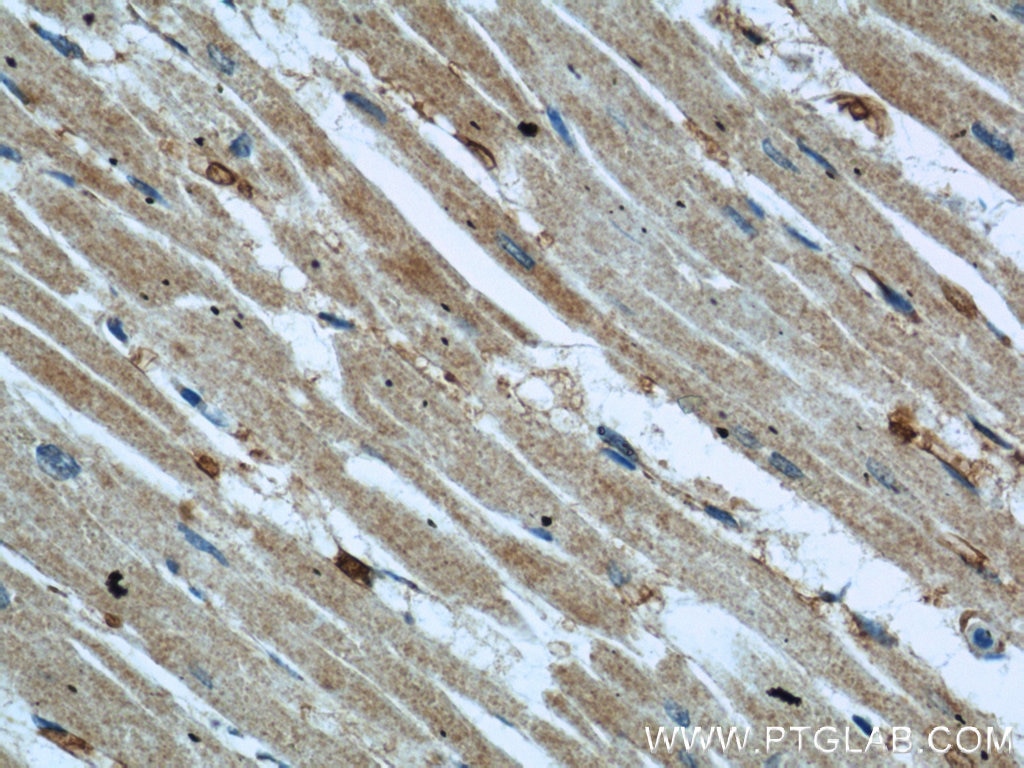
| Positive IHC detected in | human liver tissue, human heart tissue, mouse brain tissue Note: suggested antigen retrieval with TE buffer pH 9.0; (*) Alternatively, antigen retrieval may be performed with citrate buffer pH 6.0 |
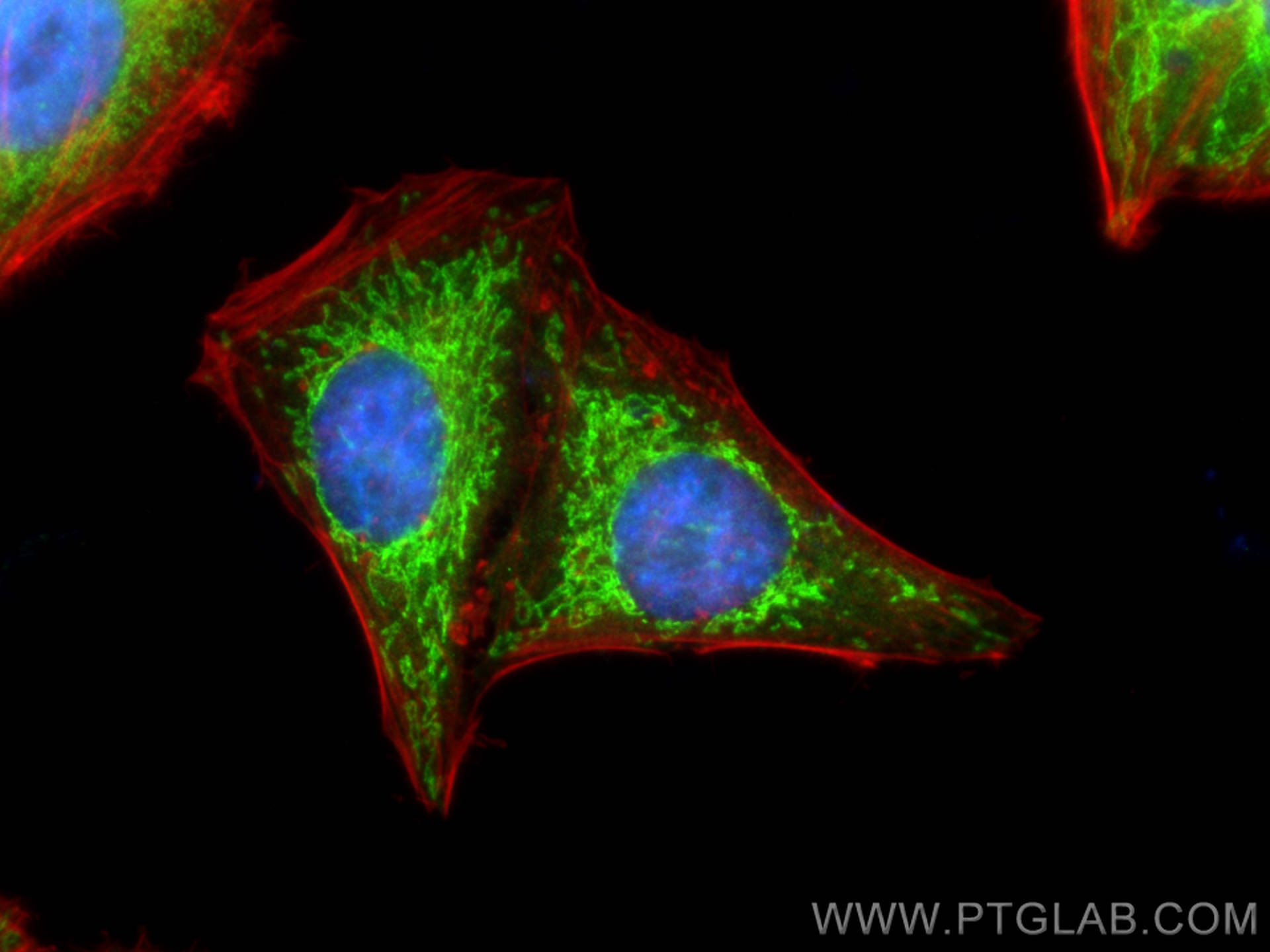
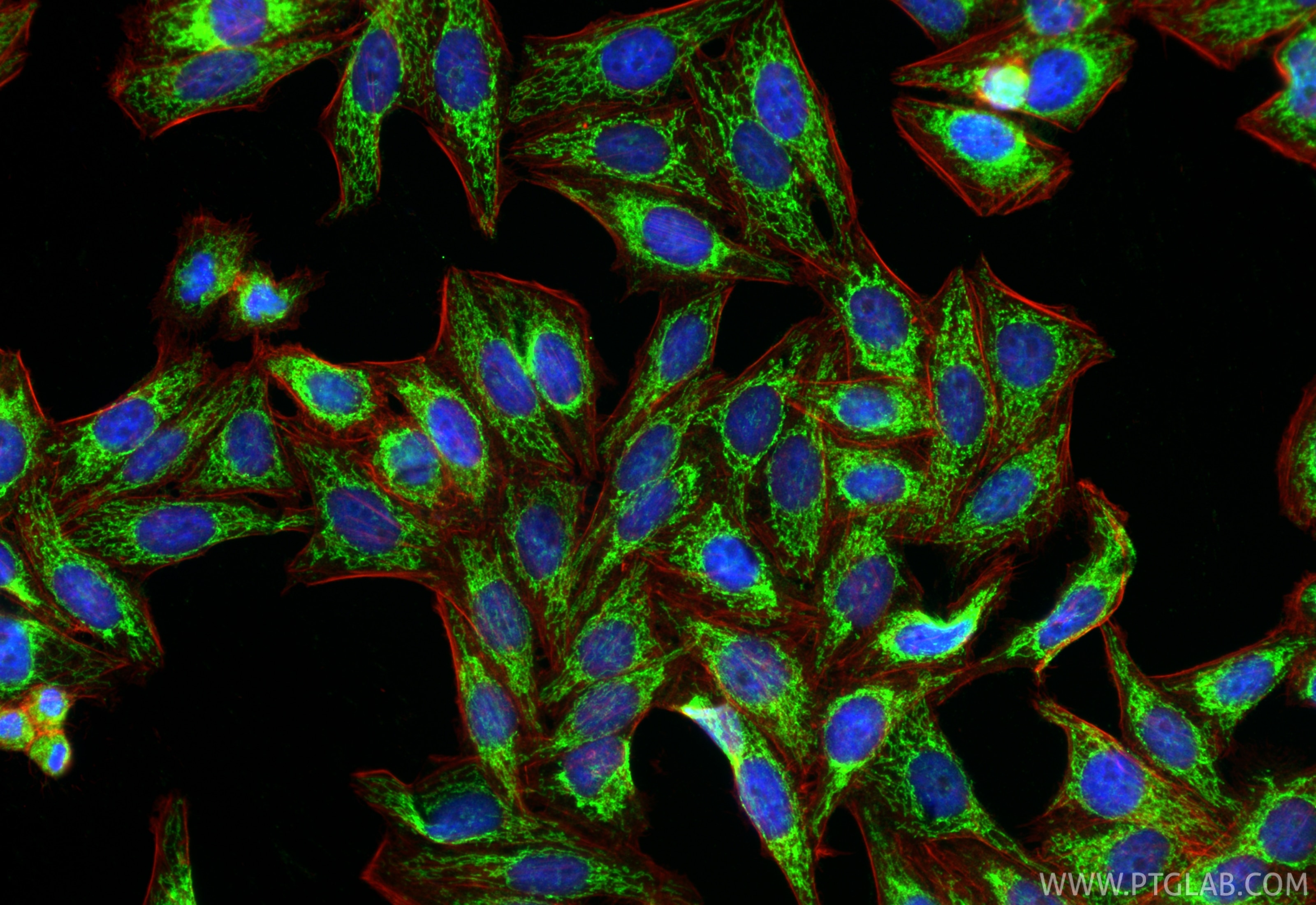
| Positive IF/ICC detected in | HepG2 cells |
Recommended dilution
| Application | Dilution |
|---|---|
| Western Blot (WB) | WB : 1:5000-1:50000 |
| Immunoprecipitation (IP) | IP : 0.5-4.0 ug for 1.0-3.0 mg of total protein lysate |
| Immunohistochemistry (IHC) | IHC : 1:50-1:500 |
| Immunofluorescence (IF)/ICC | IF/ICC : 1:200-1:800 |
| It is recommended that this reagent should be titrated in each testing system to obtain optimal results. | |
| Sample-dependent, Check data in validation data gallery. | |
Product Information
14794-1-AP targets NDUFB8 in WB, IHC, IF/ICC, IP, ELISA applications and shows reactivity with human, mouse, rat samples.
| Tested Reactivity | human, mouse, rat |
| Cited Reactivity | human, mouse, rat, pig, canine, zebrafish |
| Host / Isotype | Rabbit / IgG |
| Class | Polyclonal |
| Type | Antibody |
| Immunogen |
CatNo: Ag6495 Product name: Recombinant human NDUFB8 protein Source: e coli.-derived, PGEX-4T Tag: GST Domain: 1-186 aa of BC000466 Sequence: MAVARAGVLGVQWLQRASRNVMPLGARTASHMTKDMFPGPYPRTPEERAAAAKKYNMRVEDYEPYPDDGMGYGDYPKLPDRSQHERDPWYSWDQPGLRLNWGEPMHWHLDMYNRNRVDTSPTPVSWHVMCMQLFGFLAFMIFMCWVGDVYPVYQPVGPKQYPYNNLYLERGGDPSKEPERVVHYEI Predict reactive species |
| Full Name | NADH dehydrogenase (ubiquinone) 1 beta subcomplex, 8, 19kDa |
| Calculated Molecular Weight | 22 kDa |
| Observed Molecular Weight | 19-22 kDa |
| GenBank Accession Number | BC000466 |
| Gene Symbol | NDUFB8 |
| Gene ID (NCBI) | 4714 |
| RRID | AB_2150970 |
| Conjugate | Unconjugated |
| Form | Liquid |
| Purification Method | Antigen affinity purification |
| UNIPROT ID | O95169 |
| Storage Buffer | PBS with 0.02% sodium azide and 50% glycerol, pH 7.3. |
| Storage Conditions | Store at -20°C. Stable for one year after shipment. Aliquoting is unnecessary for -20oC storage. 20ul sizes contain 0.1% BSA. |
Protocols
| Product Specific Protocols | |
|---|---|
| IF protocol for NDUFB8 antibody 14794-1-AP | Download protocol |
| IHC protocol for NDUFB8 antibody 14794-1-AP | Download protocol |
| IP protocol for NDUFB8 antibody 14794-1-AP | Download protocol |
| WB protocol for NDUFB8 antibody 14794-1-AP | Download protocol |
| Standard Protocols | |
|---|---|
| Click here to view our Standard Protocols |
Publications
What published studies show
The anti-NDUFB8 polyclonal antibody (Cat# 14794-1-AP) has 104 citations spanning high-impact journals including Nature Communications, Nature Immunology, Cell Metabolism, Science Advances, Molecular Cell, EMBO Journal, and eLife. Research fields cover mitochondrial biology and oxidative phosphorylation, cancer metabolism, neurodegenerative diseases, metabolic disorders, cardiovascular disease, immunology, skeletal muscle physiology, and aging. Applications are predominantly Western blot, with IHC and IF studies across human, mouse, rat, pig, canine, and zebrafish.
| Species | Application | Title |
|---|---|---|
Nat Immunol Nucleophosmin 1 promotes mucosal immunity by supporting mitochondrial oxidative phosphorylation and ILC3 activity | ||
Protein Cell Isolation and Proteomics of Human Skeletal Muscle Lipid Droplets Identify Anchored Mitochondria and Associated TPD52L2 | ||
Nat Commun Targeting tRNA-dependent tyrosine usage unveils a metabolic vulnerability in hepatocellular carcinoma. | ||
Nat Commun Disuse-associated loss of the protease LONP1 in muscle impairs mitochondrial function and causes reduced skeletal muscle mass and strength. | ||
Nat Commun CAV2-expressing nerves induce metabolic switch toward mitochondrial oxidative phosphorylation to promote cancer stemness. |
Reviews
What customers say
One reviewer (Edward K., Nov 2022) gave a 5-star rating for Western Blot using lot 00053931 at a 1:5,000 dilution on K562 and KCL22 cell lysates (12 µg protein). He reported that the NDUFB8 antibody performed well with both ECL and fluorescent secondary antibody detection, producing a strong band in each case.
The reviews below have been submitted by verified Proteintech customers who received an incentive for providing their feedback.
Edward (Verified Customer) (11-15-2022) | Used with 12 ug protein lysate NDUFB8 works well, both with ECL detection and fluorescent secondary antibodies it gives a strong band
|


