

Tested Applications
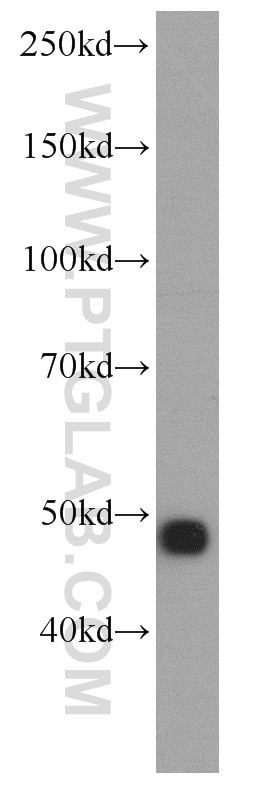
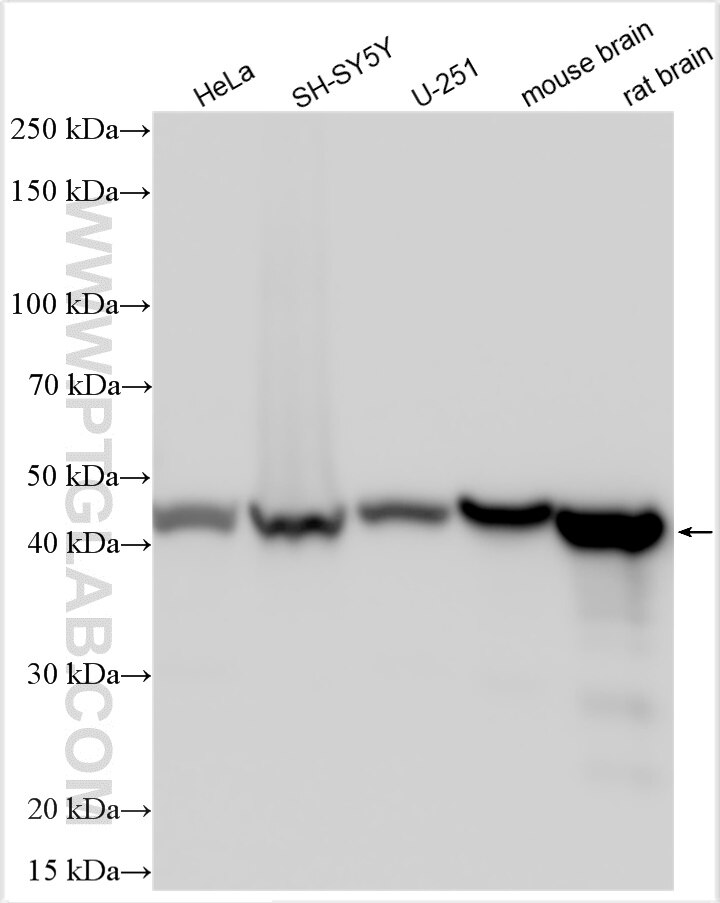
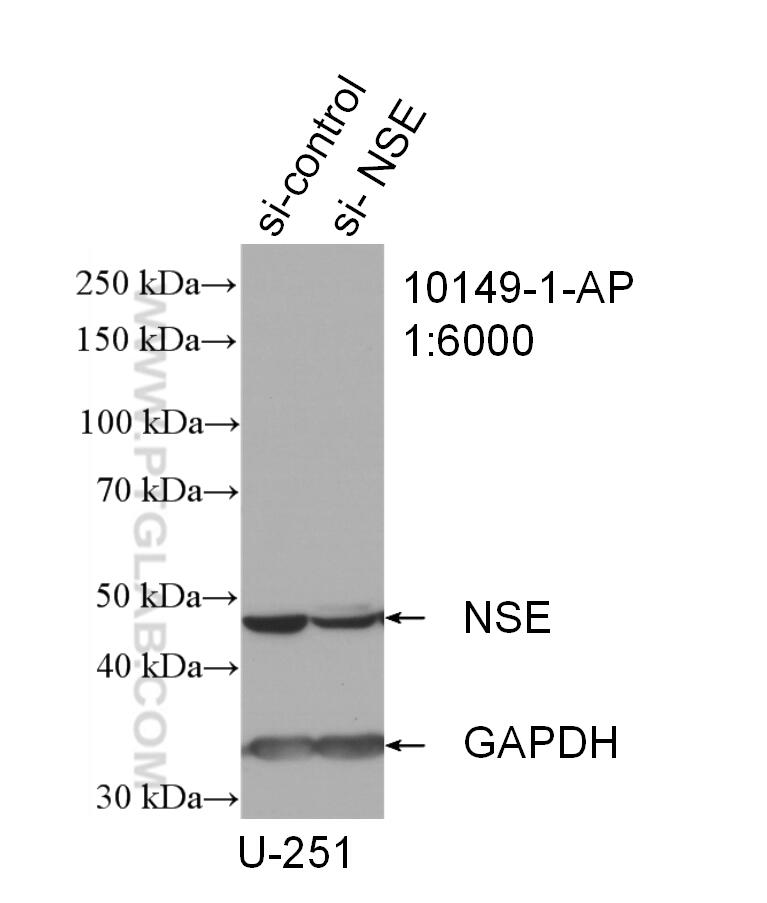
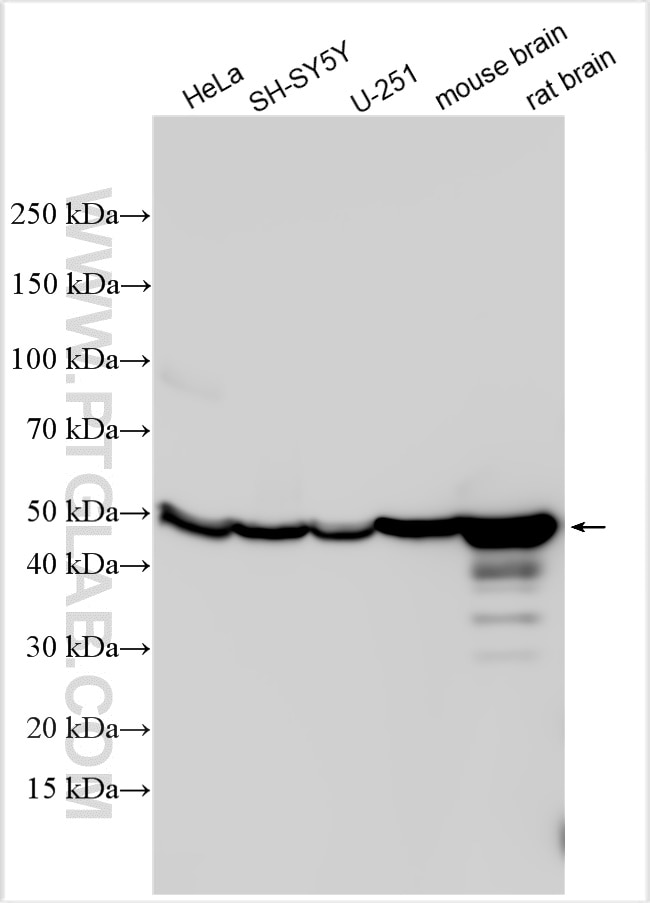
| Positive WB detected in | HeLa cells, human brain tissue, U-251 cells, SH-SY5Y cells, mouse brain tissue, rat brain tissue |
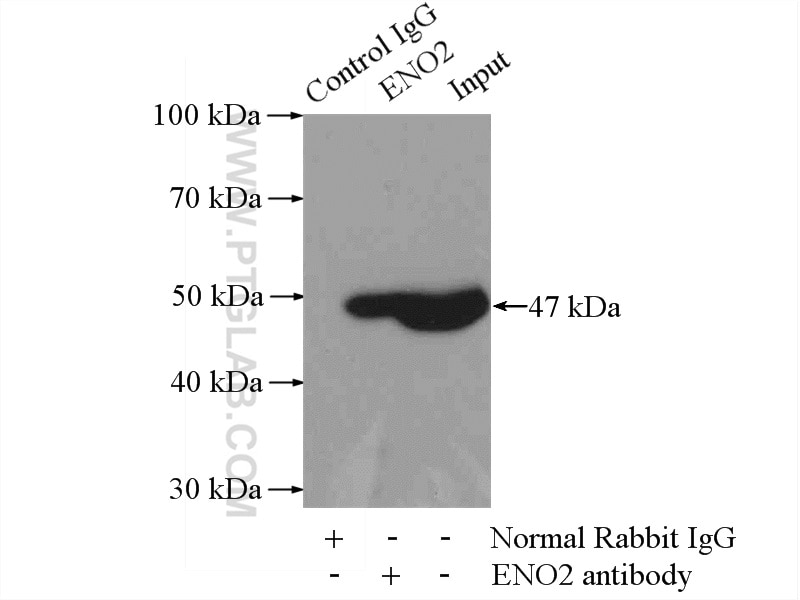
| Positive IP detected in | mouse brain tissue |
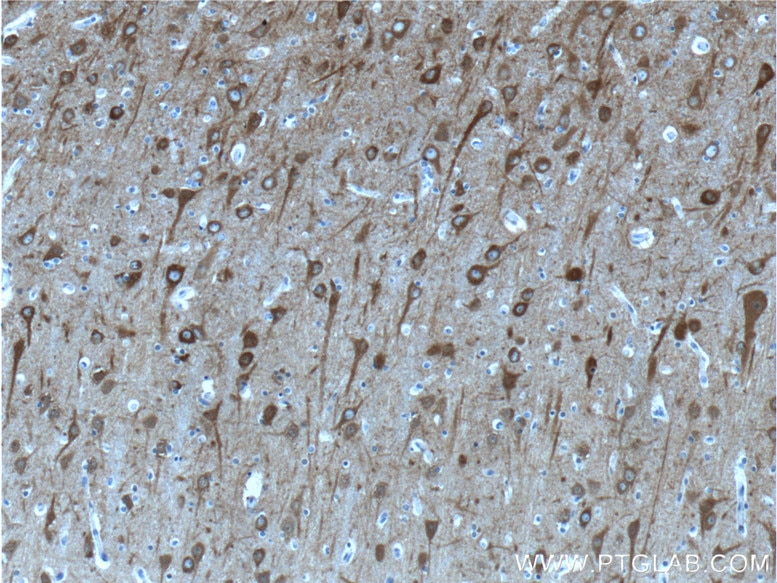
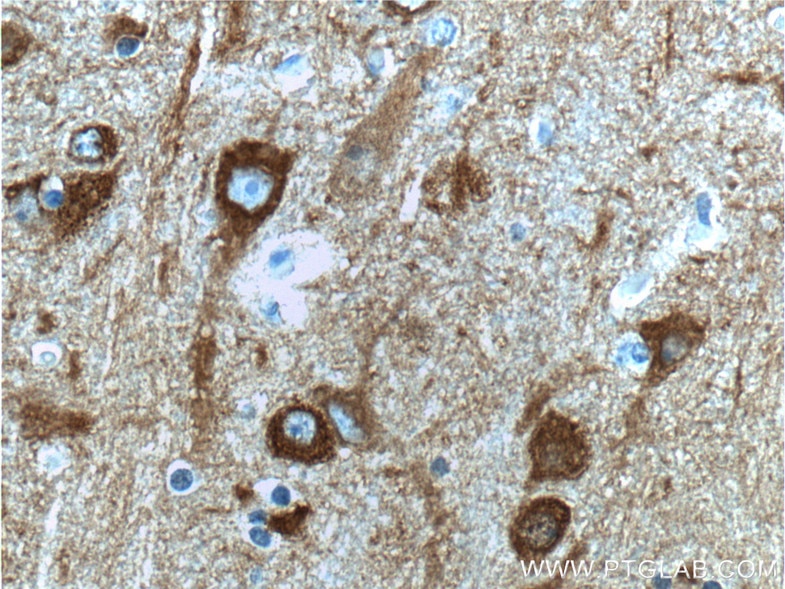
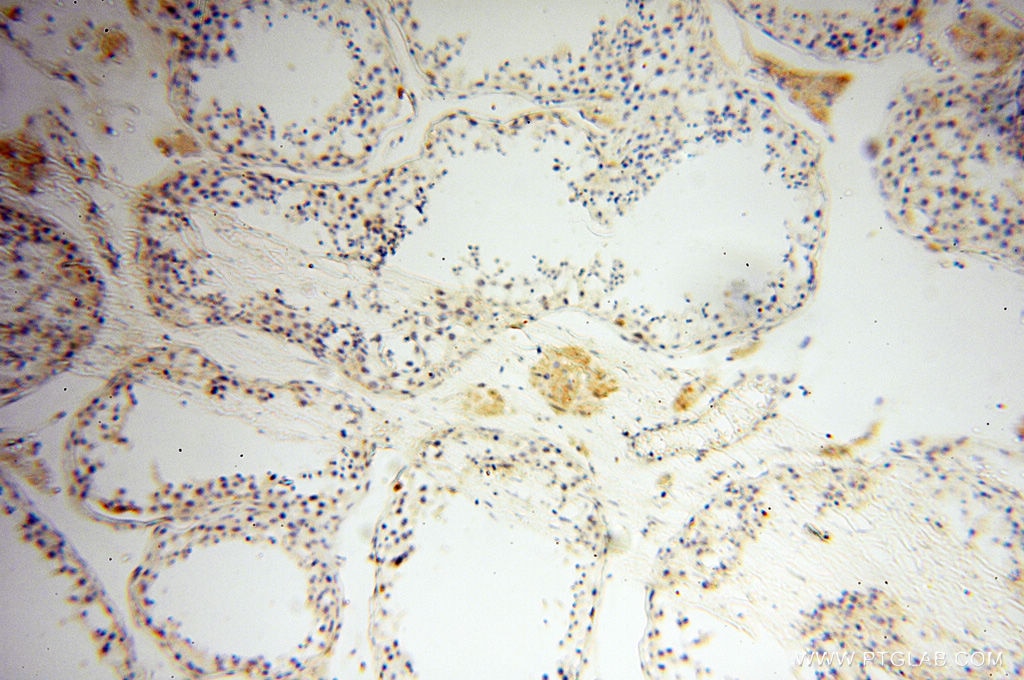
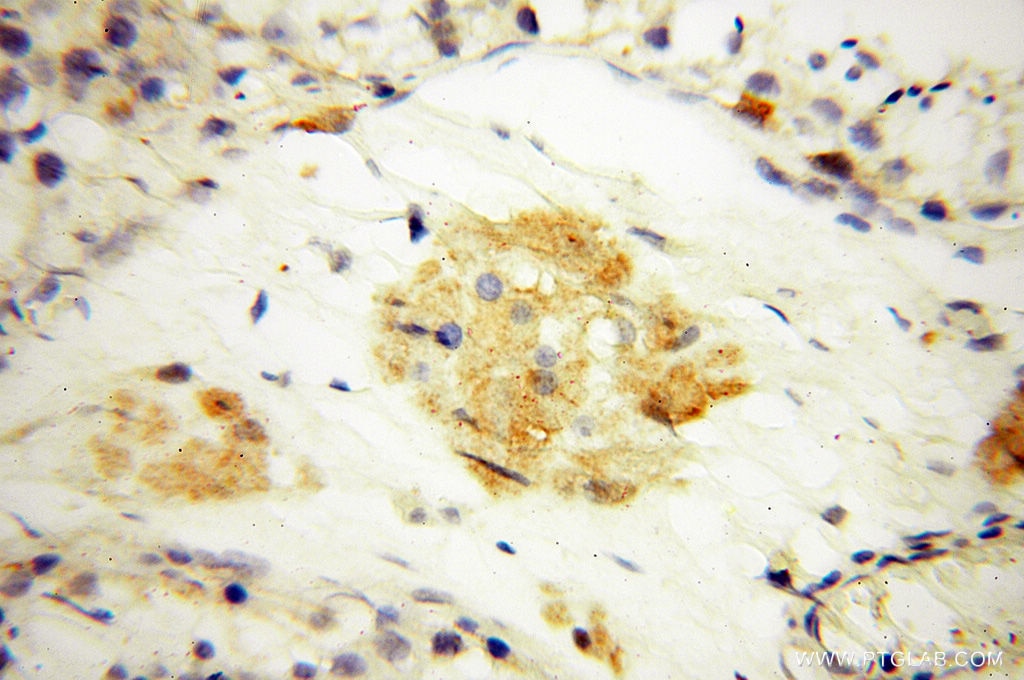
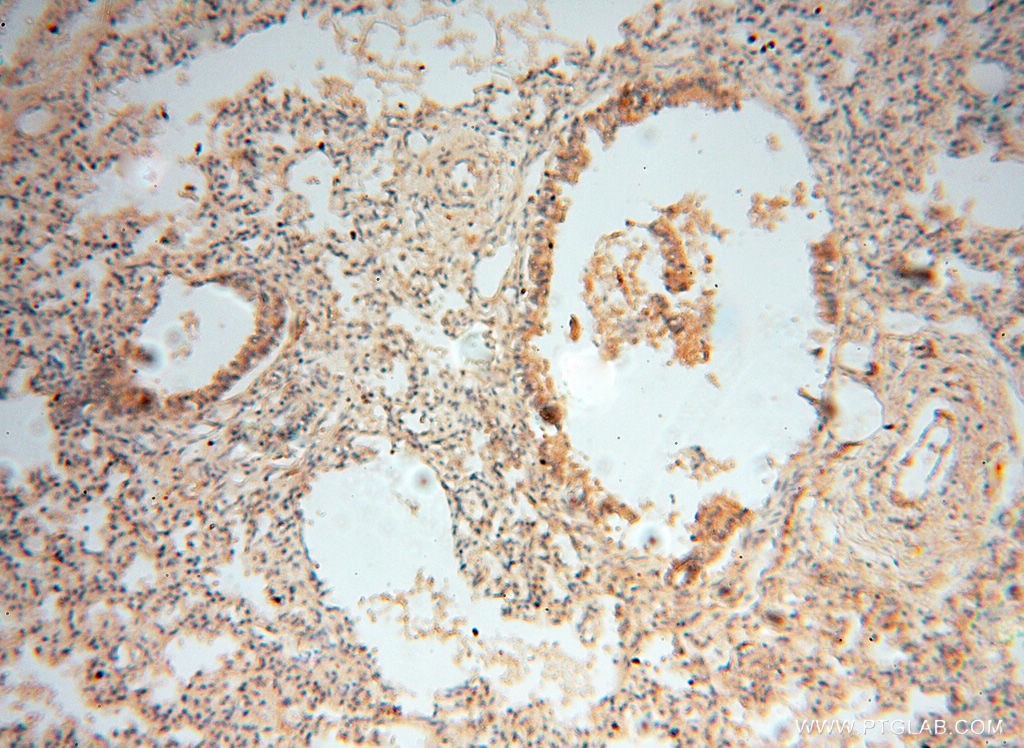
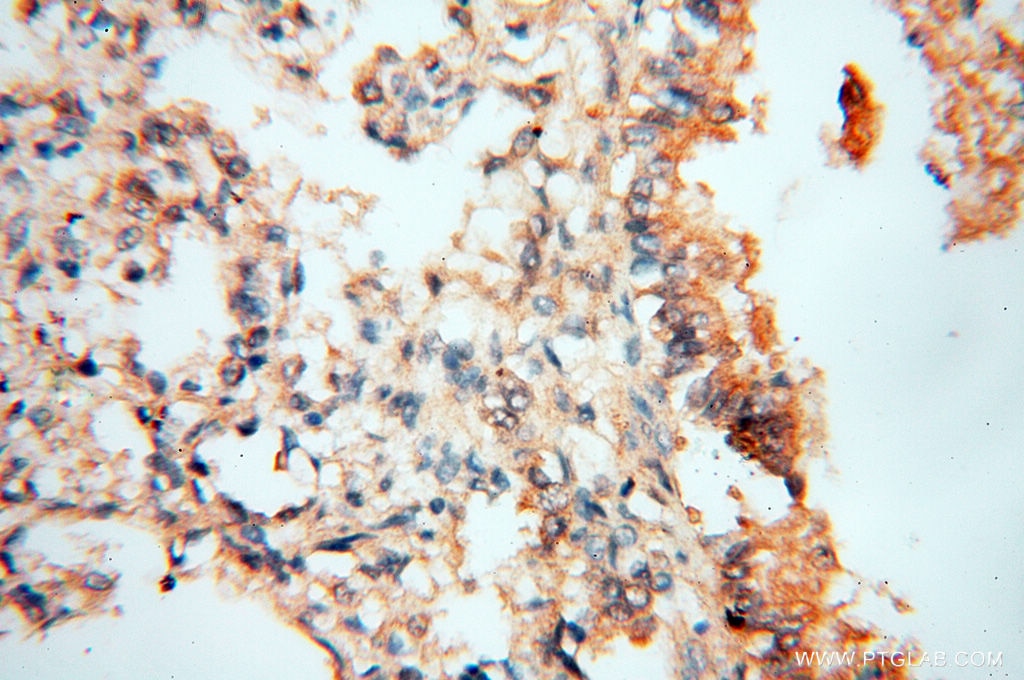
| Positive IHC detected in | human brain tissue, human lung tissue, human testis tissue Note: suggested antigen retrieval with TE buffer pH 9.0; (*) Alternatively, antigen retrieval may be performed with citrate buffer pH 6.0 |
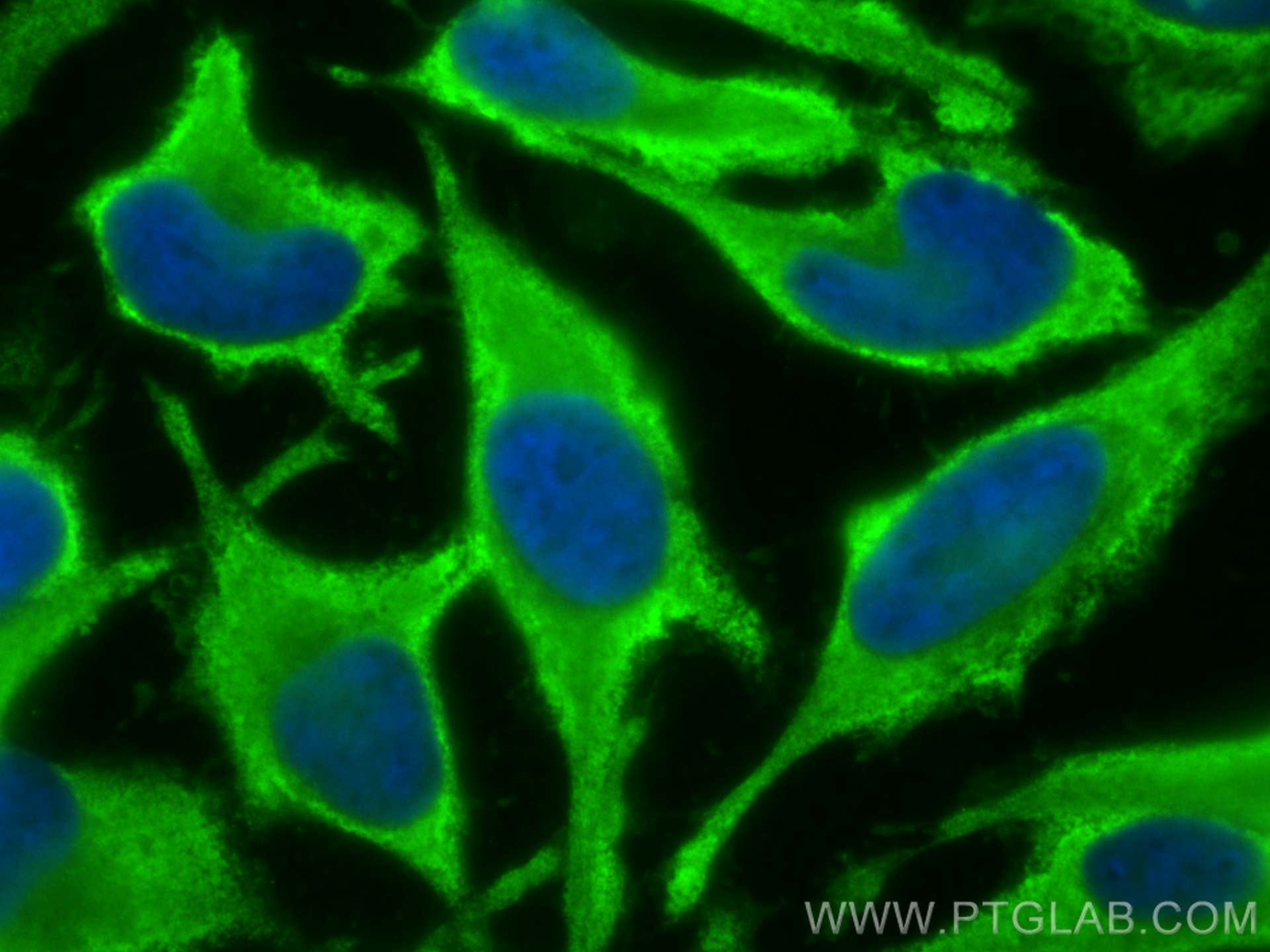
| Positive IF/ICC detected in | HeLa cells |
Recommended dilution
| Application | Dilution |
|---|---|
| Western Blot (WB) | WB : 1:5000-1:50000 |
| Immunoprecipitation (IP) | IP : 0.5-4.0 ug for 1.0-3.0 mg of total protein lysate |
| Immunohistochemistry (IHC) | IHC : 1:100-1:400 |
| Immunofluorescence (IF)/ICC | IF/ICC : 1:200-1:800 |
| It is recommended that this reagent should be titrated in each testing system to obtain optimal results. | |
| Sample-dependent, Check data in validation data gallery. | |
Product Information
10149-1-AP targets NSE in WB, IHC, IF/ICC, IP, ELISA applications and shows reactivity with human, mouse, rat samples.
| Tested Reactivity | human, mouse, rat |
| Cited Reactivity | human, mouse, rat, goat, duck |
| Host / Isotype | Rabbit / IgG |
| Class | Polyclonal |
| Type | Antibody |
| Immunogen |
CatNo: Ag0196 Product name: Recombinant human ENO2 protein Source: e coli.-derived, PGEX-4T Tag: GST Domain: 2-300 aa of BC002745 Sequence: SIEKIWAREILDSRGNPTVEVDLYTAKGLFRAAVPSGASTGIYEALELRDGDKQRYLGKGVLKAVDHINSTIAPALISSGLSVVEQEKLDNLMLELDGTENKSKFGANAILGVSLAVCKAGAAERELPLYRHIAQLAGNSDLILPVPAFNVINGGSHAGNKLAMQEFMILPVGAESFRDAMRLGAEVYHTLKGVIKDKYGKDATNVGDEGGFAPNILENSEALELVKEAIDKAGYTEKIVIGMDVAASEFYRDGKYDLDFKSPTDPSRYITGDQLGALYQDFVRDYPVVSIEDPFDQDD Predict reactive species |
| Full Name | enolase 2 (gamma, neuronal) |
| Calculated Molecular Weight | 47 kDa |
| Observed Molecular Weight | 47 kDa |
| GenBank Accession Number | BC002745 |
| Gene Symbol | NSE |
| Gene ID (NCBI) | 2026 |
| RRID | AB_2099180 |
| Conjugate | Unconjugated |
| Form | Liquid |
| Purification Method | Antigen affinity purification |
| UNIPROT ID | P09104 |
| Storage Buffer | PBS with 0.02% sodium azide and 50% glycerol, pH 7.3. |
| Storage Conditions | Store at -20°C. Stable for one year after shipment. Aliquoting is unnecessary for -20oC storage. 20ul sizes contain 0.1% BSA. |
Background Information
NSE, also named as ENO2, belongs to the enolase family. Enolases are cytoplasmic glycolytic enzymes that may be involved in differentiation. The enolase has three isoenzymes, alpha, beta and gamma. The alpha form is expressed in most tissues, whereas the beta form is expressed in muscle tissue. The gamma enolase (ENO2), a homodimer, is primarily localized in neurons and neuroendocrine cells and is a cancer diagnostic marker for brain tumors (PMID:7520111). ENO2 plays a role in the glycolysis-related energy pathway and might be involved in higher metabolic activity during the day than at night, at least in part.
Protocols
| Product Specific Protocols | |
|---|---|
| IF protocol for NSE antibody 10149-1-AP | Download protocol |
| IHC protocol for NSE antibody 10149-1-AP | Download protocol |
| IP protocol for NSE antibody 10149-1-AP | Download protocol |
| WB protocol for NSE antibody 10149-1-AP | Download protocol |
| Standard Protocols | |
|---|---|
| Click here to view our Standard Protocols |
Publications
What published studies show
The anti-ENO2 antibody (Cat# 10149-1-AP) has 49 citations published in journals including Nature Neuroscience, Cell Reports, Oncogene, Biomaterials, Cell Death & Disease, FASEB Journal, Stem Cell Research & Therapy, and Investigative Ophthalmology & Visual Science. Research fields span prostate cancer neuroendocrine differentiation, traumatic brain injury repair, glycolysis and metabolism, stem cell neural differentiation, spinal cord injury, inflammation, and various cancers. Applications include WB, IF, and IHC across human, mouse, rat, and other species.
| Species | Application | Title |
|---|---|---|
Drug Resist Updat Acetate utilization promotes hormone therapy resistance in prostate cancer through neuroendocrine differentiation | ||
Nat Neurosci Aerobic glycolysis is the predominant means of glucose metabolism in neuronal somata, which protects against oxidative damage | ||
J Nanobiotechnology Biodegradable nano black phosphorus based SDF1-α delivery system ameliorates Erectile Dysfunction in a cavernous nerve injury rat model by recruiting endogenous stem/progenitor cells | ||
Biomaterials Gut-confined fullerene reprograms lactate metabolism to Rescue hypoxia-induced exercise intolerance. | ||
Cell Death Dis UHRF1 regulates AR ubiquitination to promote the loss of AR signaling and enzalutamide resistance in progression of prostate cancer. | ||
Reviews
What customers say
One reviewer (Santiago Ramirez, Feb 2025) gave a 5-star rating after using the antibody at 1:1000 dilution for immunofluorescence on human cerebral organoids and mouse brain tissue exposed to traumatic brain injury (TBI). They reported it "worked very well" in both applications, confirming reliable performance across species and tissue types.
The reviews below have been submitted by verified Proteintech customers who received an incentive for providing their feedback.
Santiago (Verified Customer) (02-03-2025) | It worked very well both in human brain organoids and mouse brains exposed to TBI.
|


