
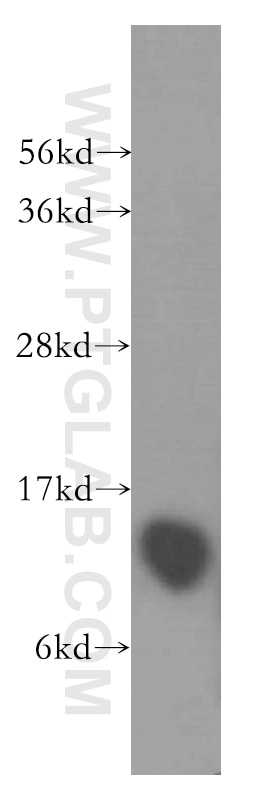
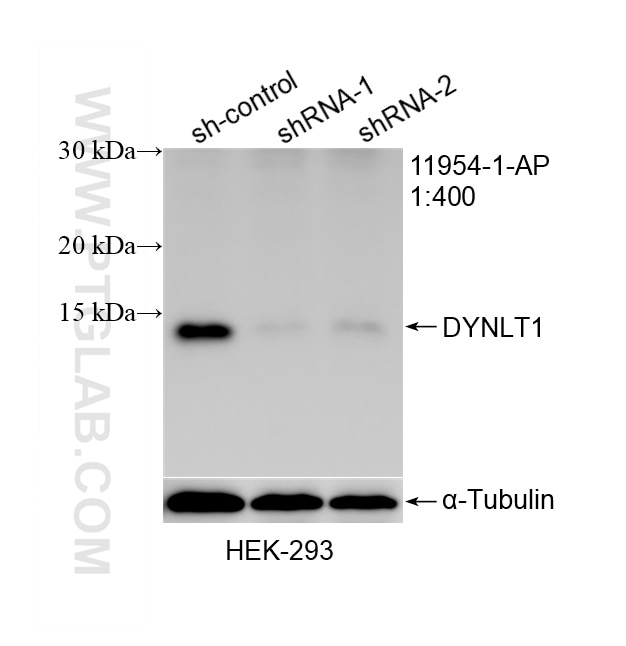
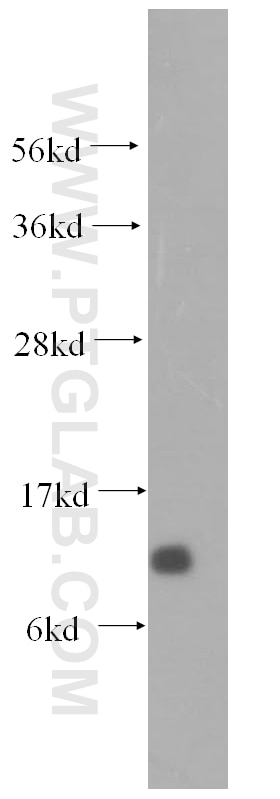
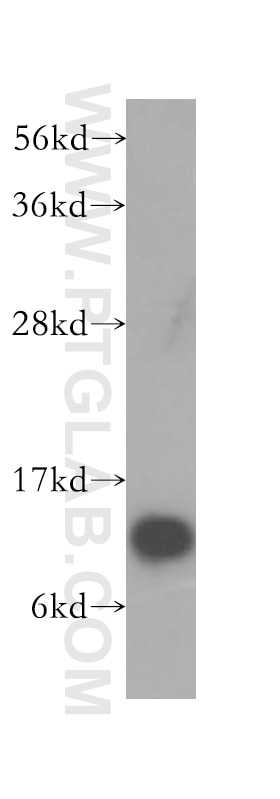

Tested Applications
| Positive WB detected in | human brain tissue, HEK-293 cells, human heart tissue, Sp2/0 cells |
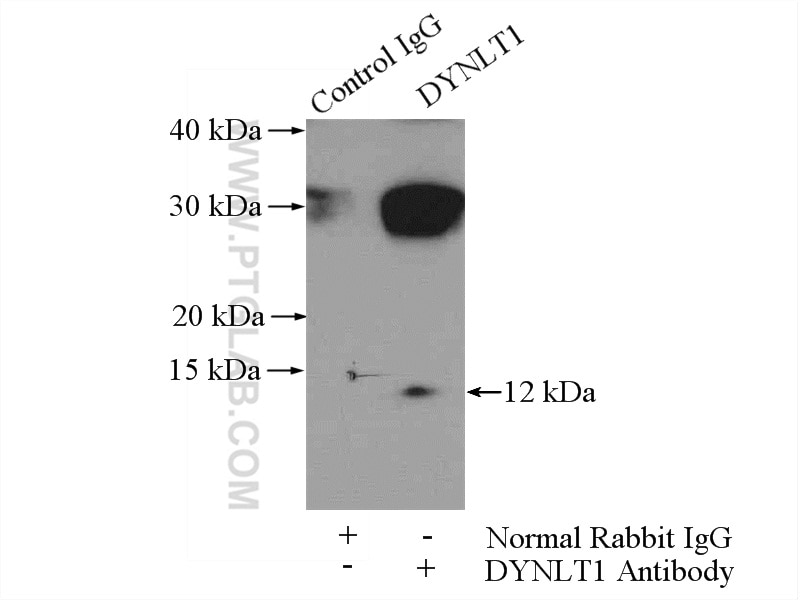
| Positive IP detected in | mouse skeletal muscle tissue |
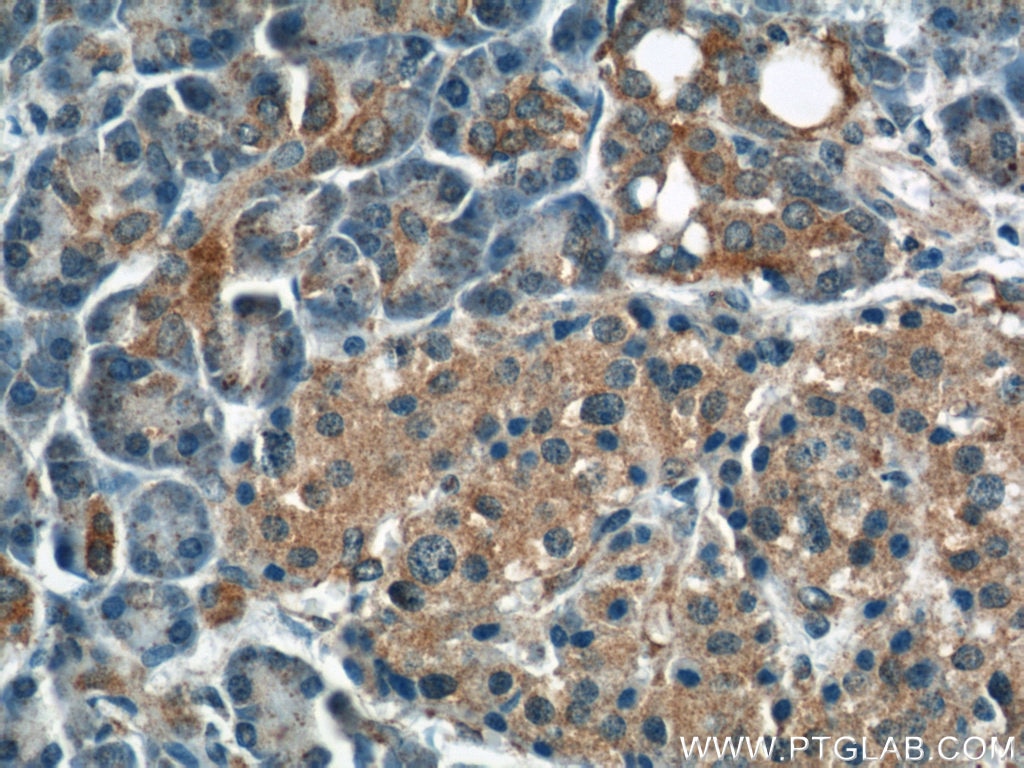
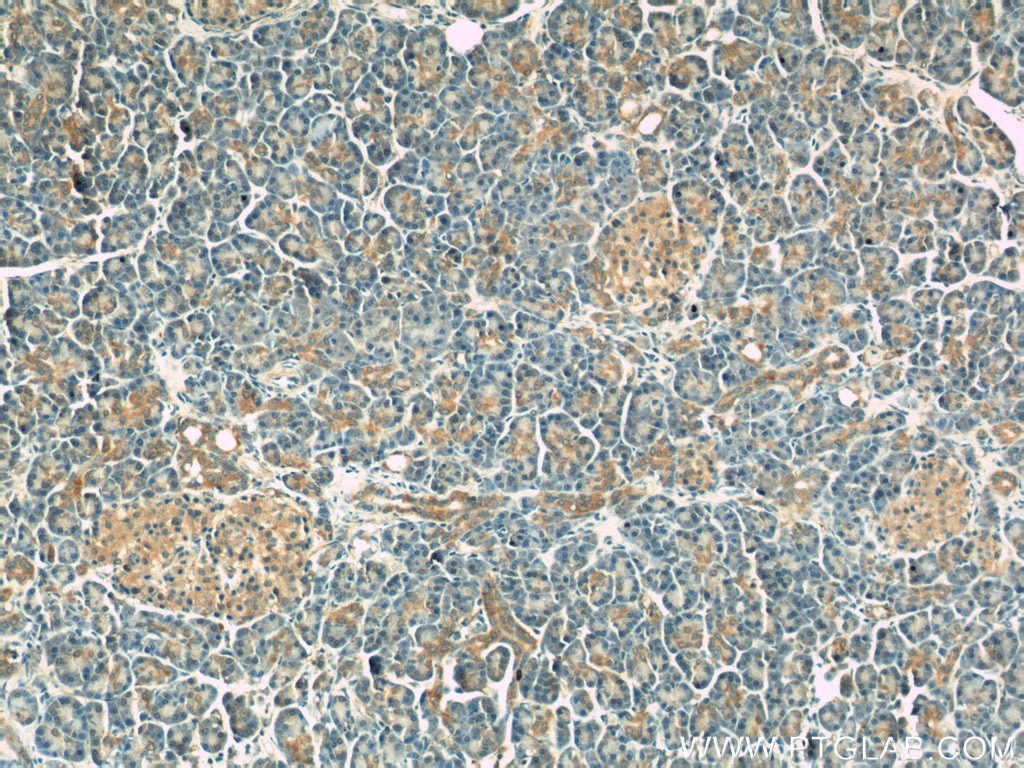
| Positive IHC detected in | human pancreas tissue Note: suggested antigen retrieval with TE buffer pH 9.0; (*) Alternatively, antigen retrieval may be performed with citrate buffer pH 6.0 |
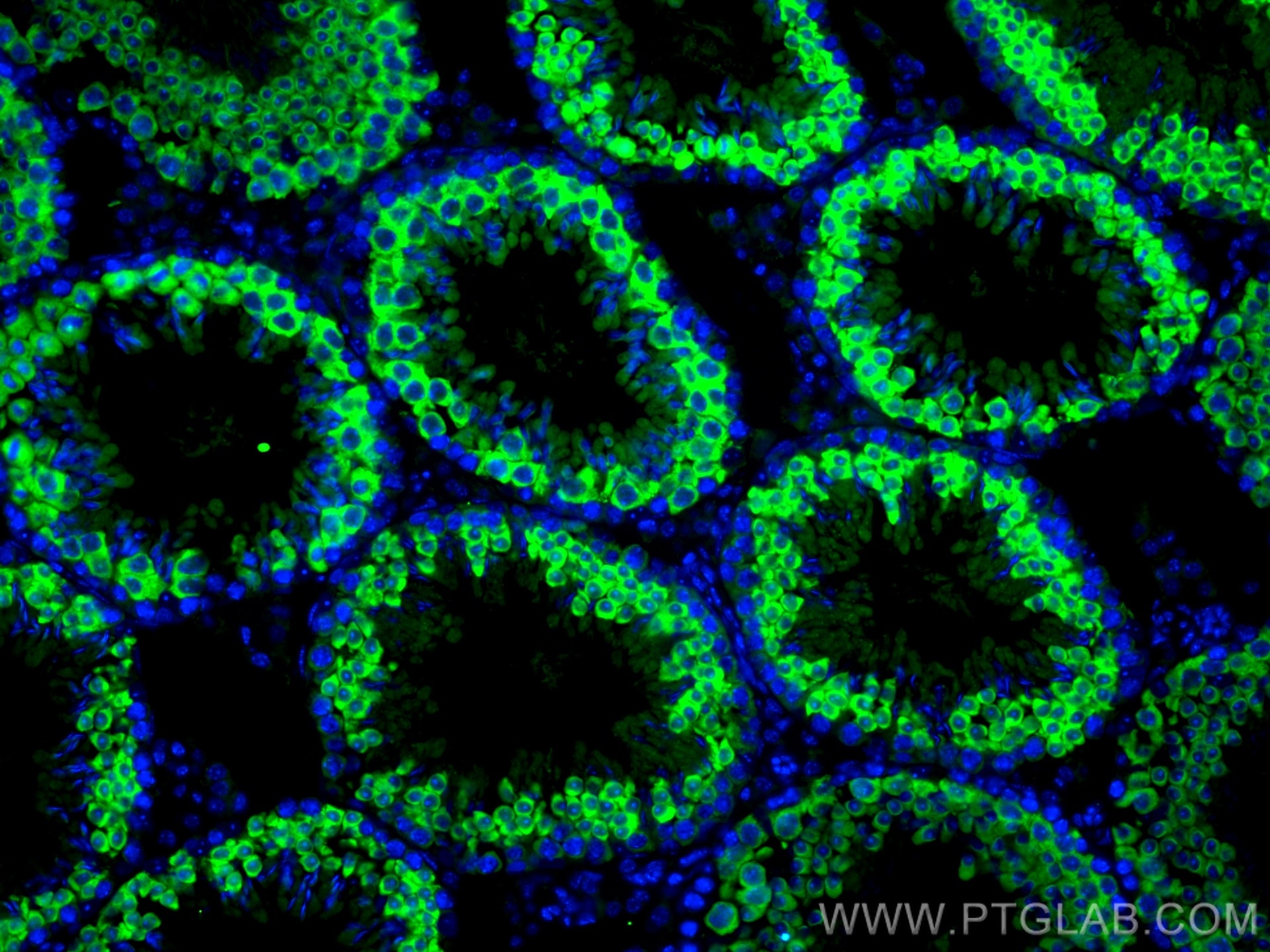
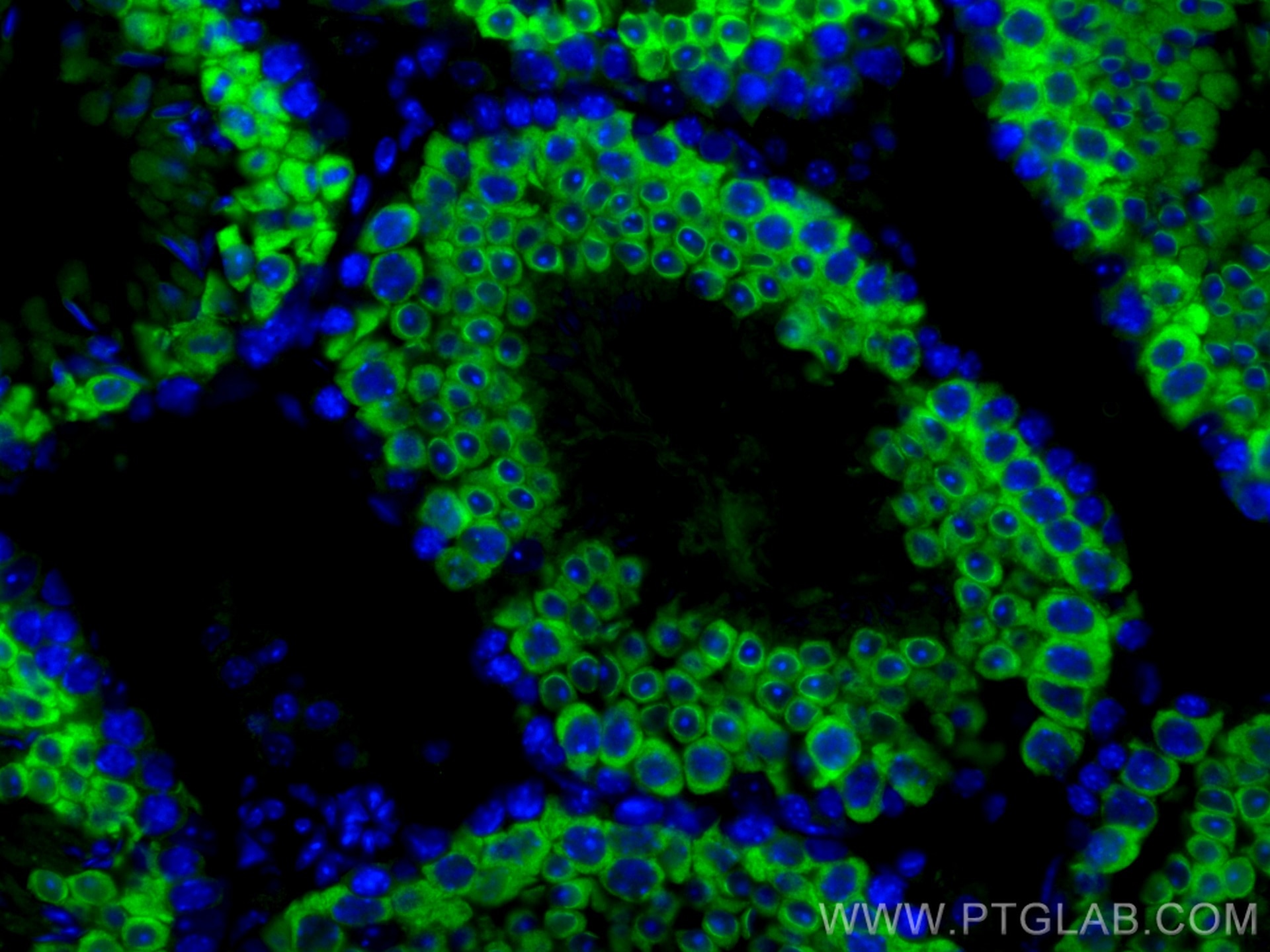
| Positive IF-P detected in | mouse testis tissue |
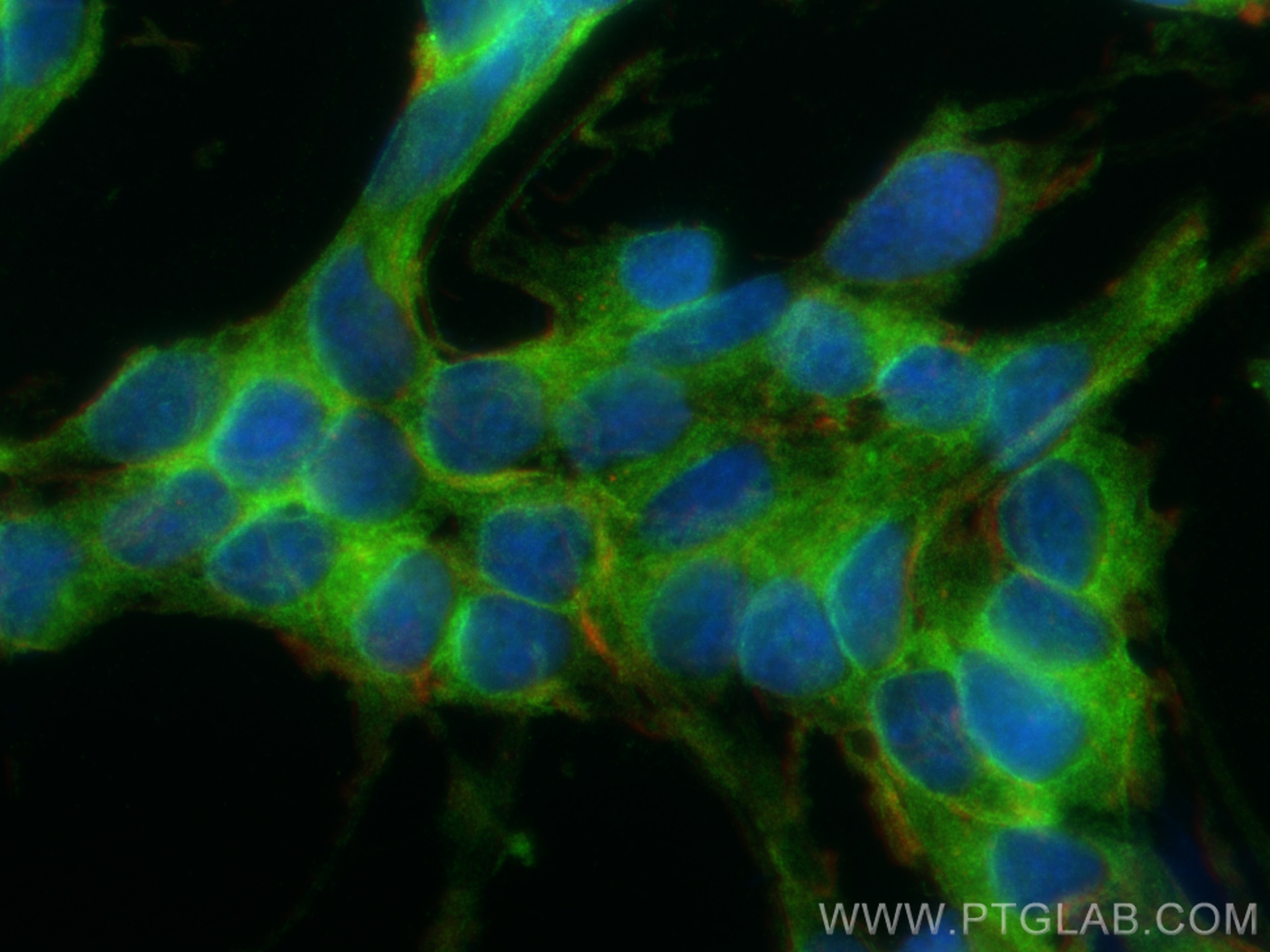
| Positive IF/ICC detected in | SH-SY5Y cells |
Recommended dilution
| Application | Dilution |
|---|---|
| Western Blot (WB) | WB : 1:300-1:600 |
| Immunoprecipitation (IP) | IP : 0.5-4.0 ug for 1.0-3.0 mg of total protein lysate |
| Immunohistochemistry (IHC) | IHC : 1:20-1:200 |
| Immunofluorescence (IF)-P | IF-P : 1:50-1:500 |
| Immunofluorescence (IF)/ICC | IF/ICC : 1:50-1:500 |
| It is recommended that this reagent should be titrated in each testing system to obtain optimal results. | |
| Sample-dependent, Check data in validation data gallery. | |
Product Information
11954-1-AP targets DYNLT1 in WB, IHC, IF/ICC, IF-P, IP, ELISA applications and shows reactivity with human, mouse, rat samples.
| Tested Reactivity | human, mouse, rat |
| Cited Reactivity | human, mouse |
| Host / Isotype | Rabbit / IgG |
| Class | Polyclonal |
| Type | Antibody |
| Immunogen |
CatNo: Ag2557 Product name: Recombinant human DYNLT1 protein Source: e coli.-derived, PGEX-4T Tag: GST Domain: 1-113 aa of BC029412 Sequence: MEDYQAAEETAFVVDEVSNIVKEAIESAIGGNAYQHSKVNQWTTNVVEQTLSQLTKLGKPFKYIVTCVIMQKNGAGLHTASSCFWDSSTDGSCTVRWENKTMYCIVSAFGLSI Predict reactive species |
| Full Name | dynein, light chain, Tctex-type 1 |
| Calculated Molecular Weight | 113 aa, 12 kDa |
| Observed Molecular Weight | 12 kDa |
| GenBank Accession Number | BC029412 |
| Gene Symbol | DYNLT1 |
| Gene ID (NCBI) | 6993 |
| RRID | AB_2230661 |
| Conjugate | Unconjugated |
| Form | Liquid |
| Purification Method | Antigen affinity purification |
| UNIPROT ID | P63172 |
| Storage Buffer | PBS with 0.02% sodium azide and 50% glycerol, pH 7.3. |
| Storage Conditions | Store at -20°C. Stable for one year after shipment. Aliquoting is unnecessary for -20oC storage. 20ul sizes contain 0.1% BSA. |
Background Information
DYNLT (or Tctex-1) was originally described as a light chain component of the dynein motor complex. Tctex-1 also has several dynein-independent functions, including roles in G protein signaling activation and neuronal growth. Tctex-1 is selectively enriched in proliferating neural progenitors of both embryonic and adult brains. Genetic knockdown of Tctex-1 in radial precursors promoted neurogenesis, indicating its implication in regulation of cortical neurogenesis. (Pubmed: 19448628)
Protocols
| Product Specific Protocols | |
|---|---|
| IF protocol for DYNLT1 antibody 11954-1-AP | Download protocol |
| IHC protocol for DYNLT1 antibody 11954-1-AP | Download protocol |
| IP protocol for DYNLT1 antibody 11954-1-AP | Download protocol |
| WB protocol for DYNLT1 antibody 11954-1-AP | Download protocol |
| Standard Protocols | |
|---|---|
| Click here to view our Standard Protocols |
Publications
What published studies show
The DYNLT1 Polyclonal antibody (Cat# 11954-1-AP) has 13 citations published in journals including Science, Nature Neuroscience, Nature Communications, Cell Research, Journal of Cell Biology, Scientific Reports, Biochemical Pharmacology, Cancers, Journal of Cellular Physiology, Frontiers in Medicine, Nanomicro Letters, Science Bulletin, and Journal of Clinical Neuroscience. Research fields span cell biology (spindle assembly, ciliogenesis), neuroscience, oncology (glioblastoma, breast cancer), cardiology, and neurodegeneration.
| Species | Application | Title |
|---|---|---|
Nanomicro Lett Molecular Mechanisms of Intracellular Delivery of Nanoparticles Monitored by an Enzyme-Induced Proximity Labeling | ||
Cell Res Dlic1 deficiency impairs ciliogenesis of photoreceptors by destabilizing dynein. | ||
Nat Neurosci Lfc and Tctex-1 regulate the genesis of neurons from cortical precursor cells.
| ||
Nat Commun LTBP4 deficiency inhibits NLRP3 inflammasome activation in cardiomyocytes and attenuates heart failure in male mice |


