

Tested Applications
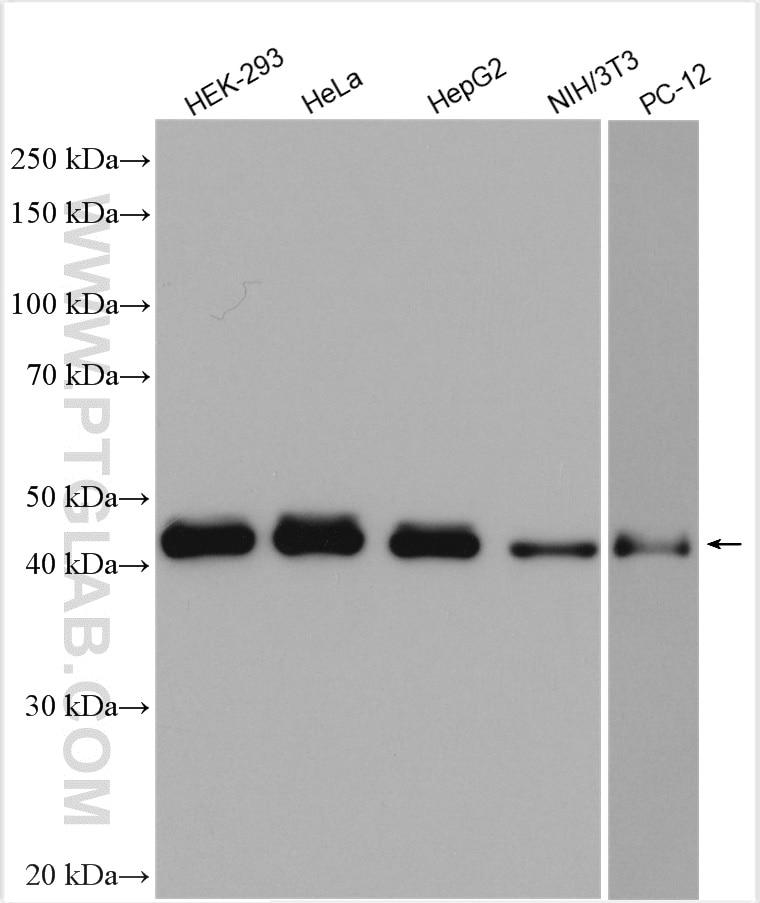
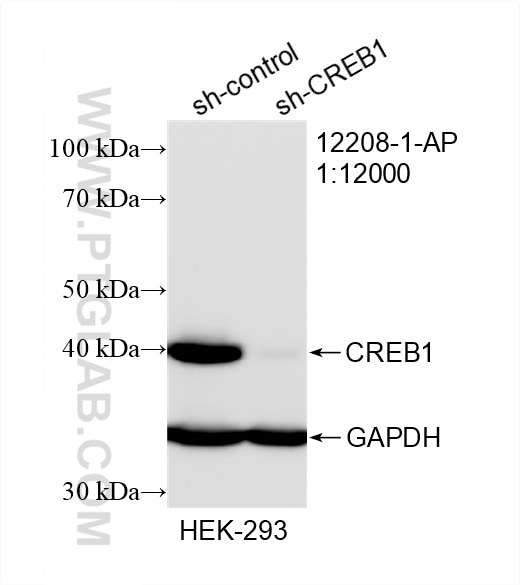
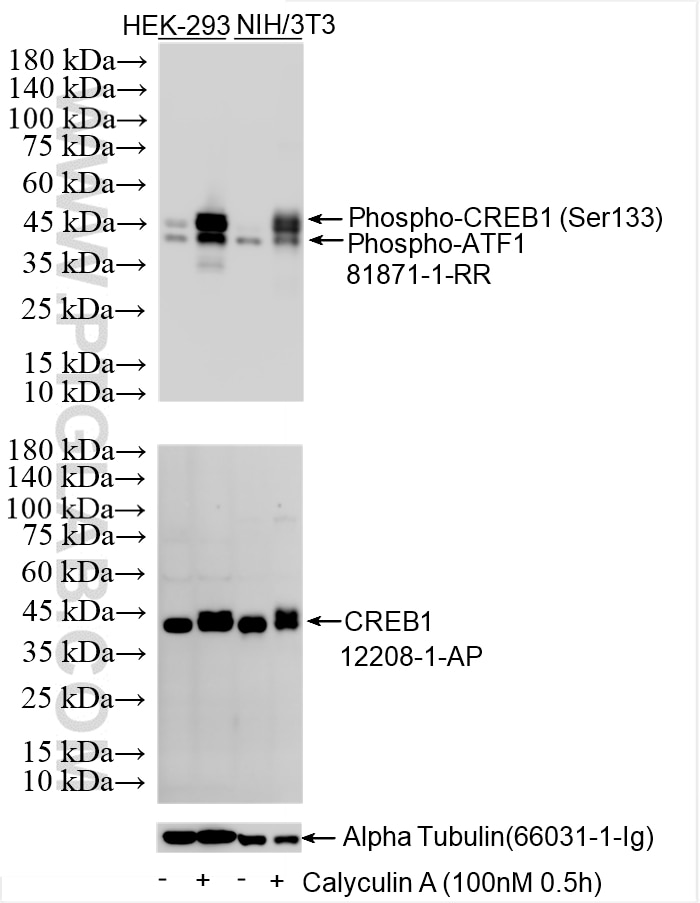
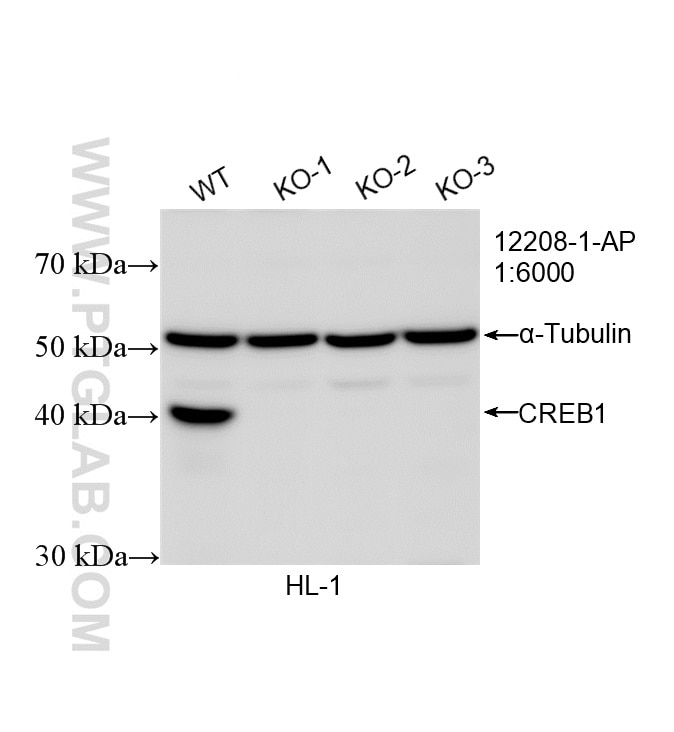
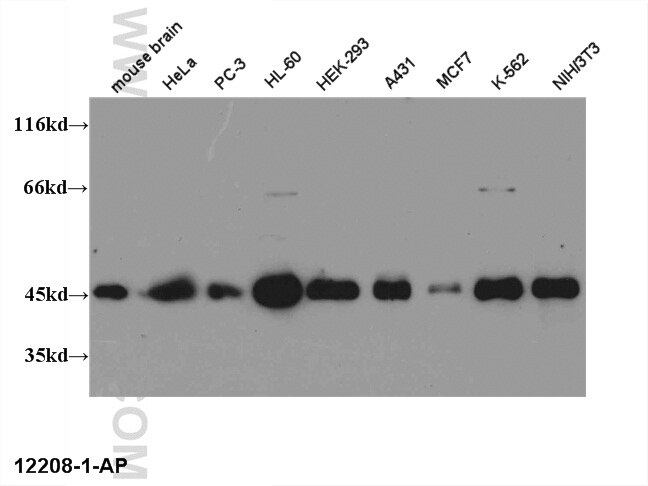
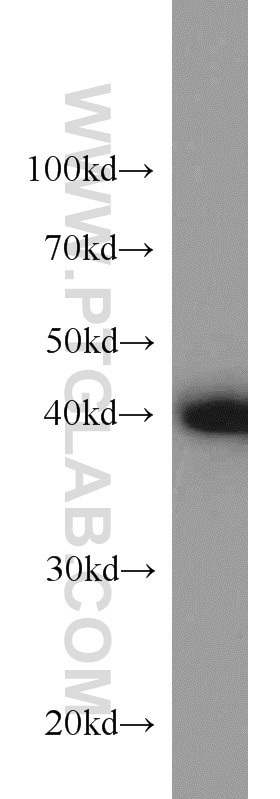
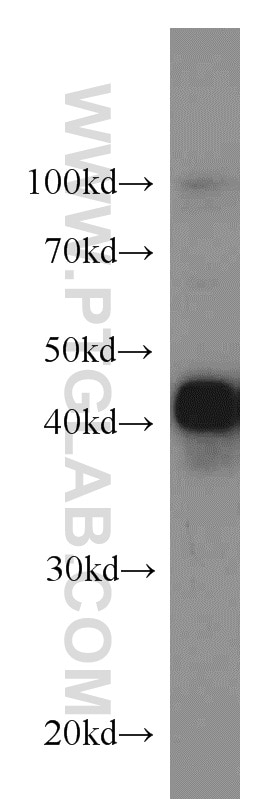
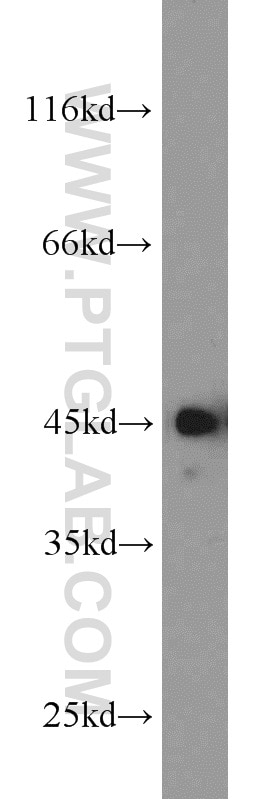
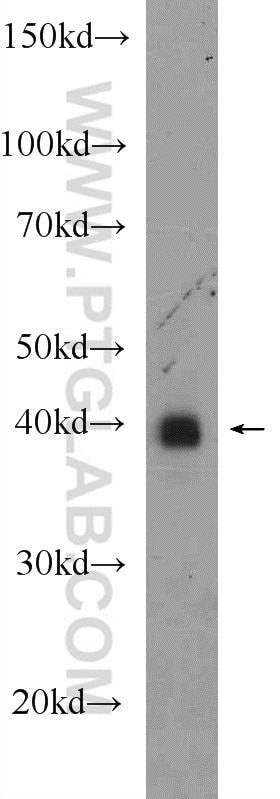
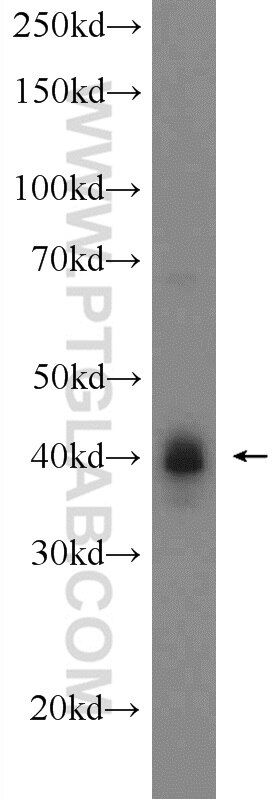
| Positive WB detected in | HEK-293 cells, COS-7 cells, Calyculin A treated HEK-293 cells, HL-1 cells, Jurkat cells, mouse brain tissue, mouse lung tissue, multi-cells/tissue, rat brain tissue, HeLa cells, HepG2 cells, NIH/3T3 cells, PC-12 cells, WB result of FTO antibody (12208-1-AP; 1:6000; room temperature for 1.5 hours) with wild-type and CREB1 knockout HL-1 cells., PC-3 cells, HL-60 cells, A431 cells, MCF-7 cells, K-562 cells |
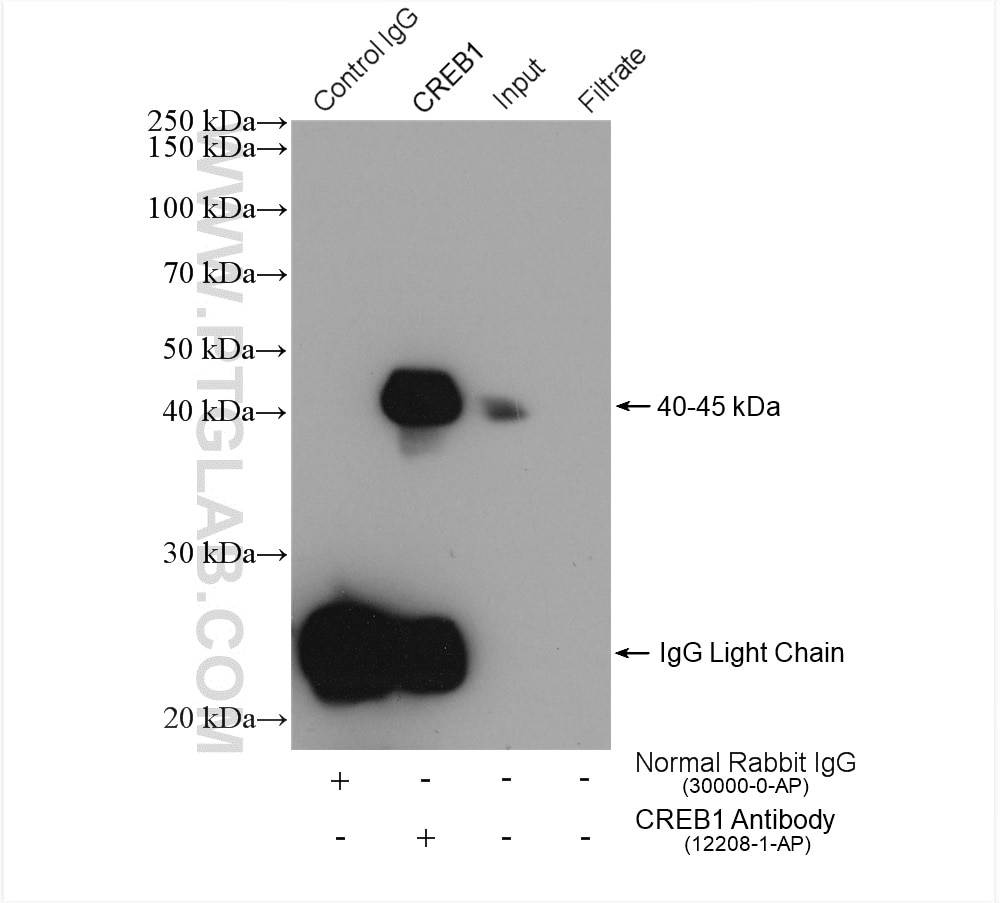
| Positive IP detected in | HEK-293 cells |
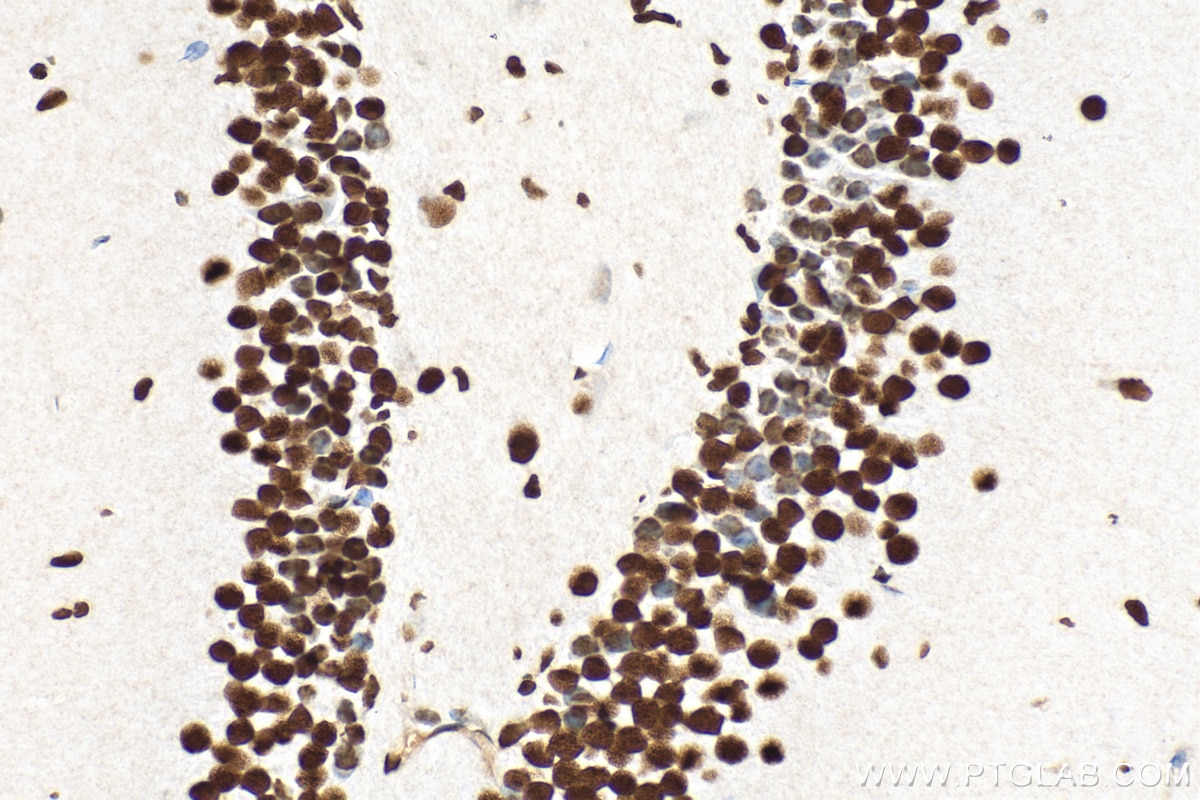
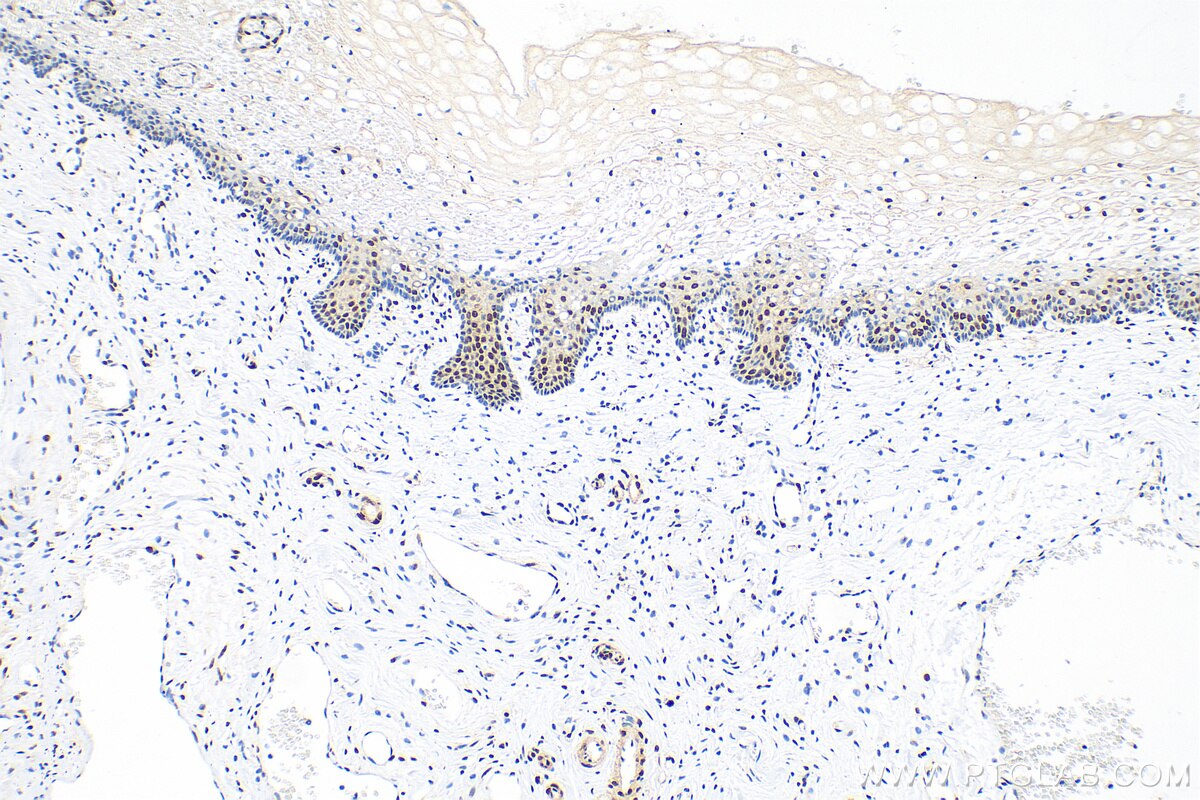
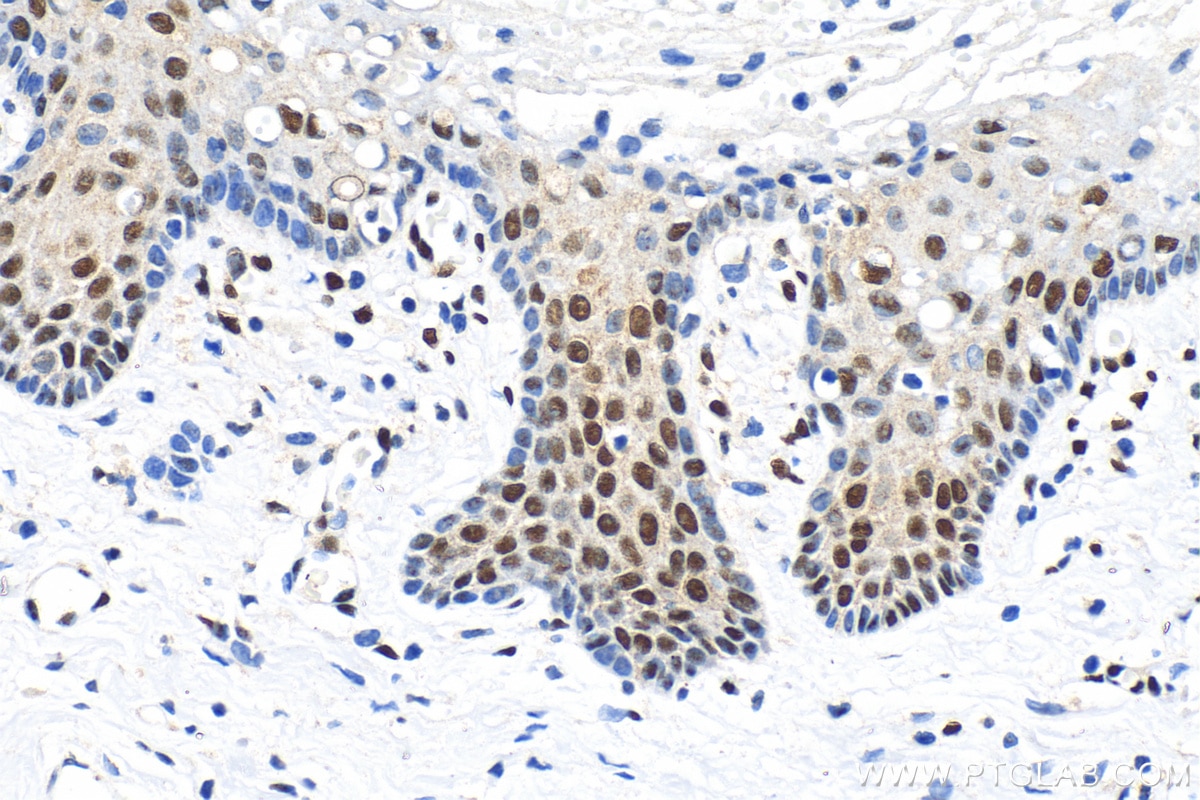
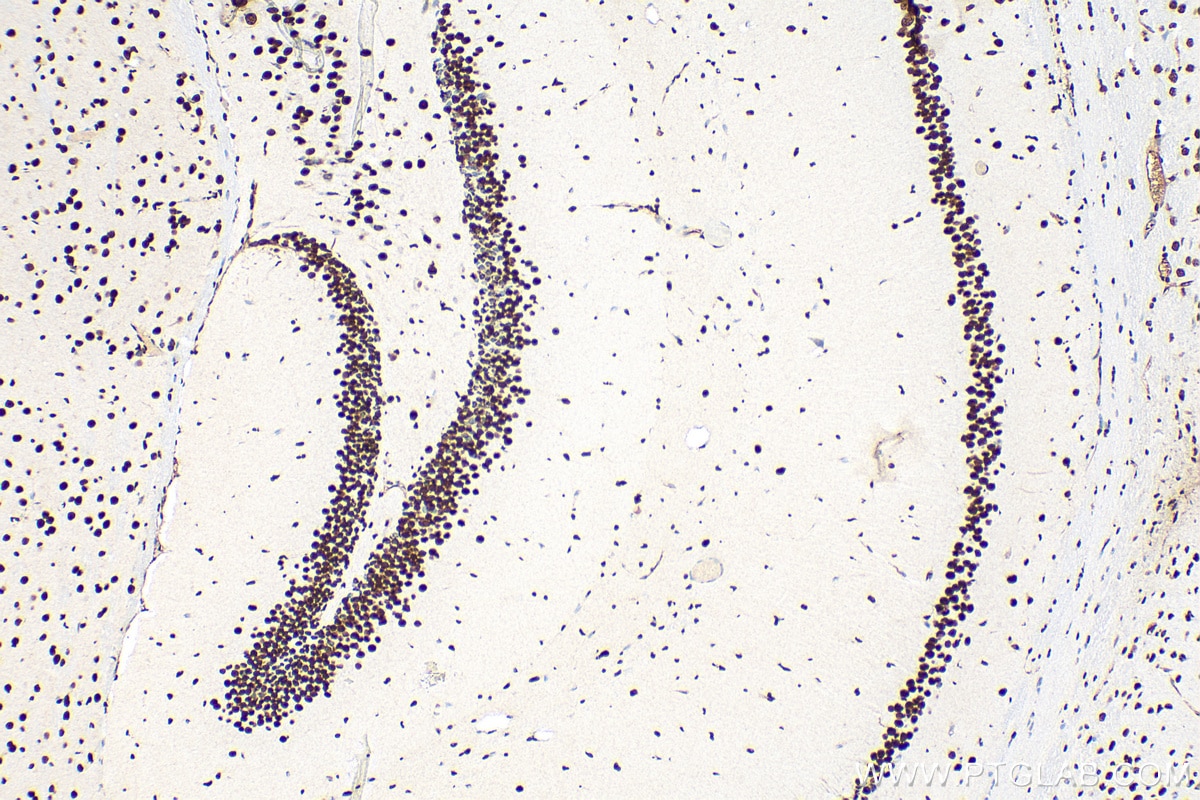
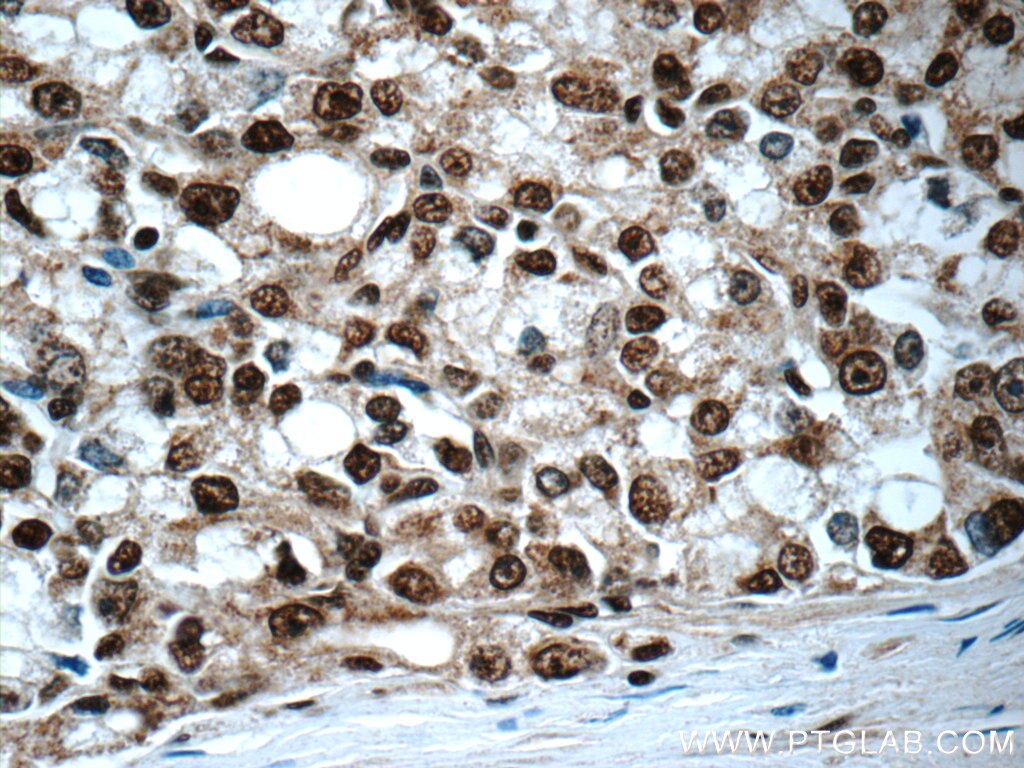
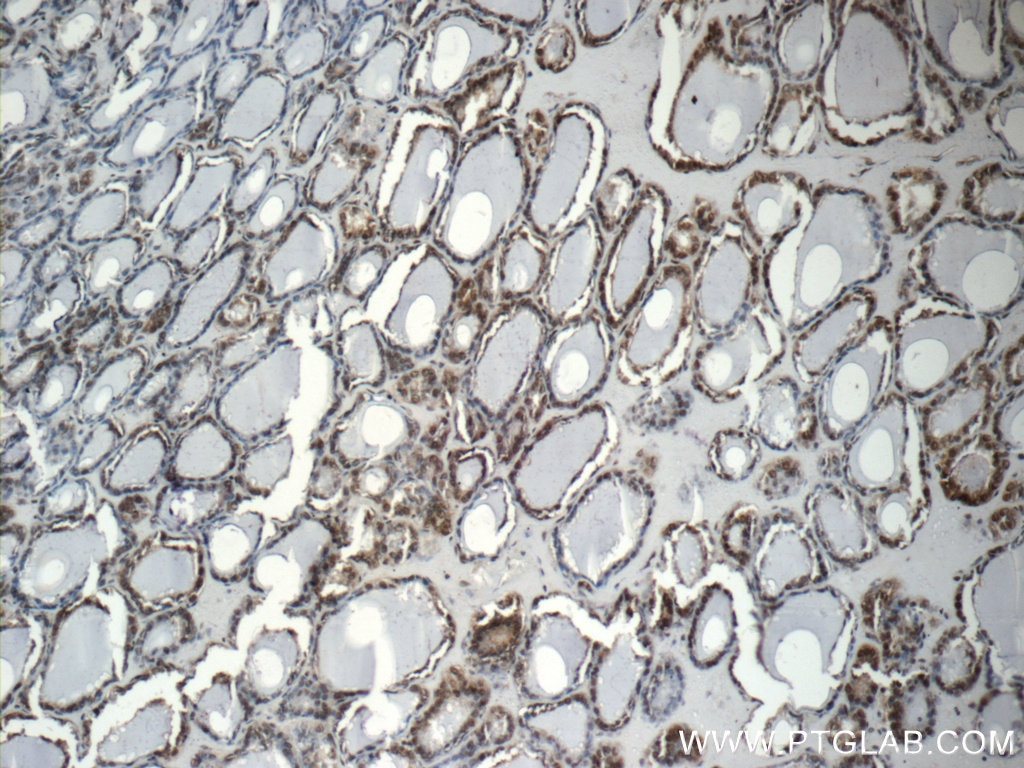
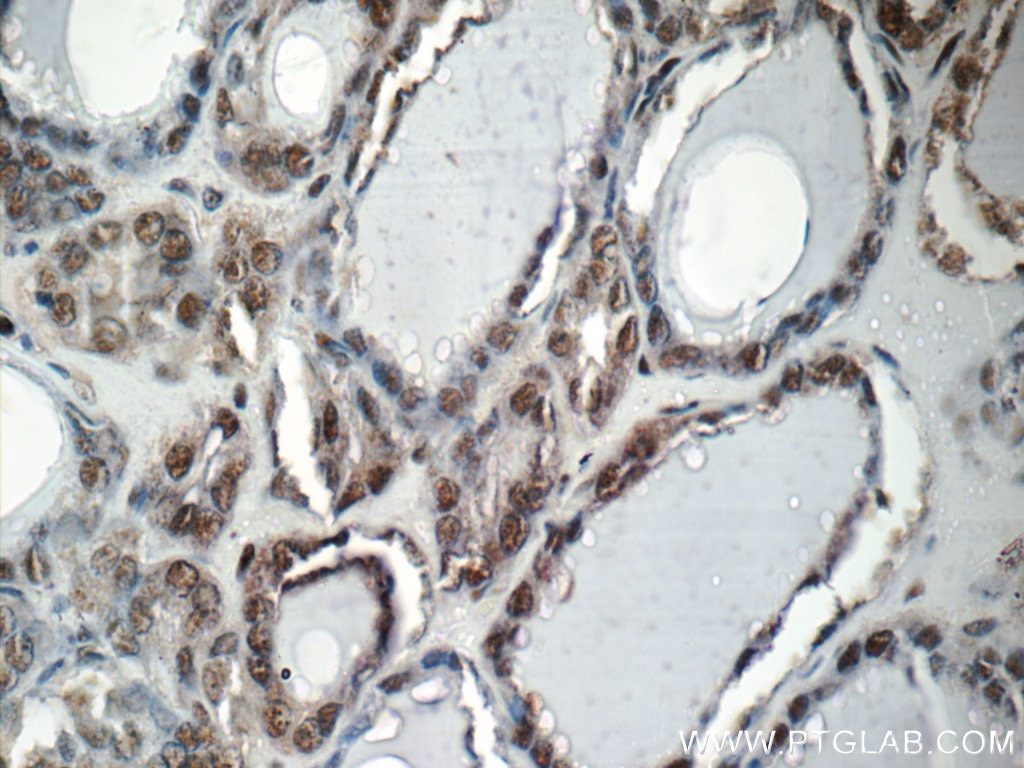
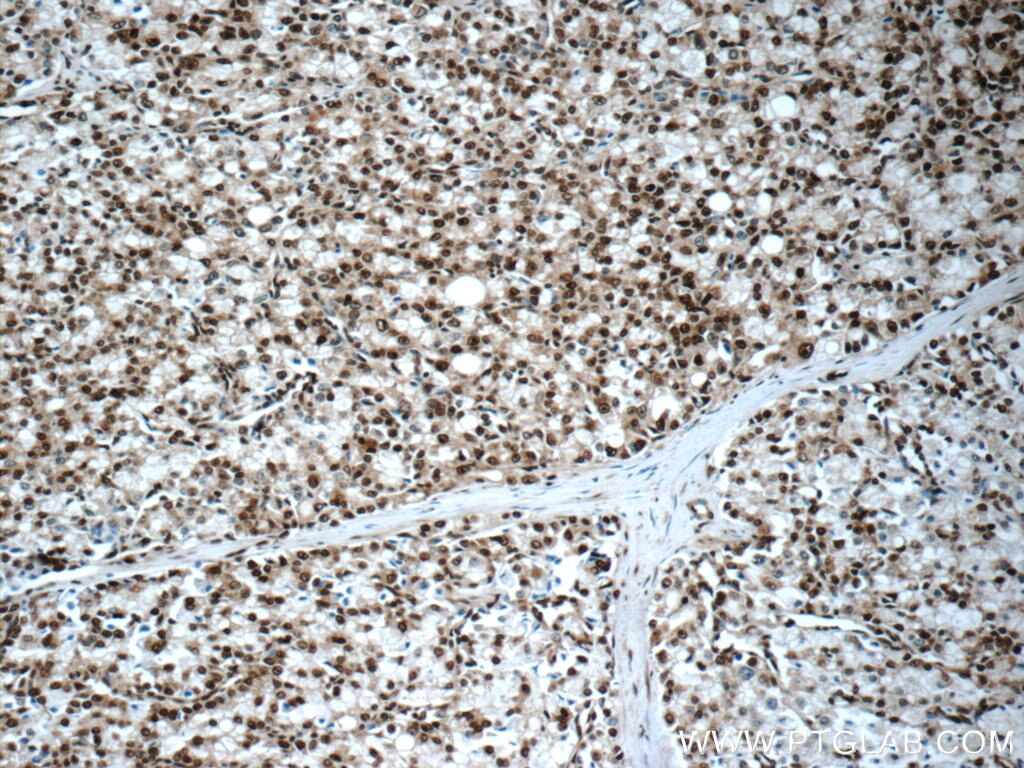
| Positive IHC detected in | mouse brain tissue, human cervical cancer tissue, human prostate cancer tissue, human thyroid tissue Note: suggested antigen retrieval with TE buffer pH 9.0; (*) Alternatively, antigen retrieval may be performed with citrate buffer pH 6.0 |
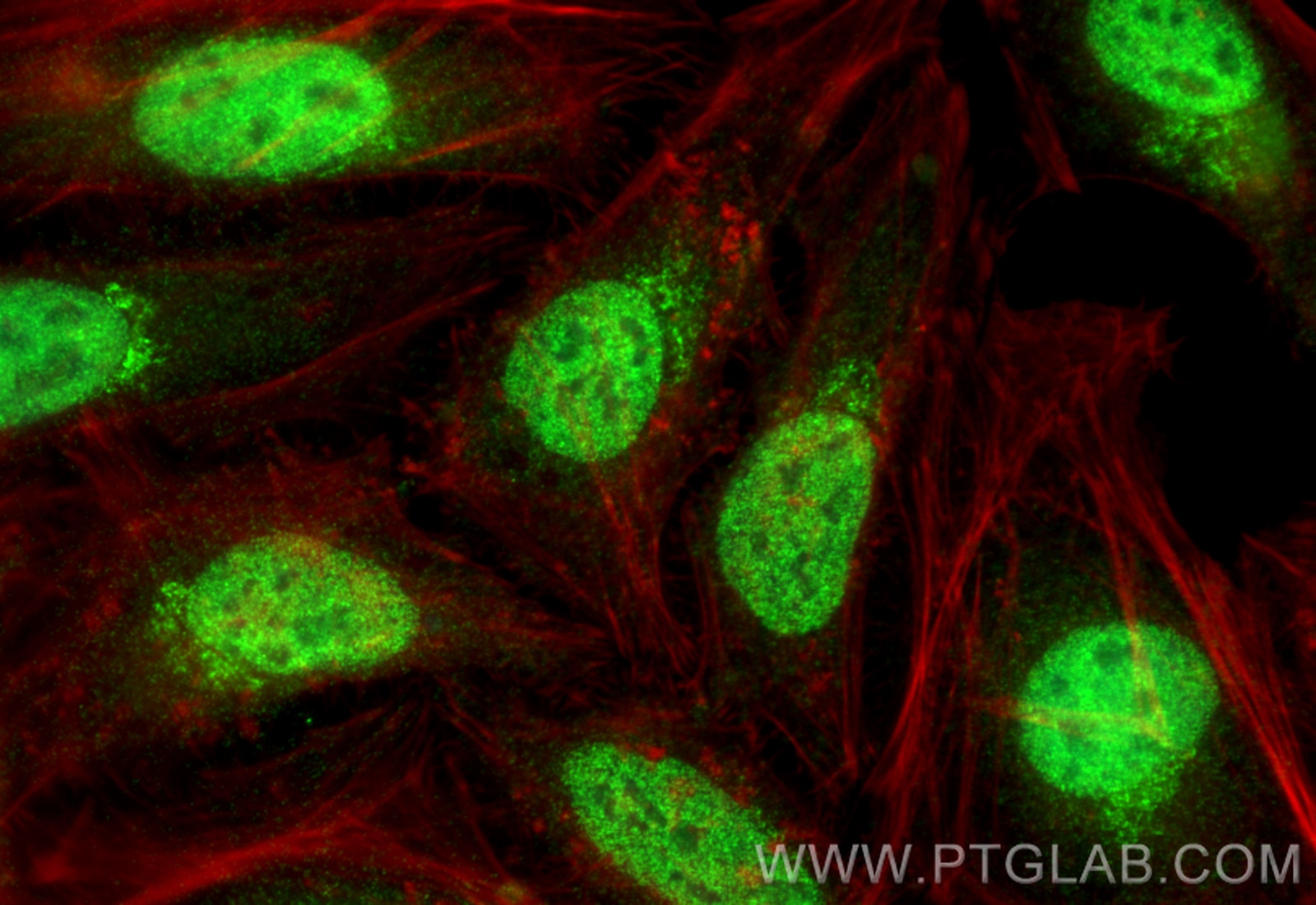
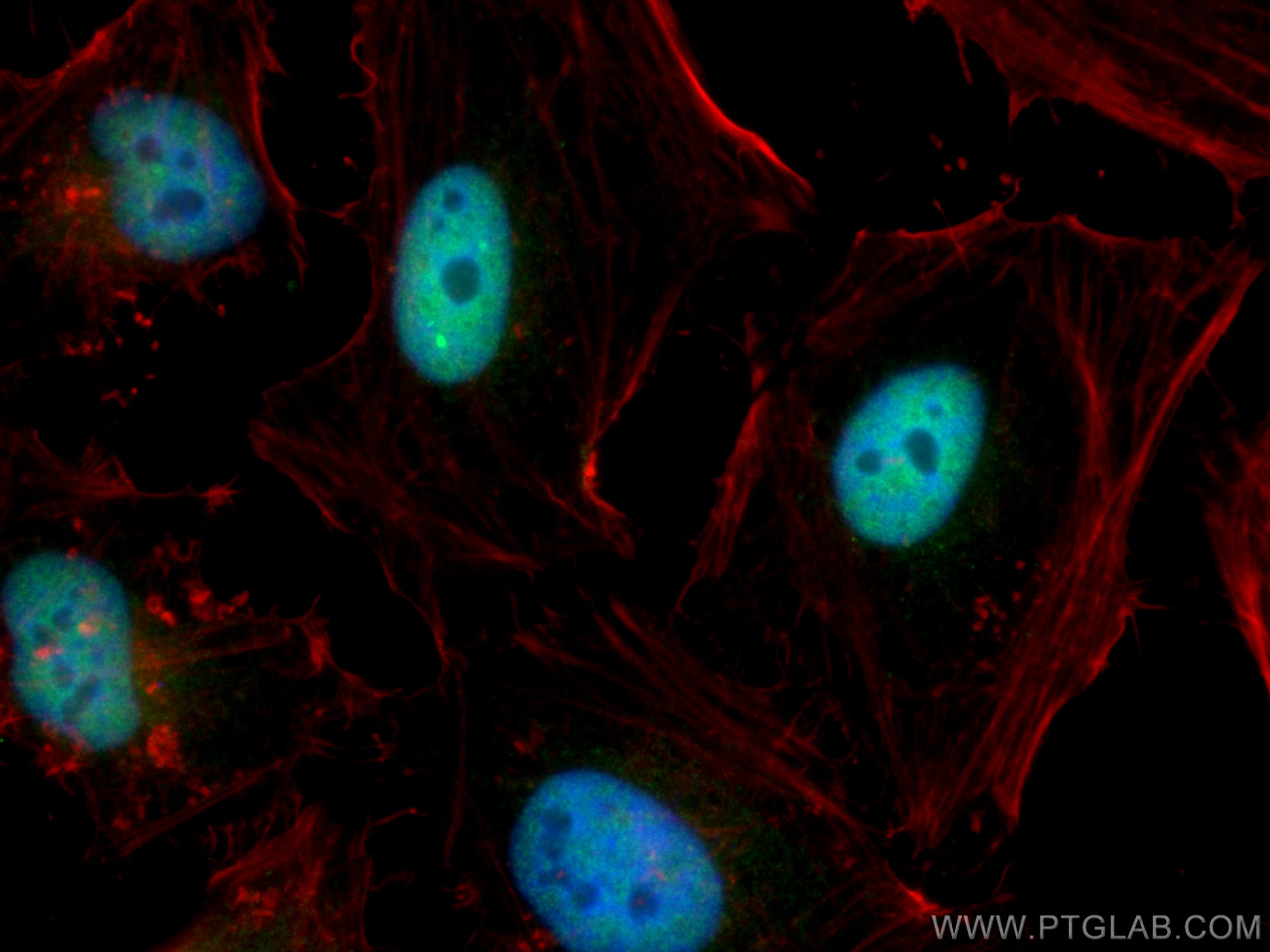
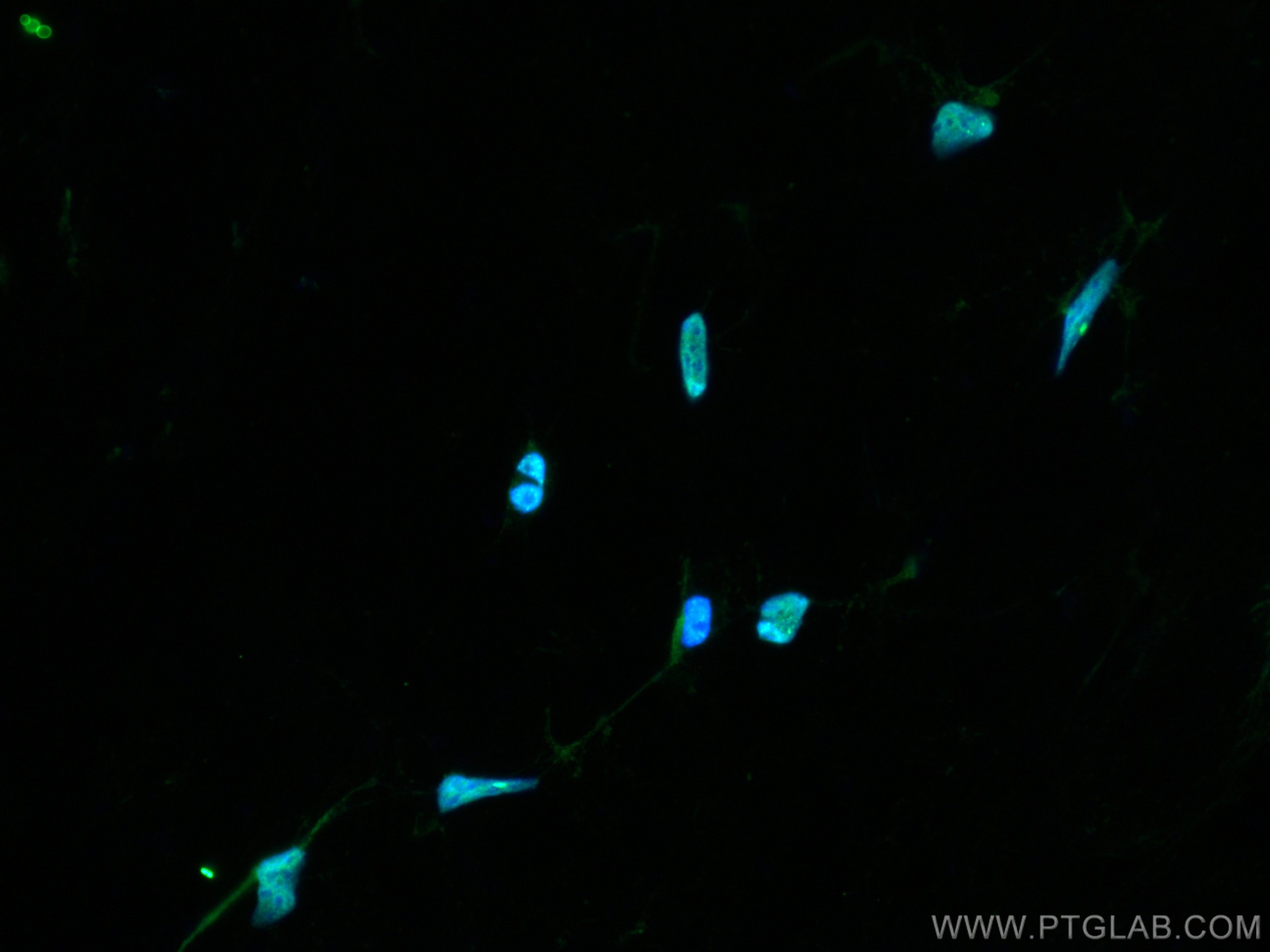
| Positive IF/ICC detected in | HeLa cells, HEK-293 cells |
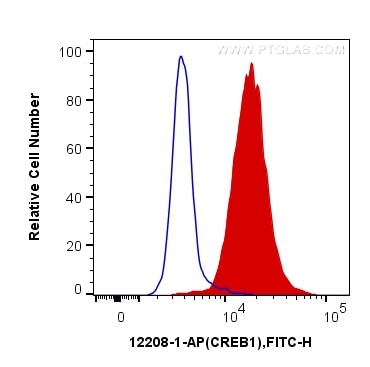
| Positive FC (Intra) detected in | HEK-293 cells |
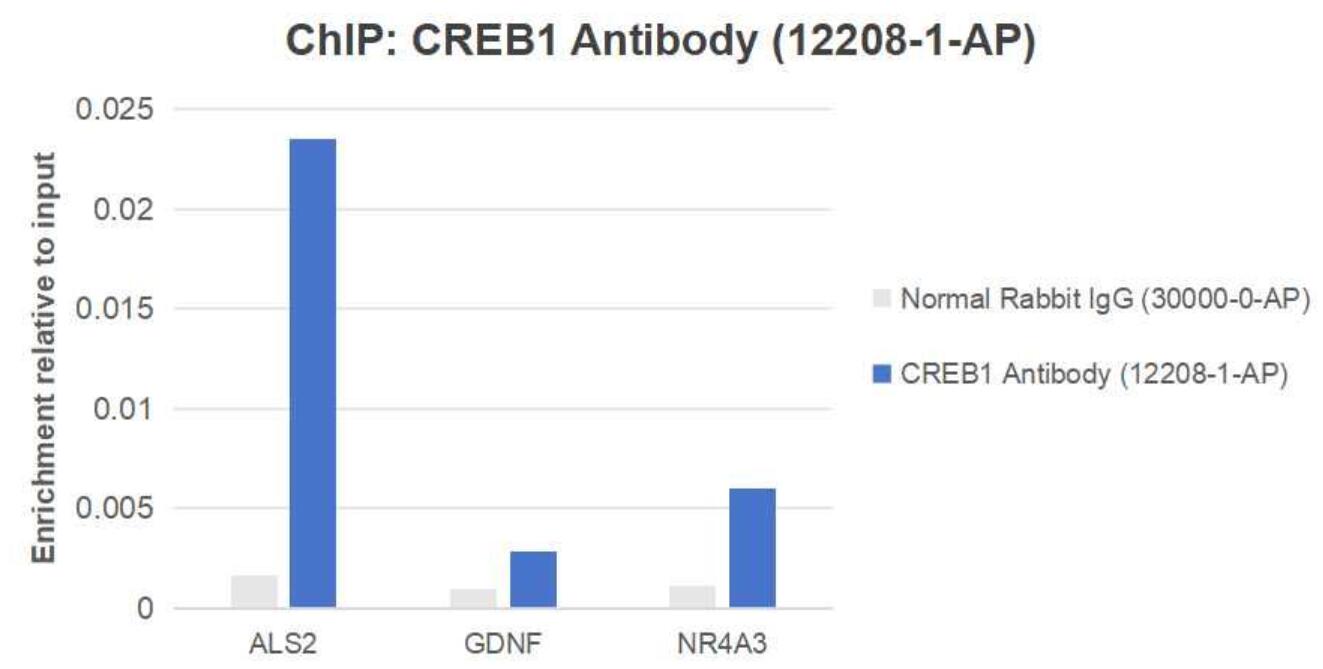
| Positive ChIP detected in | HEK-293 cells |
Recommended dilution
| Application | Dilution |
|---|---|
| Western Blot (WB) | WB : 1:2000-1:12000 |
| Immunoprecipitation (IP) | IP : 0.5-4.0 ug for 1.0-3.0 mg of total protein lysate |
| Immunohistochemistry (IHC) | IHC : 1:500-1:2000 |
| Immunofluorescence (IF)/ICC | IF/ICC : 1:400-1:1600 |
| Flow Cytometry (FC) (INTRA) | FC (INTRA) : 0.25 ug per 10^6 cells in a 100 µl suspension |
| Chromatin immunoprecipitation (ChIP) | CHIP : 1:10-1:100 |
| It is recommended that this reagent should be titrated in each testing system to obtain optimal results. | |
| Sample-dependent, Check data in validation data gallery. | |
Product Information
12208-1-AP targets CREB1 in WB, IHC, IF/ICC, FC (Intra), IP, CoIP, ChIP, RIP, ELISA applications and shows reactivity with human, mouse, rat, monkey samples.
| Tested Reactivity | human, mouse, rat, monkey |
| Cited Reactivity | human, mouse, rat, chicken, sheep, goat, sea cucumbers |
| Host / Isotype | Rabbit / IgG |
| Class | Polyclonal |
| Type | Antibody |
| Immunogen |
CatNo: Ag2852 Product name: Recombinant human CREB1 protein Source: e coli.-derived, PGEX-4T Tag: GST Domain: 1-341 aa of BC010636 Sequence: MTMESGAENQQSGDAAVTEAENQQMTVQAQPQIATLAQVSMPAAHATSSAPTVTLVQLPNGQTVQVHGVIQAAQPSVIQSPQVQTVQSSCKDLKRLFSGTQISTIAESEDSQESVDSVTDSQKRREILSRRPSYRKILNDLSSDAPGVPRIEEEKSEEETSAPAITTVTVPTPIYQTSSGQYIAITQGGAIQLANNGTDGVQGLQTLTMTNAAATQPGTTILQYAQTTDGQQILVPSNQVVVQAASGDVQTYQIRTAPTSTIAPGVVMASSPALPTQPAEEAARKREVRLMKNREAARECRRKKKEYVKCLENRVAVLENQNKTLIEELKALKDLYCHKSD Predict reactive species |
| Full Name | cAMP responsive element binding protein 1 |
| Calculated Molecular Weight | 341 aa, 35 kDa |
| Observed Molecular Weight | 43-46 kDa |
| GenBank Accession Number | BC010636 |
| Gene Symbol | CREB1 |
| Gene ID (NCBI) | 1385 |
| RRID | AB_2245417 |
| Conjugate | Unconjugated |
| Form | Liquid |
| Purification Method | Antigen affinity purification |
| UNIPROT ID | P16220 |
| Storage Buffer | PBS with 0.02% sodium azide and 50% glycerol, pH 7.3. |
| Storage Conditions | Store at -20°C. Stable for one year after shipment. Aliquoting is unnecessary for -20oC storage. 20ul sizes contain 0.1% BSA. |
Background Information
CREB1, also named as CREB, belongs to the bZIP family, containing one bZIP domain and one KID (kinase-inducible) domain. This protein binds the cAMP response element (CRE), a sequence present in many viral and cellular promoters. CREB stimulates transcription on binding to the CRE. This protein is stimulated by phosphorylation. Phosphorylation of both Ser-133 and Ser-142 in the SCN regulates the activity of CREB and participates in circadian rhythm generation. Phosphorylation of Ser-133 allows CREBBP binding. Transcription activation is enhanced by the TORC coactivators which act independently of Ser-133 phosphorylation. CREB1 is sumoylated by SUMO1. Sumoylation on Lys-304, but not on Lys-285, is required for nuclear localization of this protein. Sumoylation is enhanced under hypoxia, promoting nuclear localization and stabilization. Defects in CREB1 may be a cause of angiomatoid fibrous histiocytoma (AFH), a distinct variant of malignant fibrous histiocytoma that typically occurs in children and adolescents and is manifest by nodular subcutaneous growth. A chromosomal aberration involving CREB1 is found in a patient with angiomatoid fibrous histiocytoma. Translocation t(2;22)(q33;q12) with CREB1 generates a EWSR1/CREB1 fusion gene that is most common genetic abnormality in this tumor type. CREB1 exists some isoforms and range of calculated molecular weight of isoforms are 35-37 kDa and 25 kDa, but the modified CREB1 protein is about 43 kDa (PMID: 25883219 ).
Protocols
| Product Specific Protocols | |
|---|---|
| FC protocol for CREB1 antibody 12208-1-AP | Download protocol |
| IF protocol for CREB1 antibody 12208-1-AP | Download protocol |
| IHC protocol for CREB1 antibody 12208-1-AP | Download protocol |
| IP protocol for CREB1 antibody 12208-1-AP | Download protocol |
| WB protocol for CREB1 antibody 12208-1-AP | Download protocol |
| Standard Protocols | |
|---|---|
| Click here to view our Standard Protocols |
Publications
What published studies show
The anti-CREB1 antibody (cat. no. 12208-1-AP) has accumulated 253 citations across diverse high-impact journals, including Science, Cell, Cell Metabolism, Nature Communications, Immunity, Molecular Cancer, Cancer Research, Autophagy, Neuron, and Theranostics. Research fields span oncology, neuroscience/neurodegeneration, metabolism, inflammation, endocrinology, reproductive biology, cardiovascular disease, and pharmacology. Applications are predominantly Western blot and ChIP, with some IF, IHC, and Co-IP usage across human, mouse, rat, and other species.
| Species | Application | Title |
|---|---|---|
Signal Transduct Target Ther Krüppel-like factor 4 downregulation during esophageal cancer formation facilitates immune evasion and impairs immunotherapy | ||
Science Liver ALKBH5 regulates glucose and lipid homeostasis independently through GCGR and mTORC1 signaling | ||
Cell Osr2 functions as a biomechanical checkpoint to aggravate CD8+ T cell exhaustion in tumor | ||
Mol Cancer Circular RNA MAPK4 (circ-MAPK4) inhibits cell apoptosis via MAPK signaling pathway by sponging miR-125a-3p in gliomas. | ||
Mol Cancer CircEZH2/miR-133b/IGF2BP2 aggravates colorectal cancer progression via enhancing the stability of m6A-modified CREB1 mRNA. | ||
Reviews
What customers say
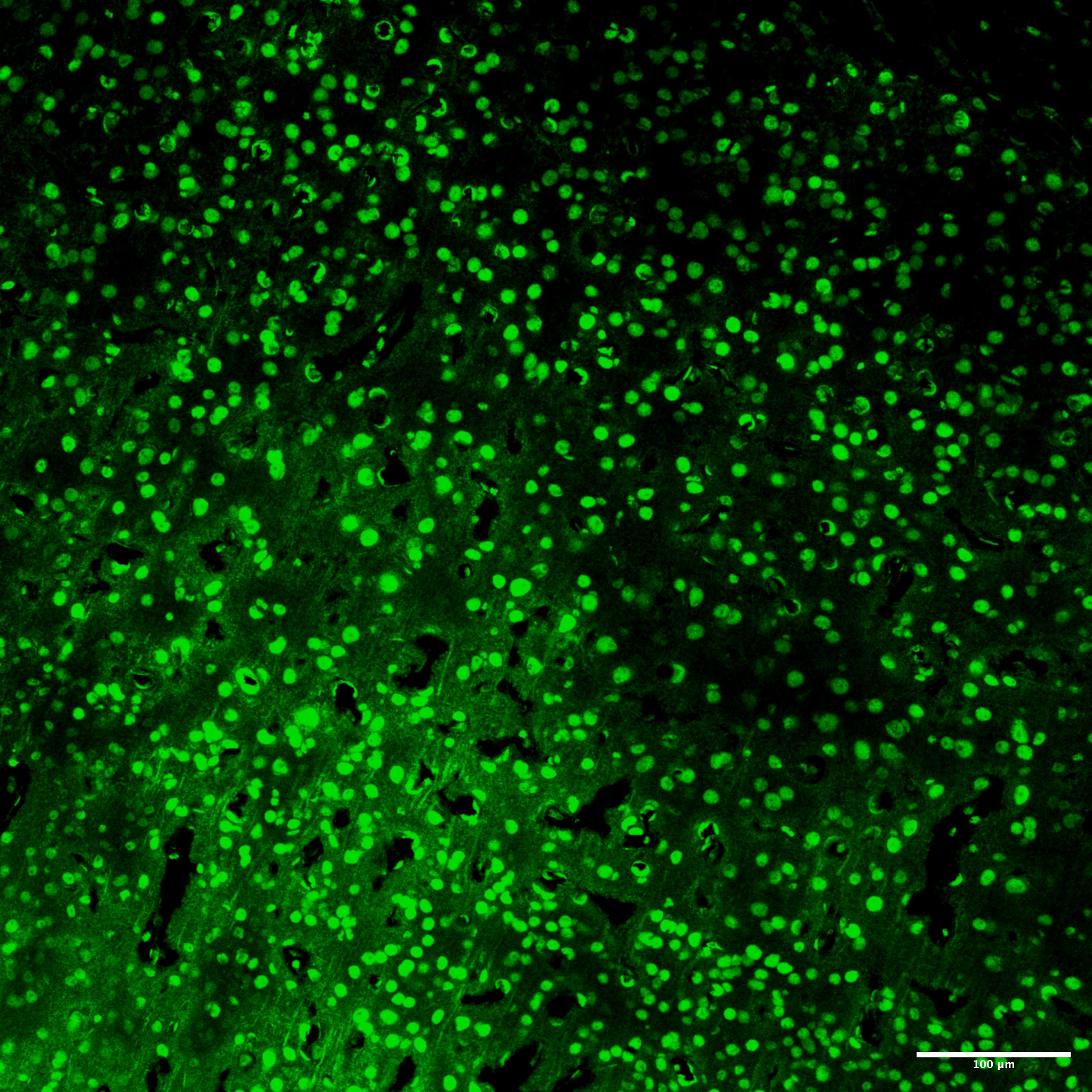
All four reviews rate this antibody 5 stars across multiple applications. Users report excellent performance in Western blot (liver tissue and HEPG2A cells) at dilutions of 1:500–1:1000, with one reviewer calling it "best for western blot." It also performs well in immunofluorescence on mouse brain tissue (cortex sections) at 1:500 and in ChIP assays using 250 ng of antibody on whole brain. Overall, reviewers are highly satisfied with its reliability and sensitivity across different experimental setups.
The reviews below have been submitted by verified Proteintech customers who received an incentive for providing their feedback.
MALLIKARJUNA (Verified Customer) (10-24-2025) | best for western blot
|
Vignesh (Verified Customer) (10-03-2025) |
|
Georgiana (Verified Customer) (01-10-2023) |
 |
Shogo (Verified Customer) (02-22-2019) | Approximately 50 mg of whole brain were applied to ChIP assay.Fragmented DNA was immunoprecipitated with the CREB antibody (250 ng) at 4 oC for overnight.
|


