

Tested Applications
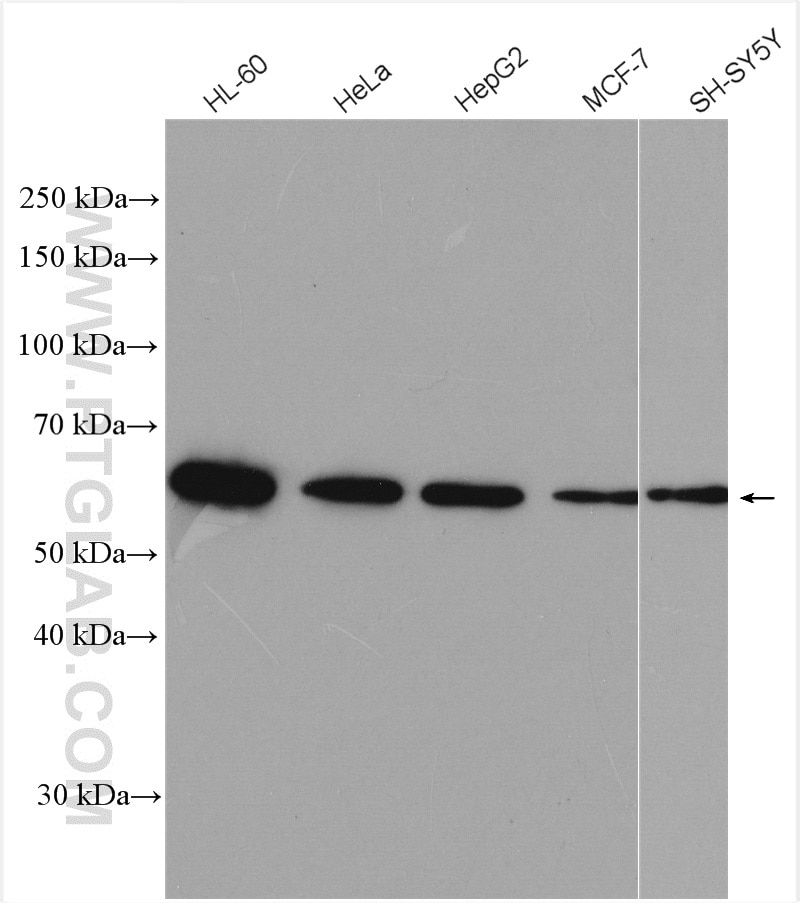
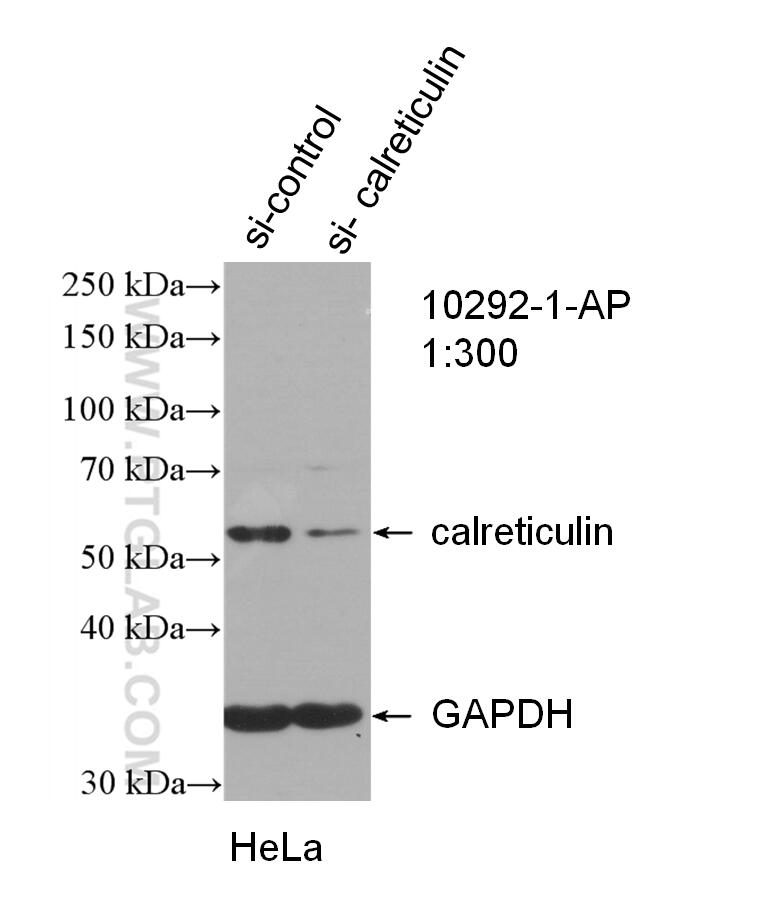
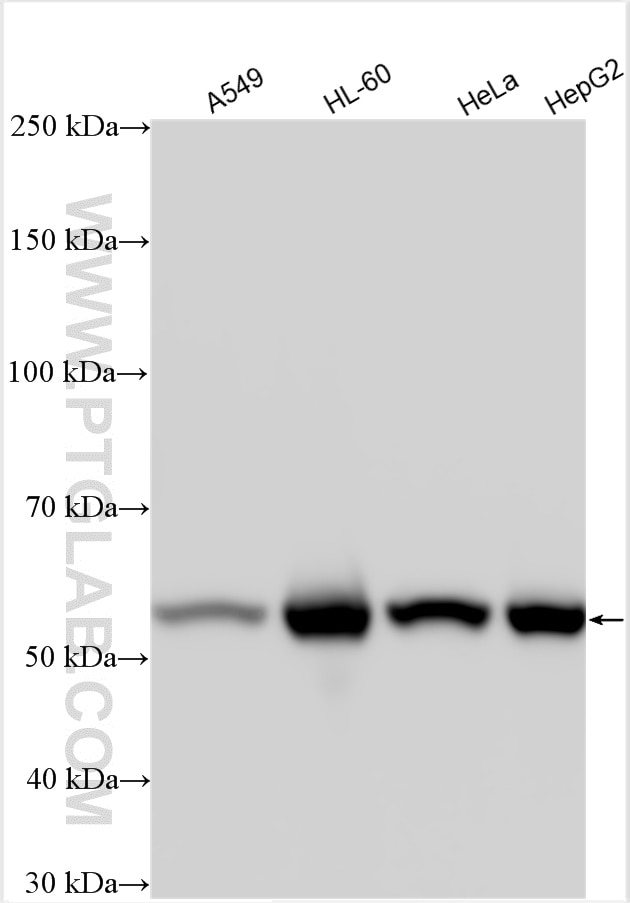
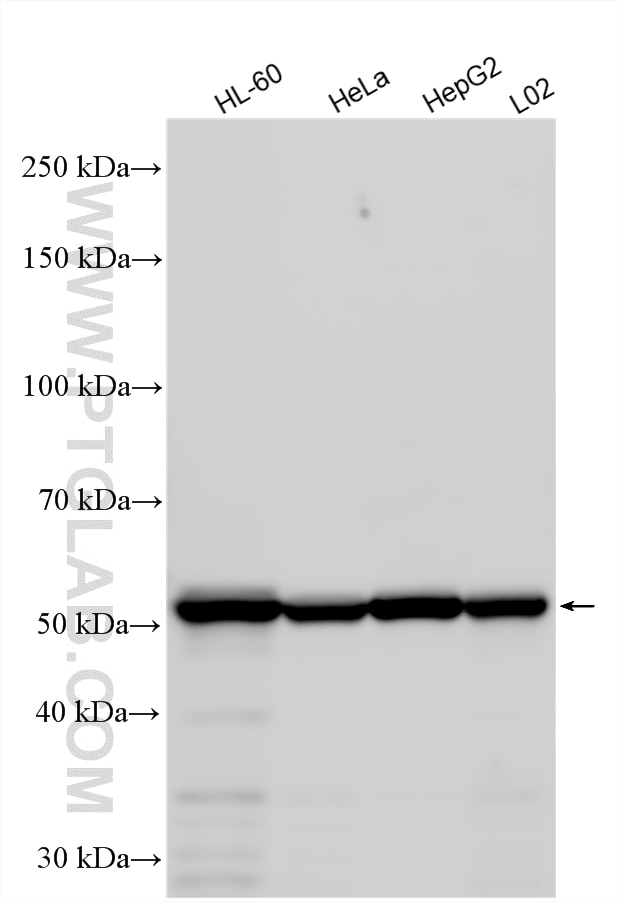
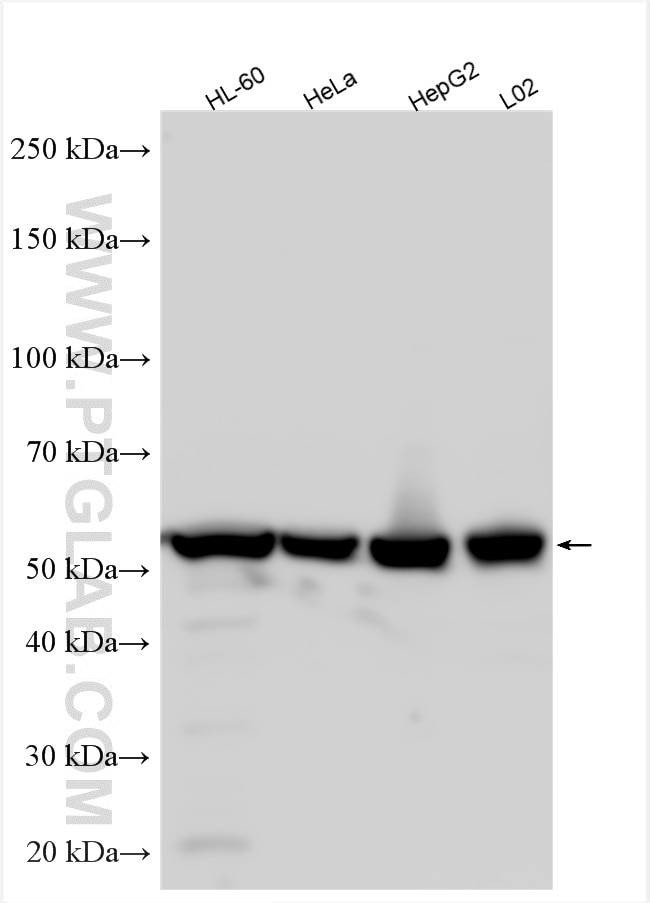
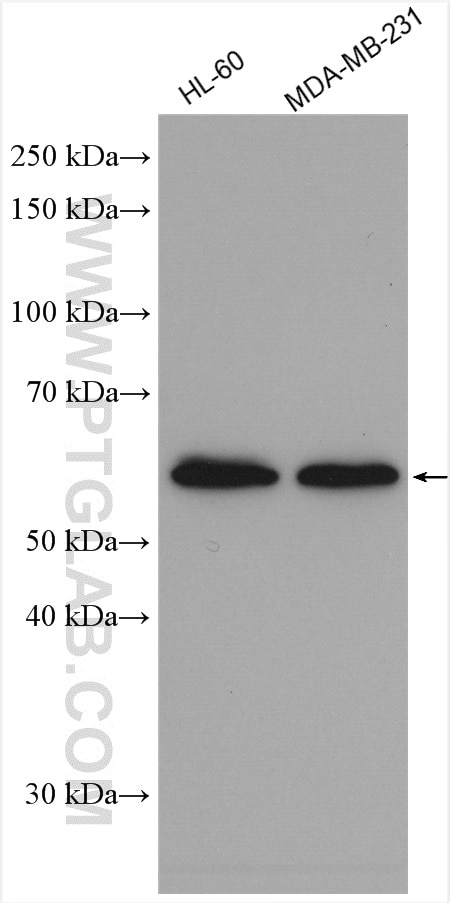
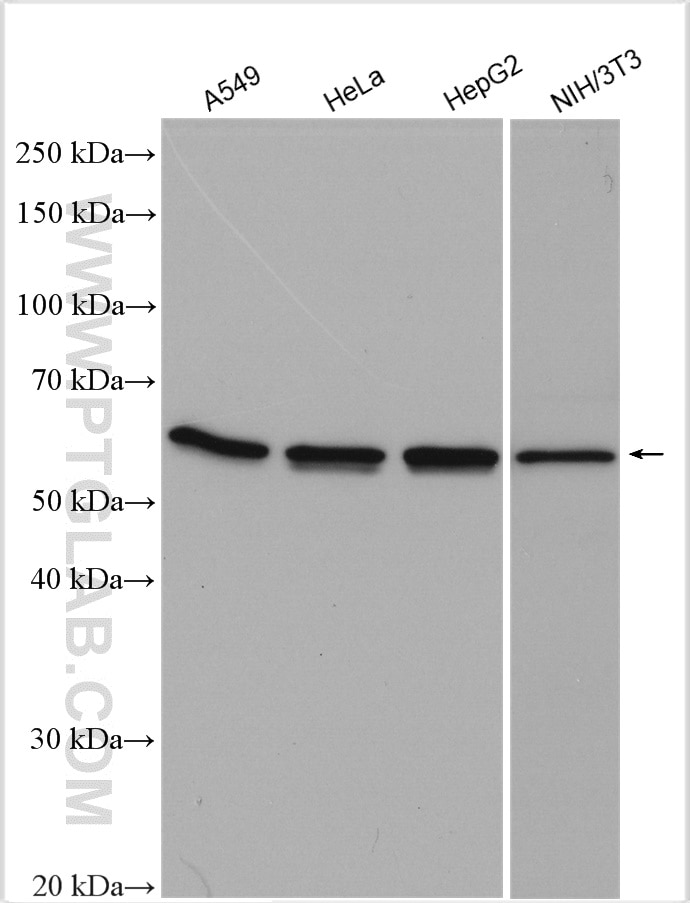
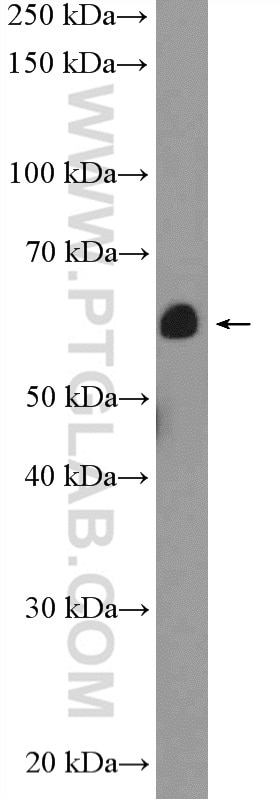
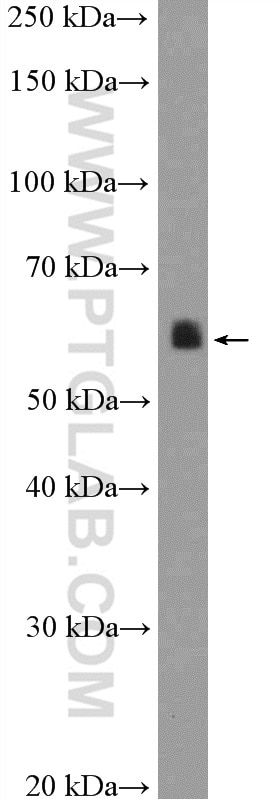
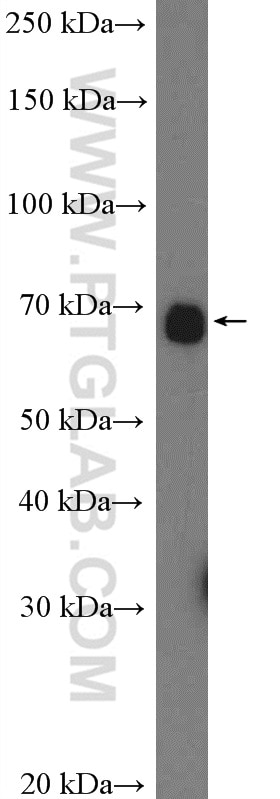
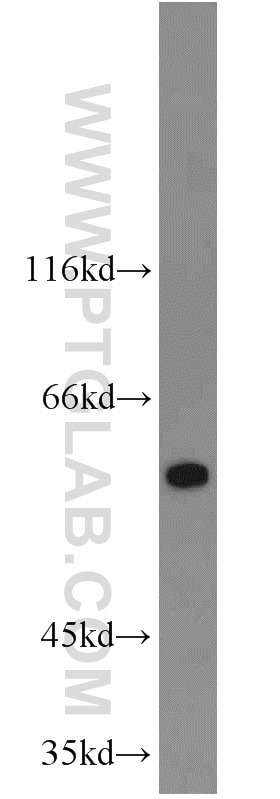
| Positive WB detected in | HL-60 cells, A549 cells, COLO 320 cells, HeLa cells, mouse brain tissue, NIH/3T3 cells, rat brain tissue, HepG2 cells, MDA-MB-231 cells, MCF-7 cells, SH-SY5Y cells, L02 cells |
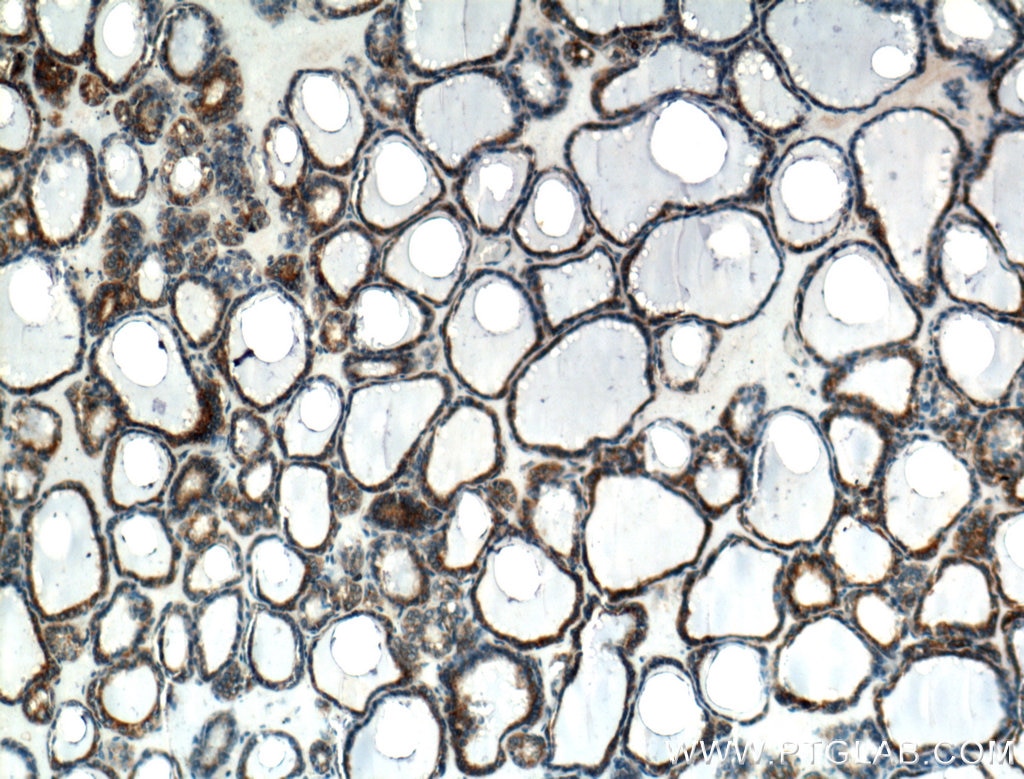
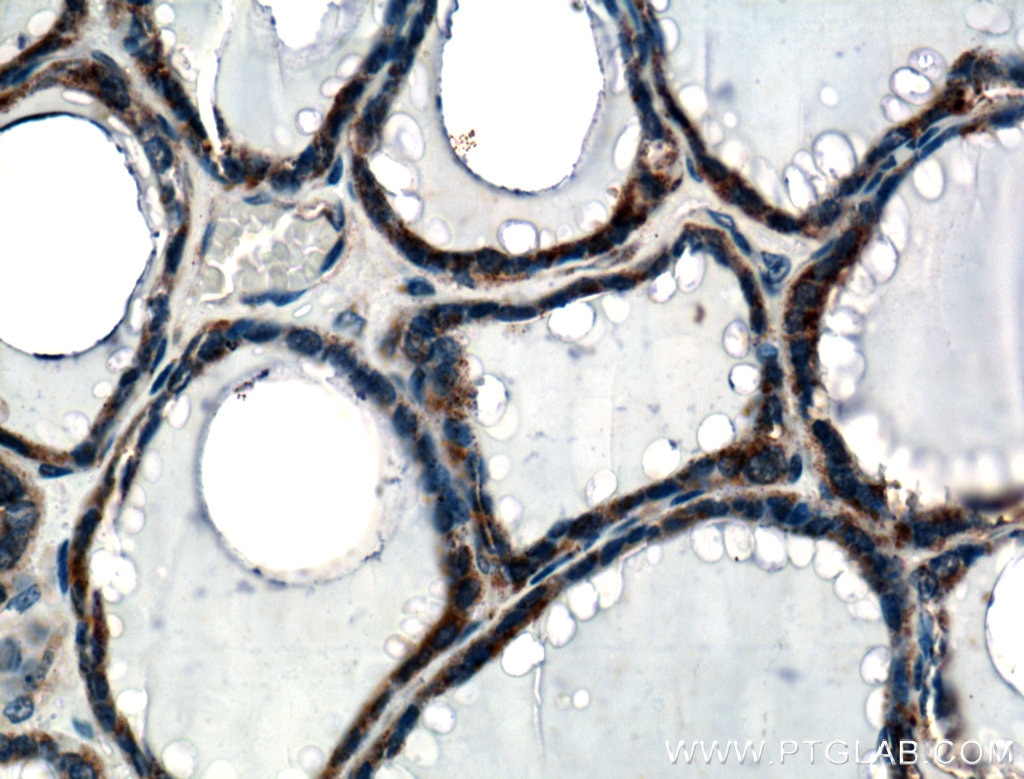
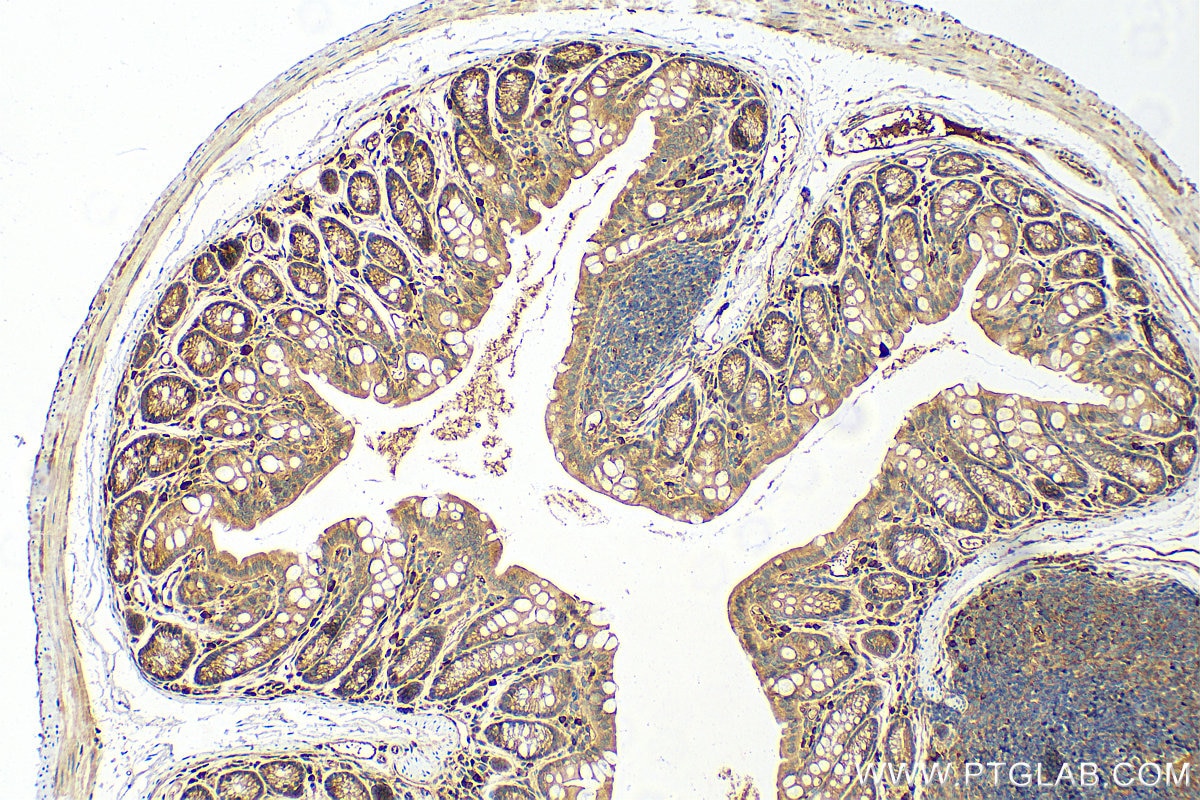
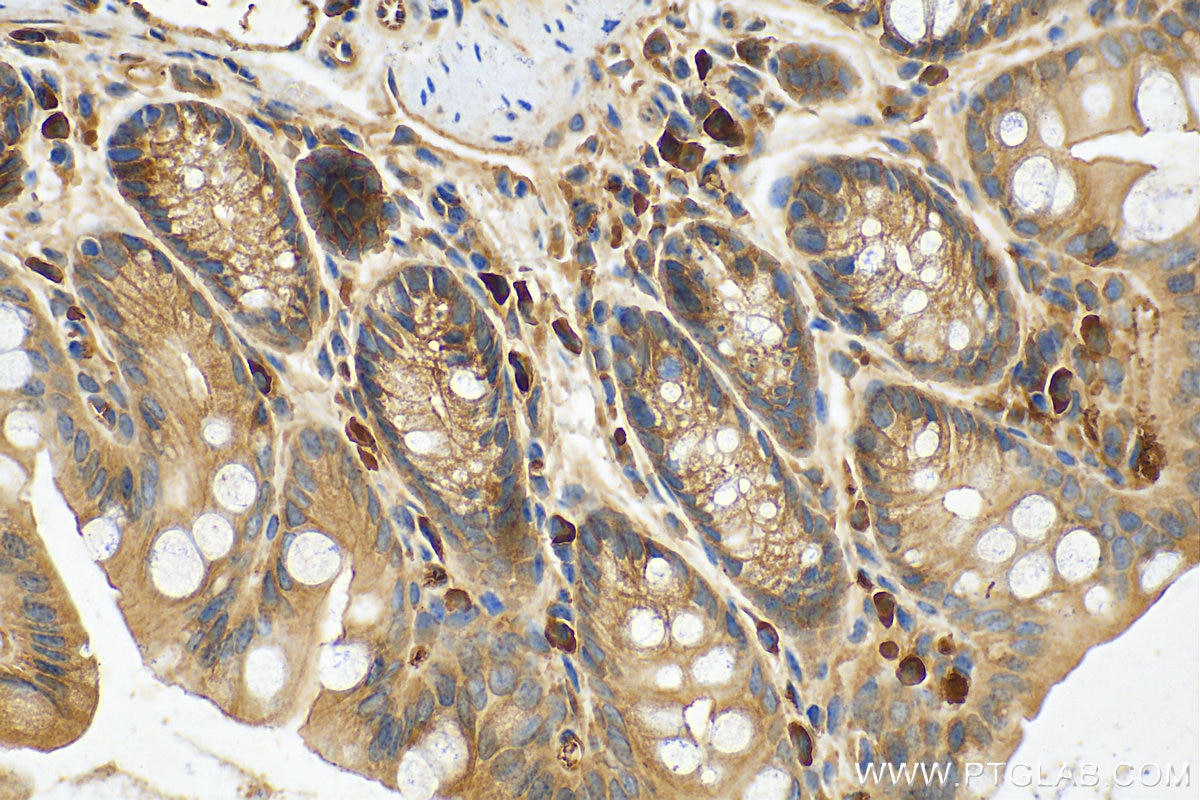
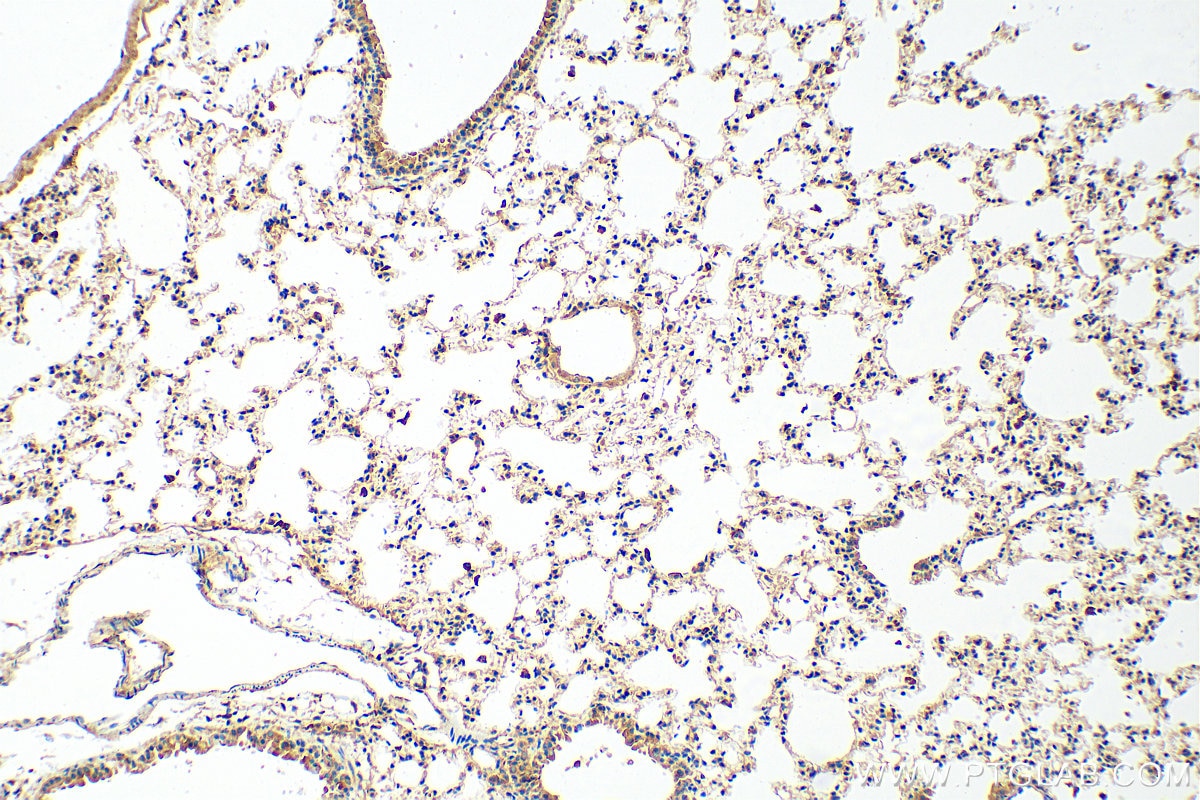
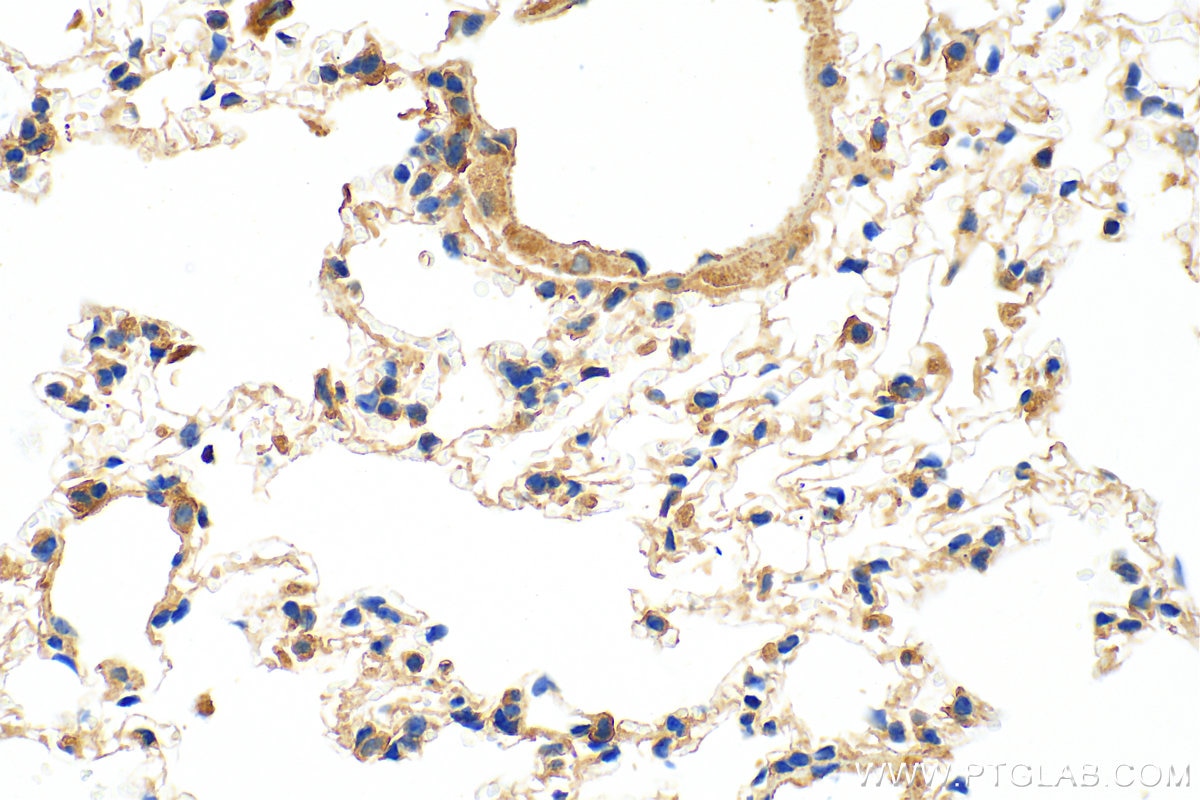
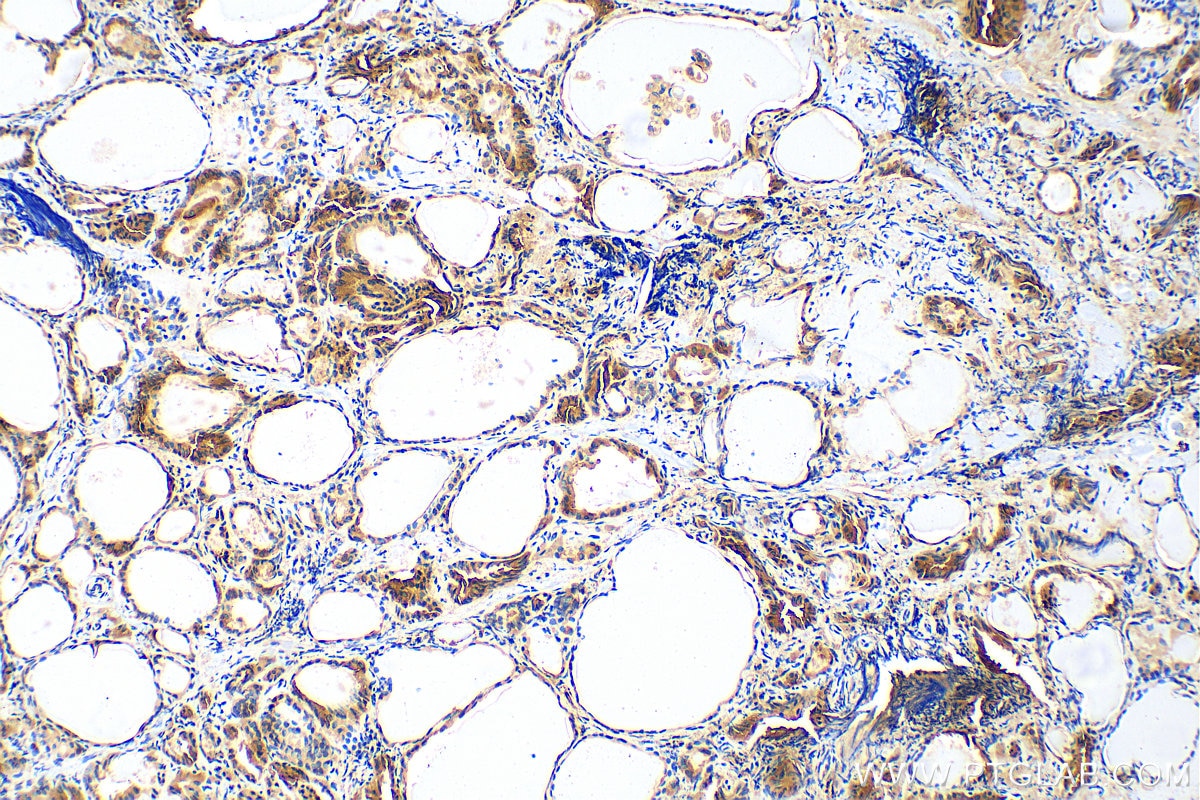
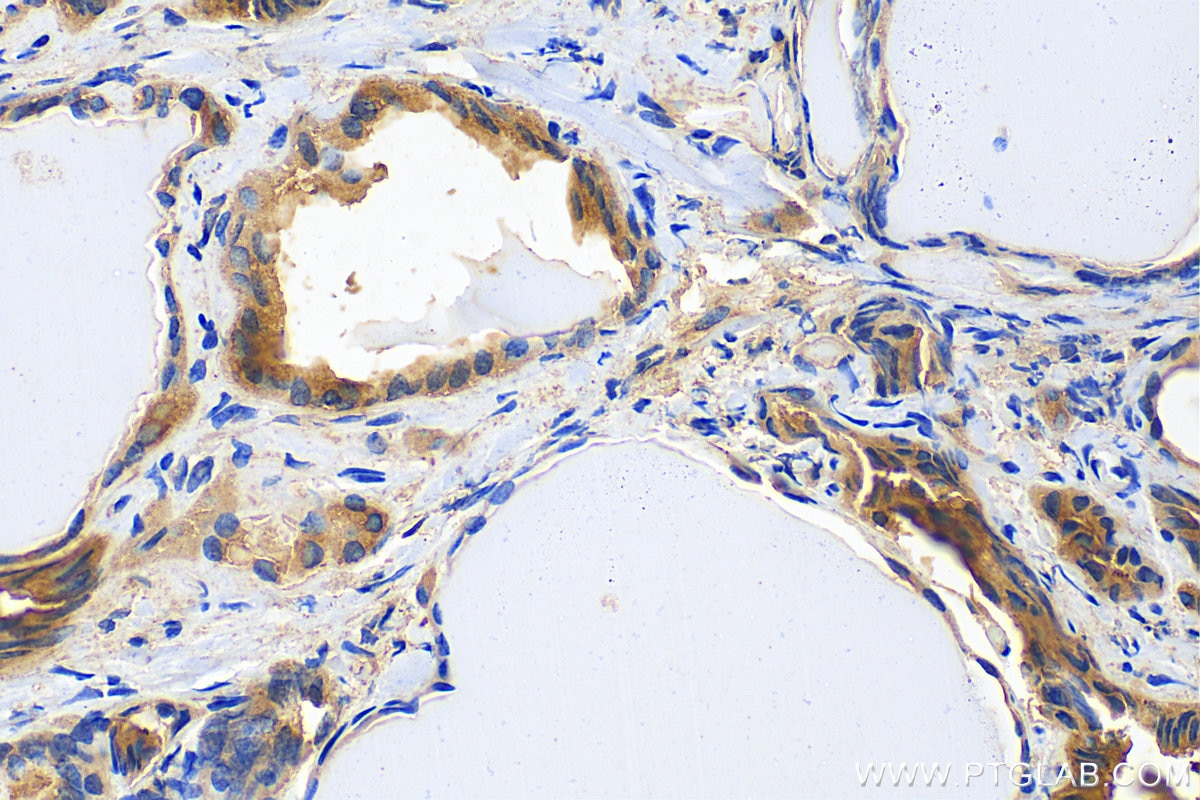
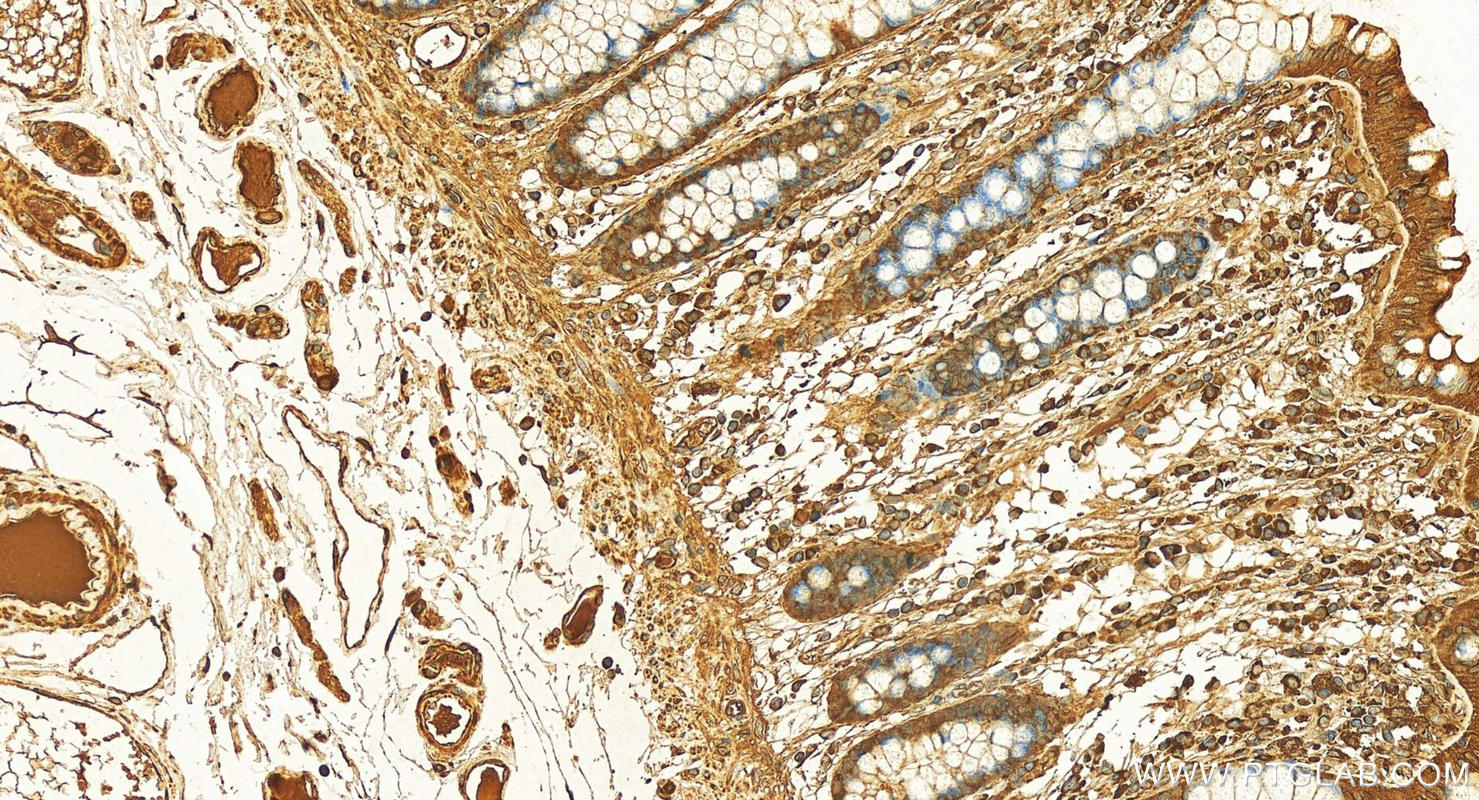
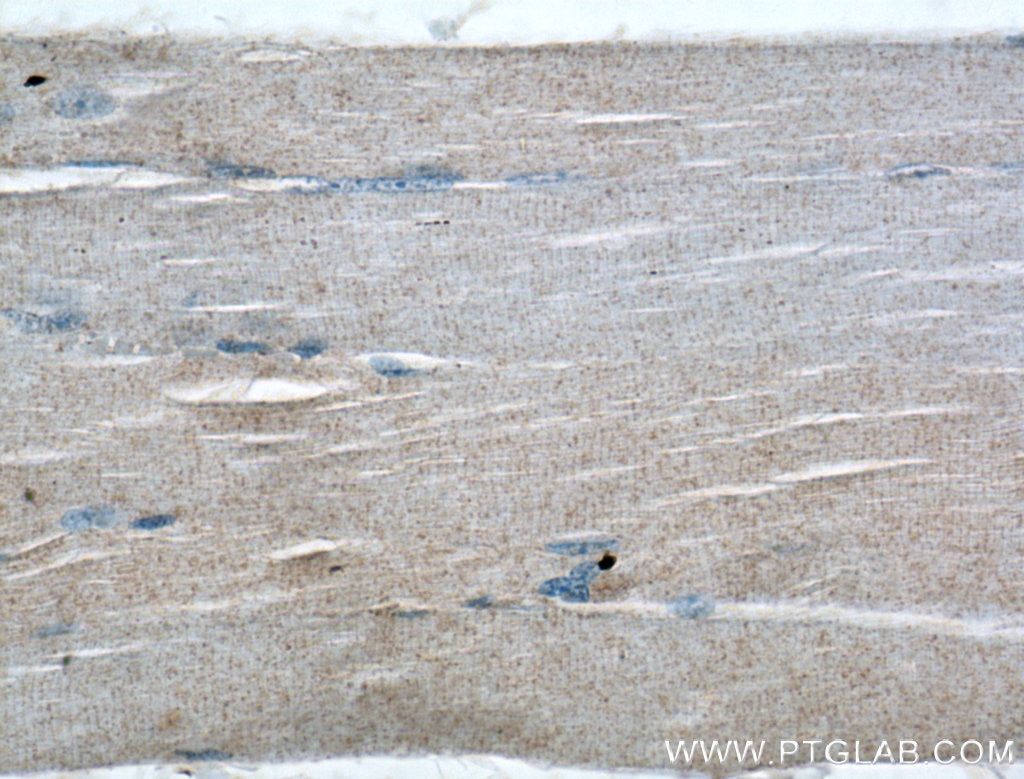
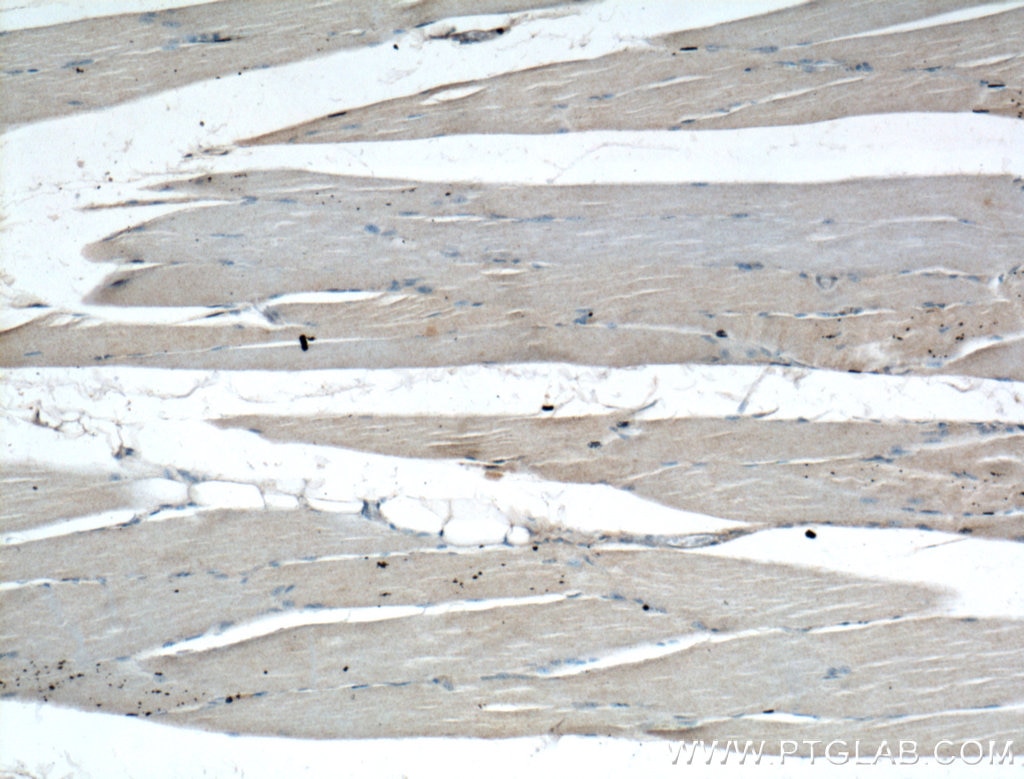
| Positive IHC detected in | human thyroid tissue, human normal colon, human skeletal muscle tissue, human thyroid cancer tissue, mouse colon tissue, mouse lung tissue Note: suggested antigen retrieval with TE buffer pH 9.0; (*) Alternatively, antigen retrieval may be performed with citrate buffer pH 6.0 |
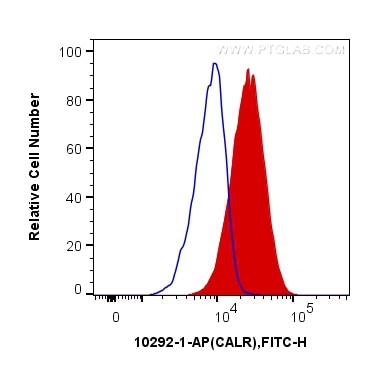
| Positive FC (Intra) detected in | Jurkat cells |
Recommended dilution
| Application | Dilution |
|---|---|
| Western Blot (WB) | WB : 1:1000-1:10000 |
| Immunohistochemistry (IHC) | IHC : 1:50-1:500 |
| Flow Cytometry (FC) (INTRA) | FC (INTRA) : 0.40 ug per 10^6 cells in a 100 µl suspension |
| It is recommended that this reagent should be titrated in each testing system to obtain optimal results. | |
| Sample-dependent, Check data in validation data gallery. | |
Product Information
10292-1-AP targets calreticulin in WB, IHC, FC (Intra), CoIP, ELISA applications and shows reactivity with human, mouse, rat samples.
| Tested Reactivity | human, mouse, rat |
| Cited Reactivity | human, mouse, rat, goat |
| Host / Isotype | Rabbit / IgG |
| Class | Polyclonal |
| Type | Antibody |
| Immunogen |
CatNo: Ag0325 Product name: Recombinant human calreticulin protein Source: e coli.-derived, PGEX-4T Tag: GST Domain: 1-200 aa of BC002500 Sequence: MLLSVPLLLGLLGLAVAEPAVYFKEQFLDGDGWTSRWIESKHKSDFGKFVLSSGKFYGDEEKDKGLQTSQDARFYALSASFEPFSNKGQTLVVQFTVKHEQNIDCGGGYVKLFPNSLDQTDMHGDSEYNIMFGPDICGPGTKKVHVIFNYKGKNVLINKDIRCKDDEFTHLYTLIVRPDNTYEVKIDNSQVESGSLEDDW Predict reactive species |
| Full Name | calreticulin |
| Calculated Molecular Weight | 60 kDa |
| Observed Molecular Weight | 55 kDa |
| GenBank Accession Number | BC002500 |
| Gene Symbol | Calreticulin |
| Gene ID (NCBI) | 811 |
| RRID | AB_2069615 |
| Conjugate | Unconjugated |
| Form | Liquid |
| Purification Method | Antigen affinity purification |
| UNIPROT ID | P27797 |
| Storage Buffer | PBS with 0.02% sodium azide and 50% glycerol, pH 7.3. |
| Storage Conditions | Store at -20°C. Stable for one year after shipment. Aliquoting is unnecessary for -20oC storage. 20ul sizes contain 0.1% BSA. |
Background Information
CALR,also named as grp60, ERp60, HACBP, CRP55, CRTC and Calregulin, belongs to the calreticulin family. It is a molecular calcium-binding chaperone promoting folding, oligomeric assembly and quality control in the ER via the calreticulin/calnexin cycle. CALR is a ER marker. It interacts transiently with almost all of the monoglucosylated glycoproteins that are synthesized in the ER. CALR interacts with the DNA-binding domain of NR3C1 and mediates its nuclear export. The MW of CALR migrates aberrantly at 55 kDa by SDS-PAGE. Some study provided that it's a new possibility for CRT-mediated tumor immune prevention and treatment.
Protocols
| Product Specific Protocols | |
|---|---|
| FC protocol for calreticulin antibody 10292-1-AP | Download protocol |
| IHC protocol for calreticulin antibody 10292-1-AP | Download protocol |
| WB protocol for calreticulin antibody 10292-1-AP | Download protocol |
| Standard Protocols | |
|---|---|
| Click here to view our Standard Protocols |
Publications
What published studies show
The anti-Calreticulin antibody (Cat# 10292-1-AP) has accumulated 168 citations published in high-impact journals including Nature, Signal Transduction and Targeted Therapy, Advanced Materials, Nature Communications, ACS Nano, Biomaterials, Journal of Controlled Release, Science Advances, and Acta Pharmaceutica Sinica B. Key research fields include cancer immunotherapy and immunogenic cell death, ferroptosis and cuproptosis, endoplasmic reticulum stress, nanomedicine and drug delivery, ER-mitochondria signaling, autophagy, proteomics, and neuroscience.
| Species | Application | Title |
|---|---|---|
Signal Transduct Target Ther A20 promotes colorectal cancer immune evasion by upregulating STC1 expression to block "eat-me" signal | ||
Signal Transduct Target Ther Spatiotemporally programmed nanomedicine engineering to resolve conflicting immunosignals in triple-negative breast cancer. | ||
J Hematol Oncol Glutathione reductase deficiency potentiates the immunogenicity of ferroptosis and cuproptosis via amplified reactive oxygen species accumulation and cGAS-STING pathway activation | ||
Cell Res DNA damage triggers tubular endoplasmic reticulum extension to promote apoptosis by facilitating ER-mitochondria signaling. | ||
Adv Mater Reprogramming the Immunosuppressive Microenvironment in Triple-Negative Breast Cancer via FAP-Targeted Nanoprobes for Multimodal Imaging and Photothermal Therapy. |


