

Tested Applications
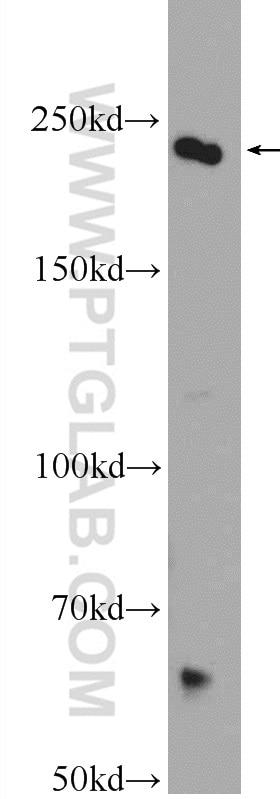
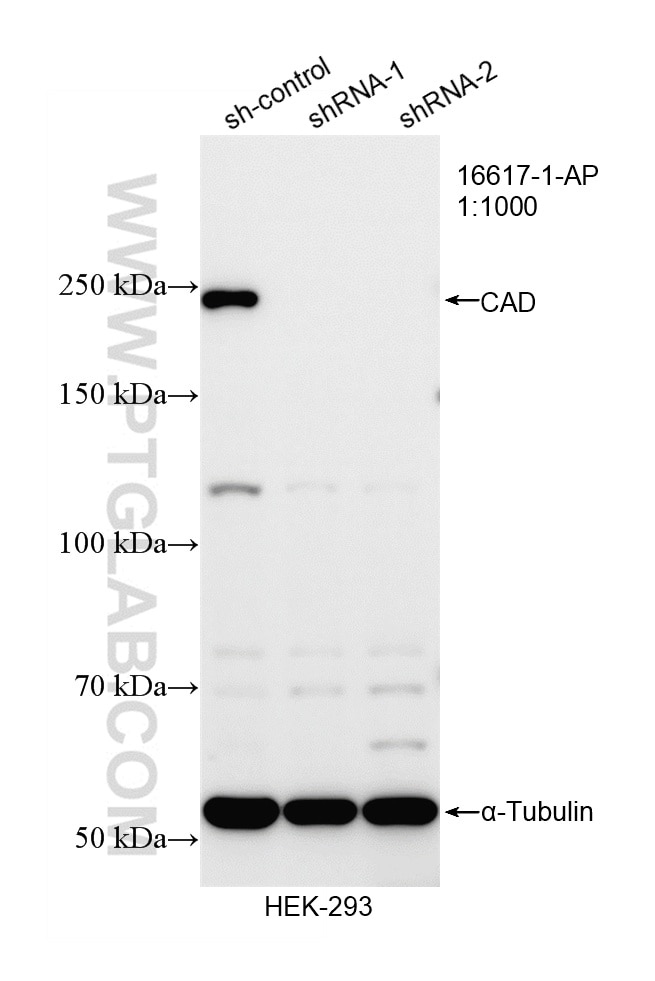
| Positive WB detected in | HEK-293 cells |
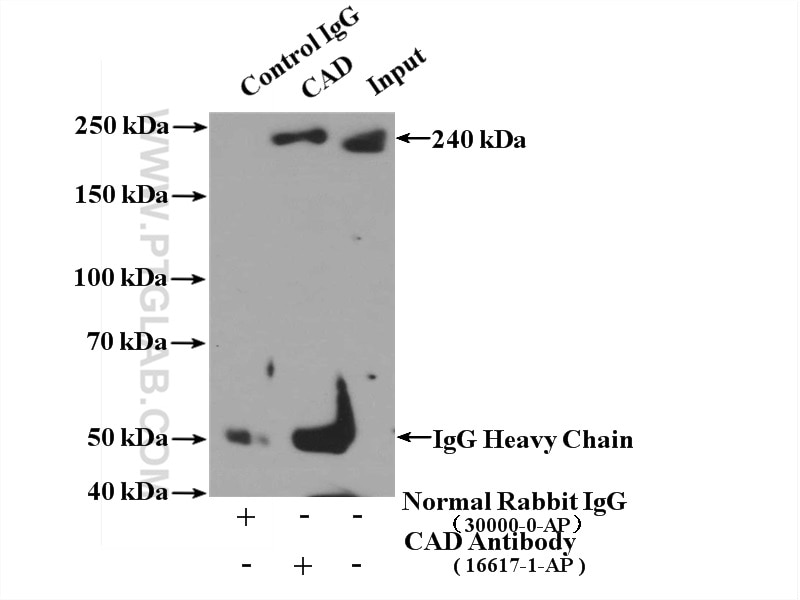
| Positive IP detected in | HEK-293 cells |
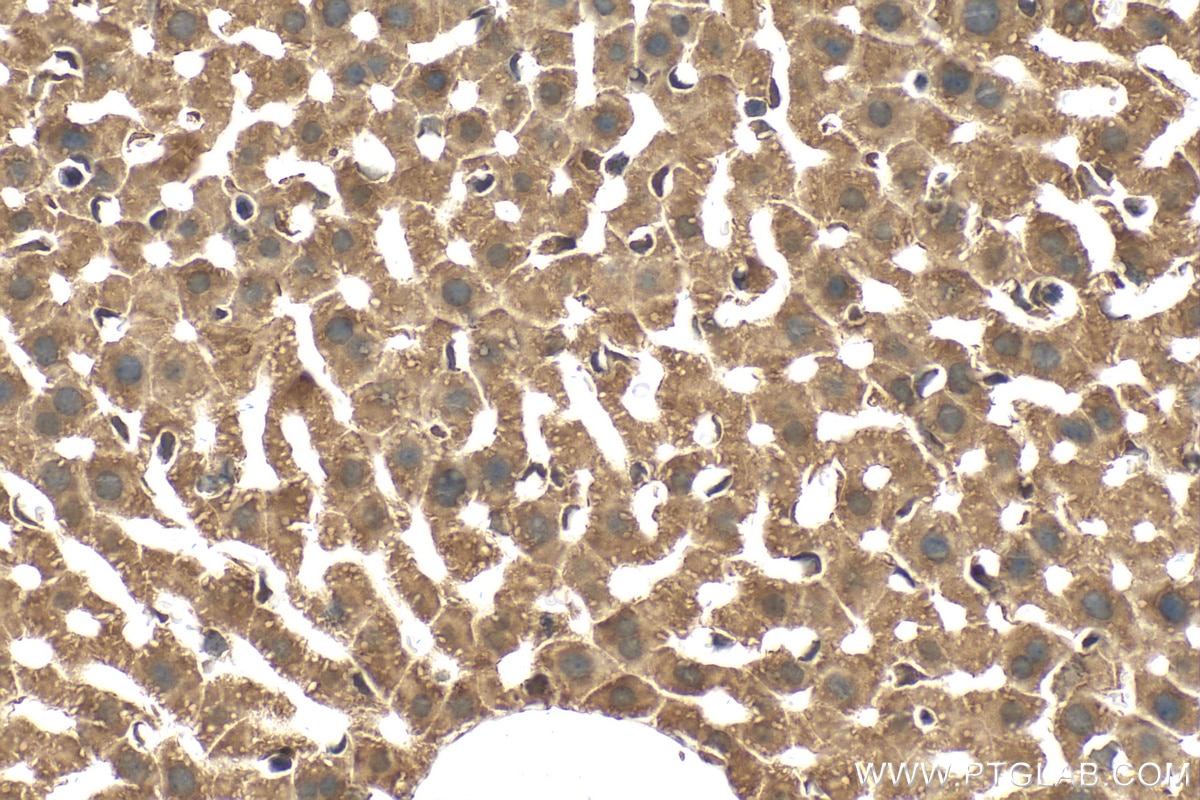
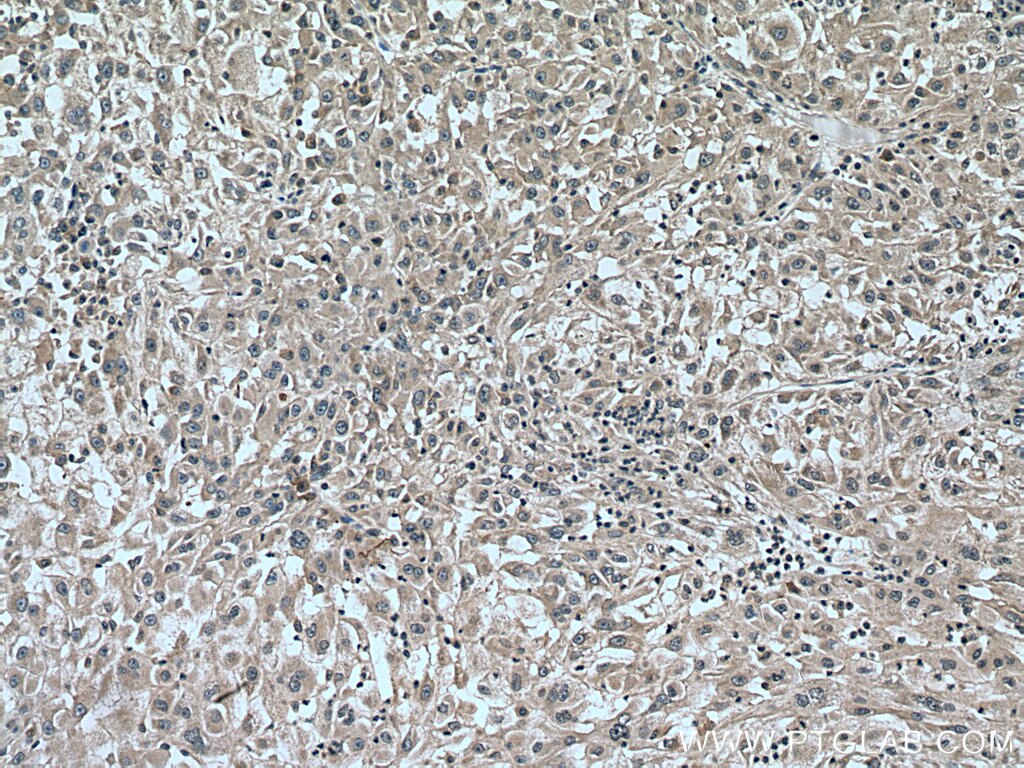
| Positive IHC detected in | human liver cancer tissue, mouse liver tissue Note: suggested antigen retrieval with TE buffer pH 9.0; (*) Alternatively, antigen retrieval may be performed with citrate buffer pH 6.0 |
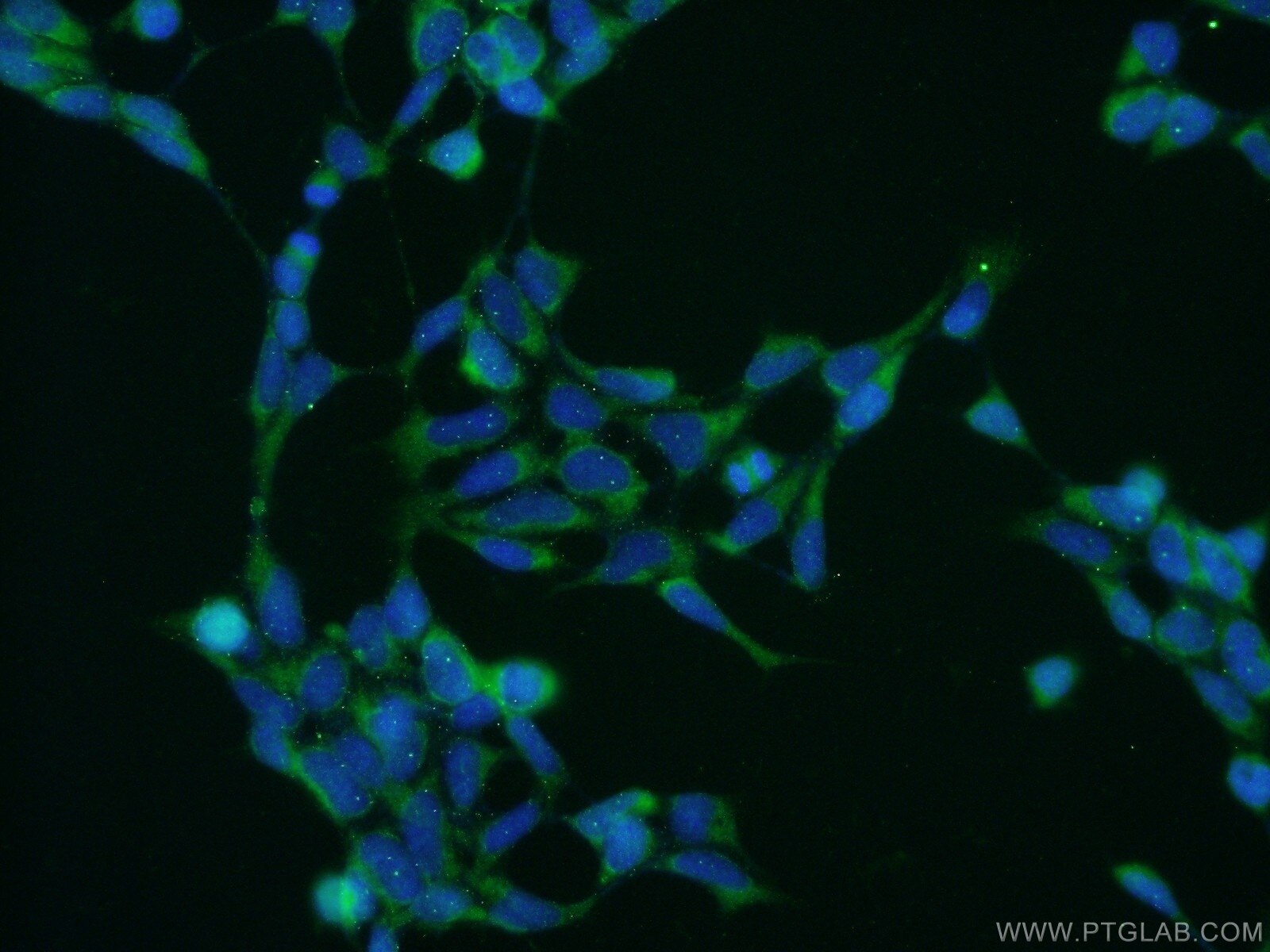
| Positive IF/ICC detected in | HEK-293 cells |
Recommended dilution
| Application | Dilution |
|---|---|
| Western Blot (WB) | WB : 1:500-1:1000 |
| Immunoprecipitation (IP) | IP : 0.5-4.0 ug for 1.0-3.0 mg of total protein lysate |
| Immunohistochemistry (IHC) | IHC : 1:50-1:500 |
| Immunofluorescence (IF)/ICC | IF/ICC : 1:20-1:200 |
| It is recommended that this reagent should be titrated in each testing system to obtain optimal results. | |
| Sample-dependent, Check data in validation data gallery. | |
Product Information
16617-1-AP targets CAD in WB, IHC, IF/ICC, IP, ELISA applications and shows reactivity with human samples.
| Tested Reactivity | human |
| Cited Reactivity | human, mouse, pig |
| Host / Isotype | Rabbit / IgG |
| Class | Polyclonal |
| Type | Antibody |
| Immunogen |
CatNo: Ag9912 Product name: Recombinant human CAD protein Source: e coli.-derived, T-HIS Tag: 6*His Domain: 502-851 aa of BC014178 Sequence: VAEPELMGTPDGTCYPPPPVPRQASPQNLGTPGLLHPQTSPLLHSLVGQHILSVQQFTKDQMSHLFNVAHTLRMMVQKERSLDILKGKVMASMFYEVSTRTSSSFAAAMARLGGAVLSFSEATSSVQKGESLADSVQTMSCYADVVVLRHPQPGAVELAAKHCRRPVINAGDGVGEHPTQALLDIFTIREELGTVNGMTITMVGDLKHGRTVHSLACLLTQYRVSLRYVAPPSLRMPPTVRAFVASRGTKQEEFESIEEALPDTDVLYMTRIQKERFGSTQEYEACFGQFILTPHIMTRAKKKMVVMHPMPRVNEISVEVDSDPRAAYFRQAENGMYIRMALLATVLGRF Predict reactive species |
| Full Name | carbamoyl-phosphate synthetase 2, aspartate transcarbamylase, and dihydroorotase |
| Calculated Molecular Weight | 2225 aa, 243 kDa |
| Observed Molecular Weight | 240 kDa |
| GenBank Accession Number | BC014178 |
| Gene Symbol | CAD |
| Gene ID (NCBI) | 790 |
| RRID | AB_2878289 |
| Conjugate | Unconjugated |
| Form | Liquid |
| Purification Method | Antigen affinity purification |
| UNIPROT ID | P27708 |
| Storage Buffer | PBS with 0.02% sodium azide and 50% glycerol, pH 7.3. |
| Storage Conditions | Store at -20°C. Stable for one year after shipment. Aliquoting is unnecessary for -20oC storage. 20ul sizes contain 0.1% BSA. |
Background Information
CAD (carbamoyl-phosphate synthetase 2, aspartate transcarbamoylase, and dihydroorotase) is a multifunctional enzyme required for the de novo synthesis of pyrimidine nucleotides (PMID:25422319). CAD initiates and controls the flflux through the pathway and is regulated by allosteric effectors and phosphorylations through different signaling cascades (PMID:12438317). Moreover, CAD is found upregulated in tumors, while mutations that compromise its function are the cause of a severe infantile epileptic disease (PMID:36677714).
Protocols
| Product Specific Protocols | |
|---|---|
| IF protocol for CAD antibody 16617-1-AP | Download protocol |
| IHC protocol for CAD antibody 16617-1-AP | Download protocol |
| IP protocol for CAD antibody 16617-1-AP | Download protocol |
| WB protocol for CAD antibody 16617-1-AP | Download protocol |
| Standard Protocols | |
|---|---|
| Click here to view our Standard Protocols |
Publications
What published studies show
The CAD antibody (Cat# 16617-1-AP) has 18 total citations published in journals including Cell Metabolism, Nature Cell Biology, Oncogene, EMBO Molecular Medicine, Theranostics, Cancer Letters, PLoS Biology, and Redox Biology. Research fields span cancer metabolism (hepatocellular, colorectal, breast, cervical, lung, and B-cell lymphoma), de novo pyrimidine biosynthesis, ferroptosis/cuproptosis, lipid metabolism, and porcine nutrition, with applications primarily in WB, IF, IHC, and IP.
| Species | Application | Title |
|---|---|---|
Cell Metab High dietary fructose promotes hepatocellular carcinoma progression by enhancing O-GlcNAcylation via microbiota-derived acetate | ||
Nat Cell Biol De novo pyrimidine biosynthetic complexes support cancer cell proliferation and ferroptosis defence
| ||
Redox Biol Redistribution of defective mitochondria-mediated dihydroorotate dehydrogenase imparts 5-fluorouracil resistance in colorectal cancer | ||
J Nanobiotechnology Targeting CAD with a tumor microenvironment-responsive nano-heterojunction for synergistic induction of cuproptosis and inhibition of colorectal cancer progression.
| ||
Theranostics Herb-sourced emodin inhibits angiogenesis of breast cancer by targeting VEGFA transcription. | ||
Cell Death Dis FBL promotes hepatocellular carcinoma tumorigenesis and progression by recruiting YY1 to enhance CAD gene expression |


