
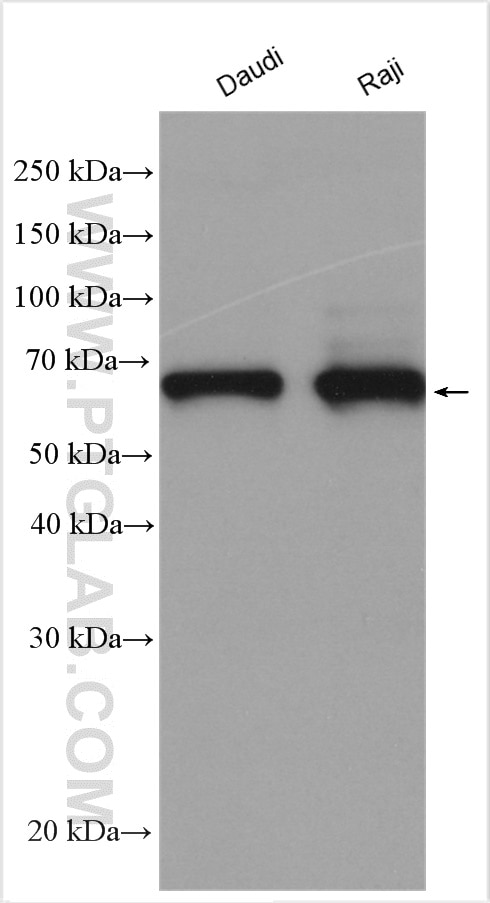
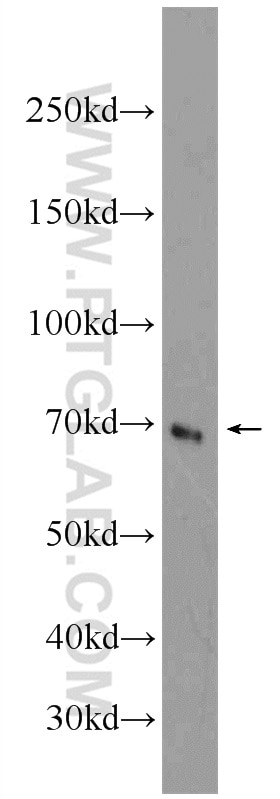
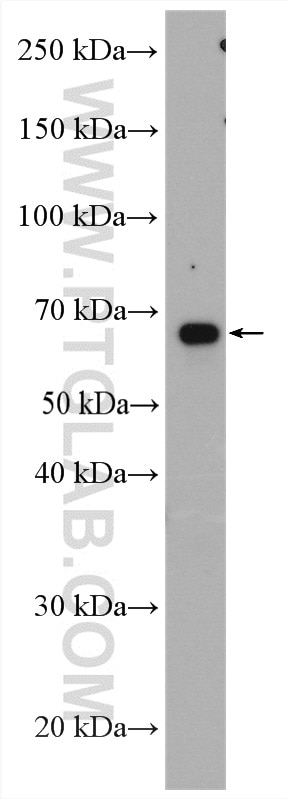
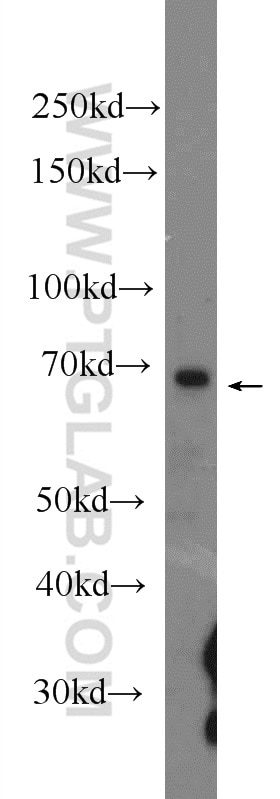

Tested Applications
| Positive WB detected in | Daudi cells, HeLa cells, RAW 264.7 cells, U-937 cells, Raji cells |
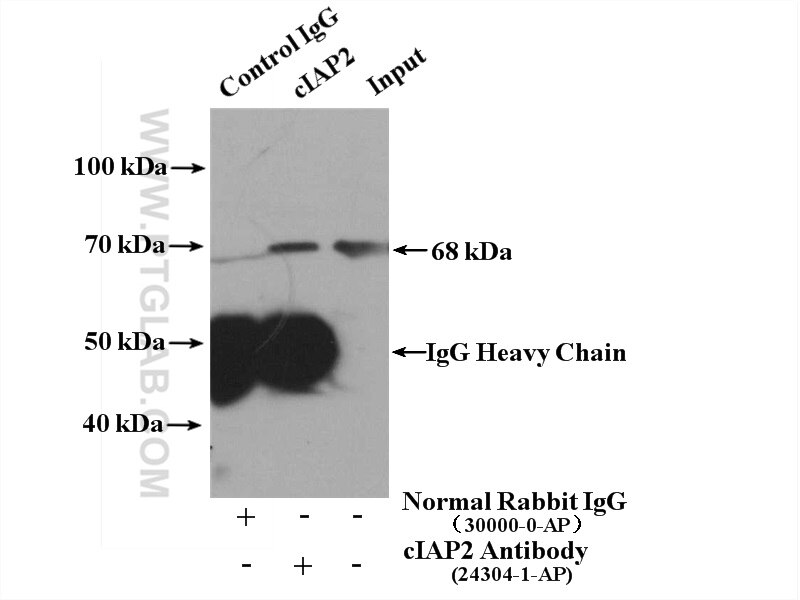
| Positive IP detected in | Daudi cells |
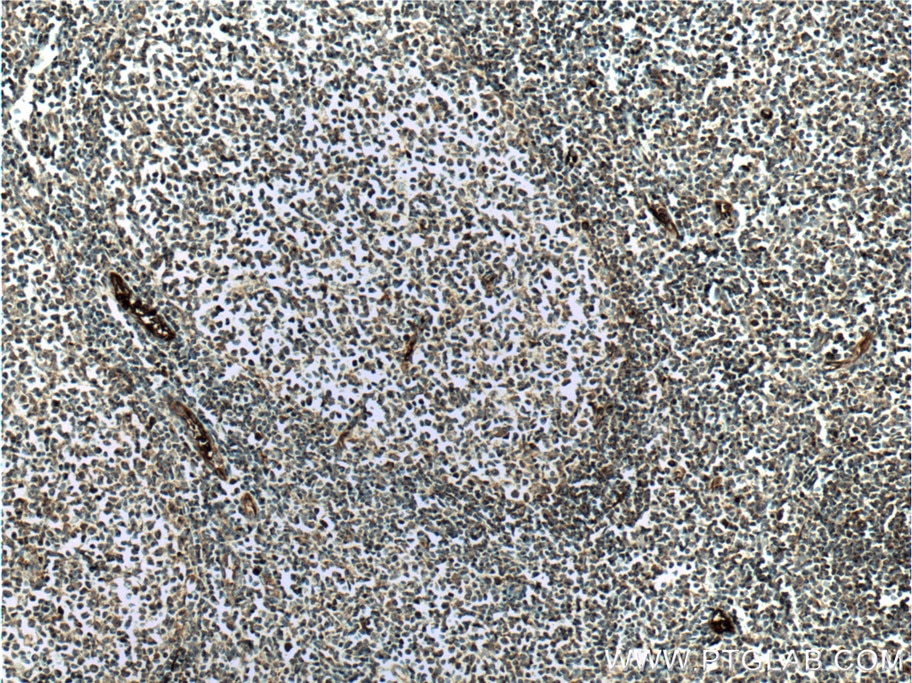
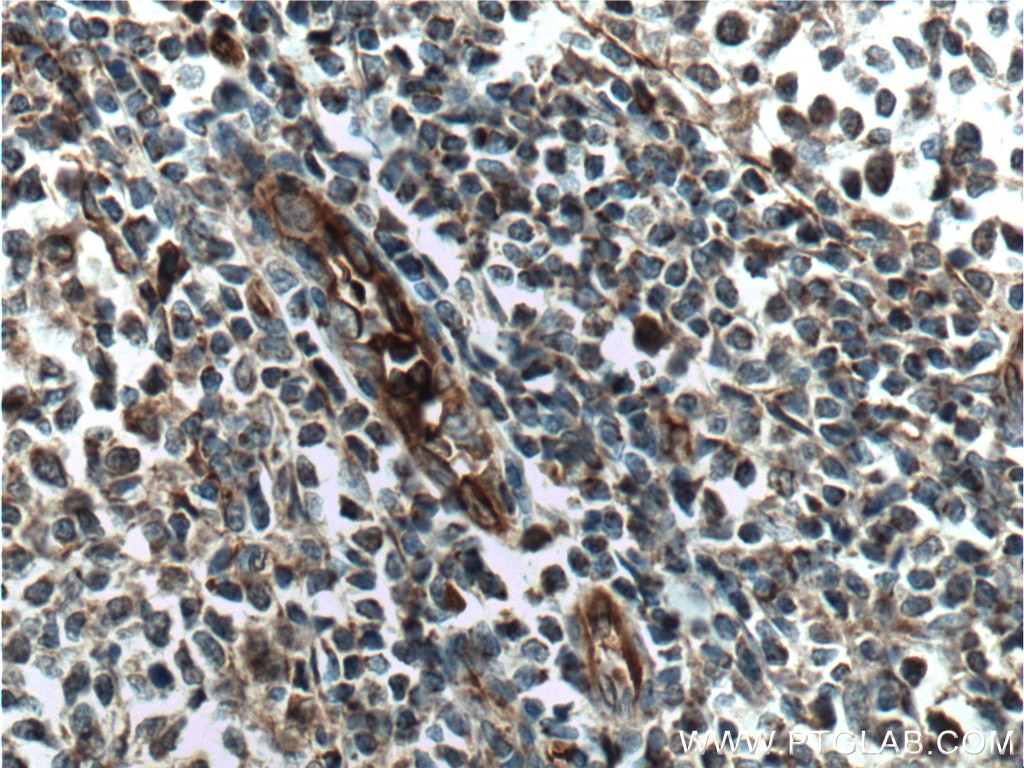
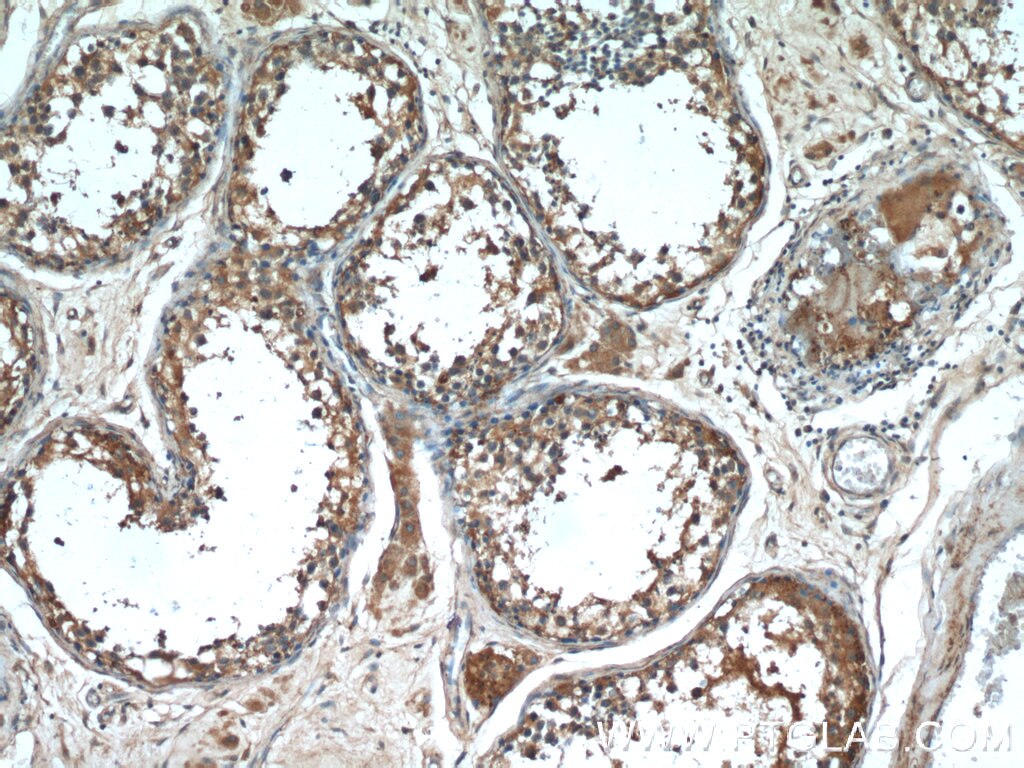
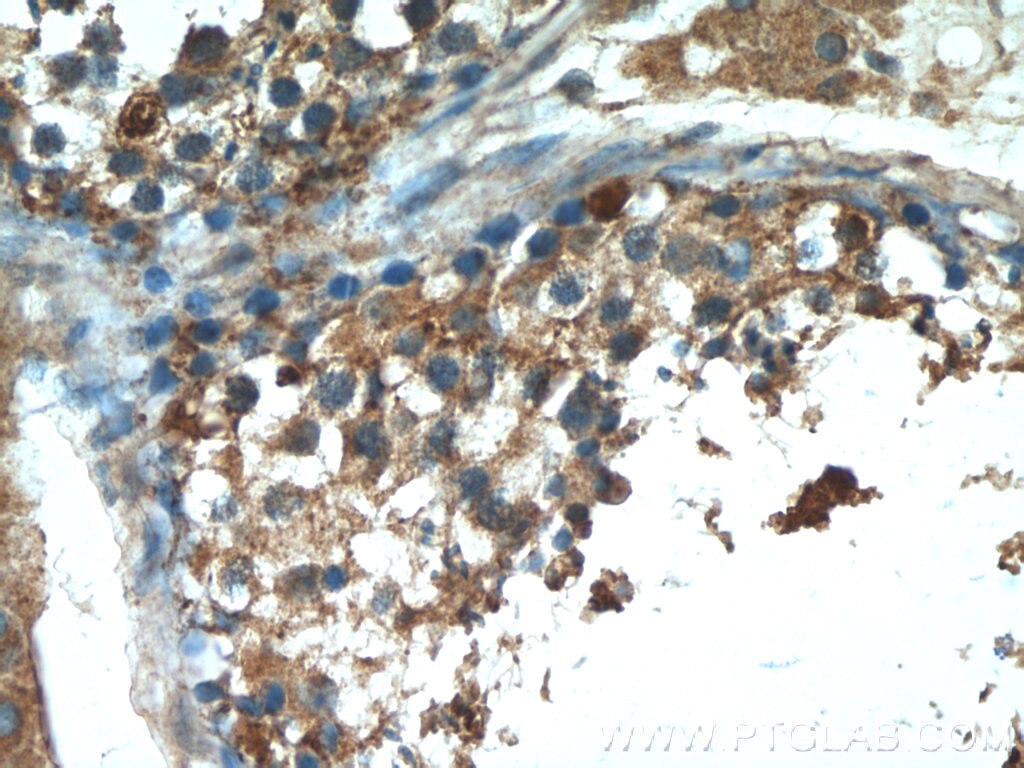
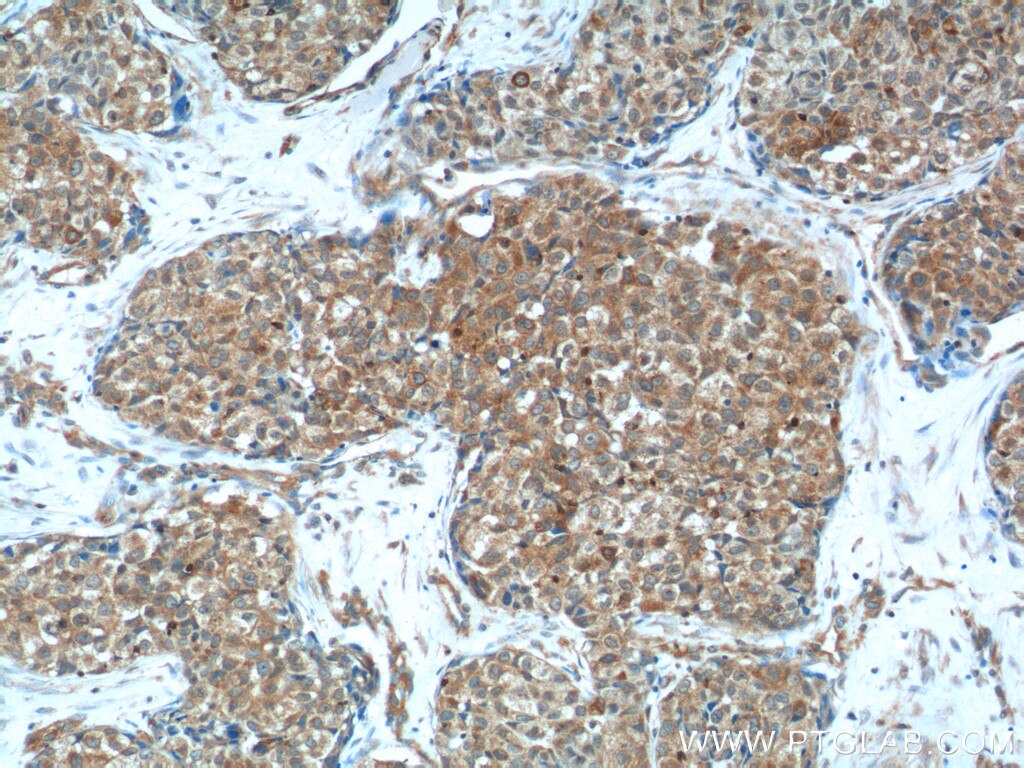
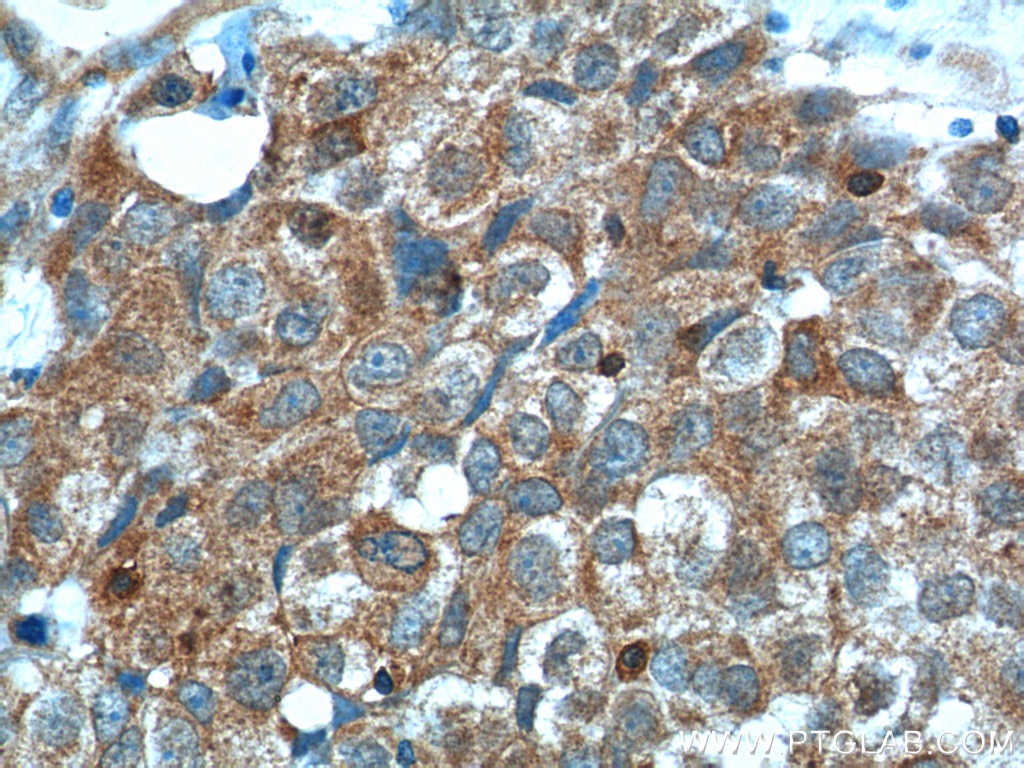
| Positive IHC detected in | human tonsillitis tissue, human lung cancer tissue, human testis tissue Note: suggested antigen retrieval with TE buffer pH 9.0; (*) Alternatively, antigen retrieval may be performed with citrate buffer pH 6.0 |
Recommended dilution
| Application | Dilution |
|---|---|
| Western Blot (WB) | WB : 1:2000-1:12000 |
| Immunoprecipitation (IP) | IP : 0.5-4.0 ug for 1.0-3.0 mg of total protein lysate |
| Immunohistochemistry (IHC) | IHC : 1:50-1:500 |
| It is recommended that this reagent should be titrated in each testing system to obtain optimal results. | |
| Sample-dependent, Check data in validation data gallery. | |
Product Information
24304-1-AP targets cIAP2 in WB, IHC, IP, ELISA applications and shows reactivity with human, mouse samples.
| Tested Reactivity | human, mouse |
| Cited Reactivity | human, rat |
| Host / Isotype | Rabbit / IgG |
| Class | Polyclonal |
| Type | Antibody |
| Immunogen |
CatNo: Ag20143 Product name: Recombinant human BIRC3 protein Source: e coli.-derived, PET28a Tag: 6*His Domain: 78-169 aa of BC027485 Sequence: RGDSPTEKHKKLYPSCRFVQSLNSVNNLEATSQPTFPSSVTNSTHSLLPGTENSGYFRGSYSNSPSNPVNSRANQDFSALMRSSYHCAMNNE Predict reactive species |
| Full Name | baculoviral IAP repeat-containing 3 |
| Calculated Molecular Weight | 604 aa, 68 kDa |
| Observed Molecular Weight | 68 kDa |
| GenBank Accession Number | BC027485 |
| Gene Symbol | cIAP2 |
| Gene ID (NCBI) | 330 |
| RRID | AB_2879485 |
| Conjugate | Unconjugated |
| Form | Liquid |
| Purification Method | Antigen affinity purification |
| UNIPROT ID | Q13489 |
| Storage Buffer | PBS with 0.02% sodium azide and 50% glycerol, pH 7.3. |
| Storage Conditions | Store at -20°C. Stable for one year after shipment. Aliquoting is unnecessary for -20oC storage. 20ul sizes contain 0.1% BSA. |
Background Information
cIAP2 also known as BIRC3, is a member of the Inhibitor of Apoptosis Protein (IAP) family. cIAP2 is induced by inflammatory stimuli and plays a critical role in regulating adaptive and innate immune responses, cell death, and the production of inflammatory mediators. Its dysregulation is associated with various diseases, including cancer and neuroinflammatory conditions. Understanding the mechanisms by which cIAP2 functions and interacts with other cellular components is essential for developing targeted therapies.
Protocols
| Product Specific Protocols | |
|---|---|
| IHC protocol for cIAP2 antibody 24304-1-AP | Download protocol |
| IP protocol for cIAP2 antibody 24304-1-AP | Download protocol |
| WB protocol for cIAP2 antibody 24304-1-AP | Download protocol |
| Standard Protocols | |
|---|---|
| Click here to view our Standard Protocols |
Publications
What published studies show
The anti-BIRC3 antibody (Cat# 24304-1-AP) has 24 citations across 21 journals, including Cell Death & Disease, Developmental Cell, Oncotarget, iScience, Cancer Medicine, Frontiers in Oncology, and Biochemical & Biophysical Research Communications. Research fields span apoptosis regulation, cancer biology (hepatocellular, gastric, glioma, breast, lung, colorectal, renal, and nasopharyngeal carcinomas), autophagy, NF-κB signaling, diabetes-related cognitive impairment, and atherosclerosis. Applications are predominantly Western blot and IHC in human and rat samples.
| Species | Application | Title |
|---|---|---|
Cell Death Dis The novel ZEB1-upregulated protein PRTG induced by Helicobacter pylori infection promotes gastric carcinogenesis through the cGMP/PKG signaling pathway. | ||
Cell Death Dis Cellular FLICE-like inhibitory protein (cFLIP) critically maintains apoptotic resistance in human lens epithelial cells. | ||
Dev Cell Selective Autophagy of Mitochondria on a Ubiquitin-Endoplasmic-Reticulum Platform. | ||
J Clin Transl Hepatol Dysregulation of PLOD2 Promotes Tumor Metastasis and Invasion in Hepatocellular Carcinoma | ||
Cancer Biol Ther Survivin knockdown combined with apoptin overexpression inhibits cell growth significantly. | ||
Oncotarget The putative tumor activator ARHGEF3 promotes nasopharyngeal carcinoma cell pathogenesis by inhibiting cellular apoptosis. |


