
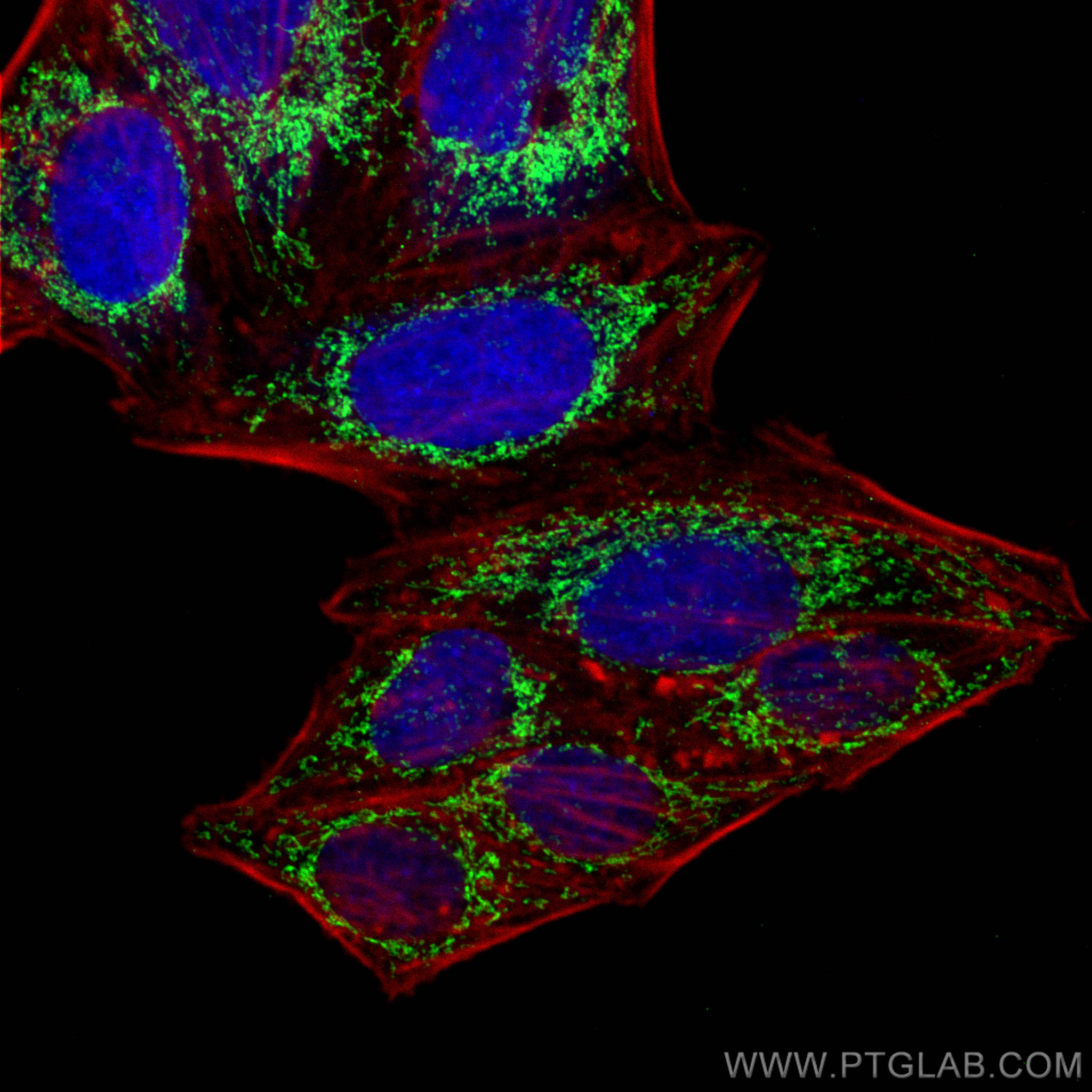
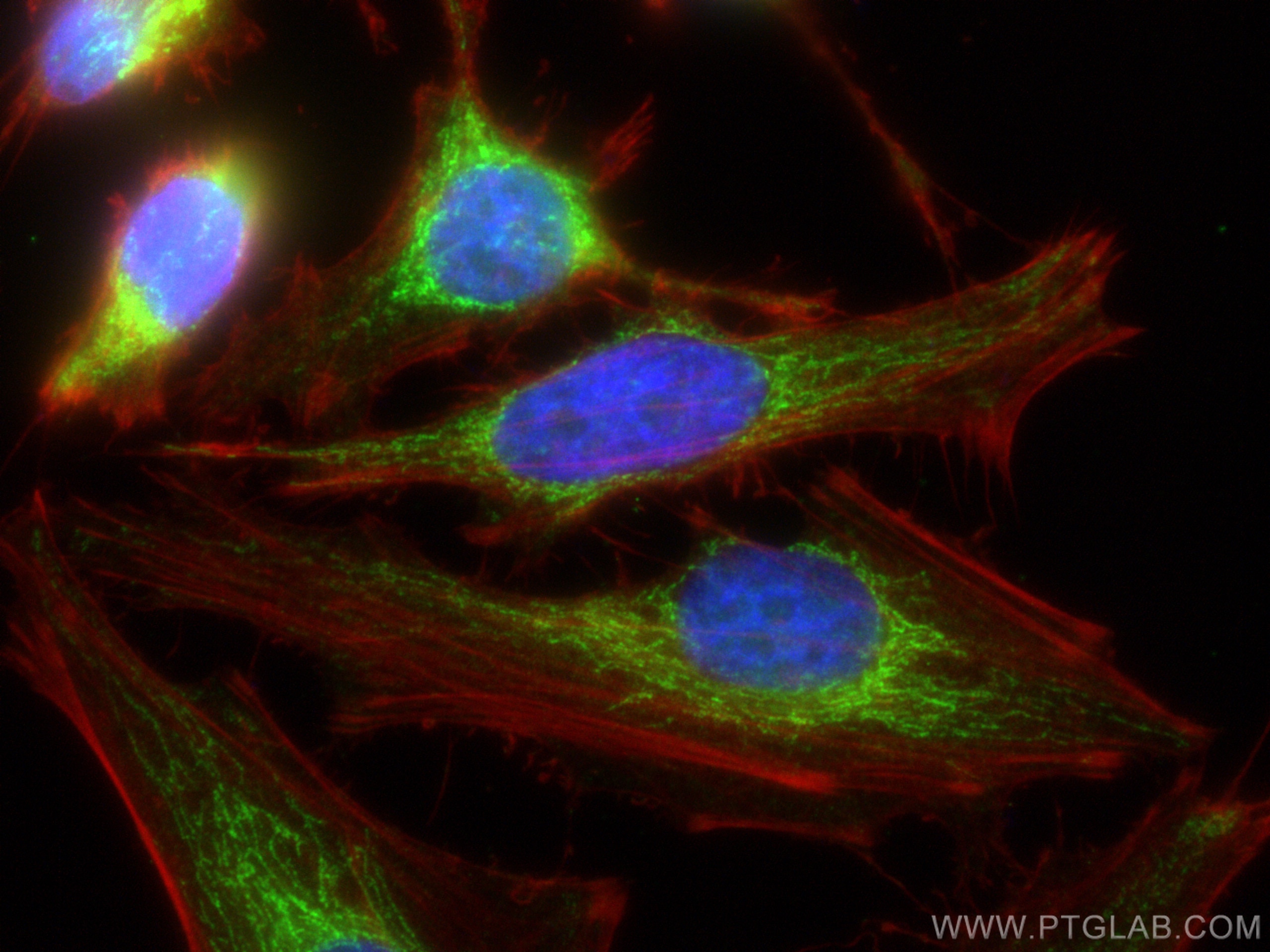

Tested Applications
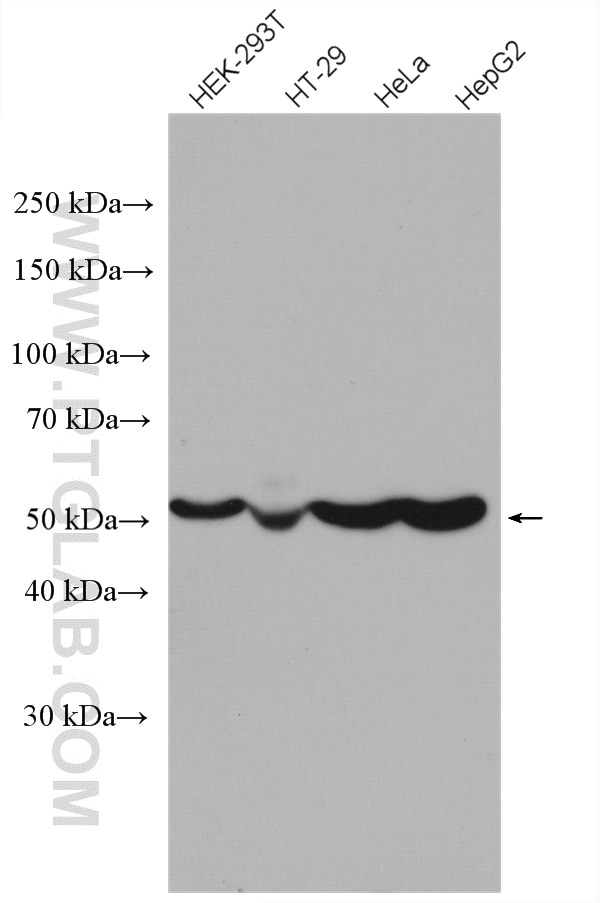
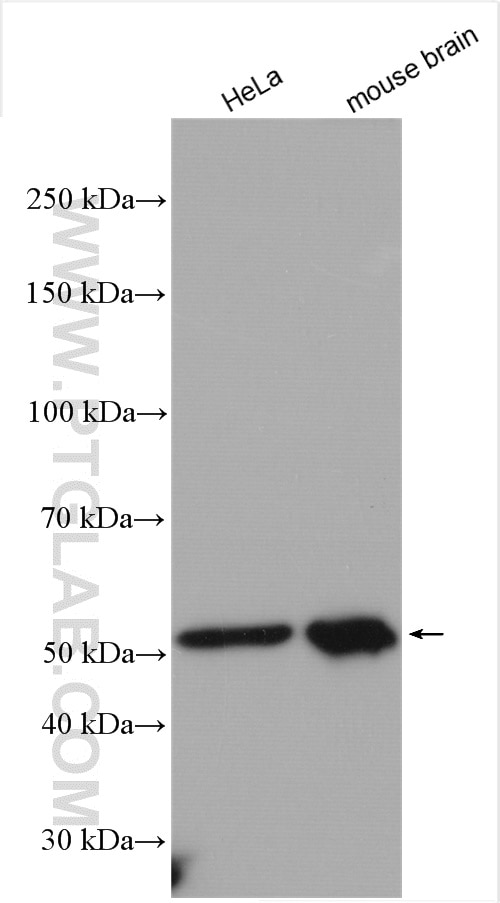
| Positive WB detected in | HEK-293T cells, HeLa cells, HT-29 cells, HepG2 cells, mouse brain tissue |
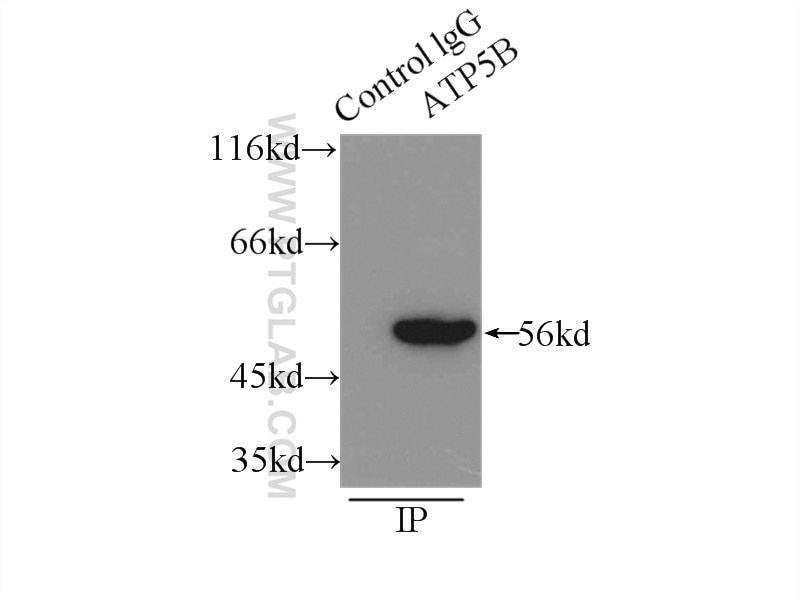
| Positive IP detected in | mouse heart tissue |
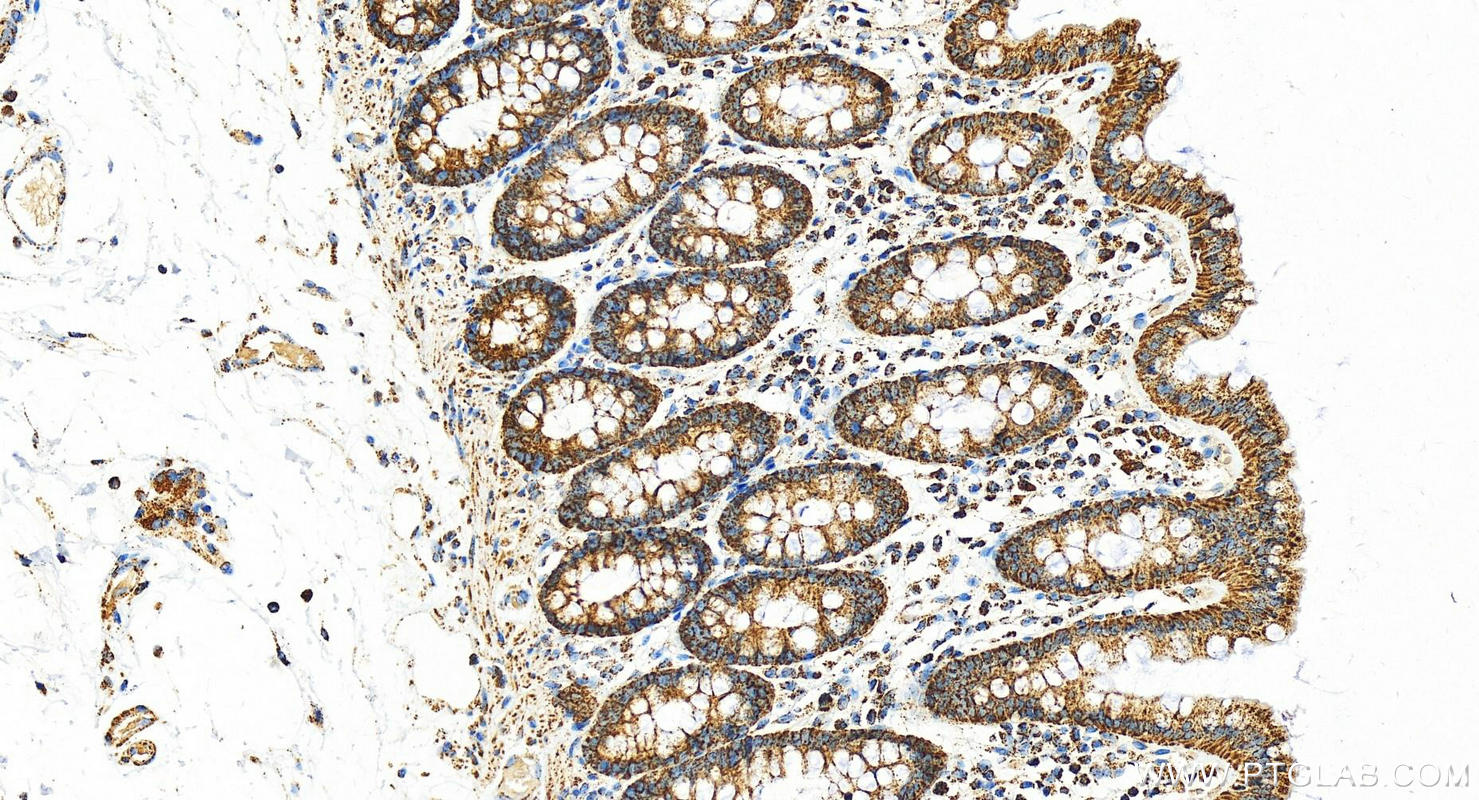
| Positive IHC detected in | human colon Note: suggested antigen retrieval with TE buffer pH 9.0; (*) Alternatively, antigen retrieval may be performed with citrate buffer pH 6.0 |
| Positive IF/ICC detected in | HepG2 cells, HeLa cells |
Recommended dilution
| Application | Dilution |
|---|---|
| Western Blot (WB) | WB : 1:1000-1:6000 |
| Immunoprecipitation (IP) | IP : 0.5-4.0 ug for 1.0-3.0 mg of total protein lysate |
| Immunohistochemistry (IHC) | IHC : 1:300-1:1200 |
| Immunofluorescence (IF)/ICC | IF/ICC : 1:50-1:500 |
| It is recommended that this reagent should be titrated in each testing system to obtain optimal results. | |
| Sample-dependent, Check data in validation data gallery. | |
Product Information
17247-1-AP targets ATPB in WB, IHC, IF/ICC, IP, CoIP, ELISA applications and shows reactivity with human, mouse, rat samples.
| Tested Reactivity | human, mouse, rat |
| Cited Reactivity | human, mouse, rat |
| Host / Isotype | Rabbit / IgG |
| Class | Polyclonal |
| Type | Antibody |
| Immunogen |
CatNo: Ag11177 Product name: Recombinant human ATPB protein Source: e coli.-derived, PGEX-4T Tag: GST Domain: 181-529 aa of BC016512 Sequence: EILVTGIKVVDLLAPYAKGGKIGLFGGAGVGKTVLIMELINNVAKAHGGYSVFAGVGERTREGNDLYHEMIESGVINLKDATSKVALVYGQMNEPPGARARVALTGLTVAEYFRDQEGQDVLLFIDNIFRFTQAGSEVSALLGRIPSAVGYQPTLATDMGTMQERITTTKKGSITSVQAIYVPADDLTDPAPATTFAHLDATTVLSRAIAELGIYPAVDPLDSTSRIMDPNIVGSEHYDVARGVQKILQDYKSLQDIIAILGMDELSEEDKLTVSRARKIQRFLSQPFQVAEVFTGHMGKLVPLKETIKGFQQILAGEYDHLPEQAFYMVGPIEEAVAKADKLAEEHSS Predict reactive species |
| Full Name | ATP synthase, H+ transporting, mitochondrial F1 complex, beta polypeptide |
| Calculated Molecular Weight | 529 aa, 57 kDa |
| Observed Molecular Weight | 45-57 kDa |
| GenBank Accession Number | BC016512 |
| Gene Symbol | ATPB |
| Gene ID (NCBI) | 506 |
| RRID | AB_2061878 |
| Conjugate | Unconjugated |
| Form | Liquid |
| Purification Method | Antigen affinity purification |
| UNIPROT ID | P06576 |
| Storage Buffer | PBS with 0.02% sodium azide and 50% glycerol, pH 7.3. |
| Storage Conditions | Store at -20°C. Stable for one year after shipment. Aliquoting is unnecessary for -20oC storage. 20ul sizes contain 0.1% BSA. |
Background Information
ATP5B, also named as ATPMB and ATPSB, belongs to the ATPase alpha/beta chains family. It is a high affinity HDL receptor for apolipoprotein A1. ATP5B is a subunit of mitochondrial ATP synthase (F1F0 ATP synthase or Complex V ). ATP5B has a calculated molecular mass of 57 kDa and ~5 kDa transit peptide can be removed in the mature form.
Protocols
| Product Specific Protocols | |
|---|---|
| IF protocol for ATPB antibody 17247-1-AP | Download protocol |
| IHC protocol for ATPB antibody 17247-1-AP | Download protocol |
| IP protocol for ATPB antibody 17247-1-AP | Download protocol |
| WB protocol for ATPB antibody 17247-1-AP | Download protocol |
| Standard Protocols | |
|---|---|
| Click here to view our Standard Protocols |
Publications
What published studies show
Anti-ATP5B antibody (Cat# 17247-1-AP) has been cited in 93 publications across prestigious journals including Nature, Neuron, Nature Communications, Science Advances, EMBO Journal, Cell Death & Differentiation, Brain, and Acta Neuropathologica. Cited research spans neurodegeneration (Huntington's, Alzheimer's, Parkinson's, ALS), mitochondrial biology, kidney disease, cardiology, oncology, metabolic disorders, and immunology. Applications are predominantly Western blot, supplemented by IP, IF, and IHC.
| Species | Application | Title |
|---|---|---|
Autophagy Deficiency of mitophagy receptor FUNDC1 impairs mitochondrial quality and aggravates dietary-induced obesity and metabolic syndrome. | ||
Protein Cell Isolation and Proteomics of Human Skeletal Muscle Lipid Droplets Identify Anchored Mitochondria and Associated TPD52L2 | ||
Nat Commun Cartilage targeting hydrogel nanoplatform degrades BRD4 to alleviate osteoarthritis via Nav1.7 axis. | ||
Nat Commun Small-molecule suppression of calpastatin degradation reduces neuropathology in models of Huntington's disease. | ||
Nat Commun ATAD3A oligomerization promotes neuropathology and cognitive deficits in Alzheimer's disease models. |


