
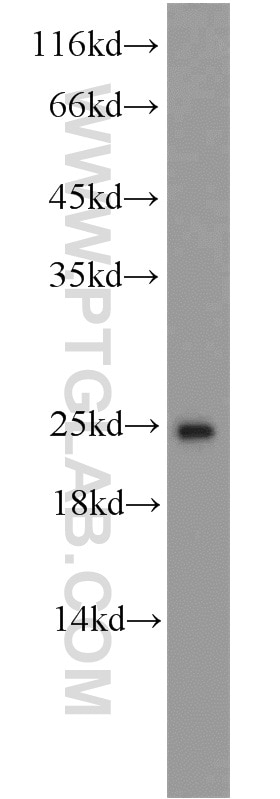
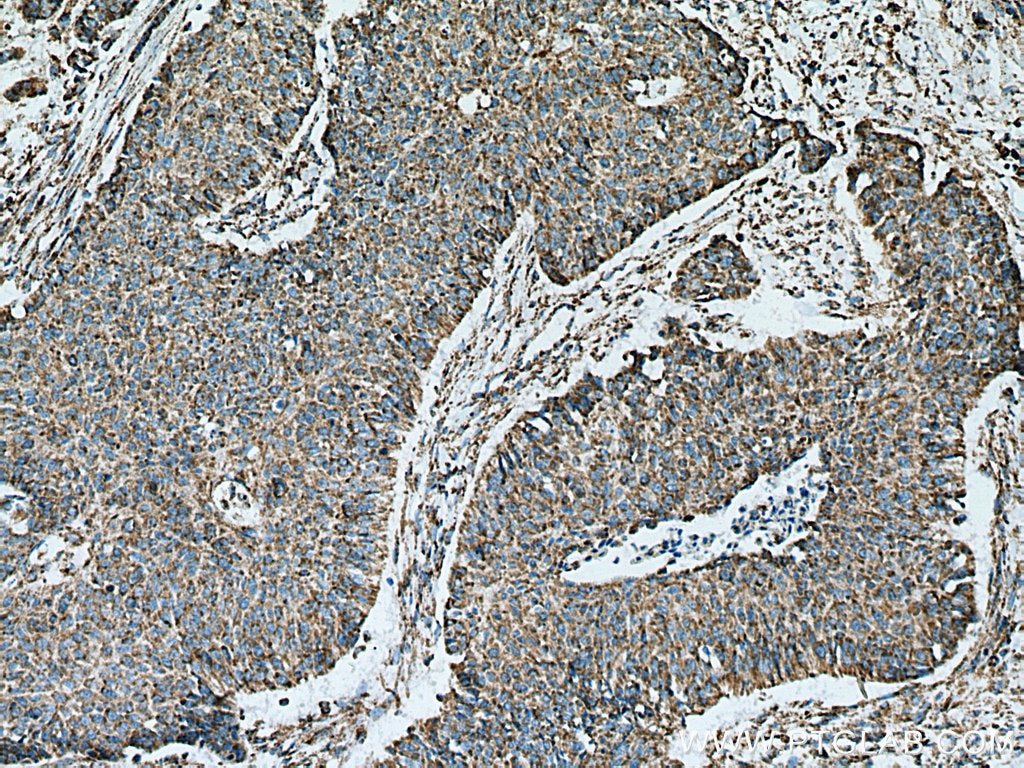
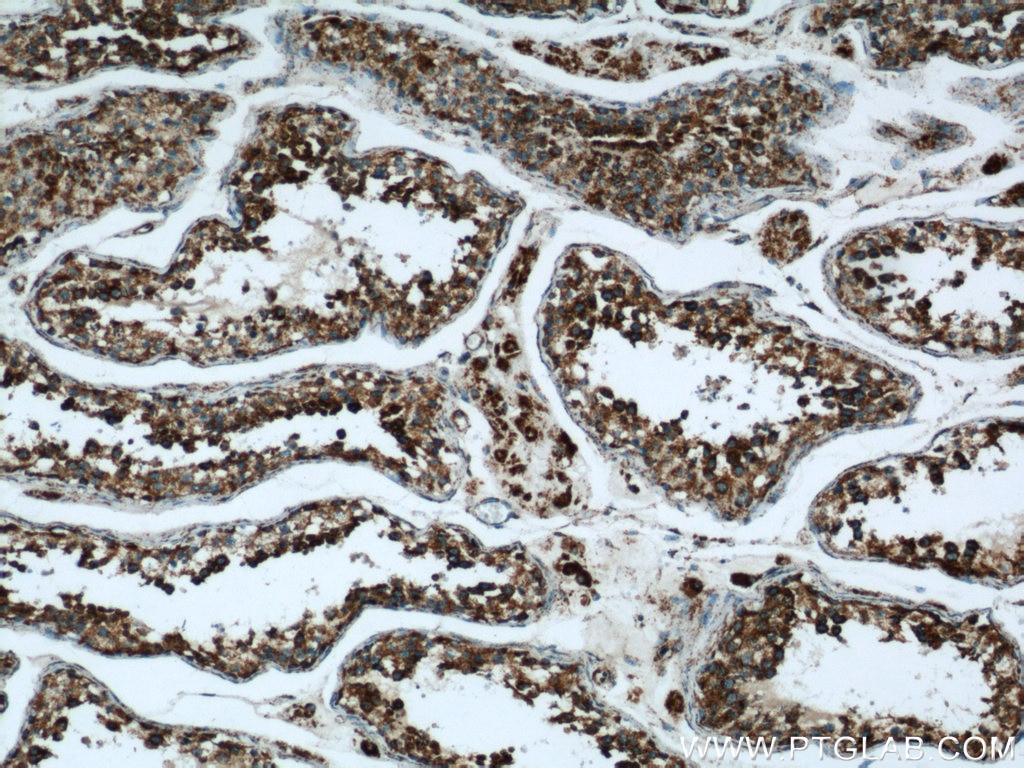
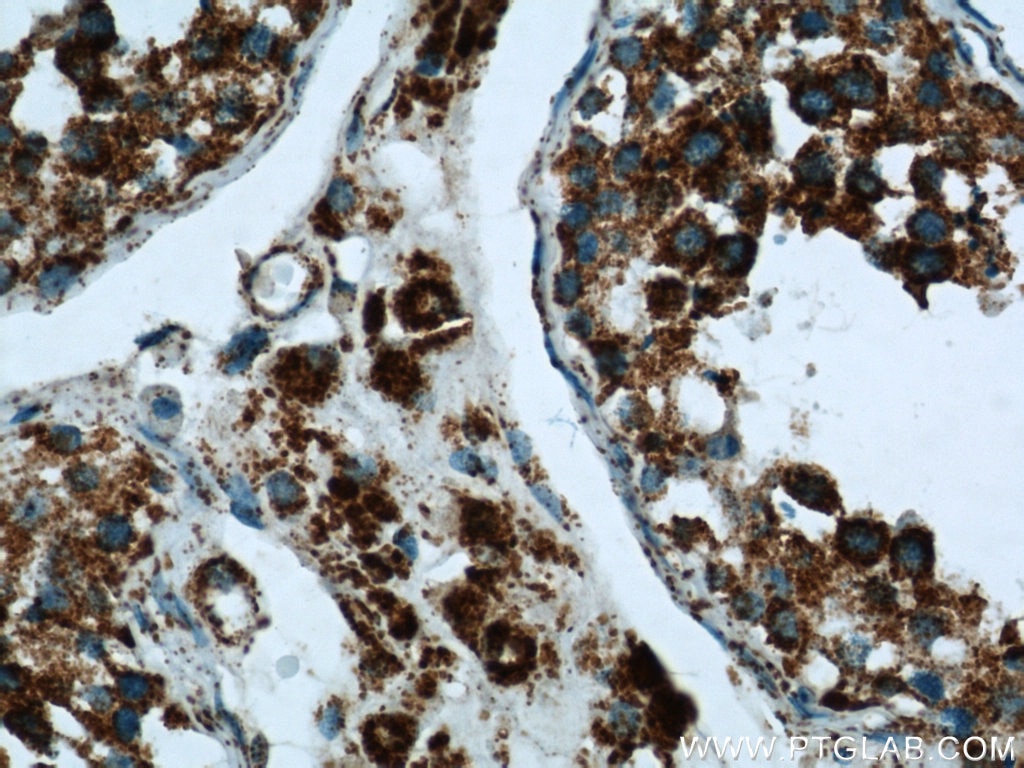
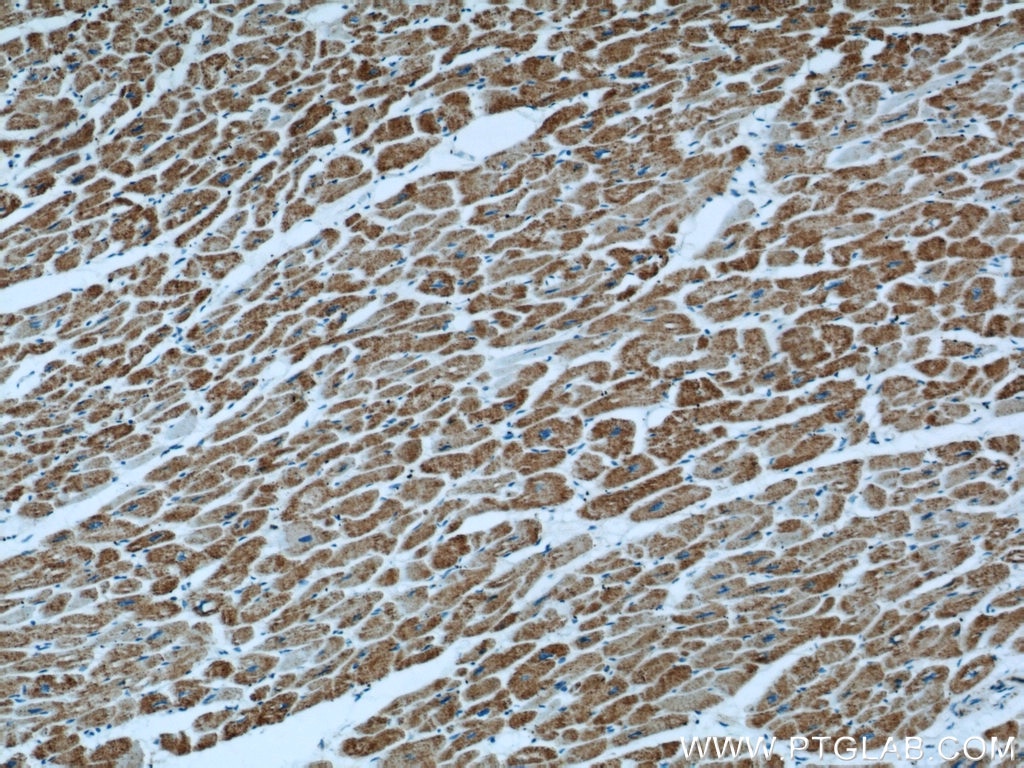
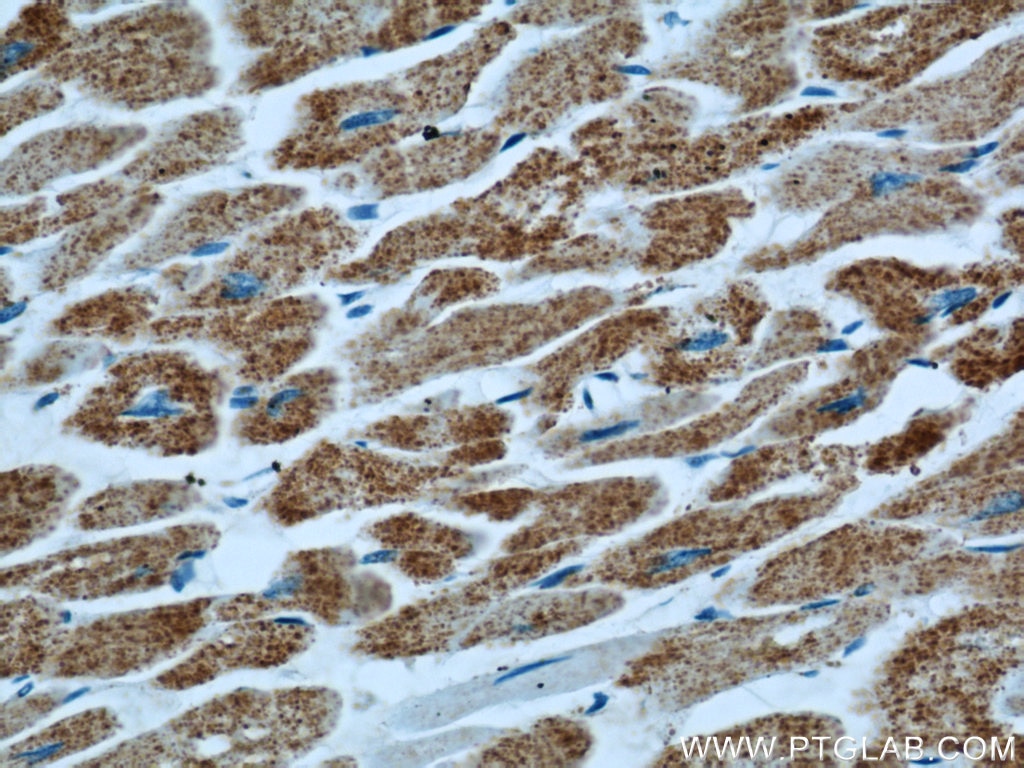
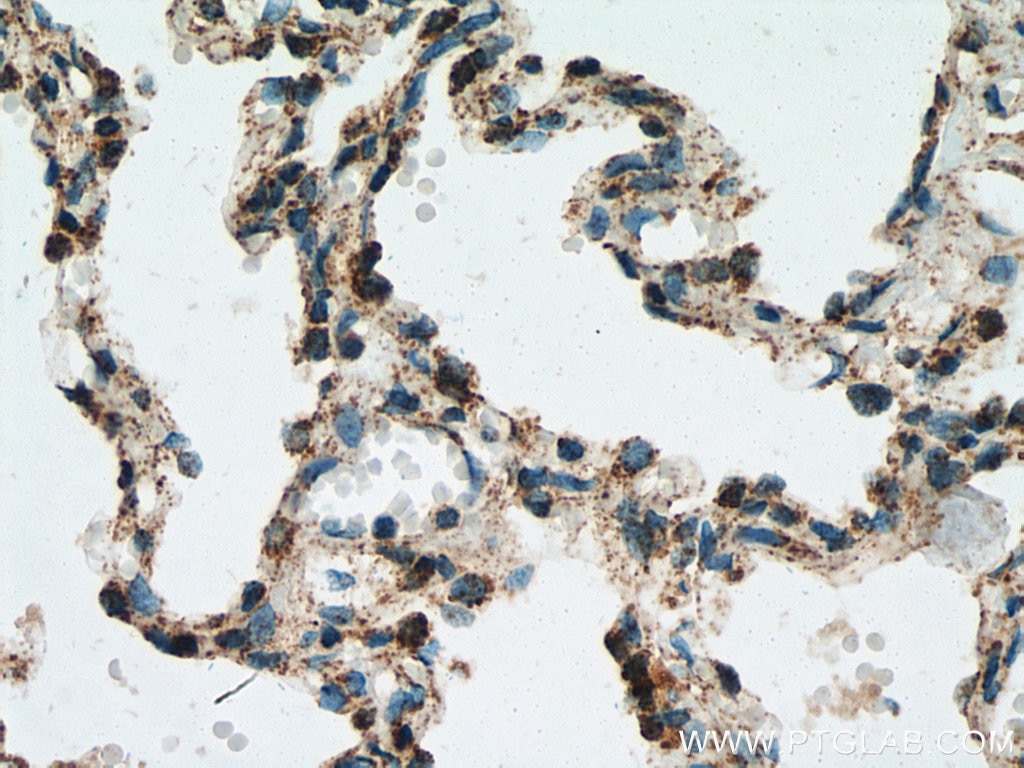
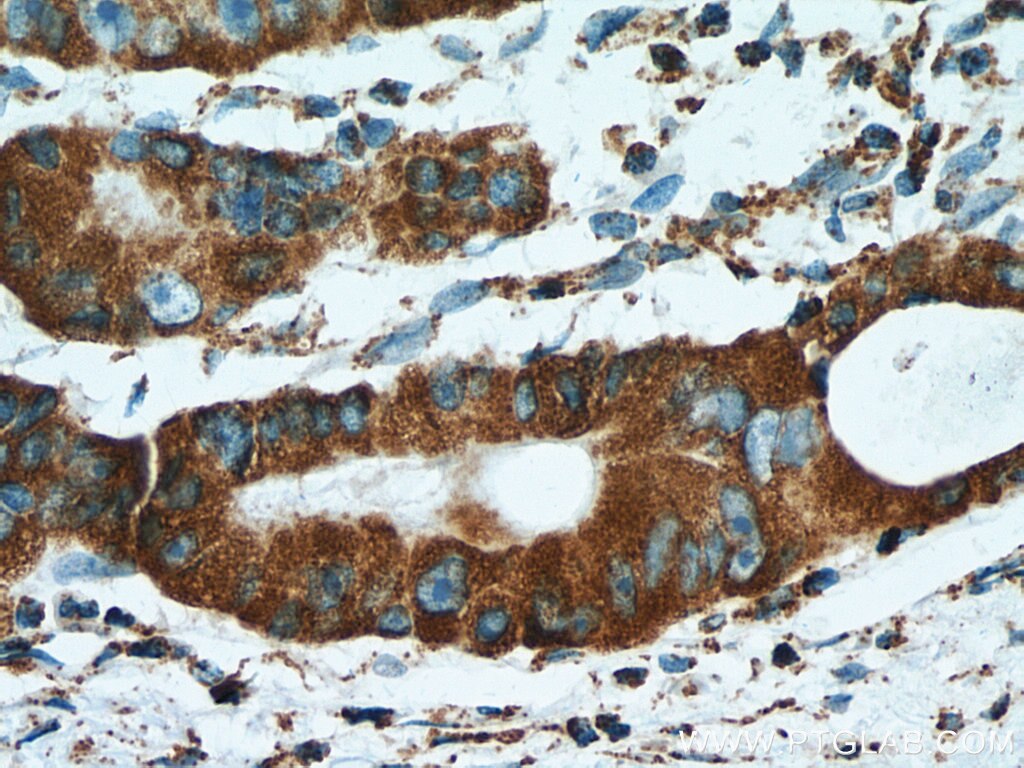

Tested Applications
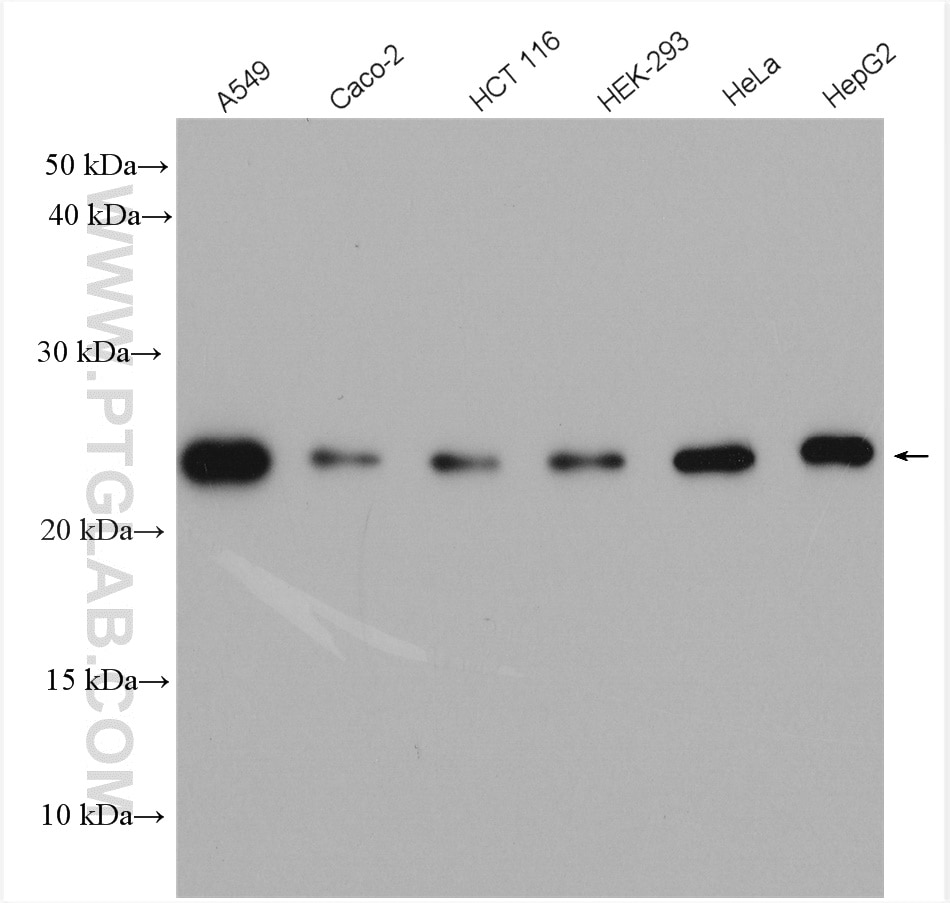
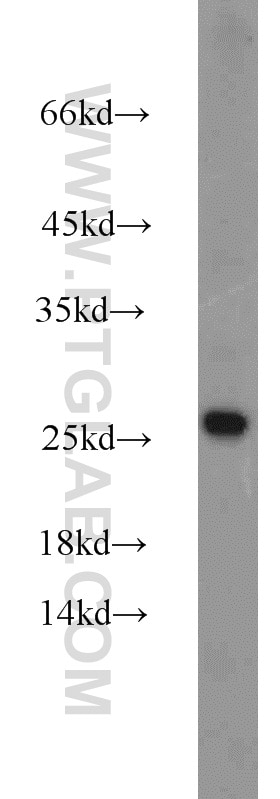
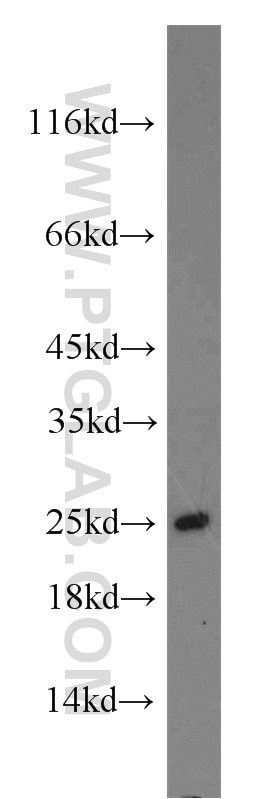
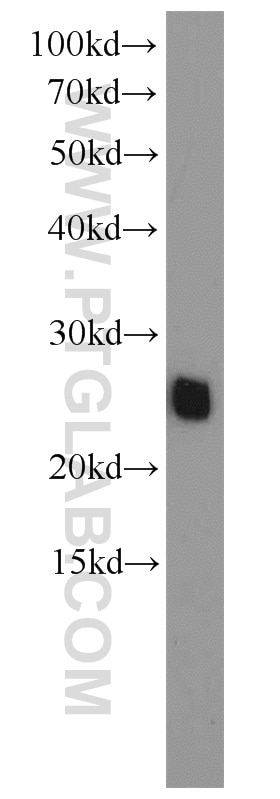
| Positive WB detected in | A549 cells, mouse placenta tissue, mouse liver tissue, mouse heart tissue, mouse colon tissue, Caco-2 cells, HCT116 cells, HEK-293 cells, HeLa cells, HepG2 cells |
| Positive IHC detected in | human lung cancer tissue, human colon cancer tissue, human testis tissue, human heart tissue Note: suggested antigen retrieval with TE buffer pH 9.0; (*) Alternatively, antigen retrieval may be performed with citrate buffer pH 6.0 |
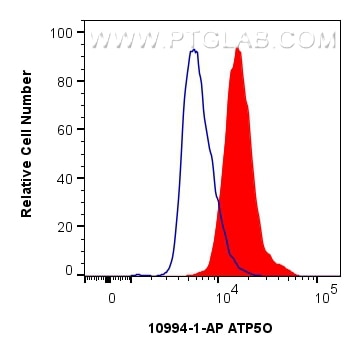
| Positive FC (Intra) detected in | HepG2 cells |
Recommended dilution
| Application | Dilution |
|---|---|
| Western Blot (WB) | WB : 1:500-1:3000 |
| Immunohistochemistry (IHC) | IHC : 1:50-1:500 |
| Flow Cytometry (FC) (INTRA) | FC (INTRA) : 0.40 ug per 10^6 cells in a 100 µl suspension |
| It is recommended that this reagent should be titrated in each testing system to obtain optimal results. | |
| Sample-dependent, Check data in validation data gallery. | |
Product Information
10994-1-AP targets ATP5O in WB, IHC, FC (Intra), ELISA applications and shows reactivity with human, mouse, rat samples.
| Tested Reactivity | human, mouse, rat |
| Cited Reactivity | human, mouse |
| Host / Isotype | Rabbit / IgG |
| Class | Polyclonal |
| Type | Antibody |
| Immunogen |
CatNo: Ag1458 Product name: Recombinant human ATP5O protein Source: e coli.-derived, PGEX-4T Tag: GST Domain: 1-213 aa of BC021233 Sequence: MAAPAVSGLSRQVRCFSTSVVRPFAKLVRPPVQVYGIEGRYATALYSAASKQNKLEQVEKELLRVAQILKEPKVAASVLNPYVKRSIKVKSLNDITAKERFSPLTTNLINLLAENGRLSNTQGVVSAFSTMMSVHRGEVPCTVTSASPLEEATLSELKTVLKSFLSQGQVLKLEAKTDPSILGGMIVRIGEKYVDMSVKTKIQKLGRAMREIV Predict reactive species |
| Full Name | ATP synthase, H+ transporting, mitochondrial F1 complex, O subunit |
| Calculated Molecular Weight | 23 kDa |
| Observed Molecular Weight | 23-25 kDa |
| GenBank Accession Number | BC021233 |
| Gene Symbol | ATP5O |
| Gene ID (NCBI) | 539 |
| RRID | AB_2062063 |
| Conjugate | Unconjugated |
| Form | Liquid |
| Purification Method | Antigen affinity purification |
| UNIPROT ID | P48047 |
| Storage Buffer | PBS with 0.02% sodium azide and 50% glycerol, pH 7.3. |
| Storage Conditions | Store at -20°C. Stable for one year after shipment. Aliquoting is unnecessary for -20oC storage. 20ul sizes contain 0.1% BSA. |
Background Information
ATP5O(ATP synthase subunit O, mitochondrial) is also named as ATPO, OSCP and belongs to the ATPase delta chain family. The gene encodes the oligomycin sensitivity-conferring protein (OSCP) of ATP synthase. The predicted polypeptide is 213 amino acids long with more than 80% identity to the bovine and mouse homologs and it is expressed at highest levels in muscle and heart by the northern blot(PMID:7490082). Many studies have indicated that mitochondrial dysfunction is central to the development of most age-related human diseases including neurodegenerative diseases, cancer, and type 2 diabetes.
Protocols
| Product Specific Protocols | |
|---|---|
| FC protocol for ATP5O antibody 10994-1-AP | Download protocol |
| IHC protocol for ATP5O antibody 10994-1-AP | Download protocol |
| WB protocol for ATP5O antibody 10994-1-AP | Download protocol |
| Standard Protocols | |
|---|---|
| Click here to view our Standard Protocols |
Publications
What published studies show
The ATP5O Polyclonal antibody (Cat# 10994-1-AP) has 11 citations published in journals including NPJ Parkinson's Disease, Neural Regen Res, Free Radic Biol Med, Front Cell Dev Biol, Brain Pathol, Cancers, J Mol Biol, Eur J Nutr, Front Oncol, Oncol Lett, and Dis Markers. Research fields span Parkinson's disease, mitochondrial dysfunction, oxidative phosphorylation in diabetes, protein lactylation, fatal familial insomnia, prostate cancer, cytochrome c oxidase biogenesis, mitochondrial biogenesis, metabolic reprogramming, thyroid carcinoma, and breast cancer prognosis.
| Species | Application | Title |
|---|---|---|
Neural Regen Res CHCHD2 Thr61Ile mutation impairs F1F0-ATPase assembly in in vitro and in vivo models of Parkinson's disease | ||
NPJ Parkinsons Dis Enhancing mitochondrial proteolysis alleviates alpha-synuclein-mediated cellular toxicity | ||
Free Radic Biol Med Low-intensity pulsed ultrasound ameliorates pancreatic injury and glucose metabolism in type 2 diabetic mice: regulatory role of the oxidative phosphorylation pathway. | ||
Front Cell Dev Biol Multi-omics study on the effect of moderate-intensity exercise on protein lactylation in mouse muscle tissue | ||
Brain Pathol Fatal familial insomnia: mitochondrial and protein synthesis machinery decline in the mediodorsal thalamus. | ||
Cancers (Basel) Proteomic Analysis Identifies NDUFS1 and ATP5O as Novel Markers for Survival Outcome in Prostate Cancer. |


