
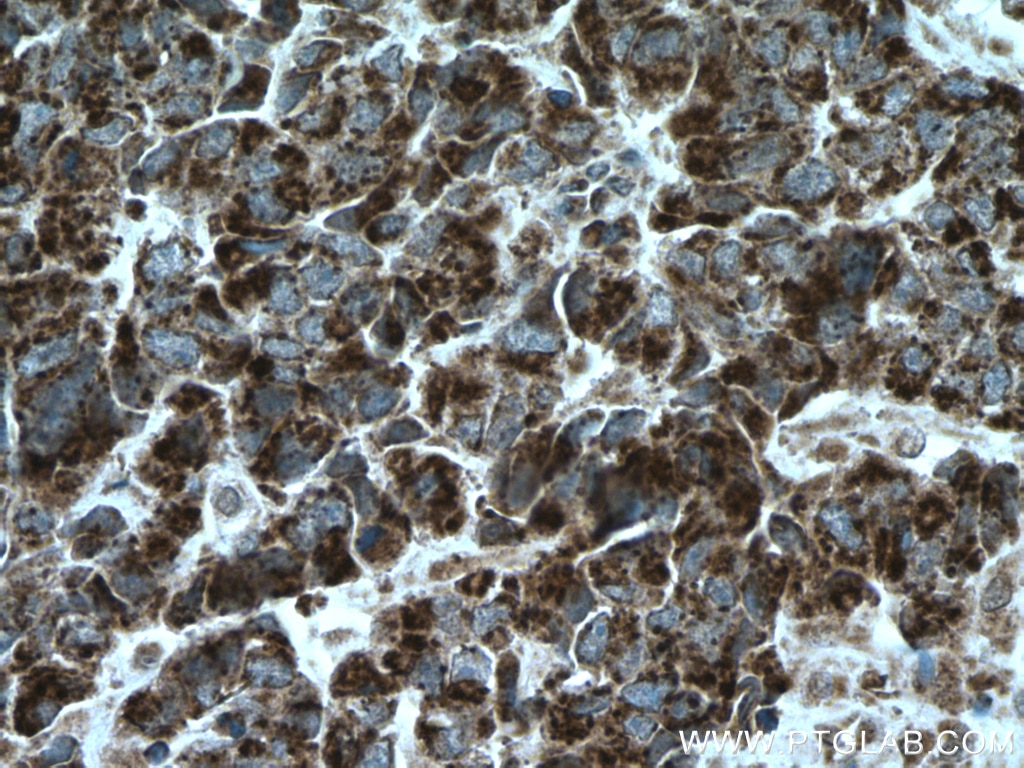
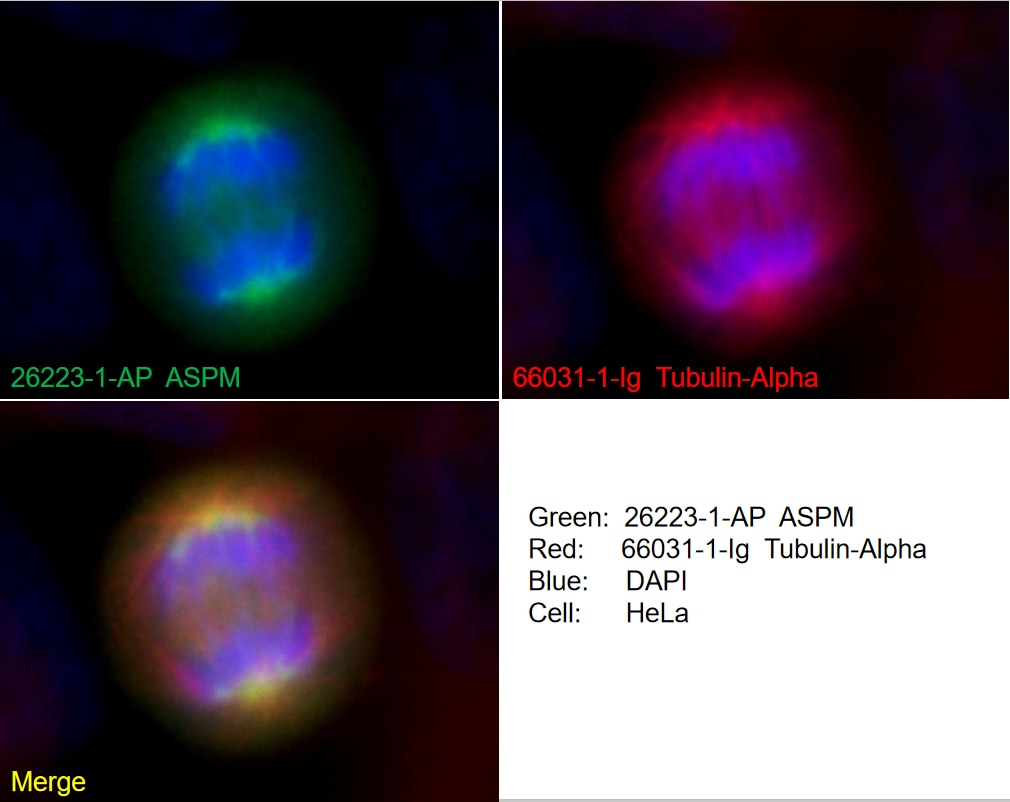

Tested Applications
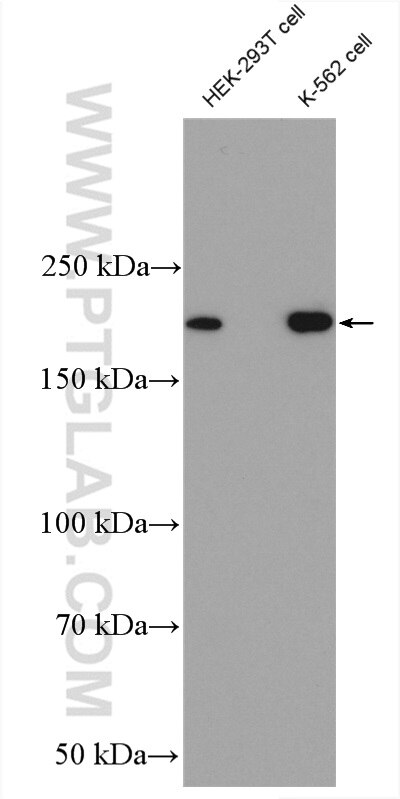
| Positive WB detected in | HEK-293T cells, K-562 cells |
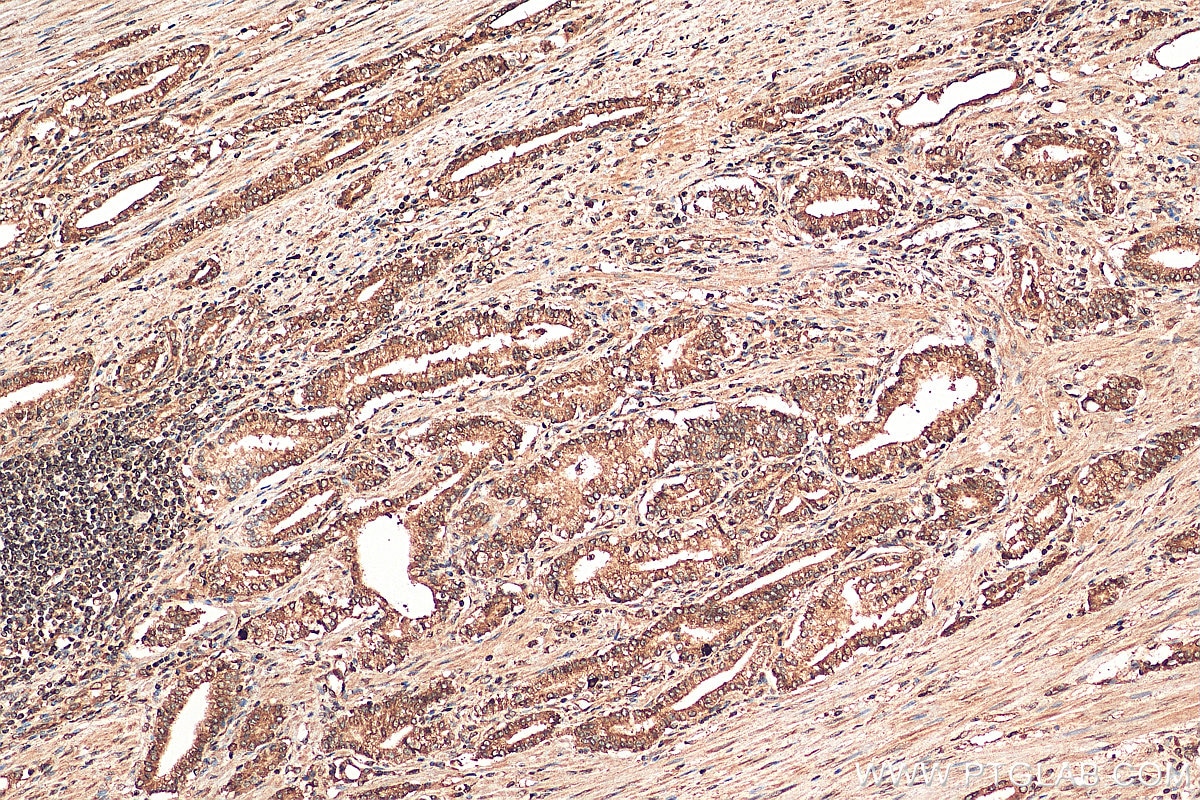
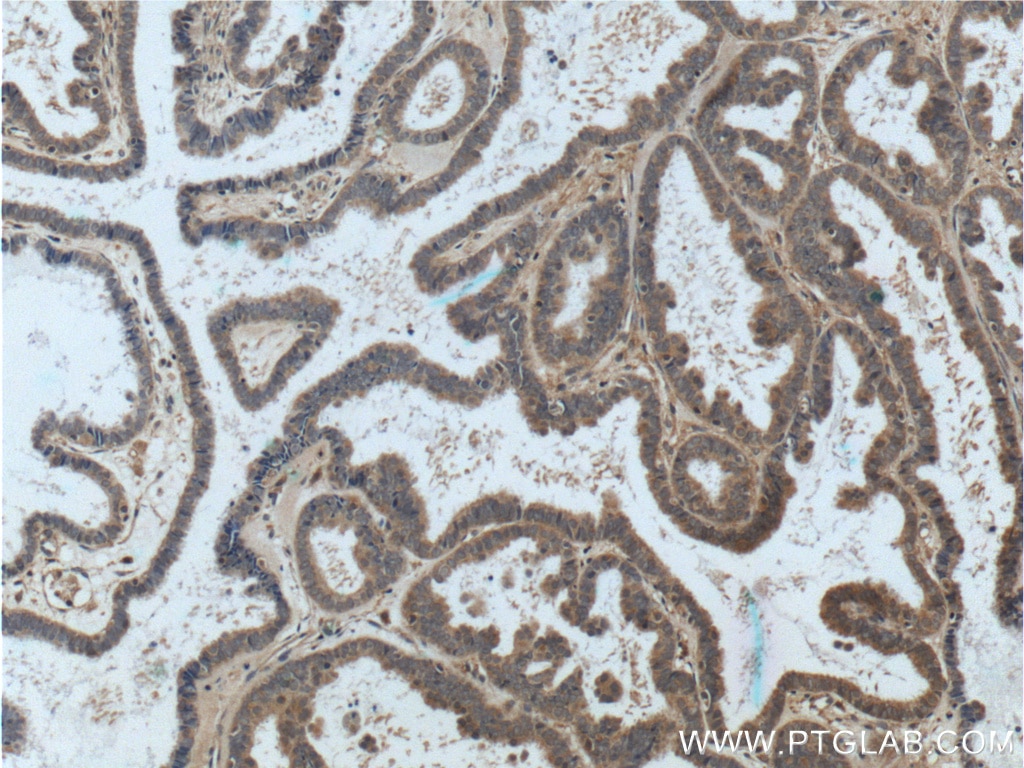
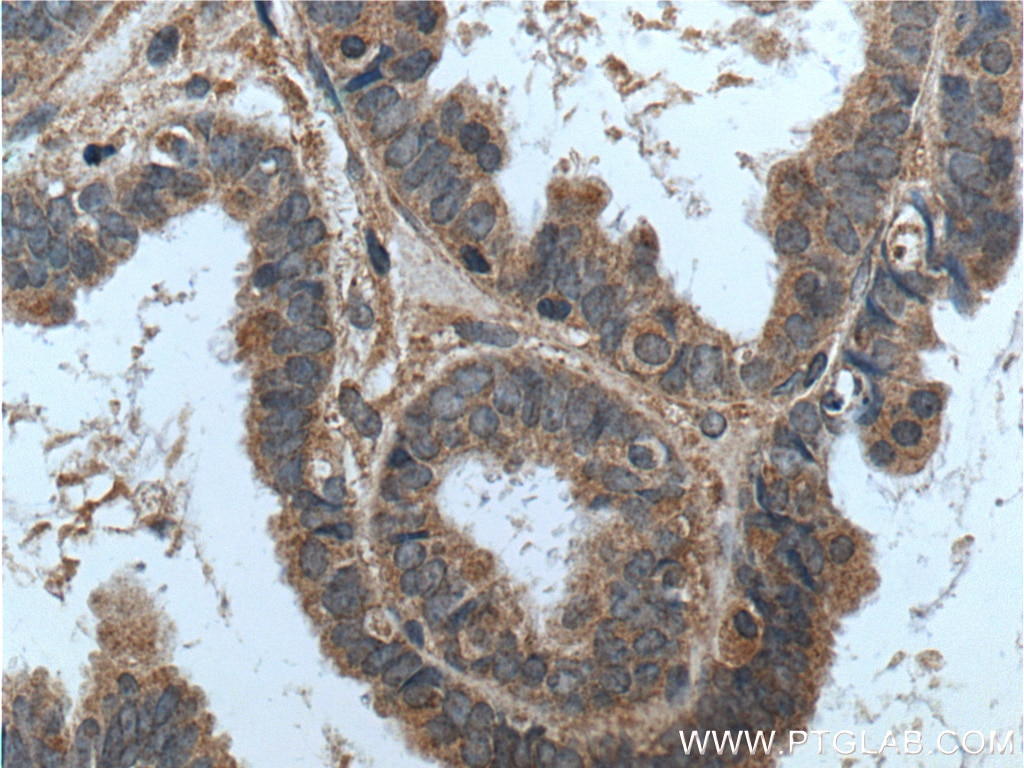
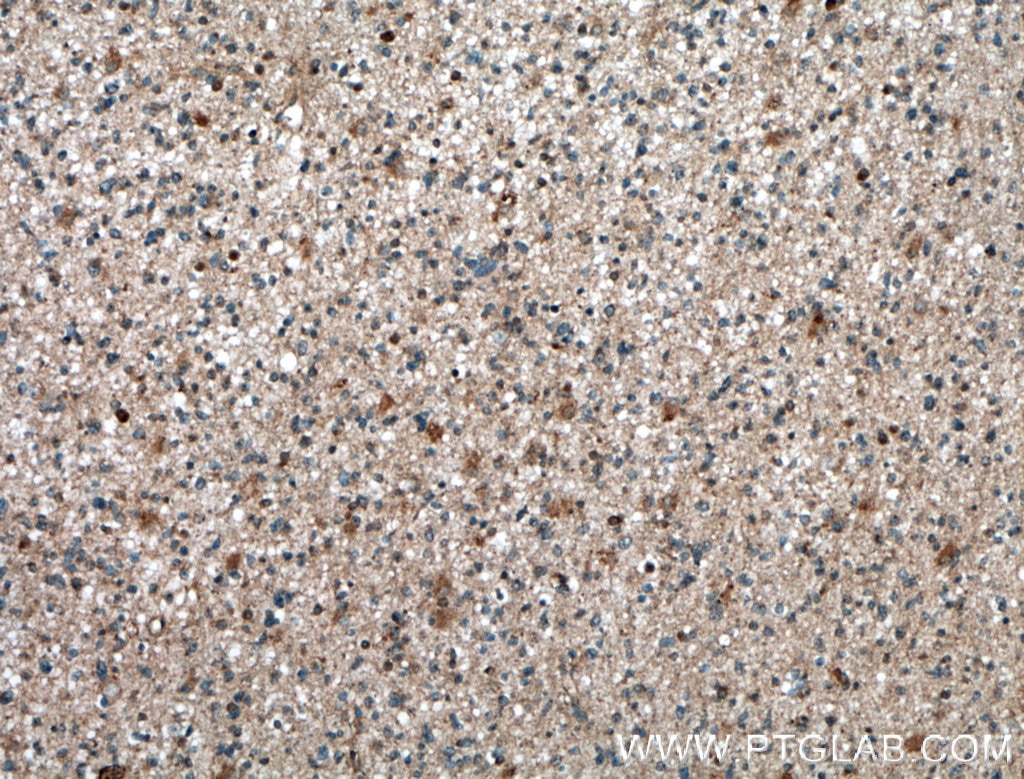
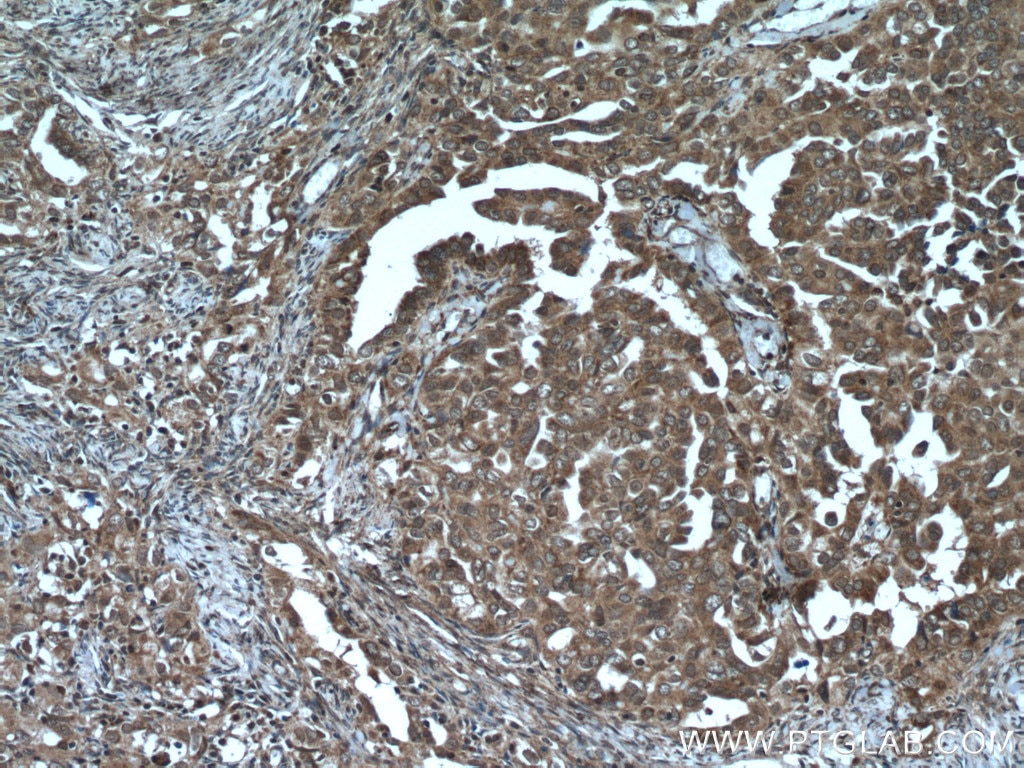
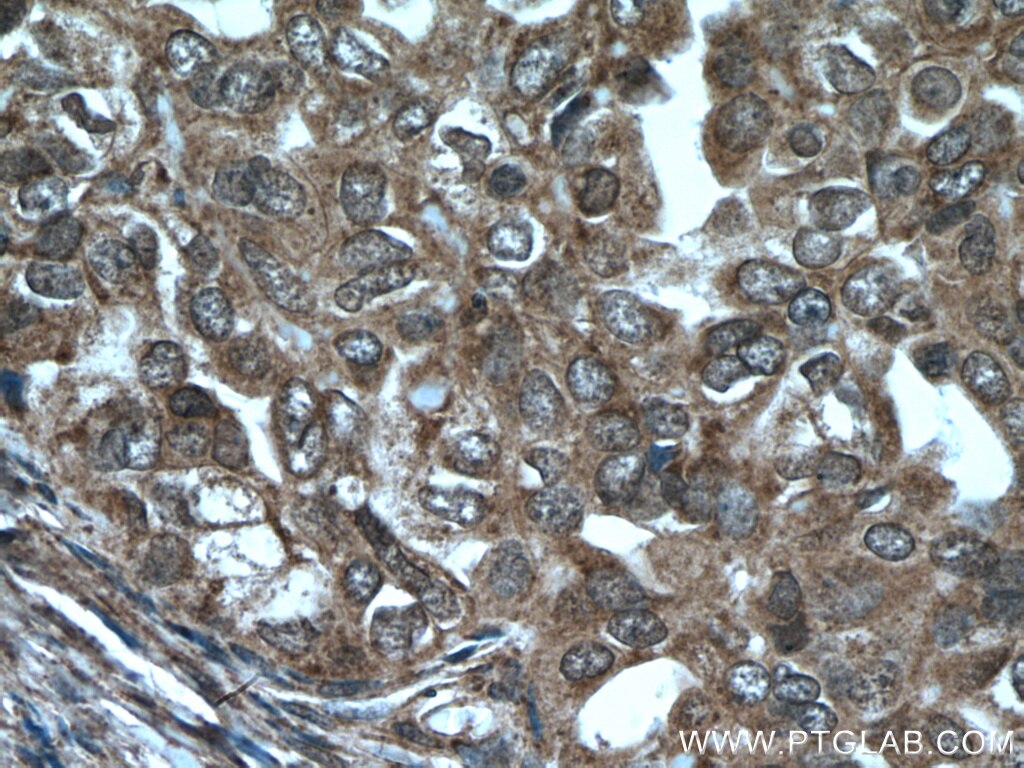
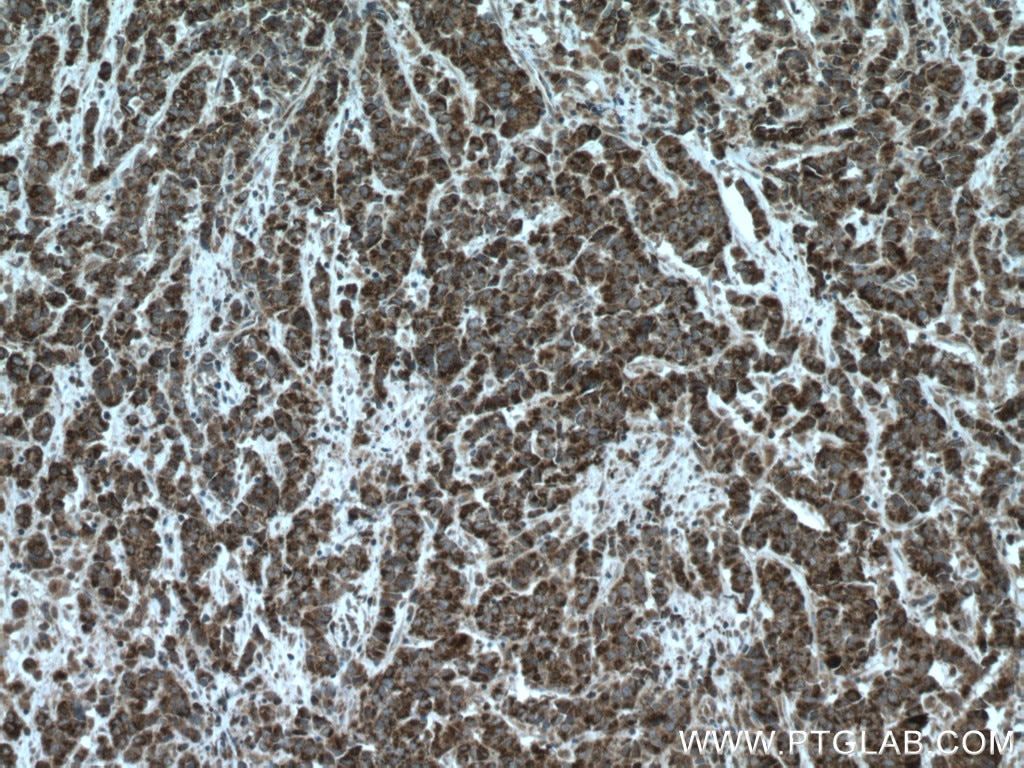
| Positive IHC detected in | human prostate cancer tissue, human gliomas tissue, human ovary tumor tissue Note: suggested antigen retrieval with TE buffer pH 9.0; (*) Alternatively, antigen retrieval may be performed with citrate buffer pH 6.0 |
| Positive IF/ICC detected in | HeLa cells |
Recommended dilution
| Application | Dilution |
|---|---|
| Western Blot (WB) | WB : 1:500-1:1000 |
| Immunohistochemistry (IHC) | IHC : 1:50-1:500 |
| Immunofluorescence (IF)/ICC | IF/ICC : 1:150-1:600 |
| It is recommended that this reagent should be titrated in each testing system to obtain optimal results. | |
| Sample-dependent, Check data in validation data gallery. | |
Product Information
26223-1-AP targets ASPM in WB, IHC, IF/ICC, IP, CoIP, ELISA applications and shows reactivity with human samples.
| Tested Reactivity | human |
| Cited Reactivity | human, mouse |
| Host / Isotype | Rabbit / IgG |
| Class | Polyclonal |
| Type | Antibody |
| Immunogen |
CatNo: Ag24166 Product name: Recombinant human ASPM protein Source: e coli.-derived, PET30a Tag: 6*His Domain: 1-95 aa of BC034607 Sequence: MSLRAYTARCRLNRLRRAACRLFTSEKMVKAIKKLEIEIEARRLIVRKDRHLWKDVGERQKVLNWLLSYNPLWLRIGLETTYGELISLEDNSDVT Predict reactive species |
| Full Name | asp (abnormal spindle) homolog, microcephaly associated (Drosophila) |
| Calculated Molecular Weight | 410 kDa or 218 kDa |
| Observed Molecular Weight | 218 kDa |
| GenBank Accession Number | BC034607 |
| Gene Symbol | ASPM |
| Gene ID (NCBI) | 259266 |
| RRID | AB_2880431 |
| Conjugate | Unconjugated |
| Form | Liquid |
| Purification Method | Antigen affinity purification |
| UNIPROT ID | Q8IZT6 |
| Storage Buffer | PBS with 0.02% sodium azide and 50% glycerol, pH 7.3. |
| Storage Conditions | Store at -20°C. Stable for one year after shipment. Aliquoting is unnecessary for -20oC storage. 20ul sizes contain 0.1% BSA. |
Protocols
| Product Specific Protocols | |
|---|---|
| IF protocol for ASPM antibody 26223-1-AP | Download protocol |
| IHC protocol for ASPM antibody 26223-1-AP | Download protocol |
| WB protocol for ASPM antibody 26223-1-AP | Download protocol |
| Standard Protocols | |
|---|---|
| Click here to view our Standard Protocols |
Publications
What published studies show
Anti-ASPM antibody (Cat# 26223-1-AP) has 25 total citations published across journals including Science, Genome Biology, EMBO Journal, Cancer Letters, Cell Reports, Development, Journal of Biological Chemistry, and others. Research fields span cancer biology (lung, liver, colorectal, thyroid, ovarian, glioma, and prostate cancers), cell cycle regulation, spindle assembly, chromosome segregation, developmental biology, and oocyte biology. Applications include WB, IF, IHC, IP, and CoIP.
| Species | Application | Title |
|---|---|---|
Exploration (Beijing) ASPM Induces Radiotherapy Resistance by Disrupting Microtubule Stability Leading to Chromosome Malsegregation in Non-Small Cell Lung Cancer.
| ||
Cancer Lett ZBTB20 promotes malignancy and stemness in lung squamous cell carcinoma through the transcriptional repression of KCTD1 and activation of Hedgehog signaling. | ||
Genome Biol ASPM mediates nuclear entrapment of FOXM1 via liquid-liquid phase separation to promote progression of hepatocarcinoma
| ||
EMBO J Binary organization of epidermal basal domains highlights robustness to environmental exposure | ||
Cell Rep KIF18A promotes chromosome congression in cooperation with CENP-E downstream of CENP-C. |


