
Tested Applications
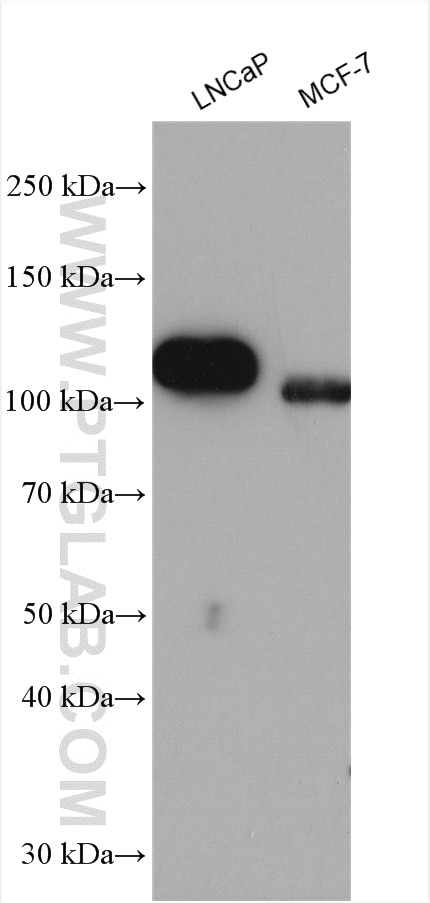
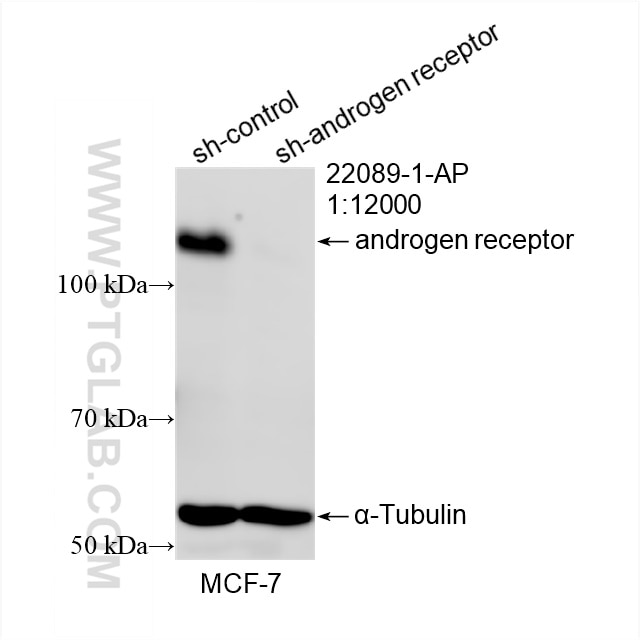
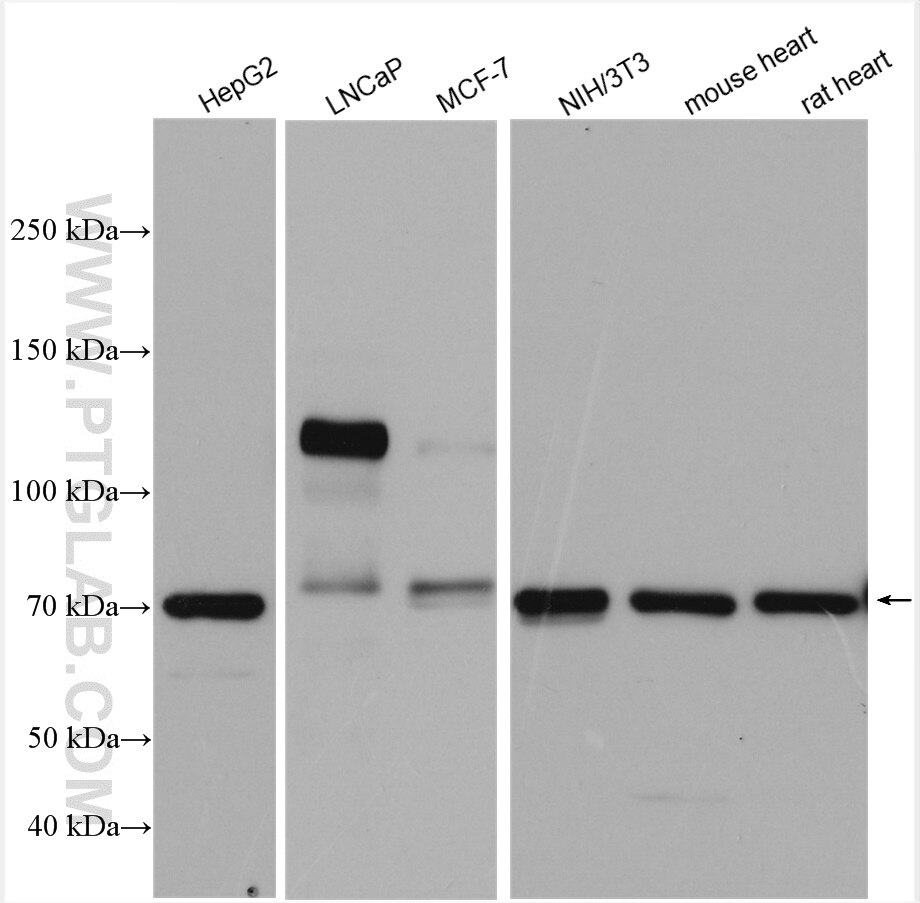
| Positive WB detected in | LNCaP cells, HepG2 cells, MCF-7 cells, NIH/3T3 cells, mouse heart tissue, rat heart tissue |
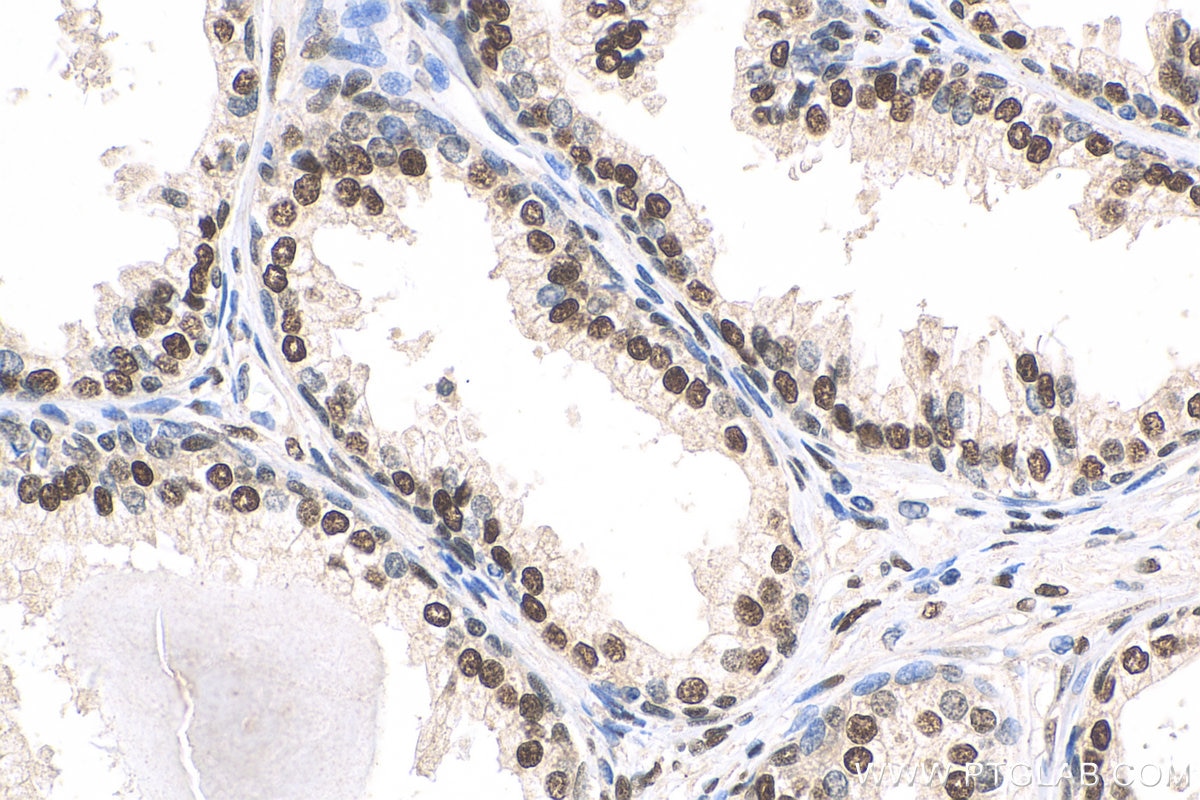
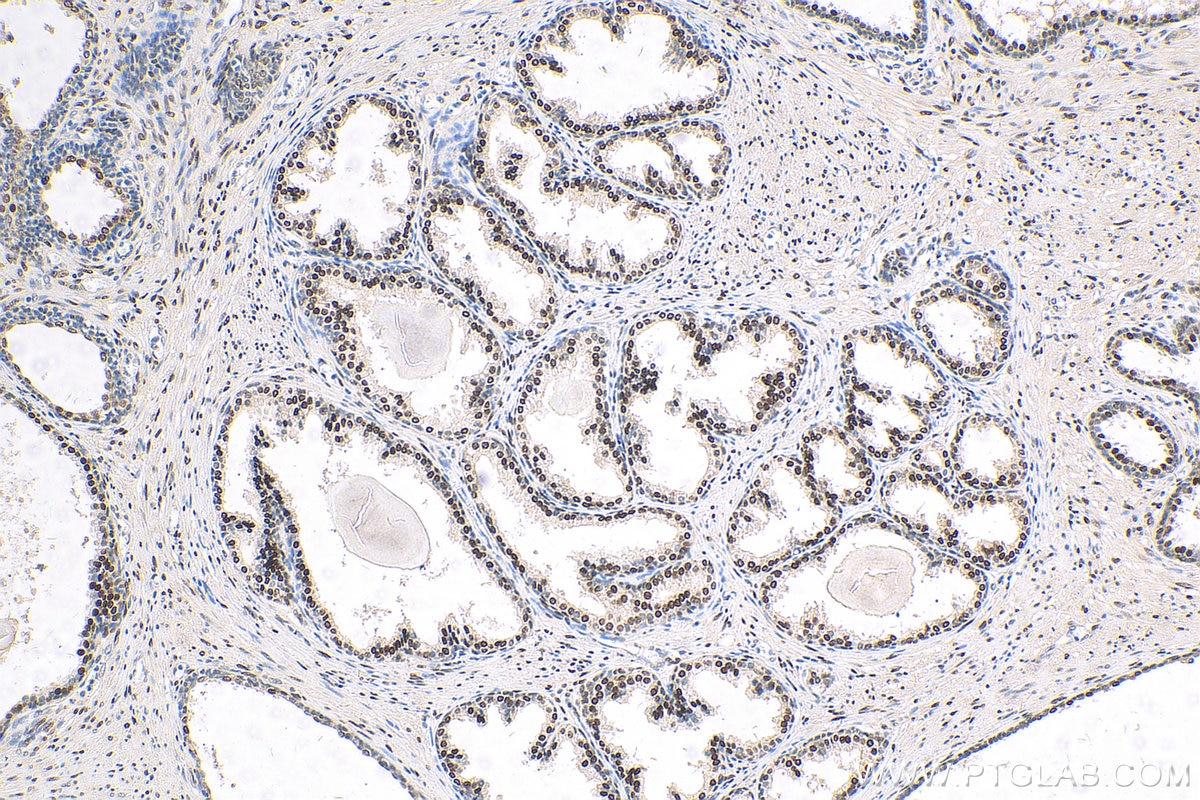
| Positive IHC detected in | human prostate cancer tissue Note: suggested antigen retrieval with TE buffer pH 9.0; (*) Alternatively, antigen retrieval may be performed with citrate buffer pH 6.0 |
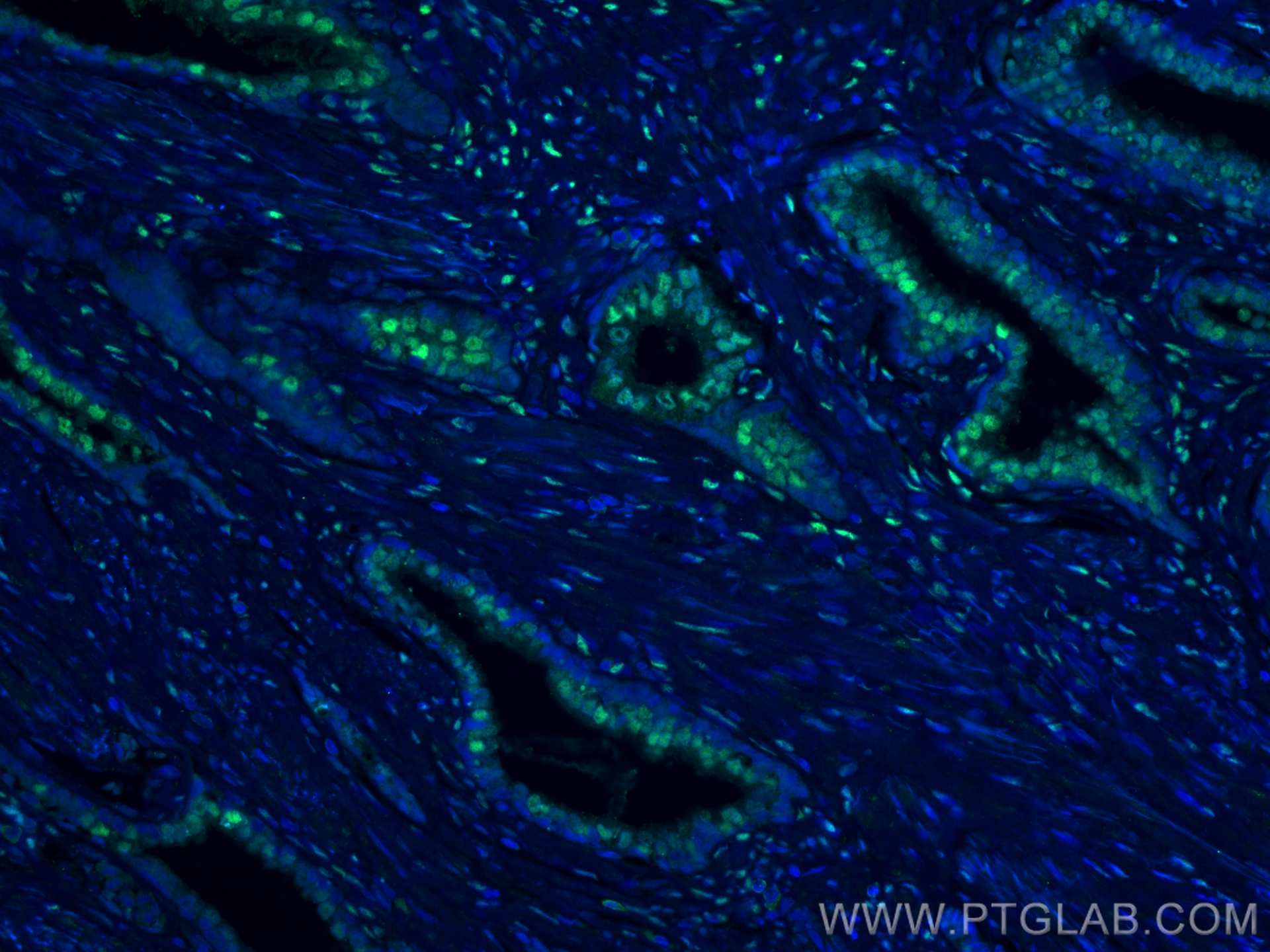
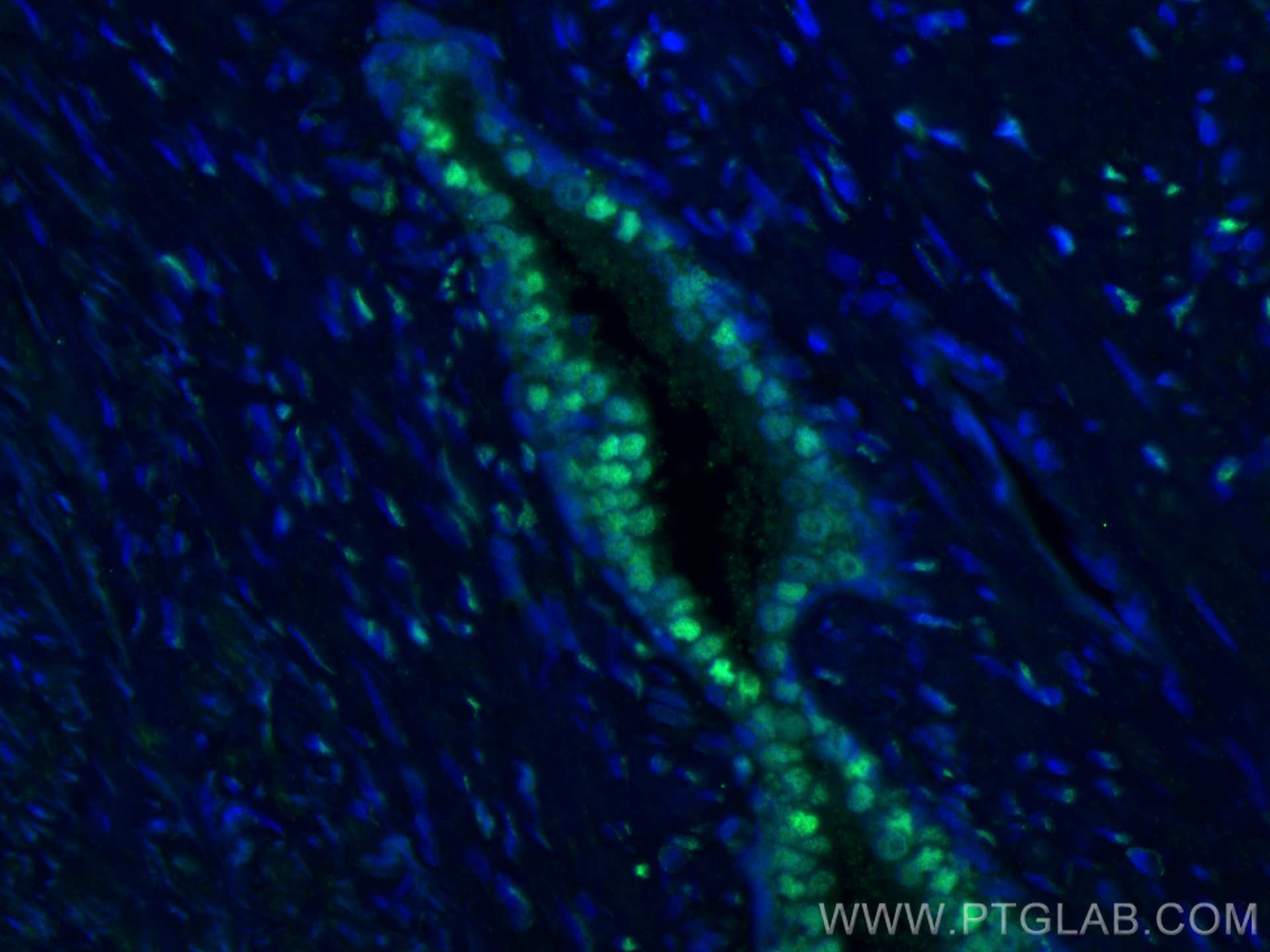
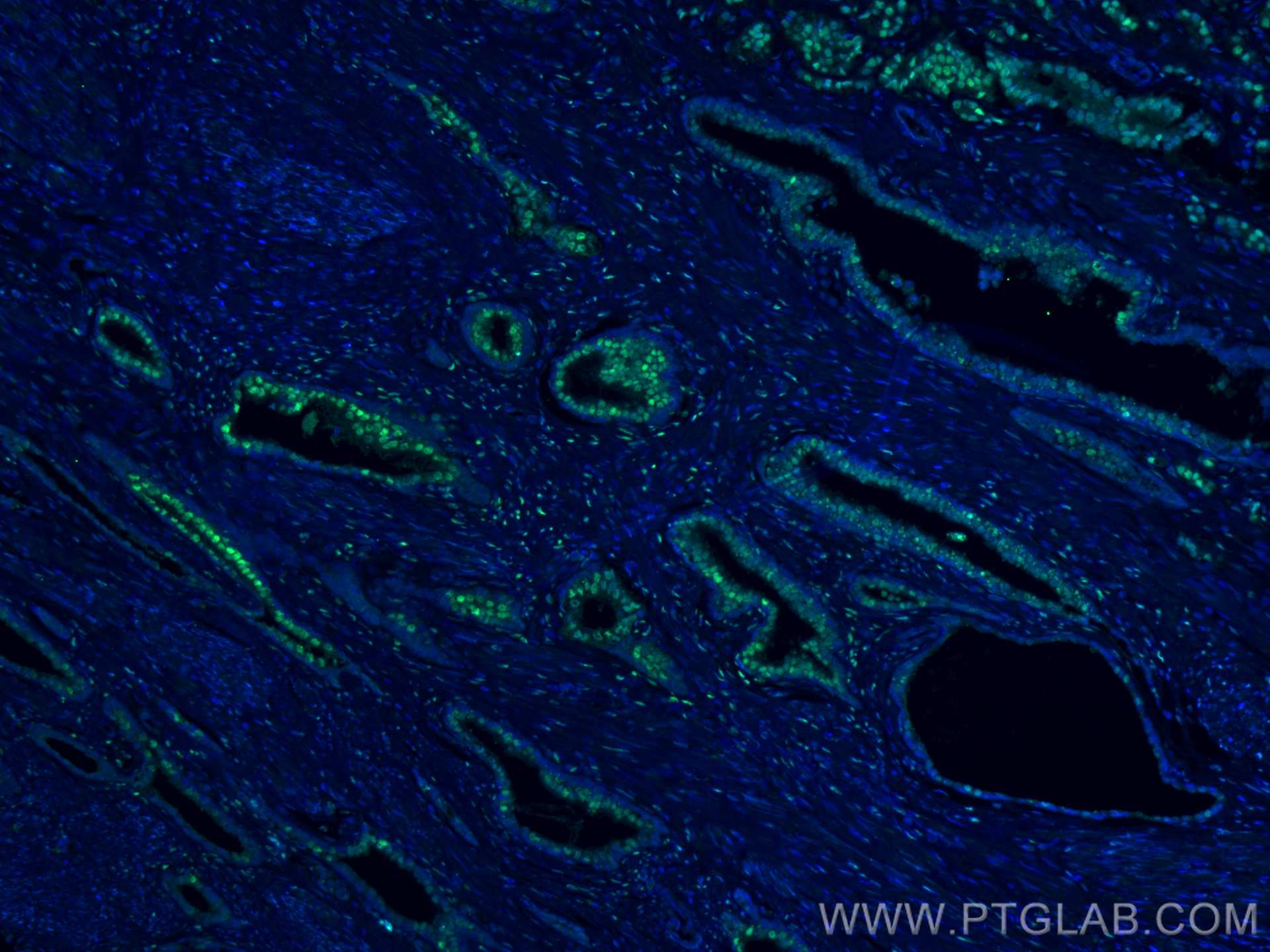
| Positive IF-P detected in | human prostate cancer tissue |
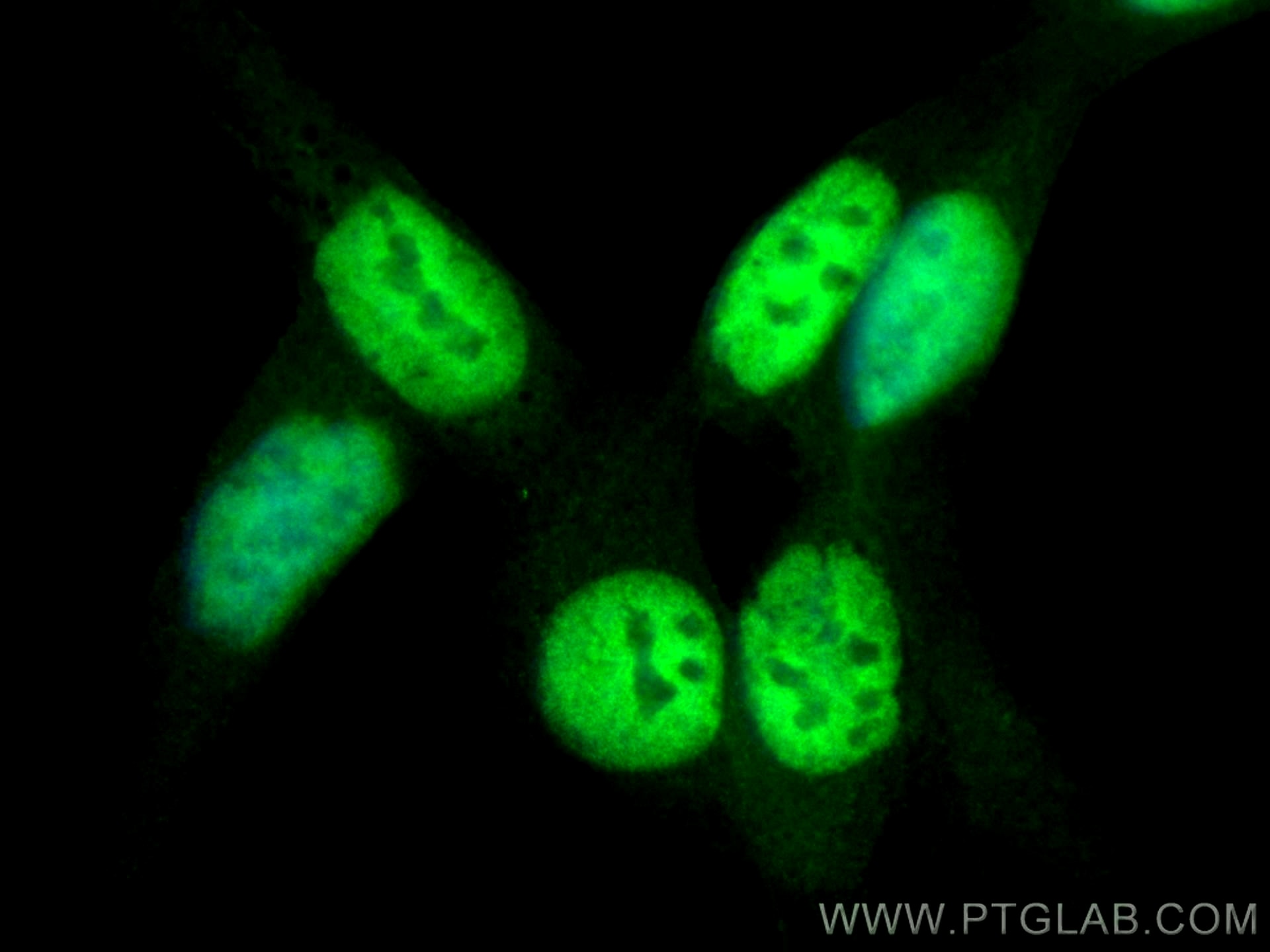
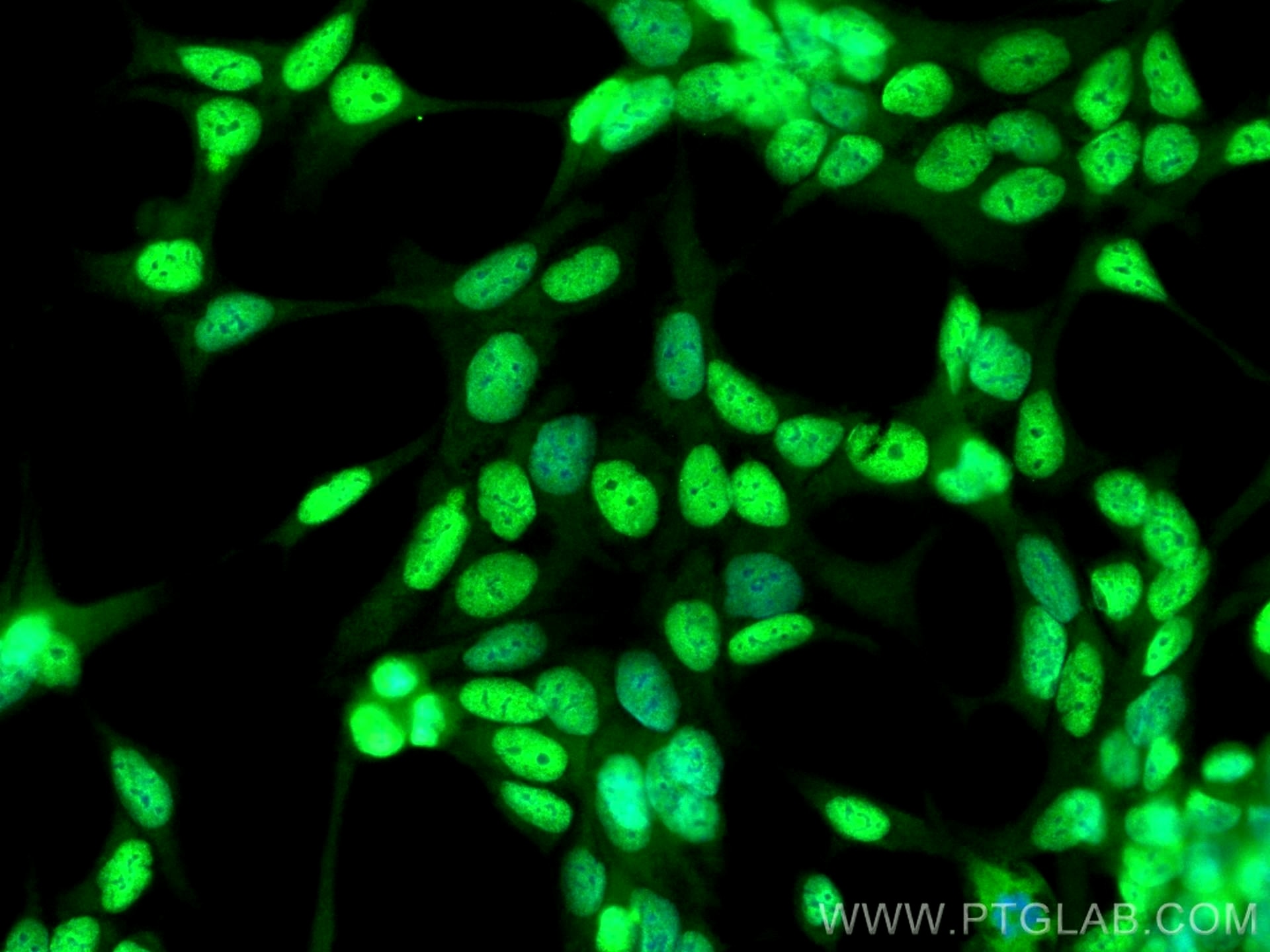
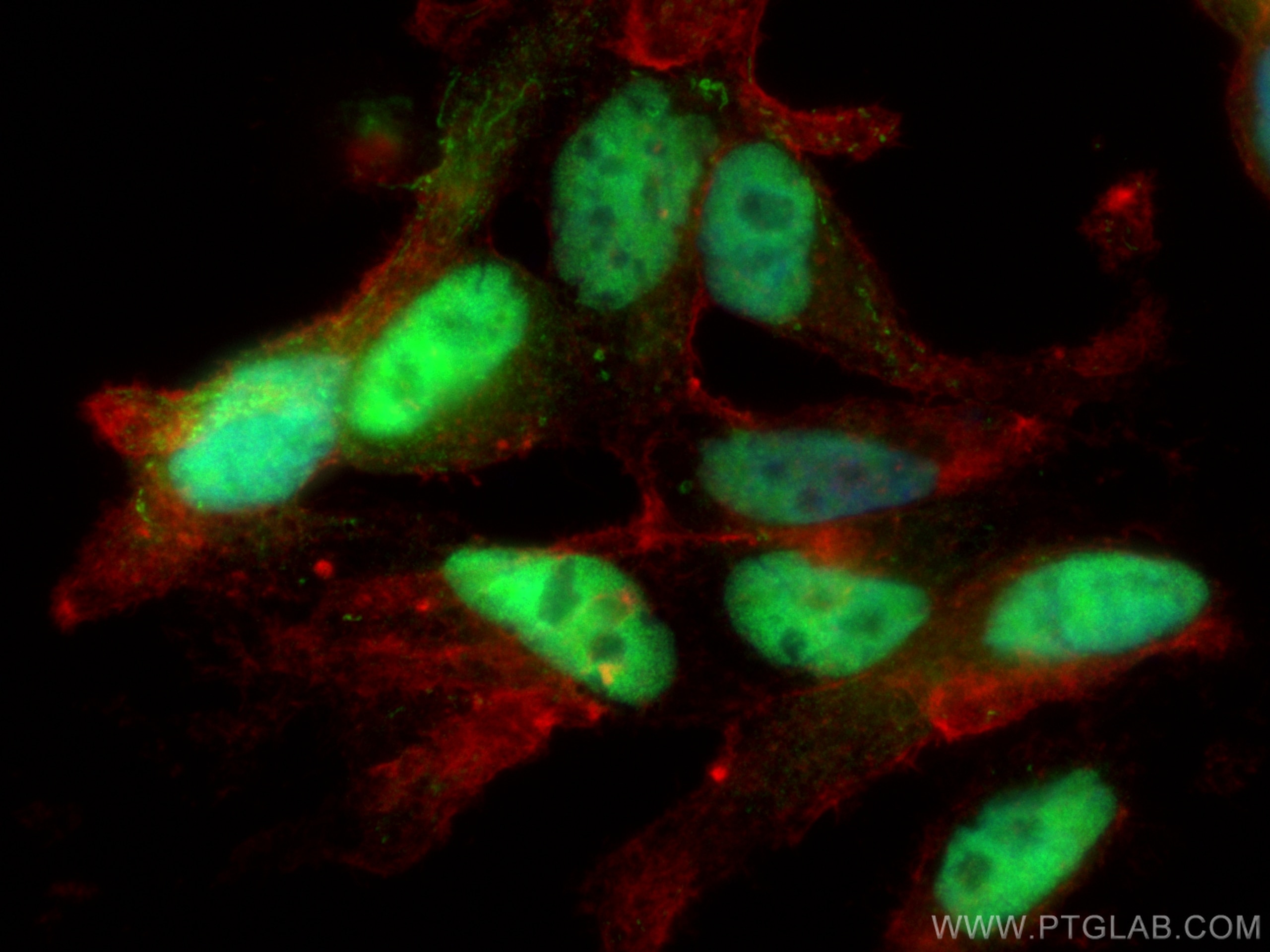
| Positive IF/ICC detected in | LNCaP cells |
Recommended dilution
| Application | Dilution |
|---|---|
| Western Blot (WB) | WB : 1:5000-1:50000 |
| Immunohistochemistry (IHC) | IHC : 1:200-1:800 |
| Immunofluorescence (IF)-P | IF-P : 1:50-1:500 |
| Immunofluorescence (IF)/ICC | IF/ICC : 1:200-1:800 |
| It is recommended that this reagent should be titrated in each testing system to obtain optimal results. | |
| Sample-dependent, Check data in validation data gallery. | |
Product Information
22089-1-AP targets androgen receptor in WB, IHC, IF/ICC, IF-P, IP, CoIP, ChIP, ELISA applications and shows reactivity with human, mouse, rat samples.
| Tested Reactivity | human, mouse, rat |
| Cited Reactivity | human, mouse, rat, pig, rabbit |
| Host / Isotype | Rabbit / IgG |
| Class | Polyclonal |
| Type | Antibody |
| Immunogen |
CatNo: Ag17291 Product name: Recombinant human AR protein Source: e coli.-derived, PET28a Tag: 6*His Domain: 1-285 aa of BC132975 Sequence: MEVQLGLGRVYPRPPSKTYRGAFQNLFQSVREVIQNPGPRHPEAASAAPPGASLLLLQQQQQQQQQQQQQQQQQQQQQETSPRQQQQQQGEDGSPQAHRRGPTGYLVLDEEQQPSQPQSALECHPERGCVPEPGAAVAASKGLPQQLPAPPDEDDSAAPSTLSLLGPTFPGLSSCSADLKDILSEASTMQLLQQQQQEAVSEGSSSGRAREASGAPTSSKDNYLGGTSTISDNAKELCKAVSVSMGLGVEALEHLSPGEQLRGDCMYAPLLGVPPAVRPTPCAPL Predict reactive species |
| Full Name | androgen receptor |
| Calculated Molecular Weight | 914 aa, 99 kDa |
| Observed Molecular Weight | 75-80 kDa, 110-120 kDa |
| GenBank Accession Number | BC132975 |
| Gene Symbol | AR |
| Gene ID (NCBI) | 367 |
| RRID | AB_11182176 |
| Conjugate | Unconjugated |
| Form | Liquid |
| Purification Method | Antigen affinity purification |
| UNIPROT ID | P10275 |
| Storage Buffer | PBS with 0.02% sodium azide and 50% glycerol, pH 7.3. |
| Storage Conditions | Store at -20°C. Stable for one year after shipment. Aliquoting is unnecessary for -20oC storage. 20ul sizes contain 0.1% BSA. |
Background Information
1. What is the molecular weight of AR? Are there any isoforms of AR?
The molecular weight of full-length androgen receptor (AR-B) is 110 kDa. An additional variant, AR-A, has an 87 kDa size and lacks the N-terminal 187 amino acids of AR-A (PMID: 8108393). Recently, more splice variants of AR have been discovered, raising protein products of around 80 kDa length (PMID: 19244107), as well as an AR45 variant of 45 kDa size (PMID: 15634333). AR splice variants differ in their cell line-specific expression (PMID: 24570075).
2. What is the subcellular localization of AR?
AR can be present in either or both of the cytoplasm and nucleus. In androgen-deprived cells, AR is found predominantly in the cytoplasm, while stimulation by androgens causes enrichment of androgen-bound AR in the nucleus. AR shuttles between the cytoplasm and nucleus and its phosphorylation state has an impact on the subcellular localization (PMID: 16282370).
3. Is AR post-translationally modified?
Post-translational modifications of the AR include phosphorylation, acetylation, methylation, SUMOylation, and ubiquitination (PMID: 21820033). These modifications have an impact on receptor stability, activity, and can change the observed molecular weight of the AR.
4. How to study AR signaling in cell culture?
It is important to control levels of cell stimulation while also looking at AR signaling. Fetal bovine serum (FBS) that is typically used in cell culture contains low levels of testosterone that are enough to stimulate the growth of prostate cells (PMID: 19676093), including the LNCaP cell line that is a commonly used human prostatic carcinoma cell model (PMID: 6831420). One possibility for complete testosterone deprivation is to use charcoal stripped FBS that removes lipophilic agents, including androgens. It is also not recommended to use phenol red in your medium because it is a weak estrogen (PMID: 3458212). Cell stimulation is often conducted by dihydrotestosterone (DHT).
5. What is the role of AR in prostate cancer?
AR plays a key role in the development and physiology of the prostate gland, and also cancer progression (PMID: 15082523). Mutations in AR altering ligands have been observed. The progression of the prostate cancer depends on AR activity and therefore blocking AR activity or lowering androgen levels is a key step related to androgen deprivation therapy (ADT).
Protocols
| Product Specific Protocols | |
|---|---|
| IF protocol for androgen receptor antibody 22089-1-AP | Download protocol |
| IHC protocol for androgen receptor antibody 22089-1-AP | Download protocol |
| WB protocol for androgen receptor antibody 22089-1-AP | Download protocol |
| Standard Protocols | |
|---|---|
| Click here to view our Standard Protocols |
Publications
What published studies show
| Species | Application | Title |
|---|---|---|
Nat Commun Targeting APLN/APJ restores blood-testis barrier and improves spermatogenesis in murine and human diabetic models | ||
Cell Discov Lysine butyrylation of HSP90 regulated by KAT8 and HDAC11 confers chemoresistance | ||
J Nanobiotechnology Bio-inspired suction cup microneedle loaded fusion membrane targeting nano-drug delivery system treat androgenetic alopecia. | ||
Nucleic Acids Res SMAD3 promotes expression and activity of the androgen receptor in prostate cancer | ||
J Nanobiotechnology Exosome-delivered NR2F1-AS1 and NR2F1 drive phenotypic transition from dormancy to proliferation in treatment-resistant prostate cancer via stabilizing hormonal receptors |
Reviews
What customers say
The reviews below have been submitted by verified Proteintech customers who received an incentive for providing their feedback.
Jianneng (Verified Customer) (10-02-2025) | It works perfectly! The signal is strong, the position is right, and it needs a small amount of the antibody for the WB.
|
Kis (Verified Customer) (02-21-2025) | This antibody did not yield satisfactory results in our cell line for Western blot (WB) analysis.
|
Antonio (Verified Customer) (03-27-2023) | This antibody worked better than expected. Better than several Same antibody from different company
|
Emma (Verified Customer) (11-29-2021) | We couldn't get this antibody to work by IF on FFPE tissue.
|
Saswati (Verified Customer) (08-20-2019) | This antibody worked in a cell line with a lower expression of AR, when another antibody from another vendor did not work. I am very pleased with its earlier lot.Also, since this is a polyclonal antibody, many bands light up, but in my opinion these are legitimate bands.Also hoping that the quality control keeps good eye from one lot to another., I have yet to use the particular lot# I put in this note.Thanks
|


