

Tested Applications
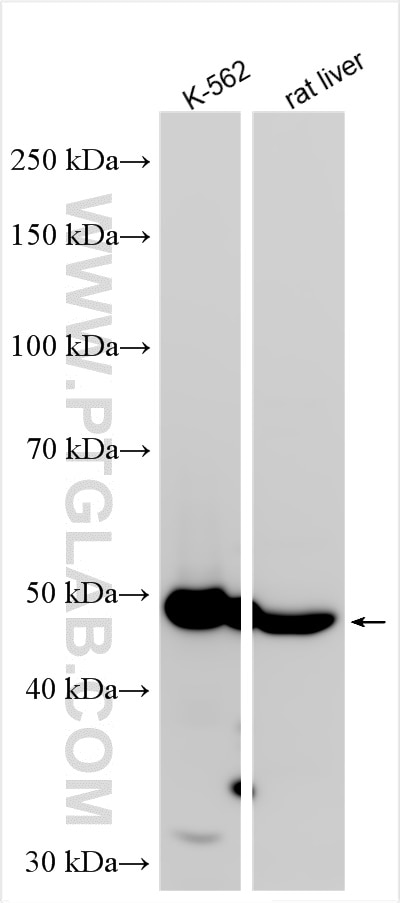
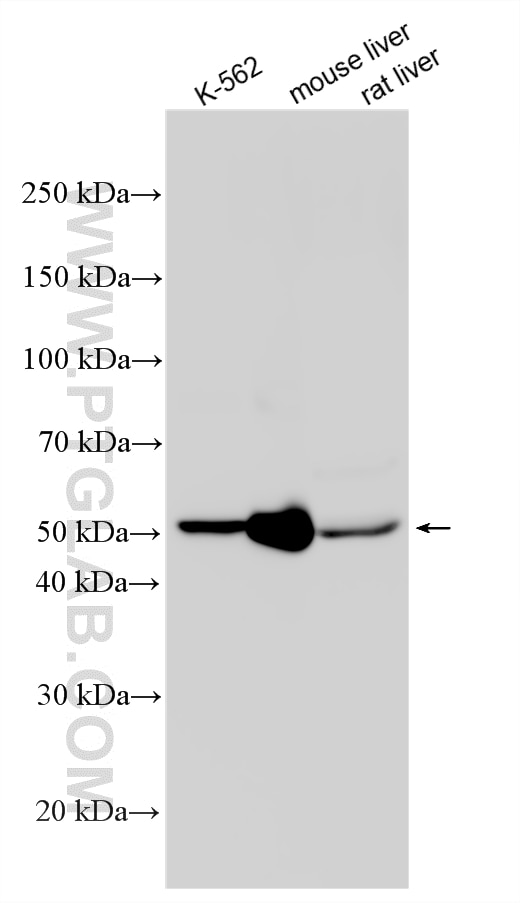
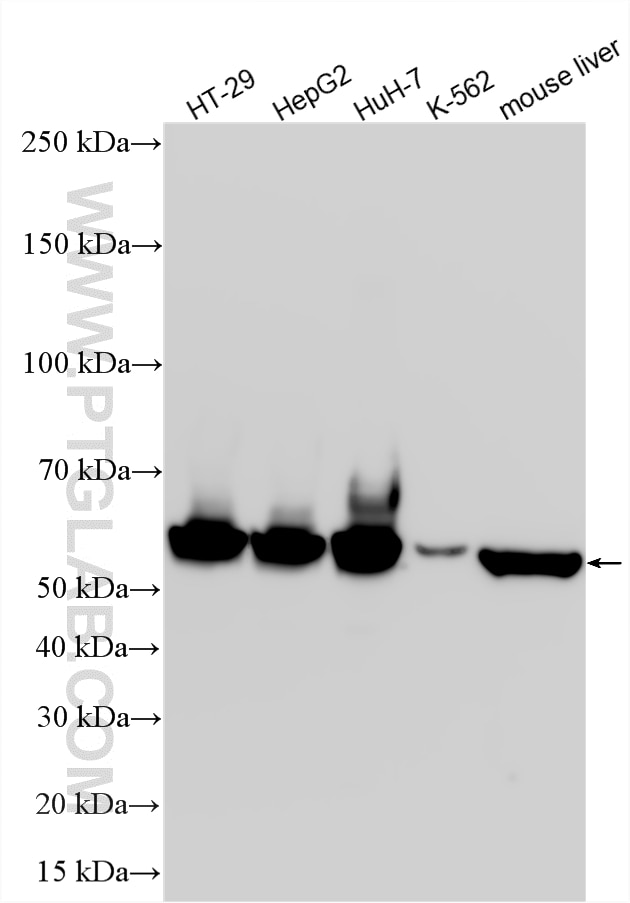
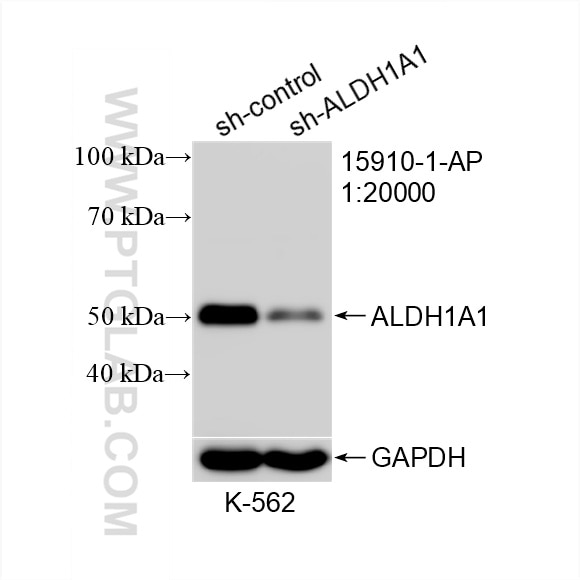
| Positive WB detected in | K-562 cells, HT-29 cells, HepG2 cells, HuH-7 cells, mouse liver tissue, rat liver tissue |
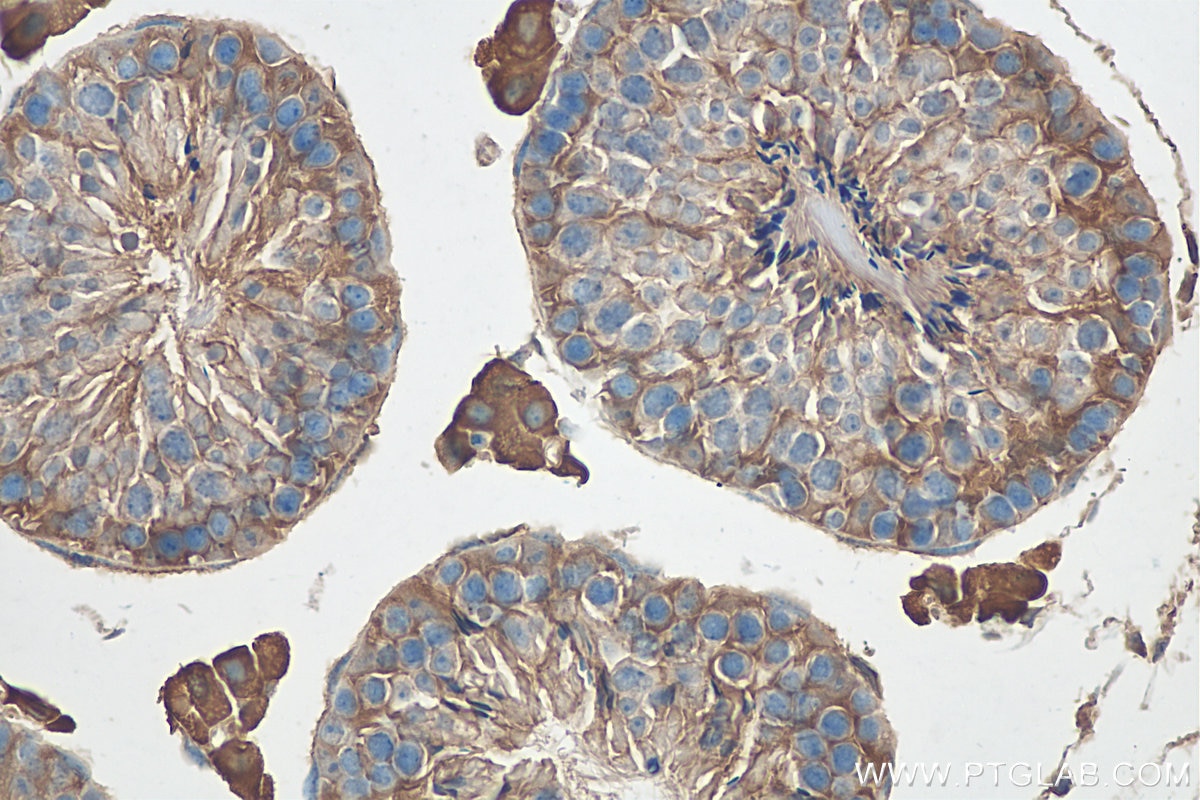
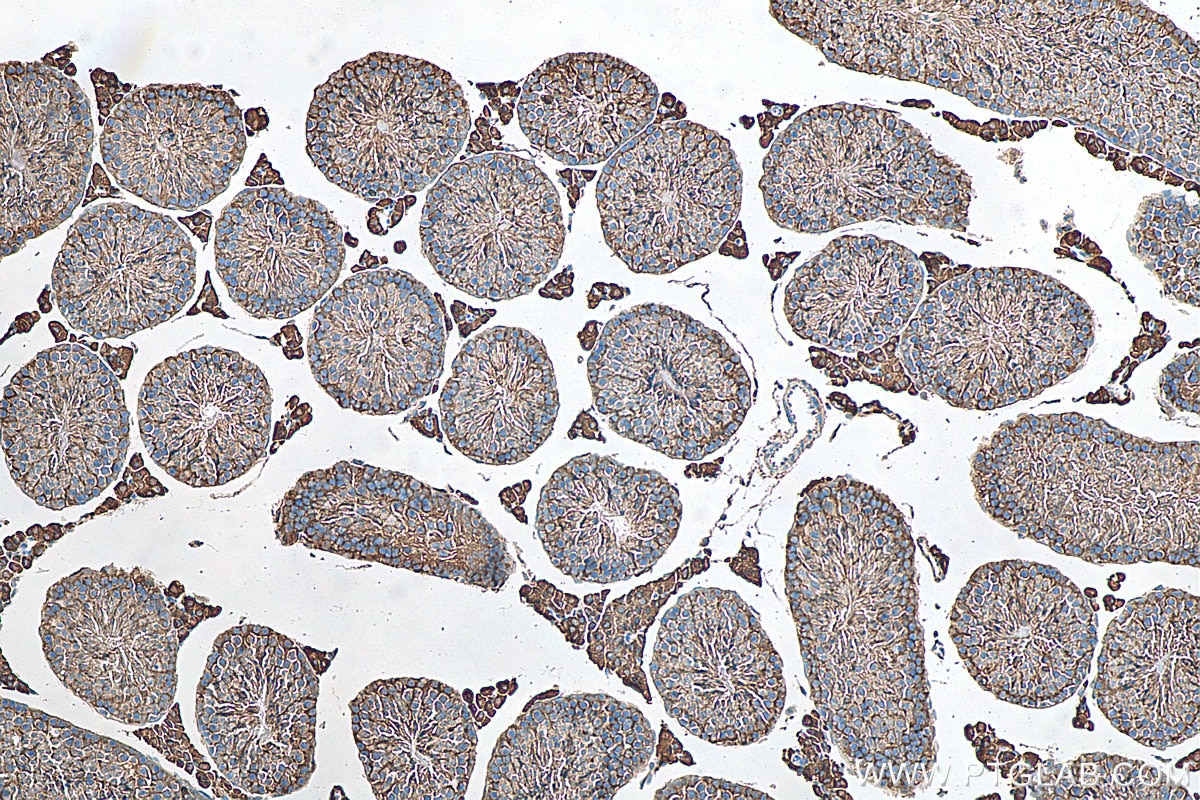
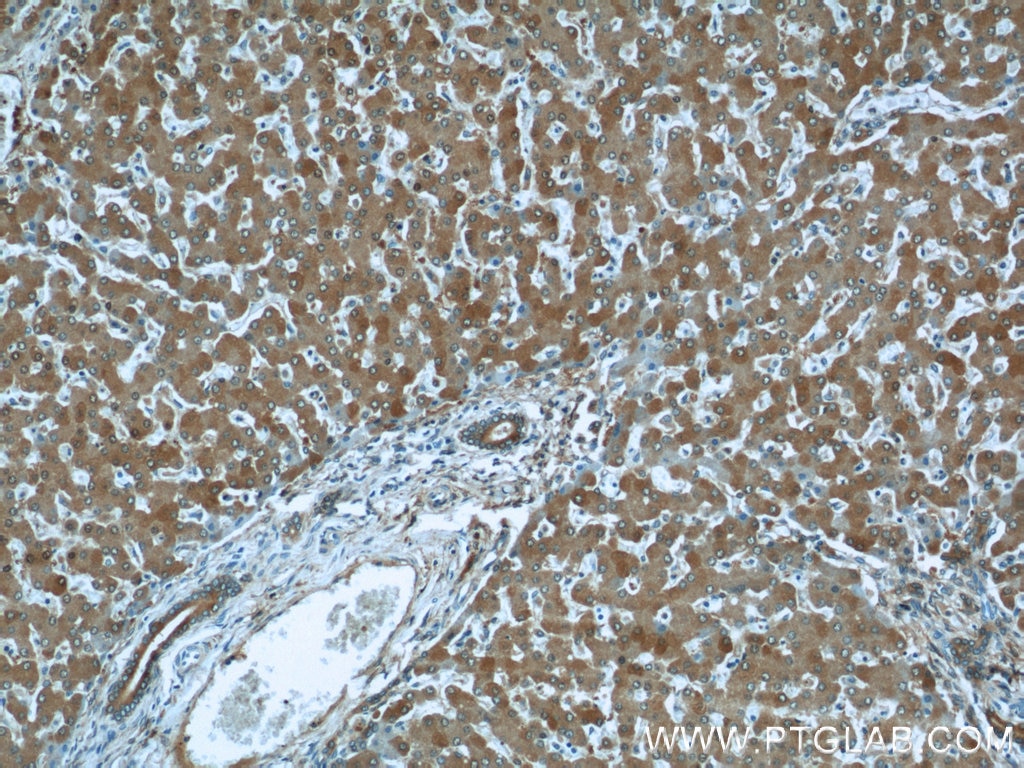
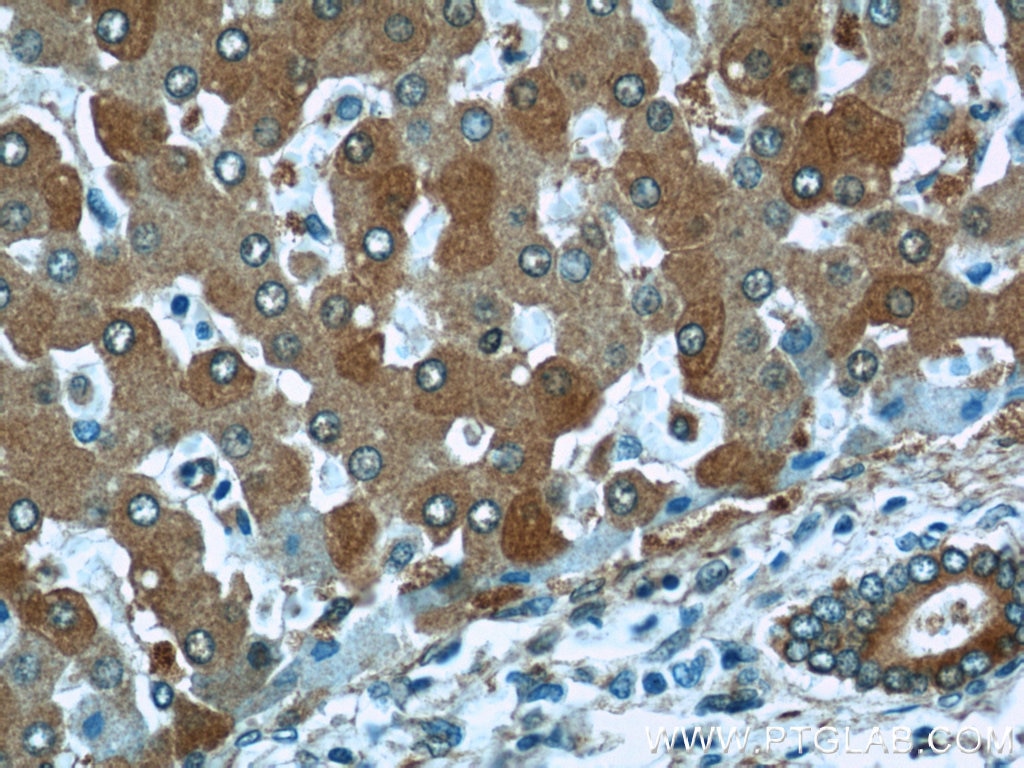
| Positive IHC detected in | mouse testis tissue, human liver tissue Note: suggested antigen retrieval with TE buffer pH 9.0; (*) Alternatively, antigen retrieval may be performed with citrate buffer pH 6.0 |
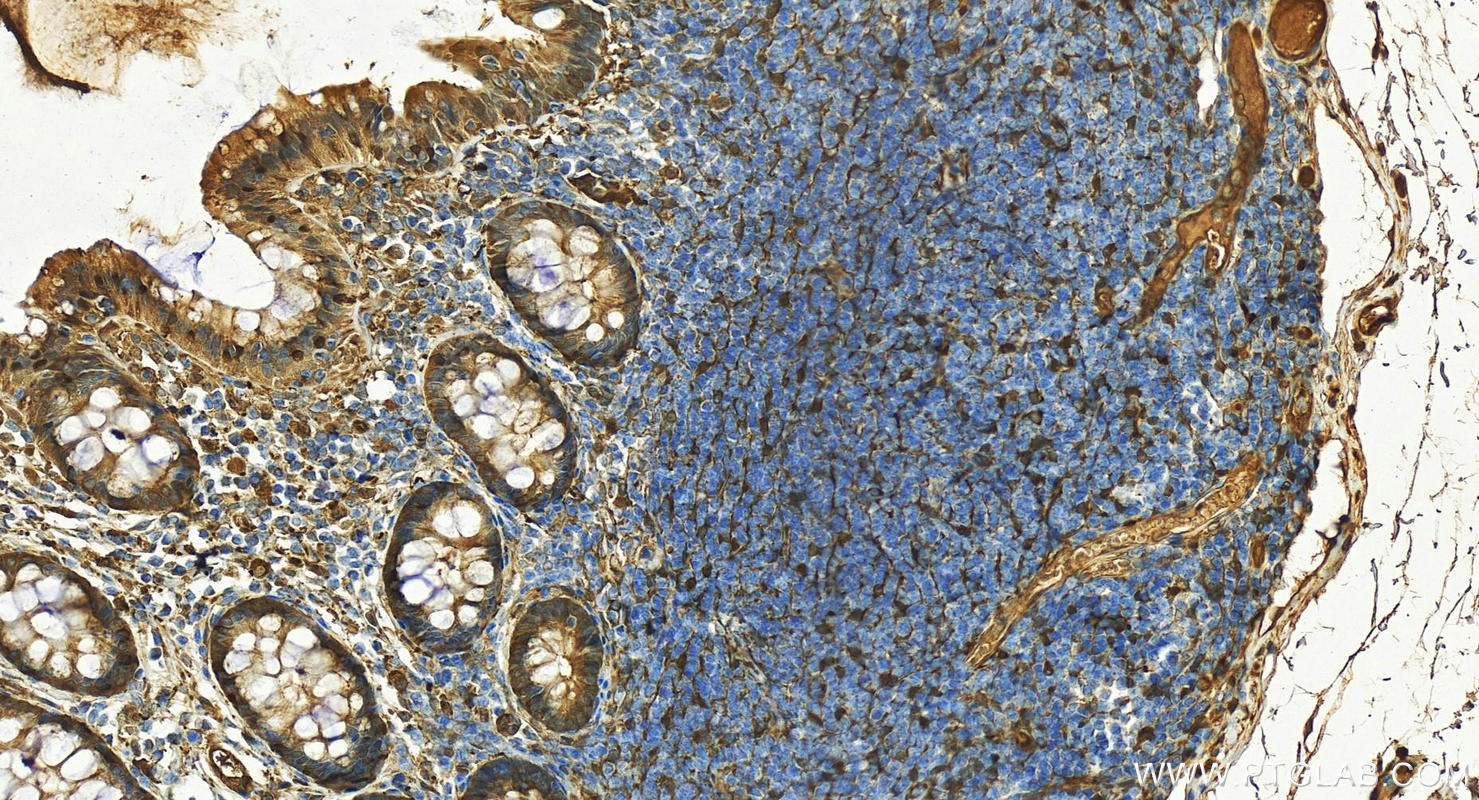
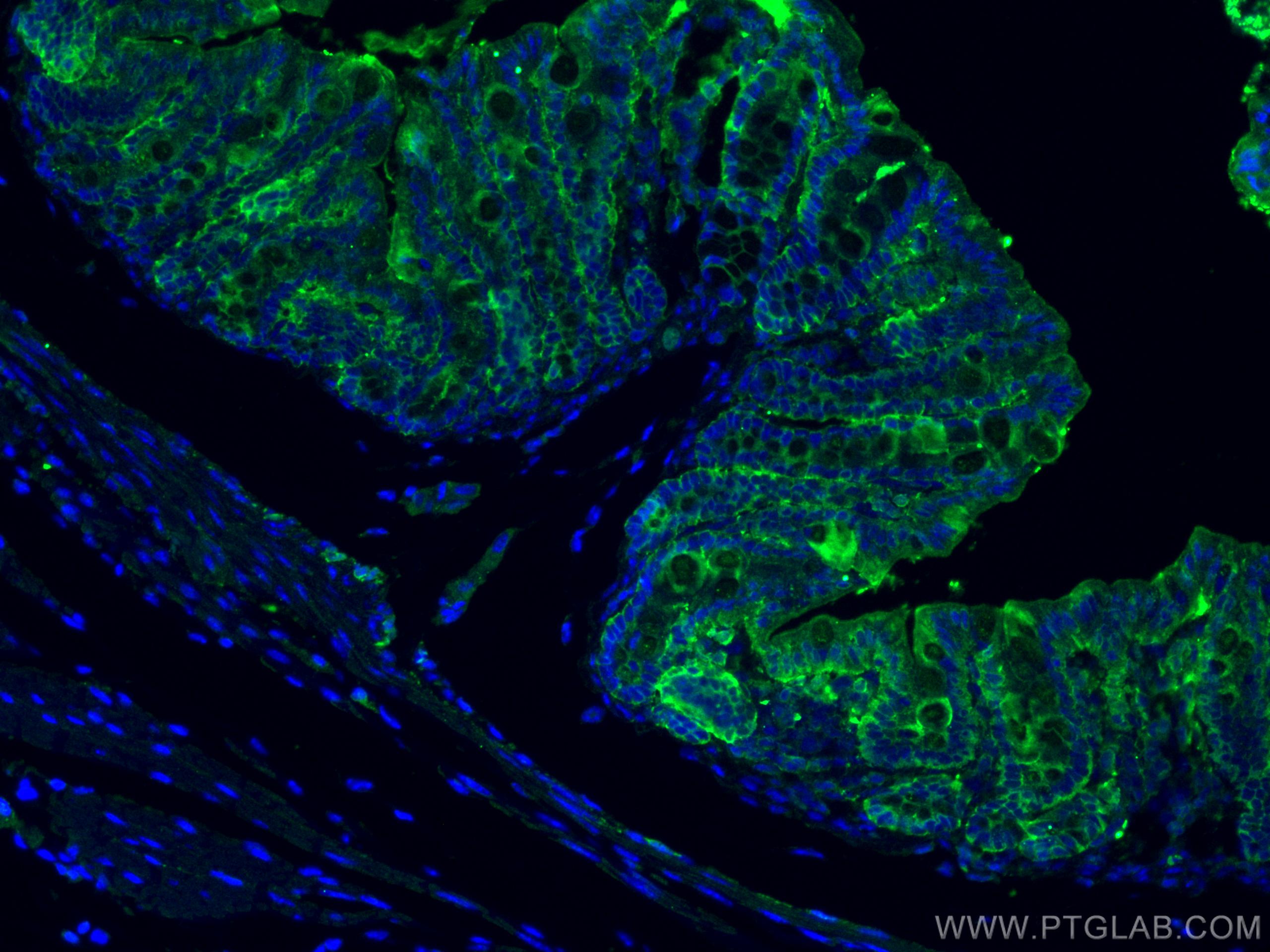
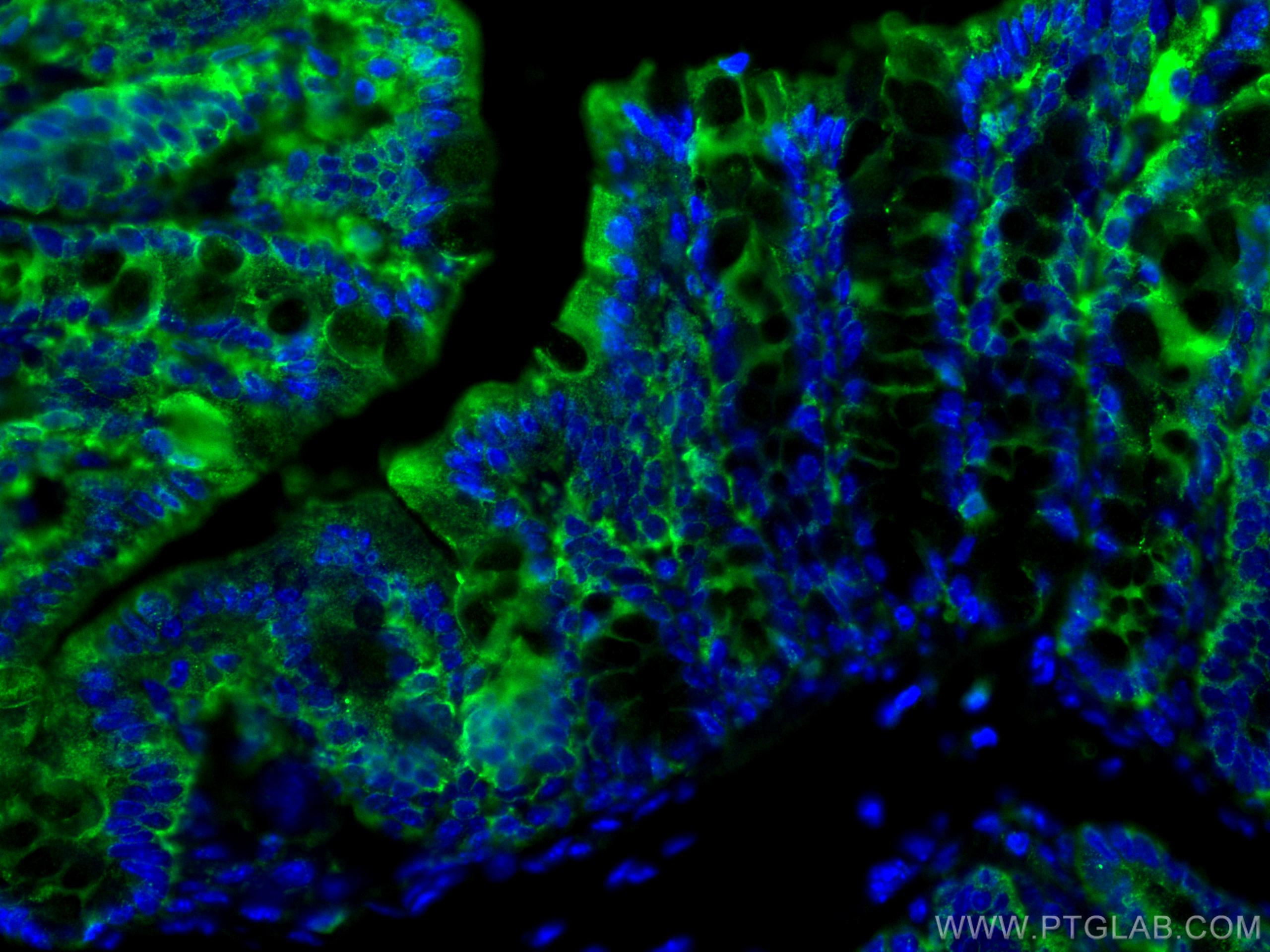
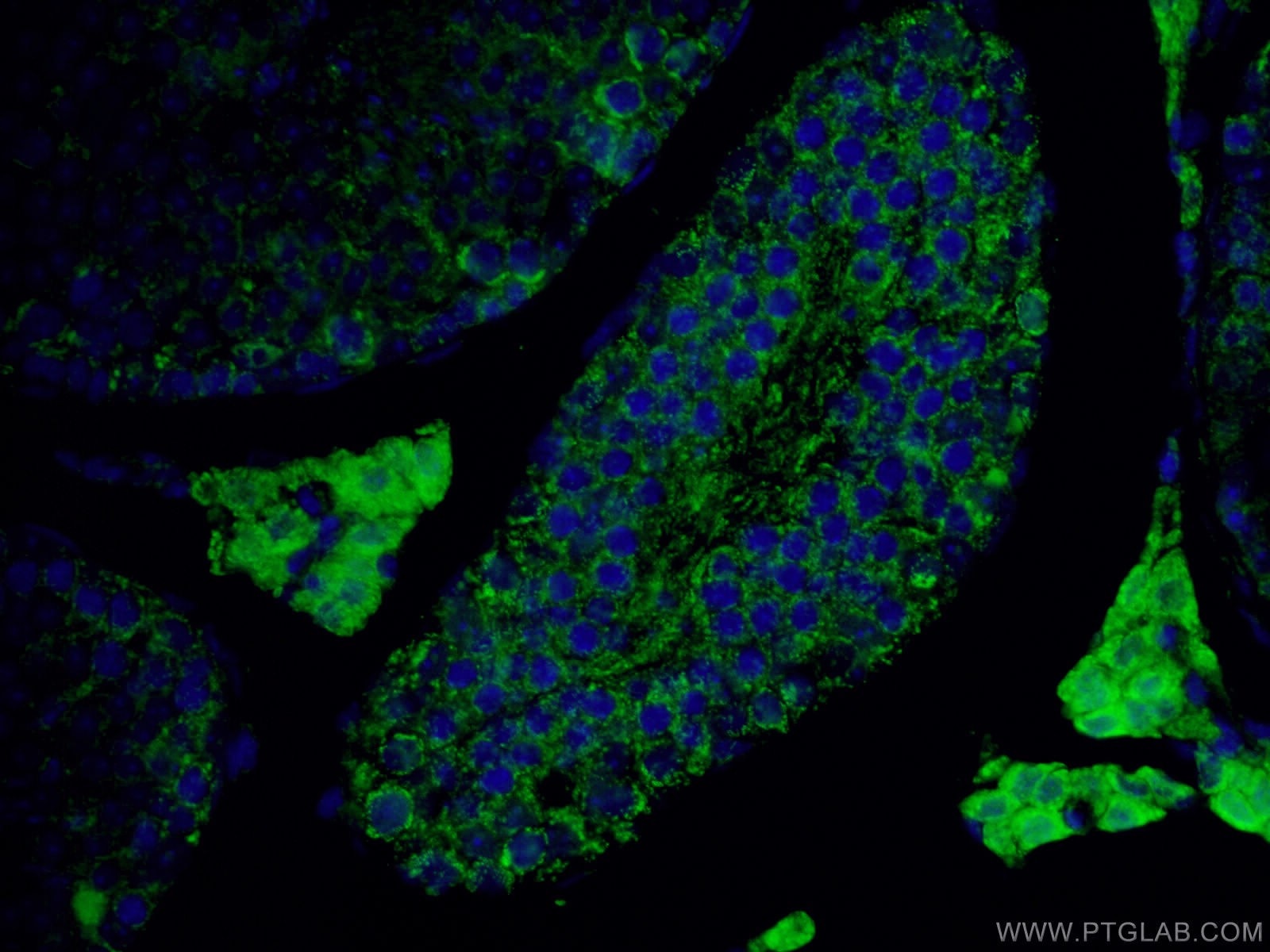
| Positive IF-P detected in | mouse colon tissue, mouse testis tissue |
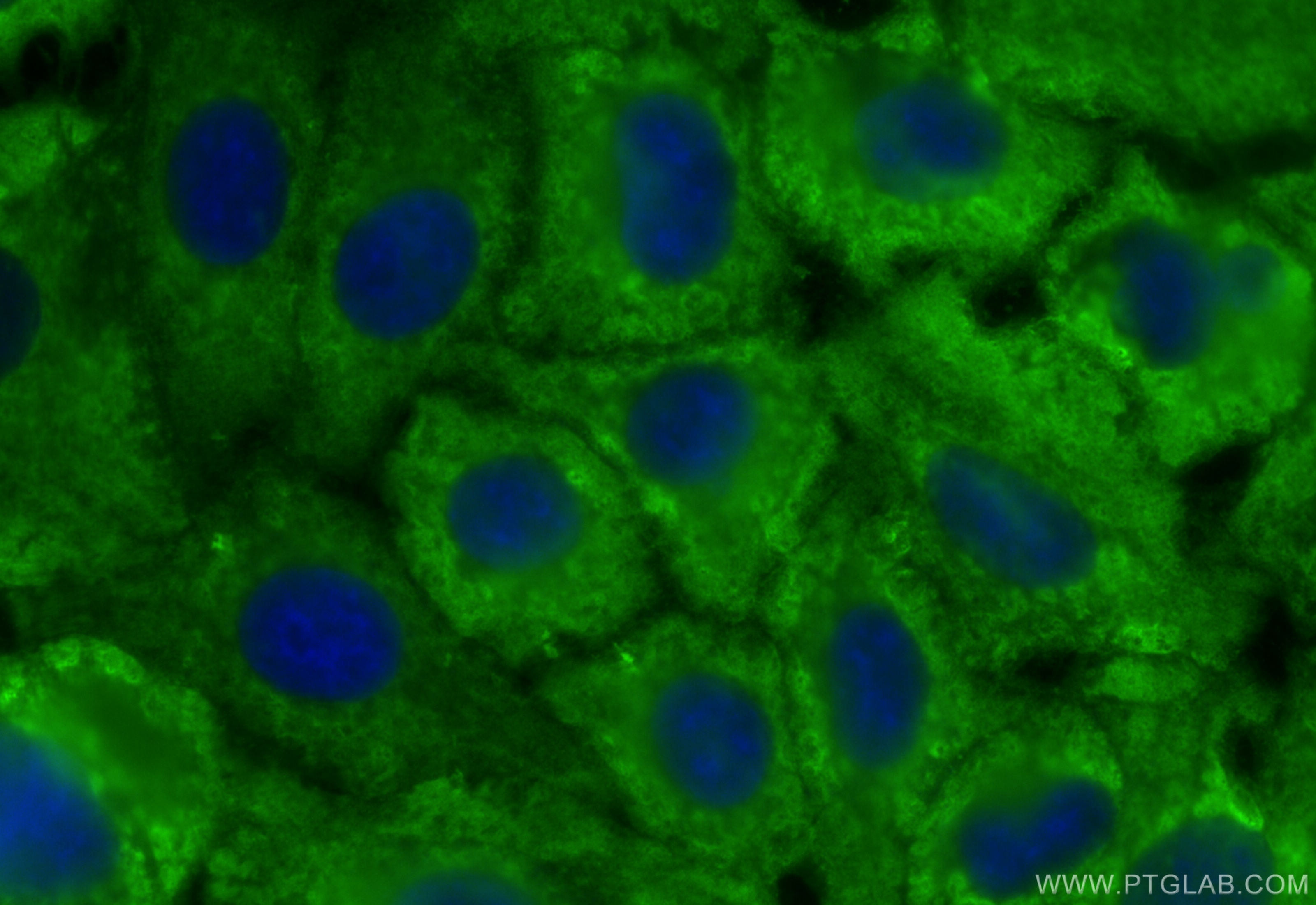
| Positive IF/ICC detected in | A549 cells |
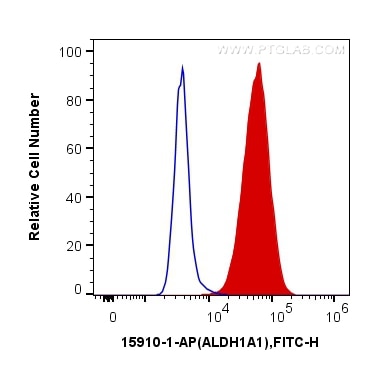
| Positive FC (Intra) detected in | HepG2 cells |
Recommended dilution
| Application | Dilution |
|---|---|
| Western Blot (WB) | WB : 1:5000-1:50000 |
| Immunohistochemistry (IHC) | IHC : 1:50-1:500 |
| Immunofluorescence (IF)-P | IF-P : 1:50-1:500 |
| Immunofluorescence (IF)/ICC | IF/ICC : 1:200-1:800 |
| Flow Cytometry (FC) (INTRA) | FC (INTRA) : 0.20 ug per 10^6 cells in a 100 µl suspension |
| It is recommended that this reagent should be titrated in each testing system to obtain optimal results. | |
| Sample-dependent, Check data in validation data gallery. | |
Product Information
15910-1-AP targets ALDH1A1 in WB, IHC, IF/ICC, IF-P, FC (Intra), CoIP, ELISA applications and shows reactivity with human, mouse, rat samples.
| Tested Reactivity | human, mouse, rat |
| Cited Reactivity | human, mouse, rat, bovine |
| Host / Isotype | Rabbit / IgG |
| Class | Polyclonal |
| Type | Antibody |
| Immunogen |
CatNo: Ag8665 Product name: Recombinant human ALDH1A1 protein Source: e coli.-derived, PGEX-4T Tag: GST Domain: 153-501 aa of BC001505 Sequence: TYTRHEPIGVCGQIIPWNFPLVMLIWKIGPALSCGNTVVVKPAEQTPLTALHVASLIKEAGFPPGVVNIVPGYGPTAGAAISSHMDIDKVAFTGSTEVGKLIKEAAGKSNLKRVTLELGGKSPCIVLADADLDNAVEFAHHGVFYHQGQCCIAASRIFVEESIYDEFVRRSVERAKKYILGNPLTPGVTQGPQIDKEQYDKILDLIESGKKEGAKLECGGGPWGNKGYFVQPTVFSNVTDEMRIAKEEIFGPVQQIMKFKSLDDVIKRANNTFYGLSAGVFTKDIDKAITISSALQAGTVWVNCYGVVSAQCPFGGFKMSGNGRELGEYGFHEYTEVKTVTVKISQKNS Predict reactive species |
| Full Name | aldehyde dehydrogenase 1 family, member A1 |
| Calculated Molecular Weight | 501 aa, 55 kDa |
| Observed Molecular Weight | 50-55 kDa |
| GenBank Accession Number | BC001505 |
| Gene Symbol | ALDH1A1 |
| Gene ID (NCBI) | 216 |
| RRID | AB_2305276 |
| Conjugate | Unconjugated |
| Form | Liquid |
| Purification Method | Antigen affinity purification |
| UNIPROT ID | P00352 |
| Storage Buffer | PBS with 0.02% sodium azide and 50% glycerol, pH 7.3. |
| Storage Conditions | Store at -20°C. Stable for one year after shipment. Aliquoting is unnecessary for -20oC storage. 20ul sizes contain 0.1% BSA. |
Background Information
ALDH1A1(Aldehyde dehydrogenase family 1 member A1 ), also named as ALDC, ALDH1 and PUMB1, belongs to the aldehyde dehydrogenase family. The ALDH1A1 gene encodes a liver cytosolic isoform of acetaldehyde dehydrogenase, an enzyme involved in the major pathway of alcohol metabolism after alcohol dehydrogenase. ALDH1A1 plays a critical role in protection against oxidative stress-induced cytotoxicity in lens epithelial cells(PMID:19296407). And it is important for multiple biological activities including drug resistance, cell differentiation, and oxidative stress response(PMID:19025616). As a novel cancer stem cell marker, ALDH1A1 can be used for tumors whose corresponding normal tissues express ALDH1 in relatively restricted or limited levels such as breast, lung, ovarian or colon cancer(PMID: 20422001). This antibody can also recognize some other membranes of the aldehyde dehydrogenase family.
Protocols
| Product Specific Protocols | |
|---|---|
| FC protocol for ALDH1A1 antibody 15910-1-AP | Download protocol |
| IF protocol for ALDH1A1 antibody 15910-1-AP | Download protocol |
| IHC protocol for ALDH1A1 antibody 15910-1-AP | Download protocol |
| WB protocol for ALDH1A1 antibody 15910-1-AP | Download protocol |
| Standard Protocols | |
|---|---|
| Click here to view our Standard Protocols |
Publications
What published studies show
ALDH1A1 Polyclonal antibody (Cat# 15910-1-AP) has accumulated 175 citations published in journals including Nature Communications, Cell Research, Cancer Research, eLife, EMBO Journal, iScience, Cell Death & Disease, Theranostics, and Oncogene. The research fields covered include cancer stem cell biology, epithelial-mesenchymal transition, chemoresistance, retinoic acid signaling, ferroptosis, and tumor progression across breast, lung, ovarian, gastric, pancreatic, colorectal, bladder, and head and neck cancers.
| Species | Application | Title |
|---|---|---|
Cell Res Excessive UBE3A dosage impairs retinoic acid signaling and synaptic plasticity in autism spectrum disorders. | ||
Nat Commun TSPAN8 promotes cancer cell stemness via activation of sonic Hedgehog signaling. | ||
Nat Commun KK-LC-1 as a therapeutic target to eliminate ALDH+ stem cells in triple negative breast cancer | ||
Nat Commun CAV2-expressing nerves induce metabolic switch toward mitochondrial oxidative phosphorylation to promote cancer stemness. | ||
Int J Oral Sci LIMP-2 enhances cancer stem-like cell properties by promoting autophagy-induced GSK3β degradation in head and neck squamous cell carcinoma |
Reviews
What customers say
All 7 reviews are 5-star. The ALDH1A1 antibody performed excellently in Western Blot (most common application), IHC, and IF across mouse and human samples including cell lines, tissues, and primary cells. Users consistently reported strong, specific bands or staining with minimal background at dilutions of 1:1000 (WB) and 1:100 (IHC/IF). Several reviewers highlighted reproducibility across replicates and compatibility with standard protocols. Overall, customers found it reliable and highly recommended it for ALDH1A1 detection in various experimental settings.
The reviews below have been submitted by verified Proteintech customers who received an incentive for providing their feedback.
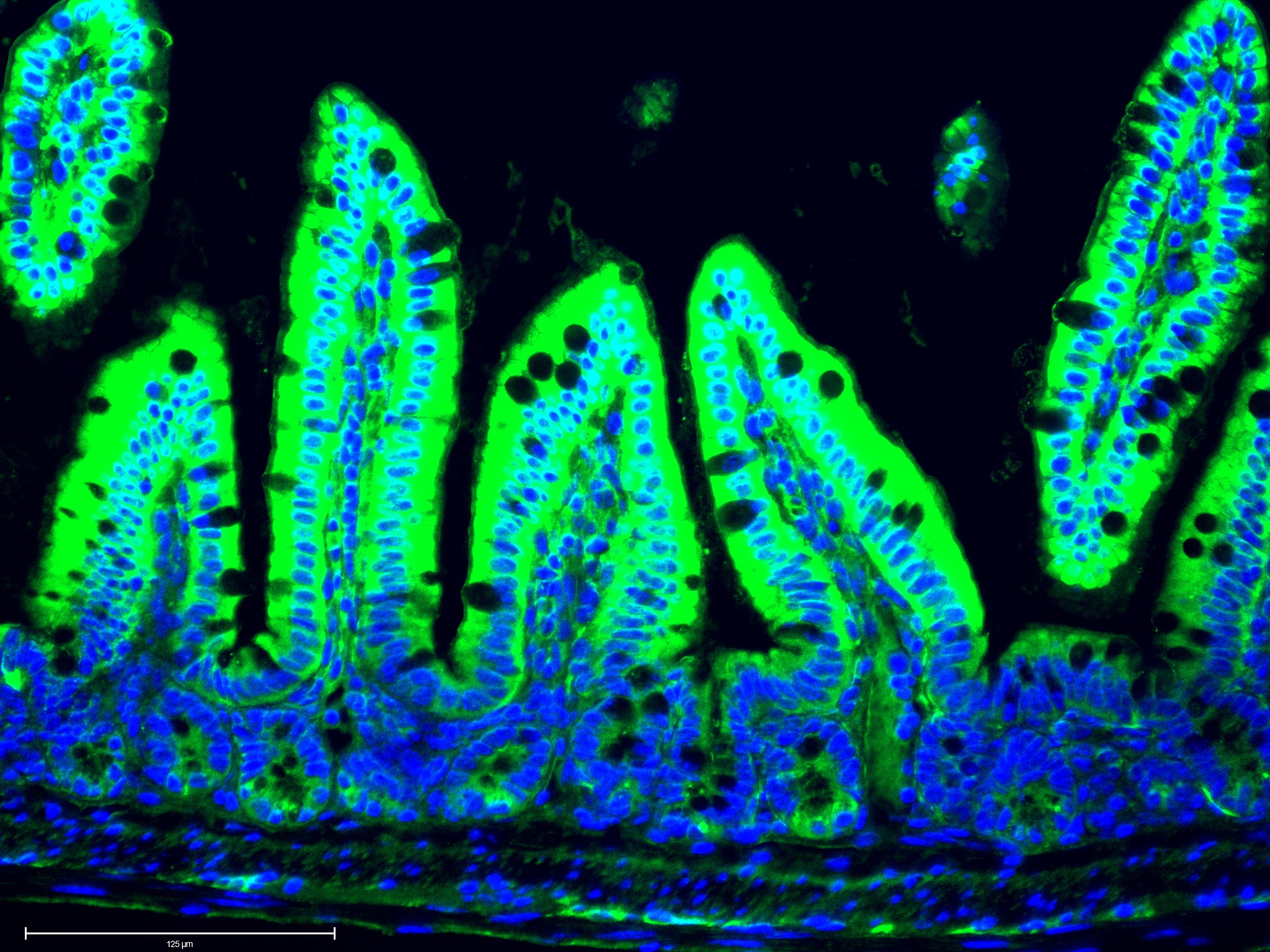
Irshad (Verified Customer) (07-23-2025) | I have used the ALDH1A1 antibody extensively for immunohistochemistry (IHC) on mouse tissue (small and large intestine), and I am very pleased with its performance. The antibody provides robust, specific, and reproducible staining, particularly in epithelial compartments where ALDH1A1 is known to be expressed. The signal intensity is strong with minimal background, and it clearly distinguishes crypt-resident epithelial cells with cytoplasmic localization, consistent with ALDH1A1's enzymatic role in retinoic acid biosynthesis. Tissue preparation and protocol compatibility were straightforward — the antibody worked well with both paraffin-embedded and frozen sections, following standard antigen retrieval (citrate buffer, pH 6.0, microwave treatment). I typically used it at a dilution of 1:100, and it performed consistently across multiple biological replicates. In summary, this antibody has been a reliable tool for visualizing ALDH1A1 expression in gut epithelial cells. I highly recommend it for researchers interested in epithelial biology, vitamin A metabolism, or retinoic acid signaling.
 |
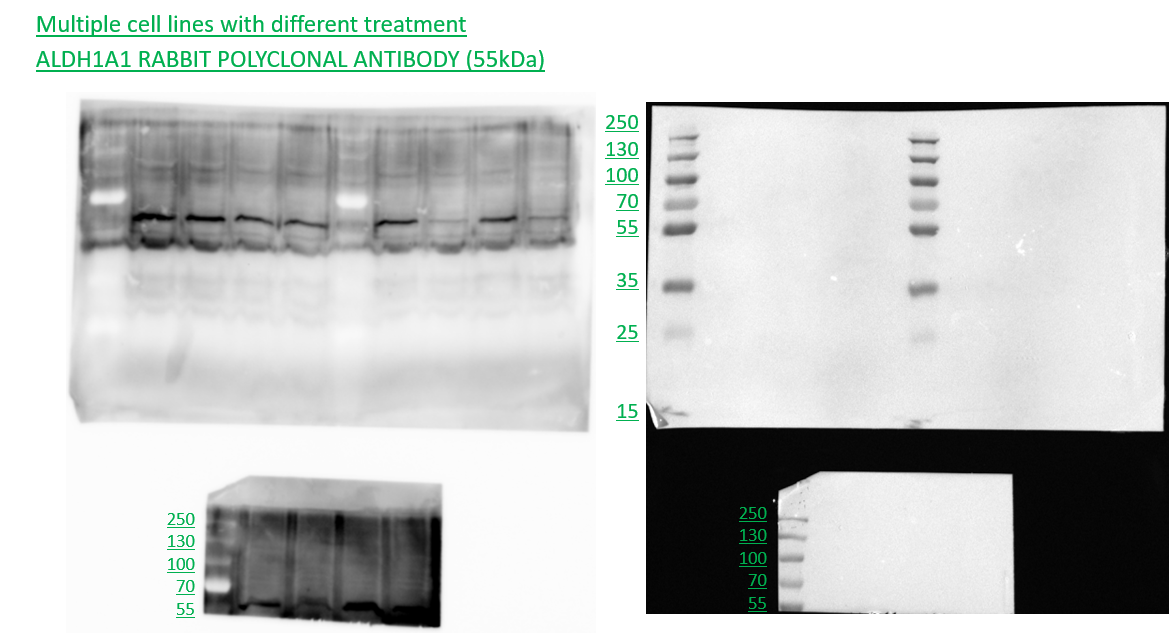
Shinford Z. (Verified Customer) (01-31-2024) | The antibody performs exceptionally well; the band on the membrane is remarkably distinct.
 |
Matthew (Verified Customer) (08-07-2023) | Antibody worked perfectly with overnight incubation at 4C. Diluted 1:1000 in TBST.
|
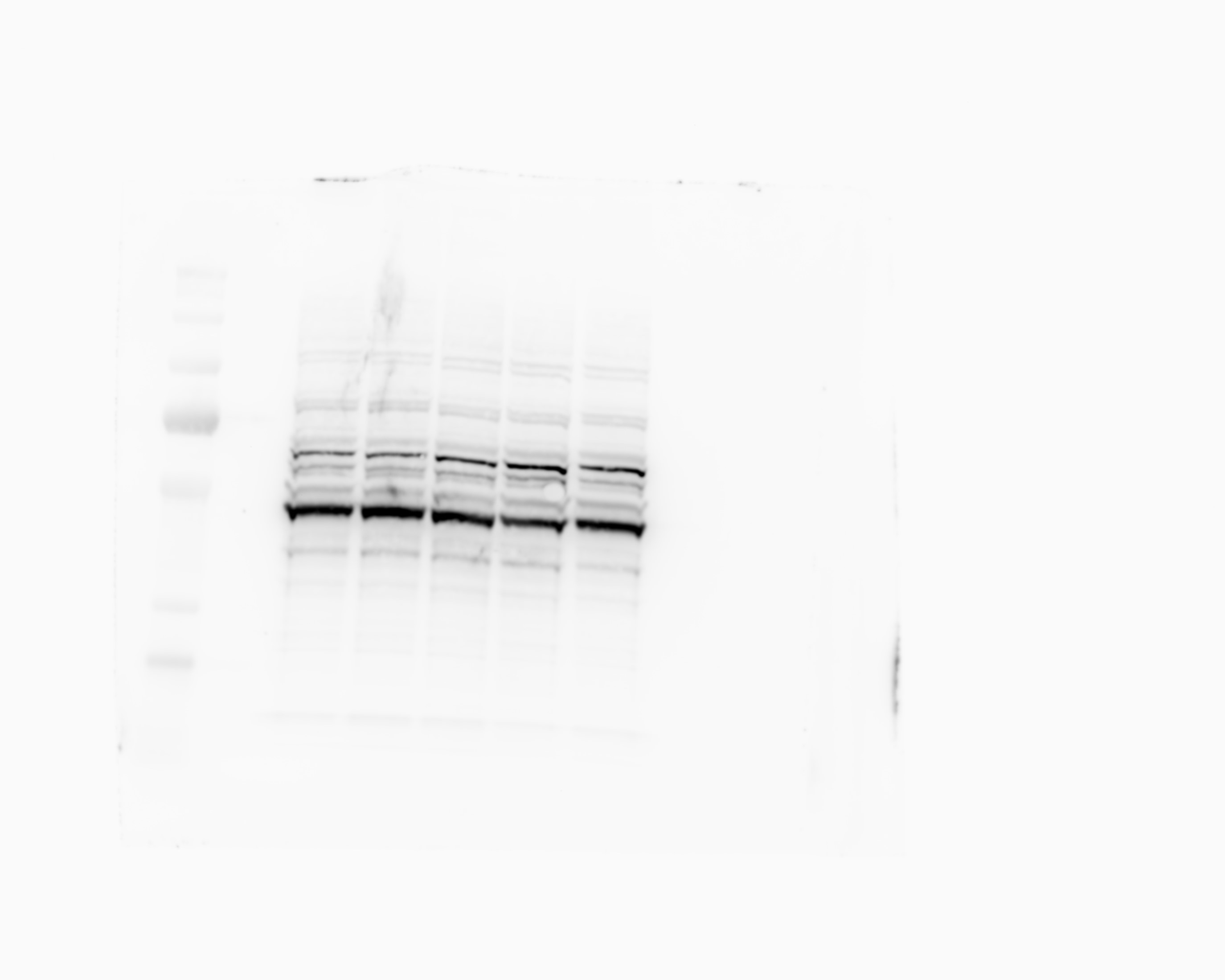
Udesh (Verified Customer) (02-24-2023) | Worked well at 1:1000 in 5% BSA O/N at 4 degrees
 |
Susmita (Verified Customer) (09-17-2020) | Antibody is working good for WB
|
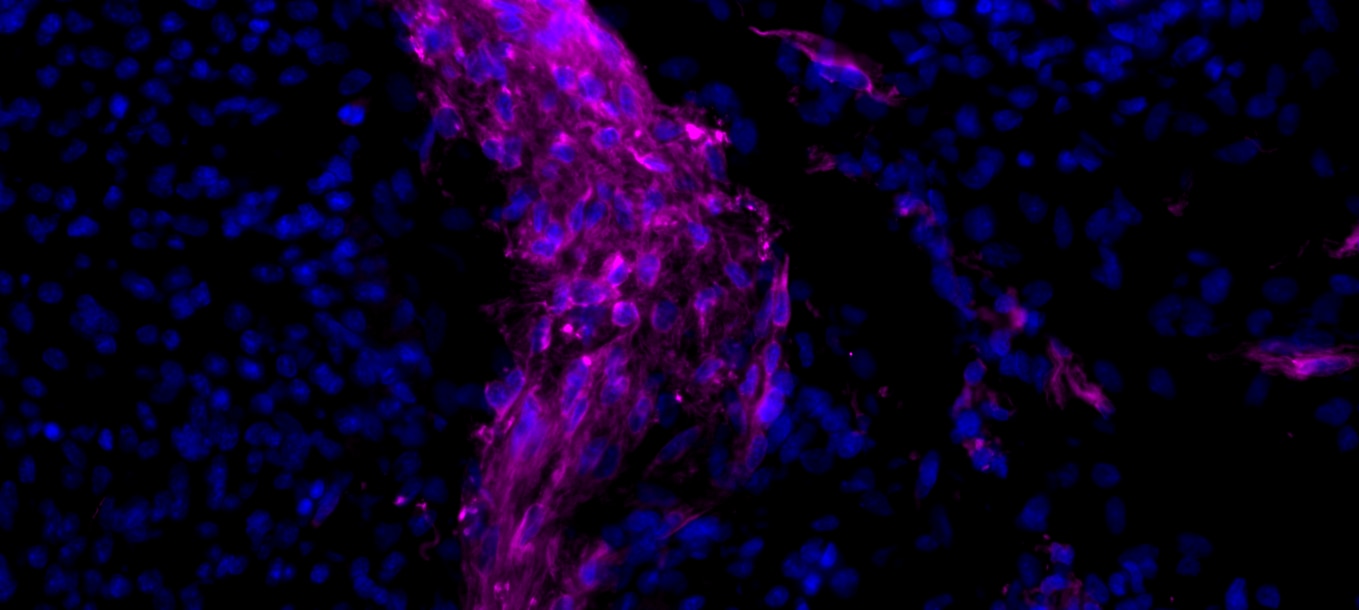
Mario Armando (Verified Customer) (02-18-2020) | I used this ALDH1A1 antibody on different human and mouse tissues including adipose tissue, heart and skeletal muscle. It worked wonderfully even when using paraffin embedded sections in both human and mouse.
 |
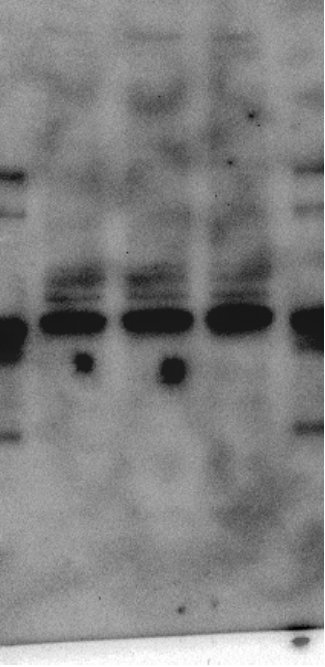
Joleen (Verified Customer) (06-07-2019) | Prominent band correspond to ALDH1A1. Works well in western blot.
 |


