

Tested Applications
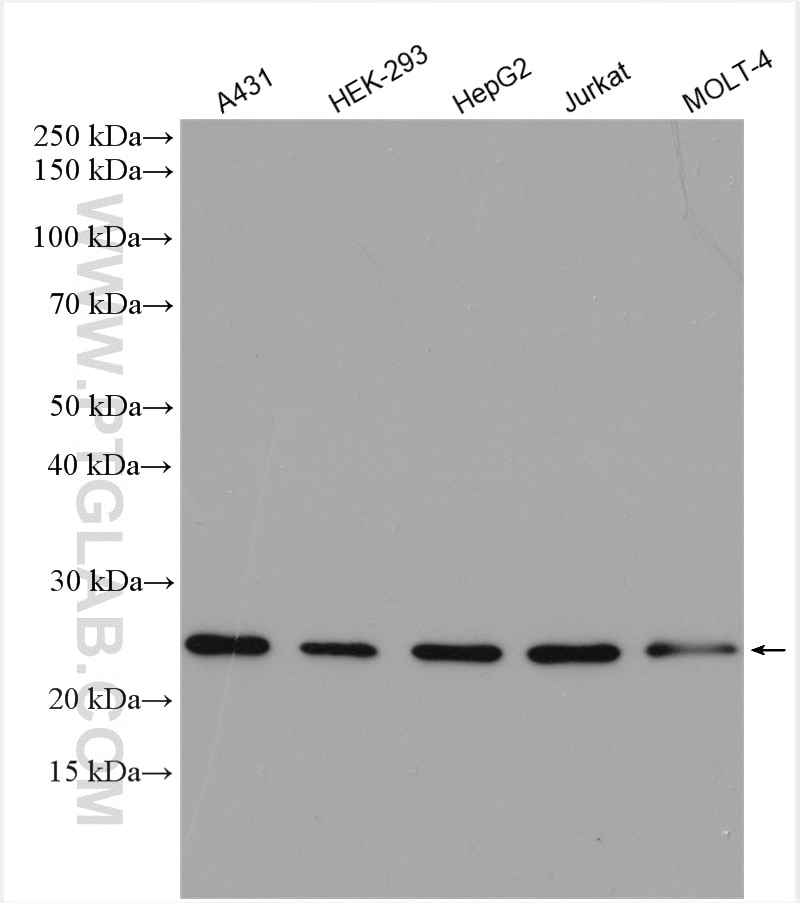
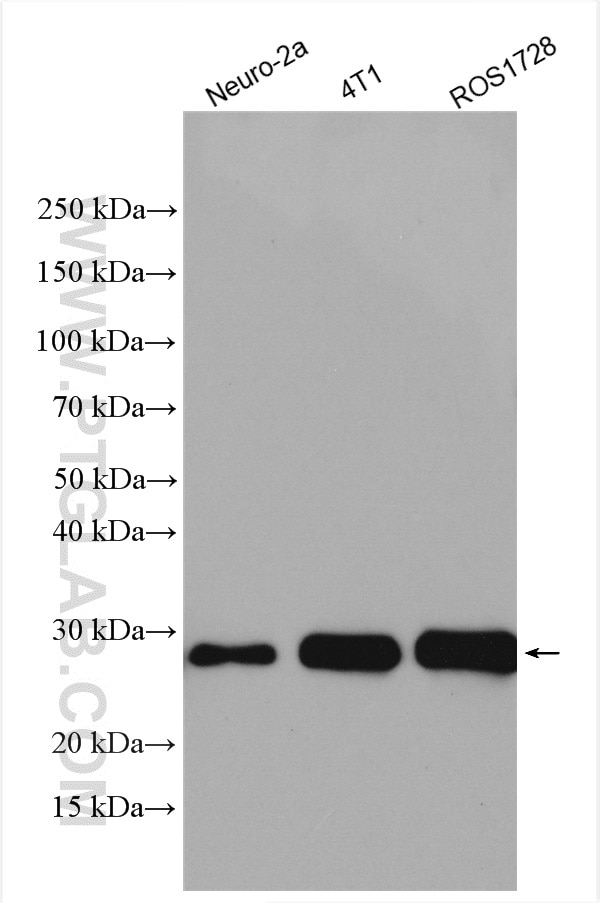
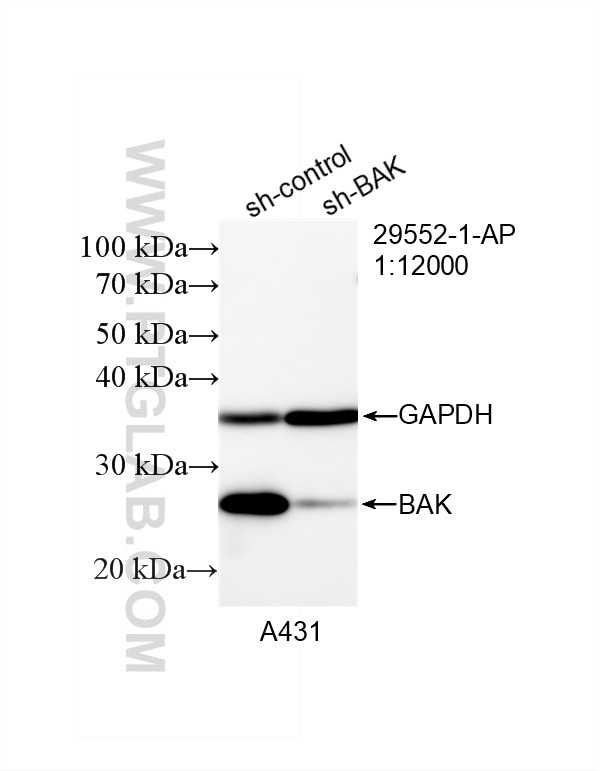
| Positive WB detected in | A431 cells, Neuro-2a cells, HEK-293 cells, HepG2 cells, Jurkat cells, MOLT-4 cells, 4T1 cells, ROS1728 cells |
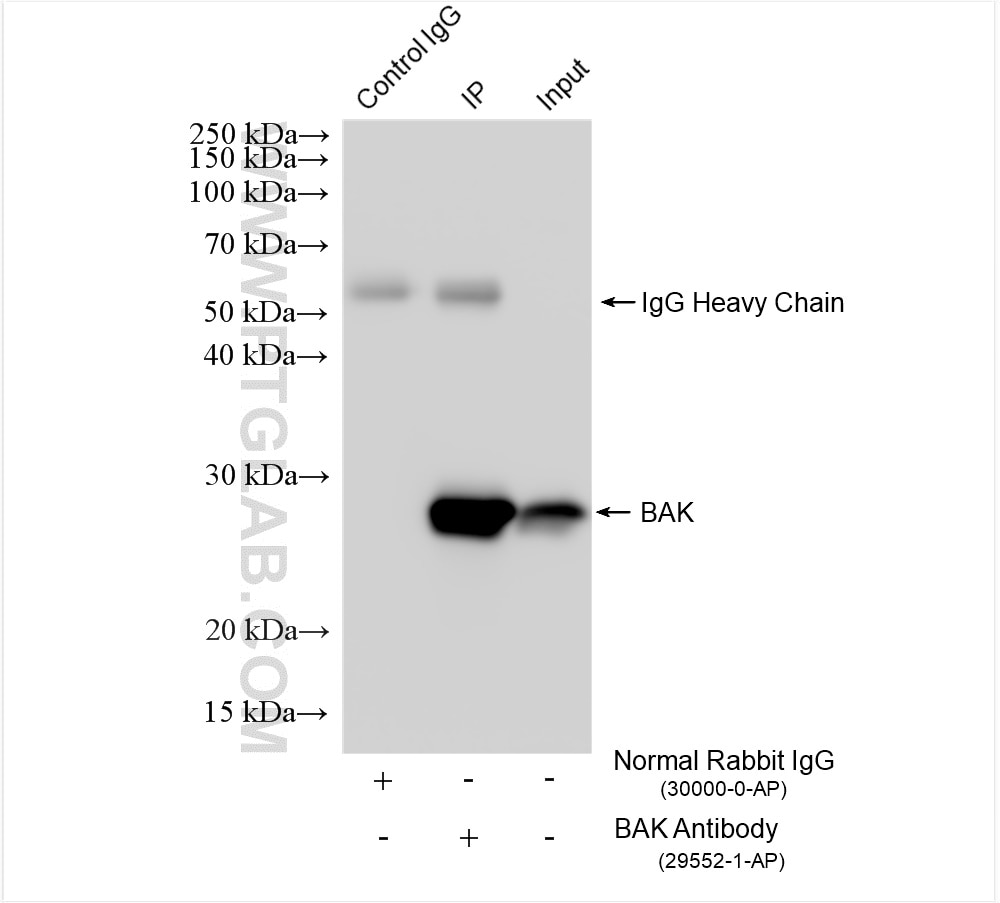
| Positive IP detected in | A431 cells |
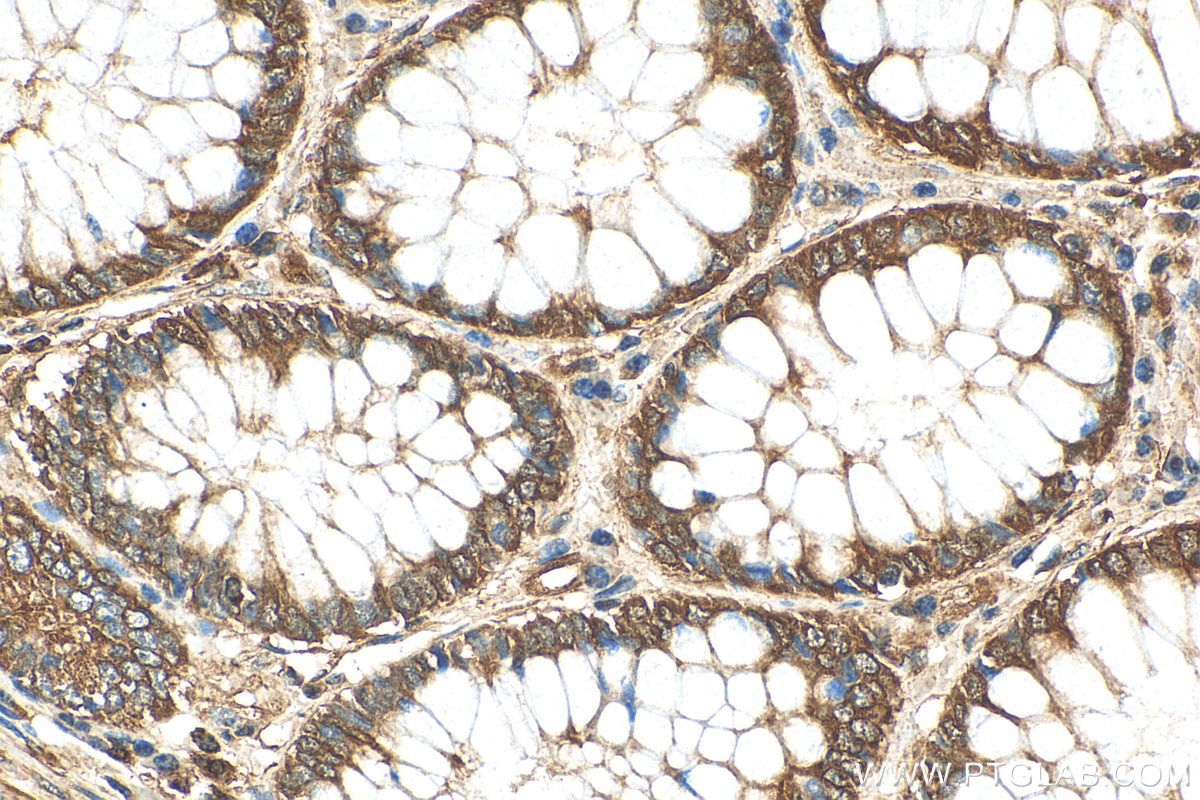
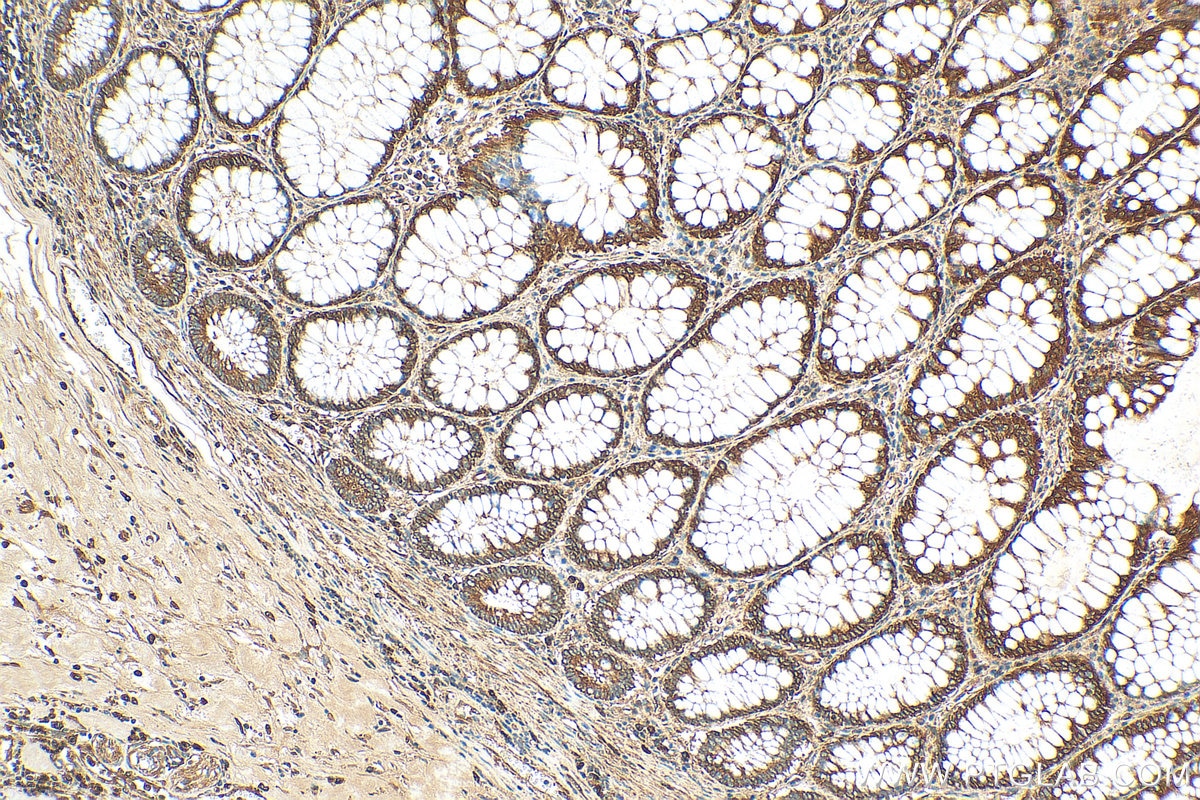
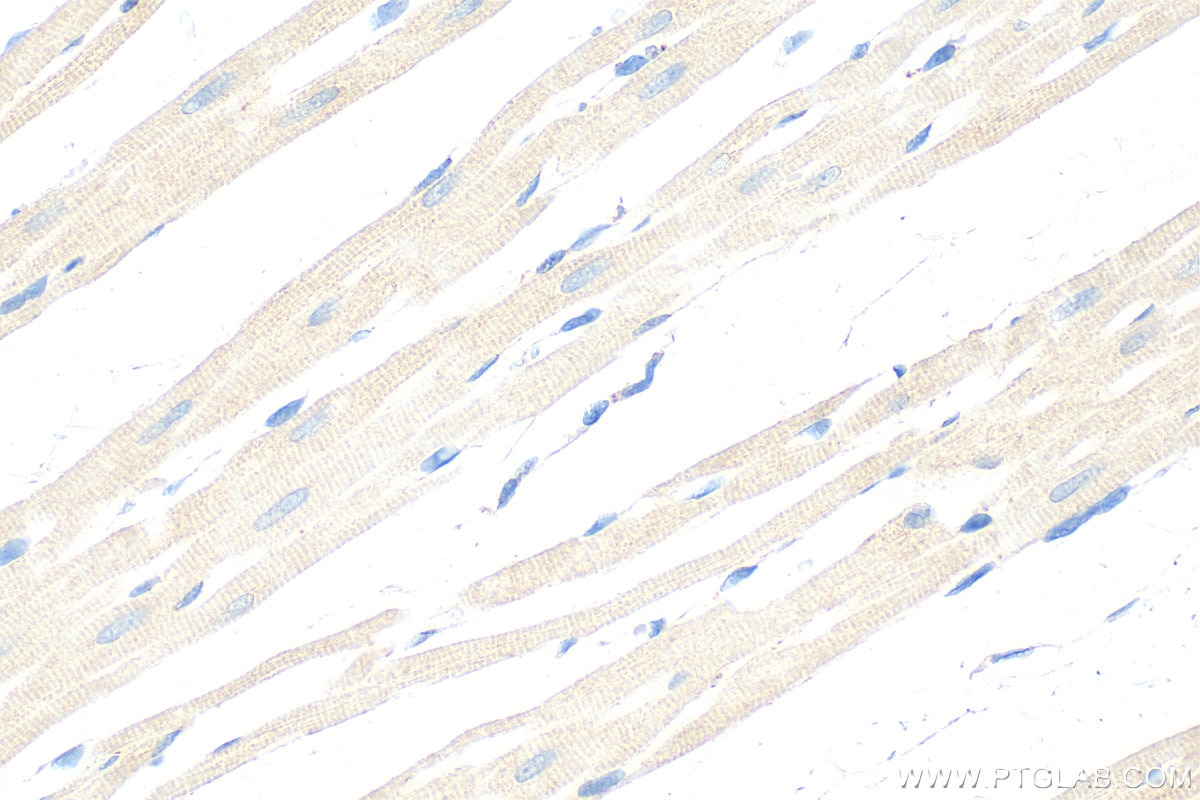
| Positive IHC detected in | human colon cancer tissue, rat heart tissue Note: suggested antigen retrieval with TE buffer pH 9.0; (*) Alternatively, antigen retrieval may be performed with citrate buffer pH 6.0 |
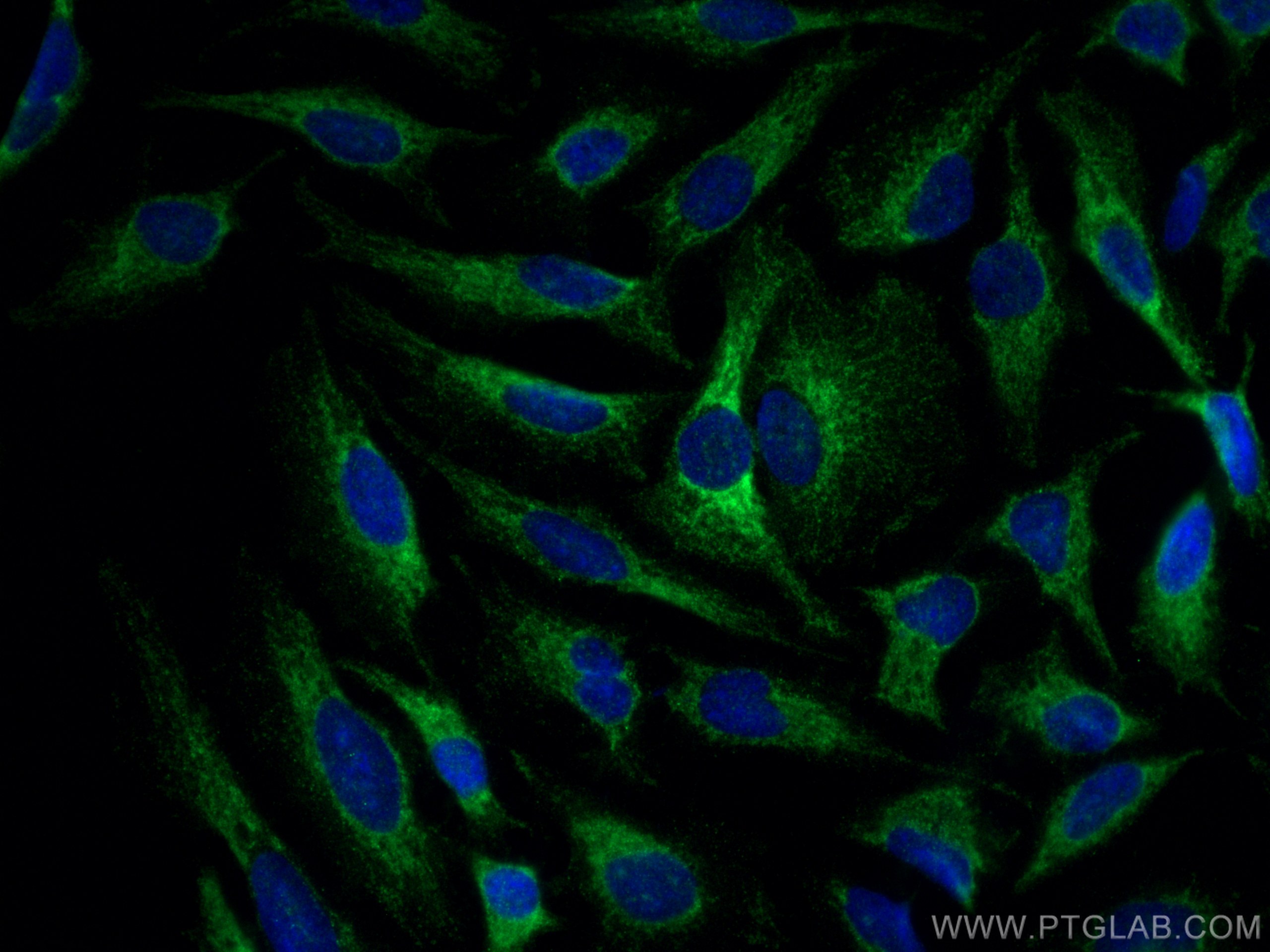
| Positive IF/ICC detected in | HeLa cells |
Recommended dilution
| Application | Dilution |
|---|---|
| Western Blot (WB) | WB : 1:2000-1:12000 |
| Immunoprecipitation (IP) | IP : 0.5-4.0 ug for 1.0-3.0 mg of total protein lysate |
| Immunohistochemistry (IHC) | IHC : 1:50-1:500 |
| Immunofluorescence (IF)/ICC | IF/ICC : 1:50-1:500 |
| It is recommended that this reagent should be titrated in each testing system to obtain optimal results. | |
| Sample-dependent, Check data in validation data gallery. | |
Product Information
29552-1-AP targets BAK in WB, IHC, IF/ICC, IP, CoIP, ELISA applications and shows reactivity with human, mouse, rat samples.
| Tested Reactivity | human, mouse, rat |
| Cited Reactivity | human, mouse, rat, pig, chicken, hamster |
| Host / Isotype | Rabbit / IgG |
| Class | Polyclonal |
| Type | Antibody |
| Immunogen |
CatNo: Ag31042 Product name: Recombinant human BAK protein Source: e coli.-derived, PGEX-4T Tag: GST Domain: 1-100 aa of NM_001188 Sequence: MASGQGPGPPRQECGEPALPSASEEQVAQDTEEVFRSYVFYRHQQEQEAEGVAAPADPEMVTLPLQPSSTMGQVGRQLAIIGDDINRRYDSEFQTMLQHL Predict reactive species |
| Full Name | BCL2-antagonist/killer 1 |
| Calculated Molecular Weight | 23 kDa |
| Observed Molecular Weight | 23-25 kDa |
| GenBank Accession Number | NM_001188 |
| Gene Symbol | BAK1 |
| Gene ID (NCBI) | 578 |
| RRID | AB_2923596 |
| Conjugate | Unconjugated |
| Form | Liquid |
| Purification Method | Antigen affinity purification |
| UNIPROT ID | Q16611 |
| Storage Buffer | PBS with 0.02% sodium azide and 50% glycerol, pH 7.3. |
| Storage Conditions | Store at -20°C. Stable for one year after shipment. Aliquoting is unnecessary for -20oC storage. 20ul sizes contain 0.1% BSA. |
Background Information
The protein encoded by this gene belongs to the BCL2 protein family. BCL2 family members form oligomers or heterodimers and act as anti- or pro-apoptotic regulators that are involved in a wide variety of cellular activities. This protein localizes to mitochondria, and functions to induce apoptosis. It interacts with and accelerates the opening of the mitochondrial voltage-dependent anion channel, which leads to a loss in membrane potential and the release of cytochrome c. This protein also interacts with the tumor suppressor P53 after exposure to cell stress.
Protocols
| Product Specific Protocols | |
|---|---|
| IF protocol for BAK antibody 29552-1-AP | Download protocol |
| IHC protocol for BAK antibody 29552-1-AP | Download protocol |
| IP protocol for BAK antibody 29552-1-AP | Download protocol |
| WB protocol for BAK antibody 29552-1-AP | Download protocol |
| Standard Protocols | |
|---|---|
| Click here to view our Standard Protocols |
Publications
What published studies show
The BAK Polyclonal antibody (Cat# 29552-1-AP) has accumulated 43 citations across journals including Cell Metabolism, ACS Nano, Cell Reports, Nature Communications, Journal of Biological Chemistry, Cell Chemical Biology, iScience, and Poultry Science, among others. Research fields span apoptosis, ferroptosis, pyroptosis, liver fibrosis, cancer (lung, ovarian, melanoma, breast, pancreatic, hepatocellular), diabetes, neuroprotection, mitochondrial dysfunction, and oxidative stress, with applications primarily in WB, IHC, IF, IP, and CoIP.
| Species | Application | Title |
|---|---|---|
Cell Metab Muscle-derived small extracellular vesicles induce liver fibrosis during overtraining | ||
ACS Nano Mitochondria-Targeted Microneedles Reverse Doxorubicin Resistance via Apoptosis-Ferroptosis Synergy | ||
Cell Rep Med High-dose ascorbic acid selectively induces pyroptosis in LKB1-deficient lung cancer and sensitizes immunotherapy | ||
Environ Int Genome-wide CRISPR-based screen identifies E2F transcription factor 1 as a regulator and therapeutic target of aristolochic acid-induced nephrotoxicity | ||
J Transl Med TGF-β/JNK axis mediates mitochondrial damage and macrophage cGAS-STING activation in liver Mallory-Denk body pathogenesis | ||
Cell Chem Biol The BAX/BAK apoptotic checkpoint polices entry to therapy-induced senescence. |


